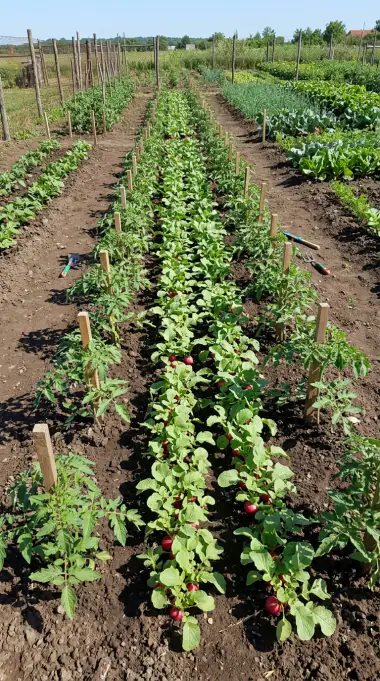
Complete GuideHow to Start a Vegetable Garden: Beginner's Step-by-Step Guide
Learn how to start a vegetable garden step-by-step — site, soil, layout & first crops that guarantee a harvest. Beginner's guide.
Grow vegetables successfully with practical guides on soil, planting, watering, feeding and harvest timing.
Growing vegetables is mostly a sequence of decisions made at the right moment: what to plant, when, how far apart, what to feed it, and when to stop watering and pick. Get one of those wrong and a plant can lose the whole season. Get them right and even a small plot produces more food than most people expect.
These guides cover that full sequence, from preparing a bed to knowing when a tomato is actually ripe. They are written for home growers using ordinary soil and ordinary tools — no special equipment, no greenhouse, no premium products required. Every technique here has been tested against the reality of limited space, limited time and beginner budgets.
New to this? Start with the beginner path below and work outward. If you already have plants in the ground and something is going wrong, jump straight to the problem-solving sections — those are written to be diagnosed in a few minutes.
Quick answer: To start a vegetable garden, choose a spot with at least 6 hours of direct sun, prepare loose soil rich in organic matter around pH 6.0-6.8, start small with 3-5 easy crops such as lettuce, radishes, beans and cherry tomatoes, and water deeply about 1 inch (2.5 cm) per week. Add compost each season and pick crops regularly so plants keep producing.
| Factor | Recommendation |
|---|---|
| Sun | 6-8 hours of direct sun (leafy greens tolerate 4-6) |
| Soil | Loose, well-drained loam with plenty of organic matter |
| pH | 6.0-6.8 for most vegetables |
| Water | About 1 inch per week, applied deeply and infrequently |
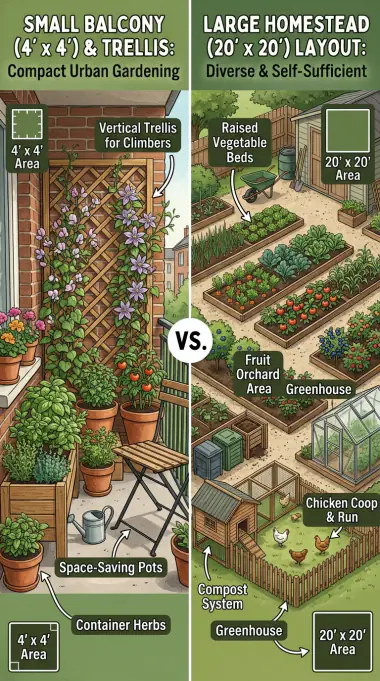
| Start small | A 4x4 or 4x8 bed, or a few large containers at least 30 cm deep |
| First crops | Lettuce, radishes, green beans, cherry tomatoes, zucchini |
| Difficulty | Beginner-friendly once the setup is right |
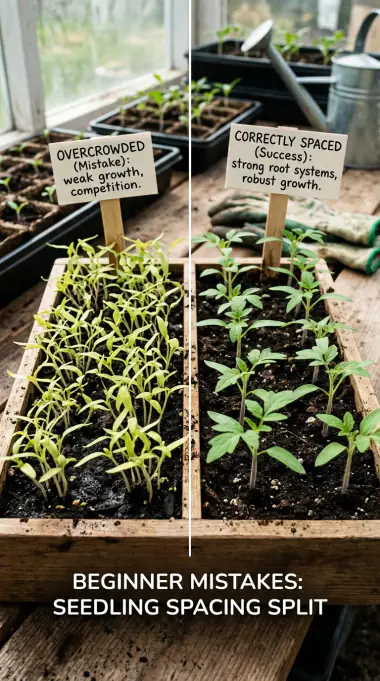
The most common first-season mistake is planting too much. A bed that looks sparse in May is the right size, because vegetables need room for air, light and your hands to reach them. These guides cover how to choose a site, how to lay out rows and beds, and how to pick the first crops that give you a result quickly.
Learn how to start a vegetable garden step-by-step — site, soil, layout & first crops that guarantee a harvest. Beginner's guide.
Discover 15 best vegetables for beginners — forgiving, high-yield crops that succeed with basic water, sun and compost. Start growing today.
Meet 20 easiest vegetables to grow for beginners — ranked by sun, water needs & days to harvest. Foolproof picks for any garden or container.
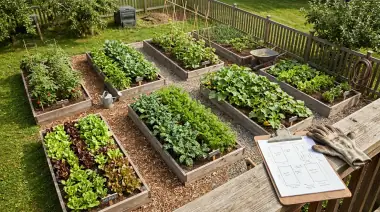
Plan a vegetable garden layout that maximizes yield - row spacing, succession planting & crop rotation on any plot size.
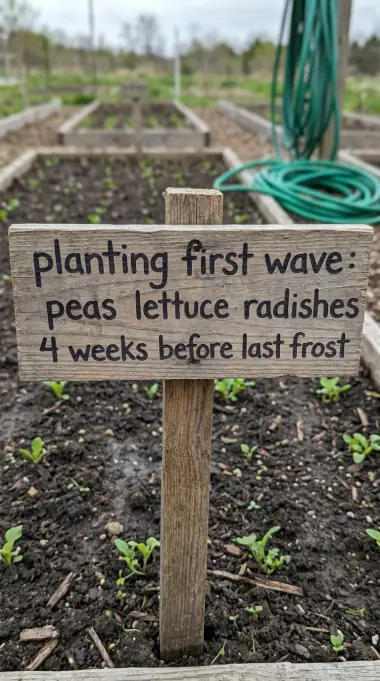
Vegetable garden spacing guide — how far apart to plant tomatoes, peppers, carrots & more. Charts to maximize yield and airflow.
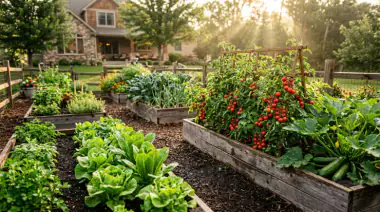
Start a vegetable garden from zero - site, soil, layout & first 5 crops that guarantee a harvest. Step-by-step for first-timers.
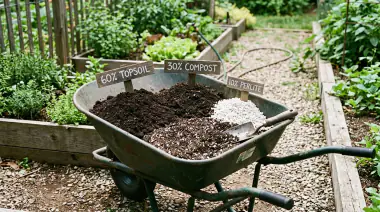
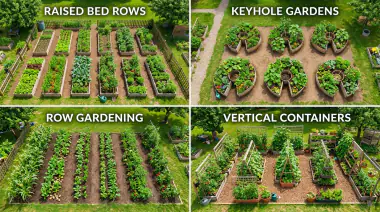
Get 15 vegetable garden layout ideas for raised beds, rows & containers — with spacing charts, companion combos & examples for any yard size.
Timing is the single biggest determinant of whether a crop succeeds. Plant a tomato too late and it will never ripen before frost; plant a radish too early and it bolts in heat. These guides give month-by-month calendars and per-crop sowing guidance for temperate climates.
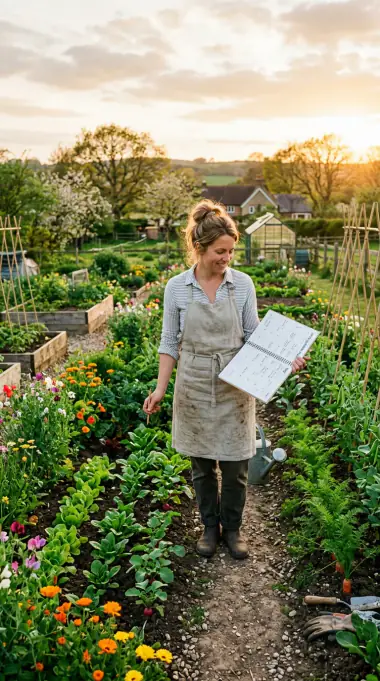
Complete guide on when to plant vegetables by month. Includes last frost dates, soil temps & zone-by-zone planting calendar for spring & fall gardens.
Discover 25 vegetables to plant in spring — cool and warm season picks by frost date — for a productive harvest all season long.
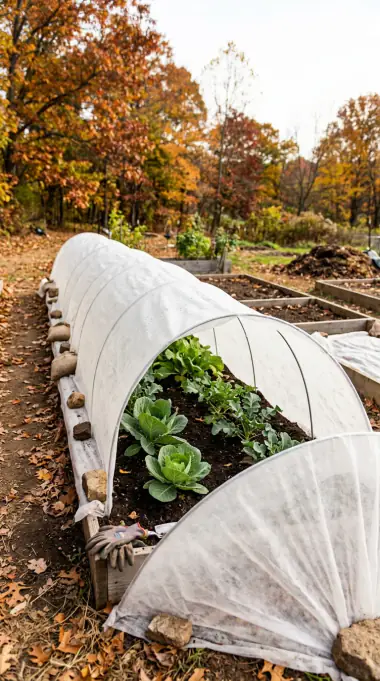
20 vegetables to plant in fall — cool-season crops that thrive in autumn, survive frost and taste sweeter after cold. Planting calendar inside.
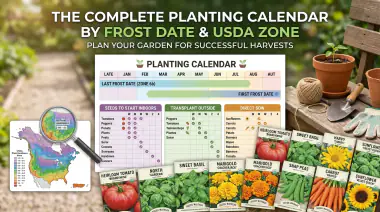
When to start vegetable seeds? Complete planting guide by frost date, zone & crop — indoor vs direct sow timing for any vegetable.
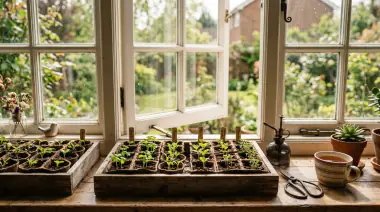
Learn how to start seeds indoors step-by-step. Covers timing, supplies, light, watering & hardening off. Includes common mistakes to avoid.
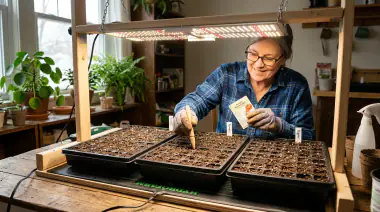
Starting vegetable seeds indoors? Get the complete beginner's guide — timing, lights, soil mix & hardening off for strong seedlings.
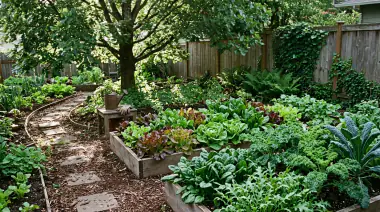
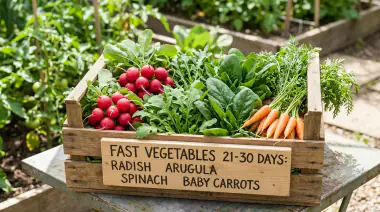
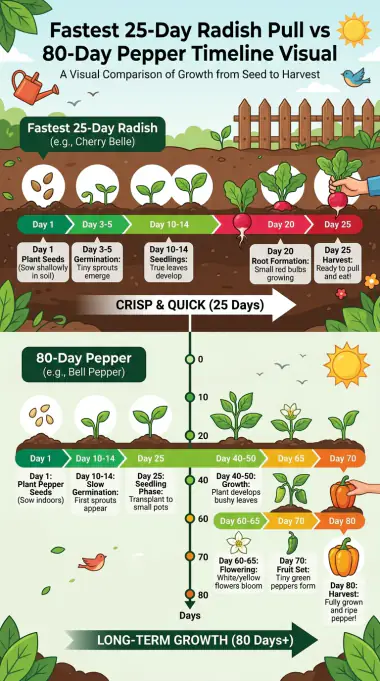
Want fast results? These 15 fast-growing vegetables are ready in 30-60 days — perfect for succession sowing and quick harvests between slow crops.
Each crop has its own spacing, feeding and support requirements. Follow the per-crop guide rather than a general schedule and you will avoid the usual failures — leggy tomatoes, overcrowded carrots, cucumbers that never set fruit.
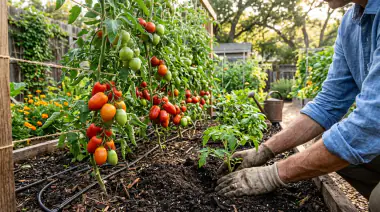
Learn how to grow tomatoes in 10 easy steps — planting, staking, watering & feeding for a bigger, tastier harvest. Beginner-friendly guide.
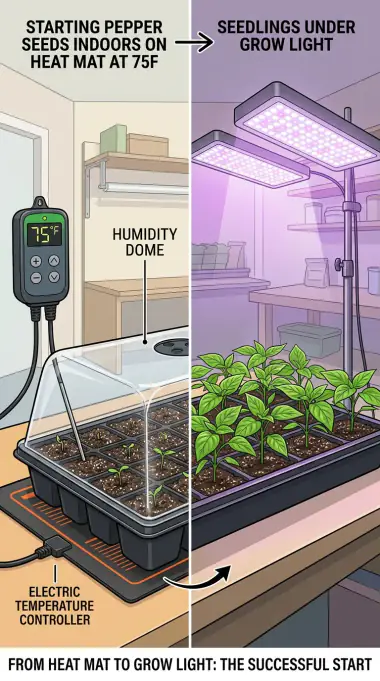
Learn how to grow peppers from seed to harvest — starting indoors, transplanting, watering, feeding & picking sweet and hot varieties. Complete guide.
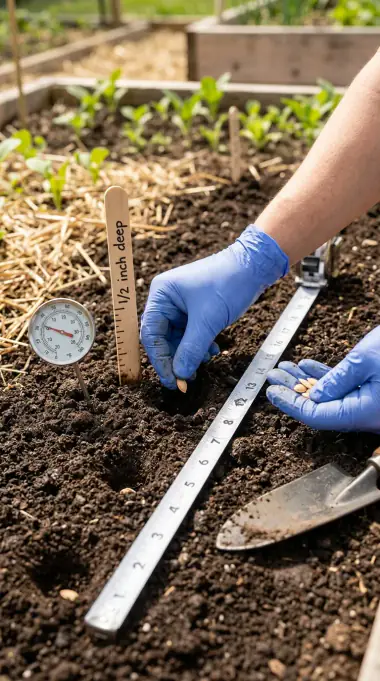
Learn how to grow cucumbers with 12 tips — sowing, trellising, watering & harvesting for bigger, crisp harvests all summer. Beginner guide.
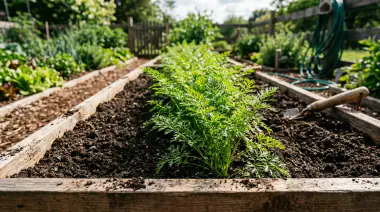
Learn how to grow carrots with 10 tips — soil prep, sowing, thinning, watering & harvest for straight, sweet roots without forking.
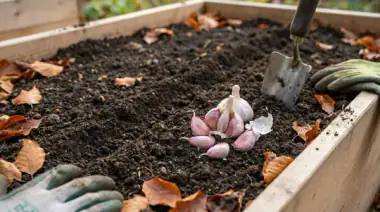
How to grow garlic from a clove — hardneck vs softneck, when to plant, how deep, watering, fertilizing & curing bulbs for 8-month storage. Fall guide.
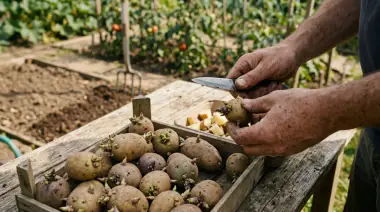
Learn how to grow potatoes — seed selection, chitting, planting, hilling, watering & curing for a big harvest from planting to storage.
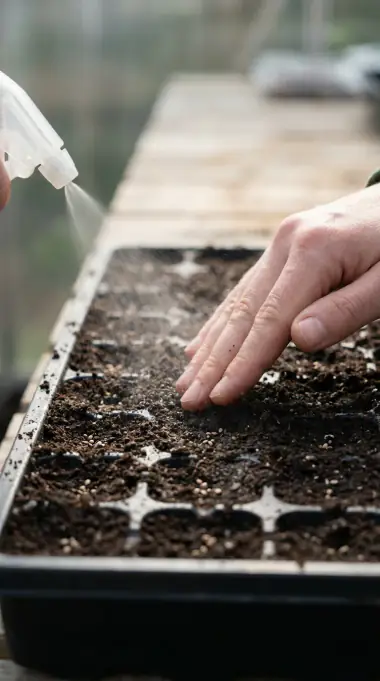
Learn how to grow lettuce with easy tips — sowing, thinning, watering, shade & succession for crisp leaves without bolting. Beginner guide.
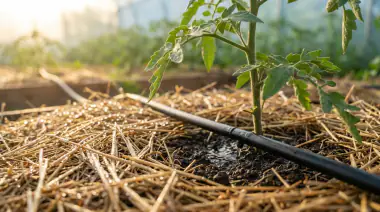
How often to water tomato plants? Get the simple answer by stage, soil and weather — plus how much per plant to avoid blossom end rot.
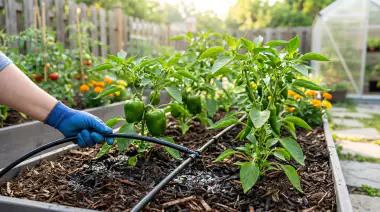
How often to water pepper plants? Get the right schedule by stage, soil and heat — plus how much per plant for steady growth and fruit set.
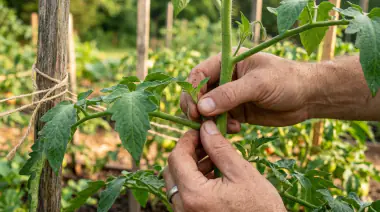
Learn how to prune tomato plants step-by-step — when to remove suckers, which leaves to cut, and how pruning boosts airflow and yield.
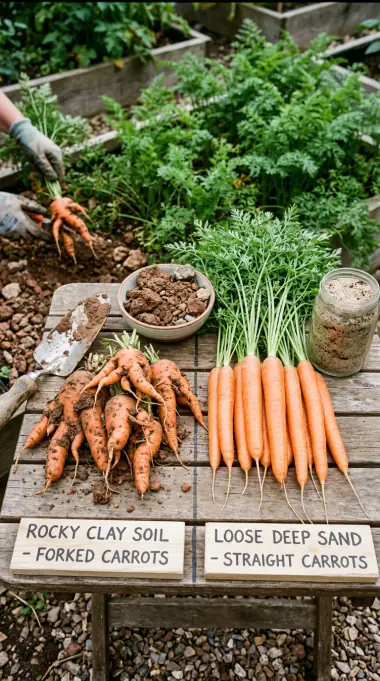
Why are my carrots so small? Learn 8 common causes — crowding, clay, shade, early harvest — and how to grow thick, straight carrots.
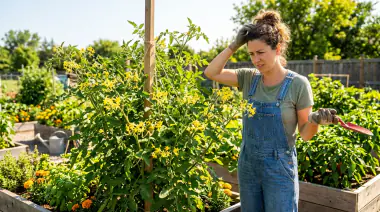
Tomato plants flowering but no fruit? Discover 11 reasons why — heat, pollination, nitrogen, light — and step-by-step fixes to restore fruit set.
Zucchini flowering but no fruit? Learn 9 reasons — pollination, heat, nitrogen, water — and proven fixes to get zucchini producing again fast.
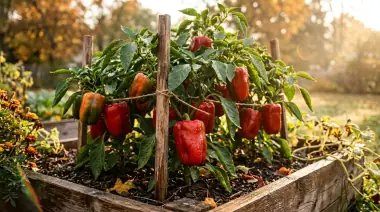
Overwintering peppers step by step - dig up, prune, pot and overwinter pepper plants indoors for bigger harvests and earlier fruit next year.
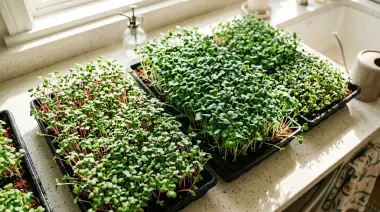
How to grow microgreens at home in 7-10 days - best seeds, trays, soil, light and harvesting for a steady supply of fresh greens.
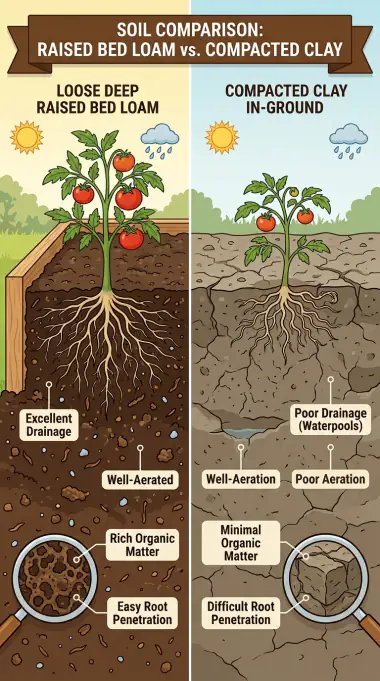
Root crops are only as good as the soil they grow in, and roots need depth more than fertility. Beds and containers let you control the mix entirely, which is often easier than amending native ground.
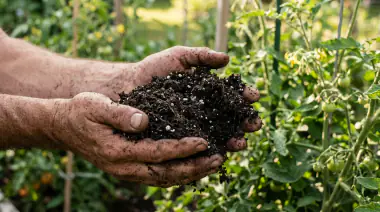
Best soil for tomatoes? Get the perfect mix — loam, compost & perlite ratios, pH 6.0-6.8 and drainage tips for healthy, productive plants.
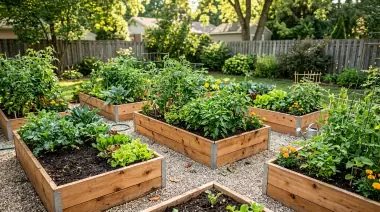
Build and plant a raised bed garden - size, wood choice, soil recipe & first crops. Beginner-friendly setup that doubles yields.
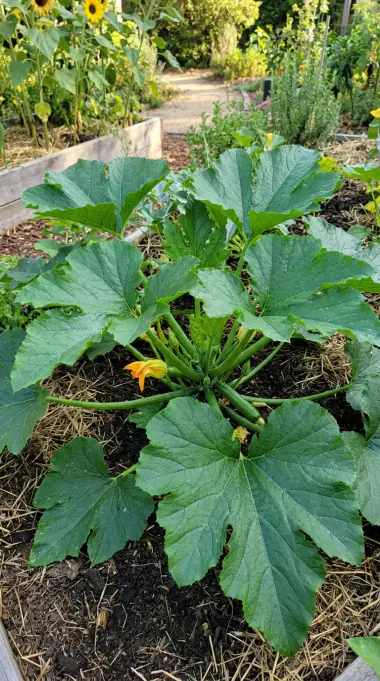
Best raised bed soil mix? Get a simple DIY recipe with topsoil, compost and aeration ratios that drain well, feed plants and save money.
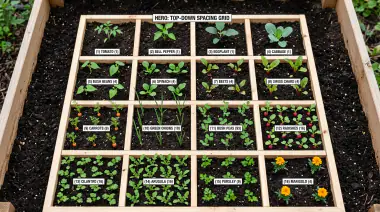
Discover 20 vegetables that grow in containers — compact varieties for pots and balconies, with potting mix, pot size and watering tips.
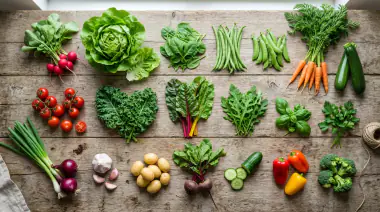
Discover 15 best vegetables for raised beds — compact, high-yield picks for deep loam, plus depth, spacing and yield tips for beginners.
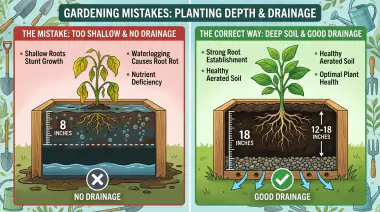
Avoid 10 raised bed gardening mistakes — soil, depth, spacing & watering errors — with fixes that save money and boost harvests.
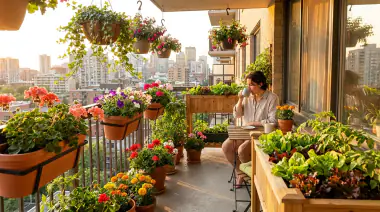
Balcony garden ideas: 35 ways to grow vegetables, herbs and flowers in tiny spaces — vertical planters, containers and small-space layouts.
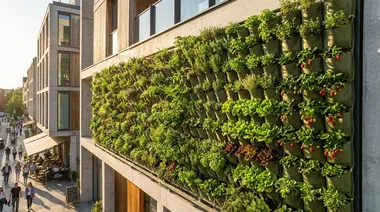
Learn how to set up a vertical garden that grows vegetables, herbs, and flowers. DIY plans, system comparisons, and step-by-step instructions.
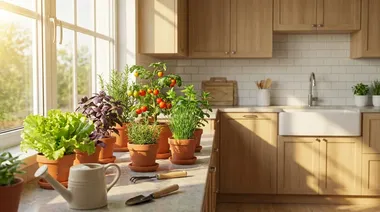
Master indoor vegetable gardening with this complete guide. Best vegetables to grow indoors, lighting, soil, containers, and year-round harvest tips.
Discover 15 vegetables that grow in shade — leafy greens, roots & herbs that produce with just 3-4 hours of sun. Perfect for small yards.
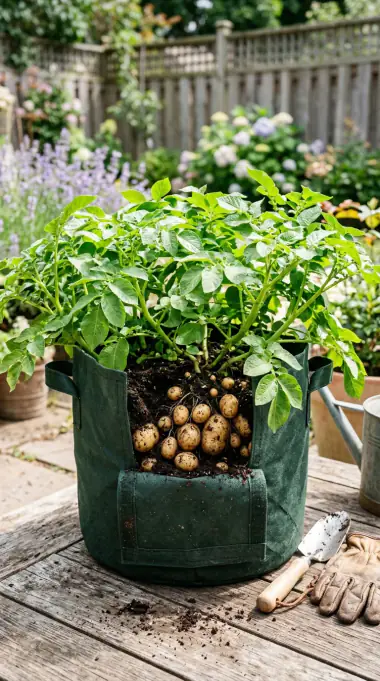
Grow potatoes in containers - bags, buckets or pots - hilling technique & watering for a big harvest on a patio or balcony.
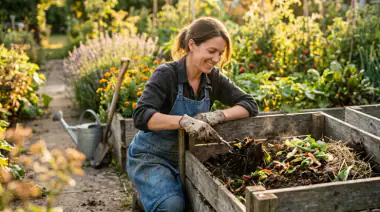
Make rich compost in 30 days - greens vs browns, turning schedule & troubleshooting smells. Turn kitchen scraps into garden gold.
Overwatering kills more vegetables than underwatering. These guides explain how to read your plants rather than guess, and how to choose fertiliser based on what a crop actually needs rather than on what is on sale.
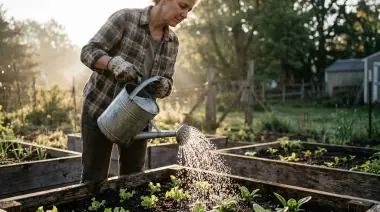
How often should you water vegetables? Get a simple daily vs deep watering schedule, how much per crop, and the #1 mistake that causes root rot.
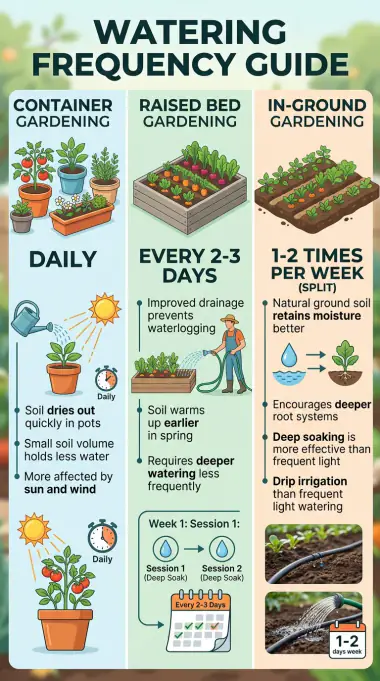
How often should you water a vegetable garden? Get the simple answer — how much per week, best time & how to check soil moisture fast.
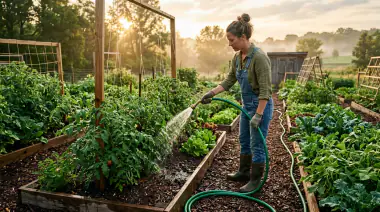
Vegetable garden watering schedule made simple — how much, how often & when to water by season, soil & crop stage. Save water, boost yield.
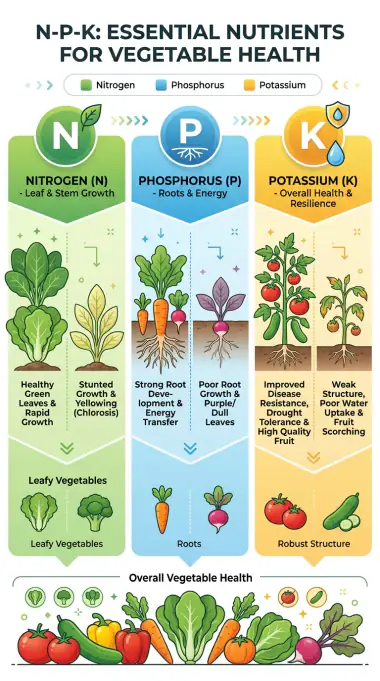
Best fertilizer for vegetable gardens? Learn what actually works — compost vs granular, N-P-K by crop & organic options that feed soil.
Confused by N-P-K numbers? Learn how to fertilize a vegetable garden - organic options, timing & dosage for bigger harvests, not burnt plants.
Best fertilizer for tomatoes? Get N-P-K by stage — at planting, flowering & fruiting — with organic and synthetic options for bigger yields.
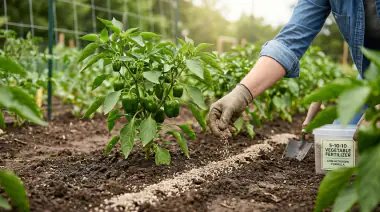
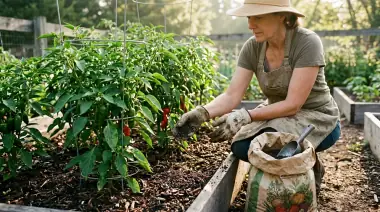
Best fertilizer for peppers? Get N-P-K by stage — planting, flowering and fruiting — with organic and synthetic options that boost yield fast.
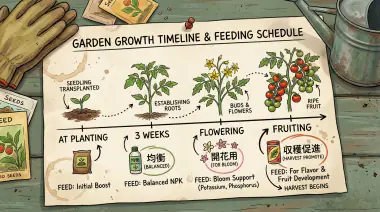
When to fertilize vegetable plants? Complete guide to timing — at planting, flowering & fruiting — so feeds boost yield not just leaves.
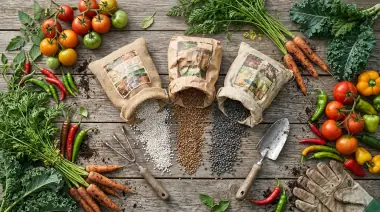
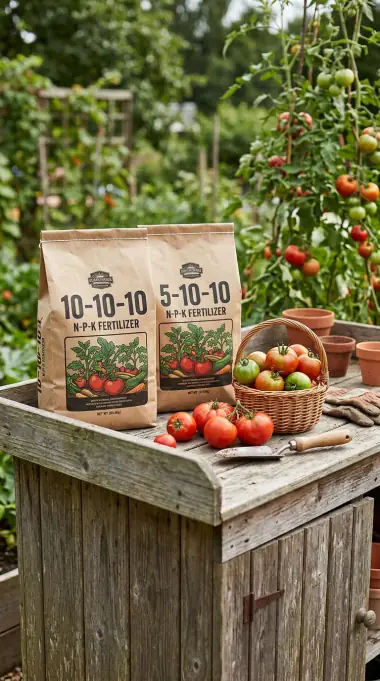
NPK ratios for vegetables made simple - a complete chart by crop, when to use 10-10-10 vs 5-10-10, and how much to apply for bigger harvests.
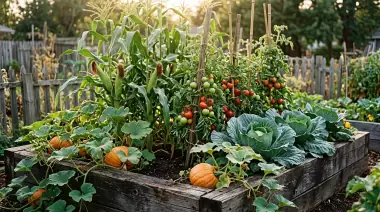
Which vegetables are heavy feeders? Get the full list, a light vs heavy feeder chart, and a simple feeding schedule for bigger harvests.
Diagnose first, treat second. Most lost crops come from spraying before knowing what is actually attacking. Match the symptom to the cause, then use the mildest method that works.
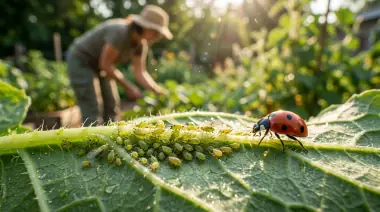
Identify vegetable garden pests by bite pattern - aphids, caterpillars & beetles - and control them organically before they spread.
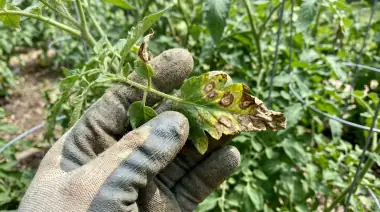
Spots, wilts or mold on vegetables? Identify common garden diseases by photo and treat them organically - with prevention that stops recurrence.
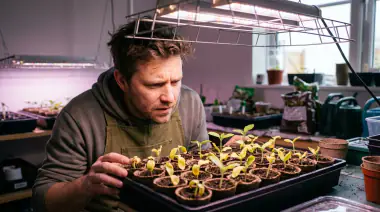
Seedlings turning yellow? Discover 9 causes — overwatering, light, nitrogen, damping off — plus fast fixes to save seedlings before they collapse.
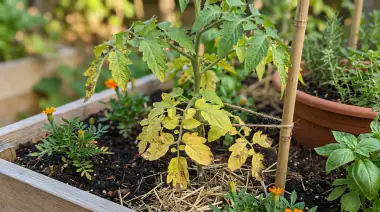
Tomato leaves turning yellow? Learn 9 causes by pattern — watering, blight, pests or nitrogen — and easy fixes that restore green leaves.
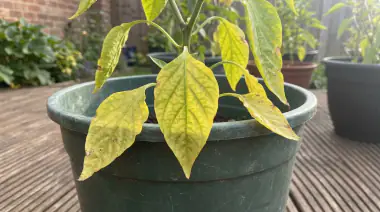
Pepper leaves turning yellow? Learn 8 causes by pattern — overwatering, nitrogen, pests or cold — and fixes that restore green growth fast.
Zucchini leaves turning yellow? Learn 8 causes — watering, mildew, pests, nitrogen — and fixes that keep vines green and productive.
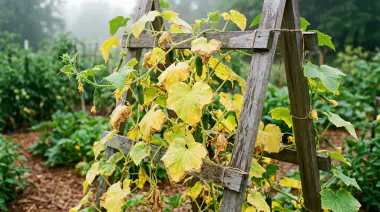
Cucumber leaves turning yellow? Learn 7 causes — watering, mildew, pests or nitrogen — and solutions that restore green vines fast.
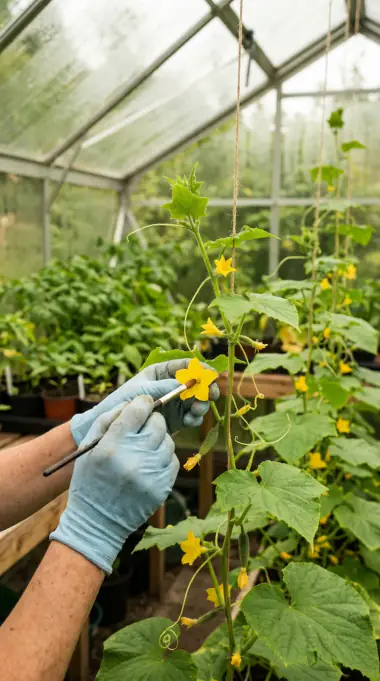
Cucumber plants flowering but no fruit? Discover 9 reasons — pollination, heat, water, nitrogen — and how to get vines to produce again.
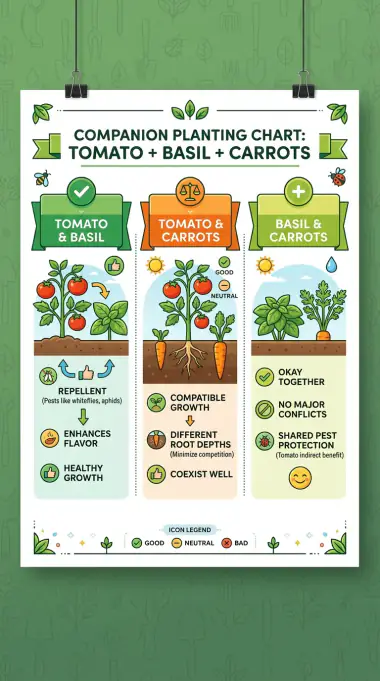
11 best tomato companion plants that repel pests & boost yield. Plus what never to plant next to tomatoes. Includes basil, marigolds & more.
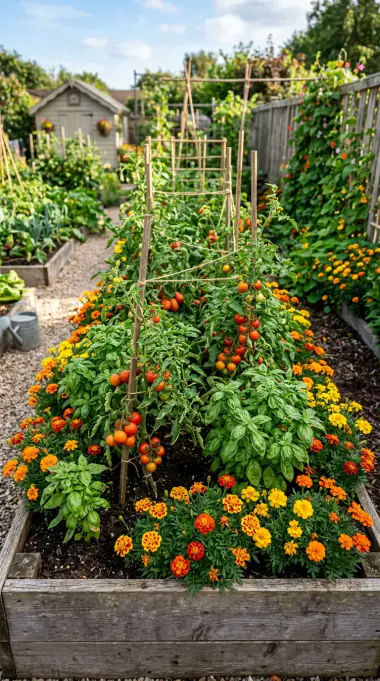
11 best tomato companion plants for a healthier garden — basil, marigolds, carrots & more that deter pests, boost flavor and save space.
Companion planting gets oversold. The reliable, evidence-backed part of it is modest: some plants deter specific pests, some compete for the same root depth, and a few genuinely benefit each other. These guides separate what works from what is folklore.
![Companion Planting: What Works & What Doesn't [Chart Inside]](/images/companion-planting-380.webp)
Companion planting guide: which vegetables grow best together, which to separate, and the myths to ignore - with a printable chart.
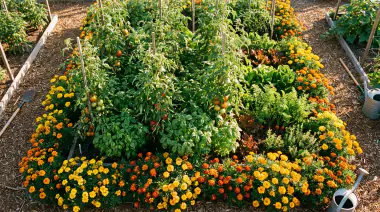
Use this companion planting chart to plan your vegetable garden. Learn which plants help each other grow, which to keep apart, and how to boost harvests.
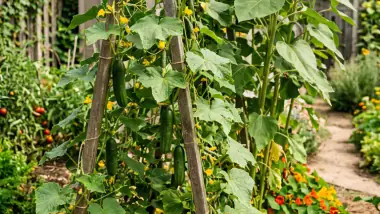
Discover 15 best cucumber companion plants for more pollination & pest control. Plus what never to plant near cucumbers. Complete spacing guide inside.
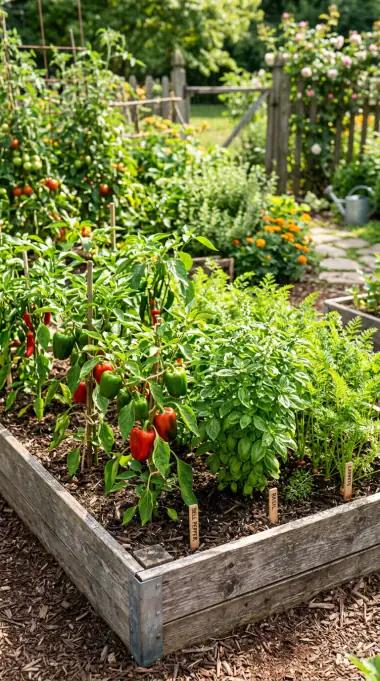
Discover 11 best pepper companion plants — basil, carrots, spinach & more that deter pests, improve pollination and save space.
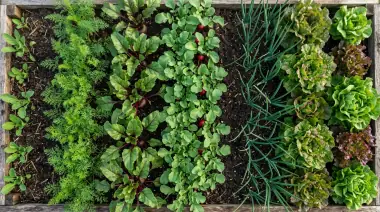
Best root vegetable companion plants for carrots, beets, radishes and more - plus what never to plant nearby for straight, healthy roots.
Picking at the right moment is worth real yield, and most vegetables will keep for weeks if stored correctly. Do not leave ripe fruit on the plant out of habit.
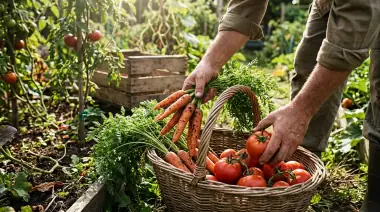
Harvest vegetables at peak flavor & store them right - timing, curing & cold storage tips that keep your crop fresh for months.
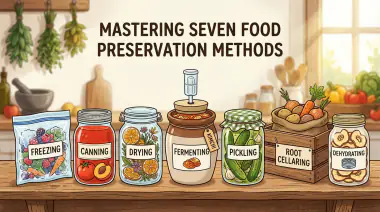
Learn how to preserve vegetables — 7 easy methods — freezing, canning, drying, fermenting & more to enjoy harvest year-round.
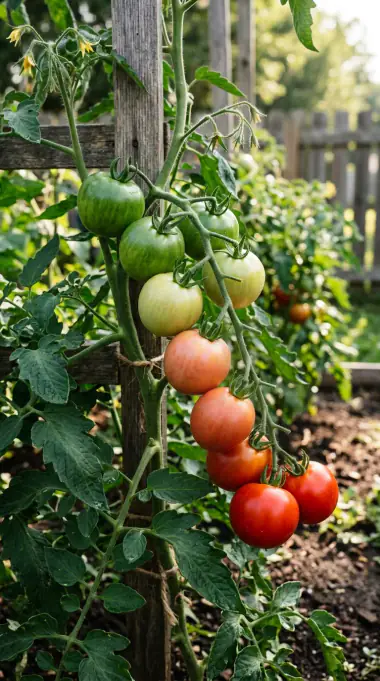
When to harvest tomatoes? Learn 7 signs — color, firmness, days & vine cues — plus how to ripen green tomatoes indoors.
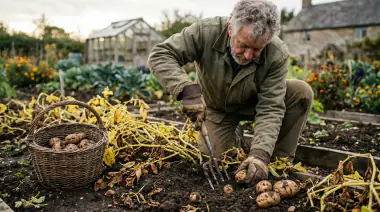
When to harvest potatoes? Learn 7 signs — flower fade, vine die, skin set — plus curing and storage tips so potatoes last months.
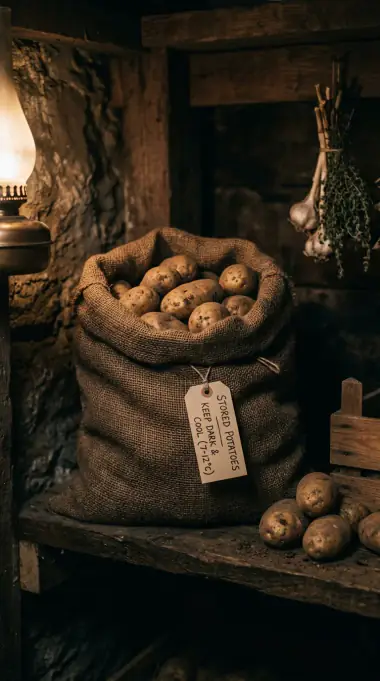
Learn how to store potatoes so they last months — curing, temperature, humidity & light tips that prevent sprouting and rot.
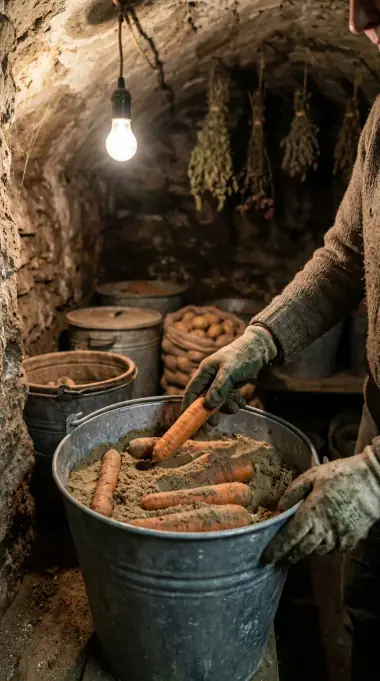
Learn how to store carrots — 5 easy methods — fridge, root cellar & freezer tricks that keep carrots crisp for months.
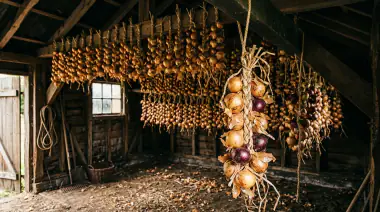
Learn how to store onions so they stay fresh for months — curing, braiding, temperature & humidity tips that prevent sprouting and mold.
Most disappointing first gardens come down to a short list of recurring errors. These are the ones that reliably cost a season, and they are all avoidable.
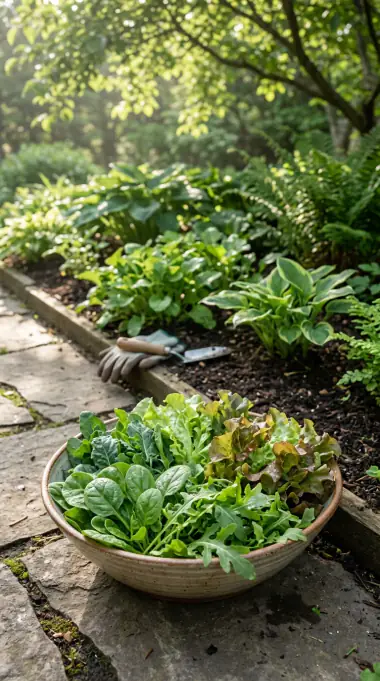
Avoid 15 vegetable gardening mistakes beginners make — watering, spacing, soil & timing errors — with easy fixes that save your harvest.
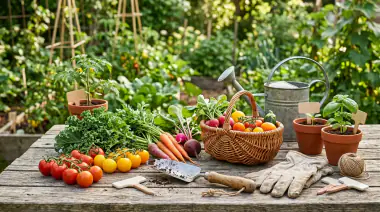
Avoid these 10 common vegetable gardening mistakes - overwatering, wrong sun & crowded spacing - with simple fixes that save your harvest.
Eight inches is the minimum for leafy greens and most herbs, twelve inches works for peppers and bush beans, and eighteen inches or more is needed for carrots, parsnips and other root crops. If you cannot dig eighteen inches, grow root vegetables in a raised bed or a deep container instead.
Deep watering two to three times per week in warm weather is more reliable than a fixed daily schedule. Check the soil two inches down before watering — if it is dry, water slowly and deeply so the moisture reaches the root zone rather than just wetting the surface.
Both, in sequence. Compost improves soil structure and feeds soil life over time, which supports nutrient availability. Fertiliser gives an immediate but short-lived boost. On new beds, start with compost and add fertiliser once plants are actively growing.
Radishes, lettuce, bush beans and zucchini are forgiving. They germinate quickly, tolerate imperfect care and produce an obvious result within weeks, which is the best way to build confidence before moving to tomatoes and brassicas.