Spring planting is a conversation with frost, not a single date. The garden does not wake all at once; it stirs in layers. First the peas push through cool soil still smelling of winter, then lettuce and spinach flush bright when days lengthen, and only after nights turn soft do beans, zucchini, tomatoes and peppers arrive as if they waited for an invitation. Learn that rhythm and your spring bed feeds you twice — early tender leaves while you wait, then fruit that keeps through summer.
I still remember the spring I tried to plant everything Easter weekend because the sun was out and the nursery was irresistible. Lettuce bolted in the first warm snap because I was late for it and early for tomatoes that then shivered three weeks in 48°F soil, doing nothing. Two waves would have saved me: cool loves, then warm loves, with fast successions between.
Below are 25 vegetables to plant in spring, grouped by when they actually want to be sown, with days to harvest, sun, spacing, and the tiny timing tricks that mean harvest not heartbreak.
Quick Answer: Plant spring in two waves: Early spring (2–4 weeks before last frost, soil 45–60°F) — peas, lettuce, spinach, arugula, bok choy, radishes, beets, carrots, kale, chard, spring onions, parsley, cilantro, turnips; Late spring (2 weeks after last frost, soil 60–65°F) — bush and pole beans, zucchini, cucumbers, tomatoes, peppers, eggplant, potatoes, basil. Sow fast greens every 2 weeks, succession sow radishes every 10 days, and interplant quick crops between slow ones. Most need 1 inch water/week and loose soil with 2 inches compost.
At a Glance: 25 Spring Vegetables by Frost Timing
| Timing | Vegetable | Days to Harvest | Sun | Spacing |
|---|---|---|---|---|
| Early spring 4 wks before LF | Peas | 60 | 6–8 hrs | 2–3 inches + trellis |
| 4 wks before LF | Lettuce | 30 | 4–6 hrs | 6–10 |
| 4 wks before LF | Spinach | 40 | 4–6 hrs | 4–6 |
| 4 wks before LF | Arugula | 21 baby | 4–6 hrs | 4–6 |
| 4 wks before LF | Bok Choy | 30 baby | 4–6 hrs | 6 |
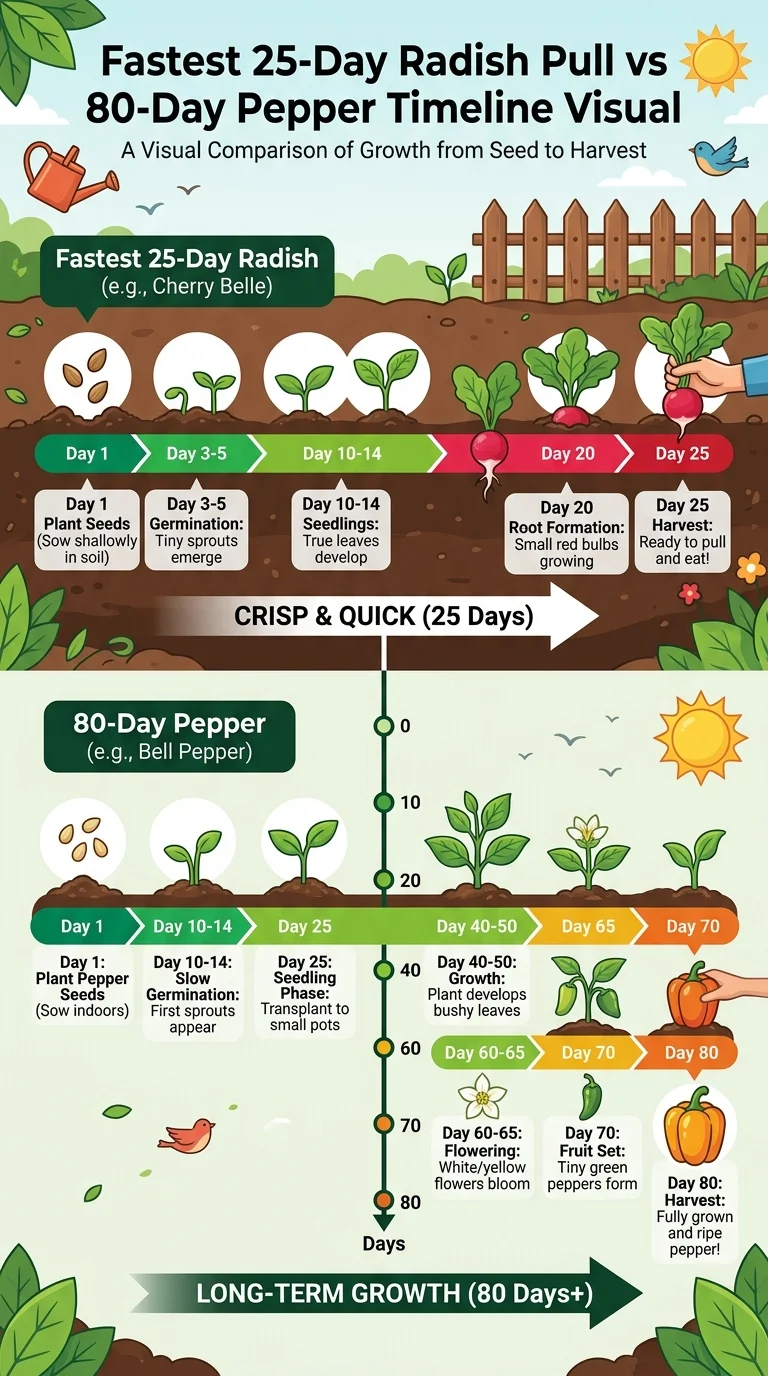
| 2–4 wks before LF | Radishes | 25 | 4–6 hrs | 2 |
| 2 wks before LF | Carrots | 60–80 | 6–8 hrs | 2 |
| 2 wks before LF | Beets | 50 | 6–8 hrs | 3 |
| 2 wks before LF | Turnips ‘Hakurei’ | 40 | 6–8 hrs | 3–4 |
| 2 wks before LF | Kale | 60 (40 baby) | 6–8 hrs | 12 / 4 baby |
| 2 wks before LF | Chard | 50 | 6–8 hrs | 8–12 |
| 4 wks before LF | Spring onions | 60 | 6–8 hrs | 2 |
| Early spring | Parsley | 70 | 4–6 hrs | 8 |
| Early spring | Cilantro | 35 | 4–6 hrs | 8 |
| Early spring | Potatoes* | 90 | 6–8 hrs | 12 hill |
| Late spring +2 wks LF soil 60°F | Bush beans | 50 | 6–8 hrs | 4 |
| +2 wks LF 60°F | Pole beans | 60 | 6–8 hrs | 6 trellis |
| +2 wks LF 60°F | Zucchini | 45 | 6–8 hrs | 24–36 |
| +2 wks LF 60°F | Cucumbers | 50 | 6–8 hrs | 12 trellised |
| +2 wks LF 60°F soil 65°F | Tomatoes | 70 | 6–8 hrs | 24–36 |
| +2 wks LF 65°F | Peppers | 80 | 6–8 hrs | 18–24 |
| +2 wks LF 65°F | Eggplant | 75 | 6–8 hrs | 18–24 |
| +2 wks LF 60°F | Squash summer | 45 | 6–8 hrs | 24–36 |
| +2 wks LF 60°F | Basil | 30 pinch | 6–8 hrs | 12 |
| Succession all season | Radishes/lettuce resow | 25/30 | Part shade ok | — |
*Potatoes often chitted and planted around last frost; early plant gives warm soil growth phase. LF = Last Frost.
Early Spring: Cool-Season Heroes (4 to 2 Weeks Before Last Frost)
These are the forgiving ones that like cool soil 45–65°F and can shrug light frost. Sow them first while you wait on tomatoes. They also give fastest early plates.
1. Peas — Candy on the Vine
Sow 1 inch deep as soon as soil can be worked, 2–4 weeks before last frost, with twig trellis or netting 4–6 ft. Peas tolerate 28°F frost as seedlings and actually dislike heat, so early matters. Snow and snap types most forgiving; I succession only early then again late summer.
Tip: Inoculate peas with rhizobia if first time in bed — nitrogen fixation doubles growth.
2. Lettuce — Cut-and-Come-Again
Germinates 3–7 days cool soil barely covered, tolerates 4 hours sun. Sow broad band not single rows, thin 6–10 inches, cut outer leaves at 4–6 inches leaving center to regrow. Sow every 14 days until heat, shade thereafter. ‘Salad Bowl’ and ‘Rouge d’Hiver’ reliable.
3. Spinach — Frost-Sweet
Direct sow 1/2 inch deep as soon as can be worked, keep moist. 40 days mature 25 baby, bolting above 70°F. My fall spinach sweeter than spring — sow again 6 weeks before first fall frost for October velvet.
4. Arugula — Peppery Speed
Barely quarter-inch deep, 21 days baby. Loves cool, bolts lightning in heat. Sow March–April and again late August; shade cloth if June attempt.
5. Bok Choy & Asian Greens — Spoon-Tender at 30 Days
Baby heads at 30 days more tender than 50-day full. Sow quarter-inch thin 6 inches, steady moisture little afternoon shade. Tuck between peas; harvest to stir-fry 10 minutes.
6. Radishes — 25-Day Confidence
Loose not rich soil, half-inch deep thin 2 inches. Harvest marble-sized promptly or pithy. Sow every 10 days 2-foot row only — not whole bed at once. Spring and late summer only.
7. Beets — Roots and Greens
Clusters need thinning to 3 inches, eat thinnings at 3 weeks. Even water prevents zoning. Harvest 2–3 inches sweetest; frost sweetens late crop.
8. Carrots — Sweet Needs Soft Soil
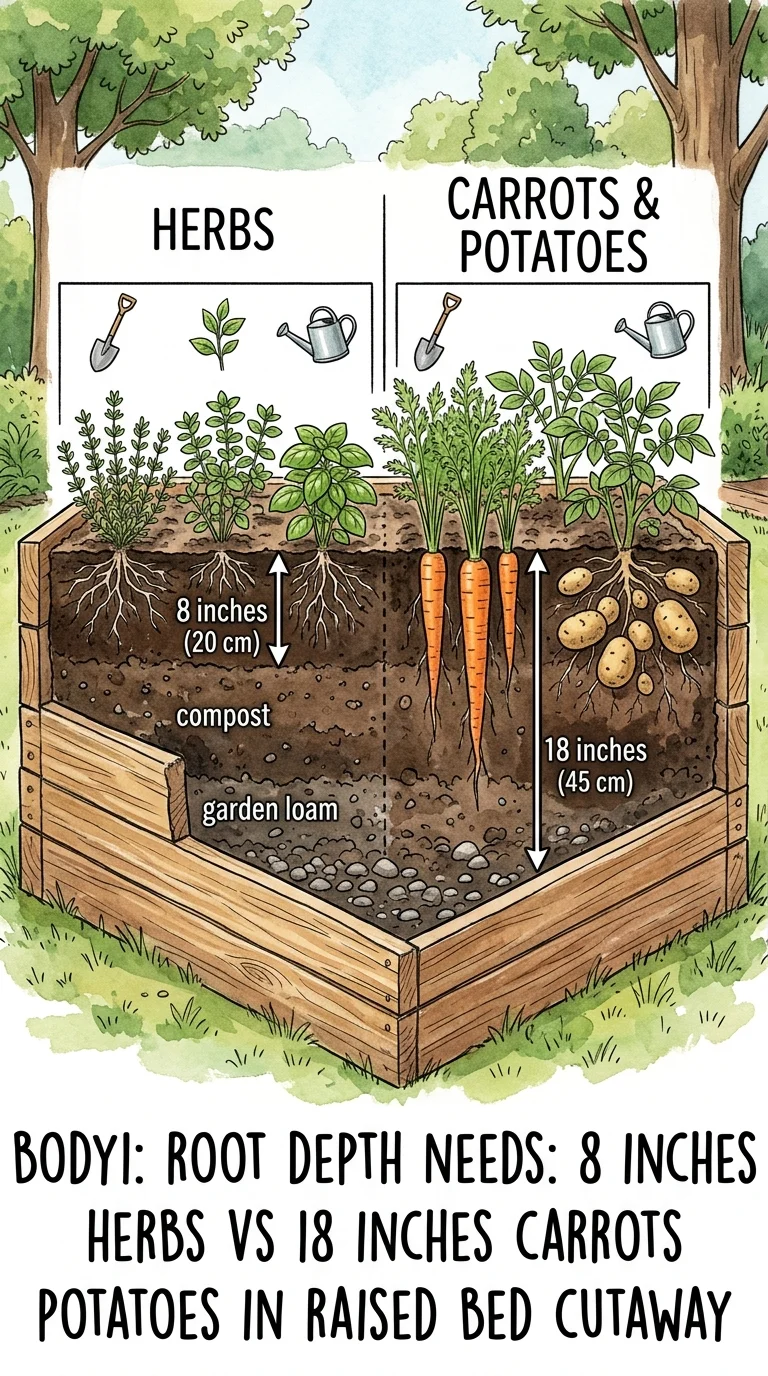
Hardest early but worth it. Sow quarter-inch deep deeply loosened stone-free 12-inch soil, cover with board 5 days hold moisture. Thin 2 inches twice. Nantes in raised beds, Chantenay in heavier.
9. Turnips — Two in One
‘Hakurei’ raw like apple at 40 days. Sow half-inch thin 3–4, do not over-manure or fork. Greens at 30 days, roots 40.
10. Kale — Frost Improves It
Direct sow quarter-inch thin 12 inches full 4 baby, pick outer while center keeps producing months. Sow early and again late summer — fall kale often sweetest.
11. Chard — Colorful, Heat-Tolerant Green
Chard bridges spring to summer where spinach bolts. Sow half-inch thin 8–12, cut outer. Tolerates heat, light frost, beautiful between flowers.
12. Spring Onions — Gap Fillers
Scatter quarter-inch deep, thickly actually, pull pencil-thick. Keeps weeded young then self-sufficient. Fits any layout gap teaches thinning without loss.
13. Parsley — Slow but Worth It
Germinates 21 days — be patient, keep damp. Soak overnight before sowing. Biennial, productive months once up 8 inches. Shade tolerant.
14. Cilantro — Sow Early, Harvest Fast
Loves cool; bolt fast heat. Sow thickly half-inch early spring repeat late summer. Harvest leaves before flower; coriander seed second crop.
15. Potatoes — The Early Warm Bridge
Chit seed potatoes indoors two weeks before last frost — eyes sprout — then trench 4 inches deep 12 inches apart at last frost. Hill as vines grow. Earlies harvest 70–80 days when flowers fade. See when to harvest potatoes.
Late Spring: Warm-Season Abundance (2 Weeks After Last Frost, Soil 60–65°F)
When nights stay above 50°F and soil thermometer reads warm — not guess — these heat lovers leap.
16. Bush Beans — 50 Days Generous
Direct sow 1 inch deep after soil 65°F, 4 inches apart. Don’t start indoors resent transplant. Succession every 3 weeks till 60 days before fall frost. ‘Provider’ reliable ‘Royal Burgundy’ purple easy spot.
17. Pole Beans — Trellis That Keeps Giving
6 inches around 6–8 ft trellis, rows 36 inches. One trellis feeds family months if picked every 2 days.
18. Zucchini — 45 Days One Is Plenty
Direct sow after danger frost when soil warm, 24–36 inches apart. ‘Costata Romanesco’ trellised low keeps straight clean. Harvest 6–8 inches.
19. Cucumbers — 50 Days Straighter on Trellis
Direct sow half-inch deep after nights 55°F+, thin 12 inches on 6-ft panel. Even water prevents bitterness; mulch straw. ‘Diva’ forgiving ‘Picolino’ snacking. See how to grow cucumbers.
20. Tomatoes — 70 Days Cherry First
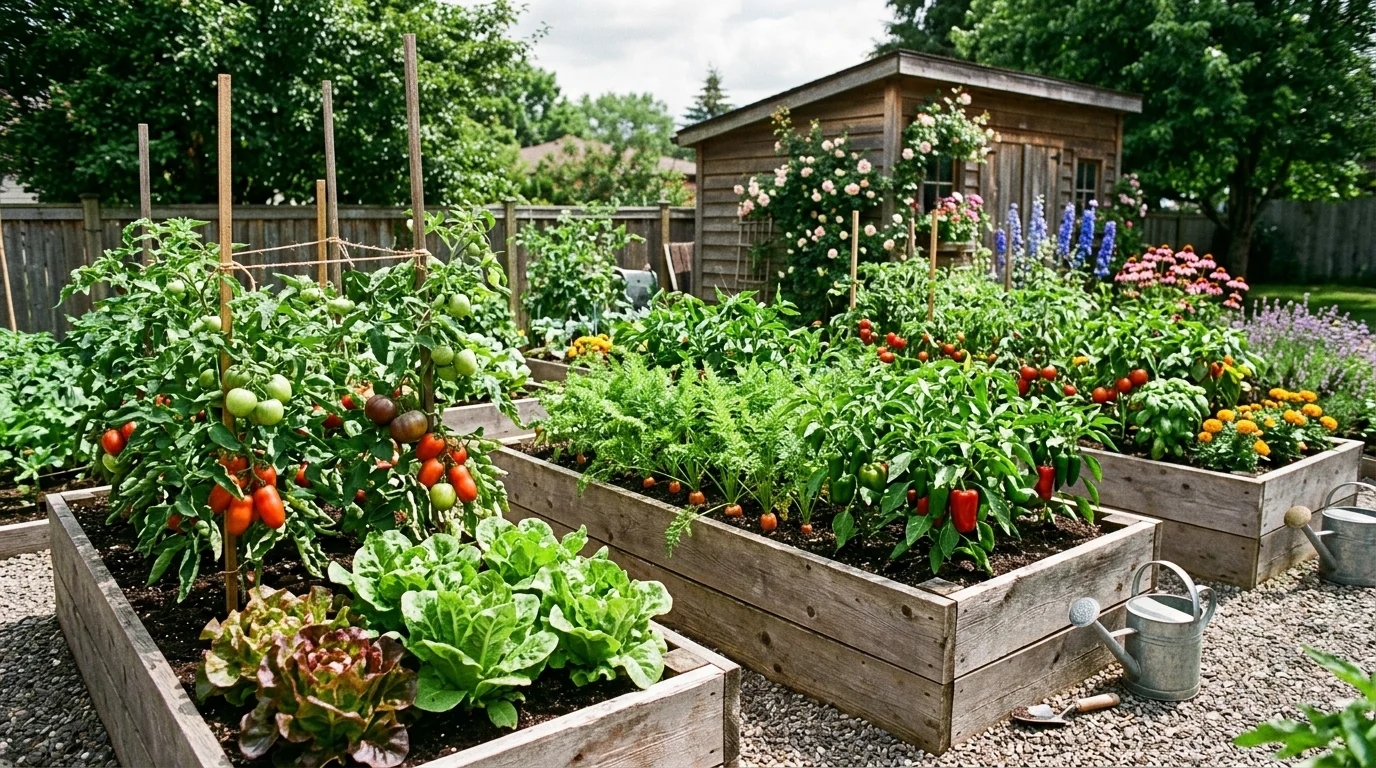
Transplant cherry types 24–36 inches trellised with 6-ft cage after soil 60°F and nights warm. Bury deep to first leaves roots along stem. Pick indeterminate suckers to one leader. See how to grow tomatoes.
21. Peppers — 80 Days Warm Patient
Need soil 65°F — last of warm crew. Start indoors 8 weeks before LF or buy seedlings late May. 18–24 inches apart stake windy. Early ‘Gypsy’ short summers.
22. Eggplant — 75 Days Heat Lover
Like peppers but even warmer — wait until 65°F soil consistent. Give 6–8 hours sun, mulch to hold warmth. Small-fruited types like ‘Patio’ reliable cool-spring climates.
23. Summer Squash — Patty Pans and Crooknecks
Same care zucchini — 45 days colorful plate. Harvest small keeps setting. One summer squash plus one zucchini covers variety without overabundance.
24. Basil — 30 Days to Pinch
Transplant after frost, barely cover light needed, pinch tips above leaf pair weekly to branch. Keep flowering delayed for flavor.
25. Succession Follow-Ons — Radishes and Lettuce Again
Spring’s gift is time. As early peas and radishes pull, tuck bush beans; as lettuce bolts, tuck basil or fall carrots. That 2-foot every 14-day rhythm turns one bed into season-long salad.
Spring Planting Calendar by Last Frost Date
This table maps last frost (LF) to sowing. Adjust 5–7 days earlier for protected raised beds that warm faster, later for windy exposed plots.
| Relative to Last Frost | Soil Temp Target | What to Sow / Plant |
|---|---|---|
| 4 wks before LF | 40–50°F | Peas, spinach, arugula, lettuce, spring onions, parsley |
| 2 wks before LF | 50–60°F | Radishes, beets, carrots, kale, chard, turnips, bok choy, potatoes |
| LF to +1 wk | 60°F | Harden seedlings, prep beds, warm with black fabric if cool spring |
| 2 wks after LF | 60°F | Bush/pole beans, zucchini, cucumbers, basil, summer squash direct |
| 2 wks after LF | 60–65°F | Transplant tomatoes (60°F+), peppers/eggplant wait till 65°F |
| Midspring ongoing | Even 60°F+ | Succession lettuce/radishes every 14/10 days, beans every 3 wks |
If you don’t know your LF, ask local extension; free frost-date tools by zip code are accurate within week — then watch soil thermometer, not just calendar.
How I Plant My Spring Bed — Example 4 by 8
Early April soil 48°F: south half band lettuce spinach + radish row; north string trellis peas; edge spring onions between. Board over carrot row 5 days.
Mid-May soil 66°F after LF +2 wks: peas still sweet repeat sow, pull early radish row add bush beans there. Transplant two tomatoes on north trellis with basil between, pepper center, zucchini corner sprawl, cucumbers west panel. Compost half-inch between crops.
June: Lettuce cut every 4 days; beans up; cucumbers climbing; zucchini flower-to-harvest in days. Replace bolting lettuce with basil.
August: Beans second sowing where spring greens were; fall carrots beets where radish row was; kale baby for November.
That one bed gave seven distinct harvests from same footprint — spring’s two-wave logic plus succession.
Common Spring Mistakes — And Kinder Way
Planting everything Easter weekend. Cool loves late and warm loves early equally fail. Split two waves; early wave uses cool soil and light frost advantage, late wave uses warm nights.
Leaving early greens too long before succession. Once peas/radishes/lettuce done, pull promptly top-dress compost resow beans or fall greens within days — bare soil is lost time and invites weeds.
Not thinning before heat comes. Crowded seedlings bolt faster. Thin to final spacing now while cool gives air and size before heat stress.
No mulch too early. Wait until soil reliably warm before 3-inch straw on warm crops; early mulch keeps cool-season soil cold. My rule: mulch cool crops lightly after 2 inches, warm crops after soil 65°F.
Skipping pollinator strip. Spring bees scarce after winter. Plant borage, calendula, zinnias early near cucumbers zucchini so bees present when females open. Hand-pollinate mornings if still scarce.
Water, Feed, and Protect in Spring
Water: Early spring often wet — check finger 2 inches down, don’t water soggy. Late spring dries fast — deep 1 inch/week morning at base, even not daily sprinkles. Mulch after establish keeps even.
Feed: Compost at planting enough many beds. Beans peas need no extra nitrogen. If leaves pale after month side-dress light balanced per label; heavy nitrogen alone grows leaves not fruits. Test pH 6.0–7.0.
Protect: Light frost on warm seedlings — cover with row fabric or old sheet overnight, remove morning. Cutworms on young transplants — cardboard collar 2-inch ring at base. Flea beetles on brassicas — row cover until established.
Troubleshooting Spring Starts
Seeds didn’t emerge in cool soil: Patience — carrots 14–21 days, parsley 21, beets 10–14. Keep damp 14 days, barely cover lettuce, cover carrots board 5 days. If crust, lightly scratch.
Leggy pale seedlings: Not enough sun — move to fullest spot, thin crowding, do not feed yet.
Bolting early lettuce/spinach: Heat came — harvest immediate even baby, resow in light shade behind trellised beans.
Yellow seedlings after rain: Waterlogged — pull mulch back, improve drainage channels, wait to feed until dries.
A Final Spring Thought
The temptation is to plant heat on cold day because sun feels warm on your back. Resist a week — bring soil thermometer out like checking child’s forehead. Cool crops while waiting feed you in 25 days; warm crops planted a week later into truly warm soil catch up fast and surpass cold-stressed siblings. Spring gardening is patience rewarded with two beginnings, not one.
Frequently Asked Questions
Q: What vegetables should I plant in early spring?
A: Cool-season crops that tolerate 45–65°F soil and light frost: peas, lettuce, spinach, arugula, bok choy, radishes, beets, carrots, kale, chard, spring onions, parsley, cilantro, turnips. They harvest in 25 to 60 days and occupy bed while frost danger still exists for warm crops.
Q: When is it safe to plant warm season vegetables in spring?
A: Two weeks after average last frost when soil is 60°F for beans, zucchini, cucumbers, basil, and 65°F for tomatoes, peppers, eggplant. Night temperatures consistently above 50°F signal safe. Use soil thermometer; warm soil matters more than calendar date.
Q: Can I plant tomatoes in early spring?
A: Only start tomatoes indoors early — 6 to 8 weeks before last frost. Transplant outside after soil 60°F and nights reliably above 50°F, usually 2 weeks after last frost. Cold 50°F soil stalls tomatoes, increases disease, and delays harvest rather than advancing it.
Q: What fastest spring vegetables give early harvest?
A: Fastest early plates are radishes 25 days, arugula and pea shoots 21 days baby leaf, lettuce and spinach 30 days. Sow these first while longer season tomatoes and peppers establish, succession sow every 2 weeks, and tuck between slower crops to harvest salads in as little as 3 weeks.
Related Articles
- How to Start a Vegetable Garden
- Best Vegetables for Beginners
- Easiest Vegetables to Grow
- Fast-Growing Vegetables
- When to Plant Vegetables
- Vegetable Garden Spacing Guide
Sources & References
- University of Minnesota Extension - Planting Vegetables in Spring
- Cornell University - Vegetable Guidelines and Frost Dates
- Iowa State University Extension - Spring Gardening Calendar
- Royal Horticultural Society - What to Sow in Spring
- Old Farmer’s Almanac - Spring Planting Chart