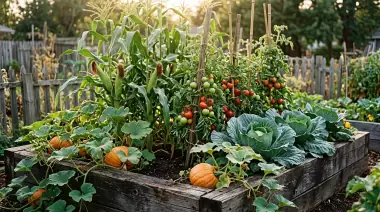
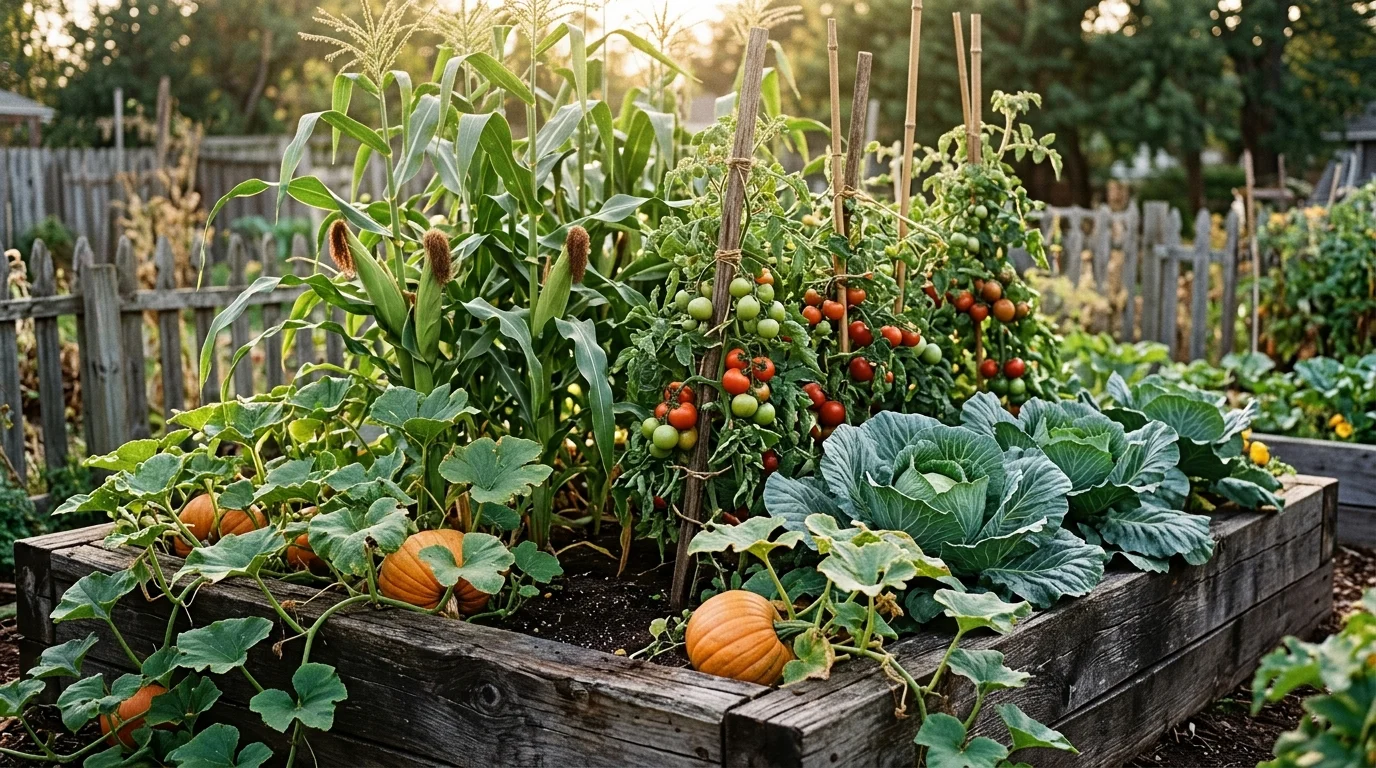
If your tomatoes stall, your corn stays skinny, or your cabbage heads never form, the problem is often not pests or water - it is food. Some vegetables eat a lot, and planting the same hungry crops in the same spot year after year without replacing what they take shrinks yields fast. This guide gives you the complete heavy feeder list, a feeding chart, and the mistakes that waste fertilizer.
Quick Answer: Heavy feeders - tomatoes, peppers, eggplant, corn, squash, pumpkins, cucumbers, melons, cabbage, broccoli, cauliflower, Brussels sprouts, kale, celery, asparagus, rhubarb and potatoes - remove the most soil nutrients and need feeding at planting plus side-dressings every three to four weeks. Light feeders like carrots, beets, radishes, turnips, onions, garlic, lettuce and herbs need only a light starter feed. Beans and peas make their own nitrogen. Give heavy feeders two to four feedings per season, ease off nitrogen once fruiting starts, and never pile fertilizer against the stem.
At a Glance
| Fact | Detail |
|---|---|
| What “heavy feeder” means | Crops that remove the most soil nutrients and need repeat feeding |
| Top heavy feeders | Tomatoes, corn, squash, pumpkins, cabbage, peppers, potatoes |
| Light feeders | Carrots, beets, radishes, turnips, onions, garlic, lettuce, herbs |
| No-fertilizer crops | Beans and peas fix their own nitrogen |
| Feeding frequency | At planting, then every 3-4 weeks for heavy feeders |
| Amount | 1-2 tablespoons per plant per side-dressing |
| Placement | 3-6 inches from the stem, scratched in, watered well |
| Stop feeding | 4-6 weeks before the expected last harvest |
| Soil pH target | 6.0-6.8 for most vegetables |
What Does “Heavy Feeder” Actually Mean?
A heavy feeder takes more nutrients out of the soil than it returns, so those nutrients must be replaced during the season. This is not guesswork: a single acre of tomatoes removes dozens of pounds of nitrogen, phosphorus and potassium in one season, and corn, cabbage and squash follow close behind [1] (Source: University of Minnesota Extension).
Heavy feeders share traits: they grow fast, build heavy leaf or stem mass, or set fruit for months. Corn grows like a giant grass; tomatoes, peppers and eggplant crop for months; the cabbage family runs big leaf engines; celery, asparagus and rhubarb produce a lot of edible tissue yearly. Beds that host them need feeding built in, and heavy feeders should not repeat in one spot without compost or a break.
The Complete Heavy Feeder Vegetable List
| Vegetable | Why it is hungry | Feeding notes |
|---|---|---|
| Tomatoes | Continuous fruit set for months | 2-4 feedings; low-N when fruiting |
| Peppers | Long season, heavy fruit set | Same schedule as tomatoes |
| Eggplant | Big plants, heavy fruit | Same schedule as tomatoes |
| Corn | Fast grass, heavy N user | Knee-high and again at tasseling |
| Squash & pumpkins | Big leaves, big fruit | Every 3-4 weeks until fruit sets |
| Cucumbers & melons | Rapid growth, daily picking | 2-3 feedings per vine |
| Cabbage | Huge leaves, big heads | 2-3 nitrogen side-dressings |
| Broccoli & cauliflower | Main head plus side shoots | 3 weeks after transplant, again in 3 |
| Brussels sprouts | Long season, heavy leaf area | Every 4 weeks |
| Kale | Cut-and-come-again harvests | After each major cutting |
| Celery | Thirsty and nutrient-demanding | Every 3-4 weeks, steady water |
| Asparagus | Perennial, crops for decades | Spring feed and one after harvest |
| Rhubarb | Perennial, heavy leaf growth | Compost and balanced feed each spring |
| Potatoes | Big foliage, many tubers | Side-dress when vines are 6-8 inches |
If you grow only one heavy feeder, it is probably tomatoes - our guide to growing tomatoes covers that full season.
Light Feeders and the Crops That Feed Themselves
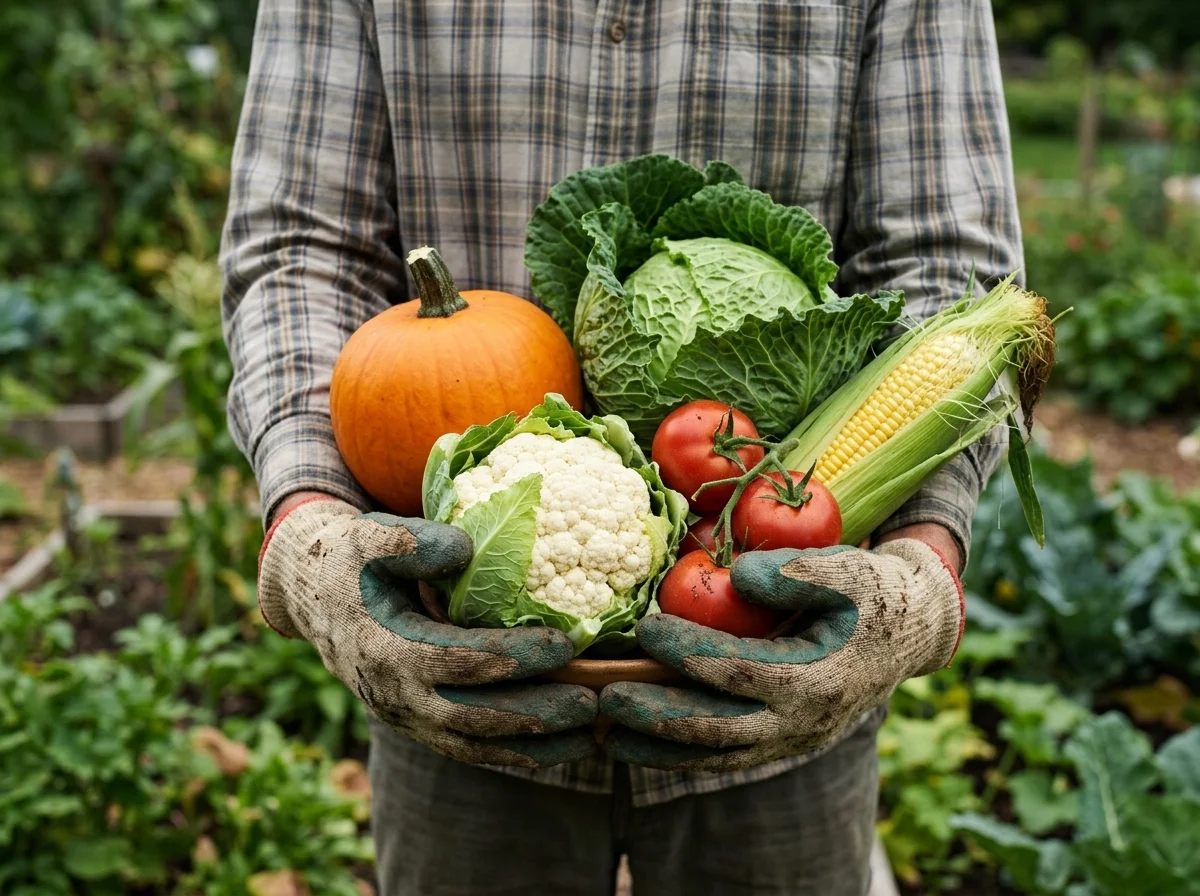
Light feeders grow smaller, take less from the soil, and need no repeat feeding. Give them the corn program and they suffer: too much nitrogen grows beautiful tops with tiny, hairy, misshapen roots.
| Light feeder | What it needs | Why light feeding works |
|---|---|---|
| Carrots | Light starter feed only | Excess N = big tops, forked roots |
| Beets | One light feed at planting | Roots develop without pushing |
| Radishes | Little to none | Fast crop, finishes early |
| Turnips | Light feed at planting | Sensitive to excess N |
| Onions | Feed at planting, one early N boost | Yellows if fed late |
| Garlic | Fall planting feed, one spring N boost | Wants N early, not late |
| Lettuce | Light feed, N boost if pale | Shallow roots finish quickly |
| Herbs | Light feed or none | Excess N weakens flavor |
Legumes are special. Beans and peas host rhizobia bacteria that pull nitrogen from the air into plant food - extra nitrogen is unnecessary and grows leaves over pods. See best fertilizer for a vegetable garden for where each crop fits.
Heavy Feeders vs Light Feeders at a Glance
| Group | Examples | Plan |
|---|---|---|
| Heavy feeders | Tomatoes, corn, squash, peppers, potatoes, brassicas, melons, celery, rhubarb, asparagus | Balanced feed at planting + side-dress every 3-4 weeks |
| Light feeders | Carrots, beets, radishes, turnips, onions, garlic, lettuce, herbs | One light feed at planting; at most one boost |
| Legumes | Beans, peas | None, or light P and K at planting only |
How Much and When: Feeding Schedule by Crop
Amounts assume a granular balanced fertilizer like 10-10-10; liquid feeds follow the label. Water in every application.
| Crop | At planting | Side-dressing | Stop feeding |
|---|---|---|---|
| Tomatoes, peppers, eggplant | 1 tbsp balanced feed | Every 3-4 weeks; 5-10-10 when fruiting | 4-6 weeks pre-harvest |
| Corn | 1-2 tbsp in the row | Knee-high, again at tasseling | When silks brown |
| Squash & pumpkins | 2-3 inches of compost | Every 3-4 weeks until fruit sets | When fruit sets |
| Cucumbers & melons | 2 inches of compost | Every 3-4 weeks | 4 weeks before first frost |
| Cabbage-family crops | 1 tbsp feed | Transplant + 3 weeks; kale after each cutting | When heads firm |
| Celery | 2 inches of compost | Every 3-4 weeks | 4 weeks pre-harvest |
| Potatoes | Compost trench | Vines at 6-8 inches, hill again later | When plants flower |
| Asparagus & rhubarb | Heavy compost | Asparagus each spring; rhubarb once after harvest | After early-summer harvest |
| Beans & peas | None or 1 tbsp bone meal | None | Stop |
| Carrots, beets, radishes, turnips | 1 tbsp low-N feed | None | Planting only |
| Onions & garlic | 1 tbsp in the row | One early-spring N boost | When bulbs swell |
| Lettuce, greens & herbs | Handful of compost | Fish emulsion if pale; herbs none | When you harvest |
The pattern: everything gets something at planting, heavy feeders get a top-up every three to four weeks, and feeding stops four to six weeks before the end so plants ripen fruit instead of pushing soft growth. More on timing in when to fertilize vegetables.
Organic vs Synthetic Options for Heavy Feeders
Both feed heavy feeders well; the choice is speed versus soil health.
| Option | Examples | Pros | Cons |
|---|---|---|---|
| Synthetic granular | 10-10-10, 5-10-10, calcium nitrate | Fast, precise, cheap | Salts can burn roots |
| Synthetic liquid | Soluble all-purpose, fish emulsion substitutes | Quick absorption in pots | Easy to mis-dilute |
| Organic meals | Blood meal 12-0-0, bone meal, feather meal | Slow-release, feeds soil life | Needs warm soil to work |
| Liquid organics | Fish emulsion, kelp extract | Gentle, hard to overdo | Weak feed, smells, needs repeat use |
| Compost & castings | Homemade or bagged | Steady feed, builds structure | Bulky, nutrients vary |
| Aged manure | Composted cow or chicken | High in nutrients | Must be aged or it burns |
A solid organic middle path: compost dug in before planting, a pelleted organic vegetable fertilizer at planting, and one or two mid-season fish emulsion side-dressings. Our NPK chart for vegetables maps each crop to its best ratio.
How to Side-Dress Correctly
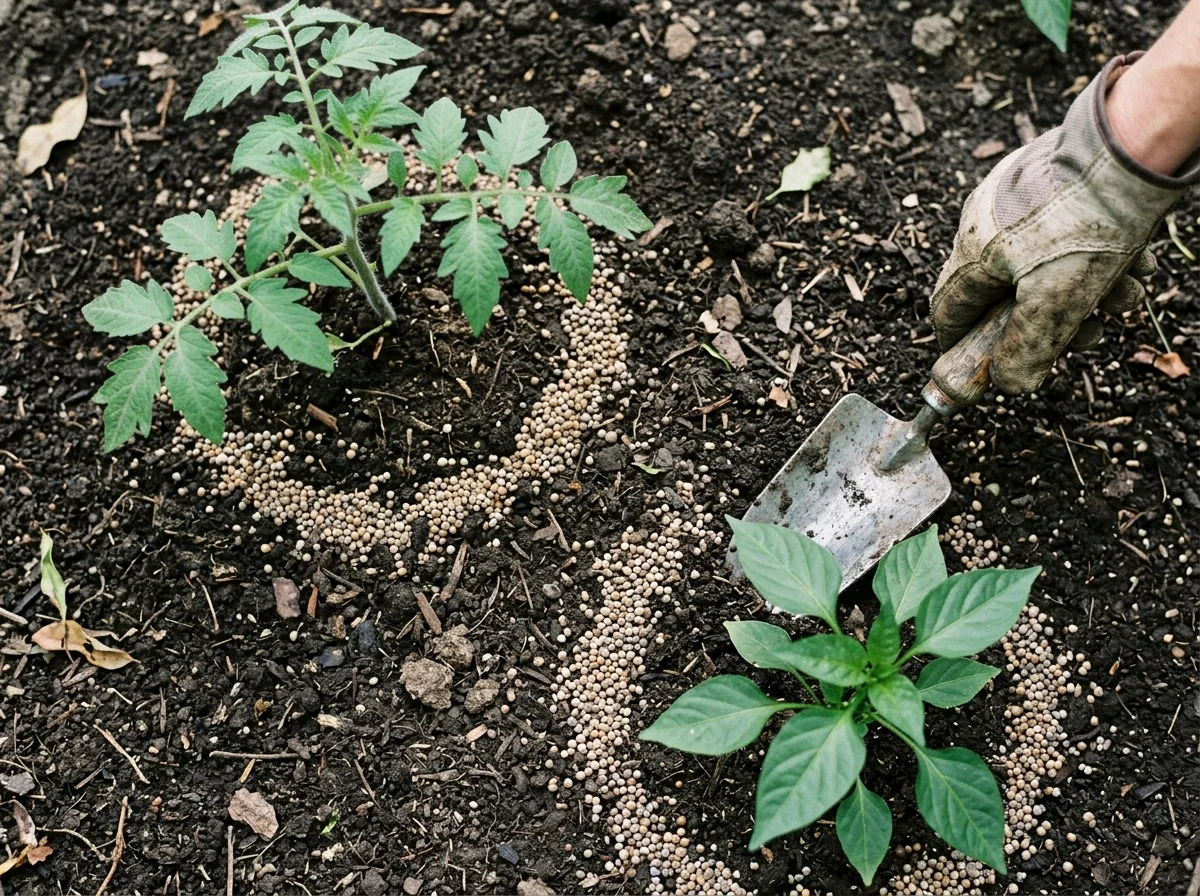
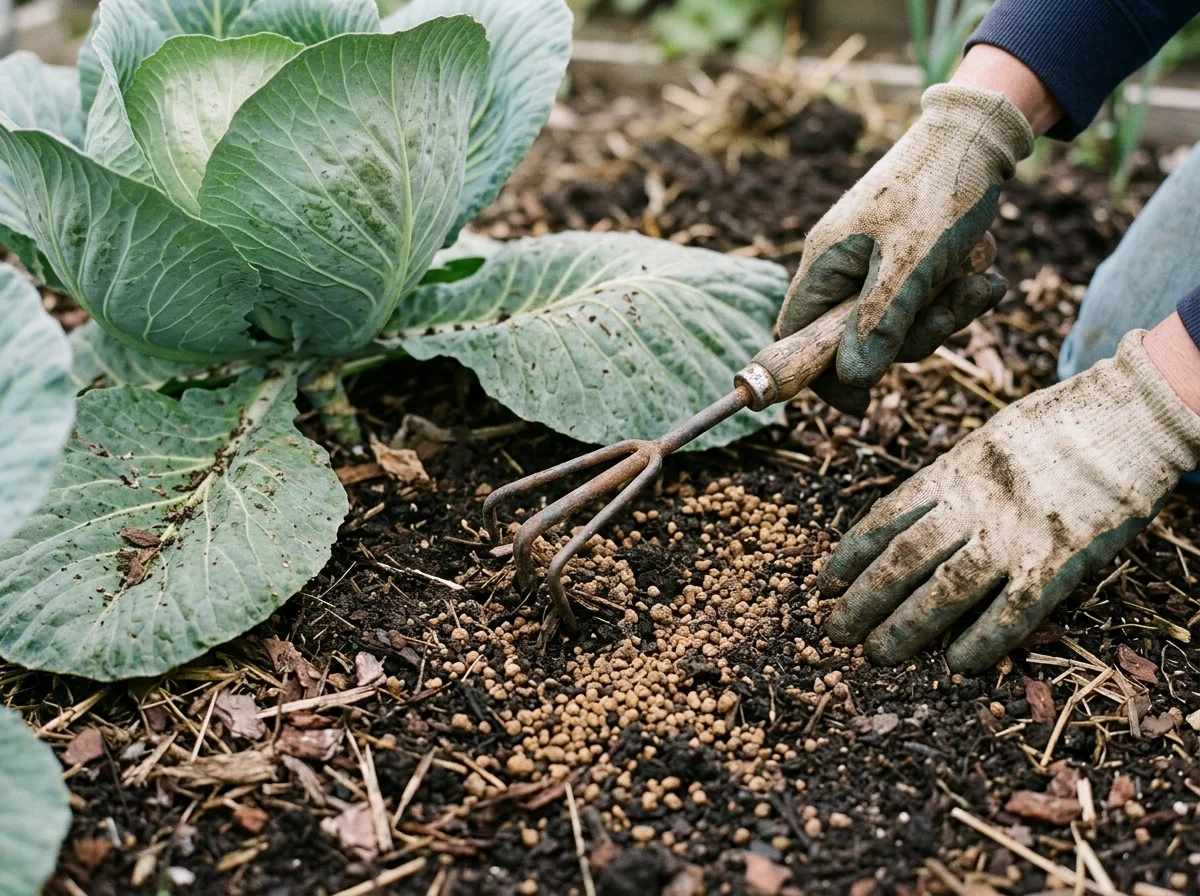
Placement decides everything: fertilizer against the stem burns it, fertilizer left on top washes away, fertilizer scratched in feeds steady growth.
- Measure out 1-2 tablespoons per plant.
- Make a shallow ring or trench three to six inches from the stem - never on leaves or stem. Extend to the drip line on wide squash vines.
- Sprinkle the fertilizer in.
- Scratch it into the top one inch of soil. Most vegetable roots feed in the top six inches; deep digging damages them.
- Water about an inch so nutrients reach roots. Fertilizer in dry soil does nothing.
- Mulch over the top to hold moisture and keep feed in place.
Repeat every three to four weeks. A pale plant between feedings gets a one-time half-strength fish emulsion spray.
Signs of Over-Feeding vs Under-Feeding
Learn to read the difference; it saves you from throwing fertilizer at every bad garden day.
| Sign | Over-feeding | Under-feeding |
|---|---|---|
| Leaves | Dark green, soft, lush | Pale, older leaves first |
| Growth | Fast leaves, few flowers, small fruit | Slow, stunted, weak stems |
| Fruit | Blossom end rot, bland flavor | Few, tiny fruit |
| Leaf edges | Brown, crispy, burned | Fading color, no burn |
| Potatoes | Huge tops, few tubers | Small plants, small tubers |
Over-feeding shows up within days to two weeks of a heavy application. Under-feeding builds slowly; the first sign is pale color overall. A soil test every two to three years, plus our guide to fixing yellow leaves, tells you which way to correct.
How Soil Type and Compost Change the Plan
Soil type hides behind most feeding schedules. Sandy soil drains fast and leaches nutrients with every watering, so feed more often but smaller - every two to three weeks with liquids rather than monthly granules [2] (Source: Penn State Extension). Clay holds nutrients but waterlogs, so compost worked in each fall is the fix. Rich loam needs the least fertilizer of all.
Compost changes the plan most. A bed with three inches of compost and a history of cover crops can grow tomatoes, corn and peppers on a third to half the standard rate. Cut the schedule in half and watch: deep green with good set means fine; pale means add a light feed. Our guide to improving garden soil covers building that base. A soil test every two to three years still pays off - it tells you pH, phosphorus and potassium so you know whether you need lime, bone meal, potash, or nothing. Aim for pH 6.0-6.8; too-acid soil locks up nutrients no matter how much you add.
Container and Raised-Bed Adjustments
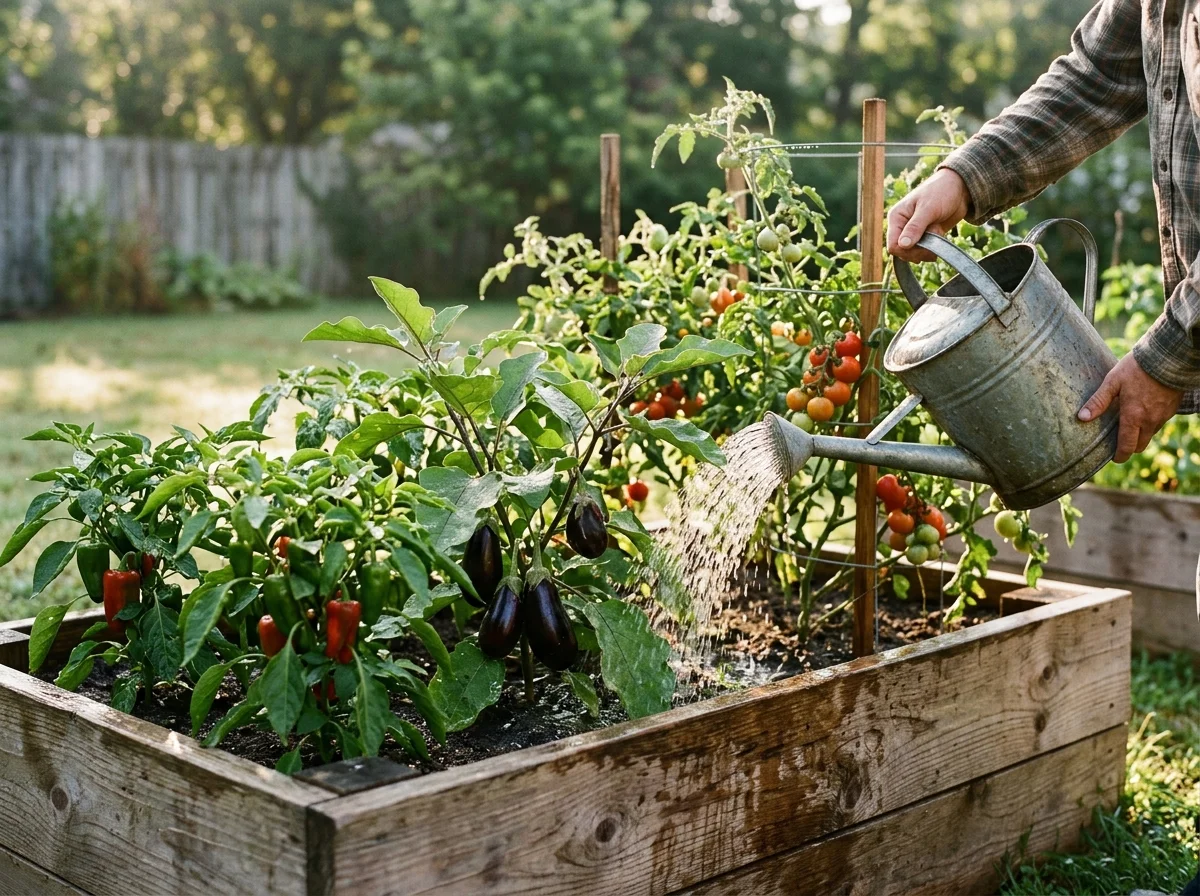
Pots and raised beds drain fast and roots use up nutrients in days, so a tomato in a five-gallon pot needs about twice the feeding attention of one in the ground.
| Adjustment | In-ground | Raised bed | Container |
|---|---|---|---|
| Base feed | 1-2 inches compost | 2-3 inches compost | Potting mix with built-in feed |
| Frequency | Every 3-4 weeks | Every 2-3 weeks | Liquid every 1-2 weeks |
| Amount | 1-2 tbsp per plant | 1 tbsp per plant | Half-strength liquid at watering |
| Leaching risk | Moderate | Moderate | High; flush pots monthly |
| Compost refresh | Yearly | Yearly plus top-up | Replace top 3 inches yearly |
For containers, light and frequent wins: a half-strength fish emulsion weekly beats a big monthly dose, or the plant runs out between feedings. Use a potting mix made for vegetables - our potting mix vs garden soil guide explains why. Raised beds can be top-dressed with compost in spring and midsummer.
Common Mistakes
- Feeding on the calendar, not the plant. Fix: watch color, growth and set; feed when the plant asks.
- Dumping fertilizer against the stem. Fix: place it 3-6 inches away, scratch in, water.
- Feeding beans and peas. Fix: skip them; they make their own nitrogen.
- Too much nitrogen on tomatoes. Fix: switch to 5-10-10 once fruit sets.
- Never testing soil. Fix: test every 2-3 years; you may need lime, not fertilizer.
- Feeding dry soil. Fix: water first; nutrients cannot move without moisture.
- Overfeeding containers monthly. Fix: small doses, often.
- Forgetting asparagus and rhubarb. Fix: feed them compost each spring or they decline.
Troubleshooting
- Huge tomato plants, no fruit: too much nitrogen. Stop feeding and the plant should settle into fruiting.
- Skinny pale corn: side-dress with a high-N feed like blood meal or calcium nitrate now and again at tasseling.
- Loose cabbage heads: inconsistent feeding and watering. Feed every 3 weeks and keep moisture steady.
- Cucumbers all leaves, few flowers: switch from high-N to a balanced or high-K feed.
- Pale yellow lower leaves on heavy feeders mid-season: nitrogen is spent; side-dress now.
- Brown crispy leaf edges after feeding: fertilizer burn. Flush with water and skip the next feeding.
- Bland sweet corn: potassium shortage; side-dress potash or wood ash early.
Frequently Asked Questions
Q: What are heavy feeder vegetables?
A: Crops that pull the most nitrogen, phosphorus and potassium from the soil and need repeat feeding. Tomatoes, corn, squash, cabbage and peppers are classic examples.
Q: Which vegetables are considered heavy feeders?
A: Tomatoes, peppers, eggplant, corn, squash, pumpkins, cucumbers, melons, cabbage, broccoli, cauliflower, Brussels sprouts, kale, celery, potatoes, asparagus and rhubarb.
Q: What is the difference between heavy feeders and light feeders?
A: Heavy feeders need a balanced feed at planting plus side-dressings every three to four weeks. Light feeders like carrots, onions and herbs need one light feed. Beans and peas make their own nitrogen.
Q: How often should I feed heavy feeder vegetables?
A: Feed at planting, then side-dress every three to four weeks through the season. Most heavy feeders need two to four feedings, stopping four to six weeks before the last harvest.
Q: Do beans and peas need fertilizer?
A: No. Beans and peas fix their own nitrogen through bacteria on their roots. A light phosphorus and potassium feed at planting is plenty; over-feeding grows leaves instead of pods.
Q: Can you over-fertilize heavy feeders?
A: Yes. Too much nitrogen gives lush leafy plants with few fruits, can trigger blossom end rot, and can burn roots. Watch for dark soft leaves and brown crispy edges.
Q: How do I side-dress vegetables correctly?
A: Spread fertilizer in a ring three to six inches from the stem, keeping it off the leaves. Scratch it into the top inch of soil and water thoroughly.
Q: Do container vegetables need more fertilizer than in-ground plants?
A: Yes. Containers and raised beds lose nutrients and water faster, so feed with a diluted liquid fertilizer every one to two weeks instead of every three to four.
Related Articles
- How to Fertilize a Vegetable Garden
- NPK Ratios for Vegetables Chart
- Best Fertilizer for a Vegetable Garden
- When to Fertilize Vegetables
- How to Grow Tomatoes
- Best Fertilizer for Tomatoes
- How to Improve Garden Soil
Sources & References
- University of Minnesota Extension - Fertilizing Vegetable Gardens
- Penn State Extension - Soil Management for Vegetable Gardens
- University of California Agriculture and Natural Resources - Fertilizing Vegetable Gardens
- Iowa State University Extension - Fertilizing the Vegetable Garden
- Oregon State University Extension - Fertilizing Your Vegetable Garden
