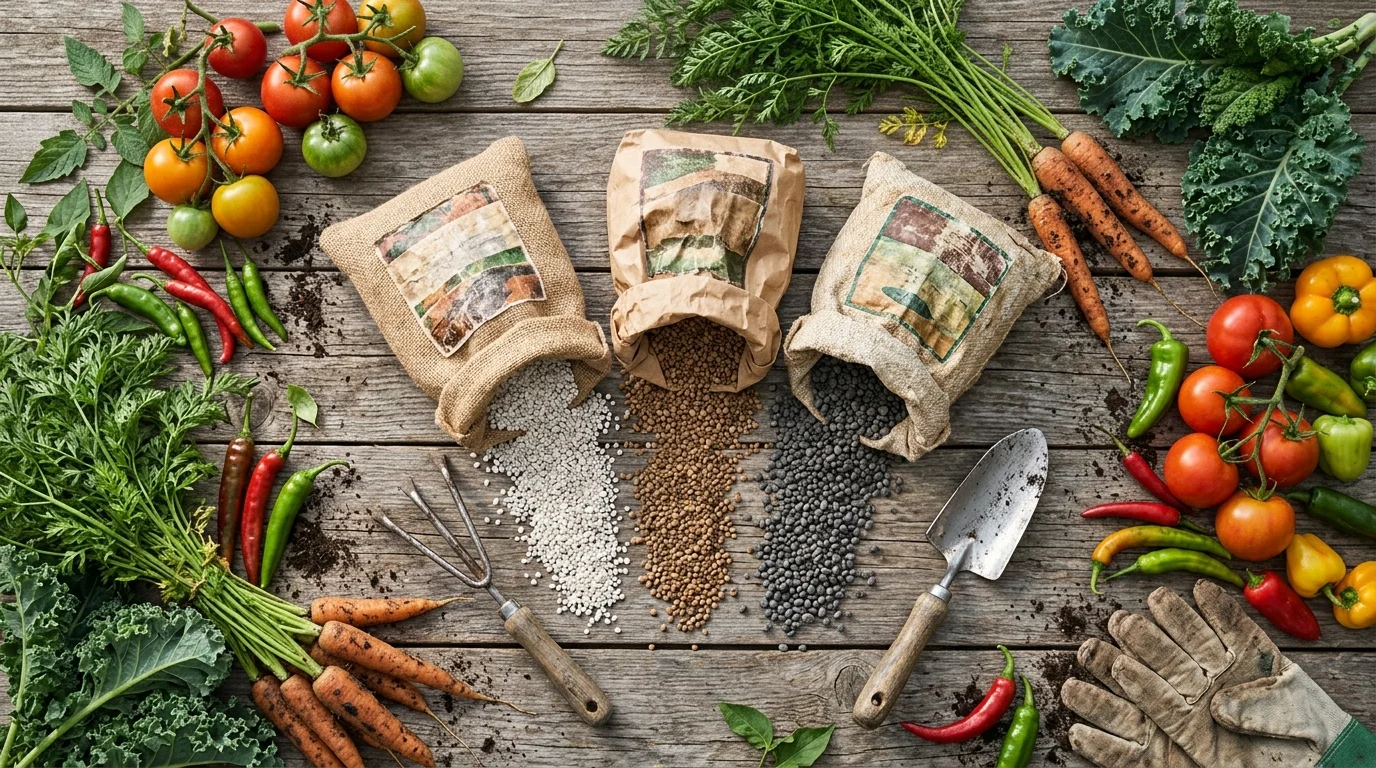
If you have ever stood in the fertilizer aisle holding two bags with numbers like 10-10-10 and 5-10-10, wondering which one your tomatoes actually want, you are not alone. NPK ratios are the single most confusing part of growing vegetables - and the most expensive to get wrong, because the wrong ratio means fewer fruits, smaller roots, or lush plants that never produce a harvest. This guide gives you the plain-English meaning of those numbers, a complete NPK chart for vegetables, and the exact ratios and amounts to use for every crop group.
Quick Answer: Use a balanced 10-10-10 at planting for most vegetables, then switch fruiting crops like tomatoes and peppers to a lower-nitrogen 5-10-10 once they flower. Leafy greens want nitrogen-heavy feeds such as 12-0-0 or fish emulsion. Root crops and legumes need little or nothing. When in doubt, apply less and let a soil test guide you.
At a Glance
| Fact | Detail |
|---|---|
| N-P-K meaning | Percentage of nitrogen (N), phosphorus (P) and potassium (K) in the bag |
| Best all-purpose ratio | 10-10-10, at about 1 pound per 100 sq ft |
| Best fruiting-crop ratio | 5-10-10 or a tomato-specific blend |
| Best leafy-green ratio | 12-0-0 to 10-5-5 |
| Crops that need almost none | Beans, peas, carrots, beets, radishes, onions |
| Soil pH target | 6.0-6.8 for most vegetables |
| Feed frequency | Heavy feeders every 3-4 weeks; light feeders once at planting |
| Overdose signs | Dark soft leaves, few flowers, blossom end rot, burnt root tips |
What N-P-K Numbers Actually Mean
Every fertilizer label carries three numbers, and they always appear in the same order: nitrogen, phosphorus, potassium. A 10-10-10 bag contains 10% nitrogen, 10% phosphorus and 10% potassium by weight. The remaining 70% is filler, carrier and minor nutrients [1] (Source: University of Minnesota Extension).
Each nutrient does a different job in the plant:
- Nitrogen (N) builds leaves and stems. It is the engine of leafy growth, which is why it matters most for lettuce, spinach, cabbage and herbs. Nitrogen is also the nutrient most easily lost from soil through rain and watering.
- Phosphorus (P) powers roots, flowers and fruit. Seedlings, transplants and flowering crops respond to it first. Cold spring soil locks up phosphorus, which is one reason starter fertilizers are high in P.
- Potassium (K) regulates water movement and strengthens the whole plant. It helps fruiting crops fill out, improves disease resistance and hardens plants for cold weather [2] (Source: Penn State Extension).
The ratio matters more than the absolute numbers. A 20-20-20 and a 10-10-10 feed plants in exactly the same way - the 20-20-20 is simply twice as concentrated, so you use half as much. For home gardens, the weaker blend is easier to measure and much harder to over-apply.
The Three NPK Ratios That Cover Almost Every Vegetable
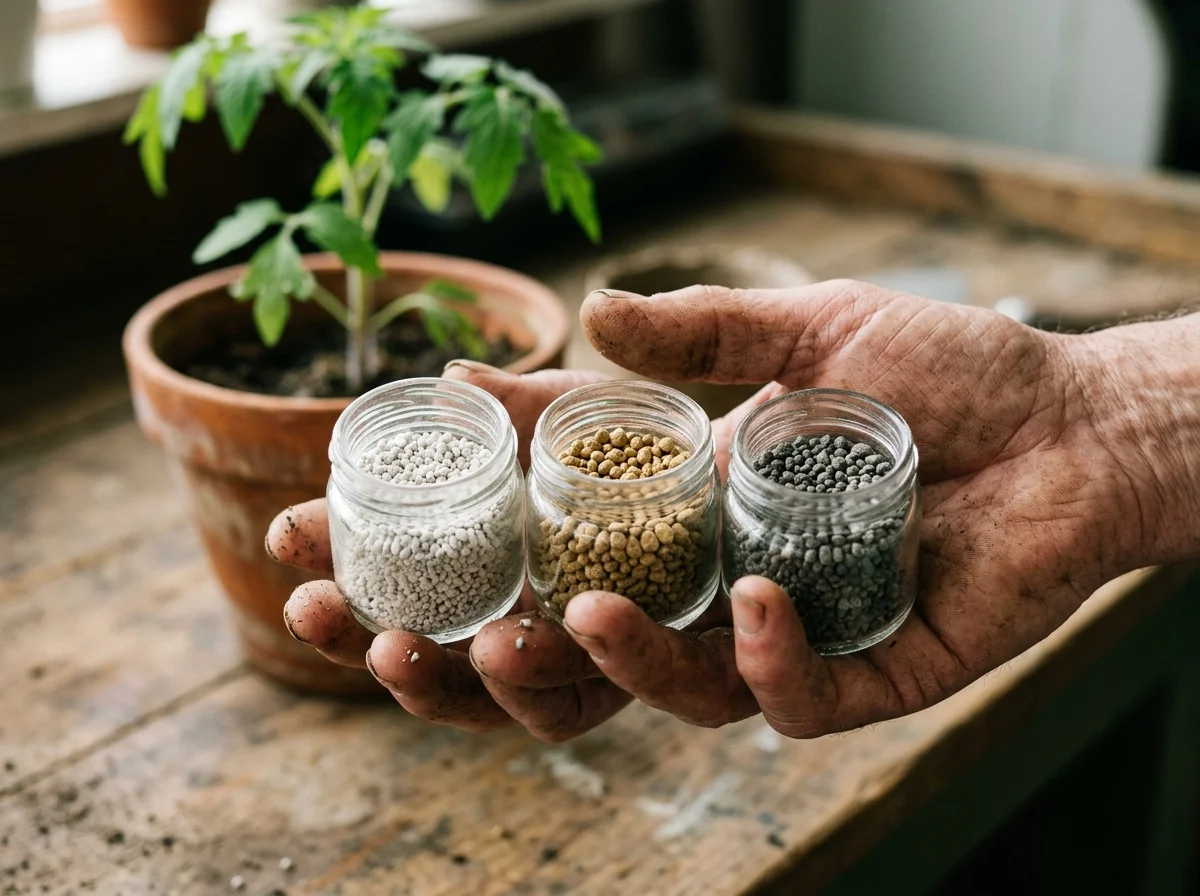
You do not need a shelf of specialty fertilizers. Three ratios handle nearly everything in a home vegetable garden:
- Balanced (10-10-10 or 5-5-5) - the default at planting. It builds roots, stems and leaves evenly while transplants settle in.
- High nitrogen (12-0-0, 10-5-5, fish emulsion 5-1-1) - for leafy crops and for rescuing pale, slow plants mid-season.
- Low nitrogen, high phosphorus and potassium (5-10-10, 3-6-9, tomato blends) - for flowering and fruiting, when you want fruits rather than more leaves.
Anything more specialized is usually a marketing decision, not an agronomic one. Match one of these three to the crop and growth stage, and you are ahead of 90% of gardeners.
NPK Chart for Vegetables: Ratio by Crop
Use this vegetable NPK chart as your quick reference. Amounts assume a soil test shows average fertility, in a garden improved with compost.
| Crop | Best NPK ratio | When to feed | Notes |
|---|---|---|---|
| Tomatoes | 10-10-10, then 5-10-10 | At planting, then every 3-4 weeks | Keep nitrogen moderate once fruiting begins |
| Peppers | 10-10-10, then 5-10-10 | At planting, then every 3-4 weeks | Avoid excess nitrogen; it drops blossoms |
| Cucumbers, squash, melons | 10-10-10, then 5-10-10 | At planting, then every 3-4 weeks | Vines run on nitrogen early, fruit on P and K later |
| Corn | 16-16-16 or 10-10-10 | At planting plus one side-dress | A true heavy feeder; side-dress at knee height |
| Leafy greens (lettuce, spinach, kale) | 12-0-0 or 10-5-5 | At planting and once mid-season | Nitrogen drives tender leaves; feed lightly, often |
| Brassicas (cabbage, broccoli) | 10-10-10, then nitrogen side-dress | At planting, then 3 weeks later | Steady nitrogen prevents small heads |
| Root crops (carrots, beets, radishes) | 5-10-10 at most | Once, at planting | Low nitrogen prevents forked, hairy roots |
| Potatoes | 10-10-10 with extra K (or 5-10-10) | At planting | Potassium boosts tuber size and quality |
| Onions and garlic | 10-10-10, then nitrogen | At planting, then early season | Stop nitrogen once bulbs start swelling |
| Beans and peas | None | - | They fix their own nitrogen from the air |
| Herbs (most) | 5-5-5 at half strength | Once or twice a season | Rich soil makes herbs leafy but less aromatic |
A few patterns make the chart easy to remember. Fruiting crops start balanced and finish with extra P and K. Leafy crops want nitrogen almost exclusively. Root crops and legumes want the least. Perennial crops like asparagus and rhubarb sit in between and appreciate compost more than bagged fertilizer [3] (Source: Ohio State University Extension).
How to Match NPK to Each Growth Stage
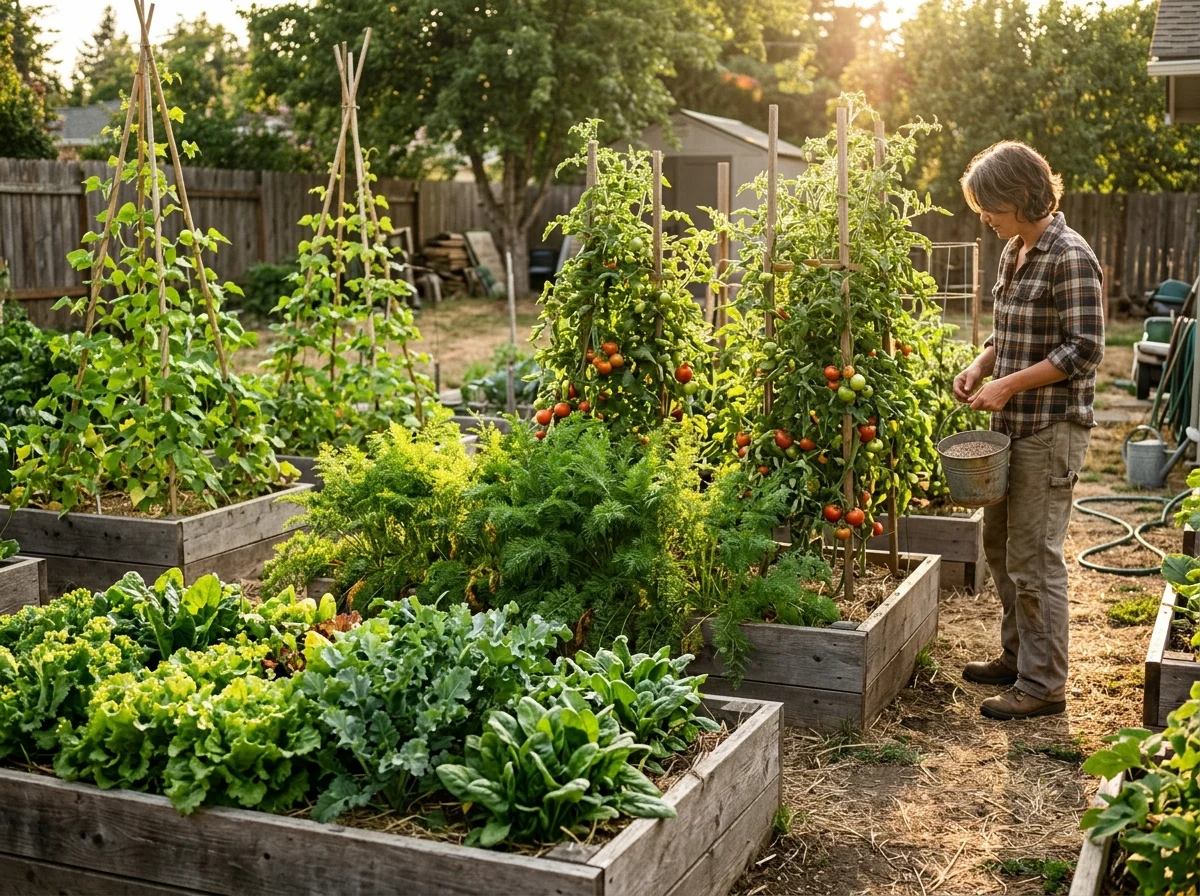
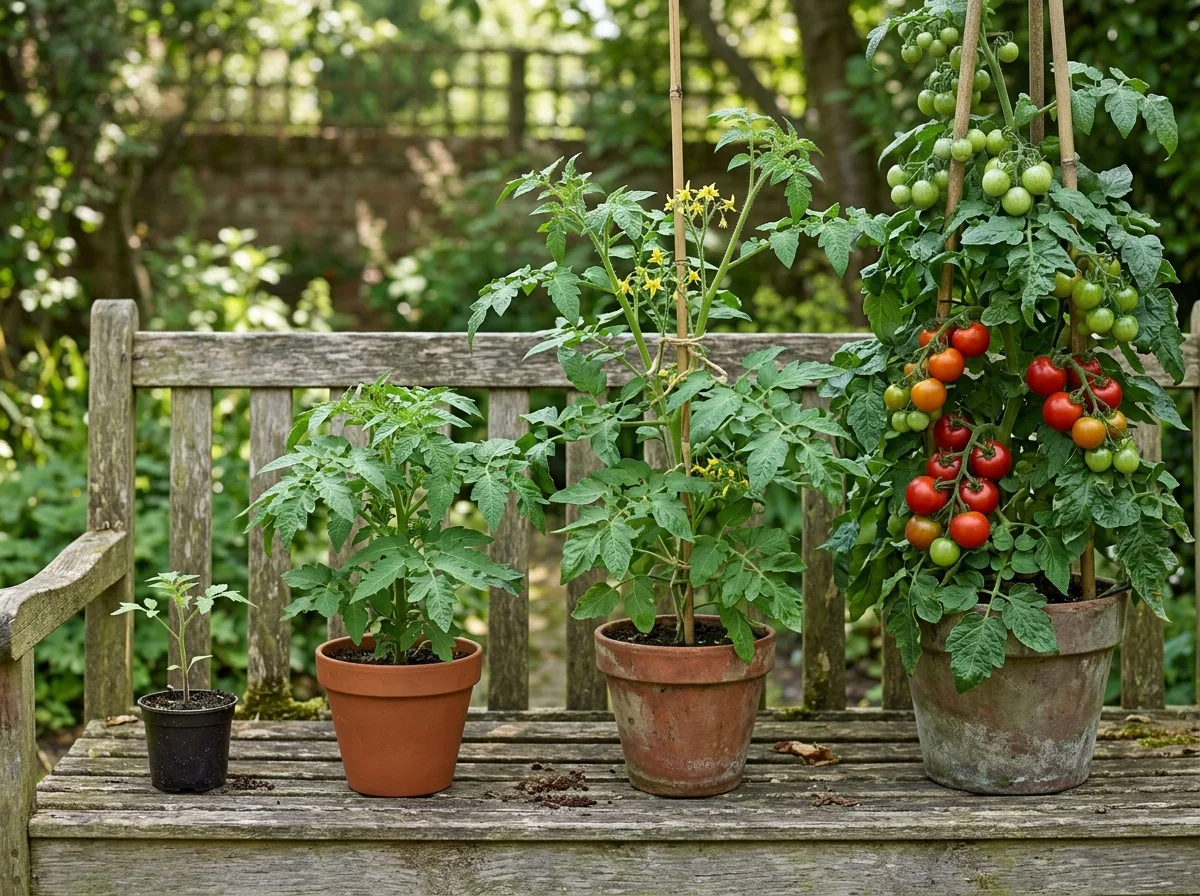
The same plant wants different ratios as it grows, and timing the switch is what separates a decent harvest from a great one.
Seedling and transplant stage. Young plants need phosphorus to build roots. A balanced starter feed, or a diluted liquid fertilizer at half strength, settles transplants in without burning tender roots. Too much nitrogen at this stage produces floppy, weak seedlings.
Vegetative stage. Leaves and stems expand fast, and nitrogen takes over. This is the only window where leafy greens should get their nitrogen-heavy feed. Fruiting crops still do fine on balanced feed here - do not rush them into bloom food too early.
Flowering stage. This is the pivot point. Once tomatoes, peppers, cucumbers and squash open their first flowers, shift to a low-nitrogen, high-phosphorus blend. Excess nitrogen now competes with fruit set and invites blossom end rot. A 5-10-10 or a dedicated tomato feed is ideal.
Fruiting and ripening stage. Potassium demand peaks as fruits size up and ripen. Continue the low-N, high-P-K feed every 3-4 weeks, keep watering steady, and stop feeding about two weeks before the expected final harvest to let the plant finish cleanly.
How Much Fertilizer to Apply (The 1-Pound Rule)
Ratio tells you what to feed; rate tells you how much. For dry granular fertilizer, the standard garden rate is about 1 pound of actual product per 100 square feet, scratched into the top few inches and watered in. That is roughly:
| Garden size | 10-10-10 at planting | Side-dress per plant |
|---|---|---|
| 100 sq ft bed | 1 lb (about 2 cups) | - |
| Single tomato plant | handful in planting hole | 1-2 tbsp, 6 in from stem |
| Single pepper plant | half handful | 1 tbsp, 6 in from stem |
| Raised bed 4x8 ft | 1.5-2 lb | Scoop per plant |
| Container (5 gallon) | Mix 1 tbsp into potting soil | Half-strength liquid every 2 weeks |
Three rules keep the rate safe. First, never let dry fertilizer touch the stem or bare roots - keep it 3-6 inches away. Second, always water after applying, so salts dissolve and reach the root zone instead of burning tissue. Third, split the total amount across the season rather than applying it all at once. Plants take up nutrients in small, steady sips, not one huge gulp [4] (Source: University of Michigan Extension).
The Best Organic Sources for Each NPK Ratio
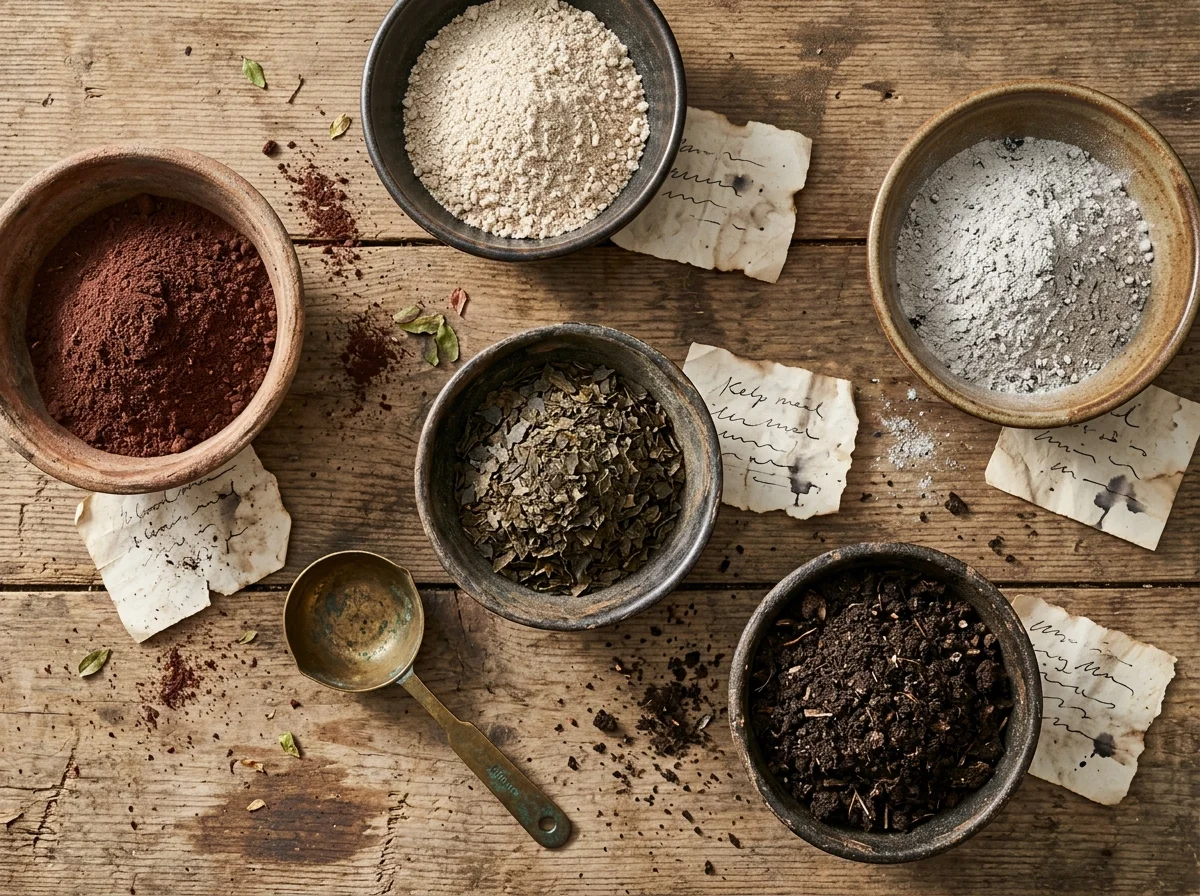
Organic fertilizers are not off-the-shelf ratios - they are single ingredients, and you blend them to hit the ratio you want. This table shows the analysis of common organic options and what each one is best at.
| Organic source | Approx. N-P-K | Best for |
|---|---|---|
| Blood meal | 12-0-0 | Fast nitrogen for leafy greens and pale plants |
| Fish emulsion | 5-1-1 | Gentle liquid nitrogen; seedlings and herbs |
| Compost | 1-1-1 (variable) | Soil-building base for every crop |
| Worm castings | 1-0-0 to 2-1-1 | Seed starting and light feeding, hard to overdose |
| Bone meal | 0-10-0 | Phosphorus for roots, bulbs and transplants |
| Rock phosphate | 0-3-0 | Slow-release phosphorus for fruiting crops |
| Wood ash | 0-1-5 | Potassium on acid soils; skip on alkaline soil |
| Kelp meal | 1-0-2 plus trace minerals | Potassium and stress tolerance |
| Alfalfa meal | 2-1-2 | Mild all-round feed and soil stimulant |
A practical homemade blend for fruiting crops is roughly two parts blood meal or fish meal to one part bone meal to one part kelp or wood ash, applied at the same 1-pound-per-100-sq-ft rate. For a full compost-first approach, start with our guide to making compost, then treat any bagged fertilizer as a top-up, not the foundation [5] (Source: Cornell University).
NPK for Containers, Raised Beds and Herbs
Containers and raised beds behave differently from open ground, and the ratios that work in the garden need small adjustments.
Containers. Potting mix has little natural fertility, and every watering leaches nutrients out the drainage holes. Mix a slow-release balanced fertilizer into the potting soil at planting, then feed with a half-strength liquid fertilizer every two weeks. Fruiting container crops like tomatoes and peppers benefit most from a 5-10-10 liquid once flowering starts. Our guide to vegetables that grow in containers pairs well with this schedule.
Raised beds. Raised-bed soil is usually compost-rich, so it needs less bagged fertilizer than native ground. A light balanced application at planting plus one side-dress for heavy feeders is typical. If you built your bed recently, check our raised bed soil mix guide to see how much nutrition is already in the blend before adding more.
Herbs. Most culinary herbs are Mediterranean plants that prefer lean soil. Rich, high-nitrogen feeding makes basil and parsley lush but dilutes the aromatic oils that give them flavor. Feed herbs once at planting with a half-strength balanced fertilizer and again only if leaves pale. More herbs die from overfeeding than underfeeding.
Common NPK Mistakes That Cost You Harvest
These are the errors that show up most often in home gardens, and how to sidestep them:
- Feeding everything the same. Matching ratio to crop type is the whole game. Treating carrots like corn guarantees small, forked roots.
- Using bloom food too early. Switching tomatoes to 5-10-10 before they flower stalls leafy growth and delays the first truss. Wait for open flowers.
- Over-applying “just in case.” More fertilizer does not mean more vegetables. Excess salts burn roots and push leaf growth at the expense of fruit.
- Ignoring the soil test. Without a test, you are guessing which of N, P or K is actually low. Test every 2-3 years; our guide to testing soil pH covers sampling.
- Fertilizing dry soil. Nutrients need moisture to move into the root zone. Water before and after feeding, especially in summer.
- Feeding beans and peas. They make their own nitrogen. Extra fertilizer makes vines and no pods.
Troubleshooting: Reading Your Plants
Your plants tell you when the ratio is wrong, often before any other symptom appears:
- Dark green, soft, oversized leaves with few flowers: too much nitrogen. Stop feeding and water deeply to flush salts.
- Pale yellow leaves starting from the bottom: nitrogen shortage. Side-dress with a nitrogen source, or check whether the soil is simply too dry or too cold for uptake.
- Purple-tinged leaves and stunted growth: phosphorus shortage or cold soil. Warm the soil with mulch and use a starter feed when transplanting.
- Brown, scorched leaf edges: potassium shortage or fertilizer burn. Check your application rate first, then consider a kelp or wood-ash top-up.
- Blossom end rot on tomatoes and peppers: uneven watering plus excess nitrogen blocking calcium. Steady moisture and a lower-N feed fix most cases.
- Big tops, tiny roots on carrots and beets: classic nitrogen overdose. Switch to a low-N blend next season and thin seedlings properly.
Frequently Asked Questions
Q: What is the best NPK ratio for vegetables?
A: Most vegetables do well with a balanced 10-10-10 at planting. Switch to a lower-nitrogen blend like 5-10-10 once tomatoes and peppers flower, and use high-nitrogen feeds only for leafy greens. Root crops and legumes need little or no extra fertilizer.
Q: What do the three numbers in NPK mean?
A: The numbers are the percentage of nitrogen (N), phosphorus (P) and potassium (K) in the bag, always in that order. A 10-10-10 fertilizer contains 10% of each nutrient by weight.
Q: Is 20-20-20 better than 10-10-10?
A: They have the same ratio, so they feed plants the same way - 20-20-20 is simply twice as concentrated. You use half as much. For most garden vegetables the cheaper 10-10-10 is easier to measure and harder to over-apply.
Q: What NPK ratio is best for tomatoes?
A: Young tomato plants like a balanced or slightly nitrogen-rich feed to build leaves. Once flowering starts, switch to 5-10-10 or a tomato-specific blend to support fruit set and reduce the risk of blossom end rot.
Q: Do root vegetables need high phosphorus fertilizer?
A: Not as much as the old advice suggests. Carrots, beets and radishes do fine with moderate phosphorus and low nitrogen. Too much nitrogen grows big leafy tops and small, hairy roots, so a light 5-10-10 at planting is usually plenty.
Q: Can I make my own NPK fertilizer at home?
A: Yes. Compost is the backbone, and you can blend simple organic ingredients to shift the ratio - blood meal for nitrogen, bone meal for phosphorus and wood ash or kelp for potassium. A soil test tells you which one you actually need.
Q: What happens if I use the wrong NPK ratio?
A: Too much nitrogen gives you lush leaves and few fruits, and it can worsen blossom end rot. Too little nitrogen causes pale, slow growth. Phosphorus and potassium shortages show up as poor flowering, weak roots and brown leaf edges on fruiting crops.
Q: How often should I apply NPK fertilizer to vegetables?
A: Apply a balanced blend at planting, then side-dress heavy feeders like tomatoes, corn and squash every 3 to 4 weeks through the season. Leafy greens may need one mid-season nitrogen top-up; beans, peas and most root crops need nothing after planting.
Related Articles
- Vegetable Garden Fertilizer: N-P-K Explained
- Best Fertilizer for Vegetable Gardens
- When to Fertilize Vegetables
- Best Fertilizer for Tomatoes
- Best Fertilizer for Peppers
- Heavy Feeder Vegetables: Complete List & Feeding Chart
- How to Test Soil pH
- How to Prepare Soil for Planting
