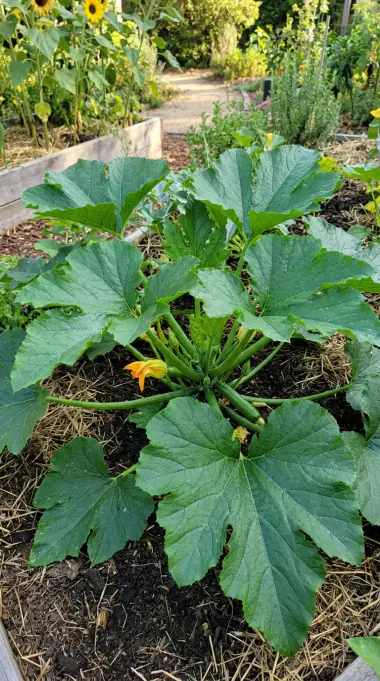
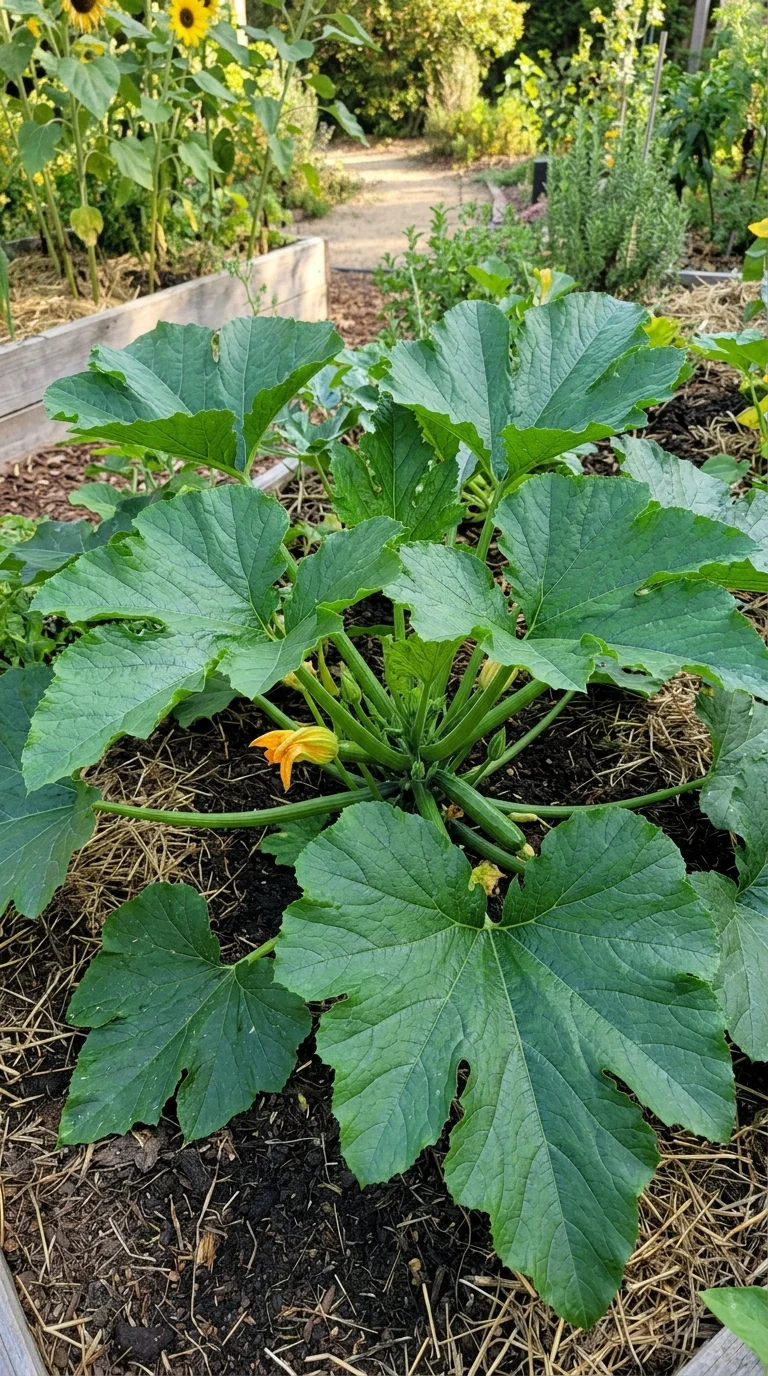
The first raised bed I ever filled, I did it the expensive way. I bought 22 bags of “raised bed mix” at the garden center, heaved them to the car, tore them open, and poured. The bill was sobering — over $180 for a single 4-by-8 bed — and by midsummer the soil had sunk 5 inches, turned pale, and held water like a bathtub one week and dust the next. Bag after bag had been mostly shredded wood with a dusting of compost, not loam.
The next bed, I mixed my own. On a blue tarp in the driveway, with a 5-gallon bucket as my scoop, I blended bulk topsoil, compost, and perlite by volume until the pile turned that deep chocolate brown that smells like a forest after rain. It cost half as much, filled the same bed a full 16 inches deep, and that bed is still my best producer four years later, topped up each spring with just an inch of compost.
You don’t need fancy bags. You need three ingredients, a bucket, and an afternoon.
Quick Answer: Mix 60% screened topsoil + 30% finished compost + 10% perlite or coarse vermiculite by volume. For a 4×8 ft bed 16″ deep (≈42 cu ft), that’s about 25 cu ft topsoil, 13 cu ft compost, 4 cu ft perlite. Blend thoroughly on a tarp, fill 6″ at a time and water to settle, top 1–2″ below rim, mulch 3″ with straw. pH target 6.0–7.0, depth 12–18″.
At a Glance: DIY Raised Bed Mix Recipe
| Ingredient | % by Volume | What It Does | What to Buy |
|---|---|---|---|
| Screened topsoil / loam | 60% | Mineral structure, trace minerals, weight & anchorage | Bulk “screened loam” or “garden topsoil,” not fill dirt |
| Finished compost | 30% | Nutrients, humus, water-holding, microbial life | Aged cow, mushroom, or homemade — earthy, not ammonia |
| Perlite or coarse vermiculite | 10% | Air pockets, drainage that lasts | Coarse perlite (preferred for drainage) or vermiculite for water |
| Optional: coarse sand | — | Rarely needed with perlite | Skip unless soil is heavy clay base |
| pH target | 6.0–7.0 | Nutrient availability | Test every 2 years, adjust with lime/sulfur |
Per 5-gallon bucket measure: 6 buckets topsoil + 3 buckets compost + 1 bucket perlite = 10 buckets of perfect mix.
What You’ll Need
Materials
- Screened topsoil (bulk, by cubic yard) — calculate volume first
- Finished compost — bagged or bulk, fully composted
- Coarse perlite or vermiculite — big bag from garden center
- Straw for mulch (after planting)
Tools
- 5-gallon bucket (your measuring scoop)
- Blue tarp, wheelbarrow, or driveway area for blending
- Garden fork or broadfork, rake
- Hose with gentle shower
- Optional: soil test kit
How Much to Buy: Quick Math
Cubic feet = Length (ft) × Width (ft) × Depth (ft). Cubic yards = cubic feet ÷ 27.
| Bed Size | Depth | Cubic Feet | Cubic Yards | Topsoil (60%) | Compost (30%) | Perlite (10%) |
|---|---|---|---|---|---|---|
| 4×4 ft | 12″ (1 ft) | 16 | 0.59 | 9.6 | 4.8 | 1.6 |
| 4×4 ft | 16″ (1.33 ft) | 21 | 0.79 | 12.8 | 6.4 | 2.1 |
| 4×8 ft | 12″ | 32 | 1.19 | 19.2 | 9.6 | 3.2 |
| 4×8 ft | 16″ | 42.7 | 1.58 | 25.6 | 12.8 | 4.3 |
| 4×8 ft | 18″ (1.5 ft) | 48 | 1.78 | 28.8 | 14.4 | 4.8 |
Add ~10% extra for settling. Buy topsoil and compost in bulk — bags cost 2–3× more per cubic foot.
Step-by-Step: Mixing & Filling
Step 1: Choose and Prep the Spot
Full sun (6–8 hours), near the hose, level. Lay overlapping cardboard over grass/weeds inside the frame line, wet it. Set the frame — cedar, metal, or untreated lumber — 12–18 inches high, 4×8 ft ideal. Ensure it’s level so water doesn’t pool at one end.
Step 2: Source Good Ingredients
Topsoil: Ask for “screened loam” — it should smell earthy, feel slightly gritty-smooth, not sticky. Reject fill dirt or subsoil — it’s pale, lifeless, and compacts.
Compost: Should be dark, crumbly, smell like earth, not sour or ammonia. If you can recognize eggshells or sticks, it’s not finished. Bagged composted cow manure or mushroom compost are reliable.
Perlite: White, crunchy, pea-sized. Coarse grade keeps air longer than fine. Vermiculite works too but holds more water — good for hot, sandy areas.
Step 3: Blend on a Tarp (Not in the Bed)
This is the difference between even loam and pockets of pure compost. On a tarp, measure with the bucket: 6 topsoil, 3 compost, 1 perlite. Shovel and roll until color is uniform and white specks are evenly dispersed. Blend in batches — 10 buckets at a time keeps your back happy.
Why not mix in the bed? You’ll leave dense layers that water won’t penetrate evenly. Tarp blending takes 10 minutes extra and gives you true 60/30/10 throughout.
Step 4: Fill in Lifts and Water to Settle
Fill 6 inches, water deeply with a gentle shower until it drains from the bottom, let settle 10 minutes. Fill another 6 inches, water again. Repeat to 1–2 inches below rim — you need that lip to hold mulch.
Don’t stomp to compact. Water does the settling naturally and preserves air pockets perlite provides.
Step 5: Rake, Mulch Later, Plant Now
Rake the surface smooth. You can plant immediately — no “cooking” needed. Seeds and transplants go straight in. Once seedlings are 3 inches tall, mulch 2–3 inches with straw. Mulch keeps that inch of weekly water from evaporating and feeds microbes as it decays.
Step 6: Record and Maintain
Write the date and mix on a label — you’ll thank yourself next spring. Each spring, top-dress 1–2 inches of compost and rake lightly into top inch, no tilling. Top up if bed settled more than 2 inches. Retest pH every 2 years.
Variations for Your Conditions
If Your Native Soil Is Heavy Clay
Add perlite at 15% in the bottom half of the bed for extra drainage, keep 10% on top. Mound the bed 2 inches above path level so water sheets off, not pools. Broadfork native soil 6 inches below the frame before filling to break hardpan so roots can eventually go deeper.
If Your Area Is Hot and Sandy / Fast Drying
Drop perlite to 5% and add 5% coconut coir or extra compost — sand already drains, it needs water-holding. Mulch 3 inches and consider coir in the mix for moisture. Metal beds in sun may need shade cloth over greens.
For Extra Moisture Retention (Arid Climates)
Swap half the perlite for coarse vermiculite — it holds more water while still providing air. Add a thin layer of straw mulch from day one after germination.
Budget Hugelkultur Base (Deep Beds Only, 18″+)
To save on mix in deep beds, fill bottom 6 inches with logs, branches, leaves, and straw (hugelkultur), then top 12 inches with 60/30/10. It saves ~30% on soil, feeds slowly, and improves drainage. Don’t use this in 12-inch shallow beds — plants need the full 12 inches of loam.
Common Mistakes That Ruin the Mix
Using 100% compost. Tempting, because compost looks rich. But pure compost holds too much water in spring, dries to a hard crust in summer, shrinks 30% by fall, and lacks mineral grit. The bed sinks and roots lose anchorage. Always cut to 30%.
Using fill dirt or “cheap topsoil.” Fill dirt is subsoil — pale, compacted, low organic matter. It defeats the purpose. Pay a bit more for screened loam; it’s the skeleton of your soil.
Buying all bags. Bagged “raised bed mix” is often 60% wood fines at garden-soil price. Bulk topsoil/compost is 40–60% cheaper. Even if you buy perlite bagged, bulk base saves hundreds.
Not watering in lifts. A fluffy-dry fill looks full, then sinks 4 inches after first rain, exposing roots. Watering in lifts settles it correctly from the start.
Over-tilling yearly. That beautiful fungal network and worm channels you built get shredded each till. Top-dress compost, fork gently if compacted, and leave tilling to farmers with acres.
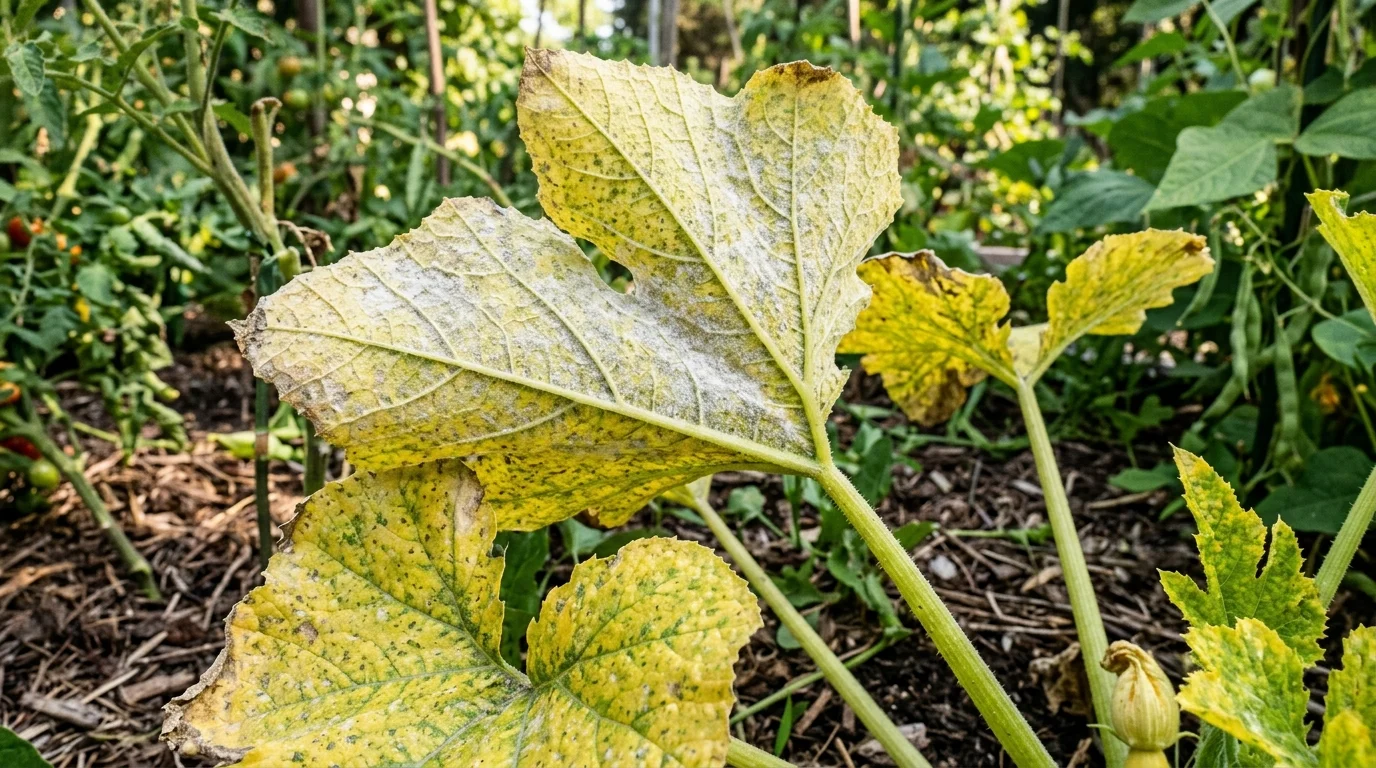
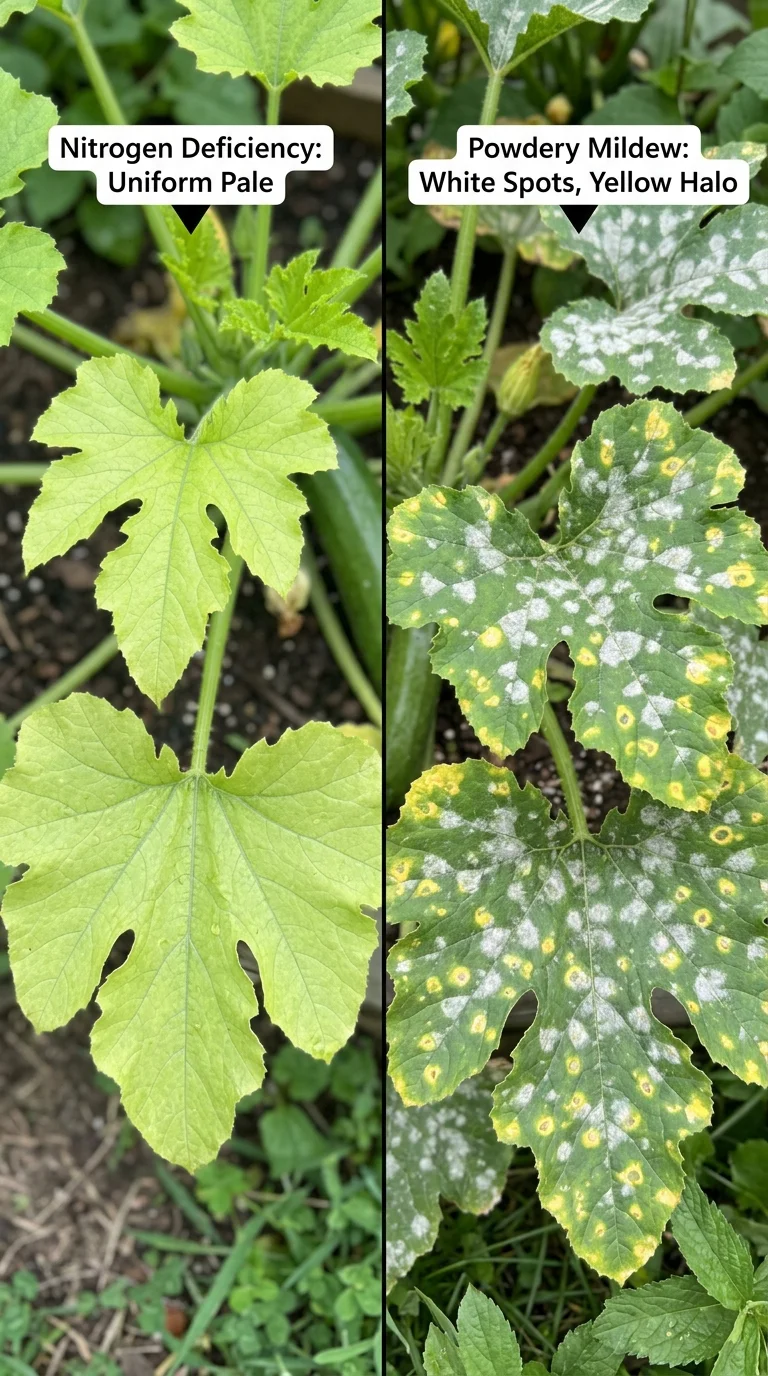
Skipping pH test. You can build perfect structure but if pH is 5.2 or 7.8, nutrients lock up and leaves yellow despite richness. $20 test every 2 years prevents two seasons of guessing.
How Much Will It Cost?
Bulk prices vary, but typical U.S. 2026: screened topsoil $25–40/cu yd, compost $30–50/cu yd, perlite $20–30 per 4 cu ft bag. A 4×8×16″ bed (~1.6 cu yd total) costs roughly $70–110 DIY bulk versus $180–260 in bags — saving $80–150 per bed. Larger beds save more. Plus, DIY quality is higher and consistent.
Call local landscape suppliers — many deliver mixed “raised bed blend” to 60/30/10 spec if you ask. If they offer 50/50 topsoil/compost, buy it and add 10% perlite yourself.
Seasonal Care Calendar
| When | What to Do |
|---|---|
| At build (fall or spring) | Blend 60/30/10, fill in lifts, water, plant or cover with tarp until planting |
| Spring yearly | Top-dress 1–2″ compost, broadfork gently, top up settled beds with 60/30/10, test pH every 2 years |
| At planting | Sprinkle 1/2″ compost into top 3″ for seedlings, mulching after 3″ tall with 3″ straw |
| Midsummer | Keep mulch 3″, replenish if bare, side-dress heavy feeders per soil test only |
| After harvest / Fall | Add lime/sulfur per test (needs months), mulch 3″ straw or sow cover crop (crimson clover/oats) |
| Every 2–3 years | Check depth; if settled >3″ below rim, top up with fresh 60/30/10 |
Troubleshooting
Mix feels too sandy / drains too fast. You may have bought sandy loam and added full 10% perlite. Reduce perlite to 5% next top-up and add extra compost. Mulch heavily to slow evaporation.
Mix stays soggy days after rain. Topsoil too clayey or fine perlite. Add coarse perlite (increase to 15%) on next top-dress, ensure bed has open bottom drainage, and avoid saucer-like landscape fabric trapping water.
Bed settled 5 inches in one season. Normal first year if you didn’t water in lifts or used high-wood compost. Top up with 60/30/10, not pure compost, to maintain ratio.
Seedlings damping off (black, mushy). Overwatering + cool + still air in dense mix. Ensure perlite is truly 10% (not skipped), water mornings, thin for airflow, and don’t work wet soil.
Weeds exploded in new bed. Topsoil may have weed seed bank. Mulch 3 inches immediately after planting, hand-pull before they seed, and never let beds sit bare — cover crop or straw.
Why DIY Is Worth the Tarp
A raised bed is an investment that should last 10–15 years. The soil you put in it is the only thing your vegetables ever touch — it’s their world. Mixing your own guarantees that world is balanced: structure from topsoil, life from compost, air from perlite. Bags can’t promise that; your bucket can.
Set a Saturday morning, lay the tarp, invite a friend, and mix. By lunch you’ll have a bed that smells like a forest floor and crumbles like chocolate cake — ready to plant that afternoon. And every year after, an inch of compost is all it asks to stay that way.
Deep Dive: Sourcing, Testing & Troubleshooting the Mix
How to Test Before You Buy
- Squeeze: Wet handful should form ball then crumble when poked, not shiny sticky ribbon.
- Smell: Earthy sweet, not sour or ammonia.
- Stone check: Sieve a bucket - >1 inch stones will fork carrots.
- Weed seed: Ask if compost reached 130F - hot compost kills weed seeds; cold pile brings weeds.
Bulk Buying Checklist
- Call landscape yard: ‘I need screened loam and finished compost for 60/30/10 vegetable bed.’
- Ask delivery in cubic yards mixed or separate; many mix 60/30 for you.
- Perlite: coarse grade, 4 cu ft bags garden center or hydro shop.
- Calculate +10% extra for settling; beds settle 2-3 inches first year even when watered in lifts.
Tools That Save Your Back
- Blue tarp 8x10 for blending; wheelbarrow for transport; 5-gal bucket measure.
- Garden fork/broadfork for loosening native base 6 inches before filling to break hardpan.
- Rake for leveling; hose with gentle shower for lift watering.
Advanced Mix Tweaks
- Clay base: 15% perlite lower half, crown bed 2 inches above path.
- Sandy/arid: 5% perlite + 5% coconut coir extra for water-holding; mulch 3 inches day one.
- Cold zones: Dark metal beds warm earlier but need 3-inch straw to buffer.
Cost Example Detailed
For 4x8x16 inch (42.7 cu ft):
- 25.6 cu ft topsoil @ $30/yd = $28
- 12.8 cu ft compost @ $40/yd = $19
- 4.3 cu ft perlite @ $25/4cu ft = $27 Total ~$74 bulk vs $180-260 bags. Larger beds save more.
Longevity
Good 60/30/10 improves yearly - worm channels, fungal lace, darker crumb. Top-dress 1-2 inches compost yearly, keep 3-inch straw, retest pH 2 years, and you will not replace soil for 10-15 years.
Common Sourcing Pitfalls
- ‘Garden soil’ dense fill dirt - reject.
- ‘Composted wood fines’ sold as compost - yellow stunted plants from nitrogen drawdown.
- Fine perlite vs coarse - fine collapses faster; get coarse pea-size.
Blend on tarp, fill in lifts, water, mulch, plant same day - vegetables do not wait.
Step-by-Step Photo Logic (If You Document)
- Empty frame on cardboard, level check.
- Tarp with 6 topsoil + 3 compost + 1 perlite piles.
- Shovel-roll blending until uniform chocolate with white speckles.
- Wheelbarrow fill 6 inches, hose shower, settle.
- Second lift to 1-2 inches below rim, water, rake.
- Plant immediately, mulch after 3 inches.
Document for next bed - you’ll replicate perfectly.
Troubleshooting Mix Problems After Fill
- Sinking 4 inches first rain: Did not water in lifts - top up with 60/30/10, water again.
- Surface crust: Too much fine topsoil, too little perlite - rake in 1/2 inch compost + perlite top 3 inches.
- Weeds explosion: Topsoil seed bank - mulch 3 inches immediately, pull before seed.
- Yellow despite rich mix: Check pH 6.0-7.0 and drainage - mix may be too dense or alkaline compost.
Where to Source Bulk Near You
Search ‘landscape supply screened loam compost bulk near me’ + call 2 yards for price per cubic yard delivered. Ask ‘is compost finished, hot-composted 130F?’ Bulk delivery $30-60 fee split across beds is cheaper than bags even for one bed.
If only bags available: 40 lb topsoil + 1 cu ft compost + 8 qt perlite approximates 6:3:1 by volume - more work but works for small 3x6 bed.
Printable One-Page Checklist
Copy this onto an index card and tape inside your shed.
- Sun mapped (9am, noon, 4pm) - 6-8 hrs for fruiting, 3-4 for greens
- Soil test every 2 years - pH 6.0-7.0, organic matter 4-8%
- Bed depth 12-18 inches, width 4 ft max, never walk inside
- Mix 60/30/10 topsoil/compost/perlite blended on tarp, filled in 6-inch lifts watered
- Compost 1-2 inches yearly top-dress, not till
- Mulch 3 inches straw after 3 inches tall, replenish when bare
- Water deeply to 6-8 inches, then wait till top 2 inches dry (chopstick test)
- Thin on time: carrots 2 inches, lettuce 8 inches, tomatoes 18-24 inches
- Succession sow every 10-14 days for greens/radishes
- Cover crop or mulch any bed empty >1 week
- Log pH, compost, varieties, harvest notes each season
Next Steps & Related Reads
If this article helped, these build directly on it:
- Best Soil for Vegetable Gardens - the full 60/30/10 loam explanation
- How to Improve Garden Soil - 10 easy ways to build loam over seasons
- Best Soil pH for Vegetables - testing and adjusting pH 6.0-7.0
- Raised Bed Soil Mix - DIY recipe with bucket math and sourcing
- Best Soil for Raised Beds - ideal ratio, depth and maintenance
- When to Plant Vegetables - timing by frost date and succession
A Final Note From My Garden
I still keep the first carrot that grew straight after I fixed soil - it dried on the windowsill, crooked in the way memory is, reminding me that good gardening is not about being perfect the first time.
It is about noticing what soil is telling you - the smell after rain, the way water drains, the worms that appear when you mulch - and responding with one small, steady habit at a time.
You do not need a perfect garden this season.
You need one bed, one handful of compost, a pH strip, and the willingness to kneel a little longer and watch.
Soil will do the rest.
It always does, if we let it.
Quick Troubleshooting Reference
| Symptom | Likely Cause | Quick Fix |
|---|---|---|
| Yellowing lower leaves | Nitrogen leached or pH low | Top-dress 1 inch compost, test pH, feed per test |
| Yellow between veins | High pH iron lock or soggy roots | Test pH, add sulfur if >7.5, improve drainage |
| Stunted, purple tinge | Low phosphorus / acidic pH | Lime per test, ensure 6.0-7.0, even water |
| Wilting despite moist soil | Root rot from compaction/soggy | Broadfork when moist, add perlite, mulch, stop overwatering |
| Forked carrots | Shallow/stony/compacted soil | Deepen to 18 inches, sieve stones, thin to 2 inches |
| Bolting lettuce bitter | Heat + inconsistent water | Shade afternoon, water evenly, harvest young |
| No fruit set | pH off, overcrowding, heat | Test pH 6.0-7.0, space 18-24 inches, hand-pollinate |
Year-One Success Plan
Month 1: Test pH, build or amend one bed 60/30/10 12-18 inches, mulch path. Month 2: Sow succession greens/radishes, trellis north side peas/cucumbers. Month 3: Deep water to 6 inches, keep mulch 3 inches, thin ruthlessly. Month 4: Side-dress heavy feeders only if test says, harvest outer leaves, log notes. Fall: Top-dress 1-2 inches compost, test pH if due, mulch 3 inches or cover crop.
Consistency beats intensity. One bed done right teaches the system.
Variety Spotlight: My Top 3 For Beginners
If overwhelm hits, start with these three — forgiving, high reward, and they teach you the habits.
- Lettuce ‘Salad Bowl’ - cut-and-come-again, shade tolerant, 30 days to first snip.
- Carrot ‘Chantenay’ - short, sweet, forgives shallow beds a bit, straight in 60/30/10.
- Tomato ‘Celebrity’ or Pepper ‘Gypsy’ - determinate/bush, heavy in 12-18 inch loam, caged early.
Grow these well and you have learned 80% of vegetable soil and water rhythms.
What I Wish I Knew Earlier
Soil work looks like nothing - spreading compost, tucking straw - but it is everything. The bed you feed in October feeds you in July. Mulch is not decoration, it is moisture insurance. pH is not chemistry class, it is the key that unlocks the pantry. And thinning feels ruthless until you taste the uncrowded harvest.
Start small, be consistent, and let soil teach you season by season.
Frequently Asked Questions
Q: What is the best soil mix for raised beds?
A: Use 60% screened topsoil, 30% finished compost and 10% perlite or coarse vermiculite by volume. This 60/30/10 loam holds about an inch of water for a week yet drains freely, stays airy for roots, buffers pH to 6.0–7.0 and feeds the soil food web. Fill beds 12–18 inches deep, blend on a tarp for evenness, water in lifts to settle naturally and mulch 3 inches with straw after seedlings establish for the most reliable vegetable performance year after year.
Q: Can you mix your own raised bed soil cheaper than bags?
A: Yes — 40–60% cheaper. Bulk topsoil and compost by the cubic yard from landscape suppliers plus a bag of perlite costs roughly $70–110 to fill a 4×8-foot bed 16 inches deep versus $180–260 for bagged mixes that are often mostly wood fines. Measuring with a 5-gallon bucket (6 topsoil + 3 compost + 1 perlite) on a tarp ensures accurate 60/30/10 ratios, better quality control and dramatic savings that grow with every bed you add.
Q: How much soil do I need for a raised bed?
A: Multiply length × width × depth in feet for cubic feet, then divide by 27 for cubic yards. A 4×8-foot bed 16 inches (1.33 ft) deep needs about 42.7 cubic feet or 1.58 cubic yards — roughly 25.6 cu ft topsoil, 12.8 compost, 4.3 perlite at 60/30/10. Fill to 1–2 inches below the rim to hold mulch, water in 6-inch lifts to settle and top up the 2–3 inches that naturally settle in the first year.
Q: Should you use garden soil in raised beds?
A: Use screened garden topsoil as 60% of your blend, but never 100% garden soil, pure clay, sand or straight compost. Pure garden soil compacts without the air and deep biology of ground, pure compost shrinks and stays soggy then crusts, and pure topsoil is too dense alone. The 60/30/10 balance of mineral structure, organic life and permanent air via perlite is what turns those ingredients into true loam that doubles yields and lasts with just yearly compost top-dressing.
Related Articles
- Best Soil for Raised Beds: The Ideal Mix Explained
- Best Soil for Vegetable Gardens
- 15 Best Vegetables for Raised Beds
- 10 Raised Bed Gardening Mistakes to Avoid
- How to Improve Garden Soil
- Raised Bed Gardening: Setup & Soil Guide
Sources & References
- University of Minnesota Extension — Raised Bed Soil — https://extension.umn.edu/yard-and-garden
- Iowa State University Extension — Horticulture — https://hortnews.extension.iastate.edu/
- Oregon State University Extension — Gardening — https://extension.oregonstate.edu/gardening
- Royal Horticultural Society — Soil & Compost — https://www.rhs.org.uk/soil-composts-mulches