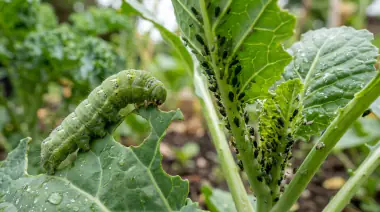
Complete GuideGarden Pest Identification: 25 Pests With Photos & Fixes
See 25 garden pests with pictures and damage signs. Diagnose what is eating your plants and apply proven organic fixes — step-by-step for beginners.
Identify garden pests accurately and treat them with organic methods that protect your plants without harming beneficial insects.
Most unsuccessful pest control comes from treating before identifying. A yellow leaf might be aphids, might be spider mites, might be nothing at all — and the spray that kills one does nothing for another while killing the predators that would have solved the problem on their own.
The order of operations matters: identify what is chewing, sucking or tunnel-ing, then remove the favourable conditions, then treat with the mildest effective method, and only escalate if the population is genuinely out of control.
These guides are organised around that sequence. Start with identification, then work down to the individual pest for the treatment that actually works against it.
Damage patterns are diagnostic. Chewed holes with dark droppings mean caterpillars; skeletonised leaves with metallic beetles mean flea beetles; fine webbing and stippled leaves mean spider mites. Match the pattern before you treat.
See 25 garden pests with pictures and damage signs. Diagnose what is eating your plants and apply proven organic fixes — step-by-step for beginners.

Stop garden pests without chemicals. 9 proven organic methods - neem oil, companion planting & more - to protect vegetables and keep plants healthy.
Aphids and fungus gnats are the two most common complaints. Both multiply fast, both are best caught early, and both respond well to simple physical and biological measures before any spray.
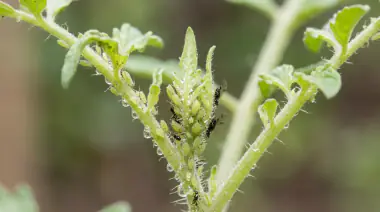
Aphids on vegetable plants? Learn 9 easy ways to get rid of them naturally — water jet, soap, neem & beneficial insects. Safe for edibles.
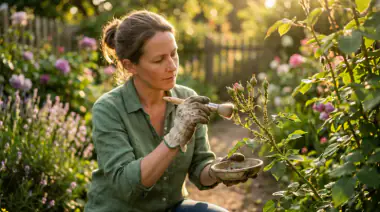
Aphids on plants? Learn how to get rid of aphids naturally with soap spray, neem oil & beneficial insects - no harsh chemicals needed.
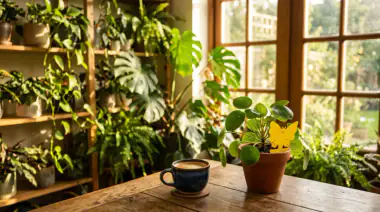
Fungus gnats in houseplant soil? Identify adults vs larvae, learn what causes them and 5 proven ways to eliminate them for good — step by step.
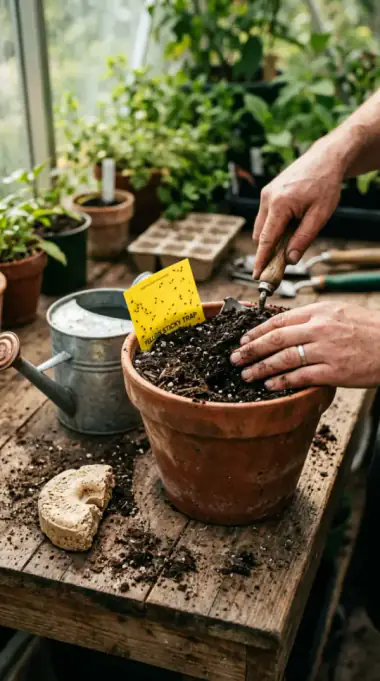
Gnats in houseplant soil? Get rid of fungus gnats fast with 7 proven steps - sticky traps, BTI drench, sand barrier & watering fix that stops reinfestation.
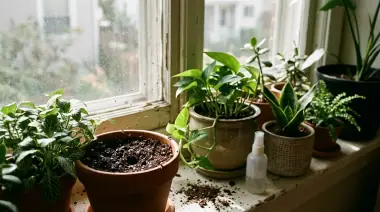
Diatomaceous earth for fungus gnats explained - how to apply it, why it fails when wet, and the 5-step routine that finishes gnats for good.
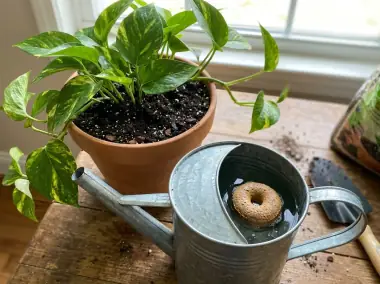
Beneficial nematodes for fungus gnats - which species to buy, how to apply them, and how they compare to BTI for ending soil infestations.
Slugs, earwigs and caterpillars damage plants in different ways and live in different places. Slugs work at night at soil level, earwigs hide in damp debris during the day, and large caterpillars are often best hand-picked.
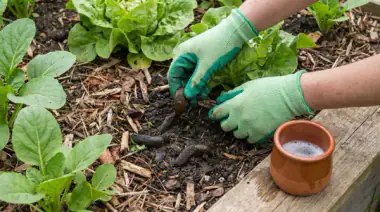
Slugs devouring seedlings? Get rid of slugs naturally with beer traps, copper, iron phosphate & night patrols - pet-safe and effective.
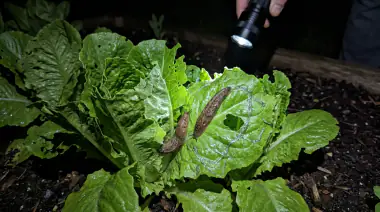
Slugs eating your vegetables? Learn how to get rid of slugs naturally — traps, barriers, iron phosphate & night patrols that actually work.
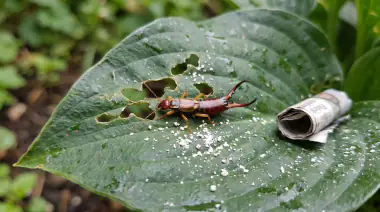
Earwigs eating your plants? Learn how to get rid of earwigs naturally with oil traps, diatomaceous earth & garden tweaks - safe and chemical-free.
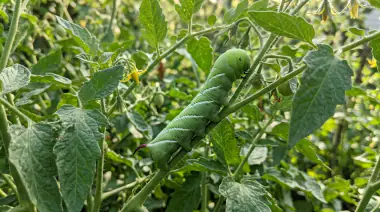
Tomato hornworms stripping plants? Learn how to get rid of them naturally — hand-picking, B.t., companion plants & predators that protect tomatoes.
Prevention and physical methods first. Inspect weekly, hand-pick large pests, use row covers or insect netting as a physical barrier, and encourage beneficial insects by planting flowering species. Reserve broad-spectrum sprays for persistent problems, because they kill pollinators and predatory insects along with the pest.
They breed in constantly moist organic matter. Let the top layer of soil dry out between waterings, improve drainage, and use sticky traps to catch adults. For established infestations, a diluted hydrogen peroxide solution poured slowly into the soil kills larvae without harming the plant.
Yes, when applied correctly and early. Neem oil, insecticidal soap, Bacillus thuringiensis for caterpillars, and diatomaceous earth for crawling insects all work. They are slower than synthetic sprays and must be reapplied because they break down in sunlight and rain.