For years I thought my north-facing side yard was hopeless. The sun slipped behind the maple by noon, dappling the fence in lace, and every tomato I tucked there sulked — pale, leggy, fruit that never reddened. I called it “the shade problem” until a friend who grew the most velvety spinach I’d ever tasted walked over, squinted at that exact spot, and said, “Ilisa, that’s not a problem. That’s your lettuce garden.”
She was right. By July, when my full-sun lettuce had bolted bitter and tall, the spinach and lettuce in that dappled shade were still low, cool, and buttery. The leaves were larger, thinner, almost silken. They tasted like they’d been grown in a spring morning all summer long.
Shade doesn’t mean you can’t grow food. It means you grow different food — and often, better-textured food. The vegetables that love 3–4 hours of sun are the ones we eat most: greens, roots, herbs, peas. They don’t need to ripen fruit in blazing heat; they make leaves and crisp roots in cool, gentle light. Once I stopped fighting the light and planted what the light wanted, that side yard became my most reliable bed.
Quick Answer: These 15 vegetables grow well with 3–4 hours of direct sun (or 6 hours of dappled light): lettuce, spinach, arugula, kale, Swiss chard, mustard greens, Asian greens (bok choy, mizuna), beets, carrots, radishes, scallions, peas, bush beans, parsley, and mint/cilantro. Leafy greens need the least light; roots need a bit more; peas/beans tolerate light shade but yield less. Plant in the brightest shade you have, use rich compost, water evenly, and harvest greens as baby leaves for fastest, tenderest results.
At a Glance: 15 Shade-Tolerant Vegetables
| Vegetable | Minimum Sun | Best Light Type | Harvest In | Notes for Shade |
|---|---|---|---|---|
| Lettuce (leaf) | 3 hrs | Morning sun + afternoon shade | 30–45 days | Ideal shade crop, slow to bolt |
| Spinach | 3 hrs | Dappled / 4 hrs direct | 35–45 days | Silkier leaves in shade |
| Arugula | 3 hrs | Dappled | 30–40 days | Milder in shade |
| Kale | 3–4 hrs | Direct or bright dappled | 50–60 days | Larger, tender leaves |
| Swiss Chard | 3–4 hrs | 4 hrs direct | 45–55 days | Colorful, holds all season |
| Mustard Greens | 3 hrs | Dappled | 30–45 days | Less fiery in shade |
| Asian Greens (bok choy/mizuna) | 3 hrs | Dappled | 30–45 days | Fast, crisp, heat-tolerant in shade |
| Beets | 4 hrs | Direct | 50–60 days | Smaller roots, excellent greens |
| Carrots | 4 hrs | Direct | 55–70 days | Shorter but sweeter, thin well |
| Radishes | 3–4 hrs | Direct | 22–35 days | Crisp and mild, not pithy |
| Scallions | 3–4 hrs | Dappled | 50–60 days | Steady onion flavor |
| Peas (snap/snow) | 4 hrs | Direct | 55–65 days | Fewer pods, but sweet |
| Bush Beans | 4–5 hrs | Direct | 50–60 days | Light yield, best in bright shade |
| Parsley | 3 hrs | Dappled | 60–75 days | Thrives where basil sulks |
| Mint / Cilantro | 3 hrs | Dappled | 30–50 days | Cilantro bolts slower in shade |
Fruiting crops like tomatoes, peppers, and squash need 6–8 hours — they’re not reliable in true shade.
Understanding Shade: Not All Shade Is Equal
Before we plant, let’s translate what your yard is actually offering. I carry a little notebook and check the same bed at 9 a.m., noon, and 4 p.m. for two days. That tells me more than any app.
Full Shade vs. Part Shade vs. Dappled Light
Light shade / part shade (3–4 hrs direct): Sun hits the bed for a morning or late-afternoon block. This grows all 15 crops above well. My side yard gets 3.5 hours of direct morning sun — perfect.
Dappled / filtered light (6+ hrs bright but broken): Under a high, open-branched tree like honey locust or birch, sunlight flickers all day. It reads as shade, but photosynthetically it’s surprisingly generous. Greens adore it — cooler, no scorch.
Full shade (less than 2 hrs direct, dense): Under a low, dense maple or north wall. Harvest is limited to microgreens, baby lettuce cut at 3 inches, and mint. You can still grow, but expect smaller, slower crops. Reflective surfaces (white wall, light mulch) help bounce light.
The best shade for vegetables is morning sun + afternoon shade. Morning light is cooler and less stressful than blazing afternoon west sun. Leaves stay tender longer, lettuce stays sweet, and soil stays moist.
The Greens: Your Shade All-Stars (7)
If you grow nothing else in shade, grow greens. They were made for it.
Lettuce — The Reason to Love Shade
Lettuce is the diva that actually prefers shade in summer. In full sun it bolts — stretching tall, turning bitter — when days top 75°F. In 3 hours of morning sun with afternoon shade, it stays low, rosetted, and milky-mild.
Sow 1/4 inch deep, thin to 8 inches for heads or keep dense for cut-and-come-again. I harvest outer leaves at 4 inches and let the center keep going for weeks. Shade-grown lettuce needs a touch more time (add 5–7 days) but gives you salads when full-sun beds have quit. Varieties: ‘Salad Bowl,’ ‘Rouge d’Hiver,’ ‘Winter Density’ hold beautifully.
Spinach, Arugula & Mustard — The Tender Trio
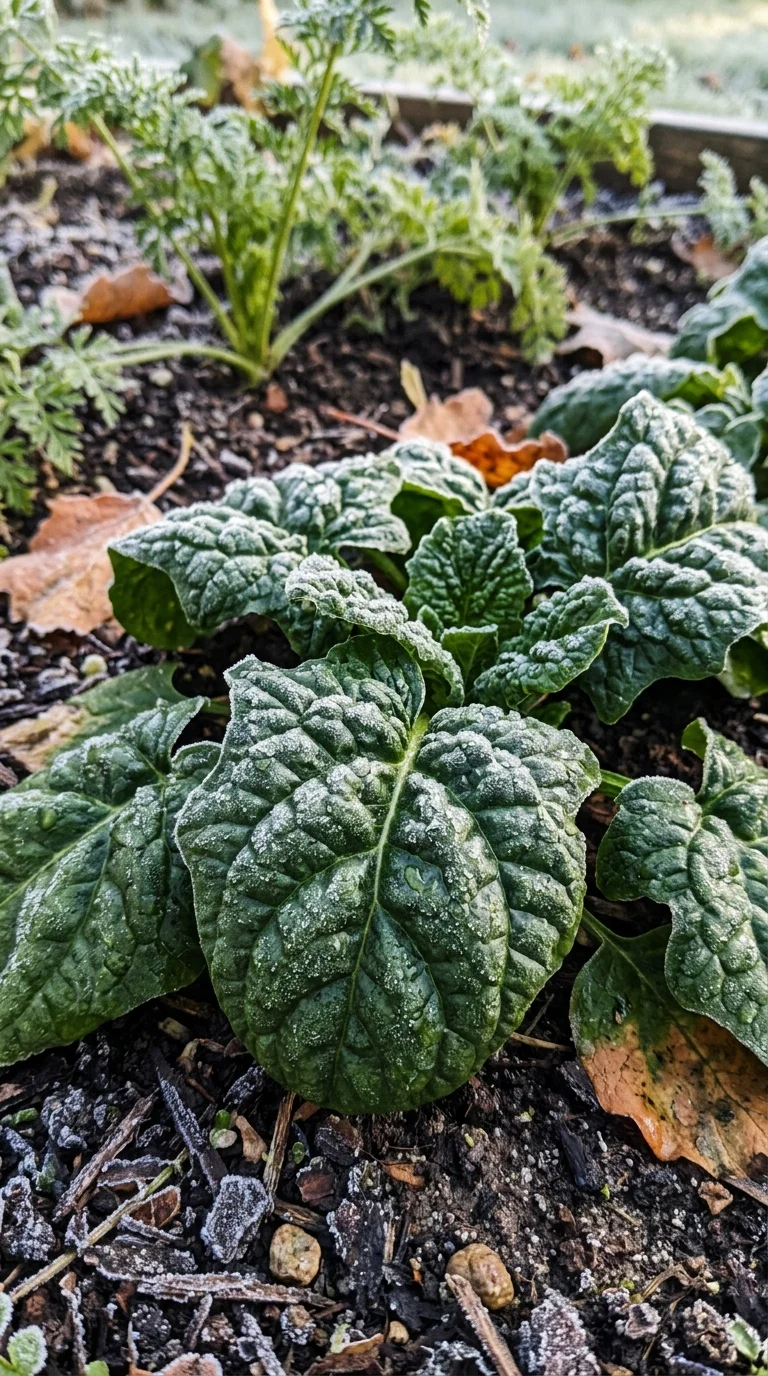
Spinach wants cool. Shade keeps soil 5–10°F cooler, which is why my shade spinach never yellows in June. Sow 1/2 inch deep, thin to 4 inches, keep evenly moist. Harvest before leaves get huge — baby spinach from shade is silk.
Arugula in full sun can be fiercely peppery by late June. In dappled shade it’s nutty-peppery, not throat-burning, and holds longer before flowering. Sow lightly, harvest at 3–6 inches, succession every 2 weeks.
Mustard greens (‘Mizuna,’ ‘Osaka Purple’) are similar — their heat softens to a pleasant tingle in shade. I grow them as baby greens and snip, never pulling the whole plant.
Kale, Chard & Asian Greens — The Steady Producers
Kale in shade grows larger, thinner leaves — less curly and rigid, more tender for raw salads. Space 12 inches (tighter than sun) to maximize leaf in limited light; it won’t get as huge. ‘Red Russian’ and ‘Lacinato’ stay especially tender.
Swiss chard gives you weeks of glossy leaves in bright shade. Sow 1/2 inch deep, 6 inches apart, thin to 10 inches. Stems stay brighter when not scorched.
Asian greens — bok choy, tatsoi, mizuna — are shade naturals. Fast (30 days), crisp, and surprisingly heat-tolerant when shaded. I tuck tatsoi anywhere — it forms flat, spoon-shaped rosettes that look like a green flower and taste buttery.
Roots That Don’t Mind Gentle Light (4)
Roots photosynthesize through their leaves, so they do want light — but they’ll make a respectable, even sweeter crop with 4 hours than with 8, just a bit smaller.
Beets & Radishes — The Dual Harvest
Beets in 4 hours of sun make golf-ball roots instead of baseball, but their greens are lavish and arguably the better harvest. Sow 1/2 inch deep, 3 inches apart, thin to 4 inches. Harvest greens at 4 inches while roots size. ‘Detroit Dark Red’ and golden beets both do well.
Radishes are almost better in shade — less pith, less heat-induced spiciness. Sow 1/2 inch deep, 1 inch apart, thin to 2 inches. Ready in under a month. In shade, add 5 days to maturity and keep soil moist; dry + shade = stunted, not crisp.
Carrots & Scallions — Sweet and Steady
Carrots need the most light of this group — give them your brightest shade (4+ hours). They’ll be shorter but often sweeter, because they grow slower. The key is still deep, loose soil — 12 inches of that 60/30/10 loam — and ruthless thinning to 2 inches. Short types like ‘Paris Market’ and ‘Chantenay’ are ideal for shallow or less-than-full sun beds.
Scallions (bunching onions) handle 3–4 hours beautifully. Sow 1/4 inch deep thickly and pull at pencil thickness. ‘Evergreen Hardy White’ gives you onion flavor without needing bulb-forming long days.
Peas, Beans & Herbs: Light Shade Companions
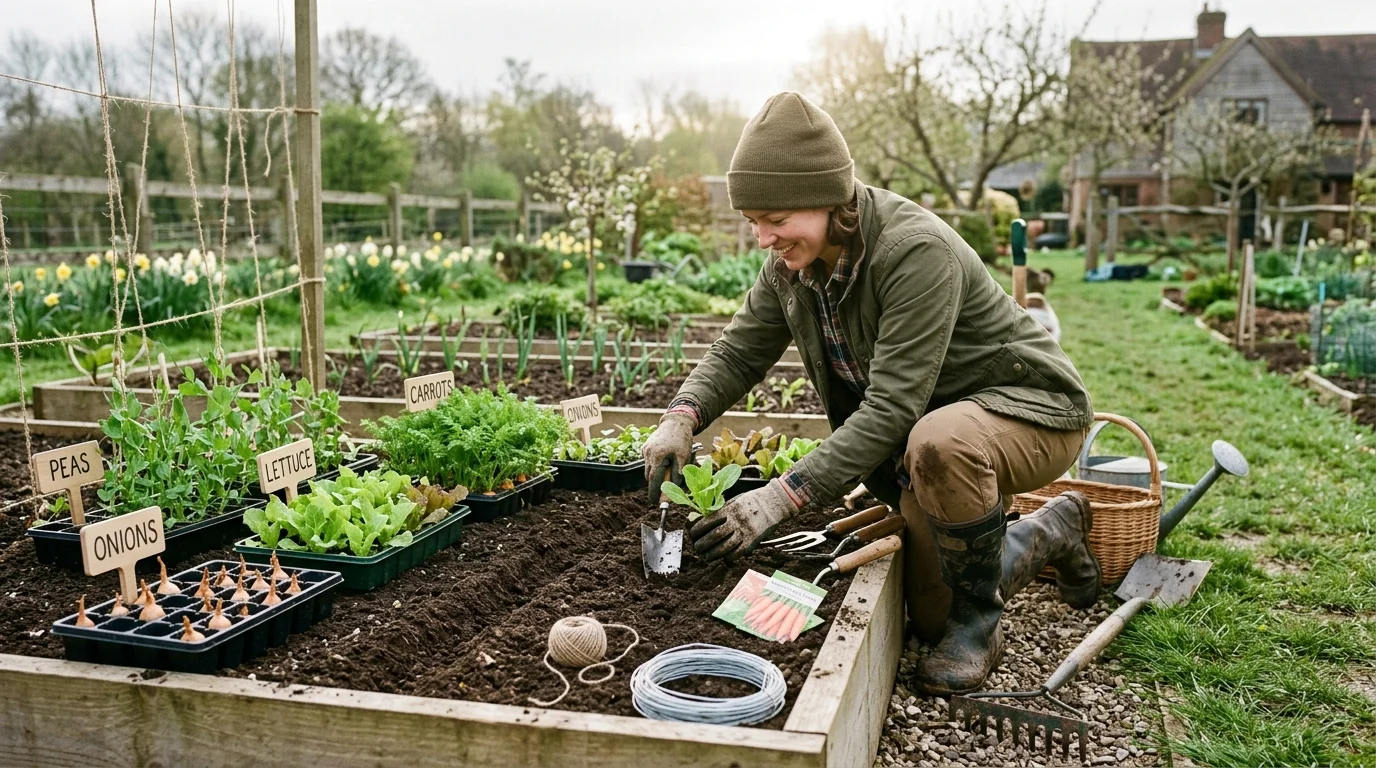
Peas — Worth It on a Fence That Gets Morning Sun
Peas flower best with 6 hours, but with 4 hours you’ll still get a respectable picking — 60% of a full-sun yield, which is plenty for fresh snacking. They actually prefer cool and will linger longer when afternoon shade protects blossoms from heat drop. Sow 1 inch deep, 2 inches apart, trellis 4–5 feet. Pick snap peas young and often to keep pods coming.
Bush Beans — The Edge Case
Bush beans want 6 hours for full production, but in 4–5 hours of bright shade they’ll still make a modest crop — think side dish, not pantry. If you’re tight on sun, choose a fast bush type like ‘Provider’ and accept smaller yields. Pole beans need more sun, so skip them in true shade.
Herbs That Prefer Shade
Parsley, cilantro, and mint are the herbs that sulk in blazing sun and shine in shade. Parsley grows lush with 3 hours; cilantro bolts dramatically slower when afternoons are shaded (the difference is weeks); mint actually prefers part shade and will be less aggressive there. Keep mint in its own pot to prevent takeover. Basil, rosemary, and thyme, by contrast, need 6+ hours — don’t shade them.
Making Shade Productive: Five Tricks I Use Every Year
These small moves turned my marginal bed into a reliable one.
1. Feed the soil, not the sun. Shade plants grow slower, so they can’t compensate for poor soil. Build that 60% topsoil, 30% compost, 10% perlite loam, keep pH 6.0–7.0, and top-dress 1 inch compost each spring. Rich soil grows tender, not leggy, shade crops.
2. Tighten spacing slightly — then thin ruthlessly. In shade I sow greens a touch denser for a quick baby-leaf carpet, but I still thin roots and chard on time. Airflow prevents the downy mildew that loves cool, damp shade.
3. Use reflective help. A white fence, pale raised bed, or light straw mulch bounces light back into the canopy. I mulch shade beds with straw, not dark bark — it brightens the understory and keeps soil moist.
4. Water less often, but never let it dry hard. Shade beds evaporate slower, so they need less water than sun beds — but inconsistent water still makes lettuce bitter and carrots split. Water deeply when the top inch is dry.
5. Harvest young. Baby leaves (3–4 inches) are more tender and less demand on light than full heads. Cut-and-come-again gives you three harvests where a head would give one. I snip outer leaves mornings with scissors — the plant keeps producing for weeks.
For deeper soil building, see best soil for vegetable gardens.
Common Mistakes in Shade (and What to Do Instead)
Planting sun-lovers in shade and hoping. Tomatoes, peppers, cucumbers, and squash need 6–8 hours to set fruit. In 3 hours they make vines and disappointment. Give those your sunniest spot, and give shade to greens and roots that actually want it.
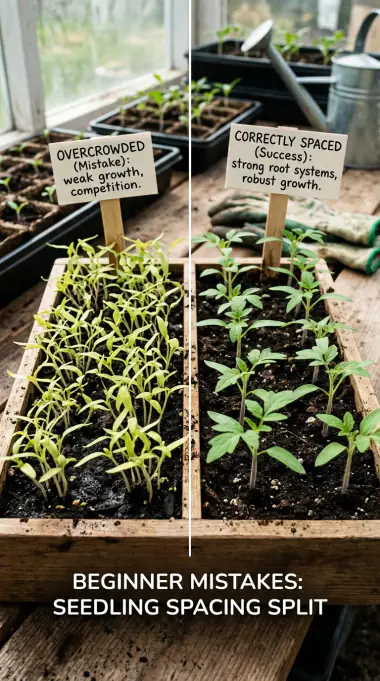
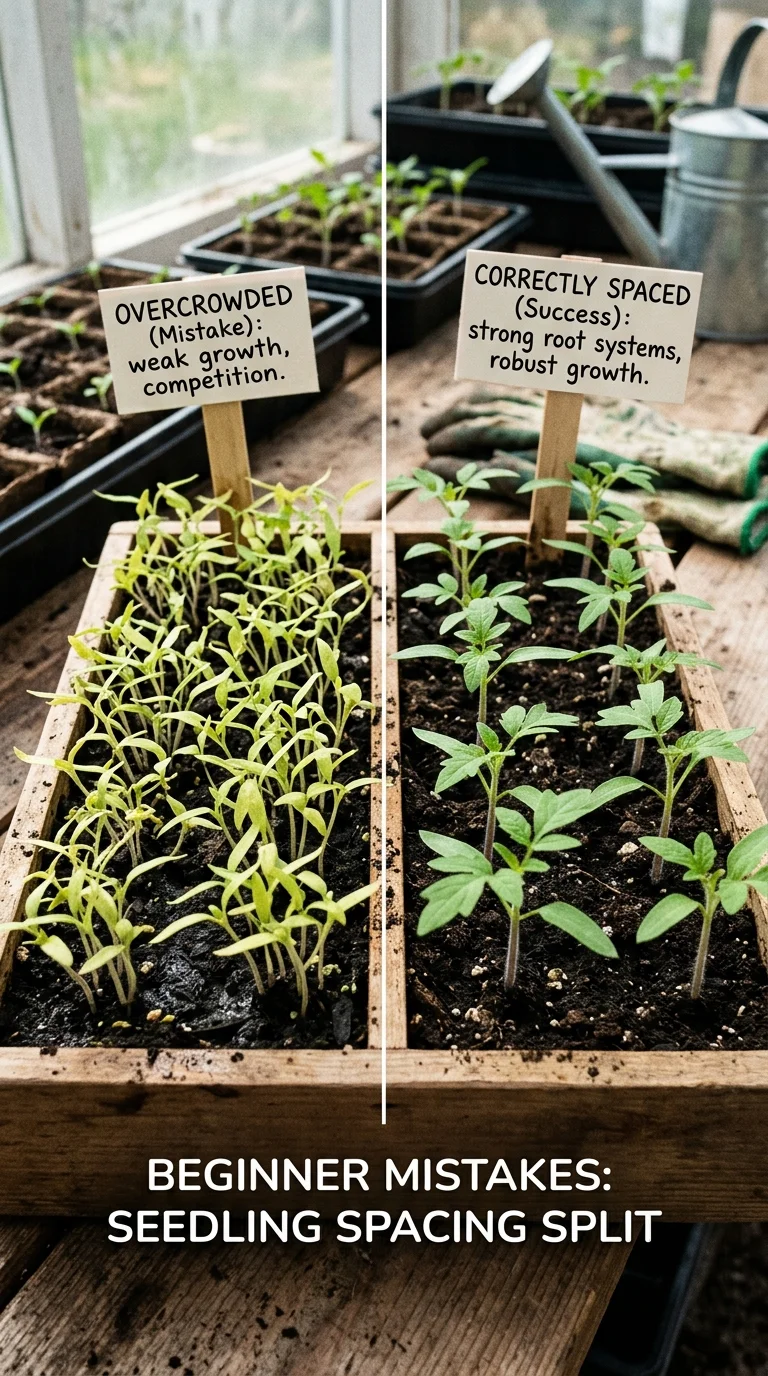
Sowing too deep and too thick, then not thinning. In lower light, seedlings stretch to find sun. Deep sowing and crowding makes legginess worse. Sow at recommended depth (lettuce barely covered!), thin on schedule, and you’ll get stocky rosettes instead of floppy stems.
Overwatering because “shade is damp.” Shade holds moisture, so daily watering waterlogs roots and invites slugs. Check with a finger: water only when top inch is dry. Water morning so leaves dry by evening.
Ignoring slugs and snails. Cool, damp shade is their paradise. Check at dusk, hand-pick, set a beer trap, or scatter iron phosphate bait. Mulch lightly (2 inches, not 4) so surface dries a bit between waterings.
Gardening in deep, dark shade and expecting full-size roots. With less than 2 hours of sun, grow microgreens, baby lettuce, and herbs, not full-size carrots. Match expectation to light — you’ll be happier and so will the plants.
Forgetting to rotate even in shade. Shade beds still get soil-borne disease. Don’t plant beets where beets were last season; follow roots with greens or peas to balance nutrients.
Shade Garden Layout: My 4×8 Side-Yard Plan
This is exactly how I plant my 4-by-8-foot shade bed that gets 3.5 hours of morning sun plus bright dappled afternoon.
Back (north) trellis: Snap peas in spring (4 hours) → replaced by bush beans in early summer if light is bright, or more kale if denser shade.
Middle band (2 feet): Lettuce and spinach succession — sow a 3-foot row every 2 weeks, interplanted with scallions. Harvest as baby leaves.
Front band (2 feet): Radishes and beets in spring, carrots in summer (short types), arugula and mizuna in late summer-fall. Edge with parsley and a pot of mint tucked at the corner.
I succession so there’s never bare soil — shade soil that sits bare crusts and cools too much.
Seasonal Calendar for Shade Vegetables
| Season | Sow | Harvest | Tips |
|---|---|---|---|
| Early Spring | Lettuce, spinach, arugula, radish, peas, parsley | Late spring | Use row cover if nights still near 28°F |
| Late Spring | Beets, carrots, chard, kale, Asian greens | Early summer | Succession every 2 weeks for greens |
| Summer | Lettuce, arugula, mizuna in shade (succession) | All summer | Shade sowing prevents bolting; mist to germinate lettuce |
| Early Fall | Spinach, lettuce, radish, scallions | Fall | Best shade harvest — cool nights, sweet flavor |
| Winter (mild zones) / Overwinter | Garlic, overwintering spinach under cover | Early spring | Mulch heavily, harvest earliest greens |
In hot zones (8–10), shade is actually an advantage for summer greens — lean into it.
Troubleshooting Shade Greens
Leggy, pale seedlings stretching tall. Not enough light or sown too thickly. Thin to proper spacing, ensure 3+ hours direct, or move containers to a brighter spot. Pinch leggy seedlings back and let them re-rosette.
Bitter lettuce despite shade. Usually heat or inconsistent water, not shade. Water evenly, mulch straw 2 inches, and harvest earlier (baby leaf). Switch to heat-tolerant varieties like ‘Jericho’ or ‘Concept.’
Small roots, huge tops. Classic low-light plus excess nitrogen. Reduce nitrogen, ensure 4 hours sun for roots, and thin to let light reach leaves.
Yellowing lower leaves. Could be nitrogen deficiency (common in shade where growth is slower and soil stays cooler) or overwatering. Side-dress with 1/2 inch compost, check drainage, water only when top inch dry.
No pea flowers. Too little light or heat stress. Ensure 4+ hours, trellis for airflow, and pick a shade-tolerant snap pea. In deep shade, replace peas with more greens.
A Little Encouragement
If you have shade, you already have a garden. You just haven’t met its favorite vegetables yet. Start with one packet of lettuce and one of spinach — sow a 3-foot row where you thought nothing would grow, keep it moist for a week, and watch. In thirty days you’ll be snipping salads in that quiet, cool corner that used to be empty, and you’ll wonder why you ever apologized for it.
My side yard still gets only morning sun. It still never grows a decent tomato. But from April to November it gives us greens, radishes, carrots, and herbs without a single bitter bite. The maple didn’t ruin the garden. It made it better.
Deep Dive: Getting the Most from 3 Hours of Sun
Shade rewards precision.
Light Mapping Exercise
For two days, note sun at 9am, noon, 3pm, 5pm.
- 3-4 hours direct = all 15 crops here thrive.
- 6+ hours dappled = greens think it is full sun but cooler - ideal.
- Under 2 hours dense = shift to microgreens and baby cut at 3 inches.
Morning sun + afternoon shade outperforms afternoon sun alone - leaves stay tender, soil moist.
Variety Picks for Shade
- Lettuce: ‘Salad Bowl’, ‘Oak Leaf’, ‘Rouge dHiver’, ‘Jericho’ (heat tolerant for shade that still gets warm spells).
- Spinach: ‘Bloomsdale’, ‘Space’, ‘Tyee’ - all stay silkier with afternoon shade.
- Kale: ‘Red Russian’ (thin, tender shade leaves), ‘Lacinato’.
- Asian greens: ‘Tatsoi’ (spoon-shaped, buttery), ‘Mizuna’ (frilly, fast).
- Beets: ‘Detroit Dark Red’, golden ‘Touchstone’ - smaller roots, lavish tops in shade.
- Carrots: ‘Chantenay’, ‘Paris Market’ short types for 4-hour sun.
- Peas: ‘Sugar Snap’, ‘Oregon Sugar Pod’ for 4-hour fences.
Soil & Spacing Tweaks for Shade
- Keep pH 6.0-7.0; shade soil stays cooler and can drift acidic - test every 2 years.
- Add 1 inch compost yearly; shade plants cannot compensate with sun for poor soil.
- Thin on time - airflow prevents downy mildew that loves cool damp.
- Harvest young at 3-4 inches cut-and-come-again; baby leaves need less light than full heads to be productive.
Reflective Boosts
- White wall or fence behind bed bounces light back into canopy.
- Light straw mulch (not dark bark) brightens understory and keeps roots cool.
- Raised beds lift foliage into brighter air than ground-level shade.
Pest Watch in Shade
- Slugs/snails love cool damp - check at dusk, hand-pick, iron phosphate bait, beer traps.
- Avoid overhead evening water; water mornings so leaves dry by night.
- Mulch 2 inches not 4 so surface dries slightly between waterings.
Container Shade Combo
If even your shade bed is limited, add a window box on the brightest shade windowsill - lettuce and arugula in 6-inch deep boxes produce with 3 hours and you can move them to chase light seasonally.
Budget & Layout Tips
- One 4x8 shade bed with succession every 2 weeks gives salads April-November.
- Interplant scallions between lettuce - scallions are upright and do not shade, and both love 3-4 hours.
- Edge with parsley and a potted mint - herbs that prefer shade and are always at hand.
Succession + young harvesting = shade’s yield secret. Cut outer leaves mornings with scissors; center keeps producing for weeks instead of one head-and-done.
Case Study: My North Fence Before & After
Year 1 (trying tomatoes): leggy, 2 lbs total, wasted season. Year 2 (switched to greens/roots): 18 lbs lettuce/spinach, 6 lbs beets/radishes, 4 lbs peas, herbs all summer from same 4x8.
Lesson: Yield is not just pounds - it is weeks of harvest. Shade greens gave 22 weeks vs tomatoes 6 weeks in that spot.
Light Hack Checklist for Renters
- Balcony: Light-colored pots reflect; avoid dark corners.
- Patio: Mirror or white board behind shade greens bounces light 30% - I use a $5 white foam board.
- Indoor start: Start lettuce indoors under cheap shop light 2 weeks, then transplant - gains 2 weeks vs direct in dim shade.
Water & Feeding in Shade Detailed
Shade beds need 30% less water than sun, but still need evenness. Check top inch with finger every 2 days, not daily. Feed lightly - 1 inch compost yearly suffices; heavy nitrogen pushes leggy shade growth. Mulch 2 inches straw, not 4, so surface dries just enough to deter slugs.
When Shade Becomes Too Much
If less than 2 hours direct, pivot:
- Microgreens: 10 days on windowsill, no sun needed beyond bright.
- Baby greens 3 inches: Harvest young, need half the light of full heads.
- Herbs only: Mint, parsley, cilantro thrive where carrots would sulk.
Match crop to light, not hope to light.
Printable One-Page Checklist
Copy this onto an index card and tape inside your shed.
- Sun mapped (9am, noon, 4pm) - 6-8 hrs for fruiting, 3-4 for greens
- Soil test every 2 years - pH 6.0-7.0, organic matter 4-8%
- Bed depth 12-18 inches, width 4 ft max, never walk inside
- Mix 60/30/10 topsoil/compost/perlite blended on tarp, filled in 6-inch lifts watered
- Compost 1-2 inches yearly top-dress, not till
- Mulch 3 inches straw after 3 inches tall, replenish when bare
- Water deeply to 6-8 inches, then wait till top 2 inches dry (chopstick test)
- Thin on time: carrots 2 inches, lettuce 8 inches, tomatoes 18-24 inches
- Succession sow every 10-14 days for greens/radishes
- Cover crop or mulch any bed empty >1 week
- Log pH, compost, varieties, harvest notes each season
Next Steps & Related Reads
If this article helped, these build directly on it:
- Best Soil for Vegetable Gardens - the full 60/30/10 loam explanation
- How to Improve Garden Soil - 10 easy ways to build loam over seasons
- Best Soil pH for Vegetables - testing and adjusting pH 6.0-7.0
- Raised Bed Soil Mix - DIY recipe with bucket math and sourcing
- Best Soil for Raised Beds - ideal ratio, depth and maintenance
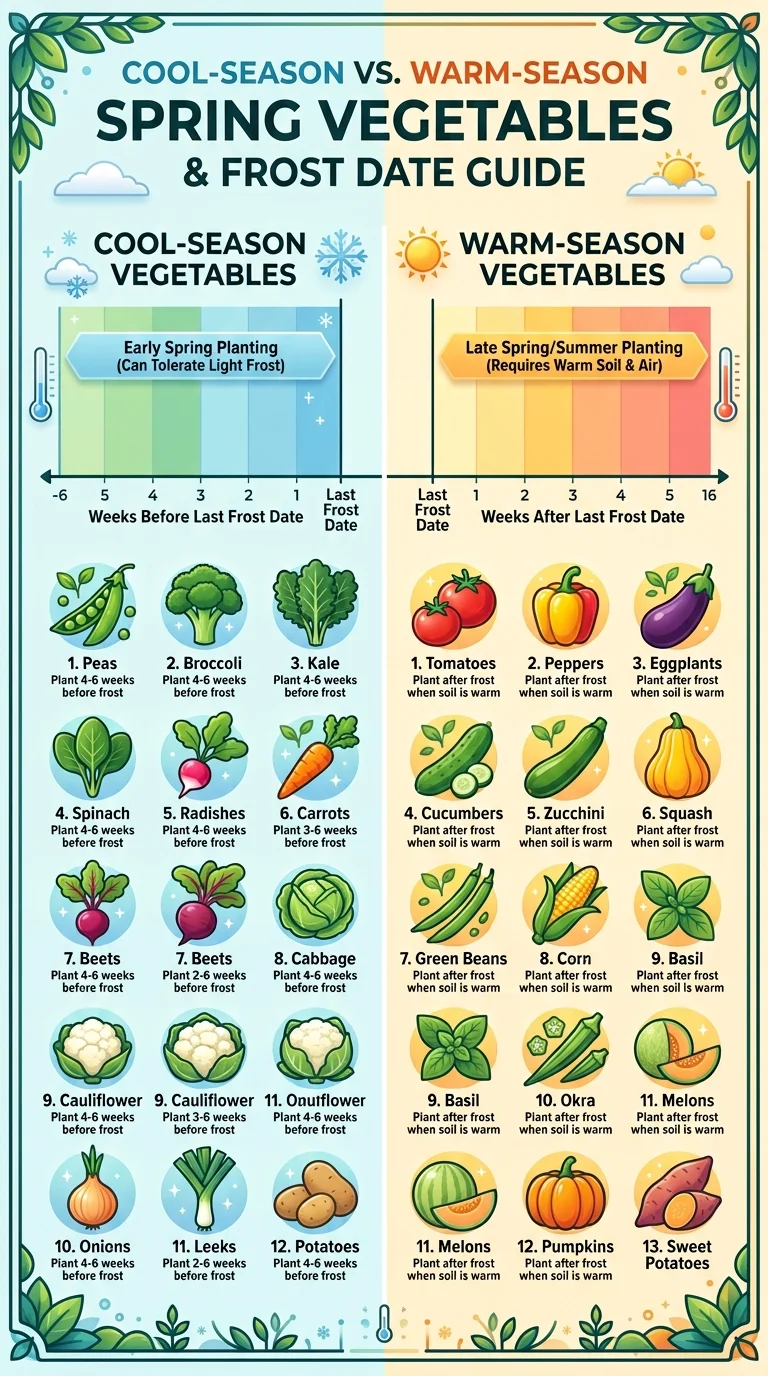
- When to Plant Vegetables - timing by frost date and succession
A Final Note From My Garden
I still keep the first carrot that grew straight after I fixed soil - it dried on the windowsill, crooked in the way memory is, reminding me that good gardening is not about being perfect the first time.
It is about noticing what soil is telling you - the smell after rain, the way water drains, the worms that appear when you mulch - and responding with one small, steady habit at a time.
You do not need a perfect garden this season.
You need one bed, one handful of compost, a pH strip, and the willingness to kneel a little longer and watch.
Soil will do the rest.
It always does, if we let it.
Quick Troubleshooting Reference
| Symptom | Likely Cause | Quick Fix |
|---|---|---|
| Yellowing lower leaves | Nitrogen leached or pH low | Top-dress 1 inch compost, test pH, feed per test |
| Yellow between veins | High pH iron lock or soggy roots | Test pH, add sulfur if >7.5, improve drainage |
| Stunted, purple tinge | Low phosphorus / acidic pH | Lime per test, ensure 6.0-7.0, even water |
| Wilting despite moist soil | Root rot from compaction/soggy | Broadfork when moist, add perlite, mulch, stop overwatering |
| Forked carrots | Shallow/stony/compacted soil | Deepen to 18 inches, sieve stones, thin to 2 inches |
| Bolting lettuce bitter | Heat + inconsistent water | Shade afternoon, water evenly, harvest young |
| No fruit set | pH off, overcrowding, heat | Test pH 6.0-7.0, space 18-24 inches, hand-pollinate |
Year-One Success Plan
Month 1: Test pH, build or amend one bed 60/30/10 12-18 inches, mulch path. Month 2: Sow succession greens/radishes, trellis north side peas/cucumbers. Month 3: Deep water to 6 inches, keep mulch 3 inches, thin ruthlessly. Month 4: Side-dress heavy feeders only if test says, harvest outer leaves, log notes. Fall: Top-dress 1-2 inches compost, test pH if due, mulch 3 inches or cover crop.
Consistency beats intensity. One bed done right teaches the system.
Frequently Asked Questions
Q: What vegetables grow best in shade?
A: Leafy greens are the stars of shade: lettuce, spinach, arugula, kale, Swiss chard, mustard greens and Asian greens like bok choy and mizuna all produce beautifully with 3–4 hours of sun. Roots such as beets, carrots, radishes and scallions tolerate light shade with slightly smaller roots but excellent tops. Peas and bush beans give modest yields with 4+ hours, and herbs like parsley, cilantro and mint actually prefer part shade and bolt much slower there.
Q: How many hours of sun do shade vegetables need?
A: Most shade-tolerant vegetables need 3–4 hours of direct sun, or about 6 hours of bright dappled light under an open tree. Leafy greens need the least — 3 hours of morning sun is enough for tender, slow-to-bolt leaves. Roots want 4 hours for decent sizing, while peas and beans prefer 4–5 for better flowering. Morning sun plus afternoon shade is ideal because it keeps leaves cool and soil moist longer than harsh afternoon sun.
Q: Can you grow vegetables without full sun?
A: Absolutely, by matching crop to light. Choose leafy greens, roots and shade-loving herbs instead of fruiting crops that demand 6–8 hours. Boost available light with pale walls or fences, light straw mulch, raised beds that lift foliage, and tight but thinned spacing for quick canopy. Even a balcony with 2–3 hours of sun can produce baby greens, microgreens and cut-and-come-again salads harvested at 3–4 inches all season long.
Q: Will vegetables grown in shade taste different?
A: Yes, often better for greens. Shade slows growth, which keeps lettuce from turning bitter, spinach silky instead of coarse, and arugula nutty rather than scorching. Roots may be a bit smaller but are often sweeter because they mature slowly. To keep flavor bright, feed shade beds with rich compost, water consistently so roots don’t stress, and harvest young — baby leaves concentrate tenderness and mild sweetness that full-sun heat would erase.
Related Articles
- 20 Vegetables to Plant in Fall Before Winter
- Best Soil for Vegetable Gardens
- How to Improve Garden Soil
- Best Soil for Raised Beds
- When to Plant Vegetables
- How to Start a Vegetable Garden for Beginners
Sources & References
- University of Minnesota Extension — Growing Vegetables — https://extension.umn.edu/vegetables
- Cornell Cooperative Extension — Vegetable Gardening — https://www.vegetables.cornell.edu/
- Oregon State University Extension — Gardening in Shade — https://extension.oregonstate.edu/gardening
- Royal Horticultural Society — Vegetables in Shade — https://www.rhs.org.uk/vegetables