The first garden I ever drew on paper was a disaster. February, kitchen table, snowstorm outside, seed catalog open to tomato pages. I put corn in the south because I liked the picture, tomatoes crammed 12 inches apart because I wanted more tomatoes, and no paths at all because paths seemed wasted space. By July corn shaded everything, tomatoes were mildewed tangle, and I was tiptoeing over compacted soil trying not to snap a branch just to pick a cucumber.
Thoughtful layout fixes almost all that before you sow. It grows more food in less space, keeps disease down letting air move, and makes daily acts — watering, weeding, harvesting — feel easy not obstacle course. Whether you have 4 by 4 foot balcony or 20 by 20 foot homestead corner, principles same. Only scale changes.
Quick Answer: Best layout puts tall crops north, short crops south, runs rows north-south so every plant gets even light through day, leaves 18–36 inches between rows (18 for greens, 36 for tomatoes and squash), groups plants by water needs and plant family so you can rotate yearly. For beginners, single 4×8 foot raised bed oriented north-south, with keyhole or U-shaped path so you never step on soil, plus one vertical trellis for cucumbers or beans, will out-produce much larger in-ground row garden with half the weeding. Add succession sowing every 2–3 weeks and rotate families yearly.
At a Glance
| Principle | Rule of Thumb | Why It Matters |
|---|---|---|
| Orientation | Tall plants north, short plants south; rows north-south | Every plant gets morning and afternoon sun; no one shades other |
| Row Spacing | 18 inches lettuce/carrots, 24 beans, 36 tomatoes/squash | Airflow prevents fungal disease; you can kneel harvest without stepping |
| Plant Spacing | Follow packet — tomatoes 24–36, carrots 2, lettuce 6–10 | Crowding cuts yields 30–50% no matter how rich soil |
| Reach | Beds no wider than 4 feet; paths at least 18 inches | Reach center without compacting soil |
| Succession | Replant fast crops every 2–3 weeks same row | One row feeds you three times |
| Rotation | Rotate families yearly — never tomatoes where tomatoes were | Starves soil-borne disease balances nutrients |
| Water Zones | Group thirsty cucumbers squash together, drought-tolerant apart | Water what needs it not everything equally |
Keep this table on fridge until habit. I still glance every February when I sketch new season.
Before You Draw: How I Walk the Yard
Before I draw anything, I walk. Late winter, I take mug outside and stand where I’m thinking garden at 8 a.m., noon, and 4 p.m. Where does sun actually fall? Where wind tunnel between house and fence? Where water puddles after rain? Where is hose spigot — because best layout in world fails if you won’t drag hose 50 feet July.
I sketch this on graph paper, one square equals one foot. I mark north arrow first — everything else depends it. I note hose, compost bin, gate, place dog naps (do not put strawberries there). Then I choose layout from 15 below that fits sun and space I actually have not space I wish had. Start smaller than you think. 4 by 8 bed tended well give more joy salad than 10 by 10 overrun weeds August.
15 Layout Ideas — From Balcony to Homestead
1. Classic 4 by 8 Raised Bed — Beginner’s Best Friend
This is where I tell every new gardener to start and where I still grow half my own food. 4 by 8 bed oriented north-south, 12–18 inches deep, with keyhole path or U-shaped access so you can reach every inch without stepping soil. Why 4 feet wide? Because most of us can reach 2 feet comfortably either side. Wider and you compact center; narrower waste path space.
My planting: North end: two indeterminate tomatoes or cucumbers on 6-foot trellis. Center: peppers and bush beans. South end: lettuce, radishes, spring onions — see raised bed gardening. In July when lettuce bolts I slip in basil. One bed four seasons food.
Best for: First-time gardeners, renters with one sunny spot, anyone wants high yield low weeding.
2. Row Garden 10 by 10 — Traditional Homestead Row
If you have space and decent soil, traditional rows still have place. Think 3–4 rows each 10 feet long with 36-inch paths between — wide enough wheelbarrow. Run rows north-south for even light.
Why it works: You can till or broadfork long straight runs, succession intuitive — pull one row radishes plant beans. Easiest layout small tractor or tiller if scaling up.
Watch for: Paths need mulch or they become weed highways. I straw them 4 inches deep never walk planting rows. See how to start vegetable garden.
3. Keyhole Bed — Compost-in-the-Middle Circle
Circular bed about 6 feet across with notch cut like keyhole so you reach center, and central compost basket hardware cloth. You add kitchen scraps water center; nutrients and moisture radiate outward. Old African technique found new life in dry climates because conserves water well.
I love for: Herbs and greens near kitchen door. Center stays moist edge stays drier — plant water-lovers parsley toward center, thyme oregano toward brim. See companion planting.
4. Vertical Trellis Wall — Grow Up Not Out
When I added single 6-foot cattle-panel trellis to small yard my usable space doubled. Cucumbers pole beans peas even small squash like ‘Tromboncino’ climb. Leaves dry quickly fruits stay clean straight, ground beneath — dappled shade — becomes perfect for lettuce summer.
Build: Two T-posts and 16-foot panel arched or flat. Tie twine. Space cucumbers 12 inches apart at base — see how to grow cucumbers. Pick daily once start; hidden cucumber tells plant quit.
Bonus: Trellis on north side casts almost no shade rest garden. It’s free square footage.
5. Container Patio — No-Yard Garden
Patio with 5-gallon pots can feed two people salad sauce all summer. I use fabric pots — they air-prune roots and don’t cook like black plastic. One tomato per 10-gallon pot, one pepper per 5-gallon, lettuce radishes window boxes 6 inches deep.
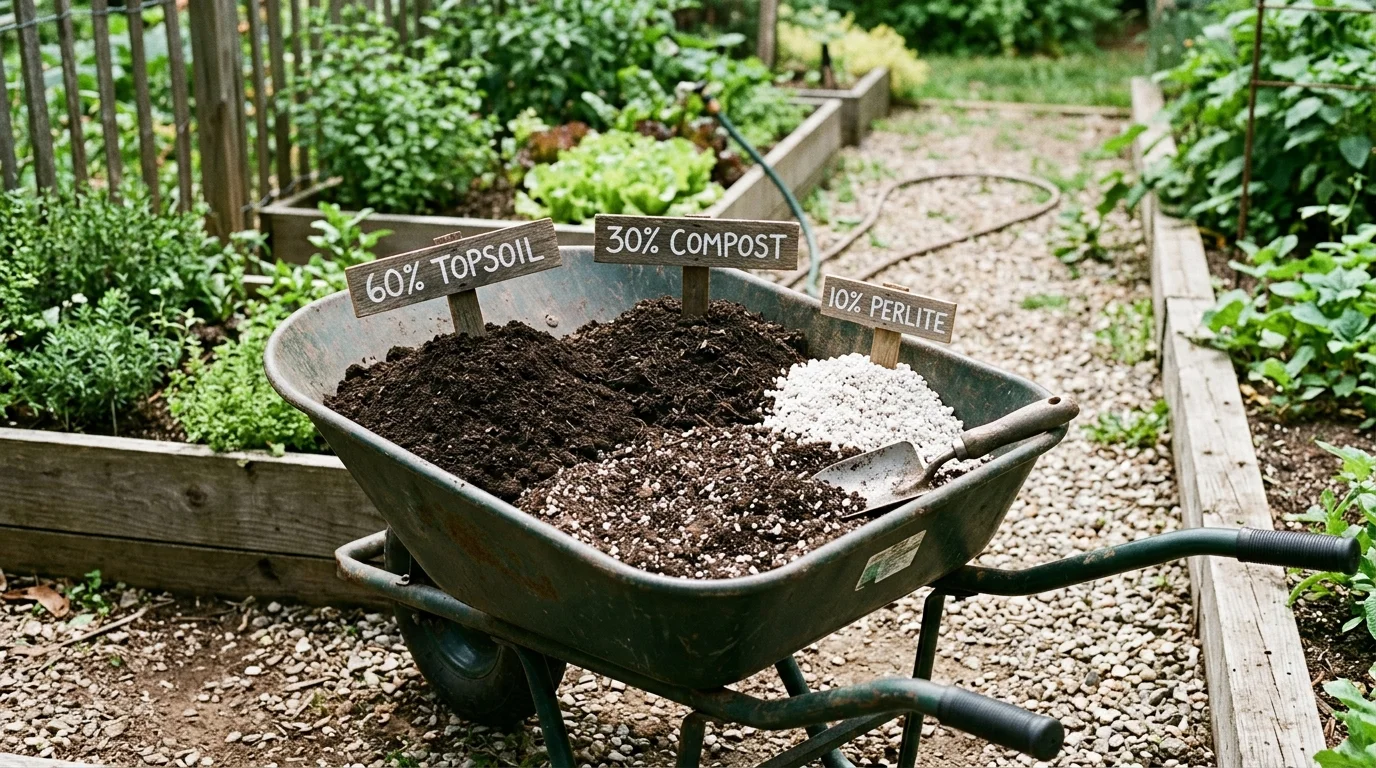
Soil matters: Use potting mix not garden soil — garden soil compacts pots drowns roots. Water containers daily heat; they dry three times faster than beds. Saucer handful mulch top buys extra day.
Best for: Balconies rentals sunny concrete slab where nothing else grow.
6. Square Foot Grid — Organized Grid That Stops Overplanting
Divide 4 by 4 bed into sixteen 1-foot squares string or lath. Each square gets planting density: lettuce 4 per square carrots 16 per square tomatoes 1 per 4 squares bush beans 9 per square. Mel Bartholomew’s idea 1980s remains genius because forces thinning and spacing correctly.
Why I still use: Makes succession obvious — when square done you see empty grid resow. No guessing. Perfect teaching children where to sow why spacing matters. Visual order also deeply calming weedy June day.
7. Companion Combo Bed — Plants That Like Each Other
Not mysticism just ecology. Some neighbors confuse pests some attract pollinators some fix nitrogen. My favorite 4 by 8 companion layout: tomatoes and basil interplanted 12 inches apart (basil may confuse hornworm moths certainly makes harvesting sauce one-stop walk), carrots between tomato rows (they loosen soil below while tomatoes grow above), French marigolds at corners deter nematodes.
See tomato companion plants for full chart. Keep antagonists apart — more below.
8. Succession Strip — One Row Three Crops
My most productive trick small garden. Mark single 8-foot row. Early April: radishes. Late May as soon as radishes out: bush beans same row. Late July after beans done: kale fall. You’re not rotating beds you’re rotating time same soil — see fast-growing vegetables.
Key: Top-dress half-inch compost between crops don’t till deeply. You feed soil keep structure. I tick these dates calendar as “sow, pull, sow” so don’t miss window.
9. Pollinator Border — Flowers That Feed You by Feeding Bees
Vegetables need pollinators. 1-foot border pollinator flowers around or through vegetable plot increases fruit set noticeably — my cucumbers went 6 per plant to 12 after I added it. Zinnias cosmos borage calendula bloom months beneficial wasps that eat hornworms love tiny flowers.
Plant border south or west edge so doesn’t shade vegetables or interplant borage directly beside squash. See pollinator flowers. Garden also becomes achingly beautiful August which matters more than we admit.
10. Herb Spiral — Beautiful Space-Saving Mound
Spiral mound about 5 feet across 3 feet tall built stone or brick filled well-drained soil. Top dry sunny rosemary thyme middle temperate basil parsley bottom moist partly shaded cilantro chives mint buried pot so doesn’t run. It’s permaculture most elegant idea works patio corner.
Why belongs vegetable layout: You harvest herbs steps kitchen their scent confuses pests drifting toward vegetables. Plus turns flat garden into sculptural focal point.
11. Three Sisters — Corn Beans Squash Together
Historic Indigenous intercrop: corn provides pole beans, beans fix nitrogen corn devours, squash sprawls shades soil keeping moist weed-suppressed. Plant block not single row — at least 4 by 4 feet so corn pollinates wind. Hill corn 12 inches apart sow beans when corn 6 inches tall tuck squash around edges.
My experience: Works best where summers hot soils not too rich — heavily fertilized beds squash can smother small corn. Try once for story flavor even if main garden raised beds. Taste beans cooked with that corn squash late summer its own argument.
12. Salad Bar Bed — 4-Hour Sun Solution
Not every yard has 8 hours blazing sun. This bed is for north-facing side or spot dappled tree — 4 hours direct sun is enough for lettuce spinach arugula kale radishes spring onions. I orient east-west catch morning light keep 4 by 4 so never feels overwhelming harvest scissors every few days.
Plant: Looseleaf lettuce 6 inches apart radishes between spring onions edge. Mulch lightly water evenly. It won’t grow tomatoes but will grow salad April November with succession — for many families that’s most eaten crop.
13. Root Cellar Row — Carrots and Beets Side by Side
Carrots beets both root crops but occupy slightly different depths don’t compete heavily. I give them dedicated row 12 inches deep loose stone-free soil — raised bed ideal — sow carrots quarter-inch deep beets half-inch thinned 2 and 3 inches respectively. See how to grow carrots.
Why together: They share same pH preference 6.0–7.0 same watering rhythm even never soggy same harvest season you store them same way damp sand cool basement. One row winter eating.
14. Potato Hill Row — Hilled Row That Prevents Greening
Potatoes need hilling — mounding soil over stems as they grow so tubers don’t see sun turn green bitter. Single row 10 feet long hilled twice can yield 20 pounds. I trench 4 inches deep space seed potatoes 12 inches apart cover when shoots 6 inches tall mound 4 inches compost-soil mix over leaving just top leaves. Repeat 12 inches tall.
Layout note: Put potato rows at north end or own bed — they’re in ground long time you need dig without disturbing neighbors. See when to harvest potatoes.
15. Small Space Balcony — Two Beds and Dream
If I had only balcony I’d do this: two 4 by 4 raised beds or large fabric pots sunniest side, 6-foot trellis between them, window box herbs. Bed one: tomato + basil + lettuce edge. Bed two: cucumber trellis + bush beans + radishes succession. Trellis: peas spring pole beans summer. That’s full salad supply plus enough tomatoes sauce in about 32 square feet.
Constraint becomes design. Small spaces force you vertically trellis succession sow interplant — all habits that make any garden large small more productive.
Spacing Chart — Numbers That Actually Matter
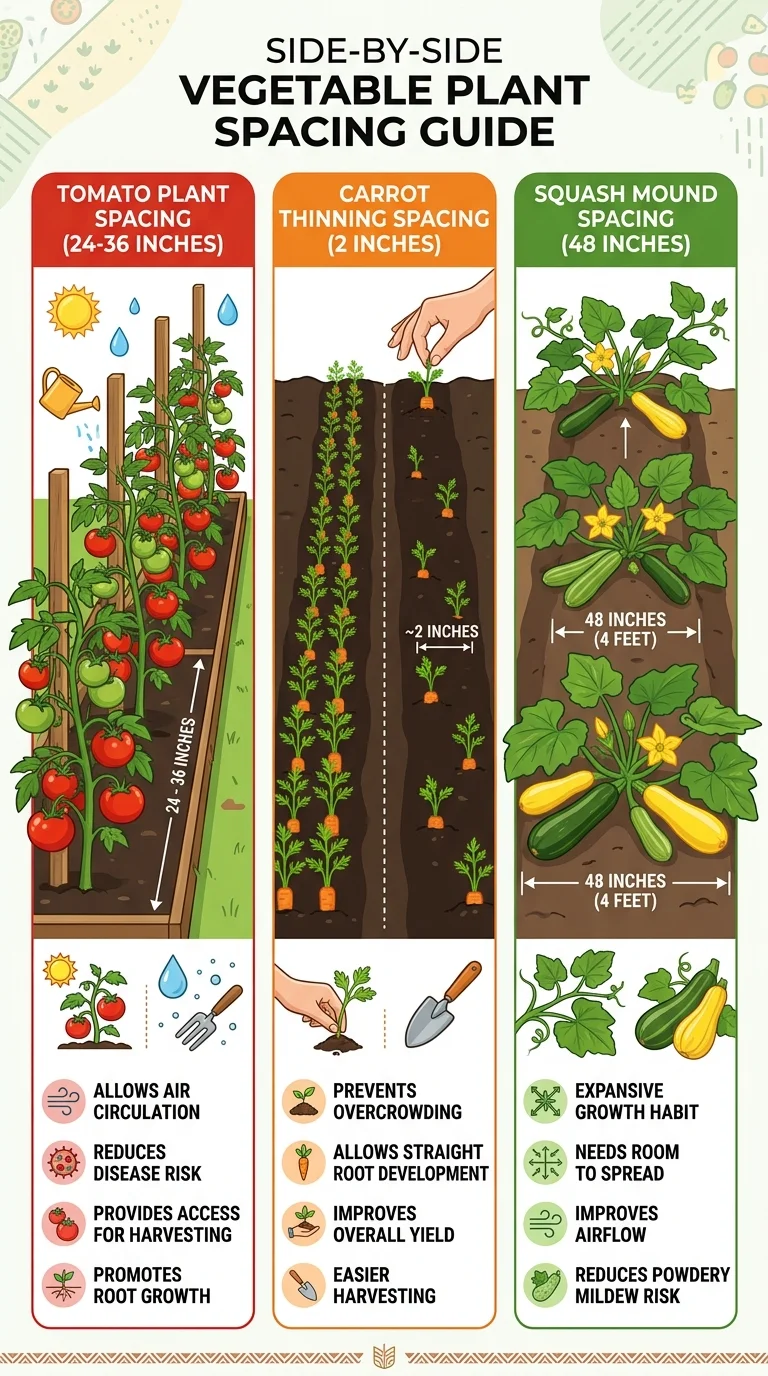
Crowding is most common layout mistake I see and most costly. Crowded plants compete light airflow mildew moves yields drop 30–50 percent even though you planted more. Thin bravely. These are my go-to spacings raised beds and row gardens alike — always cross-check seed packet but this chart will keep close.
| Vegetable | Between Plants | Between Rows / Beds | Notes |
|---|---|---|---|
| Tomatoes indeterminate | 24–36 inches | 36 inches + trellis | Prune one leader tie weekly |
| Peppers | 18–24 inches | 24 inches | Closer than tomatoes they like little leaf cover |
| Carrots | 2 inches after thinning | 18 inches | Thin twice cover row board 5 days germinate |
| Cucumbers trellised | 12 inches | 36 inches to next row | Ground needs 36 inches between plants trellis saves space |
| Lettuce looseleaf | 6–10 inches | 18 inches | 4 per square foot square-foot grids |
| Bush Beans | 4 inches | 18–24 inches | Sow after soil 65°F succession every 3 weeks |
| Pole Beans | 6 inches around pole/trellis | 36 inches | One trellis feeds family |
| Zucchini / Summer Squash | 24–36 inches | 36–48 inches | One plant plenty harvest 6–8 inches |
| Kale | 12 inches full 4 inches baby | 18 inches | Frost sweetens succession late summer fall |
| Beets | 3 inches | 18 inches | Clusters need thinning eat thinnings |
| Radishes | 2 inches | 12 inches | Harvest 1 inch sow every 10 days |
| Potatoes | 12 inches | 36 inches | Hill twice prevent greening |
For full seasonal chart with succession dates see layout planning and spacing guide.
Common Layout Mistakes — And How to Fix Before July
Planting tall corn or trellised tomatoes on south side. I did this. Everything behind it stretched pale leggy reaching light never came. Fix simple: tall always north medium center short south. If unsure where north is use compass app phone mark map arrow. Future you grateful.
No paths — walking on planting soil. Soil is not dirt to stand on; it’s living sponge air pockets fungi microbes. Stepping compacts those pockets suffocates roots. Leave 18-inch paths wide enough kneel beside mulch paths straw or wood chips. Never step bed itself. In 4 by 8 you never need to.
Never rotating — planting tomatoes where tomatoes were. Soil-borne diseases like early blight bacterial wilt linger. If you plant tomatoes same spot year after year pressure builds until even beautiful transplants collapse August. Rotate families yearly: Solanaceae tomatoes peppers Cucurbitaceae cucumbers squash Leguminosae beans peas Brassicaceae kale cabbage Root crops carrots beets each different bed or row segment each year. Keep simple journal: “2026 Bed A = tomatoes” so remember next spring.
Cramming without trellising. If you space tightly you must go vertical. Crowding without trellises just crowding. With trellises intensive gardening. $30 cattle panel turns 2 by 8 foot footprint 16 square feet leaf fruit.
Forgetting hose. Prettiest plan fails if you won’t water it. Place beds within hose reach group thirsty plants together. Cucumbers squash want even deep water rosemary thyme want dry out. Don’t put them same irrigation zone.
How I Plan My Own Garden — My February Ritual
Every February when seed catalogs thud on mat garden still pale rectangle under straw I make tea spread out map. Not fancy — pencil sketch graph paper last year’s crops written lightly each bed so can rotate list what we actually ate versus what I dreamed we’d eat. We always need more lettuce fewer experimental gourds; map learns.
First I circle non-negotiables: tomatoes sauce cucumbers pickles salad greens herbs. Then I place tall trellises north edge each bed work southward — peppers beans then lettuce radish edges. I mark succession arrows: “radish → beans → kale” same row segment. I note companion pairs small heart — tomato + basil carrots + onions — and antagonists firm X — fennel nowhere near tomatoes potatoes far tomatoes.
Second I check calendar not just map. When will soil hit 50°F spinach? When is last frost? I write sowing dates beside each crop so don’t miss early window peas or second window beans. “Sow beans June 1 July 1 Aug 1” lives sticky note fridge until done.
Third I think paths and harvest. Can I roll wheelbarrow to compost? Can I pick cherry tomatoes both sides without stepping in? I add stepping stone or widen path 6 inches — small changes save knees season.
Last year ritual took 45 minutes saved perhaps ten hours midsummer frustration. Plan doesn’t need perfect. It just needs keep tall north short south nothing same family same spot twice. Garden will do rest far fewer surprises.
Pro Tips by Space Size
If you have only 16 square feet: Choose Classic 4×4 or Salad Bar Bed + one trellis. Focus what you eat most — usually lettuce herbs one tomato one cucumber. Succession sow fast crops don’t chase novelty.
If you have 32–64 square feet: Two 4×8 beds is sweet spot. Bed one: fruiting crops north + greens south. Bed two: succession strip + pollinator border edge. You’ll produce salad daily sauce weekly peak.
If you have 100+ square feet: Add row garden logic — longer rows wider paths dedicated Three Sisters block if you love it separate potato hill row so digging doesn’t disturb everything. Keep one bed near kitchen daily picking; put long-season storage crops farther out.
In any size vertical growing and succession sowing are what make layout feel abundant rather sparse. Flat garden looks empty May. Trellised succession-planned garden feels full June stays full until frost.
Seasonal Planning Timeline
| Month | Task | Layout Thought |
|---|---|---|
| Feb | Sketch map rotate families | Place tall north plan succession strips |
| Mar | Build/repair beds trellises | Ensure paths 18 inch can kneel |
| Apr (4 wks before frost) | Sow salad-bar and root rows | Use salad beds in part shade |
| May | Transplant fruiters north, beans center | Trellis ready at planting |
| June | Thin mulch succession sow | Fill gaps radish→beans |
| July | Train vines, harvest small | Keep air, pick every 2 days |
| Aug | Sow fall greens in emptied strips | Kale spinach after beans |
| Fall | Remove diseased vines to trash add compost | Plan rotation next year |
Troubleshooting Layout Issues
Plants leggy reaching: Shade — tall on north? Move trellis north, thin.
Mildew despite spacing: Airflow — thin leaves max one-third, trellis, base water morning.
No fruit tomatoes: Too tight + pollination — thin 24–36 inch, add pollinator border, hand-pollinate if needed.
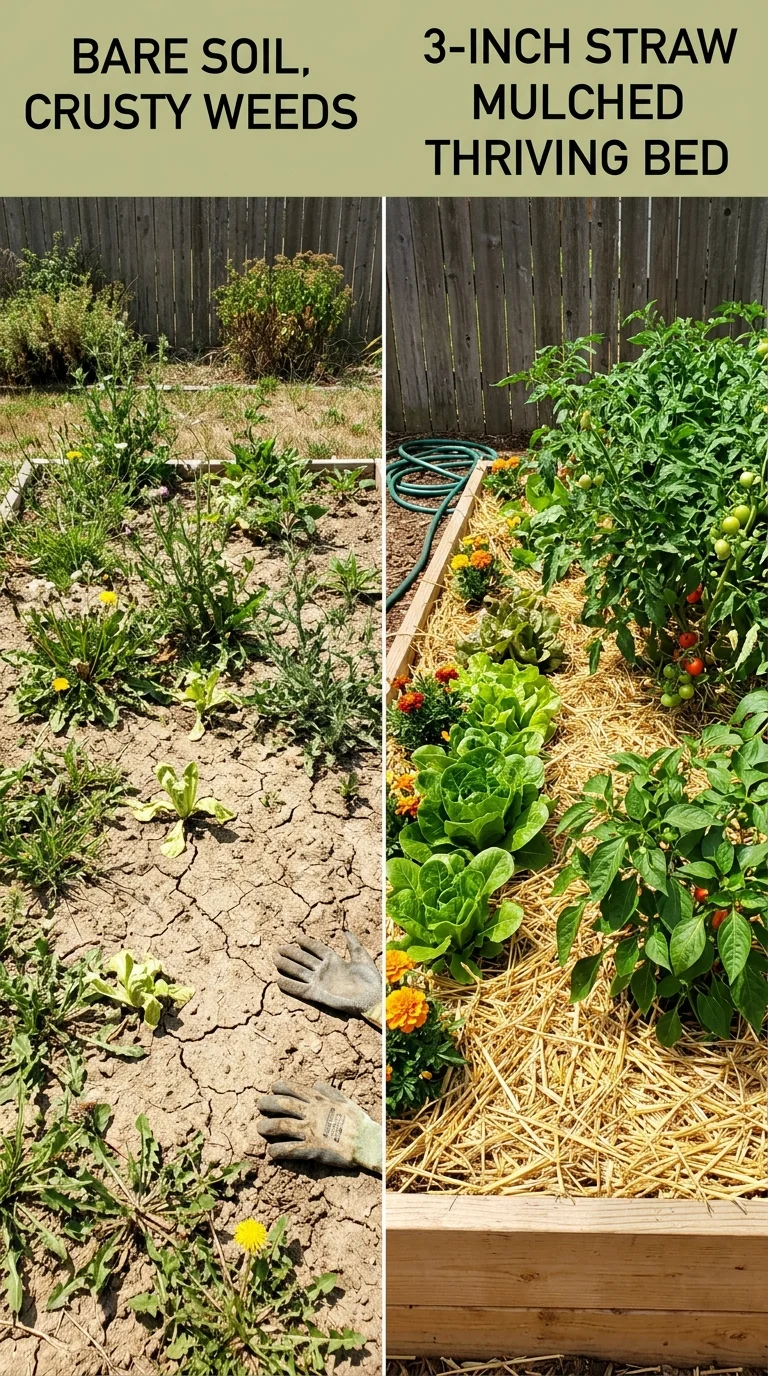
Weeds paths: Mulch — straw 4 inches, never step beds.
Frequently Asked Questions
Q: What is the best vegetable garden layout for beginners?
A: I still recommend single 4 by 8 foot north-south raised bed with U-shaped or keyhole path — layout where most beginners actually succeed. At 4 feet wide you can reach center either side without ever stepping soil and compacting it, at 8 feet long you have room 3–4 kinds crops without feeling overwhelmed, with bed oriented north-south every plant gets fair turn sun as it moves. Put simple trellis at north end cucumbers or tomatoes lettuce radishes south end where they won’t be shaded leave 18-inch mulched path around. Small enough manage hour week large enough genuinely feed salad every day.
Q: How far apart should vegetable rows be?
A: Think two dimensions: between rows and between plants within row. Between rows leave 18–24 inches leafy greens carrots beans so you can kneel and so air can move, and 36 inches sprawling or trellised crops tomatoes cucumbers squash. Within rows follow seed packet thinning — tomatoes 24–36 peppers 18–24 carrots 2 after thinning cucumbers 12 when trellised lettuce 6–10 beans 4. Crowding feels thrifty May but cuts yields 30–50 percent August as plants compete light water airflow disease finds that humid little microclimate.
Q: What should not be planted next to each other?
A: Some neighbors just bad roommates. Keep carrots away dill — dill can stunt carrots attract similar pests mature. Keep tomatoes away potatoes fennel Brassicas like cabbage broccoli — potatoes share late blight that can ruin both crops wet week fennel allelopathic can inhibit tomato growth Brassicas compete heavily nutrients. Peppers also struggle next Brassicas same reason corn next tomatoes shares corn earworm/tomato fruitworm. When in doubt keep heavy feeders apart keep family members apart use companion chart — see our companion planting guide — separate antagonists at least 3 feet or better different bed. Three feet zinnias between them never hurts either.
Q: How do I plan succession in a layout?
A: Dedicate one 8-foot strip as rotating row. Sow radishes early April, pull late May and sow bush beans same strip with half-inch compost, harvest beans July and sow kale for fall. That single row yields three harvests without extra bed. Add fast lettuce bands every 2 weeks between slower tomatoes so bed never bare. Mark succession dates on calendar.
Related Articles
- How to Start a Vegetable Garden
- Vegetable Garden Spacing Guide
- Companion Planting Guide
- Raised Bed Gardening
- How Often to Water Vegetables
- Best Vegetables for Beginners
Sources & References
- University of Minnesota Extension - Planning Your Vegetable Garden
- Cornell University - Vegetable Garden Design and Spacing
- Iowa State University Extension - Garden Layout and Crop Rotation
- Royal Horticultural Society - Kitchen Garden Planning
- Old Farmer’s Almanac - Vegetable Garden Planner