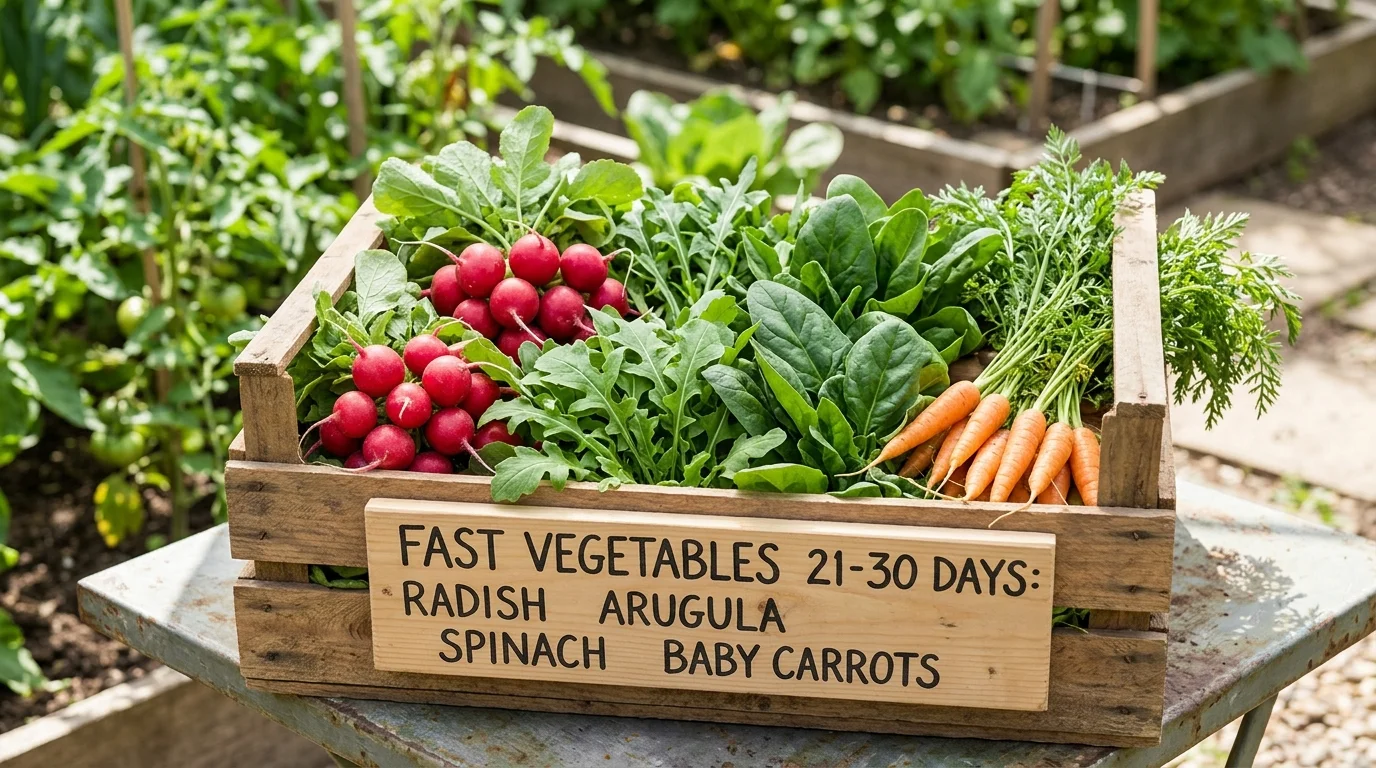
There is a quiet courage in planting something for the first time — that small hopeful act of putting a seed in soil and trusting it to know what to do. If you are new to growing food, or returning after a season that did not quite go as planned, the best thing you can do is start with vegetables that are generous by nature. Not fussy prima donnas that need daily fussing, but the steady forgiving kinds that germinate even when you sow a little too deep, tolerate a missed watering, give you something to pull or pick in 25 to 80 days and whisper, you can do this.
The 20 below are those. I have grown them in beds, buckets, on a windy balcony, and in a rented strip that was mostly clay. They succeeded in all places with same simple care: decent sun, about an inch of water a week, soil that had seen compost once before planting. They are ranked by speed — fastest first — because when beginning, speed is kindness. Radish ready in 25 days keeps you going while tomatoes take summer-long amble to ripe.
Pick five from this list, not twenty, and grow them well. That first small harvest — handful radishes still gritty, salad cut minutes before lunch — will teach you more than any book.
Quick Answer: The 20 easiest vegetables are radishes (25 days), lettuce & Asian greens like bok choy (30 days), spinach (40 days), green beans & bush beans (50 days), zucchini & summer squash (45 days), cucumbers (50 days), beets (50 days), carrots (60 days), peas (60 days), kale (60 days), spring onions (60 days), cherry tomatoes (70 days), peppers (80 days), potatoes (90 days), garlic (fall to summer), and herbs — basil, chives, parsley, mint. Most need just 4–8 hours sun, 1 inch water/week, compost-enriched soil, and at least half thrive in containers. Start fast for early wins while slower fruits catch up — full notes below.
At a Glance
| # | Vegetable | Days to Harvest | Sun | Container? | Care |
|---|---|---|---|---|---|
| 1 | Radishes | 25 | 4–6 hrs | 6-inch trough yes | Very low |
| 2 | Lettuce | 30 | 4–6 hrs | Window box yes | Very low |
| 3 | Asian Greens (Bok Choy) | 30 | 4–6 hrs | Window box yes | Very low |
| 4 | Spinach | 40 | 4–6 hrs | Window box yes | Low |
| 5 | Green Beans / Bush Beans | 50 | 6–8 hrs | 5-gallon yes | Low |
| 6 | Zucchini | 45 | 6–8 hrs | Large bed | Low |
| 7 | Cucumbers | 50 | 6–8 hrs | Large pot + trellis | Low |
| 8 | Peas | 60 | 6–8 hrs | Pot + twig trellis yes | Low |
| 9 | Beets | 50 | 6–8 hrs | 8-inch pot yes | Low |
| 10 | Carrots | 60–80 | 6–8 hrs | Deep pot yes | Low if loose soil |
| 11 | Kale | 60 | 6–8 hrs | Pot yes | Very low |
| 12 | Cherry Tomatoes | 70 | 6–8 hrs | 5-gallon+ yes | Medium-low |
| 13 | Peppers | 80 | 6–8 hrs | 5-gallon yes | Medium-low |
| 14 | Spring Onions | 60 | 6–8 hrs | Any yes | Very low |
| 15 | Potatoes | 90 | 6–8 hrs | Bag yes | Low |
| 16 | Garlic | 240 fall-summer | 6–8 hrs | Deep pot yes | Very low |
| 17 | Basil | 30 leaves | 6–8 hrs | Pot yes | Low |
| 18 | Chives | Perennial | 6–8 hrs | Pot yes | Very low |
| 19 | Summer Squash | 45 | 6–8 hrs | Bed / compact pot | Low |
| 20 | Parsley & Mint | 40+ | 4–6 hrs | Pot yes | Very low |
The 20 Easiest — From Fastest to Most Generous
1. Radishes — 25 Days, The Instant Win
If you ever doubted your gardening hands, sow radishes. Germinate in 3 days — you can see them push through almost overnight — need only 4 hours sun, ready 25 days. That speed is emotional. Before doubt settles, you are washing crisp peppery roots that taste of spring. Sow 1/2 inch deep thin to 2 inches with scissors (even radishes crowd), keep evenly moist. Harvest marble-sized; let go and they pithy and hot. Early spring and late summer only. Mid-summer heat makes bolting tough. For children, no better first crop.
2. Lettuce — 30 Days, Cut-and-Come-Again
Most forgiving salad plant. Loose-leaf germinate 3–7 days, tolerate 4 hours sun, let you harvest outer leaves for weeks while center keeps growing — gentle continuous harvest not single event. Scatter thinly barely cover compost keep damp cut when 4–6 inches. Sow pinch every 2 weeks never without. It bolts in heat — tall bitter stalk — but simply sow again in light shade. See best vegetables for beginners. Perfect window boxes where deeper veg struggle.
3. Asian Greens (Bok Choy) — 30 Days, Underrated Speedster
Bok choy and cousins mizuna tatsoi are lettuce-fast with more substance. Ready baby greens 25–30 days mature 45, shade tolerant, beautiful stir-fry while lettuce wilts. Direct sow cool weather barely cover thin 6 inches keep watered. Prefer spring fall bolt when nights warm — treat as two shoulder gifts not summer struggle.
4. Spinach — 40 Days, Cool and Shade-Tolerant
Asks cool air gives deep mineral leaves that make supermarket bags taste paper. Sow as soon as soil can be worked 1/2 inch deep keep moist 40 days mature leaves or 25 baby. 4–6 hours sun enough, light frost sweetens. Bolts heat so think spring fall staple, late spring sow in shadow of taller beans longer window.
5. Green Beans & Bush Beans — 50 Days, Self-Feeding
Beans are marvels: pull nitrogen from air fertilize themselves, do not want rich bed — too much nitrogen gives vines few beans. Direct sow after frost soil 60°F 1 inch deep surge. Pole beans climb string trellis; bush beans stay compact no support. Both reward regular picking — more you snap more they set. Fresh beans crisp squeaky are different vegetable than canned. Succession sow every 3 weeks until midsummer for beans until frost.
6. Zucchini — 45 Days, The Generous Neighbor
One plant can quietly produce 8–12 pounds summer. That abundance is why beginners love it — cannot miss harvest. Sow directly after frost at corner where it can sprawl meter wide into compost-enriched soil, 6–8 hours sun, harvest 6–8 inches tender buttery. Leave leg-sized they get seedy though still baking excellent. If space tight compact bush ‘Spacemiser’ behaves still extravagant.
7. Cucumbers — 50 Days, Cool and Straight on a Trellis
Cucumber picked still cool from vine thin-skinned sweet is summer bite. Easy if you give warmth and height. Trellised fruits grow straight stay clean avoid powdery mildew that haunts sprawled on damp ground. Direct sow after warm soil thin 12 inches keep water even to prevent bitterness pick small often. See how to grow cucumbers. Single A-frame along sunny edge does it.
8. Peas — 60 Days, Candy From Vine
Vegetable even reluctant eaters pick straight. Sow 2–4 weeks before last frost — shrug light frost — 1 inch deep with twigs netting. Snow and snap peas most proof; shelling takes touch longer. Like beans fix nitrogen no heavy feed. Sweetest eaten 10 minutes after picking when sugars not yet starch. Hot climates plan early spring plus fall encore when nights cool.
9. Beets — 50 Days, Two Harvests in One
Ruby roots below tender chard-like tops above — same sowing. Sow 1/2 inch deep thin 3 inches use thinnings as salad at 3 weeks. Keep water even to avoid pale rings zoning. Harvest roots 2–3 inches sweetest. Tolerate light frost which concentrates sugars, late summer sowing stores winter well.
10. Carrots — 60 to 80 Days, Sweetness Needs Soft Soil
Easy only if soil kind. Need 10–12 inches loose stone-free sandy loam and ruthless thinning to 2 inches. Give that delightfully low-maintenance; skimp and they stay thin forked however long wait. Choose short Chantenay for heavy shallow soil Nantes for raised beds. Sow 1/4 inch deep keep row damp 14–21 slow germination thin twice scissors. See how to grow carrots.
11. Kale — 60 Days, Improved by Frost
Leafy green that outlasts all others. While lettuce spinach bolt, kale simply deepens — through heat drought frost even snow — flavor sweetens after first frost when starches turn sugar. Direct sow or transplant space 12–18 inches pick outer leaves while center keeps producing months. Lacinato Red Russian most tender beginners. Row can still cut November long after rest compost.
12. Cherry Tomatoes — 70 Days, The Forgiving Tomato
If dreamed tomatoes start here not big beefsteaks. Cherries ripen 2–3 weeks earlier crack less forgive inconsistent watering produce long snackable window — bowlful every few days from one healthy plant up to 12–15 pounds summer. Give 6–8 hours sun sturdy cage wait until soil truly 60°F before planting. See how to grow tomatoes. Pick fully colored sun-warm; that flavor supermarkets cannot ship.
13. Peppers — 80 Days, Color That Waits Warmth
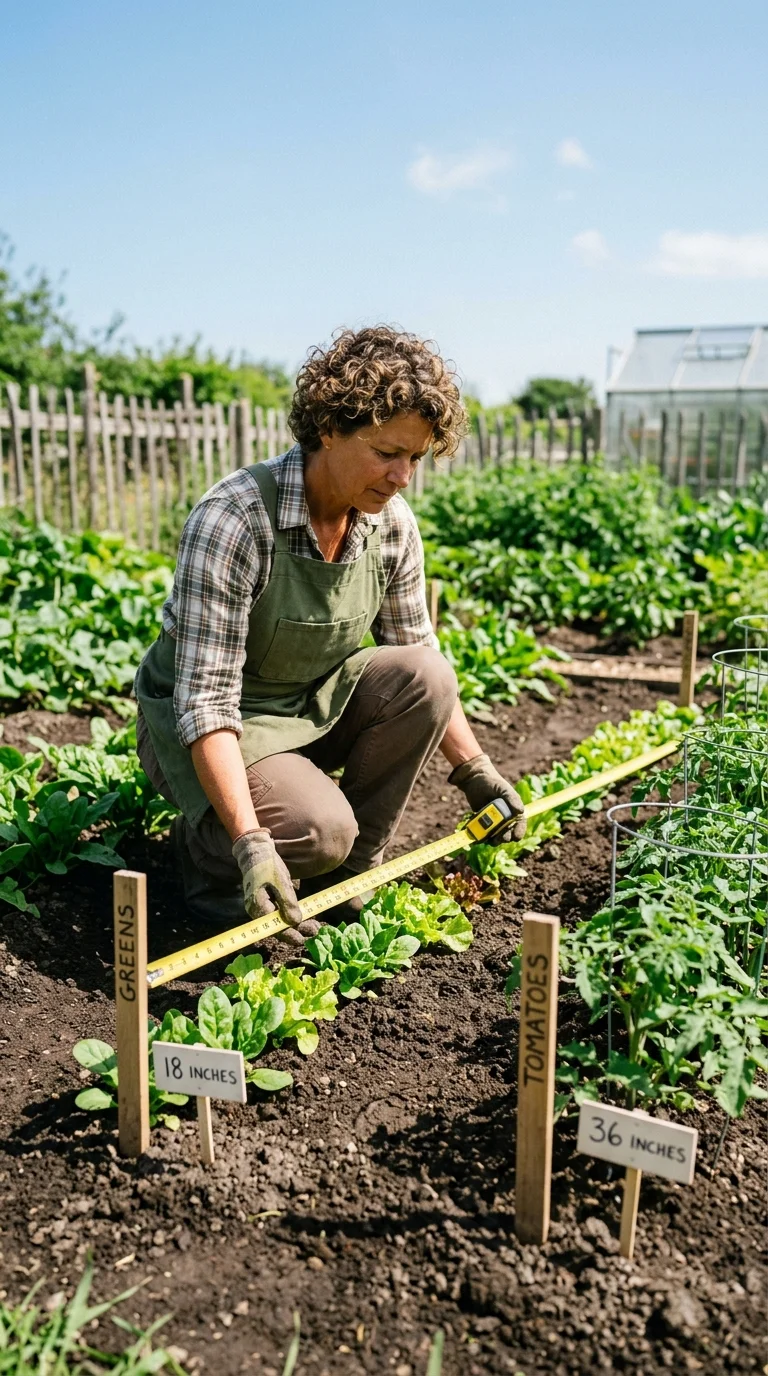
Reward patience. Sulk if planted cold soil so wait until 65°F — usually 2–3 weeks after last frost — then steady setting fruits deepening green to red yellow orange over weeks. One plant gives many harvests if pick as color. Choose early ‘Gypsy’ ‘Lipstick’ if summers short. See how to grow peppers. Superb 5-gallon containers where soil warms faster.
14. Spring Onions — 60 Days, Compact and Pest-Free
Quiet achievers small spaces. Sow thickly thin 2 inches eat every thinning. Need little feeding shrug pests fit any gap give mild fresh brightness everyday cooking. Even foot row produces surprising bundle. Also teach thinning without heartbreak — no thinning wasted when every pull is scallion.
15. Potatoes — 90 Days, Treasure Underground
Magic trick — one seed potato cut and chitted becomes whole hill hidden below. Plant 4 inches deep after frost hill soil up as vines grow keep tubers covered green-free, harvest new potatoes 70–80 days when flowers fade, storage types 90–120 days when vines die. See when to harvest potatoes. Containers grow bags make harvesting simple tip bag.
16. Garlic — Plant Fall Harvest Next Summer Forget Between
Most patient easy crop: push cloves 2 inches deep fall mulch walk away. Roots autumn sleeps winter surges spring to fat bulbs midsummer. No pests to speak no trellis just cool soil and time. If want vegetable asks almost nothing still gives braidable harvest, garlic is it.
17. Basil — 30 Days to First Leaves Weeks Harvest
Garden in pot: fast fragrant endlessly useful. Sow or transplant after frost give sun pinch tips regularly keep bushy delay flowering harvest top down. Companions beautifully with tomatoes, when finally blooms pollinators mob it. See how to grow basil for pruning doubles yield.
18. Chives — The Perennial That Returns
Plant once harvest years. Shrug cold need almost no care give mild onion flavor plus edible purple flowers cheer salads butter. Snip scissors regrow within days. As close to permanent vegetable beginner can get thrive pot left outside year-round most climates.
19. Summer Squash — 45 Days Like Zucchini but Golden
Patty pans crooknecks straight-necks share zucchini friendly nature in sun-bright yellow green. Same care — compost-enriched soil 6–8 hours sun harvest small — same need regular picking to keep producing. If love zucchini add one summer squash for color plate identical effort.
20. Parsley & Mint — 40 Days The Herbs That Keep Giving
Parsley workhorse biennial germinates slowly be patient 3 weeks then produces months; mint so vigorous should be grown alone pot where can romp. Both tolerate 4–6 hours sun keep producing after everything else finished. See parsley and mint for container setups keep mint from taking over.
Why These 20? What They Have in Common
These vegetables share three traits matter more than fancy technique:
They tolerate average soil. No greenhouse mix no weekly feeding. Enrich 2–3 inches compost at planting content. Beans peas even improve soil for what follows.
They need only about 1 inch water per week. Deeply slowly with mulch not daily sprinkles. That rhythm grows deep roots forgives hot weekend away.
They have few pests and clear signals. Fewer sprays less worry, when something wrong they tell quickly — wilting bolting yellowing — while still time adjust.
Fast crops like radishes lettuce give feedback 25–30 days while slower tomatoes peppers catch up. That staggering keeps new gardener motivated through quiet middle when little seems happen above ground.
Getting Started: The Beginner Bed That Actually Works
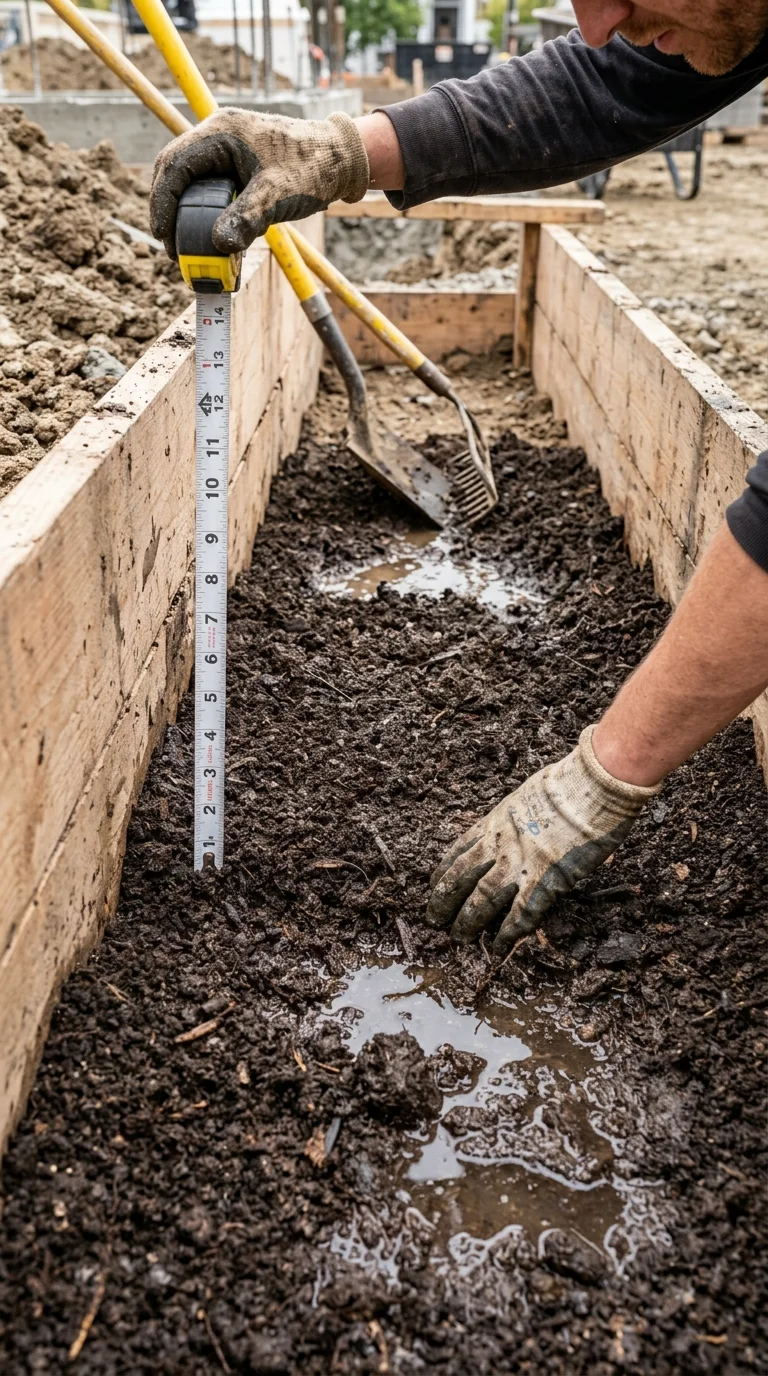
You do not need to till quarter acre. 4 by 8 bed with 6 hours sun plus few pots can grow five kinds easily abundant.
Simple first planting:
Slip 2 inches compost across bed turn top 6 inches. Mulch pathways straw.
- Early spring 4 weeks before last frost: Sow band lettuce spinach north side, short row peas twiggy sticks, patch radishes. Tuck beets between.
- Two weeks after last frost soil warm: Plant one zucchini corner where sprawl row bush beans cherry tomato cage. Sunniest edge set cucumbers small trellis. Large pot pepper.
- Late summer: As peas radishes finish pull sow more lettuce spinach bok choy in place. Fall sowing often sweetest.
Water long slow soak — count to 30 under gentle hose at each grouping — rather daily sprinkle. Add 3 inches straw mulch after seedlings 3 inches tall. See how often to water, best soil, starting seeds indoors, and fast-growing vegetables for deeper help.
Small-Space and No-Garden Options
Half list made for containers wonderful if only balcony patio. With 6 hours sun potting mix not garden soil you can grow: Window boxes lettuce spinach radishes Asian greens chives parsley mint (mint own pot). 5-gallon buckets grow bags bush beans cherry tomatoes peppers beets carrots deep pots potatoes. Single large trough spring onions kale basil. Containers dry faster than beds so water daily heat — finger 2 inches down if dry water thoroughly until drains. Add compost at planting light organic feed at flowering heavy bearers like tomatoes peppers. Start 3 containers not 15 let first balcony salad convince add more.
Seasonal Planting Calendar for Easiest Crops
| When | What to Sow / Plant | Notes |
|---|---|---|
| 4 weeks before last frost | Lettuce, spinach, bok choy, peas, radishes | Cool tolerant, fast |
| 2 weeks before last frost | Beets, carrots, kale, chives, parsley | Hardy roots and leaves |
| 2 weeks after last frost soil 60°F | Beans, zucchini, cucumbers, basil | Warm starters |
| Late spring soil 65°F+ | Tomatoes, peppers, summer squash | Heat lovers |
| Early summer | Potatoes, spring onions | Succession fills gaps |
| Late summer 10 wks before frost | Lettuce, spinach, peas, radishes resow | Fall second season sweetest |
| Fall | Garlic cloves, chives division | Overwinter next harvest |
The Mistakes That Cost Beginners First Harvest — And Kinder Way
Starting tomatoes peppers too early cold soil. Feels like getting ahead but warm seedlings planted 50°F soil sit sulking attract disease. Kinder way: Wait soil 60°F tomatoes 65°F peppers — usually 2 weeks after last frost. Use early window peas lettuce so no time wasted.
Watering lightly every day. Daily sprinkles keep surface damp roots shallow then wilt noon. Kinder way: Water deeply once or twice week — 1 inch total — mulch 3 inches. Check finger 2 inches down not calendar.
Skipping thinning. Dense green carpet feels too precious cut. Left that way nothing sizes up. Kinder way: Thin scissors evening water after. Every thinning radish beet scallion itself harvest.
Letting zucchini cucumbers get too big. Overgrown fruits signal plant stop producing texture seedy. Kinder way: Pick zucchini 6–8 inches cucumbers before yellowing beans before bulge. Harvest is best fertilizer.
Bare soil. Without mulch soil crusts dries weeds explode July — moment many beginners quit. Kinder way: Straw mulch after seedlings establish. Cheap keeps roots cool moist becomes compost next year.
Troubleshooting Fast Checks
Germination poor: Soil crust or dried out — keep consistently moist 7–14 days, cover carrot row with board, barely cover lettuce.
Leggy seedlings: Not enough light — move to full sun, thin crowding.
Yellow lower leaves: Overwater or nitrogen low — check drainage, side-dress compost if pale stunted.
No fruits on zucchini/tomatoes: See pollination and feeding — hand-pollinate, ensure sun, balanced fertilizer.
A Last Word Before You Sow
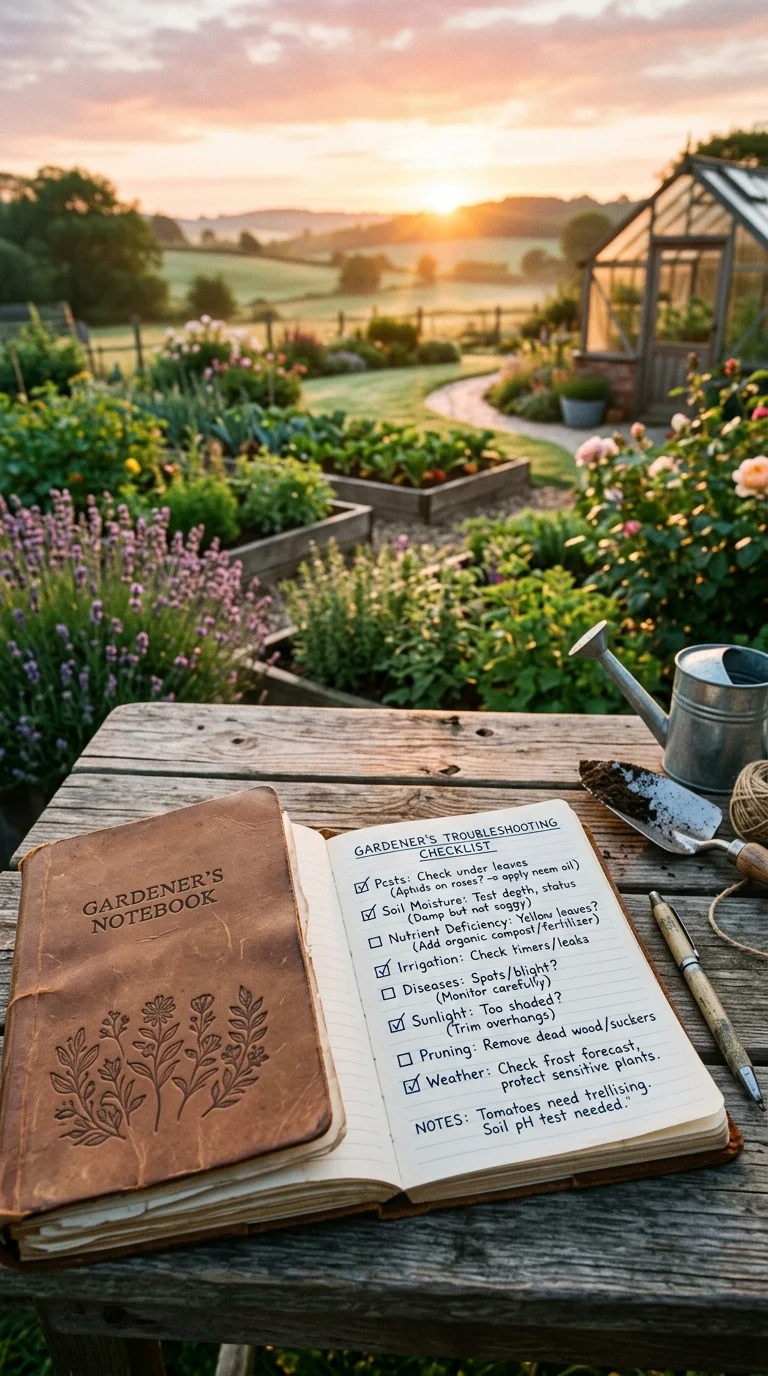
First garden does not need perfect. It needs planted. Choose five vegetables you actually like to eat — radish for speed lettuce grace bean snacking zucchini generosity cherry tomato joy — give them small bed or three pots with sun and compost. Harvest small often. Keep notebook when sowed when first picked; next year that notebook worth more than any catalog because written in your light seasons.
You do not need green thumb. You need row that wants to succeed, and you just found twenty.
Frequently Asked Questions
Q: What is the number one easiest vegetable to grow?
A: Radishes, and it is not close for pure ease. They germinate about 3 days — so quickly you see progress before doubt sets in — need only 4 hours sun, have almost no pests, ready pull 25 days. Lettuce close second for even less sun longer window harvest since you can cut outer leaves weeks. If want one crop guarantees win first time, sow radishes early spring again late summer, thin 2 inches, keep evenly moist, harvest marble size.
Q: What vegetables can you grow without a garden?
A: More than you might think. Sunny patio balcony 4–6 hours light you can grow lettuce spinach Asian greens window boxes, herbs basil chives parsley 6-inch pots keep mint alone — it roams, bush beans cherry tomatoes peppers beets 5-gallon buckets potting mix, potatoes grow bag you tip harvest. Use potting mix not garden soil enrich compost water daily heat since containers dry fast, start 3 pots not 15. Even single cherry tomato large container can give bowlful every few days summer.
Q: What vegetables need the least care?
A: Zucchini beans peas kale are true low-care quartet. Tolerate average compost-enriched soil no extra fuss need just about 1 inch water per week with mulch produce heavily little beyond planting. Bush beans peas fix own nitrogen actually improve soil for what follows. Zucchini kale shrug light drought once established keep producing — zucchini months if harvest 6–8 inches, kale through frost even light snow often sweeter after cold night. Plant them mulch water deeply once or twice week.
Q: How many easy vegetables should a beginner start with?
A: Five, not twenty, first season. That small number lets you water well thin correctly harvest on time and learn each plant’s rhythm. Choose one fast like radish or lettuce for quick confidence, one generous like zucchini or beans, one fruiting like cherry tomatoes, and one herb. Success with five teaches more than struggle with fifteen and guarantees salad while you learn.
Related Articles
- Best Vegetables for Beginners
- Fast-Growing Vegetables
- Vegetable Gardening Mistakes to Avoid
- How to Start a Vegetable Garden
- How Often to Water Vegetables
- Vegetable Garden Spacing Guide
Sources & References
- University of Minnesota Extension - Vegetables for Home Gardens
- Cornell University - Vegetable Growing Guides
- Iowa State University Extension - Horticulture
- Royal Horticultural Society - Growing Vegetables
- Old Farmer’s Almanac - Planting and Growing Guides