
Complete GuideHow to Grow Herbs at Home: 12 Best Herbs for Beginners
Learn how to grow herbs at home indoors & outdoors – 12 easiest herbs, soil, light, watering & harvesting tips for fresh flavor all year.
Grow culinary herbs at home, from seed or cuttings, and learn when to harvest, dry, freeze and cook with them.
Herbs are the highest-value crop per square foot in most home gardens. A single basil plant will supply a household through a summer, and the perennial herbs — thyme, rosemary, chives, mint — return every year once established.
What makes herbs different from vegetables is that you harvest continuously rather than all at once. That changes the technique: you want to encourage bushy growth, not a single flowering bolt, and you need to learn to take enough without taking so much that the plant cannot recover.
The guides here cover growing from seed, propagating from cuttings, controlling the aggressive spreaders, keeping containers alive indoors through winter, and turning a surplus harvest into something that lasts.
Most herbs want what vegetables want: sun, drainage and a soil that is not waterlogged. The differences are in the details — basil sulks in cold, rosemary rots in rich soil, and mint will take over the bed if you let it.
Learn how to grow herbs at home indoors & outdoors – 12 easiest herbs, soil, light, watering & harvesting tips for fresh flavor all year.
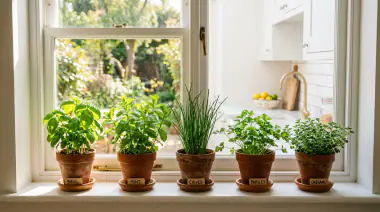
Discover the 5 best herbs for beginners to grow at home - basil, mint, chives, parsley, and oregano - with easy care tips and no experience needed.
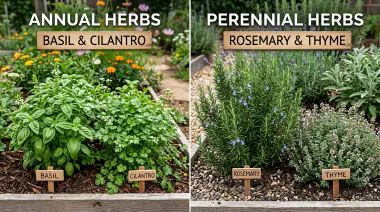
Find out which herbs are annual and which are perennial. Complete guide to herb longevity, hardiness zones and planting calendar tips.
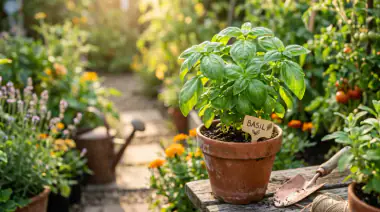
Learn how to grow basil at home - in pots or garden - with tips on sowing, pinching, watering & harvesting for endless fresh leaves.
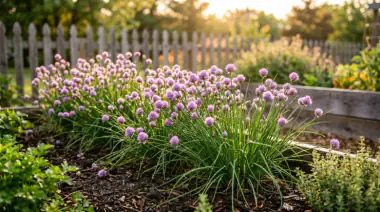
Learn how to grow chives from seed indoors & outdoors - germination time, spacing, watering & how to harvest without killing the plant.
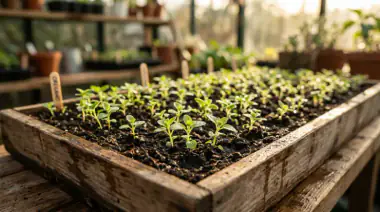
Grow oregano from seed at home - sowing, germination, cutting & drying. One plant supplies your kitchen for years with minimal care.

Don't buy new plants - grow rosemary from cuttings in water & soil. Step-by-step rooting, transplanting & winter care for endless rosemary.
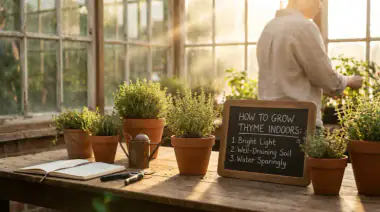
Grow thyme indoors year-round - light, pot size & watering that prevents root rot. Harvest fresh thyme from your kitchen windowsill.
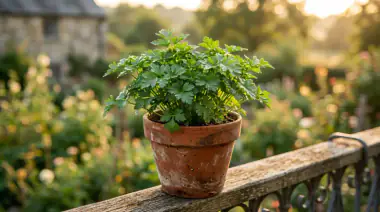
Grow parsley in pots on any sunny windowsill - sowing, watering & cut-and-come-again harvesting for continuous fresh herbs.
Windowsill growing works, but only with the right light and honest expectations. Rosemary, thyme and sage tolerate indoor conditions; basil and mint struggle without supplemental light.
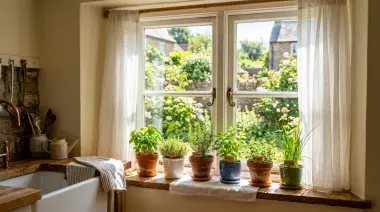
Learn indoor herb gardening with this complete windowsill guide - best herbs, light, watering, and troubleshooting for fresh herbs year-round.
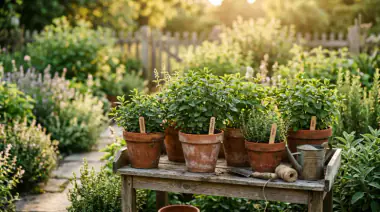
Love mint but hate its spread? Learn how to grow mint in pots and barriers so you get fresh leaves without it invading your garden.
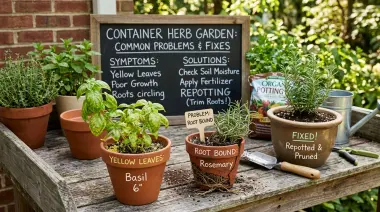
Solve the 10 most common container herb gardening problems. From root rot to leggy growth, learn causes and fixes for healthy potted herbs.
Overwatering is the leading cause of death for indoor herbs, and feeding too much makes herbs leggy and less flavourful. These guides explain how to read the plant rather than follow a fixed schedule.
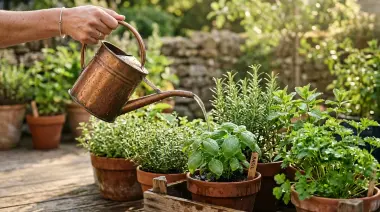
Master the art of watering your herb garden. Learn schedules, signs of overwatering, and how much water each herb needs by type.
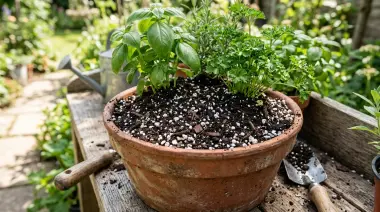
Discover the best soil for herbs and a complete fertilizer guide. Learn potting mix recipes, feeding schedules, and signs of over-fertilizing.
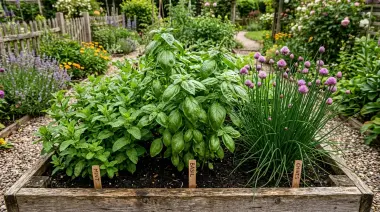
Master herb companion planting with our expert guide. Learn which herbs grow best together, natural pest repellents, and what to keep apart.
Harvesting technique directly determines yield. Take cuttings above a leaf node, never more than a third of the plant at once, and never let a perennial herb flower unless you specifically want seed.
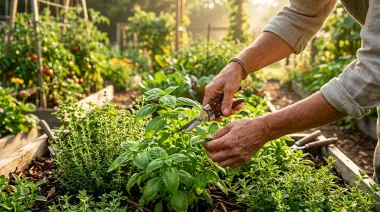
Master the art of harvesting herbs for maximum flavor. Learn when to pick, how much to take, and cutting techniques that keep herbs tasting their best.
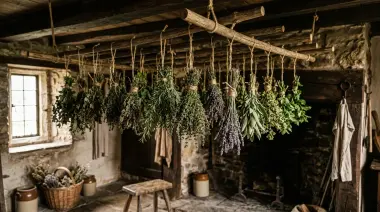
Learn how to dry herbs at home using air drying, oven, dehydrator, microwave, and hanging methods for fresh flavor all year long.
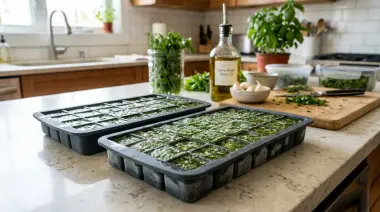
Learn how to freeze fresh herbs using the ice cube method with oil or water. Keep your garden herbs flavorful all winter with these simple freezing tips.

Learn how to make herb infused oils and vinegars at home with this step-by-step DIY guide. Perfect for cooking and homemade gifts.
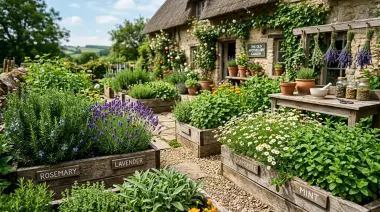
Discover the medicinal uses of 10 common garden herbs. From chamomile tea for sleep to oregano for immunity, build your home apothecary.
A surplus of herbs is a good problem. These guides cover which herbs hold up cooked versus raw, and how to use flavouring oils and vinegars to capture a harvest beyond its season.

Discover 15 delicious ways to cook with fresh herbs including basil, mint, rosemary, thyme, chives and parsley. Elevate every meal today.
Herb foliage is tender, so treat aphids early and check leaf undersides regularly when you harvest. Equipment needs are modest, but keeping tools clean matters more in a dense herb bed.
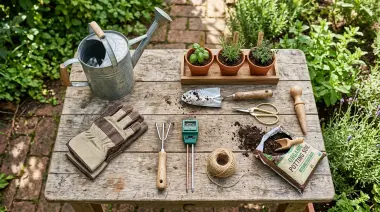
Find the best herb gardening tools for every budget. Our 2026 checklist covers snips, pruners, pots, soil meters, and what you actually need to grow herbs.
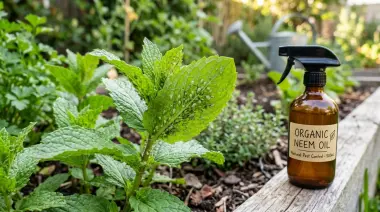
Identify and eliminate the most common herb garden pests with natural, organic solutions. From aphids to spider mites, these methods actually work.
Yes, for most herbs. Give them the brightest window available, water only when the top inch of soil is dry, and avoid fertilising in midwinter when growth naturally slows. Rosemary, thyme, chives and parsley fare best; basil is the least reliable.
Almost always one of three things: too little light, too much fertiliser, or plants that were never pinched. Move to brighter light, stop feeding, and pinch the growing tips regularly to force branching.
Mint spreads by underground runners and cannot be contained in an open bed. Grow it in a dedicated container sunk into the soil with a lip above the soil line, or confine it to a pot and keep it away from the rest of the bed.