If you have ever stood in front of a seed rack feeling a little overwhelmed — so many beautiful packets, so little time, that quiet worry about picking the wrong thing — this list is for you. The fifteen vegetables below are not the most exotic or the most Instagram-worthy. They are the most forgiving. They tolerate a missed watering, average soil, a late sowing, and that very human tendency to plant a little too close together. They give you a visible harvest in 30 to 60 days, which matters enormously when you are new, because fast feedback is what turns worry into confidence and a tentative bed into a habit.
I still remember my first real beginner harvest: a handful of radishes that went from seed to table before I could talk myself out of gardening, a loose-leaf lettuce that let me cut for weeks, and a single zucchini plant that, to my amazement, kept producing long after I thought it should be tired. Those early wins did more than feed us. They taught me what ease feels like and gave me the courage to try tomatoes the next year.
Start here, with crops that want to succeed, and let the garden teach you as you go.
Quick Answer: The 15 most beginner-reliable vegetables are lettuce (30 days), radishes (25 days), green beans & bush beans (50 days), zucchini (45 days), cucumbers (50 days), carrots (60 days), peas (60 days), spinach (40 days), cherry tomatoes (70 days), beets (50 days), kale (60 days), basil & herbs (30 days cut-and-come-again), spring onions (60 days), peppers (80 days), and a bonus storage hero — potatoes or garlic. All thrive with 6 hours sun (lettuce and spinach even with 4), 1 inch water per week, and compost-enriched soil, and most can be direct-sown. Sow fast crops first for confidence while slower ones catch up — all are covered below.
At a Glance
| Rank | Vegetable | Days to Harvest | Sun Needs | Why Beginners Love It |
|---|---|---|---|---|
| 1 | Lettuce | 30 | 4–6 hrs | Cut-and-come-again, shade tolerant |
| 2 | Radishes | 25 | 4–6 hrs | Fastest feedback of any vegetable |
| 3 | Green / Bush Beans | 50 | 6–8 hrs | Fixes own nitrogen, few pests |
| 4 | Zucchini | 45 | 6–8 hrs | One plant feeds a family |
| 5 | Cucumbers | 50 | 6–8 hrs | Heavy yield on a simple trellis |
| 6 | Carrots | 60–80 | 6–8 hrs | Sweet if soil is loose |
| 7 | Peas | 60 | 6–8 hrs | Cool-season candy, fixes nitrogen |
| 8 | Spinach | 40 | 4–6 hrs | Cool and shade tolerant, fast |
| 9 | Cherry Tomatoes | 70 | 6–8 hrs | More forgiving than beefsteaks |
| 10 | Beets | 50 | 6–8 hrs | Roots + greens, two harvests |
| 11 | Kale | 60 | 6–8 hrs | Cold-hardy, sweeter after frost |
| 12 | Basil & Herbs | 30 | 6–8 hrs | Kitchen harvest + companion |
| 13 | Spring Onions | 60 | 6–8 hrs | Compact, pest-free |
| 14 | Peppers | 80 | 6–8 hrs | Long harvest if started warm |
| 15 | Potatoes / Garlic | 90 / 240 | 6–8 hrs | Plant-and-forget, storable |
The 15 Best Vegetables for Beginners — In Detail
I have ranked these by a mix of speed, forgiveness, and joy - not just survival, but how good it feels to grow them first time.
1. Lettuce — 30 Days, Cut-and-Come-Again Grace
If you grow only one thing, grow lettuce. It germinates in 3 to 7 days, tolerates as little as 4 hours of sun, and gives the earliest possible harvest. Sow directly, scatter thinly, barely cover, keep damp. In 30 days you can begin cutting outer leaves and the plant simply keeps growing from the center, giving weeks of salads from a single sowing. In heat it bolts — that lanky bitter stretch — but that is gentle feedback; sow a new pinch every 2 weeks and you will never be without. Loose-leaf types like ‘Salad Bowl’ or ‘Black Seeded Simpson’ are most forgiving. Head lettuce is fussier; skip year one.
Beginner edge: Grows beautifully in containers, window boxes, or a shaded corner that would sulk for tomatoes.
2. Radishes — 25 Days, The Confidence Crop
No vegetable rewards a beginner faster than radish. Three days to germination, 25 days to a crisp peppery root that tells you unmistakably you did it. Needs 4 to 6 hours sun, loose soil, even moisture. Sow 1/2 inch deep, thin to 2 inches (yes, even radishes need thinning), harvest promptly when shoulders are marble-sized — leave them and they turn pithy. If you have children, let them sow radishes; the quick payoff is magic.
Sow in the cool shoulders: Early spring and again late summer. Mid-summer heat makes radishes bolt hot.
3. Green Beans — 50 Days, Nitrogen-Fixing and Generous
Beans are quietly remarkable. They pull nitrogen from the air through roots and feed themselves, so they do not need heavy fertilizer — too much nitrogen gives leaves but few beans. Direct sow after frost when soil is 60°F, 1 inch deep, and watch them leap. Pole beans need a trellis; bush beans need nothing but space. Both give weeks of harvest if you pick regularly — the more you pick, the more they set. Fresh beans have a snap store beans never recover.
4. Zucchini — 45 Days, One Plant Is Plenty
Zucchini makes beginners feel like experts. One healthy plant, given 6 to 8 hours sun and a square meter enriched with compost, can produce 8 to 12 pounds over summer. Sow directly after frost or start indoors 3 weeks earlier. First fruits appear fast. Harvest at 6 to 8 inches for tenderest texture — leave to baseball bat size and they get seedy though still useful for baking. If space is tight, choose compact bush type ‘Spacemiser’ and prepare to share.
5. Cucumbers — 50 Days, Cool and Crisp With a Trellis
Nothing tastes more like midsummer than a just-picked cucumber, still cool from the vine. Reliable if you give warmth and something to climb. Trellised cucumbers grow straighter, stay cleaner, suffer far less disease than sprawled on damp ground. Direct sow after soil is warm, thin to 12 inches, keep water even — bitter cucumbers are almost always water stress. See how to grow cucumbers.
Pick small and often. A cucumber left too long signals stop.
6. Carrots — 60 to 80 Days, Sweetness Underground
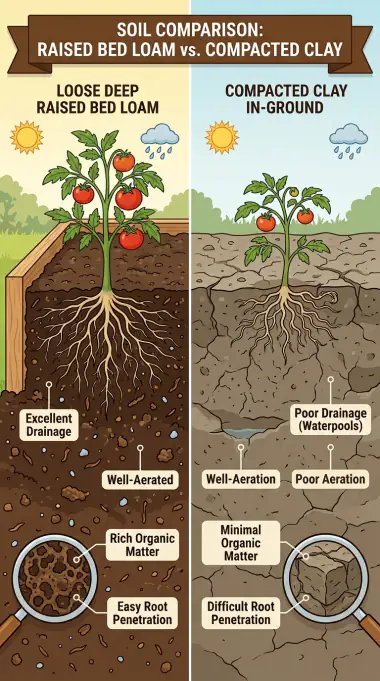
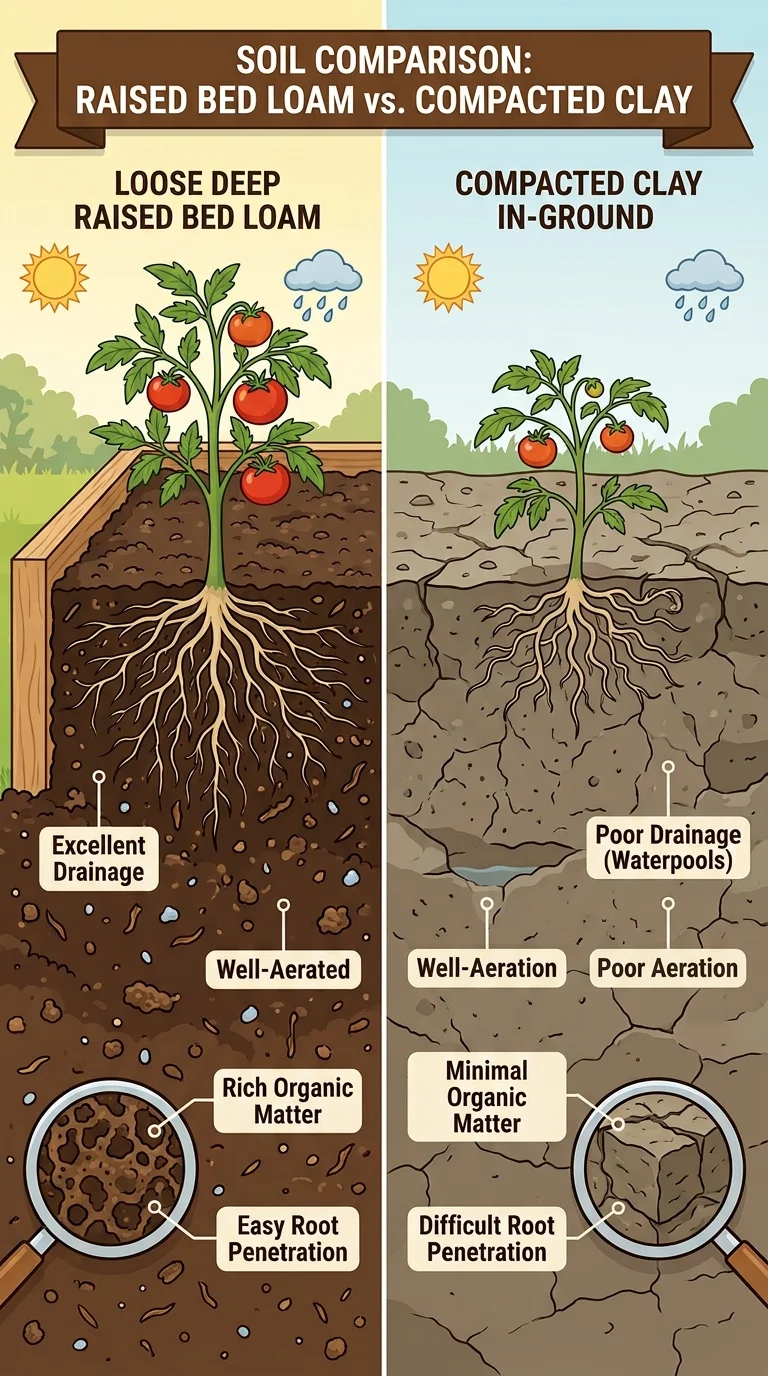
Carrots ask for one thing: loose, stone-free soil 10 to 12 inches deep. Give that and they are easy. Trick is thinning — snip seedlings to 2 inches apart with scissors so roots swell. Keep row damp 14 to 21 days for slow germination; cover with board 5 days to hold moisture. In heavy clay, choose short Chantenay or grow in raised bed. See how to grow carrots.
7. Peas — 60 Days, The Candy of Cool Season
Peas are what children eat straight from the vine — and adults do when no one looks. Sow 2 to 4 weeks before last frost, 1 inch deep, with twig trellis. Fix nitrogen like beans, tolerate light frost, sweetest if picked the moment pods swell. Snow and snap peas most forgiving; shelling takes longer. In hot springs, sow early and plan fall encore when temps drop.
8. Spinach — 40 Days, Cool, Shady, Fast
Loves cool and a little shade like lettuce but brings iron-rich depth. Direct sow early spring as soon as soil can be worked, barely cover, keep moist. In 40 days cut mature leaves or baby at 25. Bolts in heat, so treat as spring and fall crop; late spring sow in shadow of beans for longer window. Four hours sun is enough.
9. Cherry Tomatoes — 70 Days, More Forgiving Than Beefsteaks
If you dreamed of tomatoes, start with cherries. They mature 2 to 3 weeks earlier than beefsteaks, crack less, forgive inconsistent watering, produce a bowlful every few days — 12 to 15 pounds per plant. Give 6 to 8 hours sun, cage or stake, wait until soil 60°F. See how to grow tomatoes. Pick fully colored sun-warm for peak flavor.
10. Beets — 50 Days, Two Harvests in One
Beets are dual-purpose: earthy ruby roots below, tender chard-like greens above — both on same plant. Sow 1/2 inch deep, thin to 3 inches, use thinnings at 3 weeks as salad. Keep evenly watered to prevent zoning. Harvest roots at 2 to 3 inches sweetest. Light frost sweetens them; late sowing stores for winter.
11. Kale — 60 Days, The Frost Makes It Sweeter
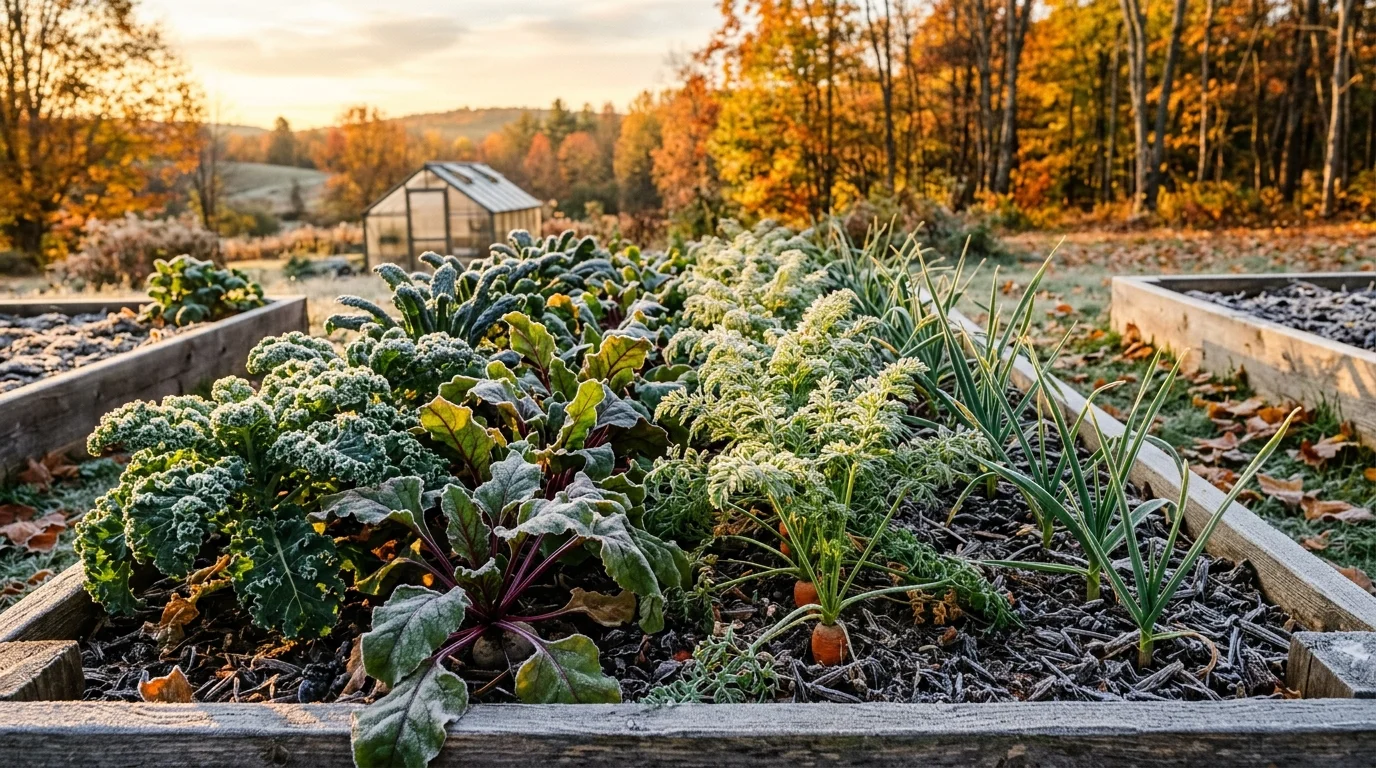
Kale is kindest leafy green for longevity. While lettuce bolts, kale endures — heat, drought, frost, even snow — flavor improves after frost as starches convert to sugars. Direct sow or transplant, space 12 to 18 inches, pick outer leaves while center keeps producing for months. Lacinato and Red Russian tender for fresh eating. A small row can still give in November while rest of garden is put to bed.
12. Basil & Herbs — 30 Days, Kitchen Confidence + Companion Power
Basil is a vegetable garden in miniature: fast, fragrant, endlessly useful. Sow or transplant after frost, give sun, pinch tips to keep bushy and delay flowering, harvest top down. Companions beautifully with tomatoes, repels some pests, attracts pollinators when allowed late flower. Parsley, chives, mint equally proof. See how to grow basil.
13. Spring Onions (Scallions) — 60 Days, Compact and Pest-Free
If onions feel daunting, spring onions are easy compact cousin. Sow thickly thin to 2 inches, or harvest as you thin — every thinning is a scallion. Little feeding, almost no pests, fits any gap, gives fresh mild lift. Superb for small spaces; a foot of row produces surprising bunch.
14. Peppers — 80 Days, Patience Rewarded With Color
Peppers ask warmth and patience, repay with months of color. Start indoors 8 weeks before last frost or buy seedlings after soil 65°F. Give 6 to 8 hours sun, mulch to keep roots warm, do not rush — peppers in cold soil sulk weeks. Once they begin they keep setting until frost, flavor deepens green to red/yellow. See how to grow peppers. If summers short, choose early ‘Gypsy’ or ‘Lipstick’.
15. Potatoes / Garlic — The Storable Bonus
If you have room, add one storable. Potatoes (90 days) feel like treasure hunts — one seed potato becomes a hill; see when to harvest potatoes. Garlic is planted fall, harvested summer, almost plant-and-forget, braids for months. Both teach patience and give winter eating.
How to Start: The 4 by 8 That Feeds You While You Learn
You do not need a large garden to learn well. A single 4 by 8 foot bed with 6 hours sun is a complete classroom.
Early spring (2 to 4 weeks before last frost): North end, peas along string trellis, with lettuce and spinach band in front. Next band radishes and beets.
After last frost + 2 weeks (soil 60°F): Warm center, one zucchini at corner to sprawl, bush beans row, cherry tomato with cage. Sunny edge cucumbers on A-frame.
Summer succession: As radishes and lettuce finish, sow more lettuce and bush beans in their place. As peas finish, plant basil or second carrots in that nitrogen-enriched spot.
Add 2 to 3 inches compost before planting, mulch pathways straw, water deeply 1 inch/week. For soil building see how to start a vegetable garden, when to plant vegetables, how to prepare soil and for expanded list easiest vegetables.
Seasonal Starting Calendar for Beginners
| When | What to Sow / Plant | Why Now |
|---|---|---|
| 4 weeks before last frost | Peas, spinach, lettuce, radishes | Germinate cool, frost-tolerant |
| 2 weeks before last frost | Beets, carrots, kale, spring onions | Cool roots and hardy greens |
| 2 weeks after last frost, soil 60°F+ | Bush beans, zucchini, cucumbers, cherry tomatoes, basil | Warm crops grow fast now |
| Soil 65°F+ late spring | Peppers, potatoes | Heat lovers wait |
| Midsummer | Succession lettuce, beans, cucumbers | Fill gaps as early crops finish |
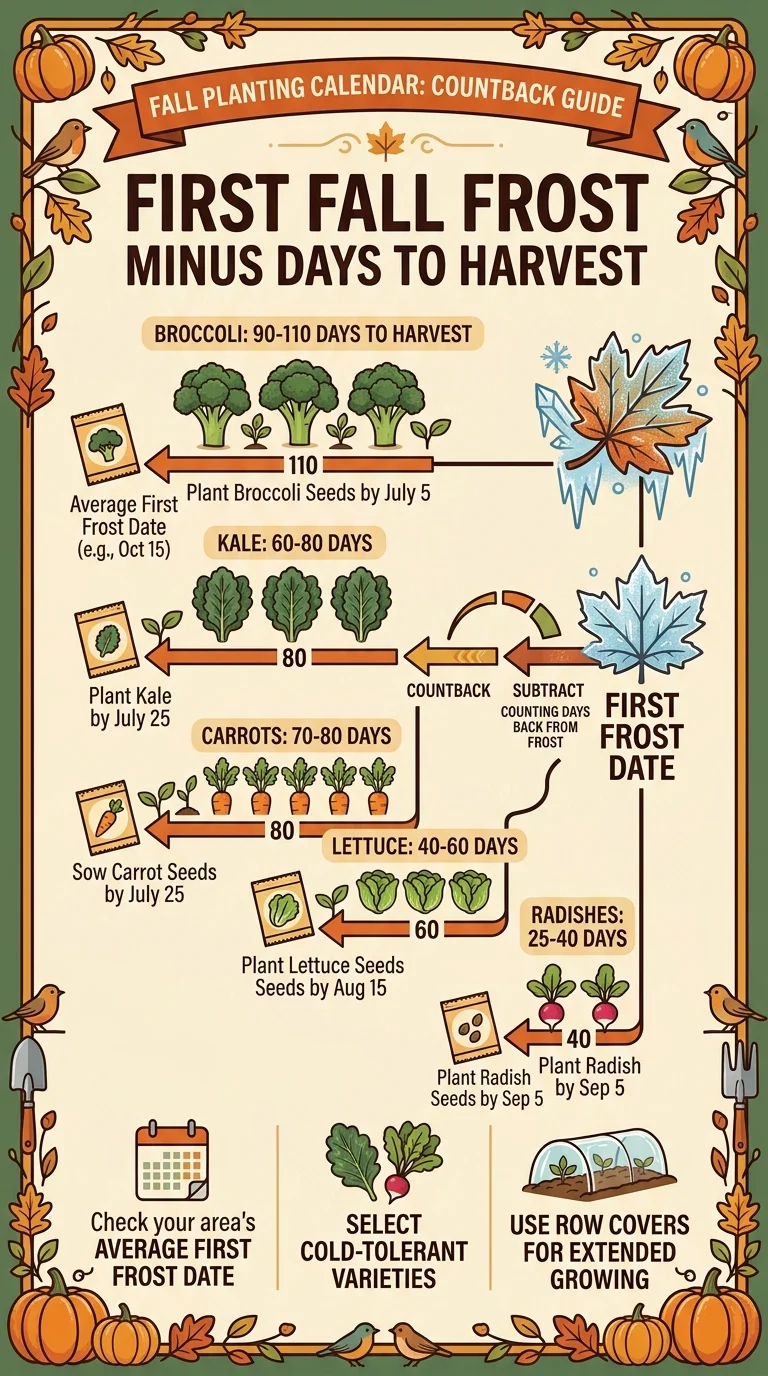
| Late summer 10 wks before frost | Spinach, lettuce, peas, radishes again | Sweetest fall harvest |
| Fall 6 wks before frost | Garlic for next year | Plant-and-forget winter crop |
Choosing by Sun, Space, and Appetite
Only 4 hours sun? Grow lettuce, spinach, radishes, kale, beets, herbs. They will produce where tomatoes sulk.
Only containers? Lettuce and spinach in window boxes, bush beans and basil in 5-gallon pots, cherry tomatoes and peppers in large containers with potting mix and daily water, radishes in 6-inch trough. Use potting mix not garden soil, add compost, water daily — containers dry faster.
Want to feed a family fast? Prioritize zucchini, beans, cucumbers, tomatoes. One of each trellised and picked small can supply salad and sauté all summer.
Love to store? Add potatoes and garlic late — they stretch harvest into winter.
Common Beginner Mistakes — And the Gentler Way
1. Planting tomatoes and peppers too early in cold soil. Warm crops in sub-60°F soil just sit shivering, more disease-prone than if you waited. Gentler way: Use early window for peas and lettuce, transplant tomatoes 2 weeks after last frost when evenings feel soft. A week later planting often means 2 weeks earlier harvest.
2. Overcrowding. The packet says 2 inches but sowing feels sparse, so we scatter more. Result is ferny carpet where nothing sizes up. Gentler way: Follow spacing, thin with scissors evening, water after. Kept plants thank you with weight.
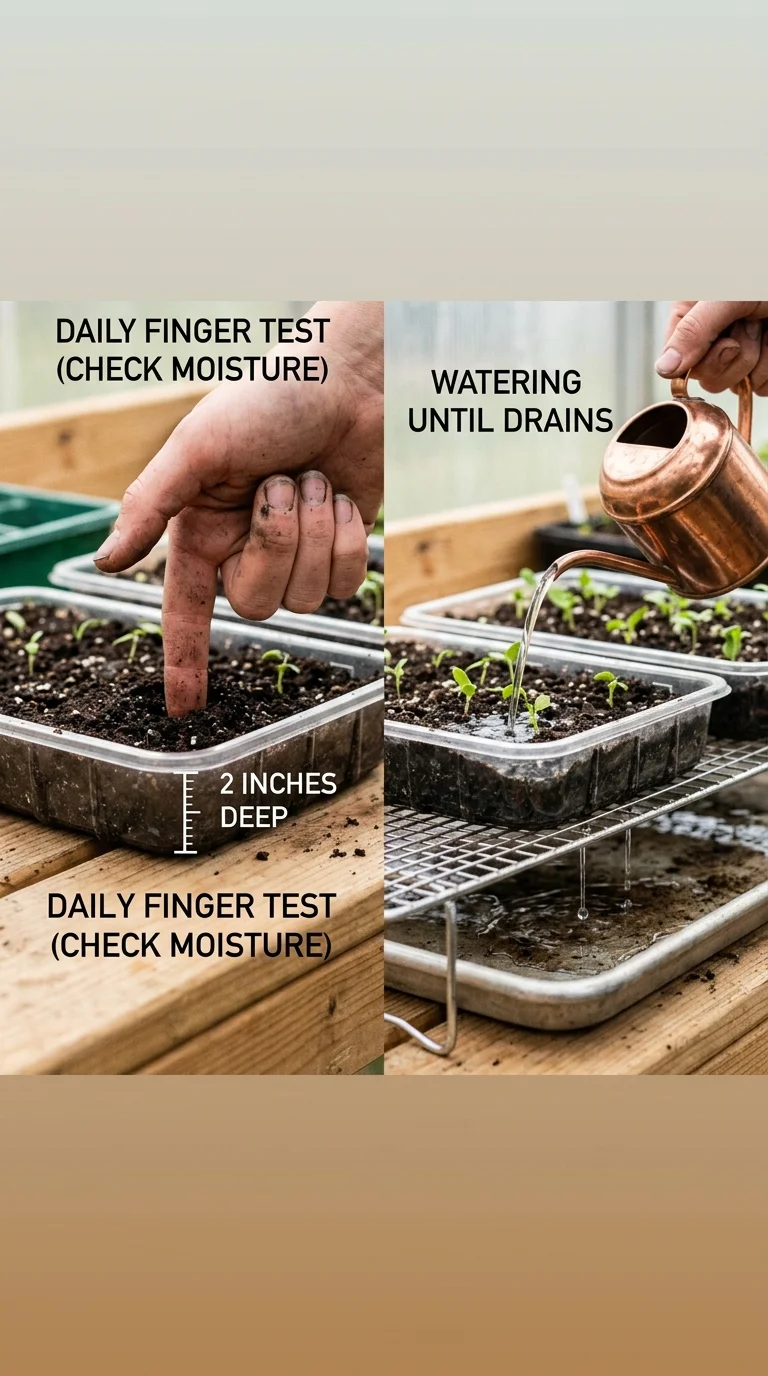
3. Watering daily but lightly. Daily sprinkle wets top inch leaves roots shallow stressed. Gentler way: Water deeply 1 inch/week in one or two long soaks, mulch 3 inches straw. Stick finger 2 inches down; if dry, time. See how often to water vegetables.
4. Skipping mulch. Bare soil crusts, dries, invites weeds that overwhelm by July. Gentler way: Mulch pathways and between rows after seedlings 3 inches tall. Straw is cheap, keeps cool moist, turns compost by next year.
5. Harvesting too timidly. Waiting to pick zucchini or cucumbers big, then plant stops. Gentler way: Harvest small and often. Pick zucchini 6–8 inches, cucumbers before yellowing, beans before bulge. Plant reads harvest as cue to keep producing.
6. Feeding all crops same. Beans/peas need no extra nitrogen; lettuce/kale love it. Gentler way: Start compost for everyone, side-dress leafy crops lightly after month if pale. Heavy feeders (tomatoes, zucchini, cucumbers) appreciate balanced organic at flowering.
Small Spaces and Containers Count Too
No bed at all? Sunny patio 6 hours sun can grow half this list in containers. Lettuce and spinach thrive window boxes, bush beans and basil 5-gallon pots, cherry tomatoes and peppers any large container with potting mix daily water, radishes even 6-inch deep trough. Use potting mix not garden soil, add compost, water daily in heat. Start with 3 containers not 15, expand after first balcony salad.
Troubleshooting Quick Checks
Seedlings leggy and pale: Not enough light — move to sunniest spot, thin crowded seedlings.
Leaves yellow lower first: Likely hunger or overwater — check drainage, feed compost if stunted.
Bitter lettuce/cucumber: Usually water stress or heat — water even, mulch, harvest younger, shade lettuce.
Carrots forked/small: Soil too compact/stony or not thinned — loosen 12 inches, thin to 2 inches.
Tomatoes cracked: Inconsistent water after dry spell — water even, mulch, pick at breaker stage.
Beans no pods: Too much nitrogen or heat — stop high-N feed, ensure pollinators, keep water even.
A Note on Confidence
The point of a beginner garden is not perfection. It is a first harvest you grew yourself — snap of bean, cool crumb of cucumber, peppery bite of radish minutes before lunch. Grow five crops from this list this year not fifteen, grow them well. Use fast ones (radish, lettuce) for quick wins while slower (tomatoes, peppers) catch up. Keep notebook: when sowed, thinned, first harvested. Next year that notebook is worth more than any catalog, because it is written in your soil, your light, your seasons.
You do not need a green thumb. You need a forgiving first row — and you just found fifteen.
Keeping a Garden Notebook That Actually Helps
I keep a cheap spiral by the door, not an app, because it survives dirt and rain. One line per sowing: date, variety, where. One line per thin or transplant. One line per first harvest with a tiny taste note — lettuce bitter after hot week or Provider beans sweet even at 6 inches. That note does more than any book next year because it is your microclimate, your soil, your shade pattern. By winter you have a map that knows you. Even a photo once a week from the same corner — phone on the fence post — tells you how light shifted and where the crowded patch was you forgot to thin.
A notebook also keeps you from repeating variety mistakes. I note early Gypsy pepper ripe Aug 5 even cool June or late heirloom never colored. Next February you order what actually fed you, not what catalog photographed prettiest.
Frequently Asked Questions
Q: What is the easiest vegetable for beginners to grow?
A: Lettuce and radishes share the crown. Lettuce germinates in 3 to 7 days, can be cut-and-come-again for weeks, even thrives with just 4 hours sun — perfect for shady corner or window box. Radishes are fastest at 25 days with almost no pests and a crisp unmistakable harvest that gives instant proof of success. Grow both side by side for speed and steady salads.
Q: What vegetables give the highest yield for beginners?
A: For abundance per plant, zucchini, cucumbers, and cherry tomatoes are hard to beat and all beginner-forgiving. Single zucchini can produce 8 to 12 pounds summer, trellised cucumber 8 to 10 pounds crisp fruits, one cherry tomato staked can yield 12 to 15 pounds long season. Trick is harvesting small often — pick zucchini 6 to 8 inches, cucumbers before yellowing, cherries as they color.
Q: When should beginners start a vegetable garden?
A: Start cool not hot. Sow peas, lettuce, spinach, radishes 2 to 4 weeks before last frost — they germinate cool and tolerate light frost, low-risk early start. Wait until after frost danger and soil at least 60°F (65°F peppers) before tomatoes, zucchini, cucumbers, peppers — about 2 weeks after last frost. Two-wave start means radishes salads in 30 days while warm crops settle, no gap.
Q: Can beginners grow vegetables in containers?
A: Absolutely. Lettuce, spinach, Asian greens, herbs, radishes in window boxes; bush beans, cherry tomatoes, peppers, beets in 5-gallon buckets with potting mix. Use potting mix not garden soil, enrich compost, water daily in heat since containers dry fast. Start with 3 pots rather than 15 — even one cherry tomato can give bowlful every few days.
Related Articles
- Easiest Vegetables to Grow
- Fast-Growing Vegetables You Can Harvest Quickly
- How to Start a Vegetable Garden: Step-by-Step
- Vegetable Garden Layout Ideas
- How Often to Water Vegetables
- How to Prepare Soil for Planting
Sources & References
- University of Minnesota Extension - Growing Vegetables for Beginners
- Cornell Cooperative Extension - Vegetable Varieties for Home Gardens
- Iowa State University Extension - Horticulture and Home Pest News
- Old Farmer’s Almanac - Beginner’s Vegetable Garden Guide
- Royal Horticultural Society - Grow Your Own Vegetables