I’ll never forget the summer I built three new raised beds and made every classic mistake in one go — proudly, efficiently, all at once. I used the cheapest bulk soil I could find, filled only 8 inches because “it looked full enough,” stepped right into the middle to plant because the bed was 5 feet wide, watered lightly every evening after work, and skipped mulch because I liked the look of bare dark soil.
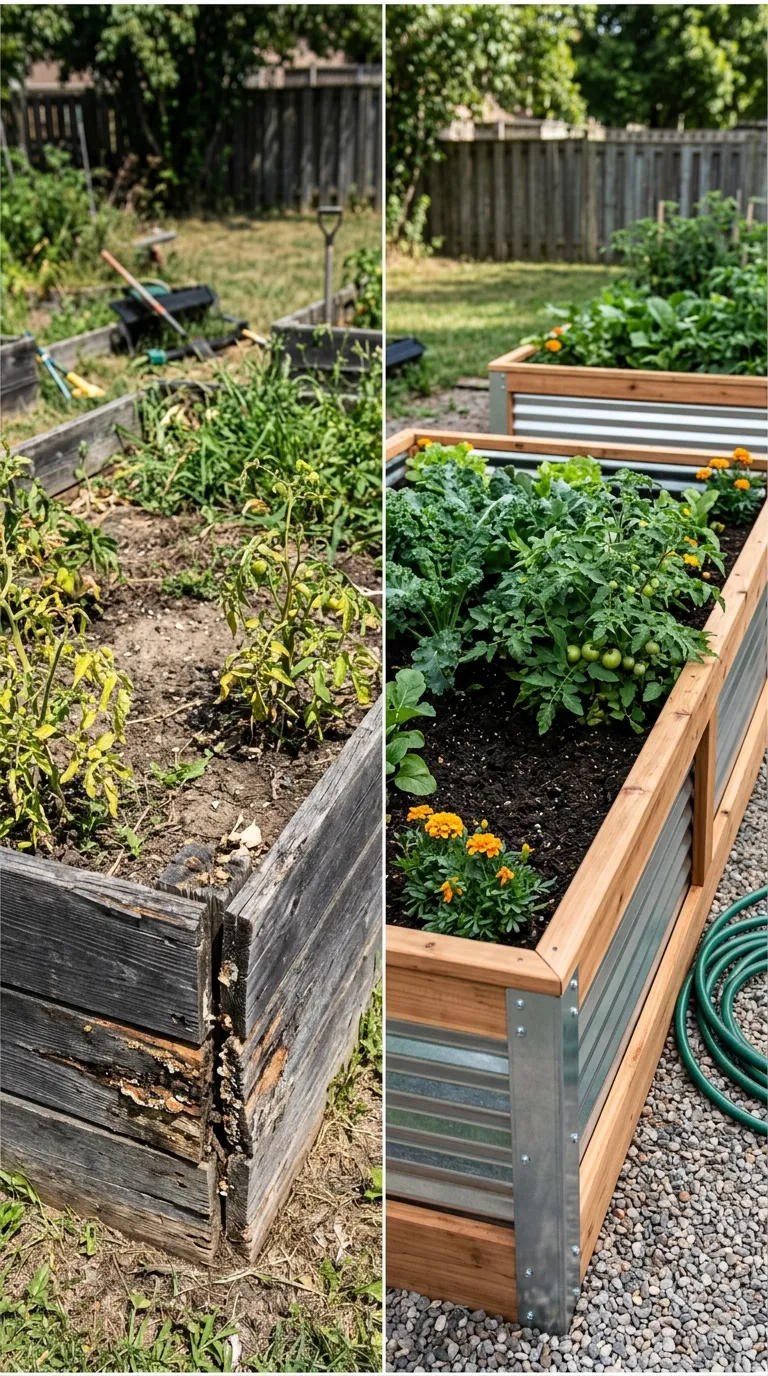
The result was a beautiful, expensive, underperforming rectangle. Lettuce bolted, carrots forked at 3 inches where they hit compacted subsoil, tomatoes yellowed, and by August the soil line had dropped 5 inches and the whole bed was weeds. It looked like gardening, but the soil was telling a different story: compacted, shallow, hungry, and thirsty underneath.
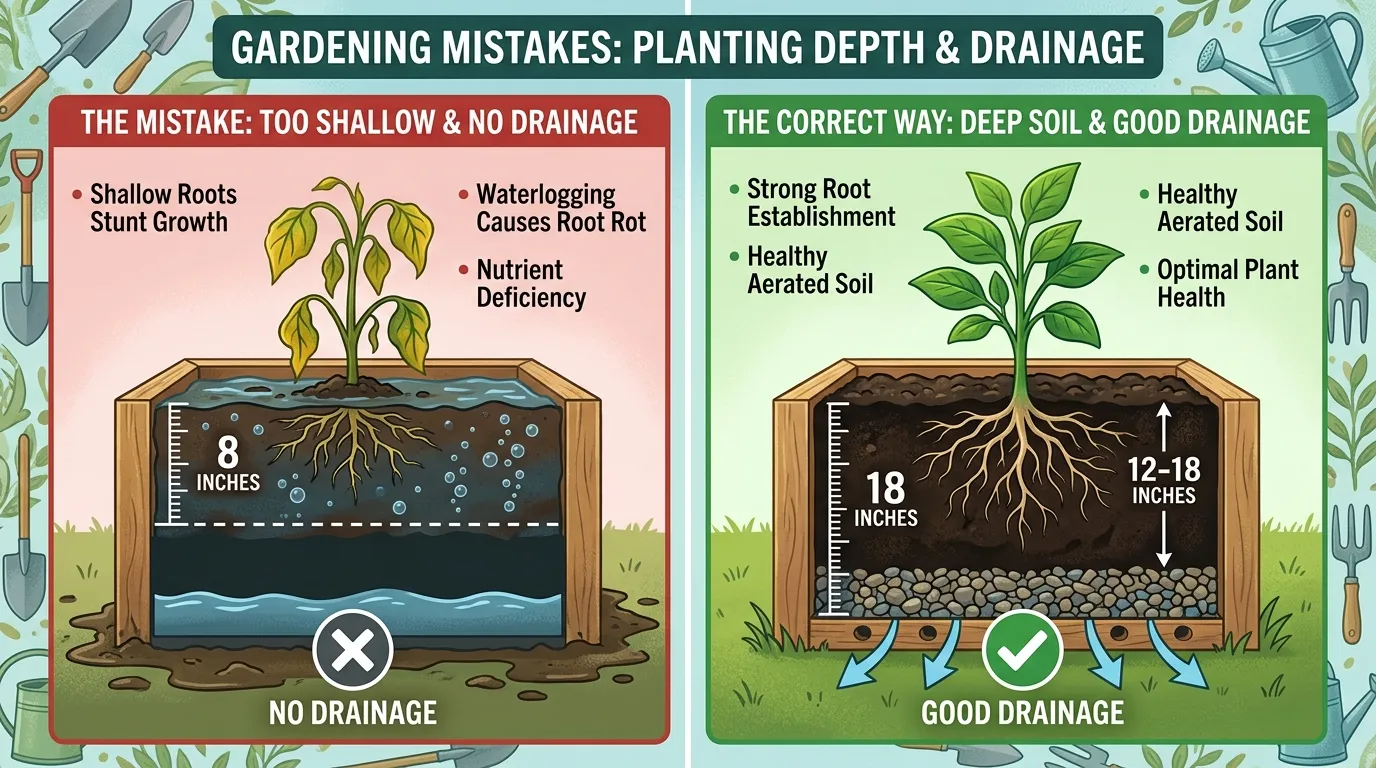
The next year I fixed one bed — properly deep, 60/30/10 loam, right-sized, mulched, paths beside not inside — and that single corrected bed outgrew the other two combined. Raised beds are wonderfully forgiving, but they’re not magic boxes. They amplify whatever you put in them, good or bad. Avoid these ten mistakes, and you skip the two-year learning curve I paid for with sore knees and small harvests.
Quick Answer: Avoid these 10 raised bed mistakes: 1) wrong soil (use 60% topsoil/30% compost/10% perlite), 2) too shallow (12–18″ needed), 3) too wide (>4 ft) so you step on soil, 4) walking on beds (compaction), 5) no mulch (bare soil dries/crusts), 6) bagged wood-heavy mix, 7) light daily watering vs. deep soak, 8) crowding tomatoes, 9) skipping pH test, 10) letting soil settle without topping up. Fix these and yields typically rise 1.5–2× with half the weeding and watering stress.
At a Glance: 10 Mistakes & Quick Fixes
| # | Mistake | What You See | Fix |
|---|---|---|---|
| 1 | Wrong soil — 100% compost or garden soil | Soggy then crusty, bed sinks 4″, yellow stunted plants | 60/30/10 loam (topsoil/compost/perlite) |
| 2 | Too shallow (6–8″) | Forked carrots, tiny tomatoes, dries in a day | 12″ min, 15–18″ for roots/tomatoes |
| 3 | Too wide (>4 ft) | You step inside to reach middle | Keep 4×8 ft or 3×6 ft max width |
| 4 | Walking / kneeling on soil | Compacted footprints, poor drainage | Paths beside, never step where you grow |
| 5 | No mulch / bare soil | Crust, weeds, moisture gone in a day | 3″ straw after seedlings 3″ tall |
| 6 | Cheap bagged wood-heavy mix | Pale, woody, nitrogen-starved yellow leaves | Bulk screened loam + compost, add perlite |
| 7 | Light daily sprinkles | Blossom end rot, cracking, bitter cukes | Deep soak to 6–8″, then wait till top 2″ dry |
| 8 | Overcrowding | Disease, tiny fruit, no airflow | Tomato 18–24″, use trellis north side |
| 9 | Never testing pH | Yellowing, poor fruit despite feeding | Test every 2 years, keep 6.0–7.0 |
| 10 | Ignoring settling | Soil 4″ below rim by August | Water in lifts at build, top up yearly with 60/30/10 |
Mistake #1: Filling With the Wrong Soil (The Costliest Error)
This is the mistake that sinks budgets and harvests.
What goes wrong:
- 100% garden soil / topsoil alone: Compacts in an isolated box without deep earthworm channels. After two rains it sets, drains poorly, and roots sit in airless mud.
- 100% compost: Looks rich but holds too much water in spring, bakes to a hard crust in summer, and decomposes to half its volume by fall — your bed literally disappears. It also lacks mineral grit and trace elements.
- 100% potting mix: Too light, blows, dries insanely fast on hot days, and costs 2–3× more than needed. It’s for pots.
I’ve seen all three sold as “raised bed soil.” None is loam.
The fix — 60/30/10 loam:
60% screened topsoil (structure) + 30% finished compost (life) + 10% coarse perlite (air), pH 6.0–7.0. Blend on a tarp by bucket (6 + 3 + 1), fill in 6-inch lifts watering to settle. It feels like a wrung-out sponge — moist, crumbly, earthy. This holds ~1 inch water for a week yet drains within hours and stays airy even after a downpour.
If you already filled wrong: top-dress with the missing component and fork gently into top 8 inches, then mulch and top up with correct blend. A pure compost bed gets topped with topsoil + perlite; a dense topsoil bed gets compost + perlite forked in.
See best soil for raised beds and DIY soil mix.
Mistake #2: Building Too Shallow (6 Inches Is a Lettuce Box, Not a Garden)
What goes wrong: A 6–8-inch box dries in a day, heats and cools wildly, and stops roots cold. Carrots fork at 3 inches, potatoes deform, tomatoes stall because they can’t anchor or find even moisture. You water twice as often for half the harvest.
The fix:
- 12 inches: Minimum for beans, peppers, bush cucumbers, lettuce.
- 15–18 inches: Ideal for tomatoes, squash, carrots, beets, potatoes — anything that roots deep or fruits heavily.
My rule: one 18-inch deep bed outgrows two 10-inch beds. Depth buffers temperature and holds moisture at 6–8 inches where roots drink. If you can’t afford full depth everywhere, build one deep bed well and add shallows later for herbs.
On clay or hardpan, don’t dig down into infertility — build up. Cardboard over sod, frame, fill. Earthworms will incorporate below over seasons.
Mistake #3 & #4: Building Too Wide and Walking Where You Grow
These two travel together.
What goes wrong: A 5-foot-wide bed looks generous in the driveway. In the garden, you can’t reach the middle without stepping in. One footstep compacts loam you just paid to make airy — it crushes perlite pockets and worm channels. After a season of kneeling inside, drainage fails and growth stalls in the center.
The fix:
- Width: 4 feet max if you can access both long sides; 3 feet if against a wall or fence. 4×8 feet is the classic because you reach 2 feet from either side without strain.
- Paths: 18–24 inches wide beside beds, mulched or gravel. You walk there, never inside.
- Already too wide? Lay a stepping stone or narrow plank temporarily to distribute weight, but plan to divide the bed next season or narrow it.
I learned to test width before filling: sit the empty frame where it will live, stand on the path, and see if you can comfortably touch the center with a cultivator. If you have to lean in, it’s too wide.
Mistake #5: Leaving Soil Bare (No Mulch)
Bare dark soil looks tidy. It’s actually dying in the sun.
What goes wrong: Without mulch, that inch of weekly water evaporates in a day, soil crusts, temperature swings 20°F between day and night, and weeds colonize every inch of fluffy loam. Microbes that need dark and moisture retreat.
The fix: Mulch 2–3 inches with straw, shredded leaves, or untreated grass clippings after seedlings are 3–4 inches tall. Don’t mulch tiny seedlings — they’ll be smothered. Once established, mulch keeps soil 10°F cooler in July, halves watering, suppresses weeds, and slowly becomes humus.
Replenish when you see bare soil. After harvest, don’t leave beds naked through winter — mulch 3 inches or sow cover crop like crimson clover or oats. Cover crop roots stitch soil open even when you’re not planting.
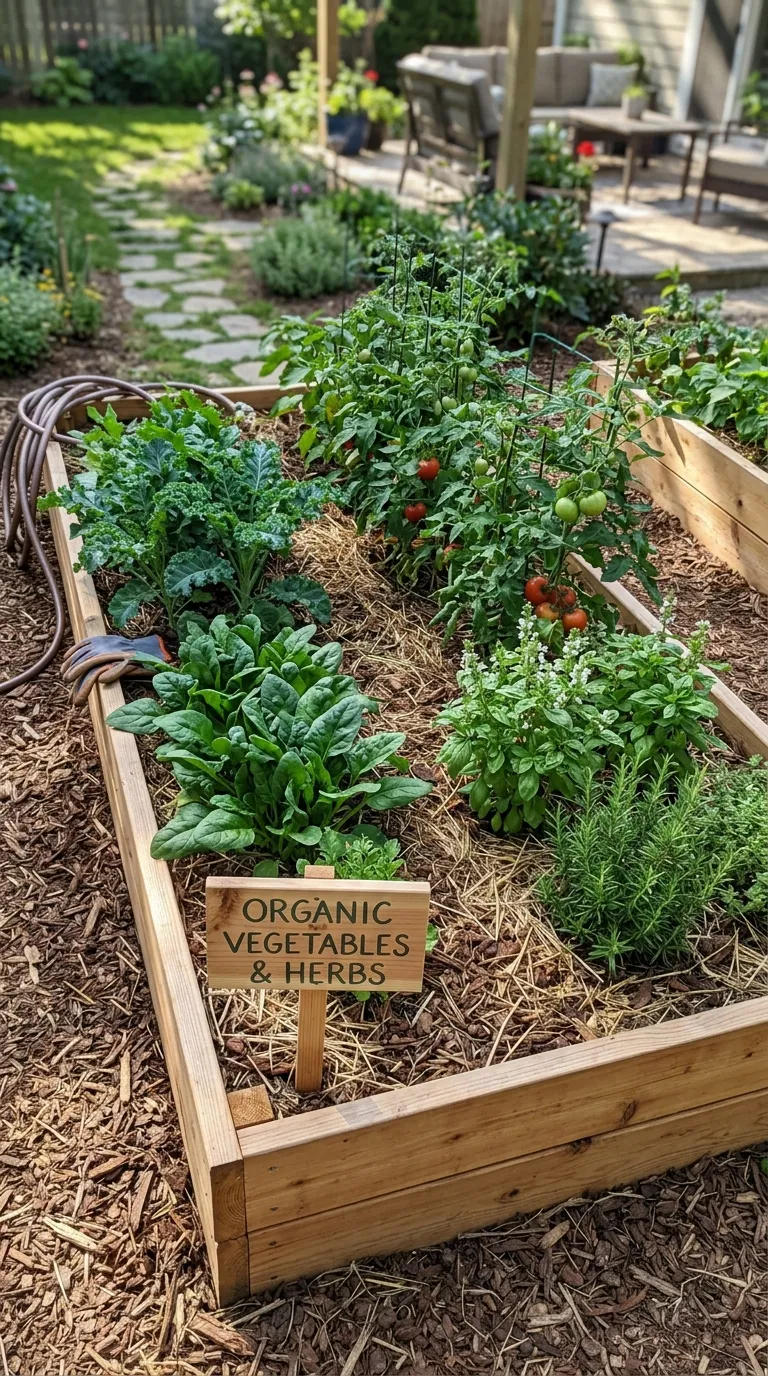
Mistake #6: Buying Cheap Wood-Heavy Bagged Mix
What goes wrong: Many bagged “raised bed mixes” are 50–70% composted wood fines or bark at loam price. They look dark but are pale and fluffy dry, rob nitrogen as wood decomposes (yellow, stunted plants), and shrink dramatically. You pay premium for what is essentially mulch.
The fix: Buy bulk screened loam + finished compost by the cubic yard from a landscape supplier and add 10% perlite yourself. It costs 40–60% less and quality is consistent. Ask for “screened loam, fully composted compost.” Bagged composted cow manure or mushroom compost from reputable brands is fine — but as the 30% portion, not 100%.
Quick bench test: open a bag, smell sour/woody vs. earthy, and squeeze wet — true loam holds a ball then crumbles; wood-heavy mix barely holds and feels spongy.
See raised bed soil mix for the bucket math.
Mistake #7: Watering Lightly Every Day (The Sprinkle Trap)
This is the most common watering mistake I see, even in good beds.
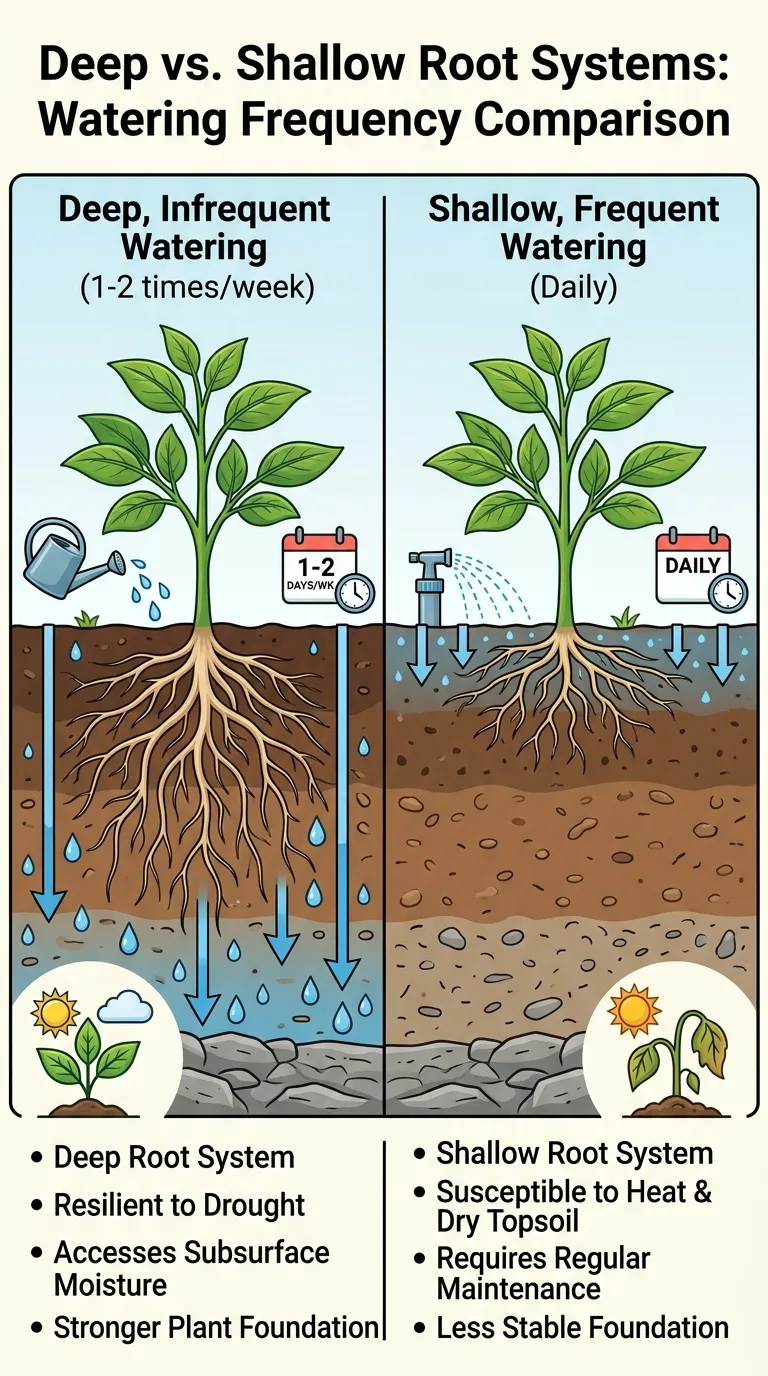
What goes wrong: A light evening sprinkle wets the top inch, evaporates by noon, and encourages shallow roots. Tomatoes develop blossom end rot (calcium uptake fails with wet-dry swings), cucumbers turn bitter and misshapen, lettuce turns bitter. Raised beds need deep moisture, not daily sips.
The fix:
- Water deeply at the base mornings: Soak until a trowel shows moisture 6–8 inches down. That may be 1–1.5 inches of water at once.
- Then wait until top 2 inches are dry before watering again — typically every 3–7 days with 3-inch mulch, not daily. In heat waves, check daily but water only when needed.
- Mulch is what makes this schedule forgiving — it holds that inch for a week.
- Use soaker hose or watering wand at soil level, not overhead sprinklers that wet leaves and invite mildew.
I keep a cheap wooden chopstick as a dipstick: push 6 inches, pull, feel dampness. It’s more honest than a calendar.
Mistake #8: Crowding Plants (Tomato Jungle)
We all do it — six tomato seedlings look small in May. By July they’re a humid jungle.
What goes wrong: Crowded tomatoes mean no airflow, rampant disease (early blight, septoria), tiny fruit, and you can’t reach to harvest. Crowded roots compete for water and nutrients, so everyone is mildly starved.
The fix:
- Tomatoes: 18–24 inches for determinate, 24–36 for indeterminate, cage or stake at planting. One row per 4-foot bed, not two.
- Vertical north-side trellis: Put peas or cucumbers on a trellis along the north edge — they grow up, not over, so they don’t shade the bed.
- Interplant smartly: Fill between young tomatoes with fast radishes or lettuce that harvest before shading — then mulch. Don’t fill with more tomatoes.
Airflow is yield. If you can’t pass a hand between plants without rustling leaves, it’s too tight.
Mistakes #9 & #10: Skipping pH Tests and Ignoring Settling
Never Testing pH
What goes wrong: pH drift is invisible until leaves yellow between veins (alkaline) or fruit fails and blossom end rot appears (acidic). You add fertilizer that can’t be taken up because nutrients are chemically locked outside 6.0–7.0. Two years of puzzling yellowing often traces to pH 5.2.
The fix: Test every 2 years via extension ($15–25). Keep 6.0–7.0. Lime to raise (fall), sulfur to lower (per lab rate, not guess). Yearly compost top-dress buffers pH toward neutral naturally.
Ignoring That Beds Settle
What goes wrong: New beds sink 3–5 inches the first year as air pockets collapse and compost decomposes. If you don’t top up, depth shrinks back to shallow, roots lose room, and you’re back to mistake #2.
The fix: Water in lifts at building to settle correctly (6″, water, 6″, water). Then top-dress 1–2 inches compost each spring and top up with 60/30/10 when the line drops >2″ below rim. Don’t top with pure compost — you’ll skew the ratio. Keep rim lip 1–2 inches above soil to hold mulch.
Bonus Short List: Four More Small Mistakes That Cost Big
Using old CCA-treated lumber or MDF: Greenish pressure-treated before 2004 may contain arsenic; MDF swells and crumbles. Use cedar, modern ground-contact treated (ACQ), or metal.
Forgetting sun and hose proximity: A bed in 4 hours sun grows lettuce but not tomatoes. Put edible beds where they get 6–8 hours and within hose reach — you’ll actually water them.
Tilling wet soil or over-tilling dry. Tilling clay wet smears it into pottery; pulverizing loam dry destroys crumb and makes crust. Fork gently with broadfork if needed; otherwise just top-dress compost.
Letting the bed sit empty. Bare loam between crops loses moisture and invites weeds. Sow succession immediately — pull lettuce, sprinkle 1/2 inch compost, sow radish — or cover crop.
Seasonal Checklist to Stay Out of Trouble
| Season | Do | Avoid |
|---|---|---|
| Fall | Test pH if due; add lime/sulfur; build/fill beds 60/30/10 in lifts; mulch 3″ or cover crop | Leaving beds bare, filling with cheap wood fines |
| Late Winter | Order bulk loam/compost early; check compost maturity | Buying on impulse at garden center sale without reading label |
| Spring | Top-dress 1–2″ compost, broadfork only if needed, plant at correct spacing, mulch after 3″ | Stepping in beds, sowing too thick, watering lightly daily |
| Summer | Deep soak when top 2″ dry, keep mulch 3″, trellis north side, side-dress per test only | Overcrowding, overhead watering evenings |
| After Harvest | Top up settling with 60/30/10, sow cover or mulch | Letting soil sit naked, replacing all soil yearly |
Troubleshooting: Quick Rescue
Bed stays soggy days after rain: Mix too dense or fabric trapping water. Fork in coarse perlite (to 15% lower half), ensure open bottom, reduce watering frequency.
Dries in a day: Too sandy or perlite too high, or no mulch. Mulch 3″ straw, add compost/coco coir on next top-up, reduce perlite to 5–10%.
Yellowing despite feeding: Check pH first, then drainage. If pH 6.0–7.0 and draining, side-dress balanced organic per test; if outside, correct pH before fertilizing.
Carrots forked, bed is 12″: You hit subsoil or stones. Next fill, fork native soil 6″ below frame to break hardpan and sieve for stones before planting.
If You’ve Already Made Them — You’re Not Alone
Every good gardener has made most of these. The beauty of raised beds is they’re forgiving to fix — you don’t have to reclaim an acre, just a box. Add the missing perlite, deepen the bed, pull back bare soil under straw, space that tomato row out, and watch the same bed that struggled last July breathe and produce this July.
Start with one bed corrected fully — 16–18 inches, 60/30/10, right width, mulched, deep water — and keep a second bed as it was. By August you won’t need me to tell you which system to use next.
Deep Dive: Five More Expensive Mistakes & Fixes
Mistake 11: Wrong Wood or No Liner Thinking
Old CCA green lumber pre-2004 may leach arsenic; interior MDF swells. Use cedar, ACQ modern treated, or metal. Liner not needed for open bottom - drainage is automatic; on concrete, landscape fabric or cardboard prevents soil loss but still drains.
Mistake 12: Forgetting Sun & Hose Distance
Bed in 4-hour sun grows lettuce not tomatoes. Map sun 9am-5pm for two days before building. Place within 25 ft of hose spigot or you will water half as often as needed - especially for raised beds that dry faster.
Mistake 13: No Plan for Succession
Empty after lettuce = weeds. Plan succession at build: pull lettuce -> sprinkle 1/2 inch compost -> sow radish/beans; pull peas -> transplant fall kale. One bed can do 3 crops/year.
Mistake 14: Treating Raised Beds Like Containers (Over-fertilizing)
Raised beds are not pots - yearly compost often suffices. Over-fertilizing pushes leaves not fruit and salts build. Feed per soil test, side-dress heavy feeders at bloom only, light feeders (beans/peas) nothing beyond compost.
Mistake 15: Letting the Bed Sit Empty Through Winter
Bare winter soil erodes, compacts under rain, loses life. Mulch 3 inches straw or sow oats/crimson clover after harvest. In spring, that mulched soil is dark, wormy, and ready - bare soil needs weeks to recover.
Quick Diagnostic Walk (5 Minutes Weekly)
- Lift mulch corner: moist 6 inches down? If dry, deep soak.
- Check pH strip yearly, lab every 2 years.
- Look for crowding: hand between plants without rustling? If not, thin.
- Soil line 2 inches below rim? If 4 inches low, schedule top-up with 60/30/10.
- Weeds before they seed: pull when 2 inches, not 12.
Fixing one bed fully - 16-18 inches, 60/30/10, 4 ft wide, mulched, deep water - teaches more than reading five guides. Do one, compare to old bed August, and you will rebuild the rest with confidence.
Reader Rescue Stories
Jamie’s Soggy Bed (Seattle): Clay topsoil + pure compost sank 6 inches and stayed wet. Fix: forked in 15% coarse perlite lower half, crowned bed 2 inches, straw mulch. Next season carrots straight 7 inches.
Luis’s Tiny Tomatoes (Texas): 8-inch shallow metal bed on concrete dried daily in 100F. Fix: rebuilt to 16 inches, added coir/compost heavy, mulch 3 inches, shade cloth 30% over greens. Yield tripled.
Mara’s Crowded Jungle (Ohio): 6 tomatoes in 4x8 jungle = blight. Fix: 4 tomatoes 24 inches + north trellis cucumbers + lettuce edges. Airflow solved, fruit doubled.
Your bed is fixable in one afternoon - soil is forgiving.
Tool Kit for Avoiding Mistakes
- 5-gal bucket measure, blue tarp, broadfork, rake, straw bale, pH kit, 4-ft level, soaker hose, row cover + hoops.
Total $100-150 one-time, pays back first harvest.
When to Rebuild vs Amend
Amend if: mix close but depth 10-12 inches or pH off 0.5 - top-dress and fork. Rebuild if: pure compost/wood fines, depth 6 inches, or CCA lumber - replace mix and frame. Vegetables will thank you immediately.
Do not throw away bad mix - spread it as path mulch or add topsoil/perlite to rebalance.
Printable One-Page Checklist
Copy this onto an index card and tape inside your shed.
- Sun mapped (9am, noon, 4pm) - 6-8 hrs for fruiting, 3-4 for greens
- Soil test every 2 years - pH 6.0-7.0, organic matter 4-8%
- Bed depth 12-18 inches, width 4 ft max, never walk inside
- Mix 60/30/10 topsoil/compost/perlite blended on tarp, filled in 6-inch lifts watered
- Compost 1-2 inches yearly top-dress, not till
- Mulch 3 inches straw after 3 inches tall, replenish when bare
- Water deeply to 6-8 inches, then wait till top 2 inches dry (chopstick test)
- Thin on time: carrots 2 inches, lettuce 8 inches, tomatoes 18-24 inches
- Succession sow every 10-14 days for greens/radishes
- Cover crop or mulch any bed empty >1 week
- Log pH, compost, varieties, harvest notes each season
Next Steps & Related Reads
If this article helped, these build directly on it:
- Best Soil for Vegetable Gardens - the full 60/30/10 loam explanation
- How to Improve Garden Soil - 10 easy ways to build loam over seasons
- Best Soil pH for Vegetables - testing and adjusting pH 6.0-7.0
- Raised Bed Soil Mix - DIY recipe with bucket math and sourcing
- Best Soil for Raised Beds - ideal ratio, depth and maintenance
- When to Plant Vegetables - timing by frost date and succession
A Final Note From My Garden
I still keep the first carrot that grew straight after I fixed soil - it dried on the windowsill, crooked in the way memory is, reminding me that good gardening is not about being perfect the first time.
It is about noticing what soil is telling you - the smell after rain, the way water drains, the worms that appear when you mulch - and responding with one small, steady habit at a time.
You do not need a perfect garden this season.
You need one bed, one handful of compost, a pH strip, and the willingness to kneel a little longer and watch.
Soil will do the rest.
It always does, if we let it.
Quick Troubleshooting Reference
| Symptom | Likely Cause | Quick Fix |
|---|---|---|
| Yellowing lower leaves | Nitrogen leached or pH low | Top-dress 1 inch compost, test pH, feed per test |
| Yellow between veins | High pH iron lock or soggy roots | Test pH, add sulfur if >7.5, improve drainage |
| Stunted, purple tinge | Low phosphorus / acidic pH | Lime per test, ensure 6.0-7.0, even water |
| Wilting despite moist soil | Root rot from compaction/soggy | Broadfork when moist, add perlite, mulch, stop overwatering |
| Forked carrots | Shallow/stony/compacted soil | Deepen to 18 inches, sieve stones, thin to 2 inches |
| Bolting lettuce bitter | Heat + inconsistent water | Shade afternoon, water evenly, harvest young |
| No fruit set | pH off, overcrowding, heat | Test pH 6.0-7.0, space 18-24 inches, hand-pollinate |
Year-One Success Plan
Month 1: Test pH, build or amend one bed 60/30/10 12-18 inches, mulch path. Month 2: Sow succession greens/radishes, trellis north side peas/cucumbers. Month 3: Deep water to 6 inches, keep mulch 3 inches, thin ruthlessly. Month 4: Side-dress heavy feeders only if test says, harvest outer leaves, log notes. Fall: Top-dress 1-2 inches compost, test pH if due, mulch 3 inches or cover crop.
Consistency beats intensity. One bed done right teaches the system.
Variety Spotlight: My Top 3 For Beginners
If overwhelm hits, start with these three — forgiving, high reward, and they teach you the habits.
- Lettuce ‘Salad Bowl’ - cut-and-come-again, shade tolerant, 30 days to first snip.
- Carrot ‘Chantenay’ - short, sweet, forgives shallow beds a bit, straight in 60/30/10.
- Tomato ‘Celebrity’ or Pepper ‘Gypsy’ - determinate/bush, heavy in 12-18 inch loam, caged early.
Grow these well and you have learned 80% of vegetable soil and water rhythms.
What I Wish I Knew Earlier
Soil work looks like nothing - spreading compost, tucking straw - but it is everything. The bed you feed in October feeds you in July. Mulch is not decoration, it is moisture insurance. pH is not chemistry class, it is the key that unlocks the pantry. And thinning feels ruthless until you taste the uncrowded harvest.
Start small, be consistent, and let soil teach you season by season.
Frequently Asked Questions
Q: What is the biggest mistake with raised beds?
A: Filling with the wrong soil — pure garden soil, pure compost, or wood-heavy bagged mix sold as raised bed soil. These compact, stay soggy then crust, shrink 30% and starve plants of air and steady moisture. The reliable fix is 60% screened topsoil for structure, 30% finished compost for life and water-holding, and 10% coarse perlite for permanent air, blended evenly on a tarp, filled 12–18 inches deep and watered in lifts so it settles correctly without foot compaction.
Q: Why are my raised bed vegetables not growing well?
A: Stunting usually means shallow depth, compacted or soggy soil from walking on beds or wrong mix, inconsistent light watering causing blossom end rot, crowding that blocks airflow, or pH outside 6.0–7.0 locking nutrients. Give 12–18 inches of 60/30/10 loam, keep beds 4 feet wide so you never step inside, mulch 3 inches straw, water deeply to 6–8 inches then wait till top 2 inches dry, space tomatoes 18–24 inches and test pH every two years.
Q: How often should you water a raised bed?
A: Water deeply at the base until a trowel shows moisture 6–8 inches down, then don’t water again until the top 2 inches feel dry — typically every 3–7 days with 3 inches of straw mulch. Daily light sprinkles wet only the top inch, encourage shallow roots and cause blossom end rot, cracking and bitter cucumbers from wet-dry swings. Morning watering with a soaker or wand, plus mulch, reduces frequency by half and keeps roots cool and even.
Q: Do you need to replace raised bed soil every year?
A: No, and you shouldn’t. Good 60/30/10 loam improves yearly as compost, worm channels and fungal networks build. Each spring top-dress 1–2 inches of finished compost and rake lightly into the top inch, and top up settling (normal 2–3 inches yearly) with the same 60/30/10 blend to preserve ratio. Replace soil only if contaminated, severely depleted or diseased. Otherwise yearly compost and mulch maintain fertility and structure for a decade.
Related Articles
- Best Raised Bed Soil Mix
- Best Soil for Raised Beds
- Best Soil for Vegetable Gardens
- 15 Best Vegetables for Raised Beds
- Raised Bed Gardening: Setup & First Planting Guide
- How to Improve Garden Soil
Sources & References
- University of Minnesota Extension — Raised Bed Gardening — https://extension.umn.edu/yard-and-garden
- Iowa State University Extension — Horticulture — https://hortnews.extension.iastate.edu/
- Oregon State University Extension — Raised Beds — https://extension.oregonstate.edu/gardening
- Royal Horticultural Society — Raised Beds — https://www.rhs.org.uk/soil-composts-mulches