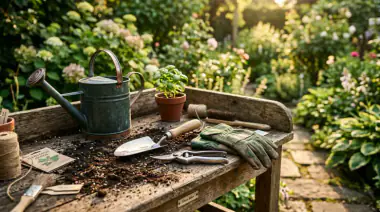
Best Garden Tools for Beginners: 12 Essential Picks
The best garden tools for beginners, from trowels to pruners. Covers the essential gardening tools you actually need, and what to skip.
Choose the right tools, use them correctly, and keep them clean so they last and spread less disease.
A small set of good tools beats a large set of bad ones. A garden does not need specialist equipment — it needs a trowel that fits your hand, a pair of snips that make a clean cut, and a watering can you can control.
What matters most is condition, not cost. A dull blade tears plant tissue and invites disease, and dirty tools spread problems from plant to plant without you noticing. Ten minutes of maintenance at the end of a season is what keeps tools working.
This is currently the thinnest section on the site. It covers selection, pruning shear choice and cleaning well.
Prioritise a trowel, hand fork, pruners, a watering can and a pair of gloves. Choose steel over plastic for anything cutting or digging, and pick a trowel with a handle that suits your grip rather than the cheapest option.
The best garden tools for beginners, from trowels to pruners. Covers the essential gardening tools you actually need, and what to skip.
Bypass and anvil shears are different tools for different jobs, and choosing wrong makes pruning frustrating. Bypass makes the clean cut live wood needs; anvil handles thicker dead stems.
Bypass vs anvil pruning shears - which to choose for stems, roses & shrubs? Get our 2026 buyer's guide, sharpening & care tips.
Clean tools after every use and you prevent most tool-borne disease, prevent rust, and keep cutting edges sharp. It is the highest-return five minutes in garden maintenance.
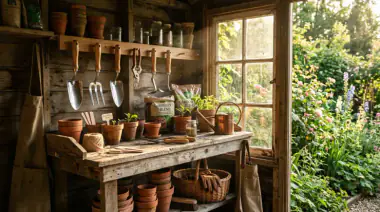
Learn how to clean garden tools properly - remove rust, sharpen blades & sanitize to stop disease spread. Quick 10-minute routine after every use.
A hand trowel, a hand fork, bypass pruners, a watering can with a fine rose, and a pair of gloves. That covers planting, weeding, pruning and watering — the full range of routine work. Add a fork and a rake only once you are growing enough to justify them.
Bypass for anything living — they make a precise scissor cut that heals cleanly, which is what you need for roses, shrubs and fruit. Anvil for dry, dead, thicker stems, because the anvil crushes the stem as it cuts. Most gardeners only ever need bypass.
Clean and dry them after use, and wipe the blade with a light coat of oil before storing. Store them somewhere dry rather than in a damp shed, and never leave them buried in soil or lying in grass, which is what causes most rust.