I still remember the first fall I actually planted on purpose. It was early September, the tomatoes were tired and splitting, and I was supposed to be “putting the garden to bed.” Instead, I knelt in the cooling soil with a packet of spinach and a handful of radish seeds, because my neighbor Mara — who had gardened the same half-acre for thirty years — leaned over the fence and said, “Honey, fall is the second spring. You’re missing it.”
She was right. That little late sowing became the most tender, sweet harvest I’d grown all year. The air smelled like woodsmoke and damp earth, the light turned golden and low, and those greens came up fast in warm soil but matured in cool, crisp nights. No flea beetles. No bolting lettuce turning bitter overnight. Just quiet, steady growth.
If spring is exuberant and a little chaotic, fall is thoughtful. Cooler, calmer, and — for so many vegetables — downright sweeter. Literally. Cold nudges starches to become sugars. That’s why a carrot pulled after a light frost snaps like candy, and why kale after a chilly night tastes almost nutty. Fall isn’t leftovers. It’s the main event for cool-season crops.
Quick Answer: Plant these 20 vegetables 6–10 weeks before your first frost for a sweet, cold-hardy fall harvest: spinach, kale, lettuce, arugula, Swiss chard, collards, mustard greens, carrots, beets, radishes, turnips, parsnips, scallions, garlic, onions (sets), peas, broccoli, cauliflower, cabbage, and Brussels sprouts. Most germinate best when soil is 50–75°F and thrive as nights drop to 40–60°F. Sow fast crops every 2 weeks and cover tender seedlings with row cover if a hard freeze threatens.
At a Glance: 20 Fall Vegetables by Speed & Frost Tolerance
| Vegetable | Days to Harvest | Frost Tolerance | Sow Method | Why It Shines in Fall |
|---|---|---|---|---|
| Radish | 21–30 | Light frost | Direct sow | Fastest reward, crisp and mild in cool soil |
| Lettuce (leaf) | 30–45 | Light frost | Direct or transplant | No bolting, tender and sweet |
| Arugula | 30–40 | Light frost | Direct sow | Peppery but less bitter in cool |
| Spinach | 35–45 | Hardy to 20°F | Direct sow | Sweeter after frost, overwinters in many zones |
| Mustard Greens | 30–45 | Light frost | Direct sow | Spicy-sweet, frost mellows heat |
| Swiss Chard | 45–55 | Light frost | Direct or transplant | Glossy stems, holds for weeks |
| Kale | 50–60 | Hardy to 15°F | Direct or transplant | Sweetens deeply after frost |
| Collards | 60–80 | Hardy to 10°F | Transplant | Best flavor after cold |
| Carrots | 55–70 | Hardy | Direct sow | Sugary, crunchy after frost |
| Beets | 50–60 | Light frost | Direct sow | Roots + greens double harvest |
| Turnips | 45–55 | Light frost | Direct sow | Mild and tender vs. spring |
| Parsnips | 100–120* | Very hardy | Direct sow | *Plant late summer, harvest after frost |
| Scallions | 50–60 | Hardy | Direct sow | Quick onion flavor, cold hardy |
| Garlic | 240 (harvest next summer) | Very hardy | Plant cloves | Plant fall for biggest bulbs |
| Onions (sets) | 60–80 (as scallions) | Hardy | Sets | Overwinter for early spring harvest |
| Peas (snap/snow) | 55–65 | Light frost | Direct sow | Sweet in cool, fades in heat |
| Broccoli | 55–70 | Light frost | Transplant | Tight beads, no heat stress |
| Cauliflower | 55–70 | Light frost | Transplant | Whiter, milder in cool |
| Cabbage | 70–90 | Hardy to 25°F | Transplant | Dense heads, stores well |
| Brussels Sprouts | 85–100 | Hardy to 15°F | Transplant | Sweetest after frost |
*Parsnips and Brussels sprouts are long-season fall stars — start them in mid-summer for fall-winter harvest.
Why Fall Beats Spring for So Many Crops
Fall gardening flips the script. Instead of racing warming soil and sudden heat waves, you start with warm soil that seeds love, then let cool air do the ripening. That inversion solves the three biggest frustrations of spring.
Warm Soil, Cool Air: The Perfect Swap
In spring, you wait for soil to warm while air stays chilly. In fall, soil is already 65–75°F from summer — perfect for germination — and air slowly cools to the 50–65°F sweet spot where leafy greens and roots are crisp, not stressed. Seeds pop in 3–7 days instead of 14, and seedlings grow steadily without legginess.
I sow spinach in late August when soil still feels warm to my palm, and it carpets the bed in ten days. The same spinach sown in cold March sulks for three weeks.
Pests Quiet Down
Flea beetles, cabbage worms, aphids — their peak is July. By September, pressure drops dramatically. You’ll still see an occasional cabbage moth fluttering, but row cover is barely needed for greens. I’ve harvested flawless arugula in October that was lace-like in June.
Frost Is a Flavor Tool, Not Just a Threat
Light frost (29–32°F) is not the enemy for kale, carrots, spinach, parsnips, and Brussels sprouts. Cold triggers those crops to stash sugars as antifreeze. The result: carrots that snap and taste like they were sugared, kale that loses its bitter edge and turns almost buttery. Hard frost (below 28°F) or a deep freeze (below 25°F) will damage lettuce and peas, so we cover or harvest ahead — but that first kiss of frost? That’s seasoning.
Timing: How to Count Backward From Frost
This is the only math fall gardening requires, and it’s forgiving.
Step 1: Find your first expected fall frost date (your local extension or almanac lists it by zip). Mine in Zone 6 is about October 15.
Step 2: Look at days to maturity on the packet. Add 7–14 days for the slower growth of shortening days. So a 45-day lettuce is really 52–59 days in fall.
Step 3: Count backward from frost. If lettuce needs 55 days and frost is Oct 15, sow by August 21. Fast radishes at 25 days can still be sown September 20.
My succession trick: I sow every 10–14 days in small bands — a 3-foot row, not the whole bed — so harvest stretches for two months instead of glutting at once. The last sowing of spinach in early October often overwinters under straw and gives me the earliest greens in March, before spring sowing even germinates.
If you’re late? Use transplants for broccoli, cabbage, and cauliflower from a nursery. They’ve already banked 4–5 weeks, so you cheat the clock honestly.
The 20 Vegetables: What to Plant and How to Love Them
Leafy Greens That Love a Sweater (7 Must-Grows)
1. Spinach. The queen of fall. Sow 1/2 inch deep, 2 inches apart, and thin to 4 inches. It germinates best at 50–70°F — cooler than summer. Keep it consistently moist for 7–10 days. I mulch lightly with straw after seedlings are 3 inches tall to keep soil cool and moist. Harvest outer leaves at 4 inches. Savoy types like ‘Bloomsdale’ turn even sweeter after 28°F. Overwinter under row cover for March picking.
2. Lettuce (leaf, butterhead, romaine). Spring lettuce bolts; fall lettuce lingers. Sow shallow (1/4 inch) and keep damp — lettuce needs light to germinate. Thin to 8–10 inches for heads, or cut-and-come-again at 4 inches. Shade cloth for the first week if days are still above 80°F helps germination immensely. Varieties like ‘Winter Density’ and ‘Rouge d’Hiver’ are bred for cold.
3. Arugula. Fast, peppery, and far mellower in fall than in heat. Sow 1/4 inch deep, harvest at 3 inches for baby greens or 6 inches for a bigger bite. Succession every 2 weeks. If it does get nippy, it just gets better.
4. Kale (curly, lacinato, Red Russian). Kale is the vegetable that makes you believe in frost magic. Direct sow or transplant 12–18 inches apart. It tolerates 15°F and sweetens with each chilly night. I pick low leaves first and let the center crown keep producing until snow. ‘Winterbor’ and ‘Lacinato’ are workhorses.
5. Swiss Chard. Glossy, jeweled stems that hold in light frost when lettuce quits. Sow 1/2 inch deep, 6 inches apart, thin to 10 inches. One sowing in August carries through November with row cover. ‘Bright Lights’ is as pretty as it is productive.
6. Collards & 7. Mustard Greens. Southern classics that belong in every fall garden. Collards need space (18 inches) and time (60–80 days) but reward with huge, tender leaves that are infinitely better after a frost or two. Mustards are quicker (30 days for baby) and their mustardy punch softens in cool. Both love compost-rich soil and steady water — drought makes them tough.
Roots That Get Sweeter Underground (6 for Fall)
8. Carrots. My favorite fall root. Warm soil lets them germinate in 7–10 days vs. 21 in spring, but they need even moisture — I cover the row with a board for 5 days to keep it damp, checking daily. Thin mercilessly to 2 inches; crowded carrots stay spindly. ‘Bolero’ and ‘Napoli’ are bred for cold sweetness. Mulch heavily after tops are 6 inches; pull through winter in zones 6–7.
9. Beets. Two harvests in one: smooth roots and earthy greens. Sow 1/2 inch deep, 3 inches apart. Keep soil moist; dry spells cause woody beets. I harvest at golf-ball size for tenderness — bigger isn’t better. ‘Detroit Dark Red’ and golden ‘Touchstone’ both shine in fall.
10. Radishes. Instant gratification. Sow 1/2 inch deep, 1 inch apart, thin to 2 inches. Ready in 21–30 days. In cool, they stay crisp and mild instead of pithy-hot. ‘French Breakfast’ and ‘Watermelon’ are my go-tos. Sow a pinch every 10 days until 3 weeks before frost.
11. Turnips. Underrated. Fall turnips are mild and buttery, not sharp like spring. ‘Hakurei’ salad turnips can be eaten raw like apples at 1.5 inches. Sow direct, thin to 4 inches. Greens are a bonus sauté.
12. Parsnips. The patience crop. Sow in late July–early August (they need 100+ days) and harvest after a hard frost — cold is mandatory for their honeyed flavor. Soak seeds overnight; germination is slow (14–21 days). Thin to 4 inches. They’ll hold in ground all winter under mulch.
13. Scallions (bunching onions). No bulbing, just fresh onion flavor in 50–60 days. Sow 1/4 inch deep, thickly, and harvest at pencil thickness. ‘Evergreen Hardy White’ overwinters easily and gives you the first onion taste in early spring.
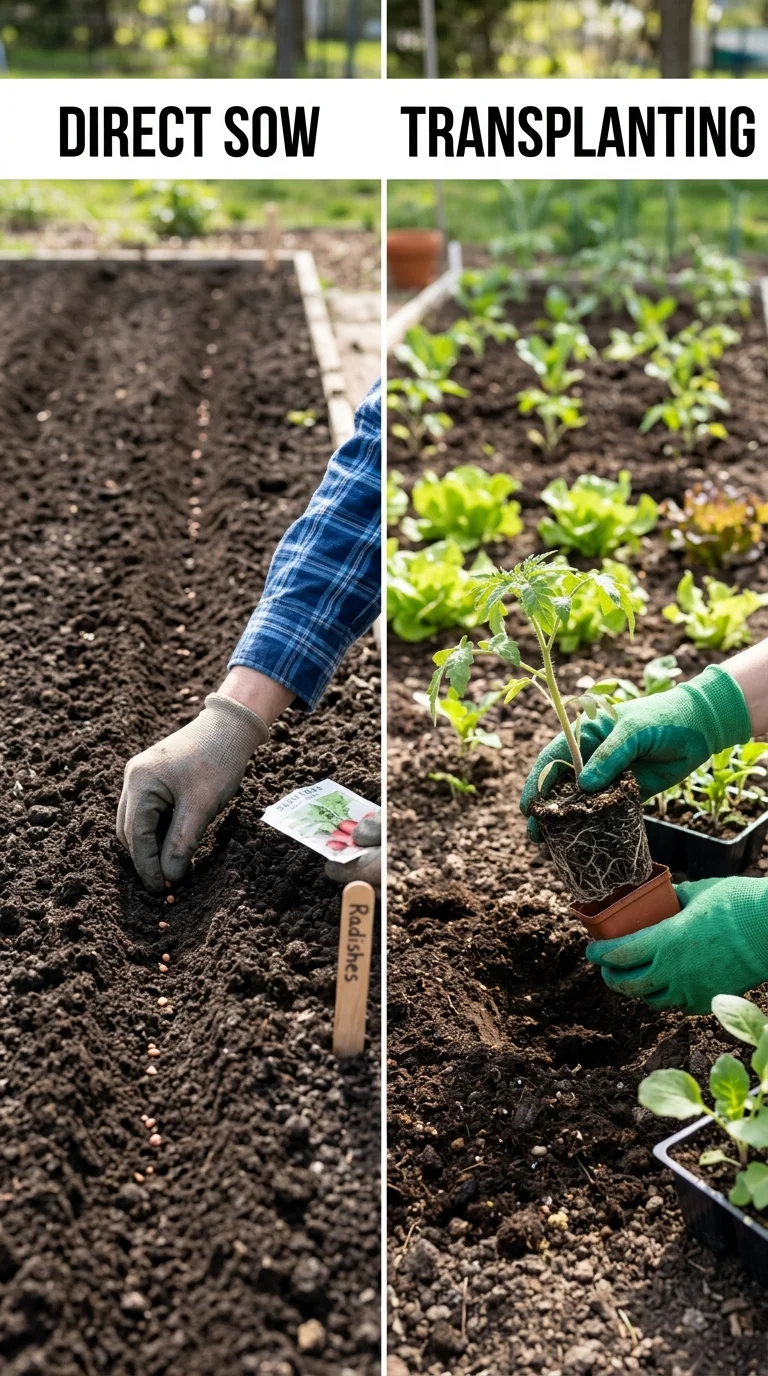
The Brassica Family: Cool’s Biggest Fans (5)
Brassicas struggle in summer heat but are impeccable in fall: tight heads, no bitterness, and far fewer worms.
14. Broccoli. Use transplants for fall — you gain a month. Space 18 inches, feed with compost at planting, and water evenly; stress causes tiny, premature heads. Side shoots will keep coming for weeks after the main head. Row cover from day one keeps cabbage moths off without spray.
15. Cauliflower. The diva becomes easy in fall’s even cool. Transplant 18 inches, keep consistently moist, and when the head is 2–3 inches, tie outer leaves over it (blanching) for snow-white curds. Fall’s cool prevents the ricing that heat causes.
16. Cabbage. Needs a bit more time (70–90 days) so transplant by mid-summer for fall heads. 18–24 inches apart, steady water. Dense heads store for months in a cool garage — I still have ‘Storage No. 4’ in January.
17. Brussels Sprouts. The longest wait and worth it. Start in early summer, transplant 24 inches apart, and top (pinch) the growing tip in early September to push energy into sprouts. They sweeten after frost; I don’t even harvest until nights hit 28°F.
18. Garlic (bonus) & Onions. Plant garlic cloves pointy-up, 2 inches deep, 6 inches apart, 4–6 weeks before ground freezes — it roots in fall, sleeps through winter, and bulbs big next July. Onion sets planted in early fall can be harvested as scallions in late fall or overwintered for early bulbs.
The Cool-Season Legume: Peas
19–20. Peas (snap & snow) — plus a pea trick. Yes, peas in fall. Sow 1 inch deep, 2 inches apart, with a trellis. They germinate in warm soil but flower in cool — 55–65 days. Pick a fast, enation-resistant variety like ‘Sugar Snap’ or ‘Oregon Sugar Pod.’ Inoculate seeds if you didn’t grow peas before; it boosts nitrogen fixing. If a hard freeze is forecast before pods fill, cover with a blanket overnight — peas handle 28°F but not 25°F.
Soil Prep: Five Minutes That Pay Back Double
Fall beds still hold summer compaction and spent fertility. I don’t till. I top-dress.
-
Clear and compost. Pull spent crops, add them to compost unless diseased, then spread 1–2 inches of finished compost over the bed. That’s your fertilizer for most fall crops — no extra feeding needed except for heavy brassicas (side-dress with compost tea or granular organic at 4 weeks).
-
Loosen, don’t flip. A broadfork or garden fork cracked 8 inches down restores air without exposing weed seeds. Rake smooth.
-
pH 6.0–7.0. Fall is ideal for a quick test. Most vegetables are happy at 6.2–6.8. If you’re low, lime now works by spring.
-
Warm up for germination if needed. If days are still hot and lettuce won’t sprout, shade the row with a board or shade cloth for 3–4 days, or start indoors and transplant.
-
Mulch after establishment. I mulch leafy beds with straw at 2–3 inches once seedlings are 3 inches tall. For root crops, I wait until tops are 6 inches, then mulch to keep soil cool and moist and to make winter pulling clean.
Deep dive: See best soil for vegetable gardens and how to improve garden soil.
Watering, Light & Row Cover: Fall’s Three Levers
Water deeply, less often. Fall beds dry slower than August, but seeds still need even moisture to germinate. I water daily with a gentle shower for the first 7–10 days until emergence, then back off to deeply twice a week. Mulched beds hold an inch of water for a week.
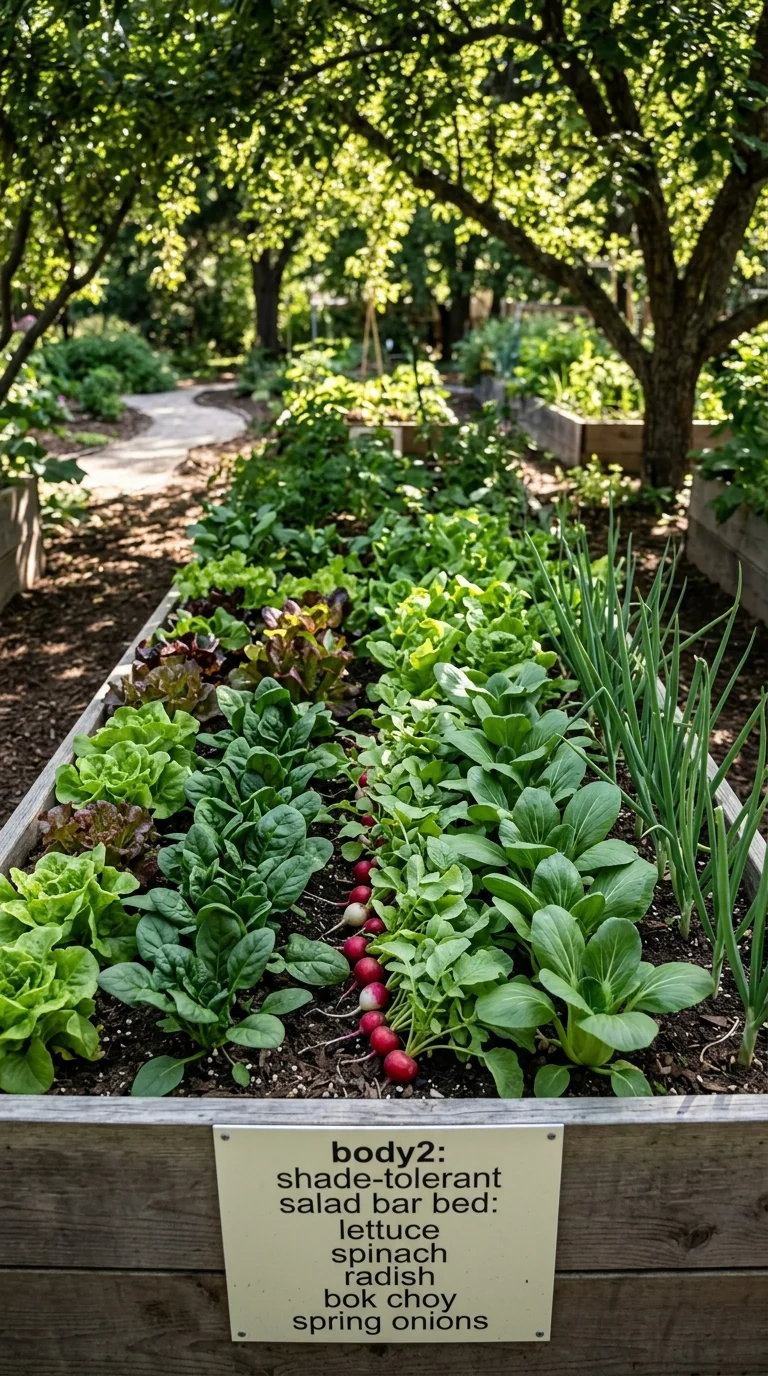
Light is sufficient. Most fall crops want 6 hours of sun, but leafy greens manage with 4–5 as days shorten — unlike fruiting summer crops that sulk. That shady bed that failed tomatoes can be perfect for lettuce and spinach in September.
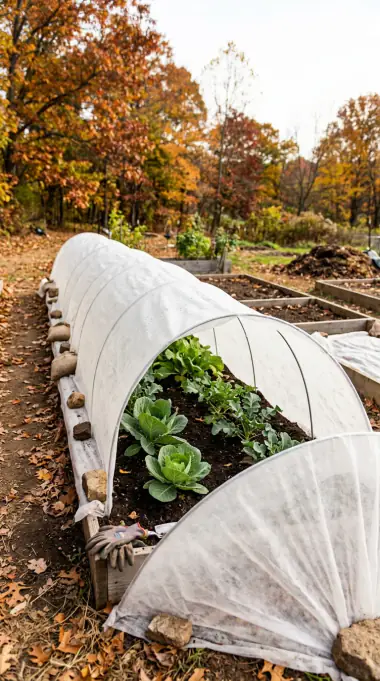
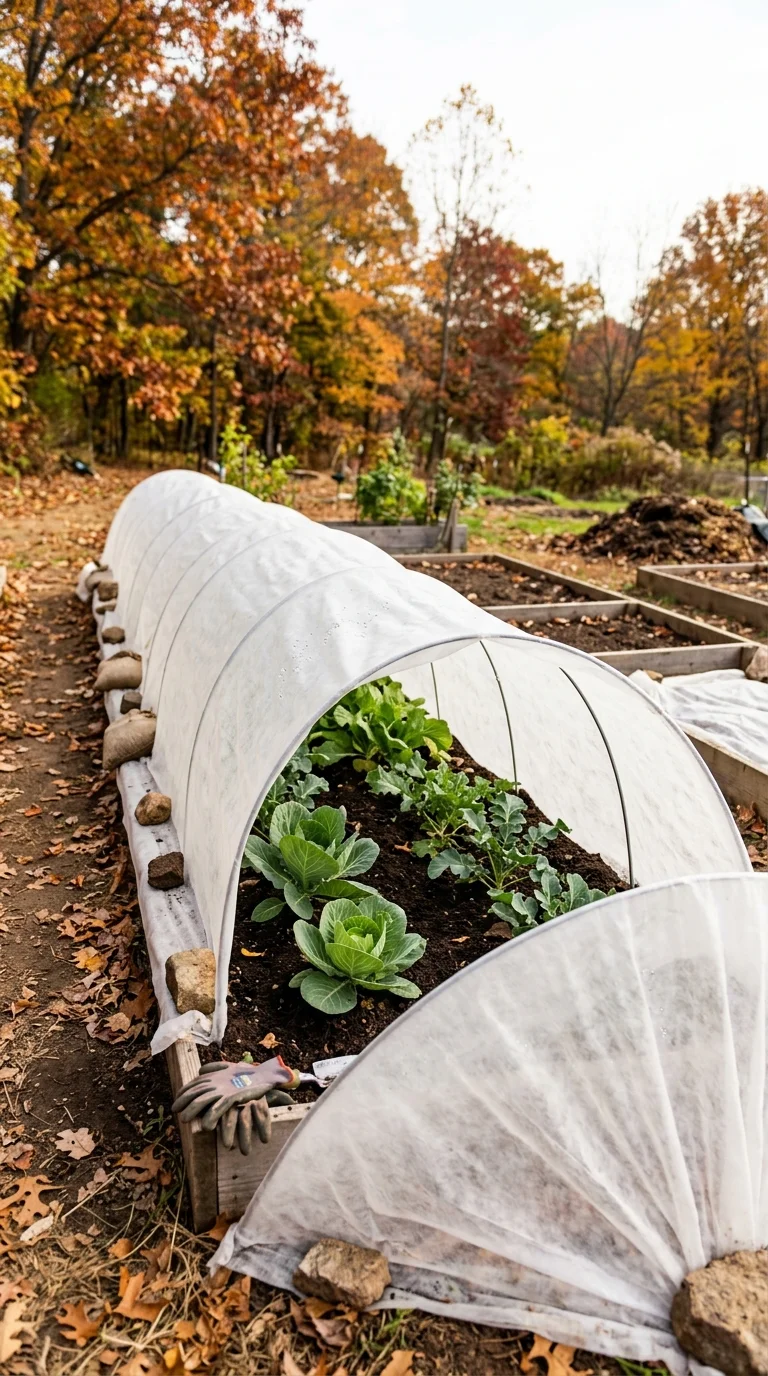
Row cover is your time machine. A lightweight floating row cover (AG-19) adds 4–6°F and blocks wind, turning a late October night from crop-ender to non-event. I keep a 10×20-foot piece and a handful of hoops; it takes 5 minutes to throw over lettuce or peas when frost threatens. For brassicas and kale, I leave it on all fall — caterpillar-free and a week earlier.
Common Mistakes That Cost the Fall Harvest
Sowing too late without adjusting for shorter days. The packet says 45 days, but late September days give less light, so growth is 20% slower. Sow a week earlier than you think, or use transplants. I calendar-sow two weeks earlier than math says and succession anyway.
Letting seeds dry out on top. Warm soil crusts fast. Lettuce and carrots especially need damp surface until sprouted. Cover carrots with a board, mist lettuce twice a day for 3 days, and use shade cloth in a heat wave.
Planting heat-lovers instead of cool-lovers. Bush beans and cucumbers won’t mature if sown after mid-August in most zones; they need heat to set fruit. Save those for spring-summer and give fall to greens, roots, and brassicas.
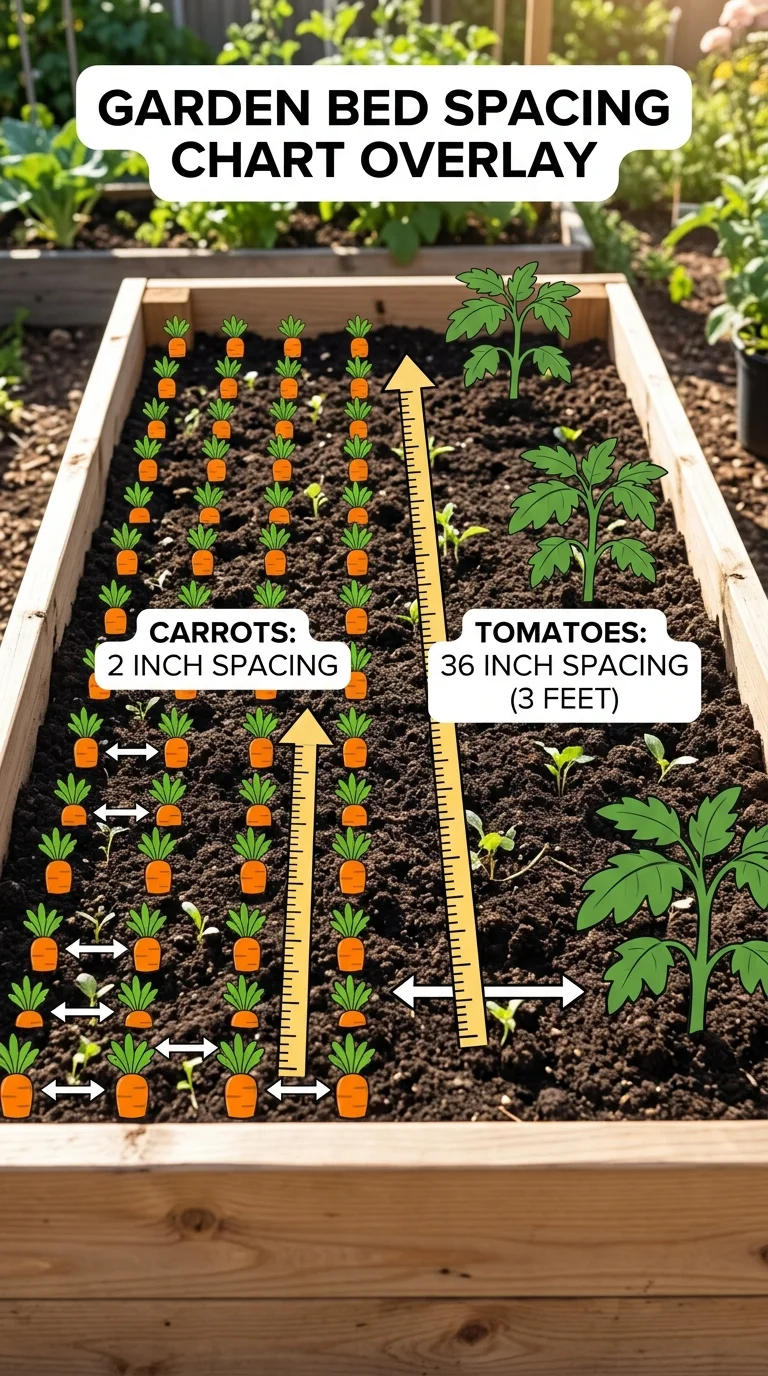
Crowding. Fall plants still need airflow to prevent downy mildew in cool damp nights. Thin carrots to 2 inches, lettuce to 8 inches, brassicas to 18 inches, even if it feels ruthless.
Forgetting to feed brassicas. Greens and roots thrive on compost alone, but broccoli and cabbage are hungry. Side-dress with compost or balanced organic fertilizer when heads begin to form, or they’ll stall at small.
Leaving beds bare. Bare soil in fall erodes, crusts, and loses warmth. Mulch or sow a cover crop like crimson clover after harvest — your spring soil will be dark and ready.
Seasonal Calendar: Sow & Harvest Timeline (Zones 5–8)
Adjust two weeks earlier for cold zones, two weeks later for warm.
| Window | Sow / Transplant | Harvest Begins |
|---|---|---|
| Late July–Early Aug | Brussels sprouts (transplant), parsnips (direct), carrots, beets, cabbage | — |
| Mid-Aug | Broccoli, cauliflower (transplant), kale, collards, chard, peas | Radish (from late July sowing) |
| Late Aug–Early Sep | Spinach, lettuce, arugula, mustard, turnips, scallions, radish succession | Lettuce & arugula baby greens |
| Mid-Sep | More lettuce, spinach, radish, garlic (late month) | Carrots, beets, peas, chard |
| Late Sep–Early Oct | Garlic, overwintering onion sets, final radish | Spinach, kale, turnips, broccoli |
| Oct–Nov | Overwinter spinach under cover | Kale, carrots (with mulch), Brussels sprouts after frost, parsnips |
In Zone 9–10, shift everything 4–6 weeks later; in Zone 4, shift 3–4 weeks earlier and rely on row cover.
Troubleshooting: Why Fall Crops Struggle (and Quick Fixes)
Seeds won’t germinate in heat. Lettuce is thermo-dormant above 75°F. Chill seeds 24 hours in the fridge, sow in evening, cover with shade cloth, and keep moist. Or start indoors at 65°F.
Seedlings leggy and pale. Not enough light as days shorten, or sown too thickly. Thin aggressively, ensure 6 hours sun, or move to a sunnier bed. Leggy brassicas transplant deeper — bury stem to first leaves.
Bitter greens, tough roots. Usually heat or drought stress, or waiting too long to harvest. Pick in morning when cool, water evenly, and harvest roots at 1–2 inches for best texture.
Black, mushy seedlings (damping off). Overwatering in cool, still air. Water morning only, improve airflow by thinning, and avoid working wet soil.
Brassicas not heading. Too late planting or nitrogen stress. Transplant earlier next year, side-dress with compost, and ensure consistent water. Small heads can still be harvested as delicious shoots.
Carrots forked or stubby. Compacted soil or not thinned. Loosen 12 inches deep before sowing, remove stones, and thin to 2 inches. Raised beds guarantee straight roots — see raised bed soil mix.
Harvest & Storage Tips So Fall Keeps Feeding You
Pick in the cool of morning when leaves are turgid and roots are crisp. Greens hold best washed, spun dry, and stored in a loose bag in the crisper with a dry paper towel — 7–10 days easily.
Roots store in damp sand in a cool garage or root cellar: carrots, beets, turnips, and parsnips for 2–4 months at 32–40°F and high humidity. Kale and Brussels sprouts can be left in-ground under straw and harvested through winter in zones 6+ — they’re sweeter for it.
Freeze what you can’t eat: blanch kale, chard, and broccoli 2 minutes, ice bath, dry, and bag. Fall’s lower pest pressure means they freeze cleaner and hold color beautifully.
A Quiet Fall Ritual Worth Keeping
Now my fall garden is the one I look forward to most. Late August, I make tea, pull the compost tote, and walk the beds with seed packets in my apron pocket. I sprinkle spinach where the cucumbers were, tuck kale between the pepper stumps, board the carrot row for a week, and drape row cover like tucking in a child. There’s no rush, no panic of late frost — just warm soil, cool air, and the promise that when the first frost kisses the leaves, they’ll taste better for it.
Plant a little, even if your spring was imperfect. A 3-by-6-foot patch of spinach and radishes will give you salads when the grocery lettuce is tired and expensive. And if you have space for a small raised bed, fall is the kindest time to fill it — soil settles over winter and is perfect by spring.
Your winter self will thank you when you’re still pulling carrots after Thanksgiving.
Deep Dive: Variety Picks That Sweeten Most After Frost
Choosing the right cultivar multiplies fall magic.
Leafy Picks
- Spinach: ‘Bloomsdale Long Standing’, ‘Giant Winter’, ‘Tyee’ - savoy types hold frost sweetest, smooth ‘Space’ for fast baby leaves.
- Kale: ‘Winterbor’ (curly, 15F hardy), ‘Lacinato’ (buttery after frost), ‘Red Russian’ (tender, rosy veins).
- Lettuce: ‘Rouge dHiver’ (cold-tolerant red), ‘Winter Density’ (romaine that heads in cool), ‘Salad Bowl’ (cut-and-come-again).
- Arugula & Mustard: ‘Astro’ arugula (mild), ‘Mizuna’ and ‘Osaka Purple’ mustard (frilly, slow bolt).
Root Picks
- Carrots: ‘Napoli’ and ‘Bolero’ bred for cold sweetness, ‘Thumbelina’ for shallow or containers.
- Beets: ‘Detroit Dark Red’ (classic), ‘Touchstone Gold’ (mellow, less staining).
- Radish: ‘French Breakfast’ (elegant, mild cool), ‘Watermelon’ (sweet, stunning interior).
- Turnip: ‘Hakurei’ (salad turnip, eat raw), ‘Purple Top White Globe’ (stores).
Brassica Picks
- Broccoli: ‘Imperial’, ‘Arcadia’ (cold tolerant), side-shooting types for extended harvest.
- Cauliflower: ‘Snow Crown’ (quick), ‘Amazing’ (self-blanching).
- Cabbage: ‘Storage No. 4’ (winter keeper), ‘Golden Acre’ (early).
- Brussels Sprouts: ‘Hestia’ and ‘Long Island Improved’ - top plants early September for concentrated sprouts.
Plant what you love to eat. One bed of your favorite cold-sweetened carrot beats three beds of crops you steam and forget.
Garlic & Onion Notes
- Garlic: ‘Music’ (hardneck, cold hardy, large cloves), ‘Inchelium Red’ (softneck, braidable).
- Onions: ‘Evergreen Hardy White’ bunching for scallions; ‘Walla Walla’ overwintered for early bulbs in mild zones.
All thrive in that 60/30/10 loam, pH 6.0-7.0, and 3 inches straw after establishment.
Tools, Materials & Protection for Fall
You do not need much.
- Lightweight row cover (AG-19) + hoops: Adds 4-6F, blocks cabbage moths, extends lettuce two weeks. Keep one 10x20 piece folded by the door.
- Shade cloth 30% for germination: Lettuce germinates at 60-70F, not 85F. Drape 3-4 days until sprouted, then remove.
- Board for carrots: Keeps surface damp 5 days after sowing - lift daily to check, remove at first green.
- Straw mulch: Light, clean, easy to pull aside for succession. Avoid hay with weed seeds.
- Soil thermometer: $10 probe. Sow spinach at 50-70F soil, peas at 40-75F, garlic when soil 50-60F.
Budget & Time-Saving Tips
- Buy seeds once, save succession: One packet of spinach sown in three bands 10 days apart feeds longer than three packets sown at once.
- Use transplants to cheat the clock: A $3 broccoli transplant saves 4 weeks vs. seed - worth it if you are late.
- Bulk compost: One cubic yard top-dresses ~150 sq ft 2 inches, far cheaper than bags.
- DIY row cover weights: Old bricks or sand-filled bottles hold cover without buying clips.
Extending Harvest Into Winter
In zones 6-8, fall does not have to end at Thanksgiving.
- Low tunnel: Hoops + 6-mil greenhouse plastic over row cover extends kale/carrots to January.
- Cold frame: Old window over a raised bed keeps spinach alive all winter - vent on sunny days.
- Mulch carrots/parsnips in place: 6 inches straw over carrots lets you pull through winter - sweetness intensifies.
In colder zones, harvest and store: carrots/beets in damp sand at 32-40F, cabbage wrapped in newspaper, Brussels sprouts on the stalk in a cool garage.
Companion & Succession Ideas
- Before fall: Follow cucumbers with spinach, peppers with kale, bush beans with carrots - legumes leave nitrogen for roots.
- Together: Lettuce between broccoli transplants - lettuce harvests before broccoli needs space.
- After fall: Overwinter spinach under straw becomes earliest spring greens; no sowing needed March.
Succession is the real yield multiplier. A 4x8 bed that does lettuce-radish-fall spinach gives three harvests where a one-and-done bed gives one.
Fall Planting Mistakes I Still Catch Myself Making
Even after years, cool-season planting humbles me.
- Sowing into hot dry crust without pre-watering. I now water the row deeply the evening before sowing, then sow into moist soil. Germination jumps from 40% to 90%.
- Forgetting to thin. Fall seedlings look sparse and you hate to pull. Thin anyway. Crowded spinach mildews; thinned stays glossy.
- Harvesting too late. Roots left too long get woody. Pull beets at golf ball, carrots at 6-7 inches, turnips at 2-3 inches for peak sweetness.
- Not labeling successions. I thought I’d remember which row was sown Sept 1 vs Sept 12. I didn’t. Popsicle sticks with dates save confusion.
Micro-Climate Tricks for Late Fall
- South wall: Move a container of lettuce against warm house wall in October - radiant heat adds 5F nights.
- Black barrels: Water-filled black barrels beside low tunnel store daytime heat.
- Interplant tall with short: Kale shelters lettuce from wind - living windbreak.
Harvest Notes: Cutting vs Pulling
Greens: cut outer leaves with scissors, leave center crown. Roots: loosen with fork first, especially in cooling soil, to avoid snapping taproots. Peas/beans: pick every 2 days - the plant stops if you let pods mature.
If You Only Have One Weekend
Sow a 3x6 patch: one third spinach, one third lettuce mixed, one third radish. Water daily 7 days, mulch straw after 3 inches. In 30 days you will be snipping salads when grocery prices spike. Add carrots next weekend along one edge for Thanksgiving pulling.
Printable One-Page Checklist
Copy this onto an index card and tape inside your shed.
- Sun mapped (9am, noon, 4pm) - 6-8 hrs for fruiting, 3-4 for greens
- Soil test every 2 years - pH 6.0-7.0, organic matter 4-8%
- Bed depth 12-18 inches, width 4 ft max, never walk inside
- Mix 60/30/10 topsoil/compost/perlite blended on tarp, filled in 6-inch lifts watered
- Compost 1-2 inches yearly top-dress, not till
- Mulch 3 inches straw after 3 inches tall, replenish when bare
- Water deeply to 6-8 inches, then wait till top 2 inches dry (chopstick test)
- Thin on time: carrots 2 inches, lettuce 8 inches, tomatoes 18-24 inches
- Succession sow every 10-14 days for greens/radishes
- Cover crop or mulch any bed empty >1 week
- Log pH, compost, varieties, harvest notes each season
Next Steps & Related Reads
If this article helped, these build directly on it:
- Best Soil for Vegetable Gardens - the full 60/30/10 loam explanation
- How to Improve Garden Soil - 10 easy ways to build loam over seasons
- Best Soil pH for Vegetables - testing and adjusting pH 6.0-7.0
- Raised Bed Soil Mix - DIY recipe with bucket math and sourcing
- Best Soil for Raised Beds - ideal ratio, depth and maintenance
- When to Plant Vegetables - timing by frost date and succession
A Final Note From My Garden
I still keep the first carrot that grew straight after I fixed soil - it dried on the windowsill, crooked in the way memory is, reminding me that good gardening is not about being perfect the first time.
It is about noticing what soil is telling you - the smell after rain, the way water drains, the worms that appear when you mulch - and responding with one small, steady habit at a time.
You do not need a perfect garden this season.
You need one bed, one handful of compost, a pH strip, and the willingness to kneel a little longer and watch.
Soil will do the rest.
It always does, if we let it.
Frequently Asked Questions
Q: What vegetables can you plant in fall before winter?
A: These 20 are the most reliable before winter: spinach, kale, lettuce, arugula, Swiss chard, collards and mustard greens, carrots, beets, radishes, turnips, parsnips, scallions, garlic, overwintering onions, peas, broccoli, cauliflower, cabbage and Brussels sprouts. Start 6–10 weeks before your first frost, using transplants for slower brassicas. Most tolerate light frost and several — kale, carrots, spinach, parsnips and Brussels sprouts — actually sweeten after 28–32°F, giving you better flavor than spring.
Q: When should you plant fall vegetables?
A: Count backward from your first expected frost date using days to maturity plus 7–14 days for slower fall growth. Fast radishes need only 25 days before frost, lettuce and arugula 35–45, carrots and beets 55–70, and broccoli or cabbage 60–90 as transplants. Succession sow every two weeks so harvest staggers. If you’re late, use nursery transplants and lightweight row cover to add 4–6°F and a precious extra week of growth.
Q: Do vegetables taste better after frost?
A: Many do. Kale, spinach, carrots, parsnips, beets and Brussels sprouts convert starches to sugars in response to cold, which acts like natural antifreeze. A light frost of 29–32°F mellows bitterness, deepens sweetness and improves storage life. Don’t confuse light frost with a hard freeze below 28°F, which damages lettuce, peas and cauliflower. Cover tender crops or harvest before a hard freeze, and leave hardy ones for that sweetest post-frost picking.
Q: Can you plant vegetables in fall if you missed spring?
A: Yes — fall is often more forgiving than spring. Warm late-summer soil germinates seeds in days instead of weeks, cool nights prevent bolting, and pest pressure is much lower. Direct sow into moist, compost-rich soil, keep the surface damp for a week, and mulch once seedlings are 3 inches tall. Most fall crops mature in 30–65 days, giving you a full second season plus overwintered greens if you cover late spinach and scallions with straw or row cover.
Related Articles
- When to Plant Vegetables
- How to Grow Carrots
- How Often to Water Vegetables
- Best Soil for Vegetable Gardens
- How to Improve Garden Soil
- 15 Vegetables That Grow in Shade
Sources & References
- University of Minnesota Extension — Fall Vegetable Gardening — https://extension.umn.edu/vegetables
- Cornell Cooperative Extension — Vegetables — https://www.vegetables.cornell.edu/
- Oregon State University Extension — Fall and Winter Vegetable Gardening — https://extension.oregonstate.edu/gardening
- Royal Horticultural Society — Growing Vegetables — https://www.rhs.org.uk/vegetables