The year I finally built a proper raised bed — not a haphazard mound, but a true 4-by-8-foot cedar box, 16 inches deep, filled with that dark, crumbly 60/30/10 loam — I made a quiet bet with myself. I planted the same lettuce, carrots, and tomatoes I’d always grown in the ground, same varieties, same sun, same water. I wanted to know if a box of good soil could really matter that much.
It wasn’t subtle. The lettuce in the raised bed was twice as big and a week earlier. The carrots pulled straight and clean, 7 inches long, not forked and stunted at 4 inches where they hit clay. The tomato — a single ‘Early Girl’ — made more fruit than two ground plants combined, and I didn’t have to kneel to pick it.
Raised beds don’t grow different vegetables. They grow the same vegetables better, because they remove the three things that quietly steal yield: compaction, poor drainage, and shallow, cold soil. When you fix those, plants do what they’ve wanted to do all along.
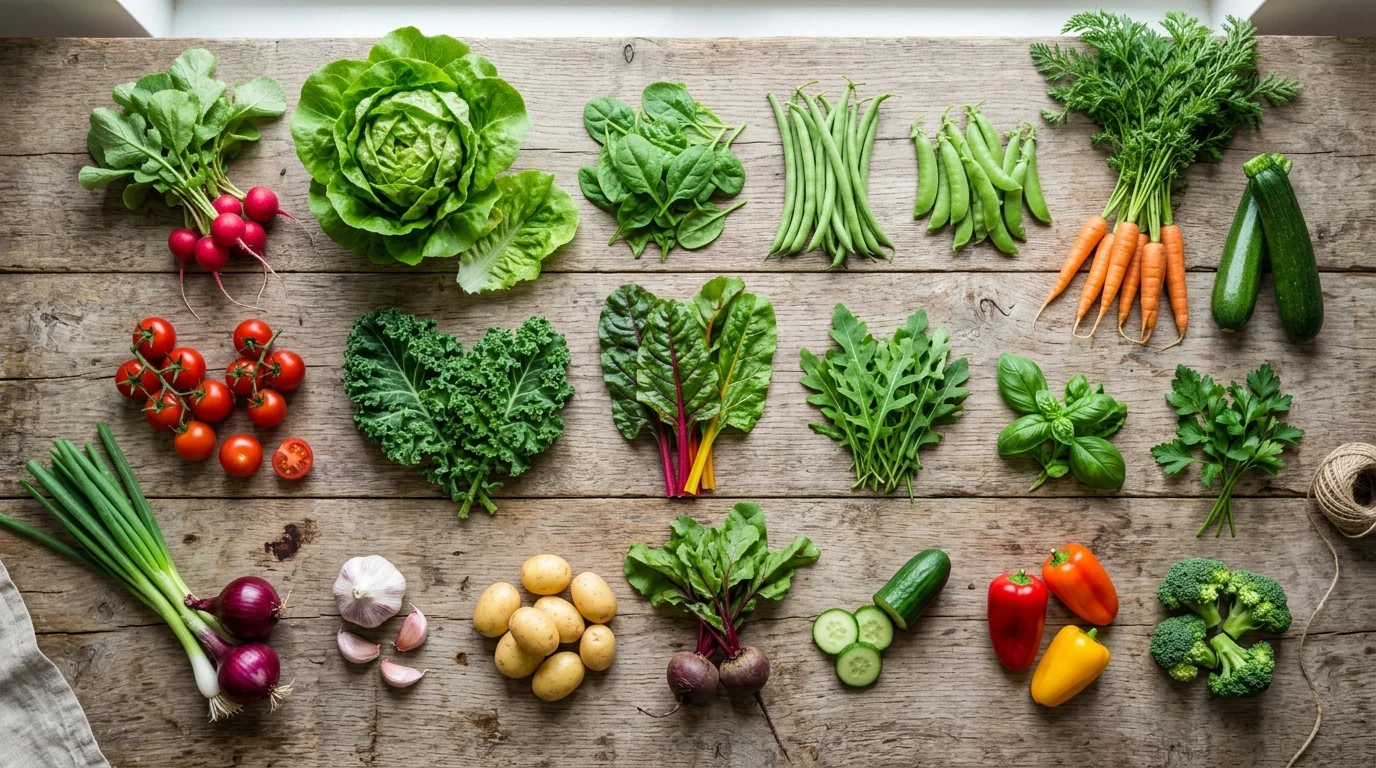
Quick Answer: These 15 vegetables are best for raised beds: tomatoes, peppers, lettuce, spinach, kale, carrots, beets, radishes, bush beans, snap peas, cucumbers, zucchini (compact), onions, garlic, and herbs. Build beds 4×8 ft and 12–18 inches deep with 60% topsoil, 30% compost, 10% perlite (pH 6.0–7.0), and plant intensively with square-foot spacing. Raised beds warm fast, drain perfectly, and yield 1.5–2× more per square foot than compacted ground.
At a Glance: 15 Best Raised-Bed Vegetables
| Vegetable | Depth Needed | Spacing in Bed | Why It Loves Raised Beds | Yield Tip |
|---|---|---|---|---|
| Tomato (determinate/indeterminate) | 15–18″ | 18–24″ (stake/cage) | Deep, warm loam → early, heavy fruit | Mulch 3″, feed at bloom |
| Pepper | 12–15″ | 15–18″ | Warm roots, perfect drainage | Don’t over-pick early |
| Lettuce | 8–12″ | 8–10″ (or snip at 6″) | Loose soil prevents bolting, succession easy | Sow every 2 weeks |
| Spinach | 8–12″ | 4–6″ | Cool, moist loam stays tender | Shade in heat |
| Kale | 12–15″ | 12–15″ | Holds months, frost sweetens | Harvest outer leaves |
| Carrots | 15–18″ | 2″ (thin ruthlessly) | No stones/clay = straight roots | Deep, stone-free loam |
| Beets | 12–15″ | 4″ | Uniform moisture → tender roots | Harvest at golf ball |
| Radishes | 8–12″ | 2″ | Fast, crisp in loose soil | Succession every 10 days |
| Bush Beans | 12″ | 4–6″ | No compaction, easy picking height | Succession twice |
| Snap Peas | 12″ | 2″ + trellis | Trellis on north side saves space | Pick often to prolong |
| Cucumbers (bush/trellised) | 12–15″ | 12″ + trellis | Drains well → less rot | Harvest small |
| Zucchini (compact) | 15–18″ | 24–36″ (1 per bed end) | Airflow reduces mildew | One plant is enough |
| Onions (bulb/scallion) | 10–12″ | 4–6″ | Loose soil → bigger bulbs | Cure after harvest |
| Garlic | 12″ | 6″ | Plant fall, harvest midsummer | Mulch overwinter |
| Herbs (basil/parsley/dill) | 8–12″ | 8–12″ | Tuck in edges, companion well | Pot mint separately |
Why Raised Beds Are Different From Ground
It’s not the wood. It’s what the wood holds.
Deep, Loose Loam Without Fighting Clay
In-ground, roots hit whatever your yard is — often clay at 8 inches that stops carrots cold and waterlogs tomato roots in spring. A raised bed 12–18 inches deep guarantees loose, airy soil start to finish. Carrots go straight. Potatoes swell without deforming. Even shallow lettuce roots spread comfortably instead of pancaking.
That depth also buffers temperature. Raised beds warm 7–10 days earlier in spring than ground, so you plant a week sooner and harvest a week earlier — a real gain in short seasons. Yet with mulch, they don’t overheat as violently as thin ground soil in July, because depth holds moisture at 6–8 inches where roots actually drink.
Perfect Drainage That Still Holds Water
Raised beds drain like a good sponge — water flows through, but humus holds about an inch for a week. That’s the sweet spot: roots breathe after rain but don’t desiccate by Tuesday. In-ground clay does the opposite: puddles for days, then cracks. Sand drains too fast. Raised-bed loam does both jobs because you built it intentionally.
You Never Walk Where You Grow
A 4-foot-wide bed lets you reach everything from the path. No stepping on soil means no compaction — ever. Soil stays crumbly season after season with just a yearly compost top-dress, not yearly tilling. That’s why yields climb year two and three: the soil food web stays intact.
The 15: What to Plant and How in Raised Beds
Fruiting Crops That Need Warm, Deep Feet (3)
1. Tomatoes. The undisputed raised-bed star. Deep loam anchors tall vines and holds moisture evenly, which prevents blossom end rot and cracking far better than in-ground clay that swings wet-dry. Space 18–24 inches, cage or stake at planting (not after you’ve stabbed roots), and mulch 3 inches with straw once soil warms. In a 4×8 bed you can comfortably grow 4–6 plants with basil tucked between — and they’ll still outyield 8 ground plants. Determinate types like ‘Celebrity’ stay tidy; indeterminate ‘Sun Gold’ will need a tall cage but reward with months of fruit.
2. Peppers. Peppers adore the warm, never-soggy feet a raised bed provides. Cold, wet ground stunts them for weeks; a raised bed 12–15 inches deep with dark wood or metal warms early and drains perfectly. Space 15–18 inches, no pruning, stake only if loaded. Feed lightly — peppers stall if over-fertilized early; side-dress when flowers show.
3. Eggplant bonus (if you have sun). Compact eggplant like ‘Fairy Tale’ thrives in raised beds with the same depth as peppers. If you love it, swap one pepper for it.
Leaves That Love Loose, Cool Edges (3)
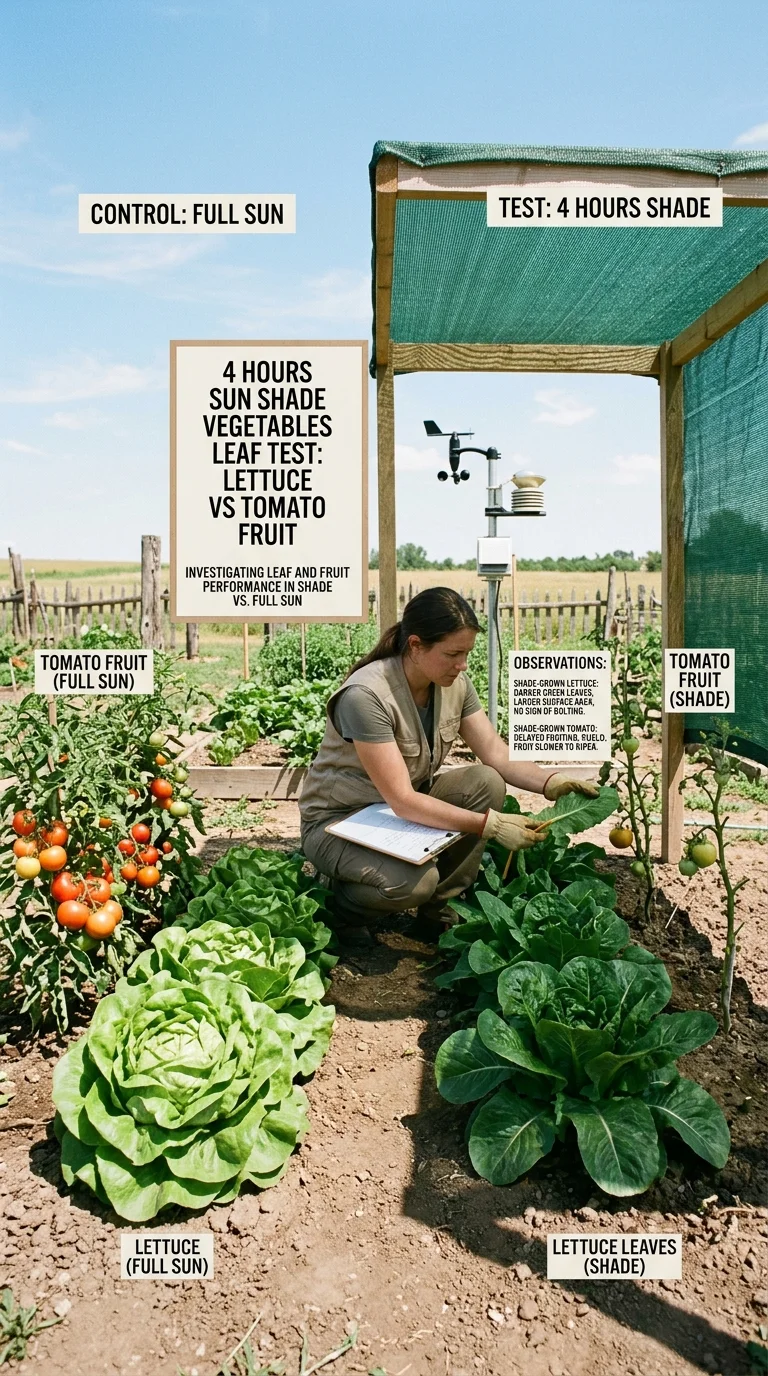
4. Lettuce. Raised beds are lettuce’s dream: loose, cool, easily shaded. Sow shallow (1/4 inch) directly, keep moist 7 days, and thin to 8 inches for heads or snip at 4 inches cut-and-come-again. Succession every 2 weeks spring and fall gives you salads 8 months. I use the outer 12 inches of every bed for lettuce — it finishes before tomatoes shade it.
5. Spinach. Needs cool, moist loam to stay silky — exactly what a mulched raised bed offers. Sow 1/2 inch deep, 4 inches apart. Spring and especially fall sowings are best; shade cloth over the bed in late spring extends harvest 2 weeks by keeping soil cool.
6. Kale. A single kale in a raised bed feeds you for months. Space 12–15 inches, harvest outer leaves, let the center crown keep producing. Fall kale sweetens after frost and holds in the bed under straw through winter in zones 6–7. ‘Lacinato’ stays tender longest.
Roots That Need Stone-Free Depth (3)
7. Carrots. This is why you build 18 inches deep. No stones, no clay pan, no forking. Fill with the 60/30/10 blend 18 inches, rake fine, sow directly, cover row with a board 5 days to keep moist, then thin to 2 inches — mercilessly. Short types like ‘Chantenay’ forgive slightly shallower beds, but full ‘Napoli’ wants the full 18. Mulch after tops are 6 inches to keep roots crisp and clean to pull.
8. Beets. Beets want even moisture more than depth — raised beds deliver both. Sow 1/2 inch deep, 3 inches apart, thin to 4 inches. Harvest at golf-ball size for tenderness; greens are the bonus harvest. Uneven water makes woody beets; mulched loam prevents that.
9. Radishes. The fastest raised-bed reward — 25 days. Sow 1 inch apart, thin to 2 inches, harvest before they get pithy. I tuck radishes between slower carrots; they harvest before carrots need the space — classic intercropping that only works with loose soil.
Legumes & Vines That Use Vertical Space (3)
10. Bush Beans. No trellis, perfect for the bed’s middle. Sow 1 inch deep, 4–6 inches apart, succession twice. Beans fix nitrogen, so they’re not hungry — compost alone suffices. Pick often to keep pods coming; a 4×4 block can feed a family for weeks.
11. Snap Peas. Peas love the cool, fast-draining edge of raised beds. Sow 2 inches apart along the north side with a 4-foot trellis — they’ll climb without shading the rest of the bed. Inoculate seed if you haven’t grown peas there before. Fall peas sown in late summer are sweeter than spring.
12. Cucumbers (bush or trellised vining). Trellising cucumbers on the north end of a raised bed is the highest-yield move in small space. One 4-foot trellis holds 2–3 plants that would sprawl 10 feet on ground. Keep soil evenly moist — raised beds’ even moisture prevents bitter, misshapen cukes.
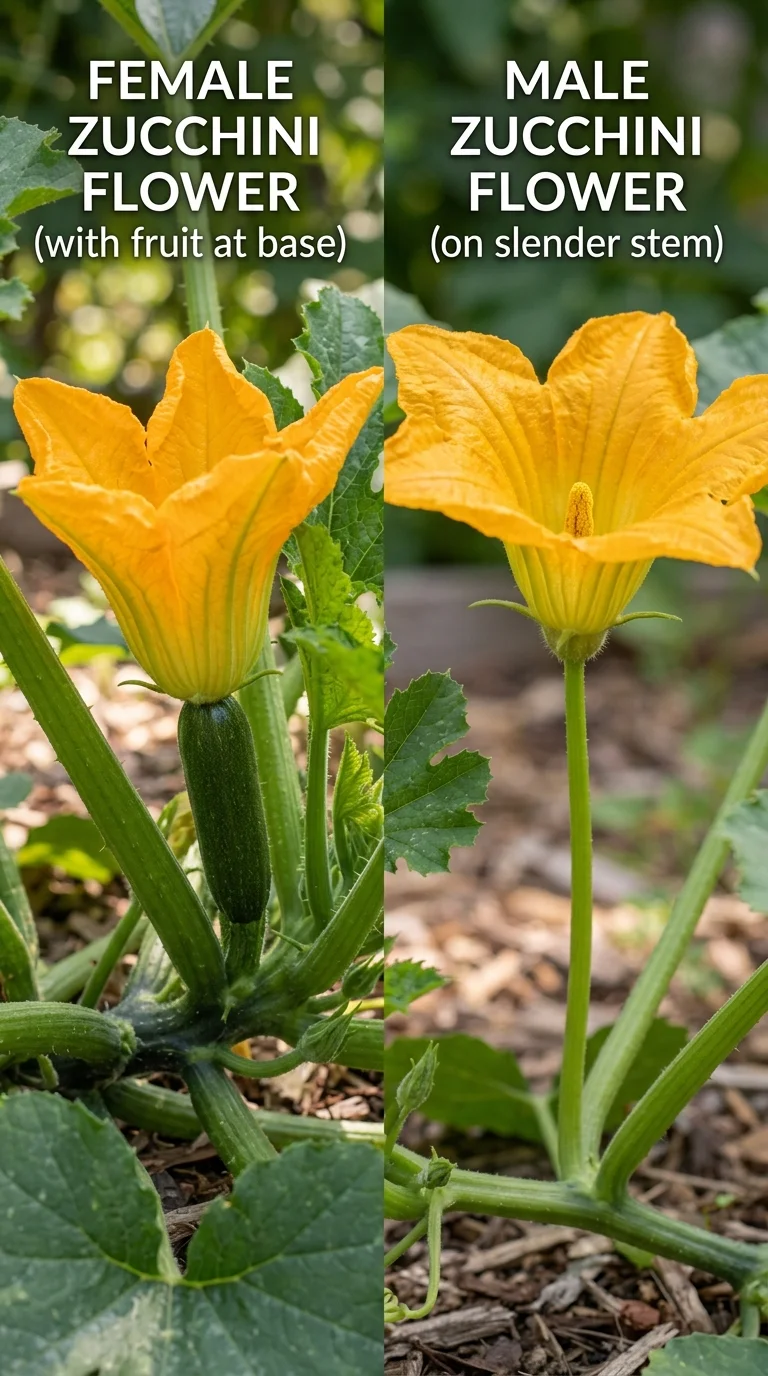
13. Zucchini (compact). One compact zucchini like ‘Astia’ at the end of a bed gives you all the zucchini you need — and air-gapped raised beds reduce the powdery mildew that plagues ground-level vines. Space 24–36 inches and harvest at 6–8 inches to keep flowering.
Alliums & Herbs That Edge Beautifully (2 + herbs)
14. Onions & Scallions. Loose loam grows bigger, rounder bulbs without misshape. Direct sow scallions thickly and pull at pencil thickness; transplant onion sets 4–6 inches apart for bulbs. Cure bulbs on the bed edge in sun for a week after pulling.
15. Garlic. Plant cloves 2 inches deep, 6 inches apart, 4–6 weeks before ground freezes — the raised bed drains well through winter so cloves don’t rot. Mulch 3 inches with straw after planting. Harvest midsummer when lower leaves brown.
Herbs to tuck everywhere: Basil between tomatoes (they share water needs), parsley along the south edge, dill at the corner for pollinators — but keep mint in a pot, or it will take the bed. Herbs in raised beds are more flavorful because they’re not waterlogged.
Soil: The 60/30/10 Mix That Makes It Work
This is the non-negotiable foundation.
60% screened topsoil + 30% finished compost + 10% perlite or coarse vermiculite, pH 6.0–7.0, depth 12–18 inches. Blend on a tarp, fill 6 inches, water to settle, fill 6 more. Don’t stomp — let water settle. Top with 1–2 inches below rim to hold mulch. Mulch 2–3 inches with straw after seedlings are 3 inches tall.
Top-dress 1–2 inches compost each spring rather than tilling. The bed will settle 2–3 inches yearly — just top up. Never use 100% compost (shrinks, holds too much water) or garden soil in pots-like compaction.
See details: best soil for raised beds and raised bed soil mix recipe.
Layout & Intensive Spacing
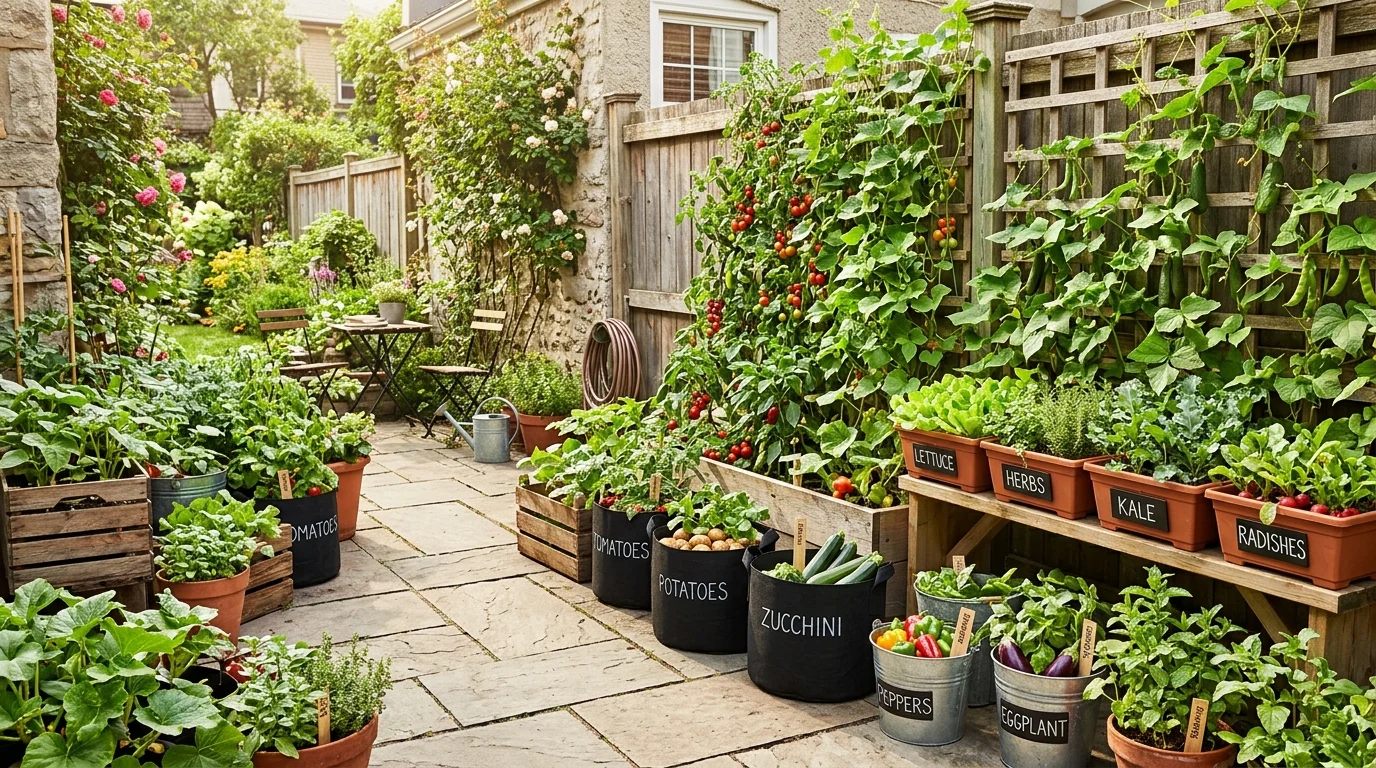
A 4×8-foot bed is the sweet spot — reachable from both long sides without stepping in. I plant:
- North side (trellis): peas or cucumbers vertical — they don’t shade the rest.
- Middle: tomatoes/peppers/zucchini at 18–24 inches.
- Edges: lettuce, spinach, radishes, beets between and around fruiting crops — they finish before shading.
- Corners: herbs and scallions.
Square-foot style works beautifully in raised beds because soil is uniformly loose — you can plant tighter than in-ground without competition for air/water. Thin on time, mulch after establishment, and you’ll harvest 30–40% more per square foot.
Watering & Feeding in Raised Beds
Raised beds drain well so they also dry a bit faster — check top inch daily. Water deeply until trowel shows moisture 6 inches down, then wait until top 2 inches dry. Mulch 3 inches cuts watering by half. Even, deep water prevents blossom end rot and cracking far better than daily sprinkles.
Feed lightly: 1–2 inches compost yearly is enough for most. Heavy feeders (tomatoes, squash, brassicas) get a side-dress of organic granular at flowering if soil test shows need. Light feeders (beans, peas) need nothing beyond compost.
Common Mistakes That Shrink Harvests
Beds too shallow. A 6-inch box grows only lettuce and radishes well; carrots fork, tomatoes stall, and soil dries in a day. Fix: 12 inches minimum, 18 for roots and tomatoes.
Walking in the bed. One footstep compacts loam you spent money to build. Fix: keep beds 4 feet wide max and use paths. Never step where you grow.
Building too wide. Over 4 feet you’ll step in to reach the middle. Fix: 4×8 ft, or 3×6 ft if you have short arms or a wall on one side.
Using native clay or 100% compost. Both fail — clay waterlogs, compost shrinks and crusts. Fix: 60/30/10 blend, blended uniformly.
Not mulching. Bare raised beds lose moisture in a day and weeds move fast in fluffy soil. Fix: 3-inch straw after seedlings establish.
Overcrowding tomatoes. Six tomatoes in a 4×8 bed is plenty; eight invites disease and tiny fruit. Fix: space 18–24 inches, cage, prune for airflow.
Seasonal Calendar for Raised Beds
| Season | Tasks | Plant |
|---|---|---|
| Fall (before spring) | Test pH, add lime/sulfur, build beds | Garlic planted, mulch |
| Late Winter | Order topsoil/compost, top-dress beds 1–2″ compost, broadfork | — |
| Early Spring (4 wks before last frost) | Rake, water deeply day before sowing | Lettuce, spinach, kale, peas, radish, carrots, beets |
| After Last Frost | Transplant warm crops, mulch | Tomatoes, peppers, beans, cucumbers, zucchini, basil |
| Midsummer | Succession sow, side-dress heavy feeders, keep mulch 3″ | More lettuce, beans, radish between rows |
| Late Summer–Fall | Sow fall crops, cover with row cover if needed | Spinach, lettuce, kale again, radish |
| Winter | Mulch empty beds 3″ straw or sow cover crop | — |
Troubleshooting
Carrots still forked despite deep bed. You hit the native soil below or left stones. Before filling, fork native soil 6 inches to break hardpan and sieve topsoil for stones >1 inch.
Tomato blossom end rot in raised bed. Usually uneven water, not calcium deficiency — raised beds still need consistent moisture. Water deeply and evenly, mulch 3 inches, and don’t over-fertilize with nitrogen.
Bed soil settled 4 inches by midsummer. Normal — compost decomposes and air pockets collapse. Top up with 60/30/10 blend or compost in fall, not midsummer, to avoid burying stems.
Mildew on zucchini/cucumbers. Tight spacing + overhead water in humid air. Give 24 inches, trellis for airflow, water at base mornings, and remove lowest yellowing leaves.
Beds dry out fast in July. Mulch thin or missing, or bed is metal in full sun. Add 3-inch straw, consider shade cloth 30% over greens, and check if perlite is too high (reduce to 5% if soil is sandy underneath).
Start With One Excellent Bed
You don’t need four beds to prove the point. Build one 4×8-foot box right — 16 inches deep, 60/30/10, full sun, near the hose — and plant it intensively with just these 15. One excellent bed will outgrow two mediocre ones and teach you more about what your food wants than a year of reading. Soil first, seeds second, always.
Deep Dive: Raised Bed Design That Doubles Yield
Frame & Depth Design
- Classic 4x8 ft, 16-18 inches deep cedar or metal - reachable from both sides, no stepping, depth for carrots/tomatoes.
- 3x6 ft against wall: Only reachable one side, so keep 3 ft wide max.
- Depth layers: Bottom 6 inches can be hugelkultur logs/branches/leaves in 18-inch beds to save ~30% mix, top 12 inches must be 60/30/10 loam.
- Level: Shim frame so water does not pool at one end; check with a small level.
Variety Picks for Raised Beds
- Tomato: ‘Celebrity’ determinate tidy vs ‘Sun Gold’ indeterminate tall - both heavy in deep loam. Cage at planting.
- Pepper: ‘Gypsy’, ‘King Arthur’ for sweet; ‘Jalapeno Early’ for heat.
- Lettuce: ‘Winter Density’, ‘Rouge dHiver’ outer edges, succession every 2 weeks.
- Carrot: ‘Napoli’, ‘Bolero’ full 18 inches; ‘Chantenay’ if slightly shallower.
- Beet: ‘Detroit Dark Red’, ‘Touchstone Gold’ - harvest golf-ball.
- Beans/Peas: ‘Provider’ bush bean, ‘Sugar Snap’ pea on north trellis.
- Cucumber/Zucchini: ‘Spacemaster’ cucumber trellised, ‘Astia’ compact zucchini one per bed end.
Intensive Planting Map Example 4x8
- North trellis: 2 cucumbers or peas vertical.
- Middle: 4-6 tomatoes/peppers at 18-24 inches.
- Edges: lettuce, spinach, radishes, beets between and around - harvest before shading.
- Corners: herbs, scallions.
Square-foot spacing works because soil is uniformly loose - plant tighter than in-ground without competition for air/water.
Water & Mulch System
- Soaker hose serpentine or wand at base mornings; avoid overhead.
- 3 inches straw after 3 inches tall; replenish when bare.
- Deep soak to 6 inches, then wait till top 2 inches dry - typically 3-7 days.
Rotation Even in Boxes
Do not plant beets where beets were; follow roots with greens or legumes. One bed can rotate family groups yearly even if small - prevents soil-borne disease buildup.
Budget Build Tips
- Bulk screened loam + compost + perlite tarp-blend saves 40-60% vs bags.
- Many suppliers deliver pre-blended 60/30 if you ask; add 10% perlite at home.
- One excellent deep bed outyields two shallow mediocre ones - build depth first.
Cost & Time Reality Check
One 4x8x16 inch bed bulk 60/30/10 ~$80-110 vs $200 bags. Fill once, top-dress $15 compost yearly. Time: build 3 hours, fill 2 hours, plant 1 hour. Maintenance: 10 minutes weekly thinning/watering, 1 hour spring top-dress. Yield: 80-120 lbs vegetables season - $400+ grocery value.
Payback in one summer.
Pest & Disease Advantage in Raised Beds
- Good drainage cuts root rot 70%.
- Airy spacing + trellis north side reduces mildew vs ground sprawl.
- Loose soil pulls weeds in one tug - 5 minutes weekly vs hour in ground.
- Rotation still matters - do not follow tomatoes with peppers same bed next year (same family).
What Not to Plant in Raised Beds (Save Ground)
Corn needs block planting for pollination and is space-hungry - poor raised bed use. Pumpkins sprawl 10 ft - one raised bed end maybe, but ground better. Large sprawling melons similarly - unless trellised small varieties.
Focus raised beds on high-value, intensive crops listed here - leave space hogs for ground or large containers.
Harvest Rhythm
- Lettuce/radish: every 2 weeks succession, cut outer leaves.
- Beans: pick every 2 days to keep flowering.
- Tomatoes: pick at breaker (first blush) to avoid cracking and let ripen indoors.
- Carrots/beets: pull at 6-7 inches/golf ball - small tender beats huge woody.
Printable One-Page Checklist
Copy this onto an index card and tape inside your shed.
- Sun mapped (9am, noon, 4pm) - 6-8 hrs for fruiting, 3-4 for greens
- Soil test every 2 years - pH 6.0-7.0, organic matter 4-8%
- Bed depth 12-18 inches, width 4 ft max, never walk inside
- Mix 60/30/10 topsoil/compost/perlite blended on tarp, filled in 6-inch lifts watered
- Compost 1-2 inches yearly top-dress, not till
- Mulch 3 inches straw after 3 inches tall, replenish when bare
- Water deeply to 6-8 inches, then wait till top 2 inches dry (chopstick test)
- Thin on time: carrots 2 inches, lettuce 8 inches, tomatoes 18-24 inches
- Succession sow every 10-14 days for greens/radishes
- Cover crop or mulch any bed empty >1 week
- Log pH, compost, varieties, harvest notes each season
Next Steps & Related Reads
If this article helped, these build directly on it:
- Best Soil for Vegetable Gardens - the full 60/30/10 loam explanation
- How to Improve Garden Soil - 10 easy ways to build loam over seasons
- Best Soil pH for Vegetables - testing and adjusting pH 6.0-7.0
- Raised Bed Soil Mix - DIY recipe with bucket math and sourcing
- Best Soil for Raised Beds - ideal ratio, depth and maintenance
- When to Plant Vegetables - timing by frost date and succession
A Final Note From My Garden
I still keep the first carrot that grew straight after I fixed soil - it dried on the windowsill, crooked in the way memory is, reminding me that good gardening is not about being perfect the first time.
It is about noticing what soil is telling you - the smell after rain, the way water drains, the worms that appear when you mulch - and responding with one small, steady habit at a time.
You do not need a perfect garden this season.
You need one bed, one handful of compost, a pH strip, and the willingness to kneel a little longer and watch.
Soil will do the rest.
It always does, if we let it.
Quick Troubleshooting Reference
| Symptom | Likely Cause | Quick Fix |
|---|---|---|
| Yellowing lower leaves | Nitrogen leached or pH low | Top-dress 1 inch compost, test pH, feed per test |
| Yellow between veins | High pH iron lock or soggy roots | Test pH, add sulfur if >7.5, improve drainage |
| Stunted, purple tinge | Low phosphorus / acidic pH | Lime per test, ensure 6.0-7.0, even water |
| Wilting despite moist soil | Root rot from compaction/soggy | Broadfork when moist, add perlite, mulch, stop overwatering |
| Forked carrots | Shallow/stony/compacted soil | Deepen to 18 inches, sieve stones, thin to 2 inches |
| Bolting lettuce bitter | Heat + inconsistent water | Shade afternoon, water evenly, harvest young |
| No fruit set | pH off, overcrowding, heat | Test pH 6.0-7.0, space 18-24 inches, hand-pollinate |
Year-One Success Plan
Month 1: Test pH, build or amend one bed 60/30/10 12-18 inches, mulch path. Month 2: Sow succession greens/radishes, trellis north side peas/cucumbers. Month 3: Deep water to 6 inches, keep mulch 3 inches, thin ruthlessly. Month 4: Side-dress heavy feeders only if test says, harvest outer leaves, log notes. Fall: Top-dress 1-2 inches compost, test pH if due, mulch 3 inches or cover crop.
Consistency beats intensity. One bed done right teaches the system.
Variety Spotlight: My Top 3 For Beginners
If overwhelm hits, start with these three — forgiving, high reward, and they teach you the habits.
- Lettuce ‘Salad Bowl’ - cut-and-come-again, shade tolerant, 30 days to first snip.
- Carrot ‘Chantenay’ - short, sweet, forgives shallow beds a bit, straight in 60/30/10.
- Tomato ‘Celebrity’ or Pepper ‘Gypsy’ - determinate/bush, heavy in 12-18 inch loam, caged early.
Grow these well and you have learned 80% of vegetable soil and water rhythms.
What I Wish I Knew Earlier
Soil work looks like nothing - spreading compost, tucking straw - but it is everything. The bed you feed in October feeds you in July. Mulch is not decoration, it is moisture insurance. pH is not chemistry class, it is the key that unlocks the pantry. And thinning feels ruthless until you taste the uncrowded harvest.
Start small, be consistent, and let soil teach you season by season.
Frequently Asked Questions
Q: What vegetables grow best in raised beds?
A: Tomatoes, peppers, lettuce, spinach, kale, carrots, beets, radishes, bush beans, snap peas, cucumbers, compact zucchini, onions, garlic and herbs are the top 15 for raised beds. Warm, loose, 12–18-inch deep loam lets roots expand without hitting clay, warms 7–10 days earlier in spring and drains while holding an inch of water for a week, so plants establish faster, stay healthier and can be spaced tighter for significantly higher yields per square foot.
Q: How deep should a raised bed be for vegetables?
A: Build 12–18 inches deep for most vegetables. Shallow greens and herbs do fine at 8–12 inches, but carrots, beets, potatoes and tomatoes need 15–18 inches for straight roots, stable moisture and anchorage. A shallow 6-inch box dries in a day and limits you to lettuce and radishes only, while 16–18 inches with the 60/30/10 loam and 3-inch straw mulch holds moisture for a week and supports even heavy feeders without stunting.
Q: Do vegetables yield more in raised beds?
A: Yes, often 1.5 to 2 times more per square foot than in-ground on clay or compacted ground. You control the soil completely — 60% topsoil for structure, 30% compost for life, 10% perlite for air at pH 6.0–7.0 — so roots breathe and forage, drainage prevents rot and you can plant intensively without compaction from foot traffic. Earlier warming plus even moisture shortens days to harvest and increases fruit size and number, especially for tomatoes, carrots and lettuce.
Related Articles
- Best Raised Bed Soil Mix
- Best Soil for Raised Beds
- 20 Vegetables That Grow Well in Containers
- 10 Raised Bed Gardening Mistakes to Avoid
- When to Plant Vegetables
- How to Improve Garden Soil
Sources & References
- University of Minnesota Extension — Raised Bed Gardening — https://extension.umn.edu/yard-and-garden
- Iowa State University Extension — Horticulture News — https://hortnews.extension.iastate.edu/
- Oregon State University Extension — Raised Beds — https://extension.oregonstate.edu/gardening
- Royal Horticultural Society — Raised Beds — https://www.rhs.org.uk/soil-composts-mulches