I still remember my first real garden spring — checking tomato seedlings every morning like they might have doubled overnight. They hadn’t. Of course they hadn’t. Tomatoes take their sweet time, peppers take longer, and if you are new, that waiting can feel endless. I was hovering, watering, worrying, secretly wondering if I had done something wrong.
Then on day 24, I pulled my first radish.
Small and violently pink, crisp snap that echoed in quiet morning, peppery bite that woke me better than coffee. I ate it right there, dirt under fingernails, thought: oh, this is why we do this. Fast vegetables are that first generous reward. Garden’s way of saying, you haven’t failed. You’re right on time.
If slow crops are the main story, fast crops are sentences that keep you turning page. They fill hungry gap while tomatoes stretch, let you replant same bed three or four times one season, and — perhaps most important for beginners — give you quick forgiving place to learn. Pick five from below, sow little and often, and your kitchen will not wait until August.
Quick Answer: Fastest vegetables ready 21–60 days perfect for impatient beginners and small spaces. For ultra-quick harvest, try radishes (25 days), arugula (21 days baby), pea shoots (21 days), lettuce (30 days), spinach (30 days), bok choy (30 days baby), spring onions (30 days). For slightly longer speedy harvest, grow kale (40 days baby), turnips (40 days), zucchini (45 days), baby carrots (50 days), bush beans (50 days), cucumbers (50 days), beets (50 days), and basil (30 days to first pinch). Sow new small row every 2–3 weeks from last frost until 4 weeks before fall frost, keep soil consistently moist 1 inch/week, harvest cool morning for best flavor.
At a Glance
| Crop | Days to Harvest | Best For Beginners? | Succession Tip |
|---|---|---|---|
| Radishes | 25 | Yes most forgiving | Sow every 10 days, harvest before pithy |
| Arugula | 21 baby | Yes | Shade cloth July or it bolts in heartbeat |
| Pea Shoots | 21 | Yes no thinning | Snip regrows, three cuts per sowing |
| Lettuce | 30 | Yes cut-and-come-again | Pick outer leaves center keeps growing |
| Spinach | 30 | Yes cool star | Fall sweeter than spring every time |
| Bok Choy | 30 baby | Yes | Baby more tender don’t wait too long |
| Spring Onions | 30 | Yes | Sprinkle thickly they don’t mind crowd |
| Kale | 40 baby | Yes | Frost actually sweetens |
| Turnips | 40 | Yes | Greens and roots both |
| Zucchini | 45 | Yes if sun | One plant is plenty |
| Baby Carrots | 50 | A little fussy | Keep soil covered don’t let crust |
| Bush Beans | 50 | Yes | Sow after soil 65°F not before |
| Beets | 50 | Yes | Soak seeds overnight then sow |
| Cucumbers | 50 | Yes with trellis | Pick daily once they start |
| Basil | 30 first pick | Yes | Pinch flowers or bitter |
All 15 below benefit from succession every 2–3 weeks — not one big planting little ones often.
Why Fast Vegetables Will Make You a Better Gardener
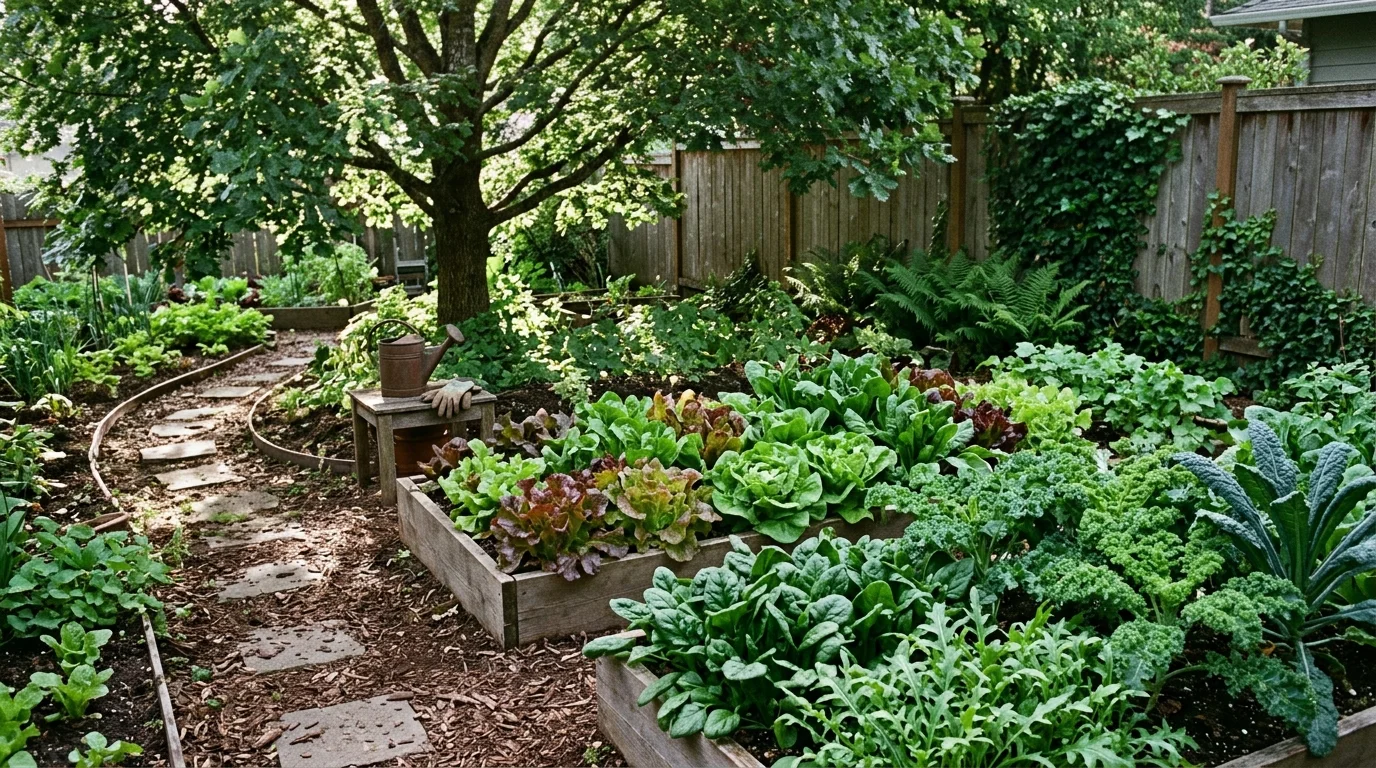
Practically they are most efficient use of space. Tomato occupies bed 120 days. Same bed could grow three successive crops lettuce radishes bush beans. In my 4 by 8 raised bed edges that will eventually be shaded by tomatoes are lettuce radish territory May. By time tomatoes need room late June fast crops already kitchen. No extra bed.
They also teach rhythm without heartbreak. If you sow carrots too thickly and they fork — and we all do first year — you have only lost 50 days not full summer. You adjust resow try again while weather still side. Fast crops forgiving way slow ones can’t be.
And emotionally? Harvest changes everything. Moment you snip own lettuce for dinner garden stops being idea becomes habit. I have seen so many new gardeners give up in long green middle June because nothing looks like food yet. Fast vegetables bridge gap. Keep you coming back every day, and daily attention is what actually grows good gardener.
The 15 Fast-Growing Vegetables — In My Order of Eagerness
1. Radishes — 25 Days to Crisp Joy
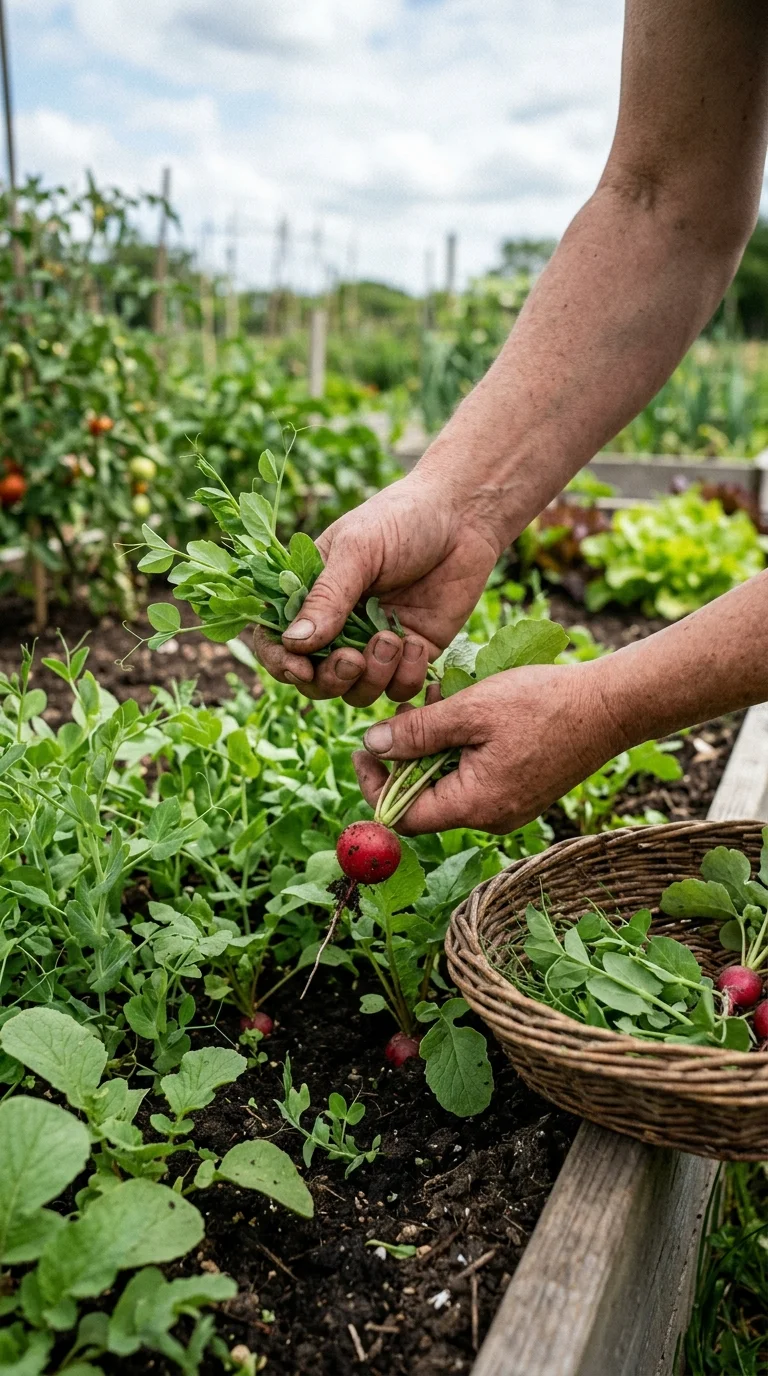
If you only grow one fast thing grow radishes. I mean it. Cherry Belle classic red globe but French Breakfast long pink-tipped mild converted my radish-skeptical husband. They want loose not rich soil. Too much nitrogen and you get magnificent leaves thin sad root. Sow half-inch deep inch apart ruthlessly thin 2 inches. Crowded radishes stay tiny woody.
Ready: Brush soil from shoulder. If bright color pushing up gentle tug snaps clean that’s perfect. Leave even three days too long summer heat they turn pithy ferociously hot. Sow 2-foot row every 10 days. Not whole bed. You cannot eat whole bed radishes at once and they don’t wait.
2. Arugula — 21 Days for Peppery Baby Leaves
Arugula is wild rocket for reason — it wants to grow. Sow shallow barely quarter-inch deep keep moist three days it will carpet soil before week out. At 21 days cut 3–4 inches baby arugula; at 35 days deeply lobed wasabi-hot leaves need taming lemon olive oil. Catch is heat. Arugula bolts faster than any green I know. One hot week June throws flower stalk leaves bitter. I sow only spring again late August on. Summer give space to basil or beans. If must grow June stretch 30% shade cloth over bed — buys honest extra week.
3. Pea Shoots — 21 Days No Garden Required
Secret weapon impatient and balcony gardener. You aren’t growing peas for pods; growing tender curling tendrils top leaves. Soak any edible pea snap snow even dried field peas overnight then sow ridiculously thick inch apart any container 4 inches deep. Keep cool bright. In 21 days snip top 4 inches just above leaf node they will branch regrow. I get three cuts one sowing. Flavor pure sweet spring. Eat raw sea salt or wilted 30 seconds into scrambled eggs. Children who turn noses peas will eat pea shoots handful. No thinning no trellis no waiting.
4. Lettuce — 30 Days to Cut-and-Come-Again Bowl
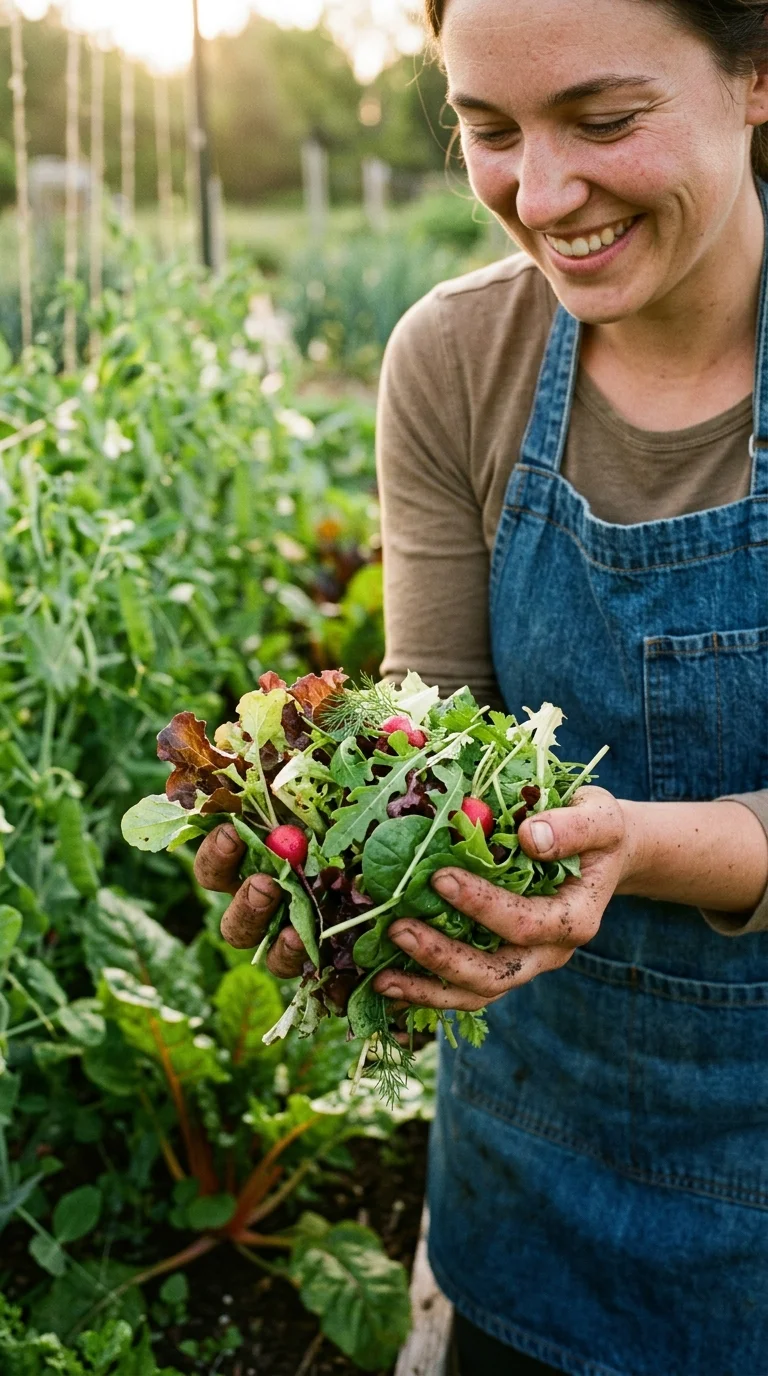
Lettuce taught me patience in reverse — how to not harvest whole plant. Most beginners pull entire head. Don’t. Treat looseleaf oakleaf cut-and-come-again: take outer leaves when 4–6 inches tall leave central rosette it will keep producing weeks. I plant salad blend thickly wide band not single rows harvest scissors like haircut.
Lettuce wants cool consistently moist soil. Dry day followed soaking confuses bitter. I mulch lightly straw once seedlings 2 inches tall water every 2–3 days if rain hasn’t come — see how often to water. July move lettuce east side trellis where morning sun afternoon shade. That one shift stopped midsummer bolting almost entirely. Try ‘Salad Bowl’ ‘Black Seeded Simpson’ reliability ‘Rouge d’Hiver’ fall deepens bronze tastes bistro plate.
5. Spinach — 30 Days Sweetest After Frost
Spinach and I rocky start. I sowed late May first year watched bolt 2 feet ten days assumed terrible at this. Wasn’t — just late. Spinach cool-season introvert thrives soil 50–65°F sulks above 70°F beautifully sweetens kissed by frost because converts starches sugars protect itself.
Sow as soon as soil can be worked spring half-inch deep 2 inches apart again six weeks before first fall frost for best crop year. My October spinach picked after light frost little rime still leaves so tender sweet we eat without dressing.
6. Bok Choy — 30 Days for Baby Heads
Baby bok choy 30 days different vegetable than full-size 50 days — spoon-tender mild crisp white stems squeak when slice. I prefer harvest small. Sow quarter-inch deep thin 6 inches baby heads. If wait large heads more likely bolt unexpected heat. Likes steady moisture little afternoon shade late spring. I tuck between taller peas April; by time peas done bok choy done too. Quick sauté garlic splash soy — harvest to pan 10 minutes plant again.
7. Spring Onions (Scallions) — 30 Days to Snip
Most undemanding fast crop I know. No bulb to form no curing no papery skins. Sow quarter-inch deep scatter fairly thickly — they actually like little crowding — start pulling pencil-thick. I succession sow 1-foot row every 3 weeks never buy scallions April November. Keep weeded when young terrible competitors. Once 6 inches tall fend themselves. Thinnings themselves harvest — wispy first pulls perfect scattered potatoes.
8. Kale — 40 Days for Baby 60 for Bunches
Kale has reputation slow tough winter green but pick young it’s fast tender revelation. At 40 days harvest baby kale salads soft enough raw earthy not bitter. At 60 days full crinkled leaves braising. Direct sow quarter-inch deep thin 12 inches full plants or sow band cut 4 inches baby. Remarkably cold-hardy; bed sown early September feed through November many zones winter over simple row cover. Frost-sweetening real — my winter kale only kale my daughter asks by name. ‘Red Russian’ more delicate faster baby; ‘Lacinato’ slower but beautiful buttery cooked.
9. Turnips — 40 Days for Two Harvests in One
Underrated because people think only like root. Greens first reward — at 30 days snip tender tops cooking, at 40–50 days pull roots. ‘Hakurei’ is one changed my mind: small white so sweet you can slice raw like apple eat garden. No peeling no bitterness. Sow half-inch deep loose soil thin 3–4 inches; crowded turnips stay small woody. Like radishes they do not want heavily manured soil or roots fork. Full sun best but tolerate 5 hours still produce.
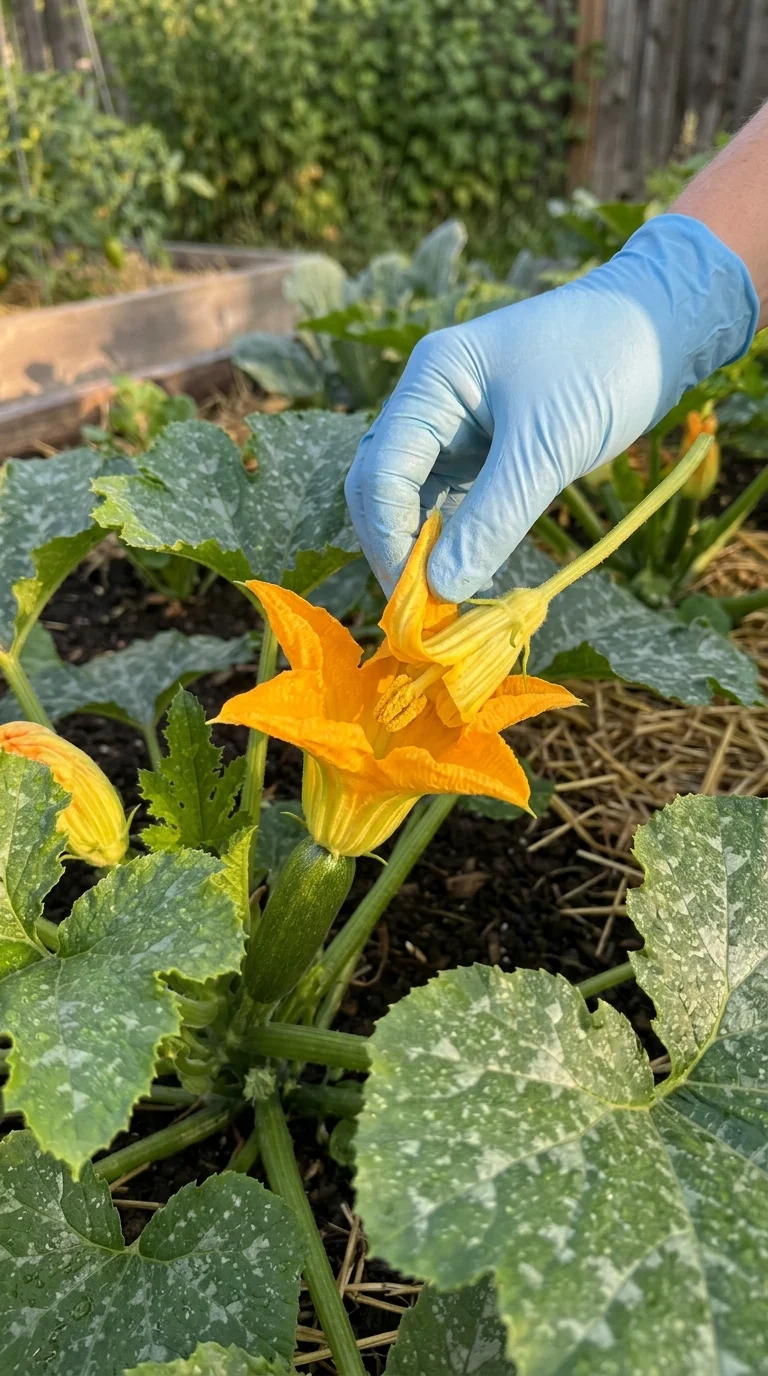
10. Zucchini — 45 Days to Please Take Some
Zucchini fast differently — not seed to leaf but flower to fruit alarming speed. Once pollination happens zucchini can go 4 inches to baseball bat 48 hours warm weather. That’s not exaggeration. Check daily once start. One or two plants genuinely enough family four. I grow one ‘Costata Romanesco’ low trellis keep fruit straight clean sown directly after danger frost when soil warm — zucchini hates cold feet. Give 24–36 inches space full sun consistent water. Most common failure picking too late. Harvest 6–8 inches when skin shines blossom end tender dent thumbnail. That’s sweet nutty not watery. If you miss one becomes marrow don’t compost shame — halve scoop stuff invite neighbors.
11. Baby Carrots — 50 Days of Crunch
Carrots test patience within fast category but baby carrots — pulled 50 days when finger-sized — so much sweeter reliable than waiting full storage roots. I direct sow quarter-inch deep deeply loosened stone-free soil then cover row board 5 days keep moisture. That one trick doubled germination — see how to grow carrots. Non-negotiables: thin 2 inches keep soil consistently damp first 3 weeks never let soil crust before emergence. If soil heavy clay grow short blunt ‘Paris Market’ ‘Nantes’ raised bed 60/30/10 mix. Pull when shoulders half inch wide bright snap like sugar.
12. Bush Beans — 50 Days of Prolific Color
Most generous fast vegetable I grow. 10-foot row sown after soil truly warmed — at least 65°F I use wrist as thermometer soil should feel warm not cool — will give handfuls every two days three weeks. I love ‘Provider’ reliability ‘Royal Burgundy’ because purple pods absurdly easy spot among leaves turn green when cooked delights children.
Sow inch deep 4 inches apart full sun. Don’t start indoors beans resent transplanting. Don’t overfeed nitrogen — they make own via rhizobia roots. Too much gives lush leaves few pods. Harvest when pods smooth beans inside still small. If you can see bean bumps clearly waited touch too long — still edible less tender. Succession sow every 3 weeks until 60 days before frost. My last sowing early August often cleanest almost no bean beetle pressure.
13. Cucumbers — 50 Days on Trellis
Cucumbers want what we want midsummer: heat sun water. Give trellis double harvest halve disease — leaves dry quickly fruits stay straight you actually see them before yellow submarines hiding under foliage. See how to grow cucumbers. Direct sow half-inch deep after nights stay above 55°F or transplant carefully. I trellis 6-foot cattle panel space 12 inches apart. Keep water incredibly even — fluctuating moisture makes bitter. Mulch deeply straw. Pick. Pick again tomorrow. Cucumber that stays vine signals plant stop producing. For fast picking ‘Marketmore’ ‘Diva’ forgiving snacking ‘Picolino’ 4 inches my garden candy.
14. Beets — 50 Days Roots and Tops
Beets two vegetables one package fast both. At 30 days thin seedlings eat thinnings — rosy-stemmed baby greens tender earthy beautiful wilted. At 50–60 days roots golf-ball sized sweetest. I roast whole no peeling needed when young just scrub. Beet seeds actually clusters so you will get multiple seedlings per seed thin 3 inches. Soaking seeds overnight lukewarm water helps wake faster. Beets want consistent moisture not-too-acid soil pH 6.0–7.0 ideal. Fall sweeten just like carrots after light frost. Favorite ‘Chioggia’ candystripe interior makes salad festive.
15. Basil — 30 Days to First Generous Pinch
Technically herb but no fast vegetable list feels complete without smell warm sun. At 30 days begin pinching pinching whole point. Every time pinch just above leaf pair plant branches into two. Do that weekly one plant becomes fragrant shrub — see how to grow basil. Start seeds indoors 4 weeks before last frost or direct sow after danger frost barely covering — basil needs light germinate. Keep soil warm above 70°F. Flower enemy flavor; as soon as see bud forming pinch. Flowers turn leaves bitter small. Late summer I let one plant flower bees sheer white pollinator-drunk beauty but rest keep ruthlessly pinched.
How to Grow Fast for Continuous Harvest — Real Trick
Vegetables are fast. Your system needs steady. Here is exactly how I keep fast crops coming April October temperate garden without re-buying seeds weekly or ending glut gap.
Sow little often. Instead sowing 10-foot row lettuce at once I sow 2-foot row every 14 days. Same seed spread time. I keep simple calendar inside potting bench: lettuce radish 1st and 15th beans 1st June July August. Garden calendar matters more than garden itself at this scale.
Keep water even. Fast crops bolt turn bitter split woody when water feast-or-famine. About 1 inch per week evenly deep enough moisten 6 inches down not daily sprinkle wets only surface. I water morning base mulch 2 inches straw once seedlings established — see how often to water. Soaker hose timer saved more lettuce than any other tool.
Manage heat don’t fight it. Lettuce spinach arugula cilantro think 75°F is heatwave. When days lengthen temperatures climb I either stop sowing them switch to heat-lovers beans cucumbers basil zucchini or cheat shade. Floating row cover 30% shade cloth draped hoops lowers leaf temperature 8–10 degrees delays bolting week more. Or simply pick them baby greens 21 days before heat can ruin them.
Feed lightly mulch deeply. Fast crops not heavy feeders but do want loose living soil. I top-dress beds half-inch compost between successions rather tilling — feeds microbes without disturbing roots. Soil smells earthy crumbles chocolate cake is what you’re after — see how to prepare soil.
Harvest in morning. Sugars highest moisture stress lowest dawn. Lettuce leaf picked 7 a.m. crisper sweeter than same leaf 3 p.m. I bring colander bowl cold water swish spin salad ready before breakfast over.
Pairing with Slow Crops — Interplanting Doubles Bed
This is where fast vegetables become space-saving superpower. Instead giving tomatoes entire bed staring bare soil month you nest fast crops gaps tomatoes will eventually need.
Favorite interplant: radishes between tomatoes. Tomatoes transplanted 24–36 inches apart spend first three weeks looking small little lonely. In that alley I sow quick band radishes lettuce. By day 25 radishes out; by day 35 lettuce cut. Just as tomatoes sprawl shade that soil it’s already harvested. No competition no extra bed. See companion planting, tomato companions, and layout ideas.
Other pairings I rely on:
- Carrots with spring onions — onions scent confuses carrot fly carrots break soil for onions.
- Bush beans after radishes — beans fix nitrogen where hungry radish row just was.
- Lettuce under trellised cucumbers — cucumbers climb lettuce luxuriates dappled shade beneath.
- Basil around tomatoes peppers — pest confusion pollinator attraction kitchen convenience.
Rule simple: pair shallow fast root with deep slow one or low leaf with tall fruit. They aren’t competing same light soil layer same time.
How I Plan My Own Succession — Bed Through Season
Walk through my actual 4 by 8 bed near kitchen door last year because example worth dozen charts.
Early April soil 45°F: Direct sown spinach radishes arugula south half. Pea shoots window box by sink.
Late April: Thinned radishes first arugula cut. Sown lettuce blend spring onions north half where tomatoes will go.
Mid-May after last frost: Harvested spinach (froze half) pulled last radishes. Transplanted two tomatoes into that space with basil between. Sown bush beans where spinach had been.
June: Lettuce cut-and-come-again every 4 days. Beans up. Cucumbers trellised west end. Zucchini direct sown corner where can spill over edge.
Early July: Lettuce removed as started bolt — replaced bok choy second bean sowing. First cucumbers picked.
August: Bush beans second harvest zucchini daily cucumbers still climbing. Sown fall carrots beets spot where spring radishes had been — soil there now beautifully mellow.
September: Carrots beets sizing kale sown baby leaf arugula resown under shade cloth. Tomatoes slowing letting light back in.
October: Final harvest carrots after first light frost — so sweet needed no cooking. Bed that gave seven distinct harvests same footprint never more than 15 minutes sowing at time.
That’s promise fast vegetables: not just speed but continuity. Garden that feeds you every week not just August.
Mistakes That Make Fast Vegetables Slow
Sowing too thickly and never thinning. More seeds does not equal more food. Equals tangled stunted seedlings competing same light water. Radishes stay radish-less carrots fork lettuce rots. Thin ruthlessly. I tell beginners thin twice: once when seedlings inch tall again week later. Feels wasteful ten seconds generous next month.
Letting soil dry during germination. Carrot beet seeds need 10–14 days consistent moisture emerge. One hot dry afternoon can crust soil doom them. Cover carrot rows board burlap even cardboard first 5–7 days checking daily removing first green sign. For lettuce summer I water twice day just three days until germination then back normal.
Ignoring bolt. When lettuce or spinach sends thick central stalk it is not going better. Leaves bitter within days. Harvest immediately even if small or compost plant resow two weeks. Pinching flowers basil arugula daily is not fussy it’s job.
Feeding too much. Fast leafy crops want compost not heavy fertilizer. High-nitrogen feed pushes soft pest-prone growth bolts faster. I feed beds compost between plantings save vegetable garden fertilizer heavy feeders like tomatoes squash.
Harvesting too late. Baby carrots 50 days zucchini 6 inches radishes 1 inch — fast vegetables sweetest when small. Bigger not better here. Taste as you go.
Seasonal Sowing Calendar
| When | What to Sow | Why Now |
|---|---|---|
| 4 wks before last frost | Peas shoots, spinach, radishes, arugula | Cool germinate frost-tolerant |
| 2 wks before last frost | Lettuce, bok choy, spring onions, carrots baby | Hardy greens and roots |
| 2 wks after last frost soil 60°F | Bush beans, zucchini, cucumbers transplants | Warm soil steady growth |
| Early summer | Beets, basil, turnips | Fill gaps after first harvests |
| Midsummer | Succession lettuce (shade), beans second sowing | Keep supply continuous |
| Late summer 10 wks before frost | Spinach, lettuce, kale baby, radishes again | Fall sweetest window |
| Early fall 6 wks before frost | Garlic for next year, arugula last | Overwinter and quick greens |
Troubleshooting Quick Help
Seeds didn’t come up: Soil dried or crusted — keep damp 10 days, cover carrots, barely cover lettuce, water twice daily first 3 days.
Seedlings leggy: Not enough sun — move to brightest spot, thin crowded.
Leaves bitter/hot: Heat and water stress — water even, mulch, shade, harvest younger at baby size.
No second harvest: Not succession sowing — mark calendar every 14 days small row.
Frequently Asked Questions
Q: What is the fastest growing vegetable?
A: If you count days with eagerness radishes and pea shoots win — both ready about 21–25 days from sowing with lettuce spinach arugula close behind at 30 days. Lovely trick all can be harvested even earlier as baby greens at 21 days — just snip few leaves scissors let plant keep going. My garden pea shoots absolute fastest morale boost; you can sow shallow tray windowsill rainy Monday be snipping onto toast third weekend.
Q: Can you grow fast vegetables successionally?
A: Absolutely — and you should because that’s where real harvest comes from. Sow short row every 2–3 weeks from last frost date until about 4 weeks before first expected fall frost. That rhythm gives 3–4 crops per bed per season instead one big glut followed bare soil. I mark calendar 1st and 15th sow just 2-foot band — little and often beats big and once every time. Fast turnover also beautifully forgiving; if one sowing fails next one already coming.
Q: What fast vegetables grow in shade?
A: Quickest shade-tolerant are leaves roots that don’t need ripen fruit — lettuce spinach arugula kale bok choy radishes all produce well with just 4 hours direct sun and in fact prefer little shade summer heat. That’s what makes them perfect small urban gardens balcony beds or side yard where tomatoes would sulk. Fruiting crops zucchini cucumbers beans tomatoes need 6–8 hours slower leggier with less — save sunniest spot them let greens take gentler light.
Q: How do you keep fast vegetables from bolting?
A: Bolting is heat and long days. Keep cool-season crops to early spring and late summer, water evenly so plants not stressed, mulch to keep roots cool, and harvest young. In high summer either pause sowing lettuce spinach or give shade cloth 30 percent or tuck greens in dappled shade under trellised beans. Pinch flower buds instantly and resow in two weeks for tender regrowth.
Related Articles
- Best Vegetables for Beginners
- Easiest Vegetables to Grow
- How to Start a Vegetable Garden
- Vegetable Garden Layout Ideas
- How Often to Water Vegetables
- How to Prepare Soil for Planting
Sources & References
- University of Minnesota Extension - Homegrown Vegetables
- Cornell University - Vegetable Guidelines and Succession Planting
- Iowa State University Extension - Vegetables
- Royal Horticultural Society - Growing Vegetables Quickly
- Old Farmer’s Almanac - Fast Growing Vegetables