Spacing is where beginners lose harvest without realizing. I know because I did. That first tomato summer I proudly planted six seedlings 12 inches apart in a 4-foot row because more plants felt like more tomatoes. By August I had one mildewed tangle, fewer ripe fruits than my neighbor’s two plants at 30 inches, and I needed shears to find anything. More plants is not more food. The right plants with the right room is.
Spacing is not stinginess; it is airflow, light, and kindness to roots. A carrot thinned to 2 inches will size to a sweet finger; left at a quarter-inch carpet it stays thread. A zucchini at 30 inches feeds you daily; two at 10 inches fight and both lose. This guide gives you numbers that work, why they work, and how to cheat just a little with trellises and succession without courting disease.
Quick Answer: Space tomatoes 24–36 inches apart (36-inch rows, trellised), peppers 18–24, cucumbers 12 trellised (36 if sprawled), zucchini 24–36, bush beans 4, carrots 2 after thinning, beets 3, lettuce 6–10, kale 12 (4 for baby), radishes 2, spring onions 2, potatoes 12, pole beans 6 around a trellis. Between rows: 18 inches greens/roots, 24 beans, 36 fruiting/trellised crops. Follow packet then thin bravely — yields rise 30 to 50 percent when plants can breathe. Use square-foot grids to keep tight but not crowded.
At a Glance: The Core Spacing Table
| Vegetable | Between Plants (thinned) | Between Rows / Bed Paths | Height & Trellis |
|---|---|---|---|
| Tomatoes indeterminate | 24–36 inches | 36 inches + trellis | 6 ft trellis, prune 1 leader |
| Tomatoes determinate / bush | 24 inches | 36 inches | Cage |
| Peppers | 18–24 inches | 24 inches | Stake if windy |
| Cucumbers trellised | 12 inches | 36 inches | 6 ft panel, tie weekly |
| Cucumbers ground sprawl | 36 inches | 48 inches | No trellis — needs room |
| Zucchini / Summer squash | 24–36 inches | 36–48 inches | Low trellis optional |
| Bush beans | 4 inches | 18–24 inches | — |
| Pole beans | 6 inches around pole | 36 inches | 6–8 ft trellis |
| Carrots | 2 inches | 18 inches | — |
| Beets | 3 inches | 18 inches | Eat thinnings |
| Lettuce looseleaf / Romaine | 6–10 inches | 18 inches | 4 per sq ft |
| Kale full / baby | 12 / 4 inches | 18 inches | — |
| Spinach | 4–6 inches | 12–18 inches | — |
| Radishes | 2 inches | 12 inches | Sow every 10 days |
| Spring onions | 2 inches | 12 inches | Any gap |
| Potatoes | 12 inches | 36 inches | Hill twice |
| Peas | 2–3 inches + twig trellis | 24 inches | 4–6 ft netting |
Carry this to the garden on a card. It turns guesswork into calm.
Why Spacing Matters More Than Fertilizer
I used to think feeding fixed everything. It does not. Plants compete first for light, then air, then water. Crowd them and no fertilizer overcomes shadow. In tight plantings humidity stays high, powdery mildew and late blight move in, pollinators cannot find flowers deep inside tangle, and you — the harvester — cannot see that ready bean before it yellows.
A well-spaced plant photosynthesizes with whole canopy, roots spread, air carries away excess humidity, bees find blooms, you find fruits at 6 inches not at baseball-bat hide-and-seek. Yield is not per plant alone but per square foot that is healthy. Research and long experience shows overcrowded beds lose 30 to 50 percent of potential despite extra seed.
The good news: spacing is free. It just asks decisiveness with thinning.
Raised Bed vs Row Spacing — Slight Differences, Same Truth
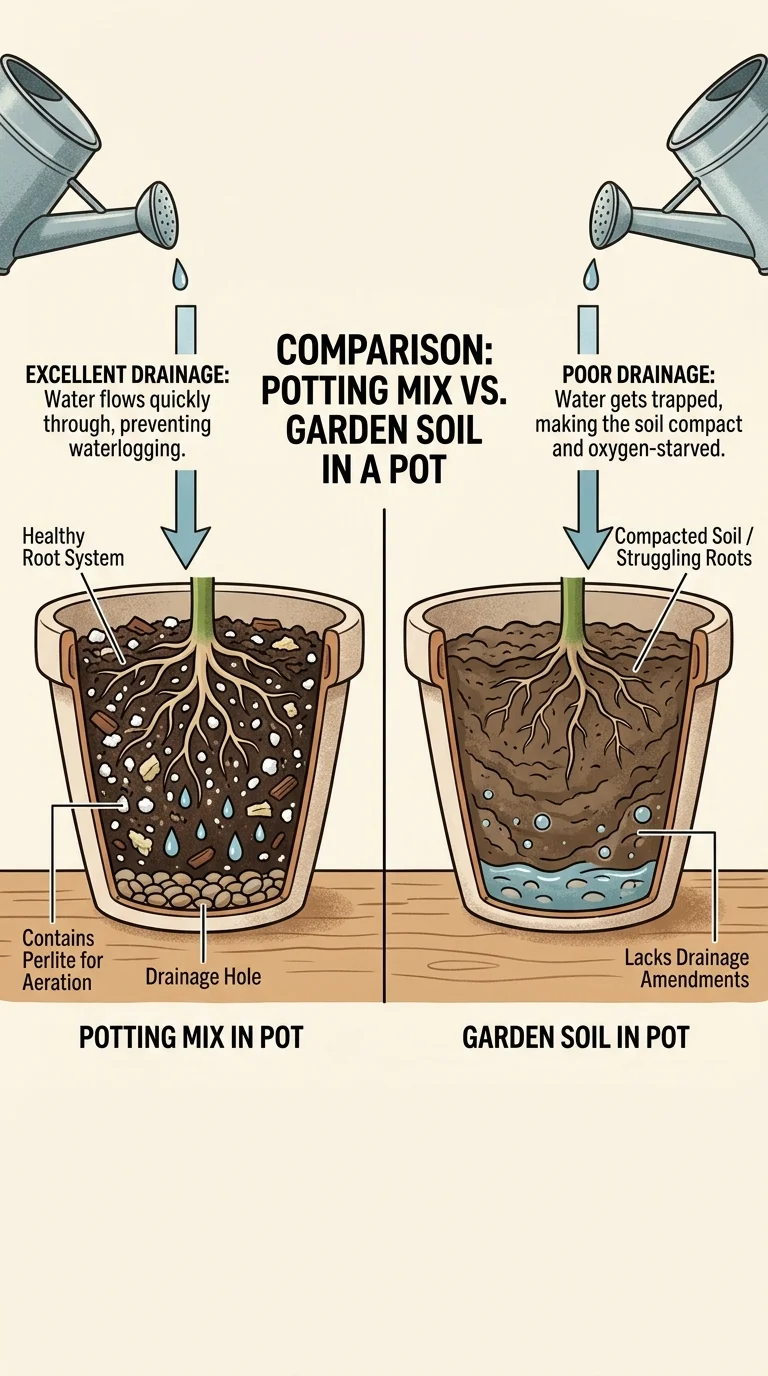
Raised beds with loose 12-inch compost-rich soil and excellent drainage can shave about 10 percent off row spacing because roots breathe better and you never step on bed. Use square-foot logic: a 4 by 8 bed divided into 1-foot squares — lettuce 4 per square, carrots 16, bush beans 9, tomatoes 1 per 4 squares. Keep trellised tomatoes at full spacing even in beds — the air need does not shrink.
In-ground rows need a bit more row spacing — 18 to 36 inches — so you can kneel and wheel a barrow, and so water does not pool between rows. Fork soil well and mulch paths with straw 4 inches.
Containers spacing is per pot: one tomato 10-gallon, one pepper 5-gallon, lettuce 6 inches apart in window box. Do not cram two tomatoes in one pot hoping for two yields; you will get half of one.
Vegetable by Vegetacin: How Far Apart to Plant — Details
Tomatoes — 24 to 36 Inches, Always Trellised
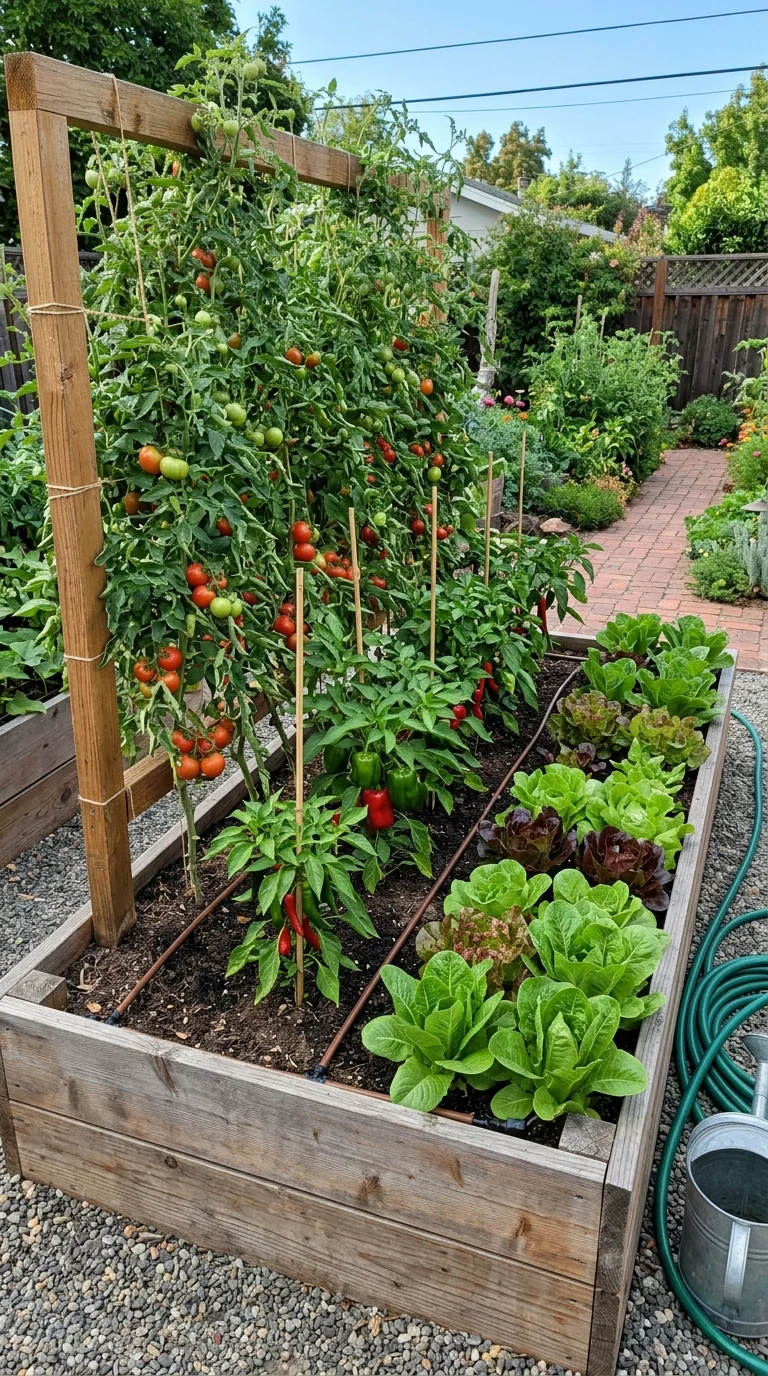
Tomatoes punish crowding more than any vegetable I grow. Indeterminate vines pruned to one leader need 24 to 36 inches between plants and 36 between rows with a 6-foot trellis or cage. Determinate bush types can do 24 inches with strong cage. Why? Airflow prevents early blight and septoria; sun reaches interior leaves; you can tie weekly and see blossoms.
Plant seedlings deep — bury stem to first leaves, roots form along buried stem. Cage at planting. Thin crowded suckers weekly, leave one or two leaders max. Harvest before crowding shades fruits.
Peppers — 18 to 24 Inches, Closer Is Okay
Peppers actually like a little leaf cover over fruits to prevent sunscald, so they tolerate closer spacing than tomatoes: 18 to 24 inches between plants, 24 between rows. They still need 6 to 8 hours sun. Stake in windy sites — one bamboo per plant, tie loosely.
Cucumbers — 12 Inches Trellised, 36 Sprawled
This one changes everything with a trellis. Trellised cucumbers at 12 inches apart grow straighter, stay clean, dry quickly reducing downy, and you spot fruits before they yellow. Sprawled ground cucumbers need 36 inches each way or they rot on damp soil and mildew fast. Either way rows 36 inches apart. See how to grow cucumbers.
Zucchini and Summer Squash — 24 to 36 Inches, One Is Plenty
One healthy zucchini at 30 inches feeds a family if picked at 6 to 8 inches every 2 to 3 days. Bush types need 24 inches; sprawling heirlooms 36. Between rows 36 to 48. Harvesting small keeps spacing working — a giant blocks light for neighbors. If tight, choose compact ‘Spacemiser’ and trellis low.
Beans — Bush 4 Inches, Pole 6 Around Trellis
Bush beans sow 4 inches apart rows 18 to 24 inches, succumb every 3 weeks till 60 days before frost. Pole beans 6 inches apart around 6 to 8-foot teepee or panel, rows 36 inches. Don’t over-fertilize nitrogen; they fix their own.
Carrots — 2 Inches After Ruthless Thinning
Carrots are sown thick because germination is slow, but must end at 2 inches. Thin twice with scissors: first at 1 inch tall to 1 inch, second a week later to 2. Crowded carrots stay threaded. Sow 1/4 inch deep, keep damp 14 to 21 days, cover with board 5 days to hold moisture. Loose stone-free soil 12 inches deep is non-negotiable — raised beds excel here. See how to grow carrots.
Beets — 3 Inches, Eat Every Thinning
Beet seeds are clusters giving multiple seedlings per seed. You will thin; plan to. Sow 1/2 inch deep thin to 3 inches; eat thinnings at 3 weeks as salad. Rows 18 inches. Even water prevents pale rings.
Lettuce, Spinach, Kale — 4 to 12 Inches Depending on Harvest
Looseleaf lettuce 6 to 10 inches rows 18 inches, or 4 per square foot. Spinach 4 to 6. Kale forfull bundles 12, for baby leaf 4 in a band cut at 4 inches. Spring lettuce benefits from shade of trellised beans — spacing plus companion logic.
Radishes and Spring Onions — 2 Inches, Fill Any Gap
Both are perfect edge and gap fillers: radishes 2 inches, rows 12, harvest at 1 inch every 10 days resown. Spring onions 2 inches any container or gap, eat as you thin. They teach thinning without heartbreak.
Potatoes and Garlic — 12 and 6 Inches
Potatoes 12 inches apart 4 inches deep in trench rows 36 inches; hill 4 inches when shoots 6 inches tall repeat at 12 inches. Garlic cloves 6 inches apart 2 inches deep pointed up fall. Both need loose soil; hilling prevents greening.
The Visual Method: Square-Foot Spacing for Tight Beds
If numbers blur in the garden, draw a 12-inch square with string. Place seeds per square:
- 1 per square: broccoli, cabbage, pepper, eggplant
- 1 per 2 squares: cucumber trellised
- 1 per 4 squares: tomato
- 4 per square: lettuce, spinach, basil
- 9 per square: bush beans, beets, peas
- 16 per square: carrots, radishes, spring onions
When a square finishes — say radishes — plant beans there with half-inch compost. The grid makes succession obvious without new bed.
Interplanting Spacing — Nesting Without Competing
You can tuck fast shallow crops between slow deep ones if you respect spacing: carrots 2 inches between tomatoes 30 inches apart — carrots harvested before tomatoes shade heavily. Lettuce border 6 inches south of pole beans — beans climb north. Spring onions between carrots — onion scent may confuse carrot fly.
Rule: pair low+high and shallow+deep so they don’t compete same light or soil layer at same time. That is how you beat pure spacing math with time.
Common Spacing Mistakes — And Fixes
Sowing extra “just in case” and never thinning. You planted three times needed. Thin to final spacing even though it hurts; kept plants double quickly.
Planting double row without extra air. Two tight rows 6 inches apart without trellis is just one crowded row. Either trellis or keep 18–36 inches row spacing.
No paths, walking on beds. Compaction suffocates roots; you also cannot thin without trampling. Leave 18-inch mulched paths never step in bed.
Harvesting giants and blaming space. Overgrown zucchini and cucumber shade neighbors and signal stop; pick at 6–8 inches so spacing keeps working.
Ignoring seed packet because “my garden is different.” Your soil may be rich but light and air needs do not change by yard. Trust packet within 10 percent.
Seasonal Spacing Calendar
| When | Sow / Plant | Final Spacing | Succession Note |
|---|---|---|---|
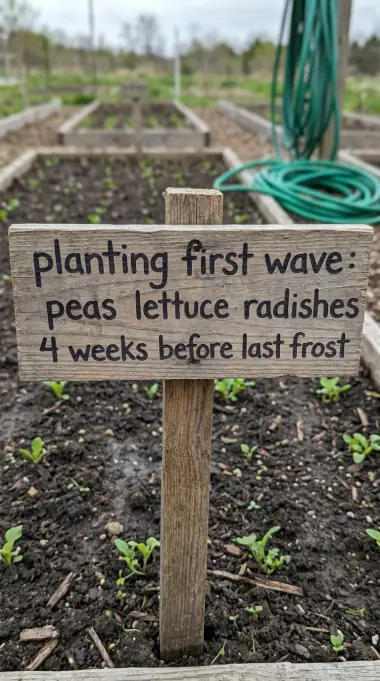
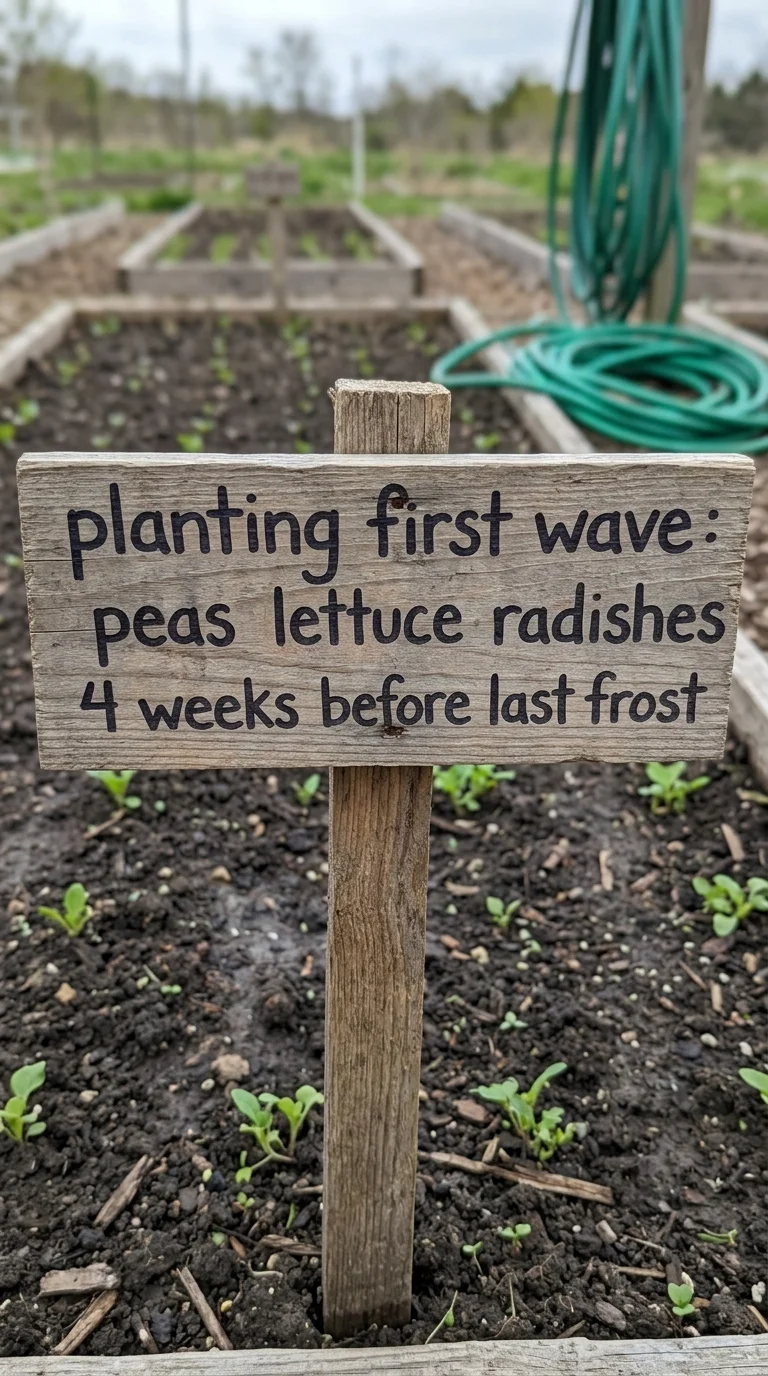
| 4 wks before last frost | Peas | 2–3 inches + trellis | — |
| Lettuce | 6–10 | Sow band every 14 days | |
| Radishes | 2 | Every 10 days | |
| 2 wks before last frost | Carrots | 2 after thinning | Cover board 5 days |
| Beets | 3 | Eat thinnings | |
| Kale spinach | 4–12 | — | |
| 2 wks after last frost soil 60°F | Bush beans | 4 | Every 3 weeks till 60 days before frost |
| Zucchini | 24–36 | 1 plant family | |
| Cucumbers trellised | 12 | — | |
| Late spring soil 65°F | Tomatoes | 24–36 trellised | Prune weekly |
| Peppers | 18–24 | — | |
| Midsummer | Succession beans lettuce | Same as above | Fill radish/pea gaps |
| Late summer | Fall carrots kale | 2 / 4–12 | In emptied strips |
Troubleshooting: Quick Help
Seedlings crowded and pale: Thin now to chart spacing, water after, mulch. Recovery shows in new growth 5–7 days.
Tomatoes mildewed despite spray: Likely air — increase spacing, prune to one leader, trellis to 6 ft, base water morning.
Carrots still tiny after 70 days: Soil too compact or not thinned — fork 12 inches, add compost, thin 2 inches.
Beans falling over crowded: Too tight or nitrogen high — hill lightly, space 4, stop high-N feed.
How I Space My Own 4 by 8 — Example
North 6 ft cattle panel: two indeterminate tomatoes at 30 inches with basil between — each tomato actually 1 per 4 square feet, basil 4 per square between.
Mid bed: row of bush beans 4 inches apart, next row peppers 20 inches, row beets 3 inches east.
South band: lettuce 8 inches, radishes 2 filling gaps, spring onions edge 2 inches, carrots 2 in deep end.
Paths 18 inches straw. No bed point wider than 4 ft. I can reach center either side without stepping. By June trellis shades only north edge, rest gets full north-south light. Succession: radishes pull → second bean sowing; lettuce cut → fall spinach same squares. Compost half-inch between crops.
A Final Word on Kind Thinning
Thinning is hardest kindest job. Snip with scissors evening so remaining seedlings not disturbed, water after, and eat thinnings: radish and beet leaves at 3 weeks are salad. Market gardeners count thinning as first harvest; home gardeners can too. Begin with that mindset and spacing stops feeling wasteful and starts feeling precise.
Spacing is not rules to obey; it is gifts of light and air to plants that feed you. Give it, and the harvest is steadier, cleaner, and oddly more calming to walk through on a hot August evening when everything has room to breathe.
Container Spacing Deep Dive
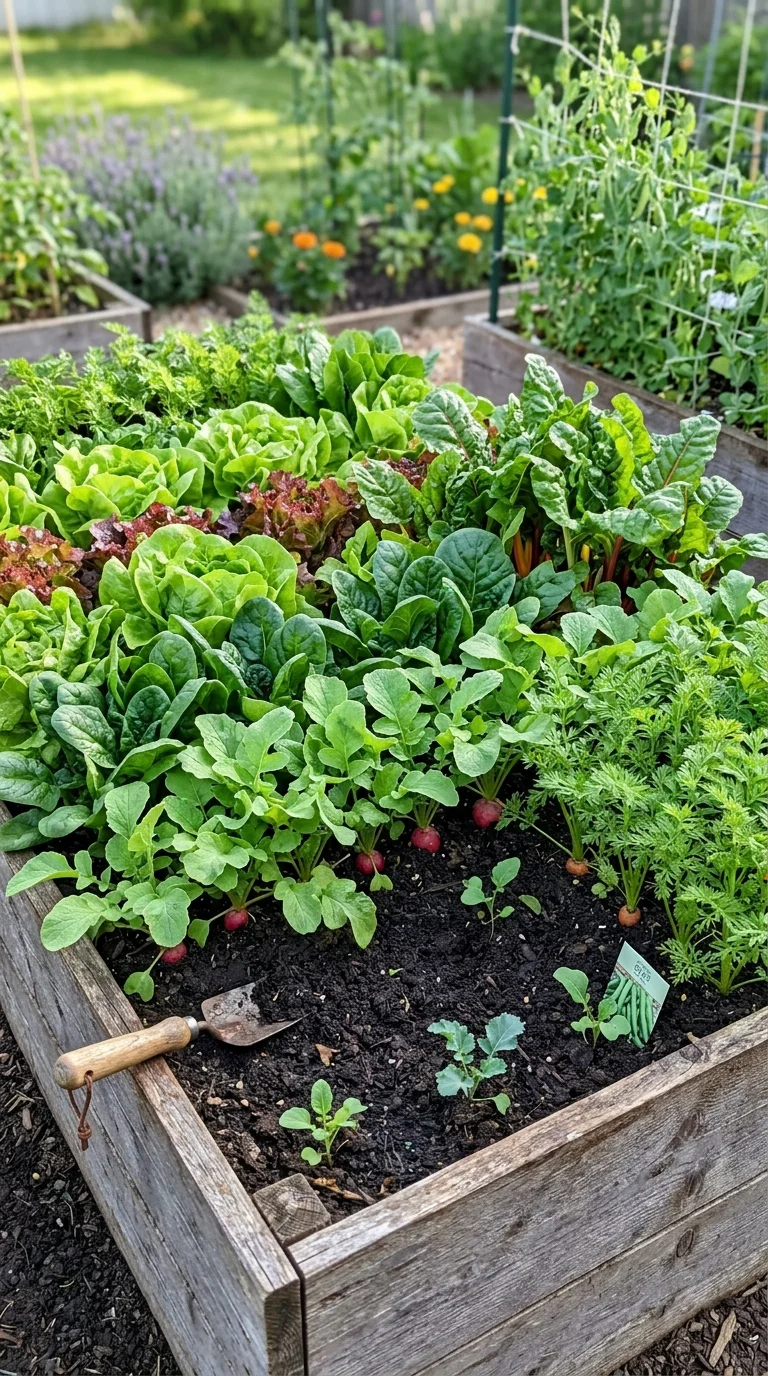
Containers trick beginners because pot diameter limits root spread more than bed soil does. My rule: one fruiting plant per pot. One cherry tomato per 10-gallon fabric pot, one pepper per 5-gallon, one zucchini only if pot is 15-gallon minimum with trellis — otherwise it sprawls and shades everyone. For greens, think bands: window box 24 inches long fits 8 lettuce at 6 inches or 16 radishes at 2 inches with a row of spring onions at the edge. Always use potting mix not garden soil, add compost quarter, and water daily heat — pots dry 3 times faster. If you must double up, pair shallow with deep: lettuce ring around a central pepper works because they occupy different soil layers and light levels.
How Spacing Changes with Succession
Spacing is not static through the season. Early spring radishes at 2 inches pull quickly leaving ready holes for bush beans at 4 inches two weeks later. That timing lets you cheat pure grid math with time. I mark my calendar “pull radishes, sow beans same row with half-inch compost” so I do not miss window. Lettuce at 8 inches cut-and-come-again thins itself as you harvest outer leaves; no extra thinning needed after first cut. Always top-dress half-inch compost between successions rather than deep till — you feed microbes without disturbing the next seedlings roots.
Keeping a Garden Notebook That Actually Helps
I keep a cheap spiral by the door, not an app, because it survives dirt and rain. One line per sowing: date, variety, where. One line per thin or transplant. One line per first harvest with a tiny taste note — lettuce bitter after hot week or Provider beans sweet even at 6 inches. That note does more than any book next year because it is your microclimate, your soil, your shade pattern. By winter you have a map that knows you. Even a photo once a week from the same corner — phone on the fence post — tells you how light shifted and where the crowded patch was you forgot to thin.
A notebook also keeps you from repeating variety mistakes. I note early Gypsy pepper ripe Aug 5 even cool June or late heirloom never colored. Next February you order what actually fed you, not what catalog photographed prettiest.
Frequently Asked Questions
Q: How far apart should you plant vegetables?
A: It depends on mature size. Lettuce 6 to 10 inches, spinach 4 to 6, carrots 2 after thinning, beets 3, radishes 2, bush beans 4, pole beans 6 around trellis, peppers 18 to 24, tomatoes 24 to 36 trellised, zucchini 24 to 36, cucumbers 12 trellised. Thin to chart final spacing so each canopy gets sun and air.
Q: What happens if you plant vegetables too close together?
A: Plants compete for light and water, humidity traps, powdery and blight thrive, pollinators struggle, fruits stay small, flavor blurs, yields actually drop 30 to 50 percent despite more seed. Even, correct spacing plus trellising and mulching keeps harvest cleaner and higher per square foot.
Q: Do raised beds need different spacing than rows?
A: Slightly tighter is possible with rich loose beds and vertical trellises, but only by about 10 percent. Use square-foot guides — 16 carrots, 9 beans, 4 lettuce per square foot, 1 tomato per 4 squares — to stay structured. Always keep trellised fruiters at full spacing for airflow.
Q: How far apart should rows be in a vegetable garden?
A: Rows 18 inches apart for greens, carrots, beets, and spinach; 24 for beans; 36 for trellised tomatoes, cucumbers, squash and potatoes. Leave at least 18-inch mulched paths to kneel and avoid compacting beds. Orient rows north-south so every plant gets balanced light.
Related Articles
- Vegetable Garden Layout Ideas
- How to Start a Vegetable Garden
- Best Vegetables for Beginners
- Companion Planting Guide
- How Often to Water Vegetables
- Raised Bed Gardening Guide
Sources & References
- University of Minnesota Extension - Plant Spacing and Thinning Vegetables
- Cornell University - Vegetable Planting and Spacing Guidelines
- Iowa State University Extension - Vegetables in Raised Beds
- Royal Horticultural Society - Sowing and Spacing Advice
- Old Farmer’s Almanac - Plant Spacing Chart