My first container garden was an accident born of impatience. I’d just moved into an apartment with a 6-by-10-foot concrete balcony, no yard, and a south-facing railing that baked in summer. I missed soil under my nails so badly I dragged home a 5-gallon bucket, drilled holes with a borrowed drill, filled it with what I thought was soil from a park — dense, gray, and lifeless — and plopped in a leggy tomato seedling from the hardware store.
That tomato forgave me anyway. It grew crooked but it grew, and by August I was eating warm cherry tomatoes standing barefoot on hot concrete, juice running down my wrist. The taste was absurdly good, because I’d grown it three feet from my kitchen.
That’s the secret of containers: they don’t need a yard. They need right-sized pots, fluffy potting mix, consistent water, and varieties that like to stay compact. Get those four, and a balcony, patio, porch, or even a sunny doorstep can outproduce a patch of ground — with fewer weeds, fewer slugs, and perfect soil every time.
Quick Answer: These 20 vegetables thrive in containers with the right pot and care: tomatoes, peppers, lettuce, spinach, kale, arugula, bush beans, peas, cucumbers, zucchini, carrots, radishes, beets, scallions, onions, potatoes, sweet potatoes, strawberries, eggplant, and herbs (basil, parsley, mint). Use 12–18-inch deep pots (5–10 gallons for fruiting crops, 6–8 inches for greens) with drainage holes and potting mix. Water daily in summer, feed every 2–3 weeks, and choose compact/bush/determinate varieties for easiest success.
At a Glance: 20 Container Vegetables & Pot Sizes
| Vegetable | Minimum Pot Size | Depth Needed | Sun Needed | Container Tip |
|---|---|---|---|---|
| Tomato (determinate/bush) | 5–10 gal / 14–18″ wide | 14–18″ | 6–8 hrs | Cage early, 1 plant per pot |
| Pepper (bell/chili) | 3–5 gal / 12–14″ | 12–14″ | 6–8 hrs | Stunning in pots, stake tall types |
| Lettuce | 6–8″ deep window box | 6–8″ | 3–6 hrs | Cut-and-come-again, succession sow |
| Spinach | 6–8″ deep | 6–8″ | 3–6 hrs | Cool-season star |
| Kale | 3–5 gal / 12″ | 10–12″ | 4–6 hrs | Harvest outer leaves |
| Arugula | 6″ deep | 6″ | 3–5 hrs | Fast, 30 days |
| Bush Beans | 3 gal / 12″ | 10–12″ | 6 hrs | No trellis needed |
| Peas (bush/snap) | 3–5 gal / 12″ | 10–12″ | 4–6 hrs | Small trellis helps |
| Cucumber (bush) | 5 gal / 14″ | 12–14″ | 6–8 hrs | Trellis saves space |
| Zucchini (compact) | 7–10 gal / 16–18″ | 14–16″ | 6–8 hrs | 1 plant per large pot |
| Carrots | 10–12″ deep | 10–12″ | 6 hrs | Choose short ‘Chantenay’ types |
| Radishes | 6–8″ deep | 6–8″ | 4–6 hrs | Quickest pot crop |
| Beets | 8–12″ deep | 8–12″ | 4–6 hrs | Roots + greens |
| Scallions | 6″ deep | 6–8″ | 4–6 hrs | Sow thickly |
| Onions (bunching) | 8″ deep | 8–10″ | 6 hrs | Pull as needed |
| Potatoes | 7–10 gal grow bag | 14–16″ | 6 hrs | Hill as they grow |
| Sweet Potatoes | 10–15 gal | 14–16″ | 6–8 hrs | Trailing vines, warm lover |
| Eggplant (compact) | 5 gal / 14″ | 12–14″ | 6–8 hrs | Feed well when flowering |
| Strawberries | 6–8″ deep | 6–8″ | 6 hrs | Edge pots, everbearing best |
| Herbs (basil/parsley/mint) | 6–12″ | 6–10″ | 4–6 hrs | Mint alone, always |
Why Containers Can Outperform Ground (When Done Right)
Containers look simple, but they’re actually precision gardening — you control every variable.
Perfect Soil Every Time
In ground, you amend what you inherited: clay, sand, compaction. In a pot, you start with ideal: light, airy potting mix that drains yet holds moisture. Plants root fast and never hit a hard pan. That’s why a 5-gallon tomato in potting mix can outgrow a ground plant in heavy clay.
But — and this matters — potting mix, not garden soil. Garden soil in pots compacts into a dense, airless brick after two waterings. Roots suffocate. Always use potting mix or a container blend: peat or coir plus perlite plus compost. It stays fluffy all season.
Fewer Pests, More Control
Raised off ground, containers see fewer slugs, cutworms, and soil-borne wilts. You spot problems faster because you’re eye-level with leaves. And you can move pots — slide that lettuce into afternoon shade when a heat wave hits, or pull peppers against a warm wall in late September to eke out another two weeks.
Small Space, Big Harvest With Succession
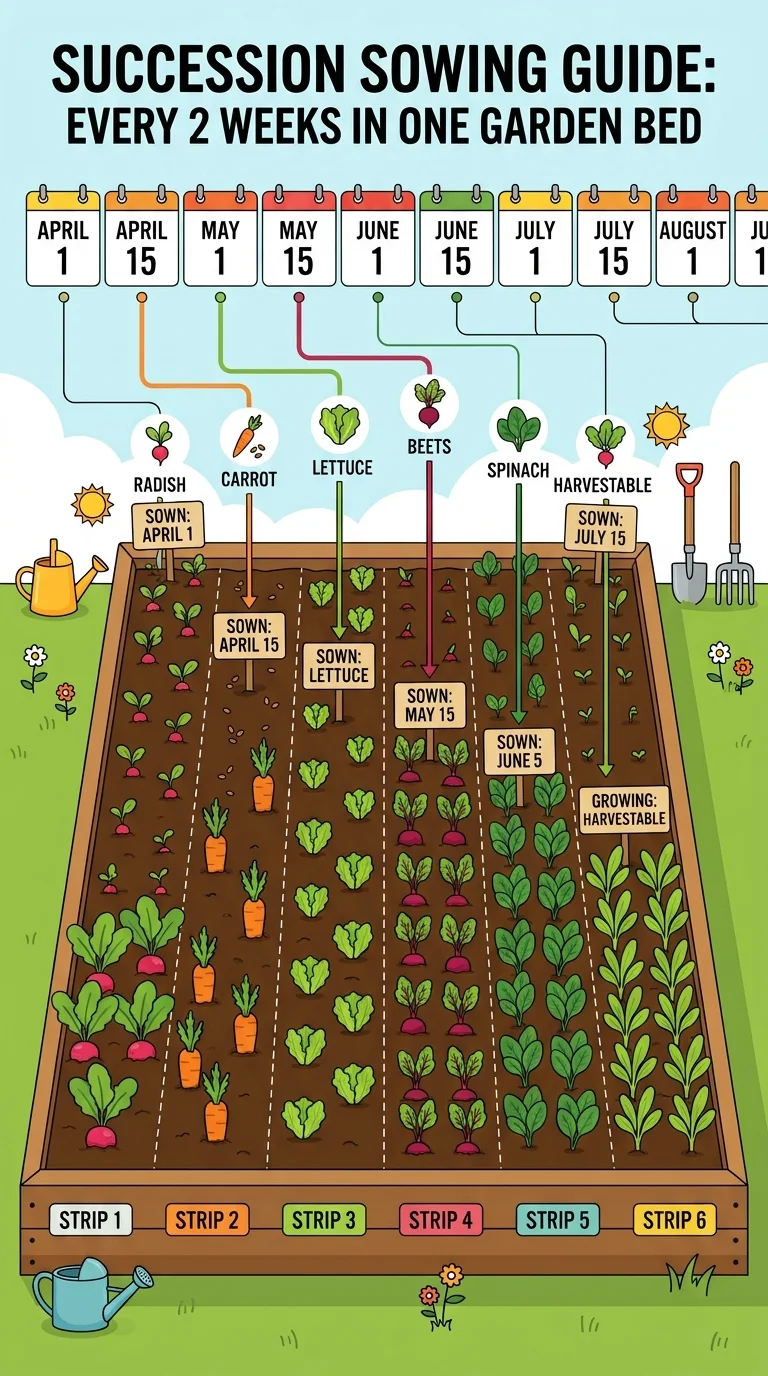
A single 14-inch pot can give you three crops a year: radishes in April, bush beans in June, lettuce again in September. Ground beds sit empty; pots rotate. That’s how a balcony feeds you.
The 20 Vegetables: Compact Champions for Pots
Fruiting Crops That Love a Big Pot (6)
1. Tomatoes. The container classic — but choose the right type. Determinate/bush or dwarf cherries like ‘Patio,’ ‘Tiny Tim,’ ‘BushSteak,’ or ‘Roma’ stay 2–3 feet and produce concentrated harvests without sprawling. One plant per 5–10-gallon pot, cage at planting (not after), and pinch suckers lightly. Indeterminate giants will grow, but they need 10+ gallons and daily tying — bush types are kinder on a balcony.
I feed tomatoes when first flowers open, then every 2 weeks. Mulch straw 2 inches to keep roots cool — hot roots in black plastic pots abort flowers.
2. Peppers (bell & chili). Peppers were almost made for pots. They love warm roots, and a dark container on a sunny patio gives them just that. 3–5 gallons each, 12–14 inches deep. ‘Gypsy,’ ‘Lunchbox,’ and ‘Jalapeño’ are prolific. No pruning needed; just stake if loaded with fruit. They’ll produce until frost if you keep picking.
3. Cucumbers (bush). Vining cucumbers want 6 feet; bush cucumbers like ‘Spacemaster,’ ‘Bush Champion,’ or ‘Patio Snacker’ produce 6–8 crisp fruits on 2-foot vines perfect for a 5-gallon pot with a small trellis. Trellising even bush types keeps fruit straight and saves floor space. Water evenly — swings cause bitter, misshapen cukes.
4. Zucchini (compact). Yes, zucchini in a pot — if you pick a compact, bush gene like ‘Astia,’ ‘Gold Rush,’ or ‘Spacemaverick.’ One plant per 7–10-gallon pot, 16–18 inches wide. It will still be a big, handsome plant with huge leaves, but it won’t run 6 feet. Harvest at 6–8 inches so the plant keeps flowering; one plant in a pot can still overwhelm your neighbors.
5. Eggplant (compact). Glossy, heat-loving, and gorgeous in containers. Choose compact types like ‘Patio Baby,’ ‘Ichiban,’ or ‘Fairy Tale’ — 18–24 inches tall, not 4 feet. 5 gallons, 6–8 hours sun, and feed when flowering. Eggplant wants steady warmth; in cool zones, pots against a south wall outperform ground by weeks.
6. Strawberries (everbearing). Not a vegetable but the balcony fruit everyone wants. Everbearing ‘Albion’ or ‘Seascape’ in a 6–8-inch deep window box or 12-inch pot gives you berries from June to October. One plant per 6–8 inches, pinch runners first year to build crowns, and tuck straw around crowns for winter in cold zones. They dangle prettily over pot edges.
Leaves You Can Snip Daily (5)
7. Lettuce. The easiest container success. Shallow window boxes 6–8 inches deep are perfect. Sow directly, thin to 6 inches for heads or keep dense and snip at 4 inches cut-and-come-again. Succession every 2 weeks spring and fall. In summer heat, move the box to afternoon shade or the lettuce stays sweet.
8. Spinach. Same shallow pot as lettuce, but cool-season only — sow early spring and again late summer for fall. 6 inches deep is enough. Keep moist; drought makes it bolt and bitter.
9. Kale. A single kale in a 3–5-gallon pot gives you outer leaves for months. Choose ‘Lacinato’ or ‘Red Russian’ for tender leaves that are less wind-toughened in pots. Harvest outer leaves, let the center crown keep growing. One pot can fill salads weekly from June to frost.
10. Arugula & 11. Mixed Baby Greens. Arugula is ready in 30 days and loves a 6-inch deep pot. Sow thick, harvest at 3 inches. I often sow a “salad blend” of arugula, mizuna, and lettuce in one window box and harvest with scissors — it regrows twice.
Crisp Roots & Alliums in Pots (5)
Roots prove how good potting mix is — you pull straight, clean carrots that never forked on a stone.
12. Carrots. Need depth (10–12 inches) but not width. Use a tall, narrow pot (like a 10-inch by 12-inch deep fabric pot) and choose short or round types: ‘Chantenay,’ ‘Thumbelina,’ ‘Paris Market.’ Sow directly, thin ruthlessly to 2 inches. Keep evenly moist — potting mix dries fast on top, so mist daily until germination.
13. Radishes. The fastest container reward — 25 days. 6–8 inches deep is plenty. Sow 1 inch apart, thin to 2 inches. Perfect for the impatient and for tucking into any pot edge that’s empty.
14. Beets. Dual-purpose: roots at golf-ball size plus tender greens. 8–12 inches deep, 4 inches apart. ‘Detroit Dark Red’ and golden beets both color beautifully in pots. Don’t let them get huge — small beets are tenderest.
15. Scallions & 16. Bunching Onions. Sow scallions thickly in a 6-inch deep pot and pull at pencil thickness. No thinning drama. They’re the most forgiving onion for pots and give you fresh onion flavor in 50 days.
Legumes & Tubers That Surprise You (4)
17. Bush Beans. No trellis, no fuss. 3 gallons, 12 inches deep, sow 3 inches apart around the pot. ‘Provider’ and ‘Contender’ produce a concentrated flush — perfect for a pot. Succession two weeks apart for continuous beans. Beans fix nitrogen, so they’re not heavy feeders.
18. Peas (snap/snow). Bush or dwarf peas like ‘Tom Thumb’ need only a 12-inch mini trellis made from twigs or string. Sow 2 inches apart, keep cool. They fade in heat, so spring and fall are best.
19. Potatoes. The magic trick of containers. Use a 7–10-gallon fabric grow bag or a tall plastic tote with holes. Add 4 inches mix, place 3 seed potatoes, cover 3 inches mix, and as vines grow, hill with more mix until the bag is full. Harvest by tipping the bag — no digging, clean potatoes. One bag can give 3–5 pounds.
20. Sweet Potatoes. Heat lovers with trailing vines that spill beautifully over a large pot. One slip per 10–15-gallon pot in warm zones. They need 90–120 hot days, so start after soil hits 65°F and cure harvested roots warm for two weeks for sweetness. In cooler zones, grow them purely for gorgeous foliage and a small but tasty harvest.
Potting Mix, Drainage & Feeding: The Non-Negotiables
The Mix That Works
My container blend is simple: 2 parts high-quality potting mix + 1 part compost + handful of perlite if not already included. It’s light, drains freely, yet holds moisture. Never use garden soil or bagged “garden soil” in pots. And refresh yearly — old mix compacts and salts build.
Fill pots to 1 inch below rim to hold mulch and water.
Drainage Is Mandatory
Every pot needs holes. No holes, no vegetables — roots rot in two days. If you love a cachepot without holes, use it as a cover: pot inside with holes, lift to water, drain, return. Add a saucer outdoors, but empty it if it stays full after an hour — roots shouldn’t sit in standing water.
Fabric grow bags are my favorite for vegetables — air-prunes roots so they don’t circle, drains perfectly, and folds flat for storage.
Water & Feed Like Clockwork
Water: In summer, containers dry in a day. Check daily — poke finger 1 inch deep. If dry, water slowly until it runs from holes. In heat above 85°F, you may need twice daily for fruiting crops. Mulch 1–2 inches with straw to cut evaporation by half.
Feed: Nutrients wash out every watering. I top-dress with 1 inch compost at planting, then liquid-feed balanced organic fertilizer every 2–3 weeks starting week 3. Heavy feeders (tomatoes, cucumbers, zucchini) get extra at flowering. Yellowing lower leaves usually means hungry — feed.
Small-Space Layouts That Actually Yield
Sunny balcony (6 hours, 3 pots): One 10-gallon tomato with basil tucked at its feet, one 14-inch window box of lettuce succession, one 7-gallon potato bag. That’s salads, slicers, and spuds in 20 square feet.
Patio corner with trellis: 5-gallon cucumber up a 4-foot trellis, 12-inch pot of peppers, shallow box of radishes at the base that harvest before cucumber shades them.
Shady balcony (3–4 hours): Skip tomatoes. Grow lettuce, spinach, arugula, kale, mint, and scallions — they’ll be sweeter and less bitter than in full sun, and you’ll have greens all season.
See also: vegetables that grow in shade and best vegetables for raised beds.
Common Mistakes in Containers
Pot too small. A tomato in a 2-gallon pot is a bonsai — stressed, wilty, blossom-end rot guaranteed. Go 5 gallons minimum for fruiting crops. Greens forgive small pots; tomatoes don’t.
Using garden soil. It compacts, drains poorly, and may carry disease. Always potting mix. If you already used garden soil, repot with mix and perlite, or cut it 50/50 with potting mix.
Inconsistent water = blossom end rot & bitter cukes. Swing between wet and dry causes calcium disruption (tomatoes) and bitterness (cucumbers). Water deeply at the same time daily, mulch, and don’t let pots wilt hard.
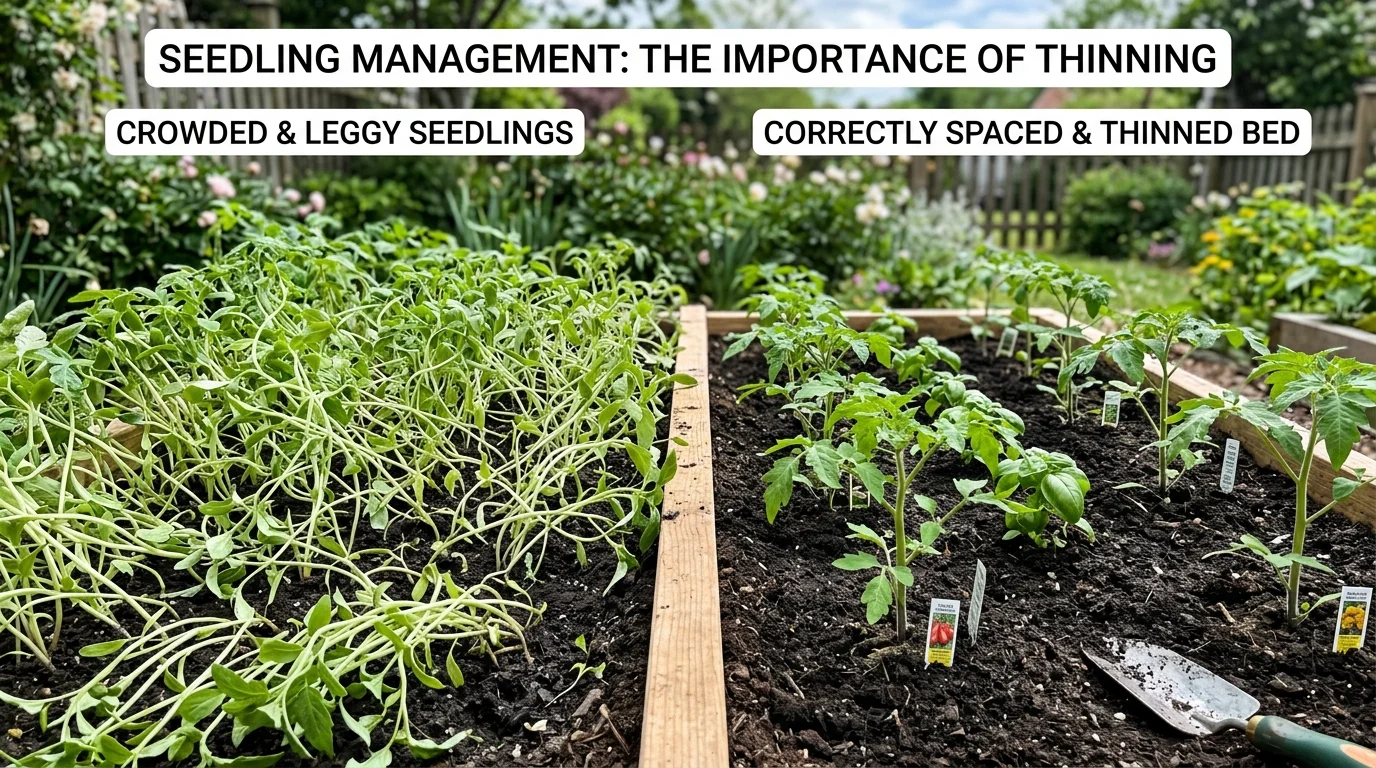
Overcrowding. One tomato per pot. One zucchini per big pot. Thinning feels wasteful but crowding in a pot amplifies disease and starves everyone. Follow spacing on the At-a-Glance table.
Forgetting to feed. Pots are not ground — there’s no soil food web replenishing. If you haven’t fed in 3 weeks and growth stalls, feed. Compost tea or diluted fish emulsion works fast.
No holes or saucer swamp. Drill holes. Elevate pots on pot feet so they drain. Empty saucers that stay flooded.
Cement balcony heat stress. Dark pots on concrete can cook roots to 110°F. Use light-colored pots or fabric bags, group pots to shade each other, and mulch. Water morning and again evening in heat waves.
Seasonal Calendar for Container Vegetables
| Season | Sow / Plant | Harvest | Move / Protect |
|---|---|---|---|
| Late Winter Indoors | Start tomato/pepper/eggplant seeds 6 weeks before last frost | — | — |
| Early Spring | Lettuce, spinach, arugula, peas, radish direct in pots | Radish 25 days, greens 30–40 | Move trays indoors if hard freeze |
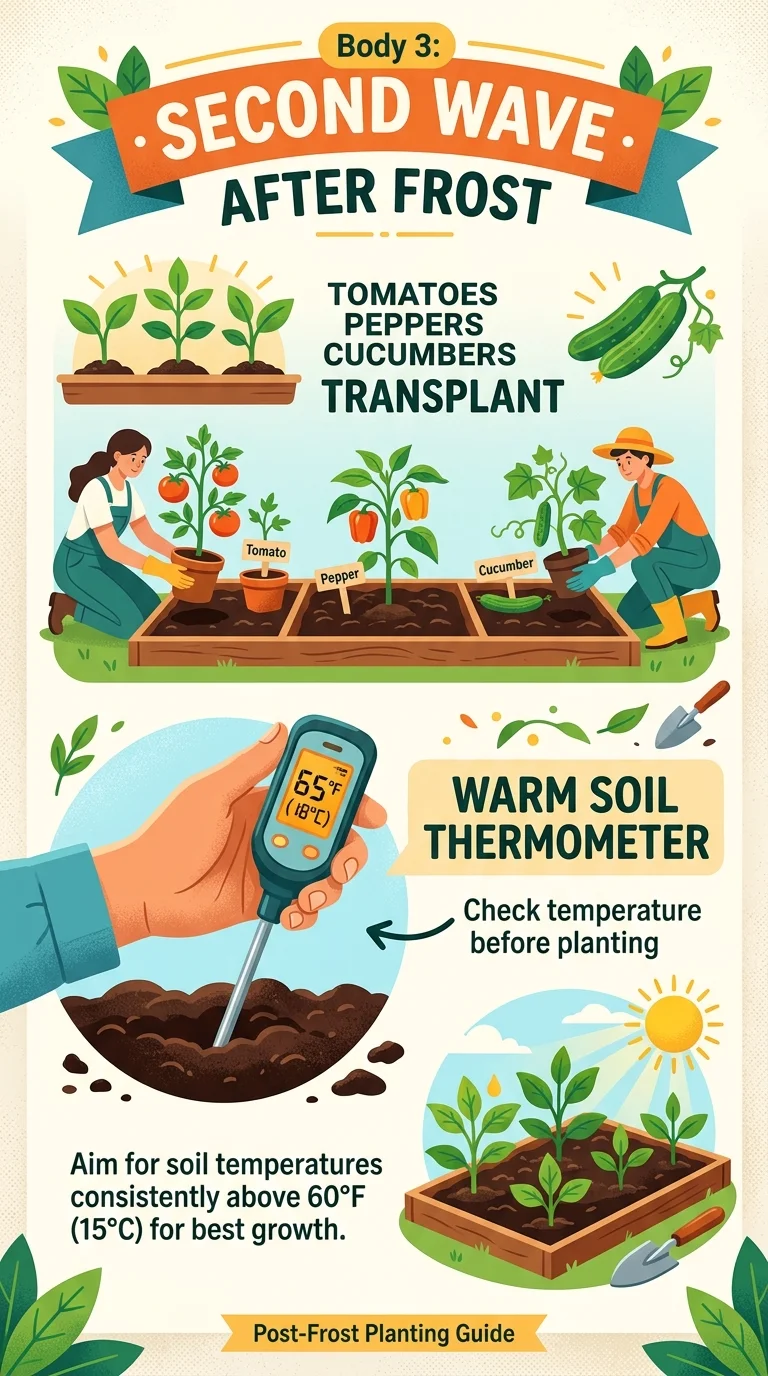
| After Last Frost | Transplant tomatoes/peppers/cucumbers/zucchini; sow beans, carrots, beets | Lettuce, radish, peas | Harden seedlings 7 days |
| Summer | Succession beans every 2 weeks; second sowing of carrots | Tomatoes, peppers, cukes, zucchini, beans | Water daily, feed every 2–3 weeks |
| Late Summer–Fall | Sow lettuce, spinach, radish, scallions again; plant garlic in pots for spring | Fall greens, beets, carrots | Slide pots to warm wall for extra weeks |
| Winter | Overwinter kale/chard under cover in mild zones; store potato bags soil-free | Kale through light frost | Wrap pots with bubble wrap in freezing zones to protect roots |
Troubleshooting: Why Pots Struggle
Wilting daily even after watering. Pot too small, or potting mix became hydrophobic (water runs down sides). Soak the whole pot in a basin 20 minutes to rehydrate, then mulch and upsize next season.
Yellow leaves, no growth. Hungry or waterlogged. Check drainage first (holes clear?), then feed. If lower leaves yellow and veins stay green, could be iron — but usually it’s just nitrogen leached.
Flowers but no fruit (tomato/pepper/eggplant). Too hot (above 90°F pollen fails), too little pollination, or too much nitrogen. Shake tomato flowers gently daily, ensure 6+ hours sun, and switch to a fertilizer higher in phosphorus/potassium at bloom.
Bitter lettuce, pithy radishes. Heat or drought. Move pots to afternoon shade, water evenly, harvest younger. Shade cloth 30% over greens in July works wonders.
Potatoes small harvest. Not enough hilling, too little sun, or harvested too early. Keep hilling until bag is full, ensure 6 hours, and wait until vines yellow.
A Balcony That Feeds You
Containers taught me that gardening isn’t about how much ground you own — it’s about how thoughtfully you fill what you have. One good pot, tended daily with a watering can and a little feed, can give you more joy than a neglected plot twice its size.
Start with two: a window box of lettuce that you sow today and snip in thirty days, and a 5-gallon tomato that will make your August taste like summer. Water them each morning while your coffee brews. By the time you’re done, you’ll understand why potted vegetables have quietly become the most productive gardens in cities — they’re close, they’re tended, and they’re loved daily.
And if you have a little more space later, a raised bed is the natural next step — same perfect soil, but at waist height and built to last.
Deep Dive: Container Care That Prevents 90% of Problems
Pot Selection Beyond Size
- Material: Fabric grow bags (air-prunes, lightest, drains best), terracotta (breaths but dries fast), plastic (holds moisture longest), wood (insulates roots best). For hot balconies, prefer fabric or light-colored plastic - dark pots on concrete can hit 110F root zone.
- Drainage: Drill 4-6 holes 1/2 inch if missing; add pot feet to lift 1 inch so water actually exits. Never let pots sit in swamp for hours.
- Saucer strategy: Use saucers outdoors but empty after 1 hour; indoors use deep saucers and check moisture with finger before re-watering.
Potting Mix Deep Dive
My proven blend: 2 parts quality potting mix + 1 part finished compost + handful perlite if not pre-charged.
- Refresh yearly - dump old mix into raised bed or compost, do not reuse 100% (salt buildup, compaction).
- Top with 1 inch compost at planting for slow feed.
- Fill to 1 inch below rim to hold mulch/water.
Avoid garden soil, moisture crystals, or pure compost in pots - all cause rot or drought swings.
Water & Feed Schedule
- Check daily: Finger 1 inch deep; if dry, water slowly until drains freely.
- Mulch 1-2 inches straw even in pots - halves evaporation and keeps surface from crusting.
- Feed every 2-3 weeks with balanced organic liquid starting week 3. Heavy fruiters (tomato, cucumber, zucchini) extra at first flower.
- Heat wave: Shade pots with group clustering, move greens to afternoon shade, water morning + evening if above 90F.
Pollination & Fruit Set
- Tomatoes/peppers/eggplant: Shake flowers gently daily or use electric toothbrush 2 seconds per truss - wind is limited on balconies.
- Cucumbers/zucchini: Need bees; plant basil nearby to attract, or hand-pollinate with small brush.
- Too hot (>90F) pollen fails: Provide 30% shade cloth over fruiting pots mid-afternoon in extreme heat.
Variety Picks for Containers
- Tomato: ‘Patio’, ‘Tiny Tim’, ‘BushSteak’, ‘Roma’ determinate 2-3 ft.
- Pepper: ‘Gypsy’, ‘Lunchbox’, ‘Jalapeno’ - all compact and prolific.
- Cucumber: ‘Spacemaster’, ‘Bush Champion’, ‘Patio Snacker’ 2-ft vines.
- Zucchini: ‘Astia’, ‘Spacemaverick’ compact bush.
- Carrot: ‘Chantenay’, ‘Thumbelina’, ‘Paris Market’ short.
- Potato: ‘Yukon Gold’, ‘Red Pontiac’ in grow bags.
Winter & Storage
- Fabric bags store flat; wash, dry, fold.
- Terracotta: empty, scrub, store indoors where freeze-thaw will not crack.
- Perennial herbs/strawberries: tuck pots against warm wall, wrap with bubble wrap in freezing zones, mulch crowns with straw.
One 10-gal tomato with basil at its feet, one window box lettuce succession, one 7-gal potato bag = salads, slicers, spuds in 20 sq ft, no yard needed.
Container Checklist Before Planting Day
- Pots 12-18 inches deep for fruiting, 6-8 for greens, all with holes
- Potting mix + compost + perlite blended
- Straw mulch bag ready
- Liquid organic fertilizer
- Small trellis or tomato cage
- Saucers + pot feet
- Watering can or hose with gentle head
Moving Pots Seasonally
Spring: chase sun; all pots full sun for tomatoes/peppers. Summer heat wave: slide greens to afternoon shade, cluster pots to shade each other. Fall: push warm lovers against south wall to extend 2 weeks; move greens back to sun as days shorten. Winter: wrap perennial pots, empty terracotta, store fabric bags.
One dolly or pot caddy saves your back.
Common Container Myth Busting
- Myth: Gravel in bottom helps drainage. It creates perched water table - worse drainage. Use uniform mix full depth.
- Myth: Bigger pot always better. Too big holds soggy soil for small seedling; size up gradually.
- Myth: Daily misting suffices. Need deep soak until drains; mist only for germination.
Budget Container Sources
- 5-gal food-grade buckets (free from bakery) drilled work perfectly for tomatoes/peppers.
- Fabric grow bags $2-4 each online, last 3 seasons.
- Dollar store window boxes with drilled holes grow lettuce for $5.
Start with buckets and bags - upgrade to cedar later if you love it.
Printable One-Page Checklist
Copy this onto an index card and tape inside your shed.
- Sun mapped (9am, noon, 4pm) - 6-8 hrs for fruiting, 3-4 for greens
- Soil test every 2 years - pH 6.0-7.0, organic matter 4-8%
- Bed depth 12-18 inches, width 4 ft max, never walk inside
- Mix 60/30/10 topsoil/compost/perlite blended on tarp, filled in 6-inch lifts watered
- Compost 1-2 inches yearly top-dress, not till
- Mulch 3 inches straw after 3 inches tall, replenish when bare
- Water deeply to 6-8 inches, then wait till top 2 inches dry (chopstick test)
- Thin on time: carrots 2 inches, lettuce 8 inches, tomatoes 18-24 inches
- Succession sow every 10-14 days for greens/radishes
- Cover crop or mulch any bed empty >1 week
- Log pH, compost, varieties, harvest notes each season
Next Steps & Related Reads
If this article helped, these build directly on it:
- Best Soil for Vegetable Gardens - the full 60/30/10 loam explanation
- How to Improve Garden Soil - 10 easy ways to build loam over seasons
- Best Soil pH for Vegetables - testing and adjusting pH 6.0-7.0
- Raised Bed Soil Mix - DIY recipe with bucket math and sourcing
- Best Soil for Raised Beds - ideal ratio, depth and maintenance
- When to Plant Vegetables - timing by frost date and succession
A Final Note From My Garden
I still keep the first carrot that grew straight after I fixed soil - it dried on the windowsill, crooked in the way memory is, reminding me that good gardening is not about being perfect the first time.
It is about noticing what soil is telling you - the smell after rain, the way water drains, the worms that appear when you mulch - and responding with one small, steady habit at a time.
You do not need a perfect garden this season.
You need one bed, one handful of compost, a pH strip, and the willingness to kneel a little longer and watch.
Soil will do the rest.
It always does, if we let it.
Frequently Asked Questions
Q: What vegetables grow best in containers?
A: Compact or bush varieties of tomatoes, peppers, lettuce, spinach, kale, arugula, bush beans, peas, cucumbers, radishes, carrots, beets, scallions, onions, potatoes, sweet potatoes, zucchini, strawberries and eggplant all excel in containers. Herbs like basil, parsley and mint are natural pot stars too. Choose determinate, bush or dwarf cultivars labeled patio or compact, give fruiting crops 5–10 gallons and greens 6–8 inches depth, and use fluffy potting mix for straight roots and fast growth.
Q: How big should containers be for vegetables?
A: Most vegetables need 12–18 inches deep and 12–24 inches wide. Shallow greens and herbs thrive in 6–8-inch window boxes, while fruiting crops need heft: tomatoes, zucchini and potatoes want 14–18 inches deep and 5–10 gallons, peppers and eggplant 3–5 gallons. Always ensure multiple drainage holes and fill with potting mix, not garden soil, which compacts and suffocates roots in the confined space of a pot.
Q: How often do you water container vegetables?
A: Check daily and water when the top inch is dry — usually daily in summer, twice daily above 85°F for large fruiting pots. Water slowly until it drains freely from holes, then empty saucers that stay flooded. Mulch 1–2 inches with straw to halve evaporation and keep roots cool in dark pots. Consistent moisture prevents blossom end rot in tomatoes and bitterness in cucumbers, both caused by wet-dry swings more than by nutrients.
Q: Do vegetables in pots need fertilizer?
A: Yes, because every watering leaches nutrients from potting mix. Top-dress with 1 inch of compost at planting, then feed every 2–3 weeks with balanced organic liquid fertilizer starting 3 weeks after potting. Heavy feeders like tomatoes, cucumbers and zucchini get an extra feed at flowering. If lower leaves yellow or growth stalls, it’s usually hunger — a timely feed greens them up within days without overdoing nitrogen that would push leaves at the expense of fruit.
Related Articles
- 15 Best Vegetables for Raised Beds
- Best Raised Bed Soil Mix
- 15 Vegetables That Grow in Shade
- How to Grow Tomatoes
- Best Soil for Vegetable Gardens
- How Often to Water Vegetables
Sources & References
- Iowa State University Extension — Container Vegetable Gardening — https://hortnews.extension.iastate.edu/
- University of Minnesota Extension — Growing Vegetables — https://extension.umn.edu/vegetables
- Oregon State University Extension — Container Gardening — https://extension.oregonstate.edu/gardening
- Royal Horticultural Society — Vegetables in Containers — https://www.rhs.org.uk/vegetables