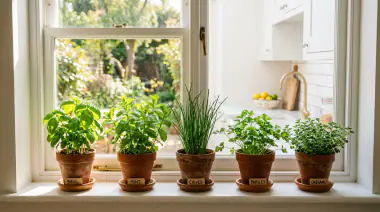
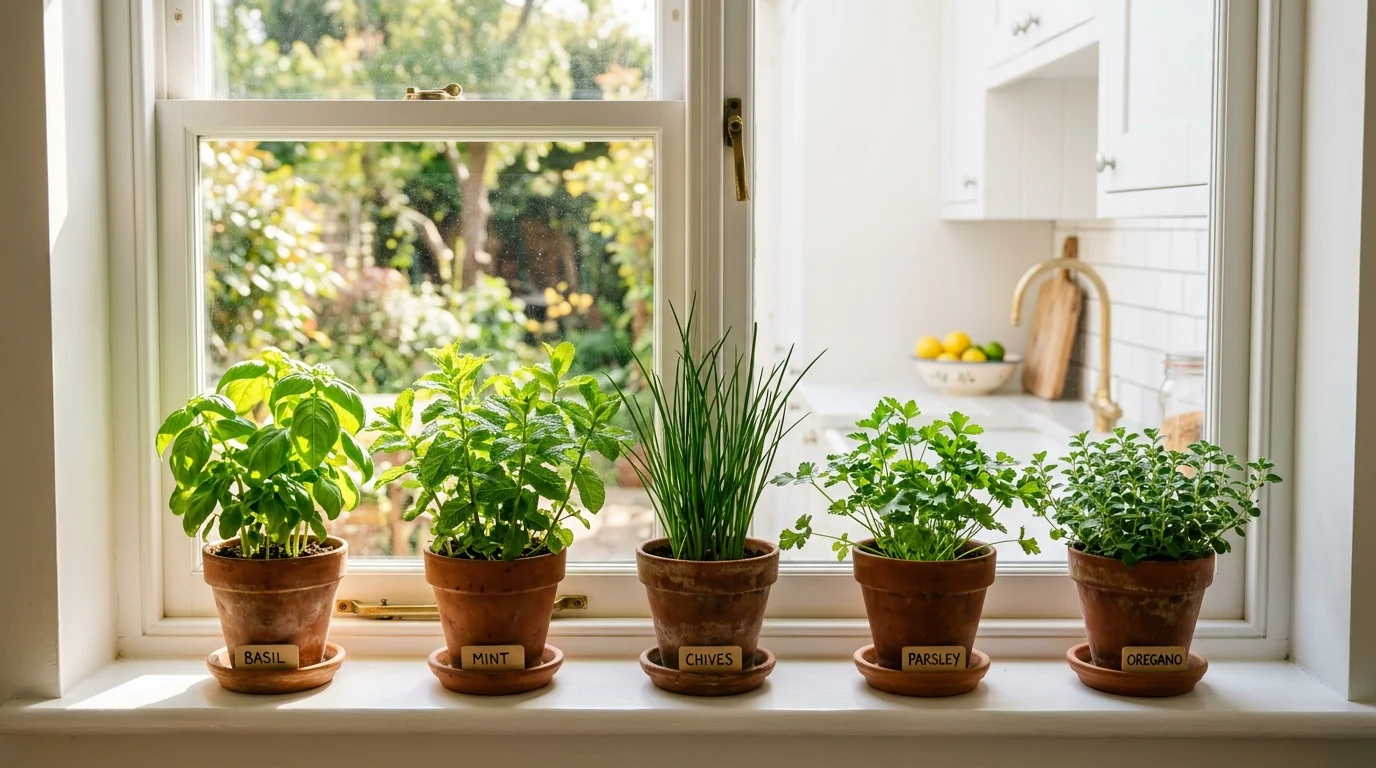
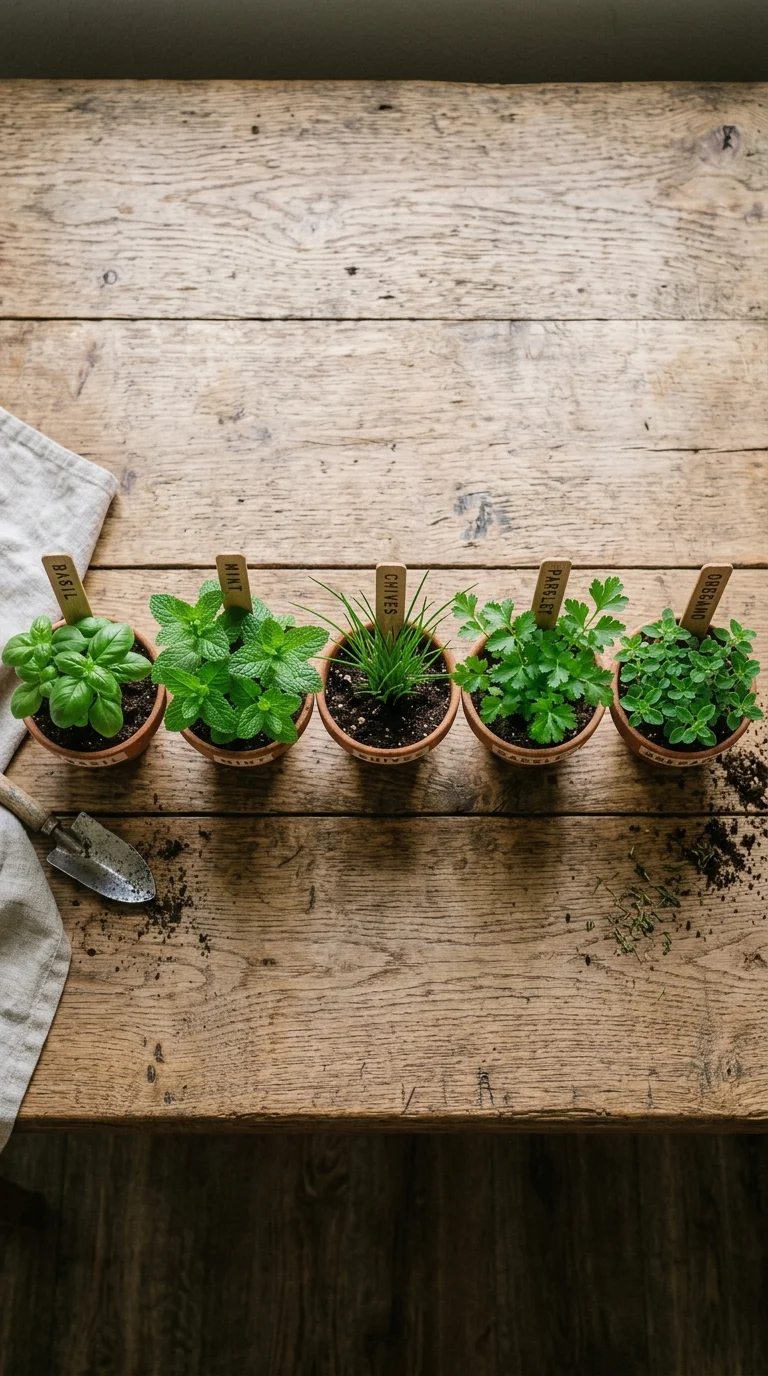
Starting your first herb garden does not need to be complicated or expensive. The best herbs for beginners are those that forgive mistakes, grow quickly, and reward you with fresh flavor straight from your windowsill or backyard. Whether you have a sunny kitchen counter or a small balcony, these five easy herbs to grow will give you confidence and a steady supply of homegrown herbs.
Quick Answer: The 5 best herbs for beginners are basil, mint, chives, parsley, and oregano. Each needs 6 to 8 hours of sunlight, well-draining soil, and regular watering. Start with one or two in small pots and expand as your skills grow.
What Makes Certain Herbs Easier for Beginners?
Not all herbs are created equal when it comes to ease of growth. The easiest herbs to grow share several key traits: they germinate quickly, tolerate inconsistent watering, recover from pruning, and do not demand special soil or temperature conditions. Herbs like lavender, cilantro, and fussy tropical varieties require more experience and attention, which is why they are better saved for later.
Beginner-friendly herbs also tend to be perennial or fast-rebuying annuals, meaning you get more harvests for your effort. They thrive in standard potting mix, do not need fertilizer in the first few weeks, and can handle a missed watering without wilting beyond recovery.
Ranking the 5 Easiest Herbs to Grow for Beginners
1. Basil: The Confidence Builder
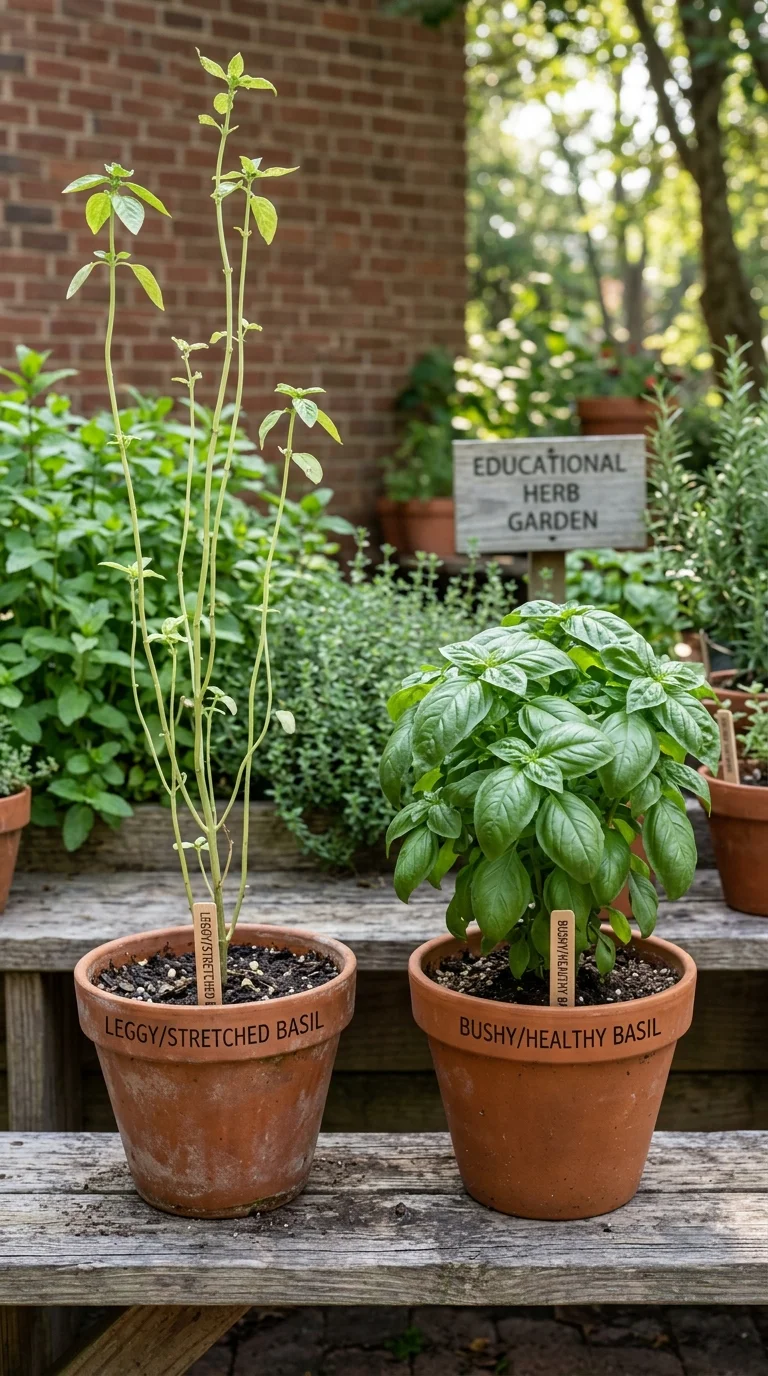
Basil tops the list of best herbs for beginners because it grows fast, tastes incredible, and teaches you the fundamentals of herb care. You will see results within days of planting, and regular pinching rewards you with a bushy, productive plant.
- Sun: 6 to 8 hours of direct light daily
- Water: Keep soil consistently moist; never let it dry out completely
- Soil: Rich, well-draining potting mix
- Pot size: 8 inches minimum for one plant
- Harvest: Start when plant has 6 leaves; pinch top stems to encourage branching
The most common beginner mistake with basil is letting it flower. Once flowers appear, leaves turn bitter. Pinch off flower buds immediately and harvest from the top to keep the plant producing.
2. Mint: The Unstoppable Grower
Mint is nearly impossible to kill, which makes it ideal for nervous first-time gardeners. It grows vigorously in almost any condition and bounces back quickly if you forget to water it. The only rule is to keep it in a container, as it spreads aggressively in garden beds.
- Sun: 4 to 6 hours; tolerates partial shade
- Water: Keep soil moist; mint is thirsty and does not like drying out
- Soil: Standard potting mix works perfectly
- Pot size: 10 inches to contain spreading roots
- Harvest: Snip stems above a leaf node; harvest regularly to prevent woody growth
A common mistake is planting mint directly in the ground. Its underground runners will colonize your entire garden within a season. Always grow mint in a pot to keep it contained. For more details, see our guide on how to grow mint without spreading.
3. Chives: The Cut-and-Come-Again Favorite
Chives are a hardy perennial that returns year after year with almost no effort. They grow from seed in 7 to 14 days, tolerate cool weather, and reward regular trimming with a constant supply of mild, onion-flavored greens.
- Sun: 6 hours minimum; more sun means more growth
- Water: Keep soil evenly moist; do not overwater
- Soil: Well-draining potting mix
- Pot size: 6 inches deep minimum
- Harvest: Cut to 2 inches above soil when blades are 6 inches tall
The beauty of chives is that harvesting actually makes them grow thicker. Use scissors to snip outer leaves at the base, and the plant will keep producing from the center. Chives also produce edible purple flowers that make a gorgeous salad garnish. Learn more in our how to grow chives from seed guide.
4. Parsley: The Reliable Workhorse
Parsley is slower to germinate than the others, but once established, it is one of the most productive and forgiving herbs you can grow. It tolerates partial shade, handles cooler temperatures, and provides a long harvest season from spring through fall.
- Sun: 6 hours of direct sun; tolerates light shade
- Water: Consistent moisture is key; do not let soil dry out
- Soil: Rich, well-draining mix with compost
- Pot size: 8 to 10 inches deep for its long taproot
- Harvest: Pick outer stems first, leaving the center to keep growing
The trick with parsley is patience during germination. Seeds can take 2 to 4 weeks to sprout. Soaking them overnight in warm water speeds up the process. Once growing, harvest regularly to prevent bolting. For detailed instructions, check our how to grow parsley in pots article.
5. Oregano: The Low-Maintenance Mediterranean Herb
Oregano is a drought-tolerant herb that thrives on neglect. It prefers to dry out between waterings, making it perfect for gardeners who tend to forget their watering can. It is a perennial in most climates and provides flavorful leaves for years.
- Sun: 6 to 8 hours of full sun
- Water: Let soil dry between waterings; oregano hates wet roots
- Soil: Light, well-draining mix; add sand or perlite if needed
- Pot size: 6 to 8 inches is sufficient
- Harvest: Snip stems before flowers open for best flavor
The biggest beginner mistake with oregano is overwatering. This Mediterranean herb is adapted to dry conditions and will develop root rot if kept constantly moist. Water only when the soil is completely dry to the touch. Read more in our how to grow oregano from seed guide.
Beginner Herb Comparison Table
| Herb | Sun | Water | Pot Size | Days to Harvest | Difficulty |
|---|---|---|---|---|---|
| Basil | 6-8 hrs | Frequent | 8 in | 30-40 days | Easy |
| Mint | 4-6 hrs | Frequent | 10 in | 14-21 days | Very Easy |
| Chives | 6+ hrs | Moderate | 6 in | 60-80 days | Very Easy |
| Parsley | 6 hrs | Consistent | 8-10 in | 70-90 days | Easy |
| Oregano | 6-8 hrs | Low | 6-8 in | 60-90 days | Easy |
Common Beginner Mistakes to Avoid
Even the easiest herbs to grow can struggle if you make these common errors:
- Overwatering: This is the number one killer of herbs. Always check soil moisture before watering. Stick your finger an inch into the soil; if it is dry, water. If it is damp, wait.
- Using the wrong pots: Pots without drainage holes trap water and cause root rot. Always choose containers with holes in the bottom.
- Harvesting too much at once: Never remove more than one-third of a plant at a time. Heavy pruning shocks the plant and slows regrowth.
- Ignoring light needs: Herbs need at least 6 hours of sun. A north-facing window is usually not enough. Move pots to the sunniest spot you have.
- Skipping the harvest: Regular harvesting encourages new growth. If you do not use your herbs, the plants become leggy and go to seed faster.
How to Set Up Your First Herb Garden
Starting your first herb garden is simple and affordable. Here is a step-by-step plan:
- Choose your location: Pick the sunniest spot you have, whether that is a windowsill, balcony, or garden bed.
- Start with two herbs: Pick basil and mint or basil and chives. Two herbs are manageable and let you learn without feeling overwhelmed.
- Buy quality supplies: Get a good potting mix (not garden soil), pots with drainage holes, and a small watering can.
- Plant correctly: Follow spacing instructions for each herb. Do not crowd seedlings into one pot.
- Water wisely: Check soil daily for the first week. Most herbs prefer slightly dry soil over soggy roots.
- Harvest early and often: Start snipping once plants are established. The more you harvest, the more they grow.
For a complete guide to setting up an indoor or outdoor herb garden, visit our article on how to grow herbs at home.
Frequently Asked Questions
Q: What are the easiest herbs to grow for beginners?
A: The easiest herbs for beginners are basil, mint, chives, parsley, and oregano. These five herbs are forgiving, grow quickly, and thrive in pots or garden beds with minimal care.
Q: How much sun do beginner herbs need?
A: Most herbs need 6 to 8 hours of direct sunlight daily. Place pots on a south-facing windowsill or in a sunny garden spot. If natural light is limited, use a grow light for 12 to 14 hours.
Q: How often should I water my herb garden?
A: Water herbs when the top inch of soil feels dry. Most herbs prefer soil that is moist but not soggy. Overwatering is the most common beginner mistake and leads to root rot.
Q: Can I grow herbs indoors without sunlight?
A: Herbs need light to grow. Without a sunny window, use a full-spectrum LED grow light positioned 6 to 12 inches above the plants for 12 to 14 hours per day to mimic natural sunlight.
Q: What size pots should I use for herbs?
A: Use pots that are 6 to 8 inches in diameter for most herbs. Basil and parsley do well in 8-inch pots, while mint needs at least 10 inches. Always choose pots with drainage holes.
Q: When is the best time to harvest herbs?
A: Harvest herbs in the morning after dew has dried but before the sun gets hot. This is when essential oils are strongest. Regular harvesting encourages bushier growth and more flavorful leaves.