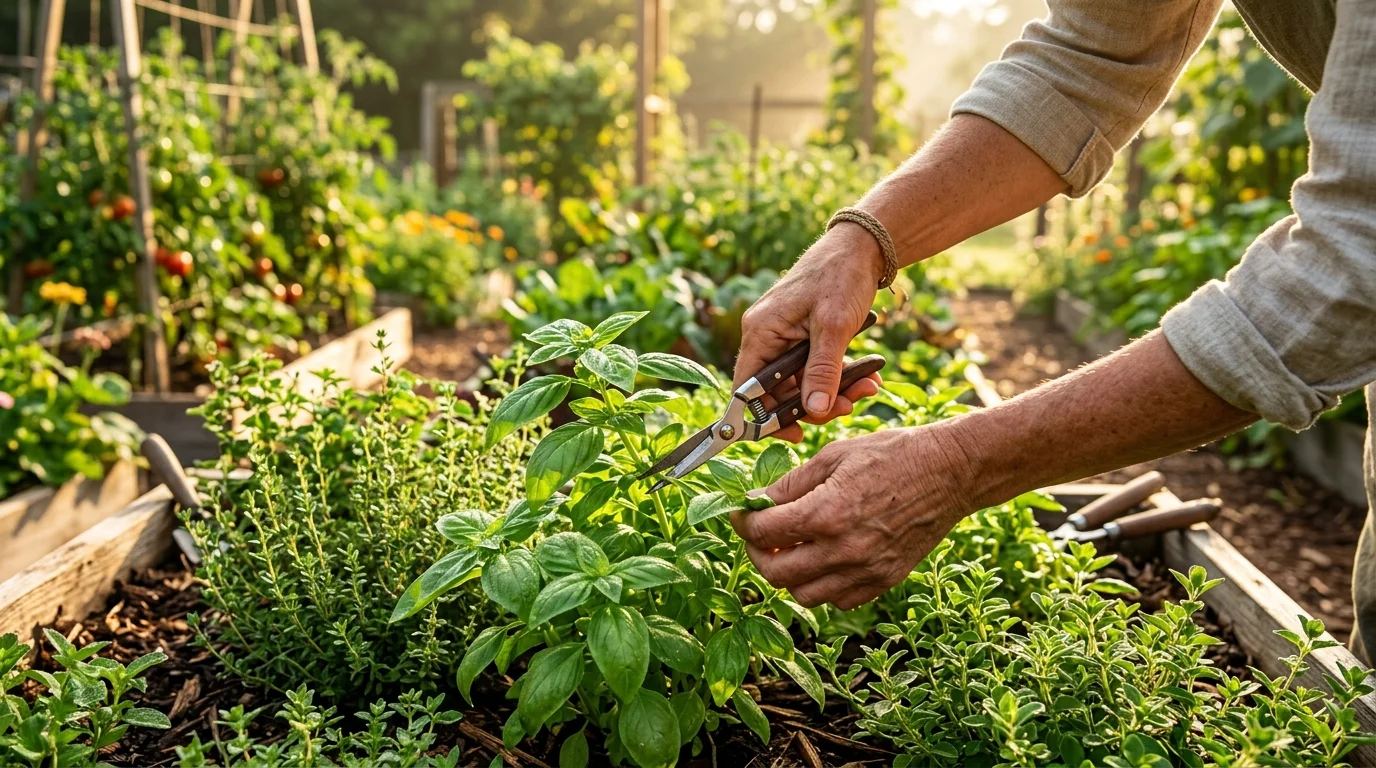
Harvesting herbs at the right moment is the single biggest factor separating bland, forgettable herbs from intensely aromatic, flavor-packed ones. Whether you are growing basil on a kitchen windowsill or tending a full outdoor garden, knowing when to harvest herbs and how to do it properly ensures every leaf delivers maximum taste. This guide covers the timing, techniques, and preservation tips that professional growers use to get the most from every plant.
Quick Answer: Harvest herbs in the mid-morning after dew dries but before the midday sun. Never take more than one-third of the plant at once. Cut soft-stemmed herbs like basil above a leaf node, and use sharp scissors for woody herbs like rosemary. Always harvest before flowering for the best leaf flavor.
Why Does Harvesting Timing Affect Herb Flavor?
The flavor in fresh herbs comes from essential oils concentrated in the leaves. These oils fluctuate throughout the day based on temperature, humidity, and sunlight. Understanding this cycle is the key to harvesting herbs for maximum flavor.
In the early morning, leaves are full of moisture and the essential oils are at their most concentrated. As the sun climbs and temperatures rise, the oils begin to volatilize, meaning they evaporate into the air. By mid-afternoon on a hot day, a basil leaf can lose a significant portion of its aromatic compounds. This is why herbs picked in the afternoon often taste flat compared to morning-harvested ones.
The stage of the plant’s life cycle also matters. Young, tender leaves contain higher concentrations of flavor compounds than older, tougher growth. And once an herb begins to flower, the plant redirects its energy from leaf production to seed development, causing leaves to become bitter and less aromatic.
When Is the Best Time of Day to Harvest Herbs?
Timing your harvest within the day matters just as much as the season. The sweet spot for harvesting most herbs is mid-morning, roughly between 8 and 10 AM. Here is why this window works:
- Dew has dried: Wet leaves can promote fungal disease when handled or stored, and water dilutes the essential oils on the leaf surface.
- Oils are concentrated: The plant has had time to photosynthesize overnight but the heat has not yet caused the oils to evaporate.
- Leaves are turgid: The stems are firm and full of water, making clean cuts easier and reducing damage to the plant.
Avoid harvesting in the evening if possible. While evening-harvested herbs are not ruined, the cycle of the day means the plant has been transpiring and releasing oils for hours. The flavor difference can be noticeable, especially in delicate herbs like cilantro and dill.
If morning harvesting is not practical, late afternoon after the hottest part of the day passes is the second-best option. The plant begins to recover some of its oil content as temperatures cool, though it never quite reaches the morning peak.
How Much Should You Harvest from Each Herb?
One of the most common mistakes when harvesting herbs is taking too much at once. The general rule is to never remove more than one-third of the total plant in a single harvest. This ensures the plant retains enough foliage to photosynthesize and recover quickly.
Different herbs have different tolerances for harvesting:
- Basil: Can be harvested aggressively during peak growing season. Pinch the top 4 to 6 inches regularly to keep it bushy. With proper care, a single basil plant can produce all summer.
- Mint: Extremely resilient. You can harvest up to half the stems at once because mint grows so vigorously. It recovers fast, especially in warm weather.
- Parsley and Cilantro: Harvest outer stems first, cutting at the base. This allows the inner, younger stems to continue growing. Take no more than one-third at a time.
- Rosemary and Thyme: Woody herbs grow more slowly. Take light cuttings of 4 to 6 inches, focusing on the soft new growth at the tips. Avoid cutting into old, woody stems.
- Chives: Cut the entire plant to about 2 inches above the soil. It will regrow from the base. This is one of the few herbs where a full cut is appropriate.
- Oregano and Marjoram: Pinch or cut the top third of stems. These herbs benefit from frequent light harvesting that keeps them compact.
- Dill: Harvest outer fronds as needed. If you want seeds, let the plant bolt and collect the seed heads when they turn brown.
What Are the Best Cutting Techniques for Each Herb Type?
How you cut an herb affects not only the flavor of what you pick but also how well the plant recovers. Different herb types require different approaches.
Soft-Stemmed Herbs (Basil, Mint, Cilantro, Dill)
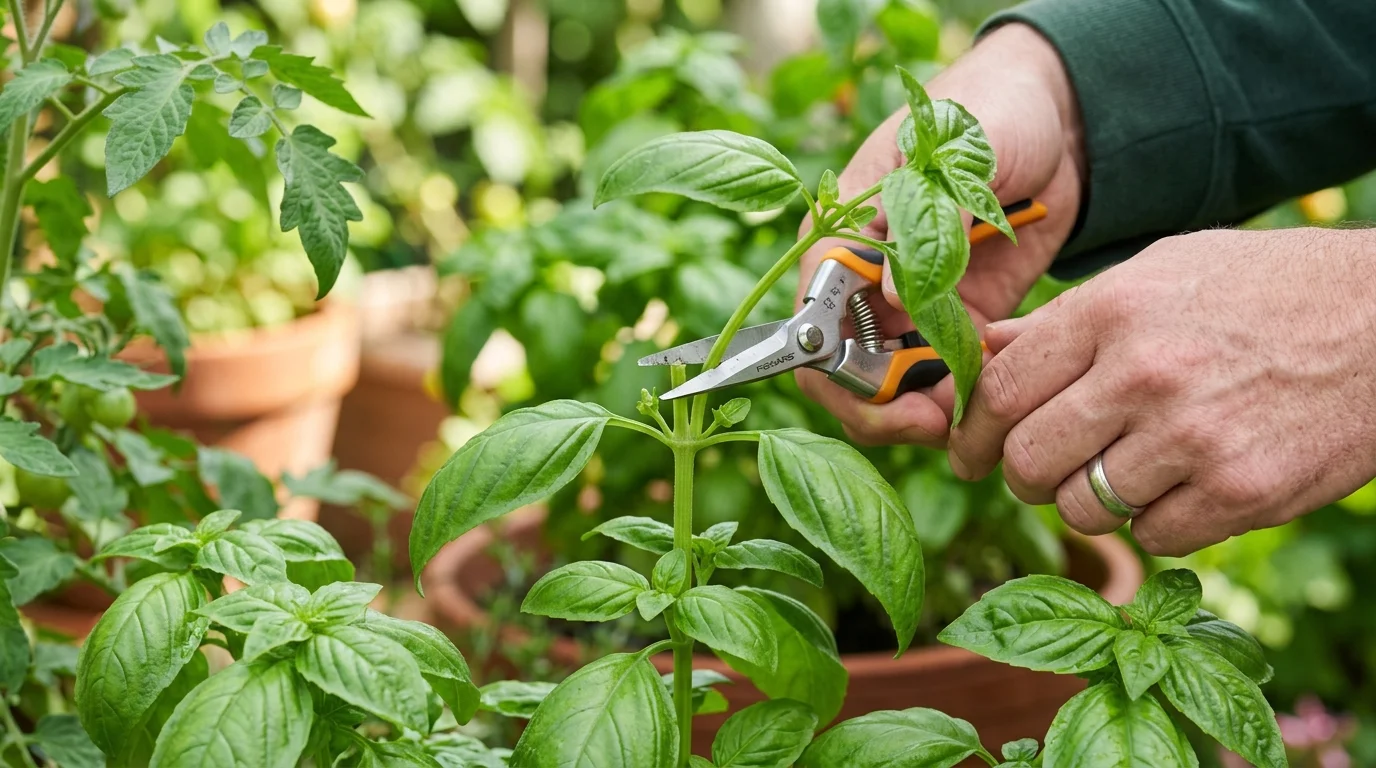
These herbs have tender, flexible stems that can be pinched by hand or snipped with scissors. The key is to always cut just above a leaf node, which is the point where two leaves emerge from the stem. Cutting above a node triggers the plant to send out two new side shoots from that point, effectively doubling your future harvest.
For basil, pinch off the top set of leaves with your thumb and forefinger. This is the fastest and gentlest method. For mint, use scissors to cut stems 4 to 6 inches long, selecting the most vibrant green growth.
Woody Herbs (Rosemary, Thyme, Oregano, Sage)
Woody herbs have stiff, lignified stems that require sharp pruners or scissors. Never tear or pull these stems, as this damages the plant and creates entry points for disease. Cut just above a leaf node or where a side branch emerges. Take soft, new growth from the tips rather than cutting into old, brown wood. Woody herbs regrow more slowly, so harvest conservatively.
Leafy Herbs (Parsley, Chives, cilantro)
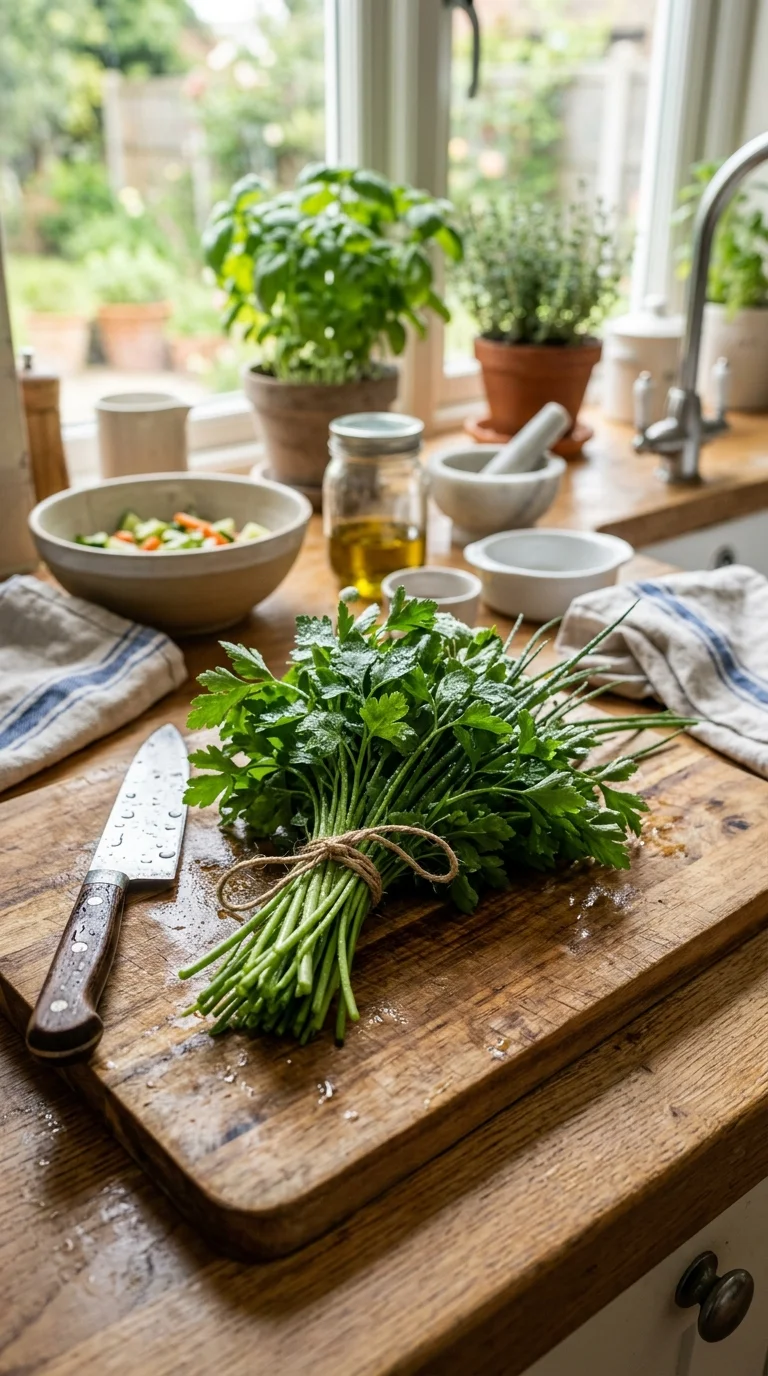
For parsley and cilantro, cut entire outer stems at the base of the plant, right where they emerge from the soil. This encourages the plant to produce new stems from the center. For chives, use scissors to cut the entire clump to about 2 inches above the soil line. Both methods allow continuous regrowth throughout the season.
How Do You Preserve Essential Oils When Harvesting?
The essential oils that give herbs their flavor are volatile and fragile. Once a leaf is cut, these oils begin to degrade. To preserve maximum flavor from your harvest, follow these guidelines:
- Handle gently: Bruising leaves releases essential oils prematurely. Hold stems by the cut end and avoid crushing the foliage.
- Harvest dry leaves: Never harvest wet herbs. Moisture accelerates oil loss and promotes mold during storage.
- Use immediately or store cold: If you are not cooking with your herbs within an hour, get them into cold storage. Refrigeration slows oil degradation significantly.
- Cut at an angle: When placing stems in water, cut the bottom at a 45-degree angle. This increases the surface area for water absorption, keeping the stems hydrated and the oils stable longer.
- Avoid direct sunlight after cutting: Keep harvested herbs in shade or indoors. Sun and heat are the enemies of fresh flavor.
What Are the Signs of Over-Harvesting?
If you push a plant too hard, it will show clear signs of stress. Recognizing these signals early lets you give the plant time to recover before taking more:
- Stunted growth: New leaves emerge very slowly or not at all after a harvest.
- Yellowing leaves: The remaining foliage turns pale or yellow, indicating the plant cannot photosynthesize enough to support itself.
- Wilting: Stems droop and leaves lose their firmness, even when the soil is moist.
- Woody stems: Herbaceous plants develop hard, brown stems, which means the plant is shutting down tender growth to conserve energy.
- Bitter flavor: Leaves that once tasted bright and aromatic develop a harsh or bitter taste. This is often a stress response.
If you notice any of these signs, stop harvesting completely for two to three weeks. Water the plant deeply, add a light dose of organic fertilizer, and let it recover in a spot with appropriate sunlight. Once new growth appears, resume harvesting at a lighter pace.
How Do Seasonal Changes Affect Harvesting Herbs?
Your harvesting strategy should shift with the seasons. In spring, herbs are in their growth phase and you should harvest lightly to encourage them to establish strong root systems. Summer is peak harvest time when plants are growing fastest and essential oil production is at its highest. This is when to be most aggressive with your harvesting.
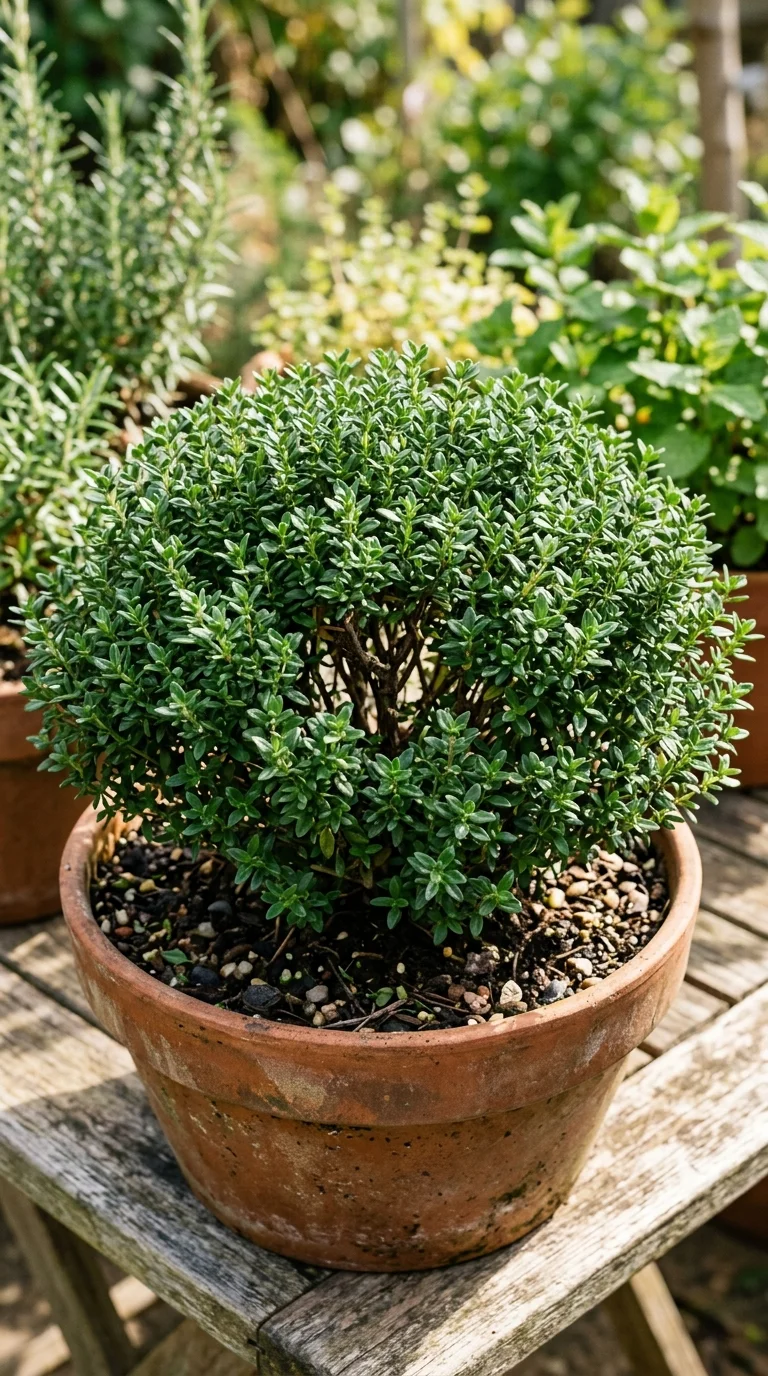
As autumn approaches, reduce your harvesting to allow the plant to store energy for winter. Perennial herbs like rosemary, thyme, and oregano will benefit from a final light harvest six to eight weeks before the first expected frost. This gives them time to harden off before cold weather arrives.
In winter, most outdoor herbs go dormant. Indoor herbs can still be harvested but will grow more slowly. Reduce your take accordingly and focus on keeping plants healthy rather than maximizing yield.
When to Harvest Herbs for Drying versus Fresh Use
If you plan to dry your herbs, timing matters differently than for fresh use. Harvest for drying just before the plant flowers, when essential oil concentration is highest. Cut entire stems in the morning and hang them upside down in a warm, dark, well-ventilated space. This method preserves the most flavor for dried storage.
For fresh use, harvest individual leaves or small sprigs as needed throughout the growing season. The advantage of fresh harvesting is that you always get the peak flavor that essential oils provide when the leaf is living and hydrated.
Frequently Asked Questions
Q: When is the best time of day to harvest herbs?
A: Harvest herbs in the mid-morning after the dew has dried but before the midday sun burns off the essential oils. This is when flavor concentration peaks. Avoid harvesting in the heat of the afternoon when oils have evaporated.
Q: How much of an herb plant can I harvest at once?
A: Never remove more than one-third of the plant at a time. This ensures the herb has enough foliage left to photosynthesize and regrow. Taking too much stresses the plant and weakens future harvests.
Q: Should I harvest herbs before or after flowering?
A: Harvest before flowering for the best leaf flavor. Once herbs flower, energy shifts to seed production and leaves often turn bitter. Pinch off flower buds regularly to keep leaves flavorful and extend the harvest window.
Q: How do I keep harvested herbs fresh longer?
A: Place cut stems in a jar of water like a bouquet, loosely cover with a plastic bag, and refrigerate. Most herbs stay fresh for 5 to 7 days this way. Alternatively, wrap stems in a damp paper towel and store in an airtight container.
Q: What is the difference between harvesting and pruning herbs?
A: Harvesting means taking leaves or stems for cooking, while pruning is cutting back the plant to shape it and encourage bushier growth. Both techniques use similar cuts, but pruning focuses on plant health and harvesting focuses on collecting usable herbs.
Q: Can I harvest herbs in the first year of planting?
A: Yes, most herbs can be harvested lightly in the first year. Annuals like basil and cilantro can be picked once they have several sets of true leaves. Perennials like rosemary and thyme benefit from waiting until the second year for heavier harvesting.
Q: Do different herbs need different harvesting techniques?
A: Yes. Soft-stemmed herbs like basil and mint are pinched by hand above a leaf node. Woody herbs like rosemary and thyme require sharp scissors or pruners. Leafy herbs like parsley and cilantro are cut from the outer base. Each method respects the plant’s growth habit.