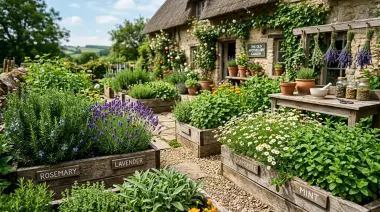
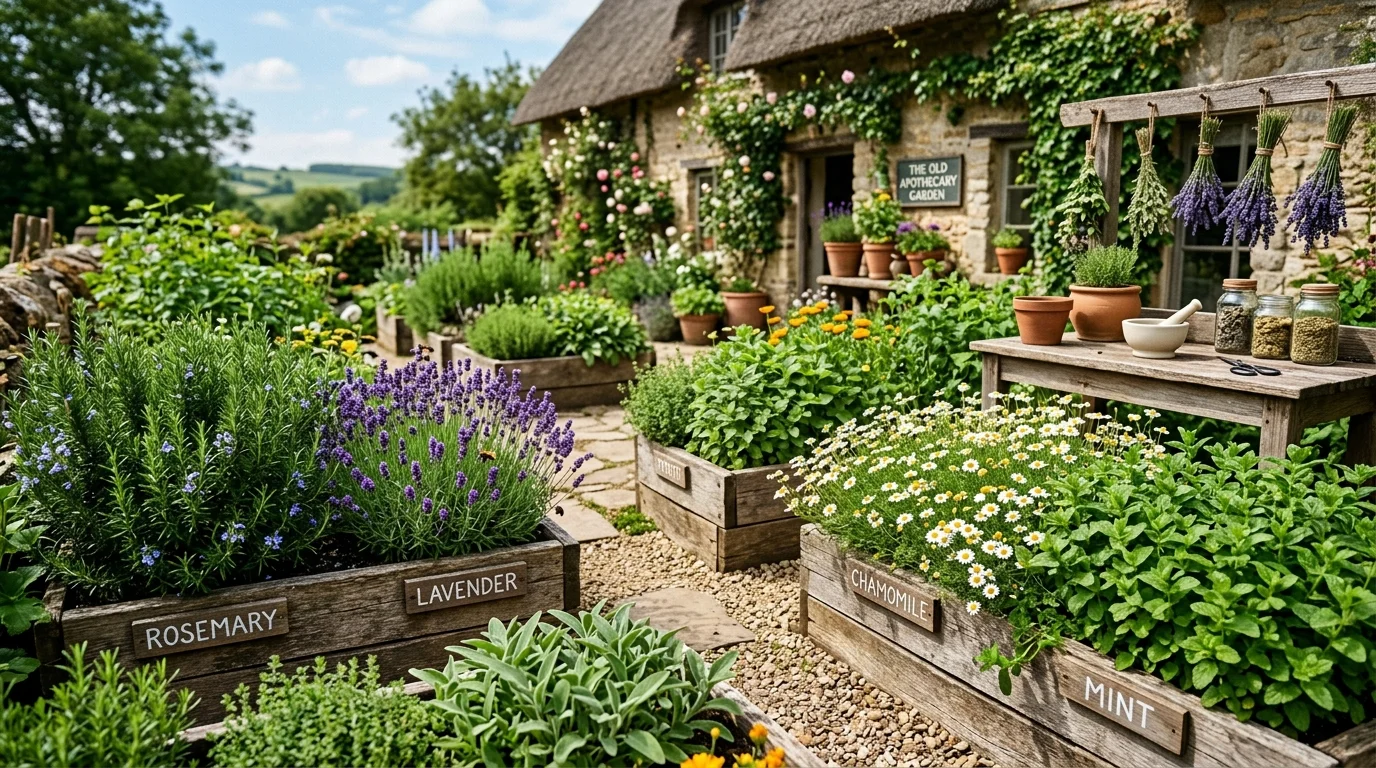
Your kitchen herb garden is doing double duty without you even realizing it. Every time you add fresh basil to pasta, stir mint into tea, or sprinkle oregano on pizza, you are consuming herbs with centuries of documented medicinal use. A medicinal herbs garden does not require a separate plot or exotic plants; the most powerful remedies grow right alongside your culinary favorites. This guide explores the medicinal uses of 10 common garden herbs that bridge the gap between kitchen and apothecary.
Quick Answer: The most medicinal herbs in your kitchen include chamomile for sleep, mint for digestion, ginger for inflammation, thyme for respiratory health, basil for stress, rosemary for memory, parsley for vitamin C, oregano for immunity, sage for sore throats, and lemon balm for anxiety. Grow these herbs together and you have a complete home apothecary.
The Kitchen-to-Apothecary Connection
For thousands of years, there was no distinction between food and medicine. Every civilization from ancient Egypt to traditional Chinese medicine used plants as both nourishment and healing. Modern herbalism is experiencing a renaissance as people rediscover what their ancestors knew instinctively: common herbs contain powerful bioactive compounds that support health and wellness.
Growing your own medicinal herbs garden gives you access to fresh, chemical-free remedies at a fraction of the cost of commercial supplements. It also ensures you know exactly what went into growing your medicine, which matters when quality and purity are paramount.
Chamomile: The Gentle Sleep Aid
Chamomile is perhaps the most beloved medicinal herb, known for its gentle calming effects and delicate apple-scented flowers.
Medicinal Properties
- Promotes sleep and relaxation
- Eases digestive discomfort and nausea
- Reduces inflammation when applied topically
- Soothes skin irritations and minor wounds
How to Use
Harvest chamomile flowers when fully open and dry them for tea. Steep 1 tablespoon of dried flowers in boiling water for 5 to 10 minutes. Drinking a cup of chamomile tea 30 minutes before bedtime supports healthy sleep patterns. Fresh chamomile flowers can also be used in compresses for skin irritation.
Growing Tip
Chamomile is easy to grow from seed and thrives in full sun with well-drained soil. German chamomile is the annual variety most commonly used medicinally, while Roman chamomile is a perennial ground cover option.
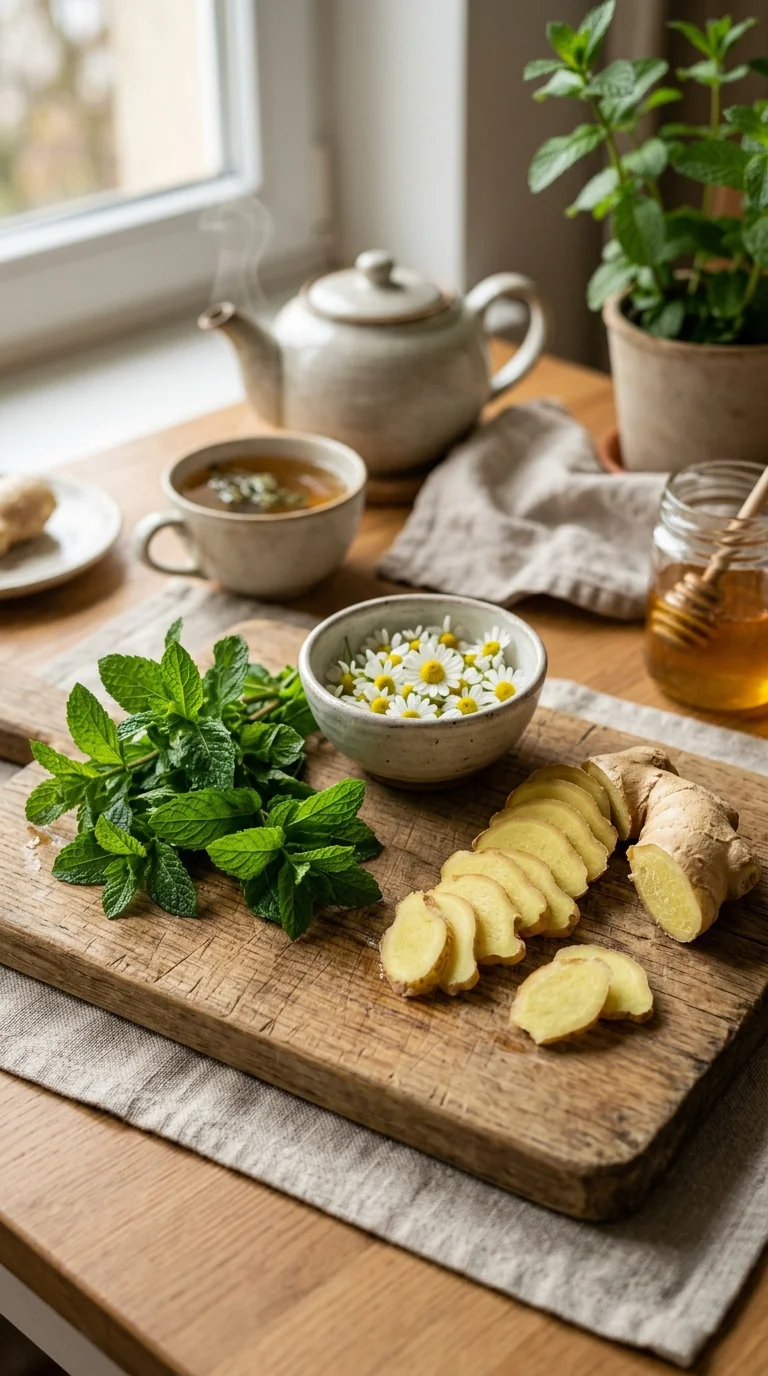
Mint: The Digestive soother
Mint, particularly peppermint and spearmint, has been used for centuries to settle stomachs and relieve digestive discomfort.
Medicinal Properties
- Relieves bloating, gas, and indigestion
- Soothes nausea and motion sickness
- Clears nasal congestion and supports respiratory health
- Provides natural headache relief when applied topically
How to Use
Brew fresh mint leaves into a tea by steeping 8 to 10 leaves in boiling water for 7 minutes. For digestive relief after meals, drink the tea warm. Peppermint oil diluted in a carrier oil can be massaged onto temples for headache relief. Fresh mint leaves crushed and inhaled can help clear sinus congestion.
Growing Tip
Mint is incredibly easy to grow but notoriously invasive. Always grow mint in containers to prevent it from taking over your garden. For detailed growing instructions, see our guide on how to grow mint without spreading.
Ginger: The Anti-Inflammatory Powerhouse
While most people think of ginger as a root purchased at the supermarket, it can be grown at home in warm climates or indoor containers.
Medicinal Properties
- Powerful anti-inflammatory effects
- Reduces nausea from morning sickness, motion sickness, and chemotherapy
- Supports cardiovascular health
- Aids digestion and reduces muscle soreness
How to Use
Grate fresh ginger root and steep in boiling water for 10 minutes for a warming tea. Add honey and lemon for additional soothing benefits. Fresh ginger can also be added to stir-fries, smoothies, and soups for daily anti-inflammatory benefits. Ginger compresses applied to sore muscles provide topical relief.
Growing Tip
Ginger thrives in warm, humid environments. Plant a piece of organic ginger root in a large pot with rich, well-draining soil. Keep it in a warm spot with indirect light and maintain consistent moisture. Harvest after 8 to 12 months when the leaves have died back.
Thyme: The Respiratory Healer
Thyme contains thymol, a powerful antiseptic compound that has been used medicinally since ancient Egyptian times.
Medicinal Properties
- Natural antiseptic and antibacterial properties
- Supports respiratory health and relieves coughs
- Helps fight colds and respiratory infections
- Contains powerful antioxidants
How to Use
Brew thyme tea by steeping 1 tablespoon of fresh leaves in boiling water for 10 minutes. This tea has traditionally been used to relieve coughs and bronchitis. Thyme essential oil (diluted) can be used in steam inhalation for chest congestion. Thyme-infused honey is a gentle remedy for sore throats, especially for children.
Growing Tip
Thyme is a hardy Mediterranean herb that prefers dry, well-drained soil and full sun. It requires minimal watering and is one of the easiest herbs to grow. For complete growing instructions, visit our guide on how to grow oregano from seed, which covers similar growing conditions.
Basil: The Stress Reliever
Beyond its culinary fame, basil contains adaptogenic compounds that help the body manage stress.
Medicinal Properties
- Reduces stress and anxiety
- Supports mental clarity and focus
- Anti-inflammatory and antibacterial properties
- Rich in vitamin K and antioxidants
How to Use
Fresh basil tea is made by steeping a handful of leaves in boiling water for 5 minutes. Basil essential oil used in aromatherapy helps reduce stress and improve concentration. Adding fresh basil to meals provides ongoing adaptogenic benefits. Tulsi (holy basil) is the variety most studied for medicinal properties, but sweet basil also offers benefits.
Growing Tip
Basil thrives in warm conditions with plenty of sunlight and consistent moisture. Pinch the tops regularly to encourage bushy growth. For a complete growing guide, read our article on how to grow basil at home.
Rosemary: The Memory Herb
Rosemary has been associated with memory and cognitive function for centuries, and modern research supports some of these traditional uses.
Medicinal Properties
- Supports memory and concentration
- Improves circulation and cardiovascular health
- Rich in iron, calcium, and vitamin B6
- Antioxidant and anti-inflammatory compounds
How to Use
Brew rosemary tea by steeping 1 teaspoon of fresh leaves in boiling water for 10 minutes. Inhaling rosemary essential oil has been shown to improve memory and alertness in studies. Adding rosemary to meals provides ongoing cognitive support. Rosemary-infused olive oil is both a culinary treat and a circulation-boosting massage oil.
Growing Tip
Rosemary is a perennial Mediterranean herb that prefers well-drained soil and full sun. It is slightly more challenging to grow from seed, so starting from cuttings is recommended. For detailed propagation instructions, see our guide on how to grow rosemary from cuttings.
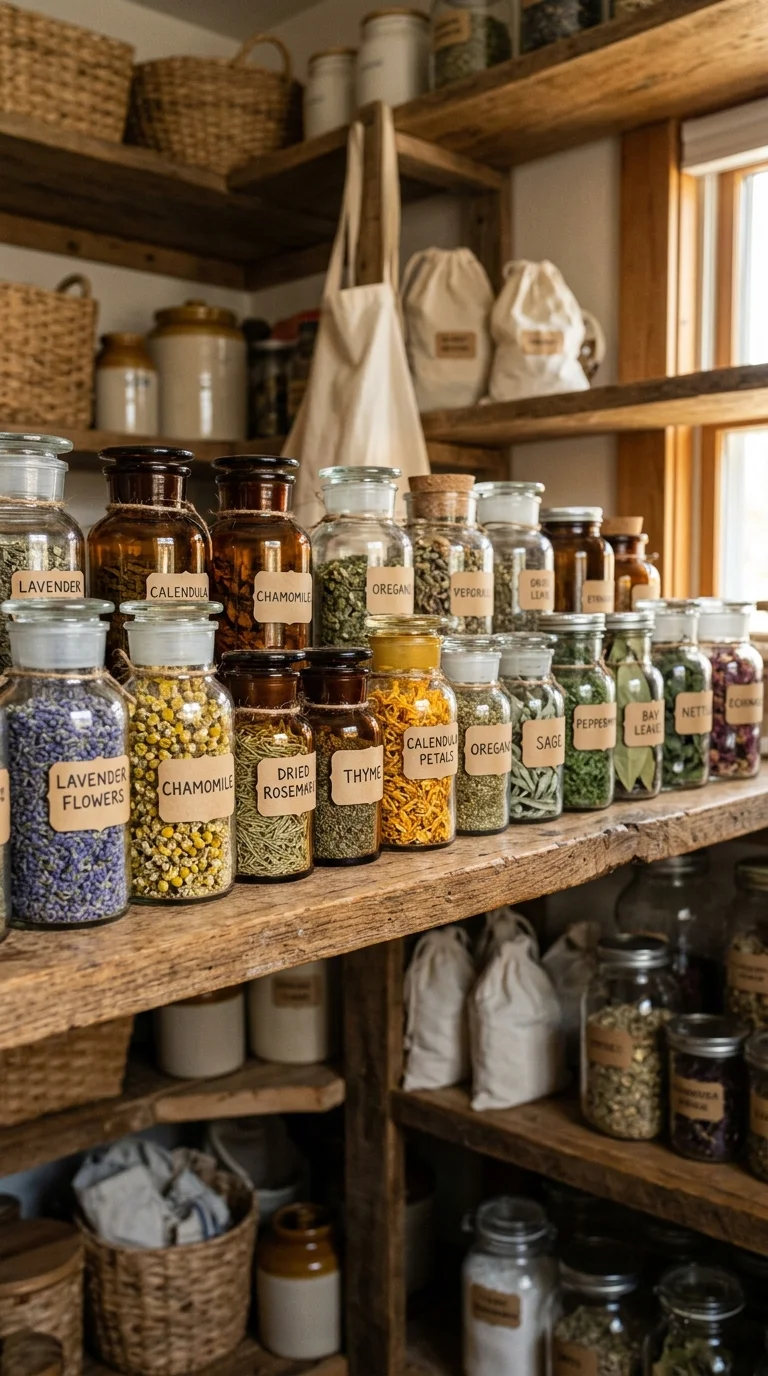
Parsley: The Nutrient Dense Healer
Often dismissed as a mere garnish, parsley is one of the most nutrient-dense herbs available and has significant medicinal value.
Medicinal Properties
- Exceptionally high in vitamin C and vitamin K
- Supports kidney function and acts as a natural diuretic
- Freshens breath naturally
- Rich in antioxidants that fight cellular damage
How to Use
Eating a small handful of fresh parsley daily provides significant vitamin C intake. Parsley tea can be made by steeping 2 tablespoons of chopped fresh leaves for 10 minutes. Parsley juice blended with other vegetables is a potent nutritional boost. Chewing fresh parsley leaves is a traditional breath freshener.
Growing Tip
Parsley is a biennial herb that grows easily in pots or garden beds. It prefers consistent moisture and partial shade in hot climates. For complete growing instructions, visit our guide on how to grow parsley in pots.
Oregano: The Immune Booster
Oregano is a potent immune-supporting herb that contains compounds with strong antibacterial and antifungal properties.
Medicinal Properties
- Powerful immune system support
- Natural antibacterial and antifungal properties
- Rich in antioxidants
- Supports respiratory health
How to Use
Oregano tea is made by steeping fresh leaves for 10 minutes. It has a strong, somewhat bitter flavor that can be balanced with honey. Oregano oil supplements are widely available for immune support, but fresh oregano in cooking provides daily benefits. Oregano-infused olive oil is a versatile immune-boosting condiment.
Growing Tip
Oregano is a hardy, drought-tolerant herb that thrives in well-drained soil with full sun. It spreads readily and can be harvested multiple times per season. For growing instructions, check our guide on how to grow oregano from seed.
Sage: The Throat Soother
Sage has a long history of use for sore throats, coughs, and oral health issues.
Medicinal Properties
- Antiseptic properties for throat and mouth health
- Supports memory and cognitive function
- Anti-inflammatory effects
- May help reduce excessive sweating
How to Use
Gargle with sage tea (steep 1 tablespoon of fresh leaves for 15 minutes, then cool) for sore throats and mouth sores. Sage tea sipped warm also provides relief. Sage-infused honey is an effective sore throat remedy. Chewing fresh sage leaves can help with oral hygiene between brushings.
Growing Tip
Sage is a hardy perennial that prefers full sun and well-drained soil. It can become woody after a few years, so regular pruning helps maintain productivity. Sage grows well in containers and pairs beautifully with rosemary and thyme.
Lemon Balm: The Anxiety Easer
Lemon balm, a member of the mint family, is valued for its calming effects and pleasant citrus scent.
Medicinal Properties
- Reduces anxiety and promotes relaxation
- Supports sleep quality
- Eases digestive discomfort
- May improve cognitive function
How to Use
Lemon balm tea is made by steeping a handful of fresh leaves for 5 to 7 minutes. It has a gentle, citrusy flavor that requires no sweetener. Lemon balm infused in cold water makes a refreshing summer drink. It can also be used in aromatherapy for stress relief. Combined with chamomile, it makes an especially effective sleep tea.
Growing Tip
Lemon balm spreads aggressively like other mints, so container growing is recommended. It tolerates partial shade better than most herbs and prefers consistently moist soil.
Building Your Medicinal Herb Garden
Creating a medicinal herbs garden does not require a separate space from your culinary garden. Many herbs serve dual purposes. Start with 3 to 5 herbs that address your most common health needs, then expand as your knowledge grows. For a comprehensive beginner guide to starting any herb garden, read our article on how to grow herbs at home.
Important disclaimer: This article is for informational purposes only and does not constitute medical advice. Herbs can interact with prescription medications and may not be suitable for everyone. Always consult a qualified healthcare professional before using herbs medicinally, particularly if you are pregnant, breastfeeding, or taking medication.
