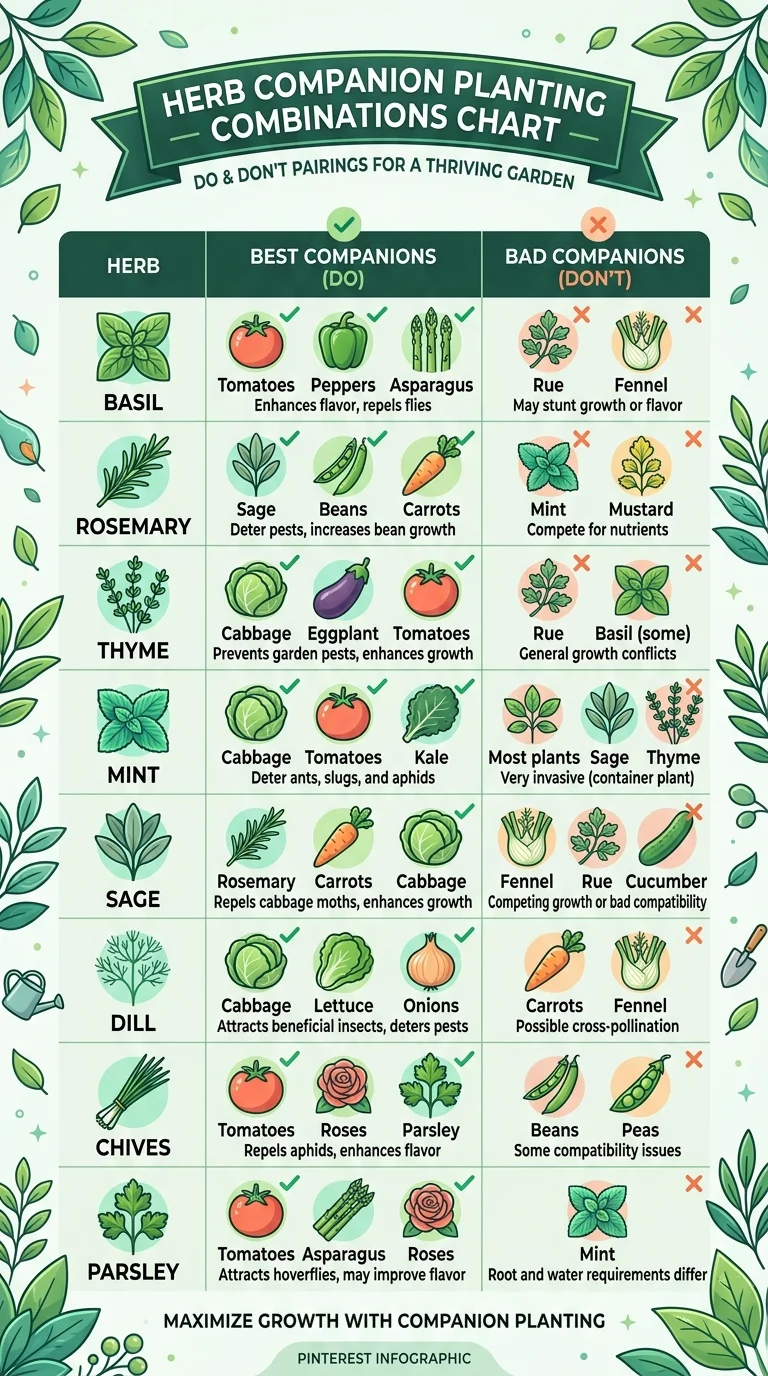
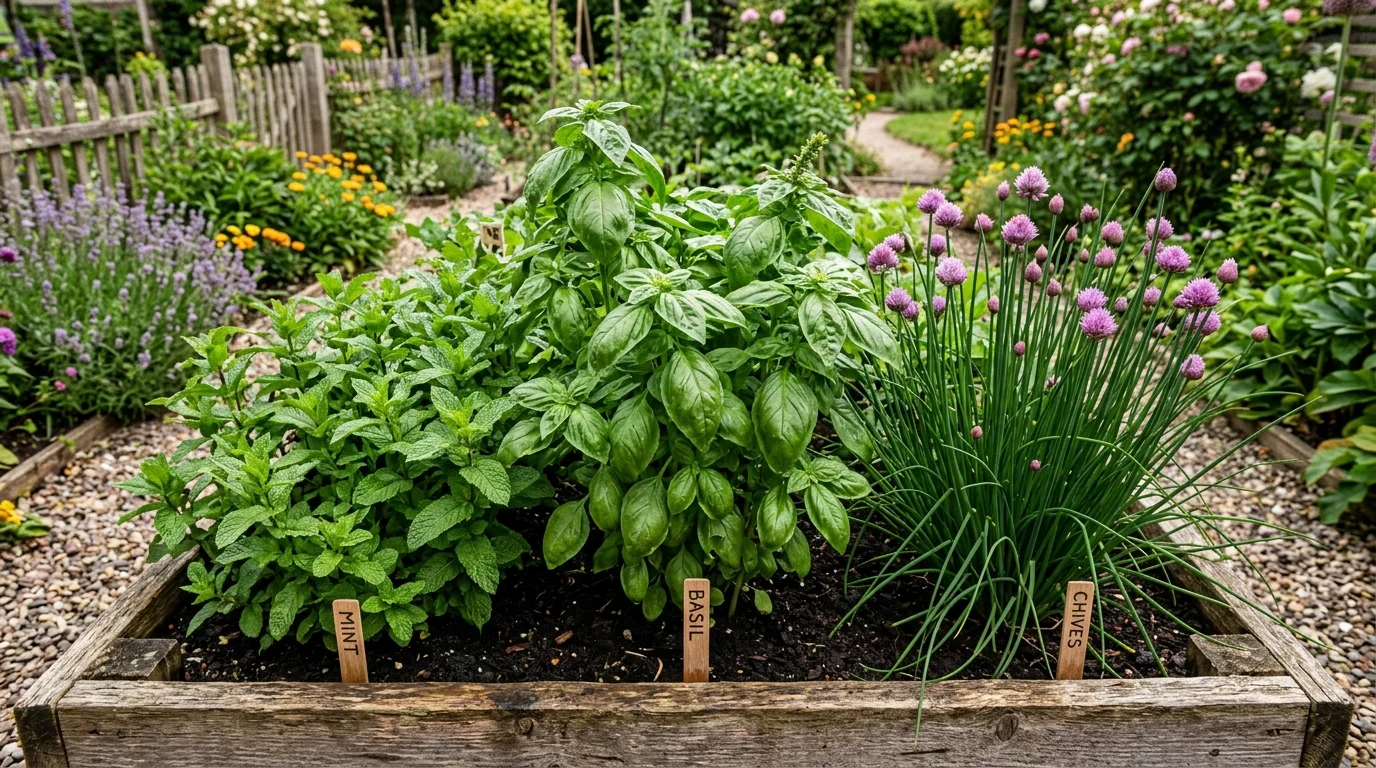
Companion planting is one of the oldest and most effective gardening strategies in the world. By understanding which herbs grow well together and which ones clash, you can create a garden that practically tends itself. Herb companion planting reduces the need for chemical pest controls, improves pollination, and can even enhance the flavor of your harvest. Whether you are arranging herbs in raised beds, window boxes, or terracotta pots on a patio, knowing what to plant together is the key to a thriving, productive herb garden.
Quick Answer: The best herb companions are basil with mint, rosemary with sage, chives with parsley, and dill with cilantro. These pairings share similar soil and watering needs while providing natural pest repellent benefits. Avoid planting fennel near other herbs as it inhibits growth through allelopathic chemicals.
What Makes Companion Planting Work for Herbs?
Companion planting is rooted in ecological science. In nature, plants do not grow in isolation. They exist in communities where their roots, leaves, and chemical signals interact with neighboring species. When you replicate these natural relationships in your herb garden, several beneficial processes occur.
First, certain herbs release aromatic compounds from their leaves that repel specific pests. These volatile organic compounds, or terpenes, are the same chemicals that give herbs their distinctive scents. When a pest insect lands on a basil leaf, for example, the linalool and eugenol compounds confuse its sensory receptors, making the plant unattractive as a food source.
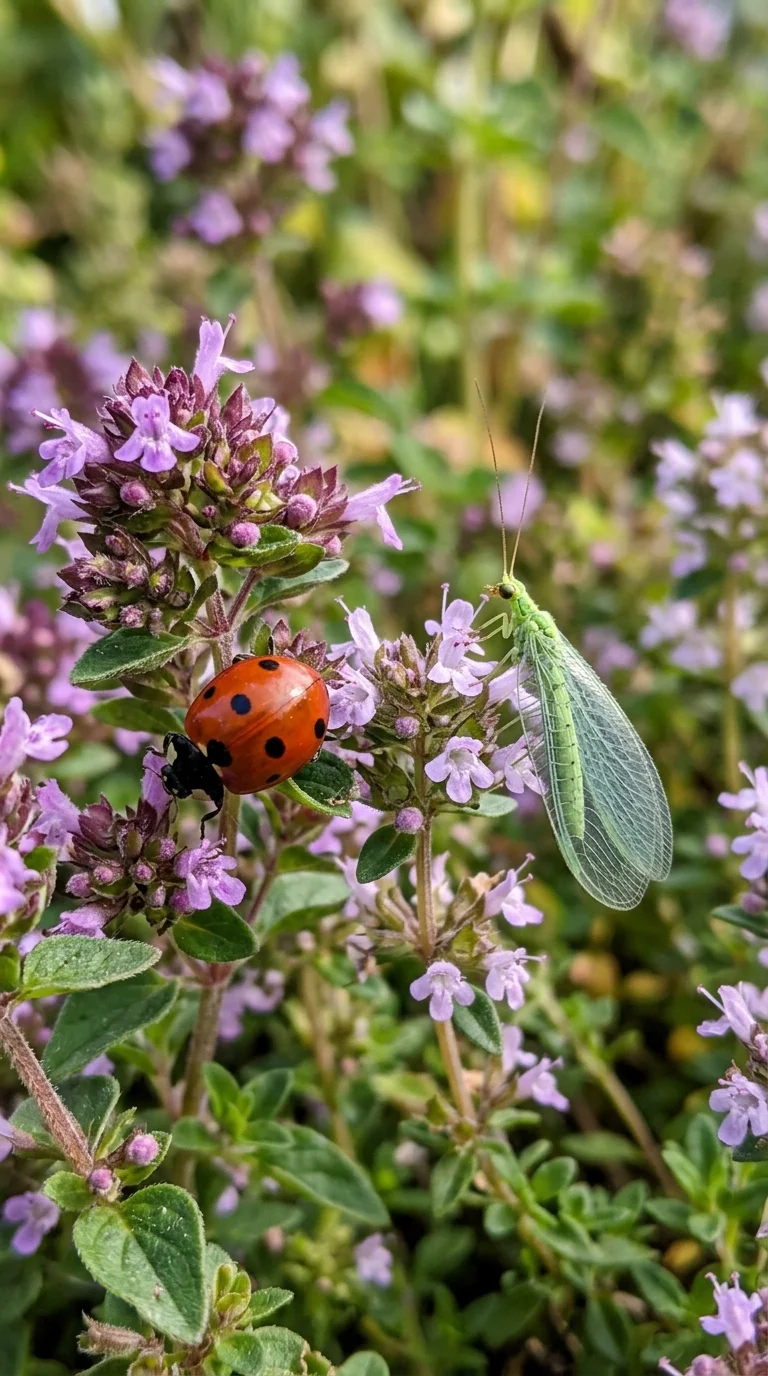
Second, companion planting supports beneficial insects. Dill and cilantro produce umbrella-shaped flower clusters that attract parasitic wasps and hoverflies, both of which are natural predators of aphids and caterpillars. By planting these herbs alongside more vulnerable species, you build a self-sustaining pest control system.
Third, some herb companions improve soil conditions for each other. Leguminous herbs like clover fix atmospheric nitrogen in the soil through root nodules, benefiting nitrogen-hungry neighbors like basil and parsley. Understanding these underground interactions is just as important as considering what happens above ground.
The Best Herb Companion Combinations
After decades of garden research and practical observation, certain herb pairings consistently outperform others. Here are the most reliable companion planting combinations for herb gardens:
Basil and Mint
This is one of the most popular herb companion pairings, and for good reason. Both herbs enjoy consistent moisture, warm temperatures, and partial to full sun. Mint’s pungent oils help mask basil from aphids, which are the most common pest for basil growers. Basil in turn produces compounds that deter whiteflies and thrips, protecting mint from these nuisances. Plant them in the same large container or side by side in a garden bed, keeping mint contained to prevent it from spreading aggressively.
Rosemary and Sage
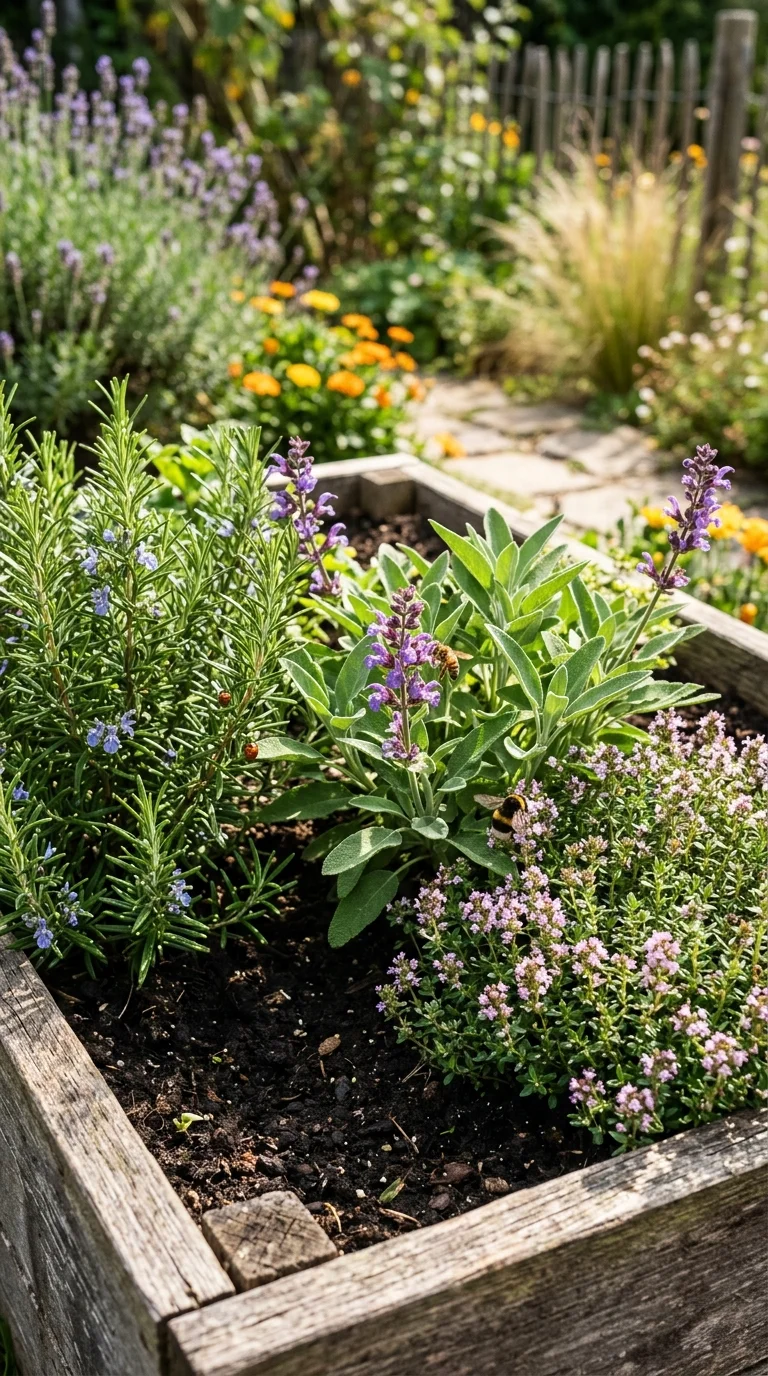
These two Mediterranean powerhouses are natural neighbors. They share nearly identical growing requirements: well-drained soil, full sun, and minimal watering. Rosemary’s woody stems provide wind protection for sage, while sage’s fuzzy leaves trap moisture in the air around both plants. Together they create a microclimate that reduces water evaporation and shields each other from harsh winds. Their combined aromatic oils also repel cabbage moths and carrot flies effectively.
Chives and Parsley
This pairing is ideal for container gardeners and raised bed growers. Chives and parsley both prefer moderate moisture and partial sun conditions. Chives produce sulfur compounds that deter aphids and Japanese beetles, which are common pests of parsley. The upright growth habit of chives complements the bushy, spreading form of parsley, creating an efficient use of vertical and horizontal space. Both herbs also tolerate cooler temperatures, making them excellent early-season companions.
Dill and Cilantro
These feathery-leaved herbs are perfect partners in the cool-season garden. Both attract beneficial insects with their delicate flowers, and their similar growth cycles mean they can be planted and harvested together. Dill repels spider mites, which occasionally trouble cilantro, while cilantro’s strong aroma helps deter aphids from dill. Plant them in groups of three to five for maximum pollinator attraction.
Herbs That Naturally Repel Pests
One of the greatest benefits of companion planting herbs is natural pest control. Instead of reaching for chemical sprays, you can let your garden do the work. Here is a detailed breakdown of which herbs repel which pests:
| Herb | Pests Repelled |
|---|---|
| Basil | Aphids, mosquitoes, thrips, whiteflies |
| Lavender | Moths, fleas, mosquitoes, deer |
| Chives | Aphids, Japanese beetles, carrot flies |
| Rosemary | Cabbage moths, carrot flies, slugs |
| Thyme | Cabbage worms, whiteflies, tomato hornworms |
| Lemongrass | Mosquitoes, spiders, flies |
| Catnip | Ants, flea beetles, squash bugs |
| Marigold | Nematodes, whiteflies, aphids |
Planting a border of these pest-repelling herbs around your vegetable and herb garden creates a living barrier that significantly reduces pest pressure. For container gardens, place pots of basil and lavender near entry points or windows where insects are likely to enter.
Herbs to Keep Apart
Not every herb combination is beneficial. Some pairings actively harm one or both plants. Understanding what to avoid is just as important as knowing what to plant together.
Fennel and Everything Else
Fennel is notorious in companion planting circles. It produces allelopathic chemicals that inhibit the germination and growth of most nearby plants, including other herbs. The only herb that tolerates fennel’s chemical interference is dill, and even then, neither plant thrives in the other’s company. If you grow fennel, isolate it in its own pot or a distant corner of the garden.
Dill and Lavender
While dill is an excellent companion for cilantro and basil, it does not coexist well with lavender. Dill’s taproot competes aggressively for water and nutrients, while lavender’s preference for drier soil conflicts with dill’s need for consistent moisture. Plant these two herbs on opposite sides of your garden for best results.
Mint and Delicate Herbs
Mint is an aggressive spreader that will quickly overwhelm delicate herbs like cilantro and basil if planted in the same container. Its runners spread outward and can choke out neighboring plants. Always plant mint in a separate pot or use a root barrier to contain its growth. If you want mint near your other herbs, keep it in its own container placed nearby rather than planted in the same soil.
How to Design a Companion Planted Herb Garden
Designing a companion planted herb garden starts with understanding your space and your plants. Begin by grouping herbs into three categories based on their water needs: thirsty herbs like mint and basil, moderate waterers like parsley and chives, and drought-tolerant Mediterranean herbs like rosemary, thyme, and oregano.
Within each water group, choose companions based on pest control benefits and growth habit compatibility. Place tall herbs like rosemary and dill at the back or center of your arrangement, with shorter spreading herbs like thyme and chives around the edges. This ensures all plants receive adequate sunlight without shading each other excessively.
For container gardens, use the thriller, filler, spiller approach. Plant a tall herb like rosemary as the thriller in the center, surround it with bushy fillers like sage and oregano, and allow thyme or mint to spill over the edges. This creates a visually appealing arrangement that also functions as an efficient companion planting system.
Does Companion Planting Actually Improve Herb Flavor?
There is scientific evidence supporting the claim that companion planting improves herb flavor. When herbs grow near species that release allelopathic compounds, they often respond by increasing their own essential oil production as a defense mechanism. This phenomenon, known as hormesis, means that mild stress from neighboring plants can actually make herbs more aromatic and flavorful.
Basil planted near tomatoes, for example, has been shown in multiple studies to produce higher concentrations of linalool and eugenol, the compounds responsible for its characteristic sweet-peppery aroma. Similarly, thyme grown alongside rosemary develops a more intense thymol concentration, enhancing its medicinal and culinary properties.
This is why many experienced gardeners insist that herbs grown in mixed companion beds taste better than herbs grown in monoculture rows. The chemical interactions between plants create a more complex, flavorful harvest.
Seasonal Companion Planting Strategies
Your companion planting strategy should evolve with the seasons. Cool-season companions like cilantro, dill, and parsley thrive in spring and autumn temperatures. Plant these early in the season alongside chives and lettuce for a productive cool-weather bed.
As temperatures warm in summer, transition to heat-loving companions. Basil, mint, and lemongrass form a summer pest-control powerhouse that thrives in full sun and warm soil. Meanwhile, rosemary, sage, and thyme perform consistently from spring through autumn in most climates.
In autumn, plant garlic and chives as companions for overwintering herbs. The sulfur compounds in garlic repel many overwintering pests and help protect dormant herb crowns from fungal diseases during the wet, cold months.
What to Plant With Herbs in a Vegetable Garden
Herbs are exceptional companion plants for vegetables as well. Basil alongside tomatoes repels hornworms and improves fruit flavor. Parsley planted near peppers attracts predatory insects that control pepper maggots. Dill and fennel attract pollinators to cucumbers and squash, increasing fruit set. Chives interplanted with carrots confuse carrot flies with their strong onion scent.
This integrated approach to companion planting maximizes your garden’s productivity while minimizing the need for external inputs. By combining herb and vegetable companions strategically, you create a diverse, resilient ecosystem that supports itself.
How to Start Companion Planting Herbs as a Beginner
If you are new to companion planting, start with one or two proven combinations rather than trying to arrange an entire garden at once. The basil-mint pairing and the rosemary-sage combination are the most forgiving for beginners. Both pairs share nearly identical care requirements, so mistakes are less likely to harm either plant.
Keep a simple garden journal noting what you planted together and how each combination performed. After one or two growing seasons, you will have a personalized companion planting guide tailored to your specific climate, soil, and garden conditions.
Frequently Asked Questions
Q: What herbs grow well together in the same pot?
A: Basil and mint, chives and parsley, and rosemary with sage are excellent container companions. Group herbs with similar water and light requirements together to ensure all plants thrive without one dominating the others.
Q: Which herbs repel garden pests naturally?
A: Basil repels aphids and mosquitoes, lavender deters moths and fleas, chives ward off aphids and Japanese beetles, and rosemary repels cabbage moths and carrot flies. Planting these throughout your garden creates a natural pest barrier.
Q: Can mint and basil be planted together?
A: Yes, mint and basil make excellent companion plants. Both enjoy similar moisture levels and partial sun conditions. Mint’s strong scent can help mask basil from aphids, and basil’s oils deter certain flies from laying eggs near mint.
Q: What herbs should not be planted near each other?
A: Keep fennel separate from most other herbs as it produces allelopathic chemicals that inhibit nearby plant growth. Dill can stunt the growth of lavender and sage. Avoid planting aggressive spreaders like mint next to delicate herbs like cilantro.
Q: How does companion planting improve herb flavor?
A: Certain herb companions stimulate each other’s essential oil production through a process called allelopathic stimulation. Basil planted near tomatoes, for instance, produces higher concentrations of aromatic compounds when neighboring plant signals trigger chemical defense responses.
Related Articles
- How to Grow Herbs at Home: Complete Beginner’s Guide
- How to Grow Basil at Home: From Seed to Pesto in 30 Days
- How to Grow Mint Without Spreading
- How to Grow Chives from Seed: A Complete Guide
- How to Grow Rosemary from Cuttings