
Cooking with fresh herbs is one of the simplest and most transformative ways to elevate everyday meals from ordinary to extraordinary. Whether you are tossing fragrant basil into a summer salad or roasting rosemary potatoes for a cozy winter dinner, fresh herbs bring depth, color, and complexity that dried herbs simply cannot match. If you grow your own herbs at home, you already have a gourmet pantry waiting right outside your kitchen door.
Quick Answer: The best way to cook with fresh herbs is to add delicate herbs like basil, mint, chives, and parsley at the end of cooking as a garnish, while hearty herbs like rosemary, thyme, and oregano can be added early during roasting or simmering to infuse deep flavor into your dishes.
Why Cooking With Fresh Herbs Changes Everything
Fresh herbs are the secret weapon of home cooks and professional chefs alike. A handful of chopped parsley can brighten a heavy stew, a few basil leaves can turn a simple tomato sauce into something memorable, and a sprig of rosemary can transform basic roasted potatoes into a centerpiece dish. The oils in fresh herbs are volatile and aromatic, releasing layers of flavor that dried herbs lose during the dehydration process.
Cooking with fresh herbs also adds visual appeal. A sprinkle of vibrant green chives over creamy scrambled eggs, a scattering of ruby-tinged basil over caprese salad, or a bouquet of fresh thyme on a charcuterie board makes every dish look more appetizing and intentional.
If you are new to using culinary herbs in your kitchen, start with the basics. Growing herbs at home ensures you always have a fresh supply on hand, and the difference between a store-bought bundle that has been sitting in the fridge and a leaf you just snipped from your windowsill is night and day.
How to Cook With Basil: Pesto, Caprese and Beyond
Basil is arguably the most beloved culinary herb, and for good reason. Its sweet, slightly peppery flavor pairs beautifully with tomatoes, mozzarella, garlic, lemon, and olive oil. If you are learning how to cook with basil, start with these three classic ideas.
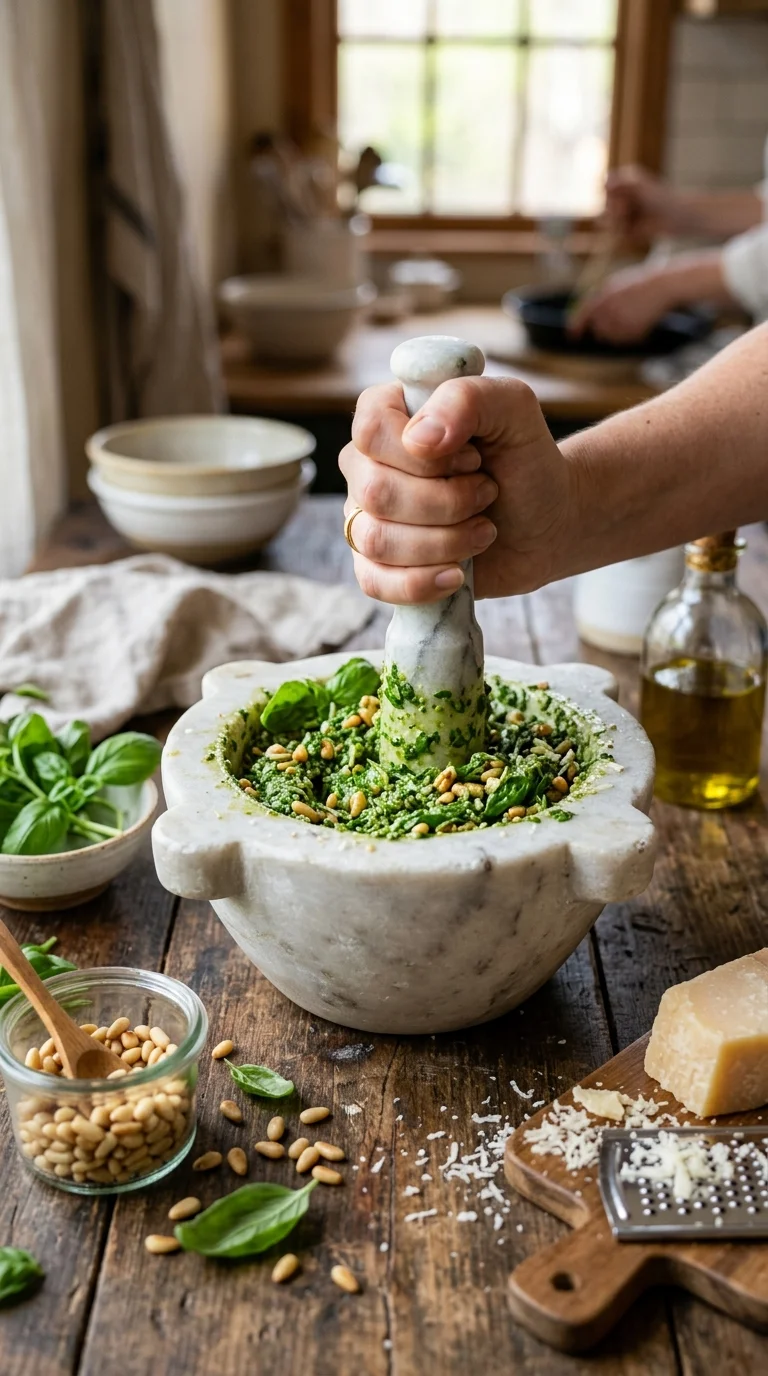
Classic Basil Pesto is the ultimate expression of fresh basil flavor. Blend two cups of packed fresh basil leaves with a quarter cup of pine nuts, two garlic cloves, a half cup of freshly grated Parmesan cheese, and enough extra virgin olive oil to reach your desired consistency. Season with salt and pepper and toss with pasta, spread on sandwiches, or drizzle over grilled chicken.
Caprese Salad is a five-minute masterpiece that lets basil shine. Layer thick slices of ripe tomatoes with fresh mozzarella and whole basil leaves. Drizzle with quality olive oil, sprinkle with flaky sea salt, and finish with a splash of balsamic glaze. The freshness of the basil ties all the elements together.
Basil Butter is a versatile compound butter that elevates grilled meats, vegetables, and fresh bread. Soften a stick of unsalted butter and fold in finely chopped fresh basil, a squeeze of lemon juice, and a pinch of salt. Roll it into a log using plastic wrap and refrigerate until firm. Slice off rounds whenever you need a burst of herbaceous flavor.
For more tips on growing your own supply, check out our guide on how to grow basil at home.
How to Cook With Mint: Tea, Chutney and Savory Dishes
Mint brings a bright, cooling freshness that works in both sweet and savory cooking. Its versatility makes it one of the most useful culinary herbs to keep in your kitchen.
Fresh Mint Tea is as simple as it gets. Steep a generous handful of fresh mint sprigs in boiling water for five to seven minutes. Add honey and a squeeze of lemon for a soothing, naturally caffeine-free drink that aids digestion and refreshes on hot days.
Mint Chutney is a staple in Indian and Middle Eastern cuisine. Blend fresh mint leaves with cilantro, green chili, garlic, lime juice, and a pinch of cumin for a vibrant condiment that pairs perfectly with grilled meats, samosas, roasted vegetables, or as a dip for flatbread.
Mint Yogurt Sauce transforms any dish. Mix chopped fresh mint into thick Greek yogurt with grated cucumber, minced garlic, lemon juice, and a drizzle of olive oil. This tzatziki-inspired sauce is ideal for lamb, grilled chicken, falafel, or as a refreshing dip for raw vegetables.
Growing your own mint is easy when you know how to prevent it from taking over. Our guide on how to grow mint without spreading covers container growing and containment strategies.
How to Cook With Rosemary: Bread, Potatoes and Roasts
Rosemary is a hardy, woody herb with a pine-like, earthy flavor that stands up beautifully to heat. It is one of the best herbs for roasting and baking.
Rosemary Focaccia Bread is a showstopper that is surprisingly easy to make at home. Press fresh rosemary sprigs into focaccia dough before baking along with a generous drizzle of olive oil and flaky sea salt. The rosemary infuses the bread with an intoxicating aroma as it bakes.
Crispy Rosemary Roasted Potatoes are a side dish that steals the show. Toss cubed potatoes with olive oil, fresh rosemary leaves, minced garlic, salt, and pepper. Roast at high heat until golden and crispy on the outside, tender and fluffy on the inside.
Rosemary Garlic Butter Steak is pure indulgence. Mix softened butter with finely chopped rosemary, minced garlic, and a pinch of flaky salt. Sear your steak to your preferred doneness and top with a generous knob of the compound butter as it rests, letting the rosemary butter melt into every bite.
Rosemary is incredibly easy to propagate and grow at home. Learn more in our guide on how to grow rosemary from cuttings.
How to Cook With Thyme: Roasts, Soups and Sauces
Thyme is a workhorse herb with a subtle, earthy flavor that deepens with cooking. It pairs beautifully with chicken, mushrooms, beans, and root vegetables.
Thyme Roasted Chicken is the ultimate comfort food. Rub a whole chicken with olive oil, fresh thyme leaves, lemon zest, garlic, salt, and pepper. Roast until the skin is golden and crispy and the juices run clear. The thyme creates a fragrant, savory crust.
Mushroom Thyme Soup is rich and warming. Sauté sliced mushrooms with diced onion and garlic, add fresh thyme sprigs, vegetable broth, and a splash of cream. Simmer until the flavors meld and finish with a swirl of cream and fresh thyme leaves.
Thyme Pan Sauce elevates any protein. After searing chicken or pork, deglaze the pan with white wine, add a knob of butter, a handful of fresh thyme, and a squeeze of lemon. Stir until the butter melts and the sauce thickens slightly, then pour it over your cooked meat.
For indoor growing tips, explore our guide on how to grow thyme indoors.
How to Cook With Chives and Parsley
Chives and parsley are finishing herbs that add brightness, color, and a clean herbaceous note to virtually any dish.
Chive Blossom Butter is a springtime treat. Finely chop fresh chives and fold them into softened butter with a pinch of salt. This compound butter is wonderful on baked potatoes, grilled corn, fresh bread, or melted over steamed vegetables.
Herbed Scrambled Eggs are elevated by a generous sprinkle of freshly snipped chives. Fold chopped chives into beaten eggs just before they finish cooking. The residual heat releases the chive aroma without wilting the herbs, giving you fluffy, colorful eggs with a mild onion flavor.
Parsley Chimichurri is an Argentinian sauce that pairs beautifully with grilled meats. Blend flat-leaf parsley with olive oil, red wine vinegar, minced garlic, red pepper flakes, and oregano. Spoon it generously over steak, grilled vegetables, or use it as a dipping sauce for crusty bread.
Parsley Salad lets the herb take center stage. Toss whole flat-leaf parsley leaves with thinly sliced red onion, toasted walnuts, crumbled feta, lemon juice, and olive oil. This bright, herbaceous salad is a palate cleanser and a conversation starter.
Learn to grow your own parsley supply with our guide on how to grow parsley in pots and our chive growing guide on how to grow chives from seed.
Flavor Pairing Rules Every Home Cook Should Know
Understanding flavor pairings is the key to cooking with herbs confidently. Here are the foundational rules that professional chefs follow.
Match intensity with intensity. Delicate herbs like basil, chives, and parsley pair best with light dishes such as salads, pasta, fish, and eggs. Hardy herbs like rosemary, thyme, and oregano stand up to bold flavors like red meat, stews, and roasted vegetables.
Complement, do not compete. Fresh herbs should enhance the main ingredient, not overpower it. A sprig of thyme in a chicken soup adds depth without dominating. A mountain of strong rosemary on a delicate fish fillet would be overwhelming.
Use the same cuisine family. Mediterranean herbs like basil, oregano, thyme, rosemary, and parsley naturally go together in Italian, Greek, and French dishes. Asian herbs like Thai basil, cilantro, and mint work beautifully in Thai, Vietnamese, and Indian cooking.
Finish with freshness. Adding fresh herbs at the very end of cooking or as a garnish preserves their bright flavor and color. Stir a handful of chopped parsley into a soup just before serving, scatter chives over finished dishes, or top grilled meat with a fresh herb salad.
Tips for Cooking With Fresh Herbs Every Day
Cooking with herbs should be a daily habit, not a special occasion. Here are practical tips to make it effortless.
- Wash and prep ahead. After bringing herbs home or harvesting from your garden, wash them gently, dry them thoroughly, and store them in the refrigerator. Having prepped herbs ready removes the friction of cooking with them.
- Invest in a good knife. A sharp chef’s knife or mezzaluna makes quick work of chopping herbs finely without bruising them. Bruised herbs turn brown and lose their flavor faster.
- Taste as you go. Herb flavor intensifies as it sits in a hot dish. Start with less and add more toward the end of cooking if needed.
- Grow a windowsill garden. A small collection of potted herbs on your kitchen windowsill means you are never more than an arm’s reach from fresh flavor. Growing herbs at home is the single best investment a home cook can make.
- Freeze for later. Chop fresh herbs and freeze them in olive oil using ice cube trays. Pop a cube into your next soup, sauce, or stir-fry for instant flavor.