Do you look out at your yard and wish it felt more alive with color and movement? Many gardeners struggle to attract beautiful birds and beneficial insects to their outdoor spaces. In this complete guide, you will discover how to use gorgeous pollinator garden flowers to transform your backyard into a bustling, joyful wildlife sanctuary.
Quick Answer: To design a successful backyard sanctuary, you should plant a diverse mix of native pollinator garden flowers that bloom from early spring through late autumn. Providing nectar-rich blooms, shelter, and fresh water will naturally invite bees, butterflies, and hummingbirds to your yard.
Discover the Best Flowers for Bees and Butterflies
When you step into your yard, you want to see the happy buzz of bumblebees and the bright flutter of butterfly wings. To make this happen, you need to understand what these lovely insects are looking for. Many gardeners find that choosing the right shapes and colors is the secret to success.
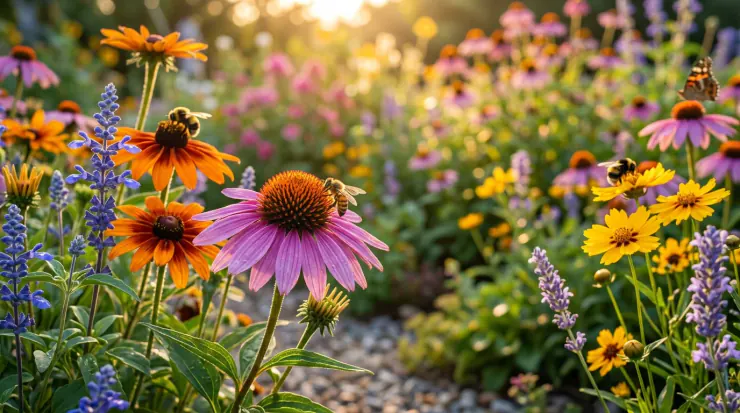
Bees are generally drawn to blue, purple, yellow, and white blossoms. They love open flowers where they can easily land and gather pollen. Butterflies, on the other hand, love flat, wide flowers that act like landing pads. This allows them to sit comfortably while they drink sweet nectar.
Let us look at some of the absolute best flowers for bees and butterflies that you can plant this season.
Cheerful Coneflowers
Coneflowers are classic favorites in many home gardens. These hardy perennial plants, meaning they come back year after year, have a large, raised center cone. Butterflies like monarchs and swallowtails love to perch on these cones to drink. Bees also climb all over them to collect pollen. They are very tough and can handle hot, dry summer days with ease.
Beautiful Bee Balm
As the name suggests, bee balm is a magnet for all kinds of bees. It produces wild, mop-like heads of tubular flowers. These flowers come in bright shades of red, pink, and purple. The leaves have a wonderful minty scent when you brush past them. Many gardeners find that planting bee balm in a sunny spot brings instant life to the yard.
Late-Season Asters
Asters are crucial because they bloom late in the summer and into the autumn. This is a time when many other flowers have finished blooming. Butterflies need this late-season nectar to fuel their long winter migrations. Asters look like tiny, colorful daisies in shades of purple, blue, and pink.
Sweet-Scented Lavender
Lavender is famous for its relaxing scent, but bees love it for its sweet nectar. The tall, purple flower spikes are covered in tiny blossoms. You will often see dozens of honeybees and bumblebees visiting a single lavender bush on a warm afternoon. It prefers very sunny spots and dry, sandy soil.
Easy-to-Grow Zinnias
If you want quick results, zinnias are a wonderful choice. These are annual flowers, which means they grow, flower, and die in a single season. They are incredibly easy to grow from seeds sown directly in the dirt. Butterflies love the bright, flat flower heads because they can rest their wings while eating.
Tall and Bright Sunflowers
Sunflowers are not just for seeds; they are also fantastic for bees. The giant yellow faces of these plants are actually made of thousands of tiny individual flowers. Bees will spend hours crawling across a single sunflower head. They are a joyful addition to the back of any garden bed.
Delicate Cosmos
Cosmos have feathery green leaves and daisy-like flowers that dance in the wind. They come in soft shades of pink, white, and magenta. Because the flowers are so open, bees can get to the pollen without any trouble. They will continue to bloom all summer long if you pluck off the old, faded flowers.
Fragrant Sweet Alyssum
This low-growing plant forms a carpet of tiny, honey-scented white or purple flowers. It is perfect for planting along the edges of your garden paths. Many gardeners find that sweet alyssum attracts tiny beneficial wasps and hoverflies. These insects are great because they eat common garden pests like aphids.
Simple Steps on How to Start a Pollinator Garden
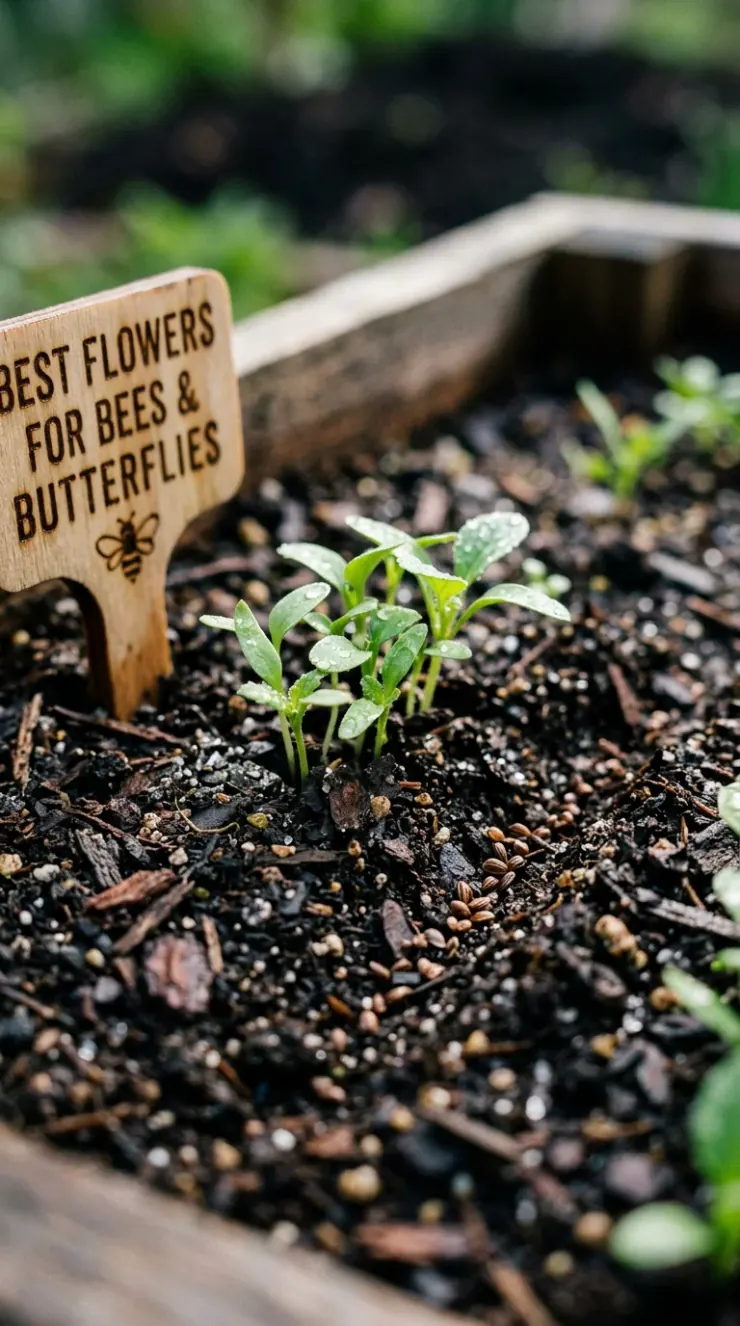
Starting a new garden project can sometimes feel a bit overwhelming. However, learning how to start a pollinator garden is actually very simple when you break it down. You do not need a huge yard to make a big difference for local wildlife. Even a few pots on a sunny patio can serve as a helpful pit stop for passing insects.
The first step is to observe your yard to see where the sun shines brightest. Most nectar-producing flowers need at least six hours of direct sunlight every day. Once you have found the perfect sunny spot, you can begin planning your layout.
Here is a simple comparison to help you choose between annuals and perennials for your new garden:
| Plant Type | How Long It Lives | Why Pollinators Love It | Best Feature |
|---|---|---|---|
| Annuals | One single growing season | Fast, heavy blooms all summer | Very easy to grow from cheap seeds |
| Perennials | Comes back year after year | Reliable food source every spring | Deep roots help them survive droughts |
| Shrubs | Permanent woody plants | Huge numbers of flowers at once | Provides shelter from wind and rain |
To help you get started, here is a practical plan of action:
- Pick a sunny spot: Look for an area in your yard that gets plenty of bright, warm sunlight throughout the day.
- Start small: Do not try to dig up your whole yard at once. A small, well-cared-for bed is much better than a giant, weedy mess.
- Group your plants: Plant at least three of the same kind of flower next to each other. This makes it much easier for bees to spot them from the air.
- Provide water: Put a shallow dish of water in the garden. Add some flat stones so bees and butterflies have a safe place to stand while they drink.
- Skip the chemicals: Avoid using chemical sprays or bug killers in your garden. These can harm the very creatures you are trying to help.
When you design your space, try to think about the changing seasons. Bees and butterflies need food from early spring all the way to the first frost of winter. You can achieve this by choosing a mix of plants that bloom at different times.
For spring color, you might plant alliums or columbines. For summer, you can rely on coneflowers, bee balm, and zinnias. For the autumn, goldenrod and asters will keep the feast going. This continuous cycle of blooms ensures that your garden is always open for business.
The Power of Native Plants for Pollinator Gardens
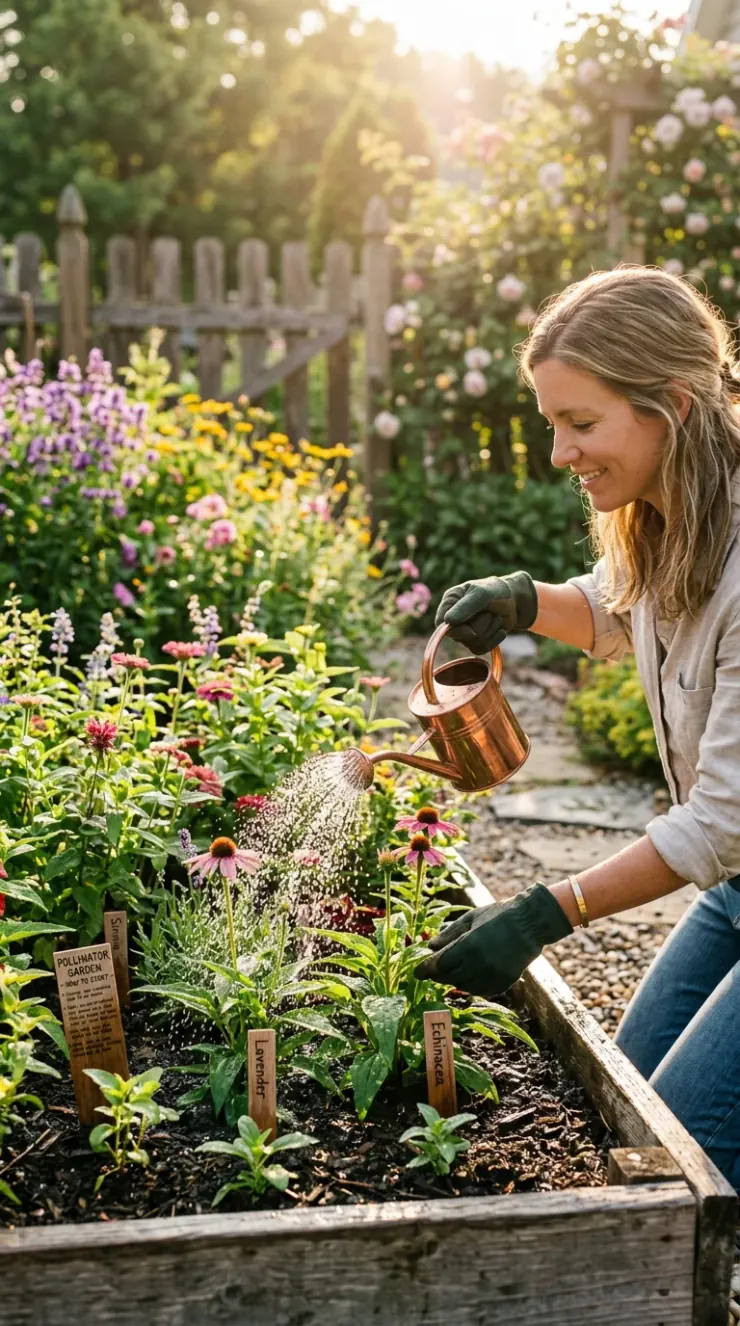
What exactly does “native” mean? Native plants are species that have grown naturally in your specific region for thousands of years. Because they evolved alongside your local insects, they fit together like perfect puzzle pieces. Choosing native plants for pollinator gardens is one of the best ways to support your local ecosystem.
Native plants are also incredibly tough. They are already adapted to your local soil, weather, and rainfall patterns. This means they generally need less water and less fussing from you once they are established. They are the ultimate low-maintenance plants for busy gardeners.
Here is a simple, step-by-step guide on how to successfully plant native species in your yard:
- Research your zone: Look up your local gardening zone and find a list of plants native to your specific state or province.
- Visit a local native nursery: Many standard garden centers sell imported plants. Look for a nursery that specializes in local, native species for the best results.
- Check your soil type: Feel your soil. Is it sandy and fast-draining, or is it heavy clay that holds onto water? Choose native plants that love your specific soil type.
- Dig a proper hole: Dig a hole that is twice as wide as your plant’s root ball, but exactly the same depth. This helps the roots spread out easily.
- Water deeply after planting: Give your new plants a long, slow drink of water to help settle the soil around their roots.
- Add a layer of mulch: Put a two-inch layer of shredded bark or leaves around the plants. This keeps the soil wet and stops weeds from growing.
Let us look at some fantastic native plants that you can easily add to your yard.
Mighty Milkweed
Milkweed is perhaps the most famous native plant of all. It is the only food source that monarch butterfly caterpillars can eat. Without milkweed, we could lose these beautiful butterflies forever. The flowers are also packed with sweet nectar that bees and other butterflies love.
Goldenrod
Goldenrod is a stunning native plant that produces bright yellow plumes in the late summer. Some people worry that it causes allergies, but that is actually a myth! Its pollen is too heavy to blow in the wind. It is an essential food source for bees preparing for the cold winter ahead.
Joe Pye Weed
This giant native plant can grow up to eight feet tall in wet soils. It produces massive, fluffy pink flower heads that smell faintly of vanilla. It is a favorite stop for migrating monarch butterflies and giant swallowtails. It looks wonderful planted at the back of a garden border.
False Indigo
False Indigo is a beautiful, bushy plant that produces tall spires of blue or purple flowers in the spring. It is very tough and has deep roots that help it survive dry weather. It also serves as a host plant, which means butterflies lay their eggs on its leaves so their caterpillars can eat them.
Columbine
Wild columbine is a lovely spring-blooming native plant. It has unique, bell-shaped flowers with long spurs pointing backward. It grows naturally in shady woodlands, making it perfect for those quieter, cooler corners of your yard.
How to Grow Hummingbird Friendly Flowers
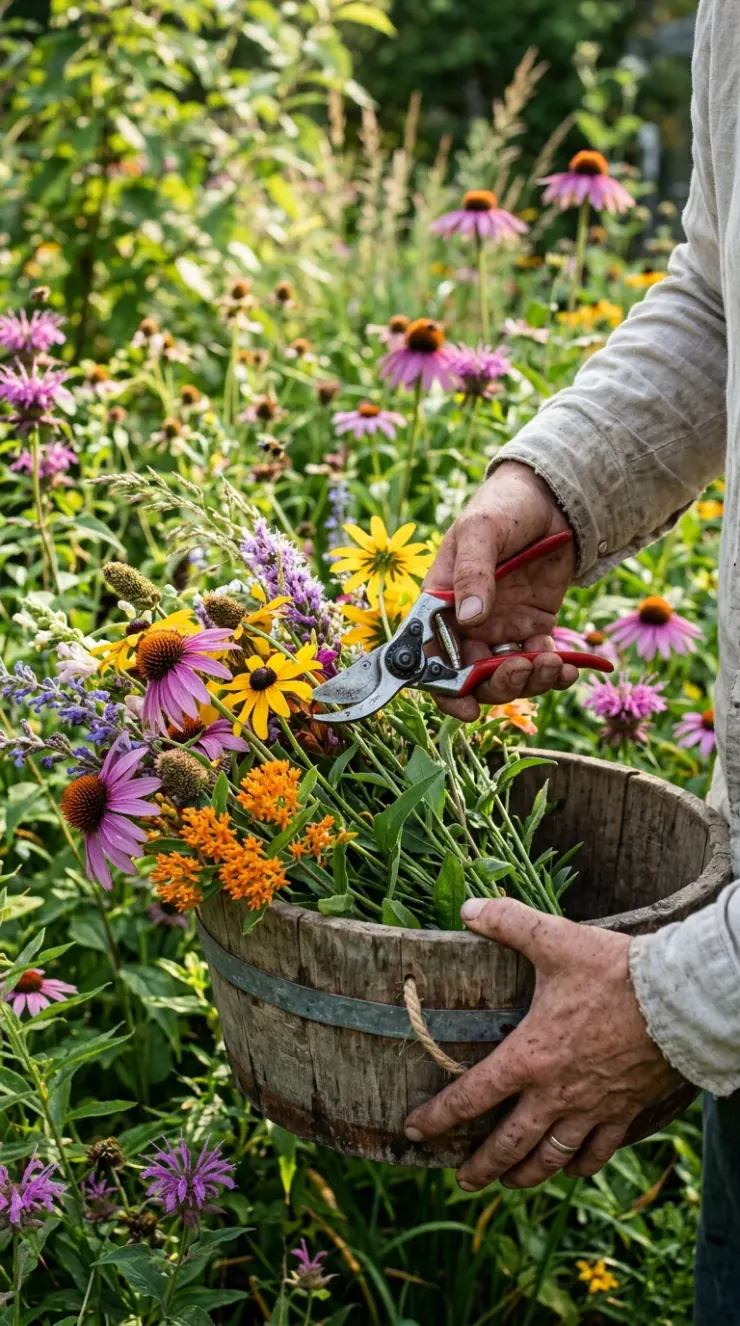
Hummingbirds are some of the most magical visitors you can have in your garden. These tiny, feathered gems move incredibly fast, beating their wings dozens of times every second. Because they burn so much energy, they need to eat constantly. Planting hummingbird friendly flowers is like putting up a neon “all-you-can-eat” sign in your yard.
Unlike bees, hummingbirds do not care much about landing pads. They prefer to hover in mid-air while they drink. They are highly attracted to bright, warm colors like red, orange, and deep pink. They also look for tubular flowers that match the shape of their long, narrow bills.
Many beginners make the mistake of relying only on plastic feeders filled with red sugar water. While feeders are nice, natural flower nectar is much healthier for these little birds. Flowers also attract small insects, which hummingbirds must eat to get enough protein.
Here are some of the best flowers to plant if you want to invite hummingbirds to your yard:
Vibrant Salvias
Salvias are members of the mint family, and they are absolute favorites for hummingbirds. The plants produce long spikes covered in small, tubular blossoms. Red salvias, such as the famous ‘Hot Lips’ variety, are especially good at catching a hummingbird’s eye from far away. They love hot weather and will bloom for months.
Cuphea (The Cigar Plant)
Cuphea is a fantastic annual plant that produces dozens of tiny, bright orange or red tubes. These tubes look just like little cigars, which is how the plant got its funny nickname. Hummingbirds will fight over this plant, guarding it from other birds so they can keep all the nectar for themselves.
Anise Hyssop
This beautiful perennial produces tall spikes of purple flowers that smell like licorice. It is a double-duty plant because both hummingbirds and native bees love it. It is very easy to grow and can handle dry summer soil without any trouble.
Native Button Bush
If you have a wet, soggy spot in your yard, button bush is the perfect choice. This native shrub produces fragrant, round white flowers that look like little pincushions or tiny space satellites. Hummingbirds, bees, and butterflies will all visit this unique plant.
Summersweet
Summersweet is a lovely deciduous shrub, meaning it drops its leaves in the winter. In the middle of summer, it produces spikes of incredibly fragrant white or pink flowers. The sweet scent fills the air, drawing in hummingbirds and butterflies from all around the neighborhood.
Egyptian Star Flower
Also known as Pentas, this plant produces dense clusters of star-shaped flowers. It comes in bright red, pink, and lavender. It is very popular for container gardens and window boxes. Hummingbirds will happily hover right outside your window to drink from these colorful blooms.
Strategic Garden Layout & Spacing Canvas
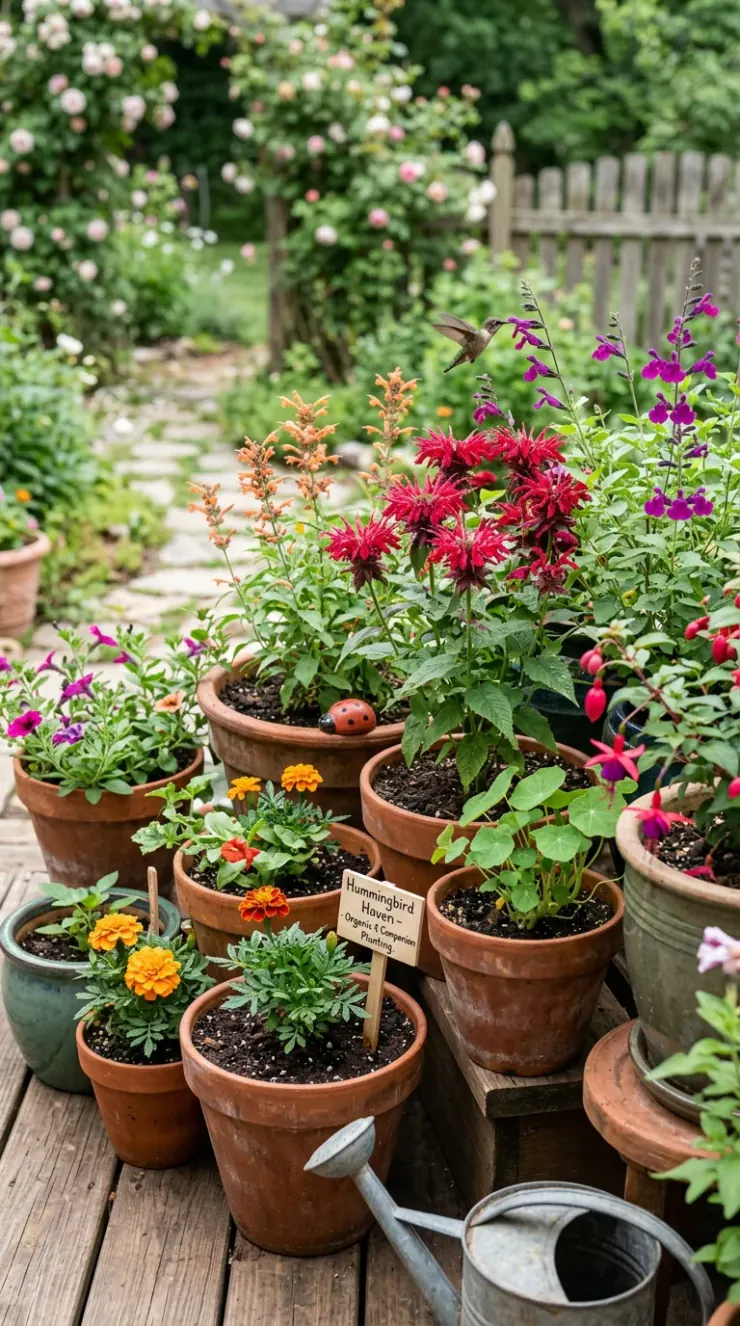
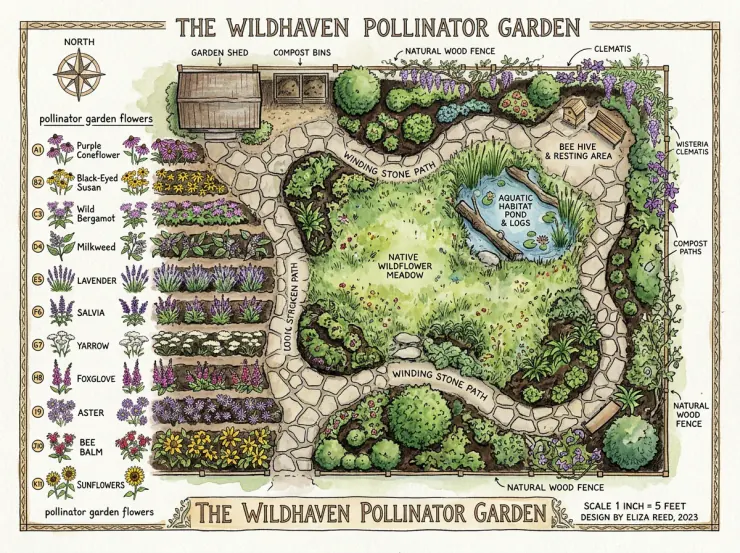
To get the most out of your garden, it helps to think about how you arrange your plants. In permaculture, which is a way of gardening that copies nature, we often use clever layouts to help plants grow better. One popular method is the keyhole garden layout. This design features a circular bed with a small path leading to the center, making it easy to reach every plant without stepping on the soil.
Dynamic garden mapping means placing plants where they can help each other. For example, taller shrubs can block cold winds, while low-growing plants can act as a living mulch to keep the soil cool. When you space your plants correctly, they will grow together to create a lush, green carpet that blocks out weeds naturally.
Companion planting tip: Plant your tomatoes near aromatic basil and golden marigolds to deter pests naturally and enhance yields!
Nutrient Optimization & Organic Feeding Guide
To grow the most beautiful, nectar-rich flowers, you must start with the soil. Many gardeners think they need to buy chemical fertilizers to get big blooms. However, feeding your soil naturally is much better for the earth and for the helpful bugs in your yard.
Think of your soil as a living city. Under the ground, there is a massive network of tiny bugs, fungi, and bacteria. This is called the dynamic soil food web. When you take care of this underground city, the microscopic life-forms will break down nutrients and feed them directly to your plants’ roots.
Here are the best organic ways to feed your soil and keep your flowers happy:
The Magic of Homemade Compost
Compost is often called “black gold” by experienced gardeners. It is made of decayed leaves, grass clippings, and kitchen scraps. Adding a layer of compost to your garden beds once or twice a year feeds the soil food web. It also helps sandy soil hold onto water and loosens up heavy clay.
Slow-Release Worm Castings
Worm castings are a fancy name for worm poop! It is one of the gentlest, most nutrient-rich fertilizers you can find. You can mix a handful of worm castings into the soil when you plant new flowers. It will not burn delicate roots, and it helps plants build strong defenses against diseases.
Nutrient-Rich Seaweed Fertilizer
Liquid seaweed fertilizer is like a healthy vitamin drink for your plants. It is packed with tiny trace minerals that help plants grow strong stems and bright flowers. You can mix it with water in a watering can and pour it over your plants’ leaves and roots once a month during the summer.
The Power of Organic Mulch
Mulching is the simple act of covering your soil with natural materials like shredded leaves, straw, or wood chips. As the mulch breaks down over time, it turns into rich soil. It also stops the sun from drying out the ground, which means you will not have to water your garden nearly as often.
When your plants are grown in healthy, living soil, they are much stronger. They can easily fight off pests and survive dry spells. Best of all, healthy plants produce sweeter nectar and more pollen. This means your garden will be even more attractive to the local bees, butterflies, and hummingbirds.
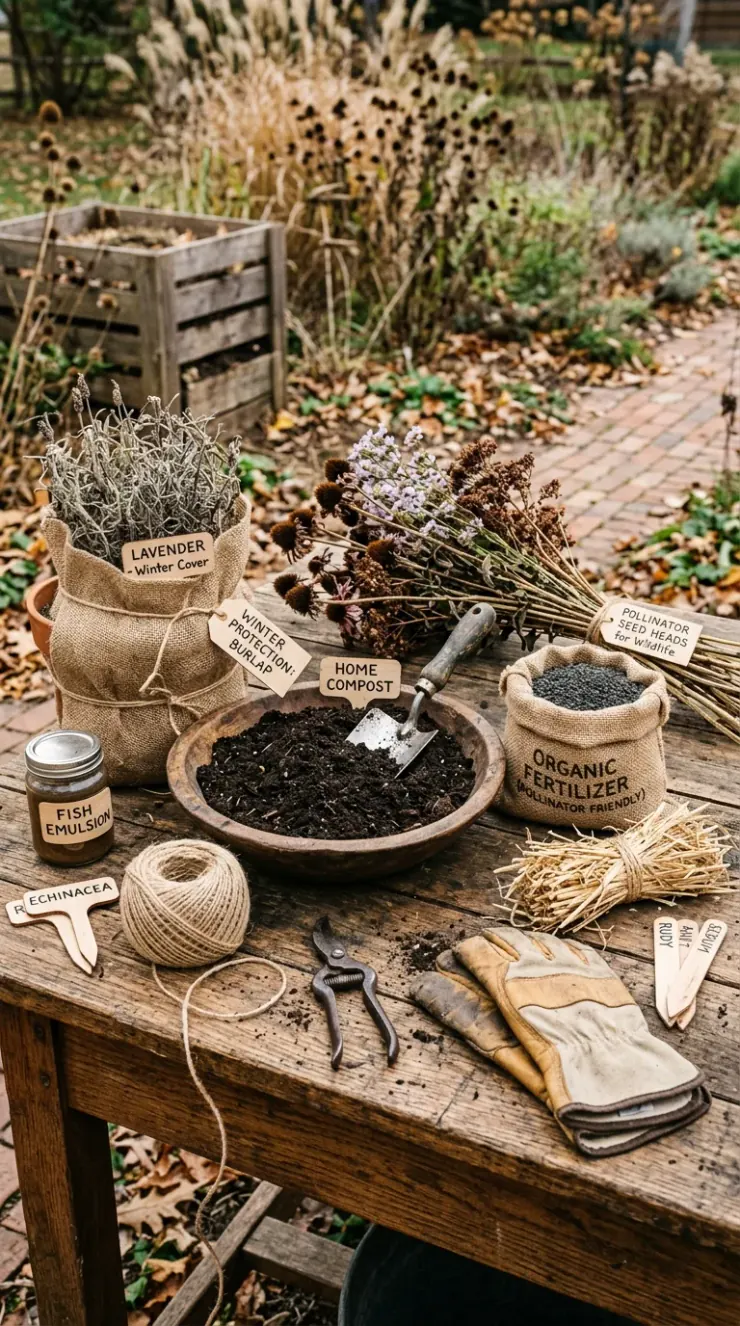
Ultimate Harvesting & Seasonal Blooms Rewards
As the seasons change, your pollinator garden will reward you in so many wonderful ways. In the spring and summer, you will have a yard filled with bright colors and gentle, relaxing sounds. It is a peaceful place where you can sit with a cup of tea and watch nature at work.
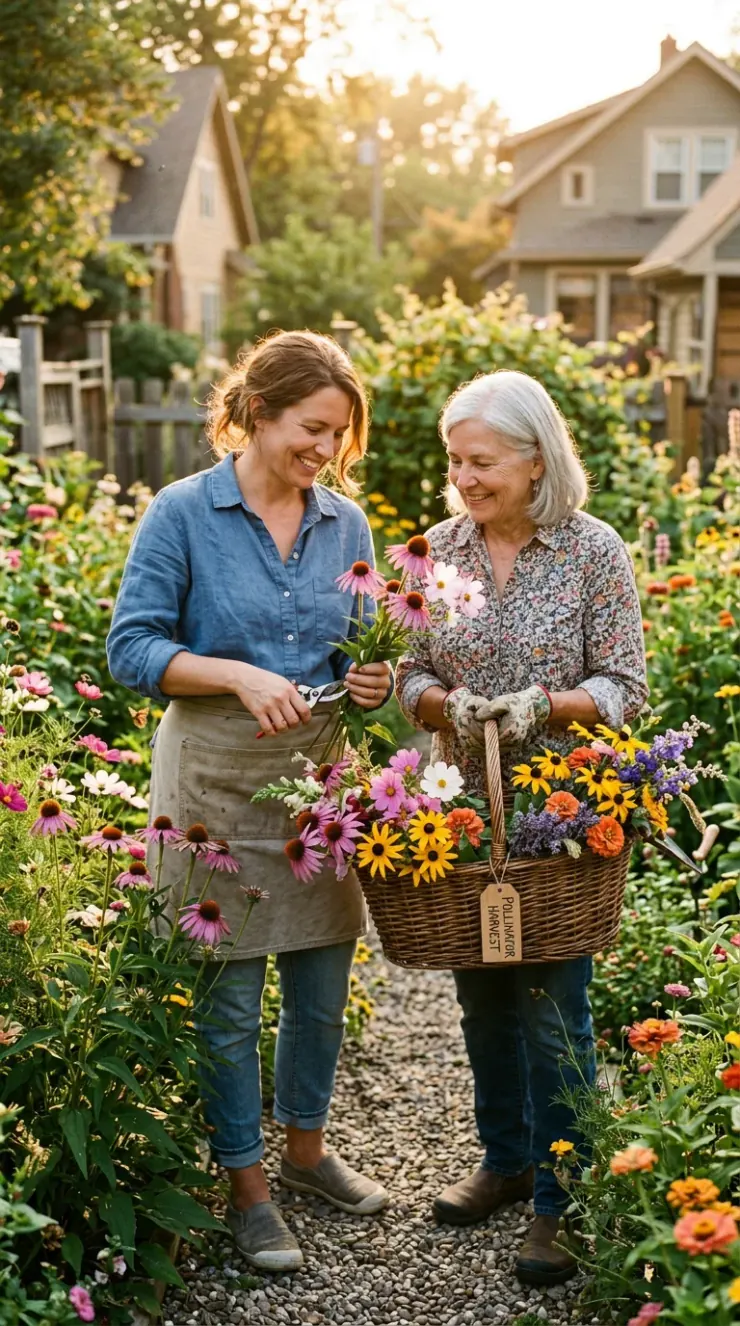
You can also harvest some of your beautiful blooms to bring inside your home. Making your own flower arrangements is a wonderful way to enjoy the fruits of your labor. Just be sure to leave plenty of flowers outside for your hungry outdoor guests!
Here is how you can enjoy and care for your garden throughout the changing seasons:
Safe Flower Harvesting
When you cut flowers for indoor vases, try to do it early in the morning when the stems are full of water. Use clean, sharp scissors and cut the stems at an angle. To be kind to your local pollinators, only take a few stems from each plant. This leaves plenty of food outside for the bees and butterflies.
Simple Seed-Saving Strategies
Saving seeds is a fun and budget-friendly way to grow your garden next year. In the autumn, let some of your flowers go to seed on the plant. Once the flower heads turn brown and dry, gently shake the seeds into a paper envelope. Store them in a cool, dry place until spring, and you will have free plants for the next season!
Winter Garden Cleanup (The Lazy Way!)
Many gardeners think they need to cut all their plants down to the ground before winter. However, leaving your garden a little messy is actually much better for wildlife. Many beneficial insects, like ladybugs and native bees, spend the winter hiding inside hollow flower stems or under fallen leaves.
Birds, especially goldfinches, also love to eat the seeds from dried coneflower and sunflower heads during the cold winter months. You can wait until early spring to clean up your garden beds. This gives your backyard friends a cozy, safe place to stay warm all winter long.
By creating a pollinator garden, you are doing something truly wonderful for the planet. You are creating a safe home for creatures that need our help. In return, they will fill your yard with beauty, movement, and life. It is a beautiful partnership that will bring you joy year after year.
Frequently Asked Questions
Q: What are the absolute best pollinator garden flowers for beginners to grow?
A: Many gardeners find that zinnias, coneflowers, and cosmos are the easiest plants to start with. They are very tough, grow quickly, and do not need a lot of special care to produce beautiful blooms.
Q: Do I need a large yard to start a pollinator garden?
A: Not at all! You can easily support local insects by planting nectar-rich flowers in pots, window boxes, or small patio containers on a sunny balcony.
Q: Why are native plants so important for local bees and butterflies?
A: Native plants grew up alongside your local insects, so they provide the exact food and shelter those bugs need to survive and raise their young.
Q: Will planting these flowers attract unwanted pests or wasps to my yard?
A: Generally, a healthy garden attracts balance. While you will see more bees and butterflies, you will also attract helpful insects that naturally eat pests like aphids.
Q: How often should I water my new pollinator plants?
A: It often depends on your local weather, but most new plants need deep watering once or twice a week until their roots grow strong and deep.
Q: Can I use chemical bug sprays in my pollinator garden?
A: It is highly recommended to avoid chemical sprays, as they cannot tell the difference between bad pests and the helpful bees and butterflies you want to save.