I learned to how to get rid slugs vegetable garden the way most of us do — with a bright March optimism and a tray that soon leaned like shy toddlers toward a dim window. The second spring a neighbor named Marta showed me how to hold my palm two inches above the leaves and ask, is this light close enough to feel? That one gesture changed everything. This guide is that habit, stretched into a calm, step-by-step plan you can start tonight with what you have, plus the few tiny upgrades that actually matter. The early details matter more than any later rescue.
Think of this as a walk through the bed together — sensorial, practical, a little messy, and very doable.
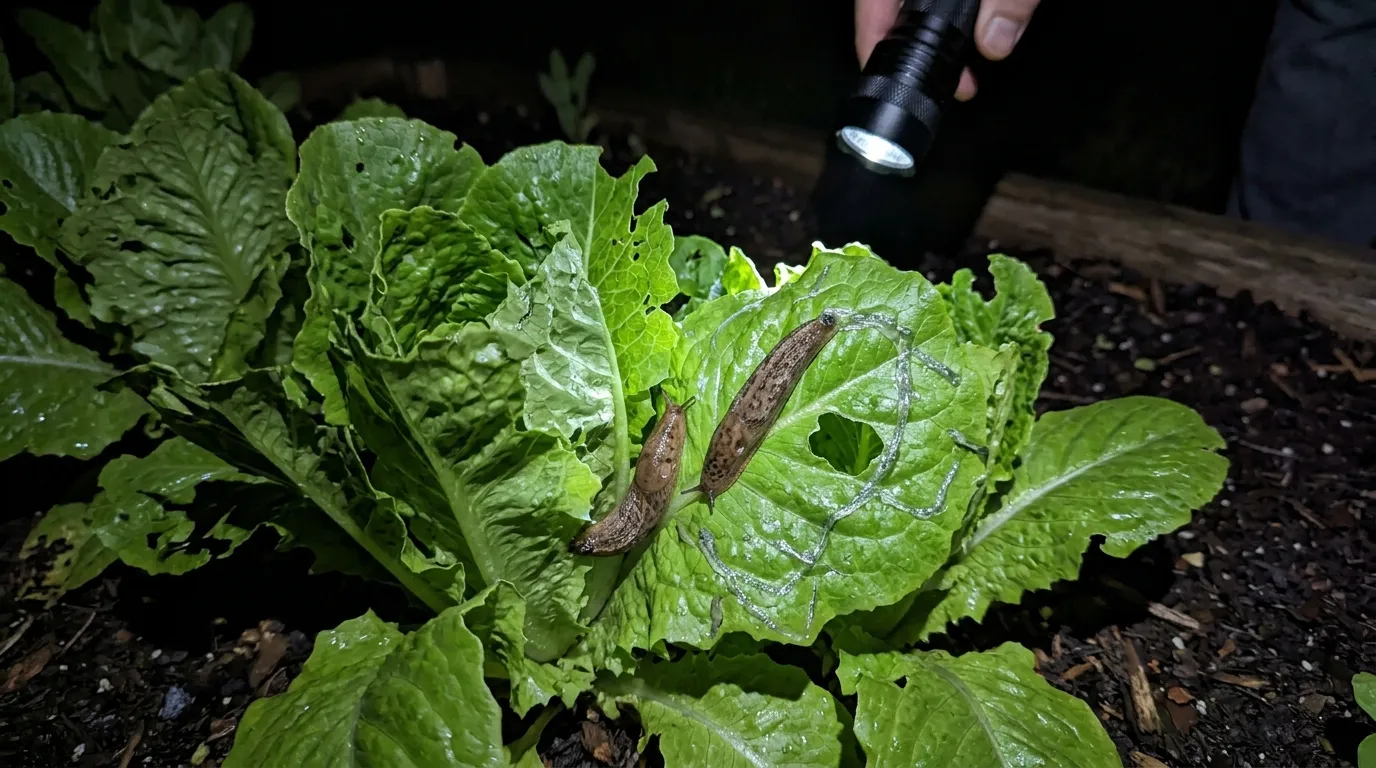
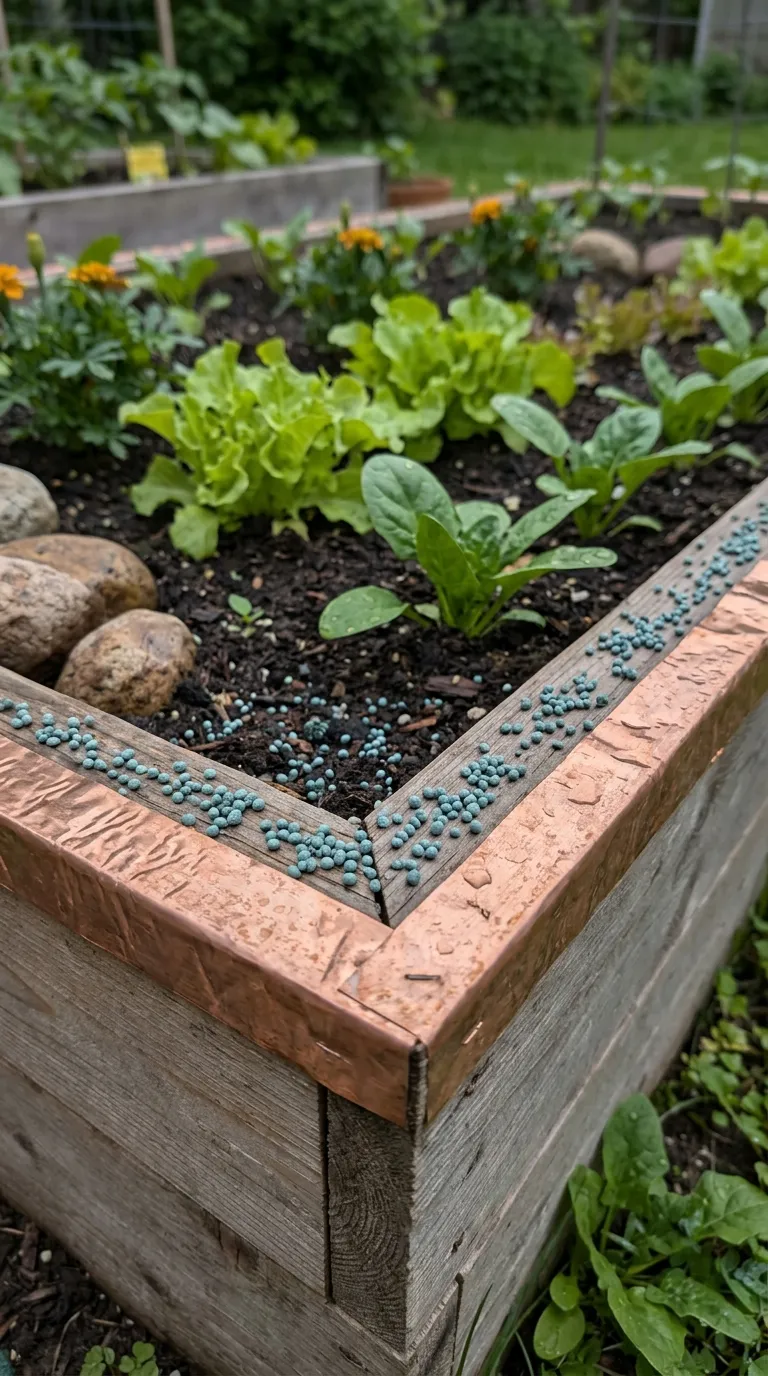
Quick Answer: Pick slugs nightly with a flashlight into soapy water, sink beer or yeast traps to soil level, scatter iron phosphate bait thinly per label around edibles, water only in morning, and create dry barriers with copper or wood ash kept dry. Pull mulch back 2 inches from stems, flip board traps at dawn, and reapply bait after rain. Repeat 10 days to break the egg cycle.
At a Glance
| Tool | Use | Notes |
|---|---|---|
| Night patrol | Pick into soapy water | Flashlight 9–11 p.m. |
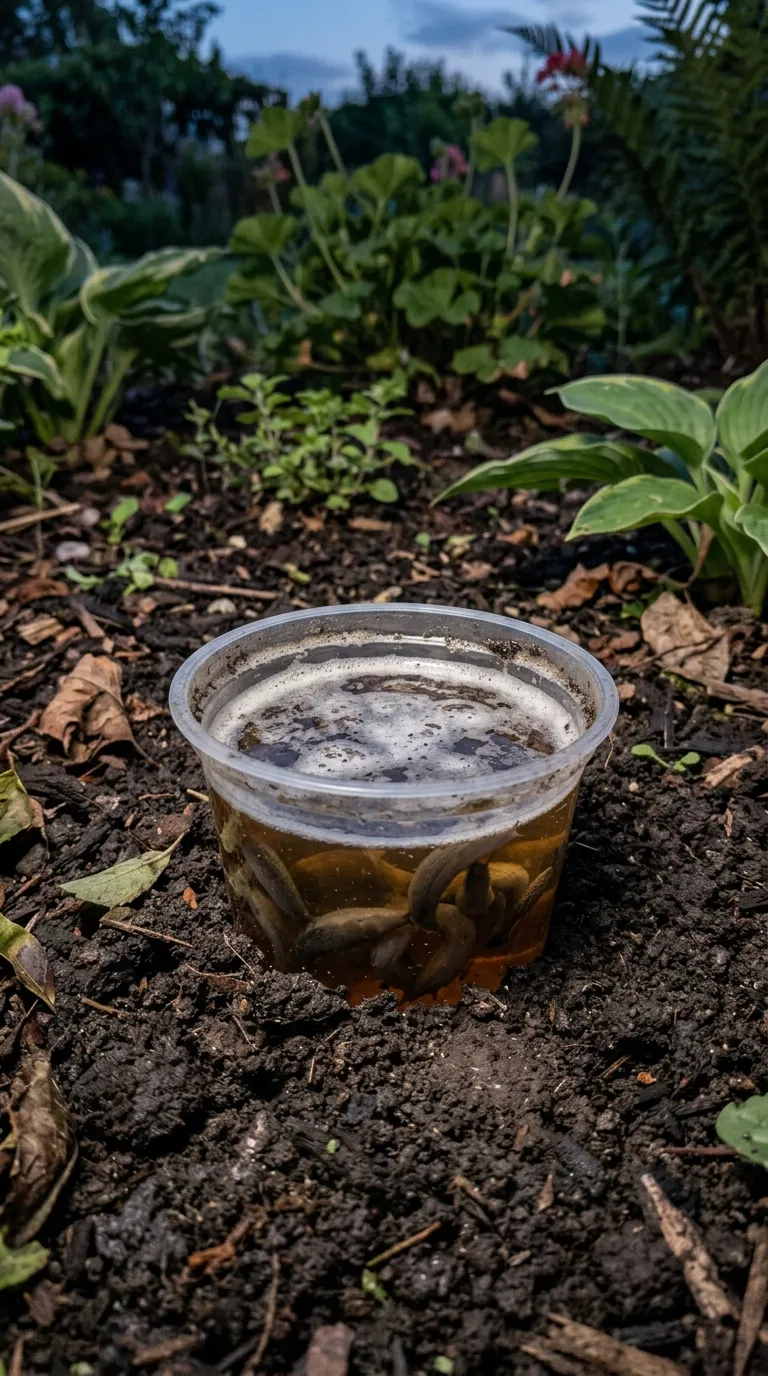
| Beer trap | Sunk to soil level | Refresh 2 days |
| Iron phosphate | Thin scatter per label | Safe near edibles |
| Water timing | Morning only | Pull mulch 2 inches from stem |
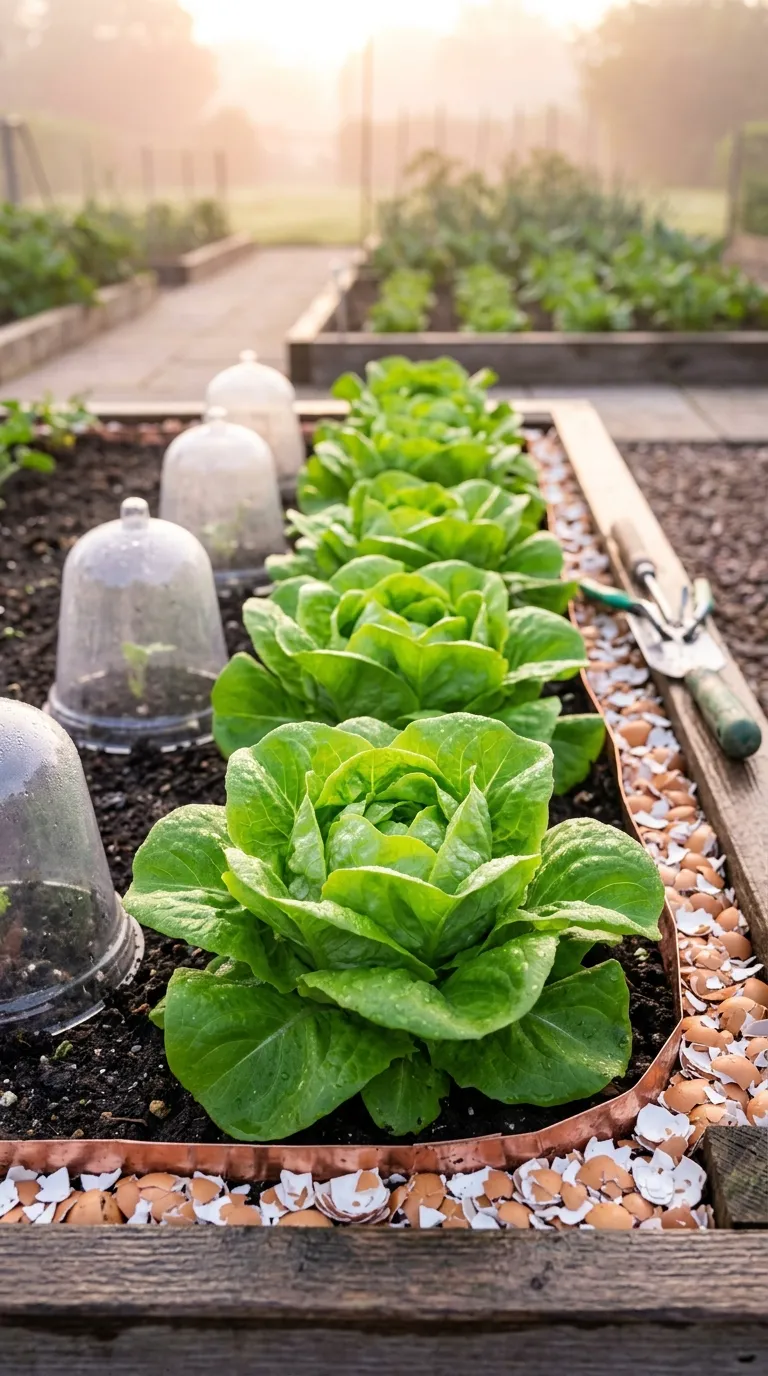
| Barriers | Copper/dry ash | Keep dry |
Why Slugs Love Your Garden at 10 p.m.
That why slugs love your garden at 10 p.m. moment is where the garden quietly decides. I used to rush it, thinking plants wouldn’t notice. They did — tighter roots and that deep satiny green showed up only when I slowed down and treated this step like a ten-minute ritual with tea warm beside me. Do you hear how soil sounds when it’s at the right dampness? Like a wrung sponge, not a puddle.
The principle is simple: steady is better than splashy. Even moisture, gentle air, bright light at the right distance. My notebook proves it — one line a day, weather and leaf color, and patterns pop in two weeks. Your hands will learn faster than any calendar.
Nocturnal habit
I handle nocturnal habit by measuring once, then trusting senses. Pre-moisten mix like a wrung sponge, sow about twice seed thickness deep, label same day, snip weaker at soil level after two true leaves.
Slime trails
I handle slime trails by measuring once, then trusting senses. Pre-moisten mix like a wrung sponge, sow about twice seed thickness deep, label same day, snip weaker at soil level after two true leaves.
Give this step its own Sunday ten minutes. It looks slow the first week, but by week three roots have quietly doubled and leaves thicken. Quiet compounding beats quick fixes every time.
Quick tips for why slugs love your garden at 10 p.m.:
- Do it in morning light when you can see true color.
- Keep tools clean — wipe with alcohol before cuts.
- Check again in 3 days; small corrections beat big rescues.
Nightly Patrol and Traps That Cut Numbers Fast
That nightly patrol and traps that cut numbers fast moment is where the garden quietly decides. I used to rush it, thinking plants wouldn’t notice. They did — tighter roots and that deep satiny green showed up only when I slowed down and treated this step like a ten-minute ritual with tea warm beside me. Do you hear how soil sounds when it’s at the right dampness? Like a wrung sponge, not a puddle.
The principle is simple: steady is better than splashy. Even moisture, gentle air, bright light at the right distance. My notebook proves it — one line a day, weather and leaf color, and patterns pop in two weeks. Your hands will learn faster than any calendar.
Flashlight bowl
I handle flashlight bowl by measuring once, then trusting senses. Pre-moisten mix like a wrung sponge, sow about twice seed thickness deep, label same day, snip weaker at soil level after two true leaves.
Beer traps
I handle beer traps by measuring once, then trusting senses. Pre-moisten mix like a wrung sponge, sow about twice seed thickness deep, label same day, snip weaker at soil level after two true leaves.
Give this step its own Sunday ten minutes. It looks slow the first week, but by week three roots have quietly doubled and leaves thicken. Quiet compounding beats quick fixes every time.
Quick tips for nightly patrol and traps that cut numbers fast:
- Do it in morning light when you can see true color.
- Keep tools clean — wipe with alcohol before cuts.
- Check again in 3 days; small corrections beat big rescues.
Iron Phosphate and Dry Barriers
That iron phosphate and dry barriers moment is where the garden quietly decides. I used to rush it, thinking plants wouldn’t notice. They did — tighter roots and that deep satiny green showed up only when I slowed down and treated this step like a ten-minute ritual with tea warm beside me. Do you hear how soil sounds when it’s at the right dampness? Like a wrung sponge, not a puddle.
The principle is simple: steady is better than splashy. Even moisture, gentle air, bright light at the right distance. My notebook proves it — one line a day, weather and leaf color, and patterns pop in two weeks. Your hands will learn faster than any calendar.
How iron phosphate works
I handle how iron phosphate works by measuring once, then trusting senses. Pre-moisten mix like a wrung sponge, sow about twice seed thickness deep, label same day, snip weaker at soil level after two true leaves.
Copper tape
I handle copper tape by measuring once, then trusting senses. Pre-moisten mix like a wrung sponge, sow about twice seed thickness deep, label same day, snip weaker at soil level after two true leaves.
Give this step its own Sunday ten minutes. It looks slow the first week, but by week three roots have quietly doubled and leaves thicken. Quiet compounding beats quick fixes every time.
Quick tips for iron phosphate and dry barriers:
- Do it in morning light when you can see true color.
- Keep tools clean — wipe with alcohol before cuts.
- Check again in 3 days; small corrections beat big rescues.
Habitat Fix — Water Morning, Thin Mulch
That habitat fix — water morning, thin mulch moment is where the garden quietly decides. I used to rush it, thinking plants wouldn’t notice. They did — tighter roots and that deep satiny green showed up only when I slowed down and treated this step like a ten-minute ritual with tea warm beside me. Do you hear how soil sounds when it’s at the right dampness? Like a wrung sponge, not a puddle.
The principle is simple: steady is better than splashy. Even moisture, gentle air, bright light at the right distance. My notebook proves it — one line a day, weather and leaf color, and patterns pop in two weeks. Your hands will learn faster than any calendar.
Morning water
I handle morning water by measuring once, then trusting senses. Pre-moisten mix like a wrung sponge, sow about twice seed thickness deep, label same day, snip weaker at soil level after two true leaves.
Board traps
I handle board traps by measuring once, then trusting senses. Pre-moisten mix like a wrung sponge, sow about twice seed thickness deep, label same day, snip weaker at soil level after two true leaves.
Give this step its own Sunday ten minutes. It looks slow the first week, but by week three roots have quietly doubled and leaves thicken. Quiet compounding beats quick fixes every time.
Quick tips for habitat fix — water morning, thin mulch:
- Do it in morning light when you can see true color.
- Keep tools clean — wipe with alcohol before cuts.
- Check again in 3 days; small corrections beat big rescues.
10-Day Break-the-Cycle Plan
That 10-day break-the-cycle plan moment is where the garden quietly decides. I used to rush it, thinking plants wouldn’t notice. They did — tighter roots and that deep satiny green showed up only when I slowed down and treated this step like a ten-minute ritual with tea warm beside me. Do you hear how soil sounds when it’s at the right dampness? Like a wrung sponge, not a puddle.
The principle is simple: steady is better than splashy. Even moisture, gentle air, bright light at the right distance. My notebook proves it — one line a day, weather and leaf color, and patterns pop in two weeks. Your hands will learn faster than any calendar.
Day 1-3 blast
I handle day 1-3 blast by measuring once, then trusting senses. Pre-moisten mix like a wrung sponge, sow about twice seed thickness deep, label same day, snip weaker at soil level after two true leaves.
Day 4-10 bait
I handle day 4-10 bait by measuring once, then trusting senses. Pre-moisten mix like a wrung sponge, sow about twice seed thickness deep, label same day, snip weaker at soil level after two true leaves.
Give this step its own Sunday ten minutes. It looks slow the first week, but by week three roots have quietly doubled and leaves thicken. Quiet compounding beats quick fixes every time.
Quick tips for 10-day break-the-cycle plan:
- Do it in morning light when you can see true color.
- Keep tools clean — wipe with alcohol before cuts.
- Check again in 3 days; small corrections beat big rescues.
Extra Tip — Don’t Skip the Second Pass
- Second pass catches hatchlings.
- Check north side where dew lingers.
- Flip leaf, look, breathe, then act.
- Small daily looks beat big weekend rescues.
Frequently Asked Questions
Q: What kills slugs safely around edible vegetables?
A: Iron phosphate bait scattered thinly per label is approved for edibles and breaks down into soil nutrients after slugs stop feeding, making it the safest chemical option. Combine it with nightly hand-picking with a flashlight, beer or yeast traps sunk to soil level, and dry barriers like copper tape or diatomaceous earth kept dry. Consistency for 10 days beats any single trick.
Q: Why do slugs eat my seedlings overnight and hide all day?
A: Slugs are nocturnal and need damp darkness to glide without drying out. They feed after dusk and before dawn, then tuck under mulch, boards and low leaves where soil stays moist. Watering in the morning instead of evening, thinning mulch close to stems and leaving a few flat boards as trap shelters you flip each dawn makes their habitat work for you.
Q: Do beer traps really work for slugs?
A: Beer traps work as a monitoring and reduction tool, not a cure on their own. Yeast and fermentation attract slugs that fall in and drown, especially when containers are sunk so the lip sits at soil level. Refresh every 2 days and pair with iron phosphate and patrols. If traps fill nightly but damage continues, add barrier and habitat changes rather than more beer.
Related Articles
- When to Plant Vegetables: A Month-by-Month Guide
- How Often to Water Vegetables
- Best Soil for Vegetable Gardens
- Companion Planting Guide
- Vegetable Garden Pests: How to Identify and Control
- How to Test Soil pH
Sources & References
- University of Minnesota Extension — https://extension.umn.edu/yard-and-garden/vegetables
- Cornell Vegetables — https://www.vegetables.cornell.edu/
- Iowa State University Extension — https://hortnews.extension.iastate.edu/
- NC State Extension — https://content.ces.ncsu.edu/
- University of California IPM — https://ipm.ucanr.edu/