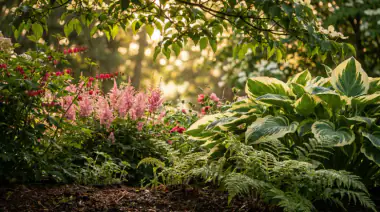
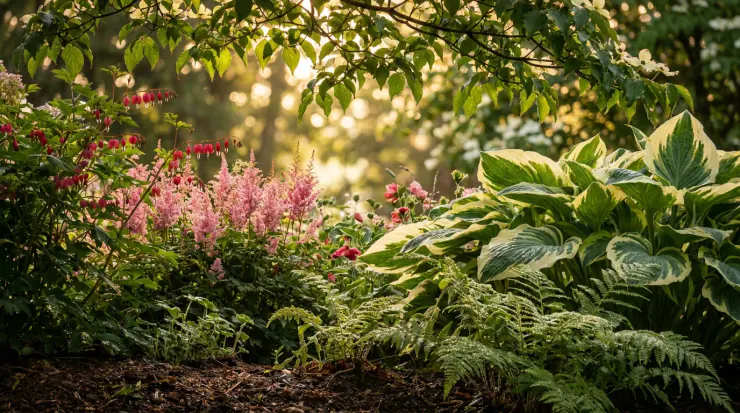
Do you have a dark corner in your yard that feels empty and sad? Many gardeners feel frustrated when trying to grow beautiful flowers in areas that do not get much sun. In this guide, I will show you how to choose and grow the perfect flowers for shade so you can turn those dark spots into your favorite garden retreats.
Quick Answer: To grow a lush garden in low light, you need to match your plants to the specific type of shade in your yard. Using a mix of leafy perennials, bright annuals, and rich compost will help your flowers for shade thrive all season long.
Discovering the Best Flowers for Partial Shade
Many yards have areas that get a mix of sun and shadow throughout the day. Gardeners call this partial shade, which usually means three to six hours of sunlight. Often, this light comes in the morning when the air is still cool and gentle.
Morning sun is wonderful for plants because it does not burn their tender leaves. If your garden gets hot afternoon sun, it can be too harsh for shade plants. Knowing how the sun moves across your yard is the first step to success.
Here are some of the best flowers for partial shade that will bring life and beauty to your yard:
- Abelia: This is a lovely, low-maintenance shrub with glossy leaves and tiny, tube-shaped flowers. It does very well in partial shade, especially in warmer climates where the afternoon sun is hot. Many gardeners find that varieties like ‘Funshine’ or ‘Kaleidoscope’ add bright yellow and orange color to borders.
- Astilbe: This plant is famous for its feathery, colorful flower plumes that look like soft feathers. They bloom in shades of pink, red, white, and purple during the summer months. They love moist, rich soil and will look their best when kept out of the dry afternoon heat.
- Bleeding Heart: This classic plant is a true romantic favorite with heart-shaped flowers that hang from arching stems. It blooms in late spring and then goes to sleep, or becomes dormant, during the hot summer. Planting them next to leafy plants helps hide their yellowing leaves when they go to sleep.
- Dogwood: These small trees or shrubs are perfect for adding height and structure to your partial shade garden. They produce beautiful white or pink flowers in the spring and have lovely leaves that change color in the autumn. They love the dappled light found under larger canopy trees.
- Foxglove: If you want to add tall, dramatic spires to your garden beds, foxglove is a wonderful choice. They have bell-shaped flowers that bees absolutely love to visit. They are biennials, which means they grow leaves the first year and bloom in the second year.
- Hydrangea: These classic shrubs are famous for their giant, round flower heads that bloom in blue, pink, or white. They thrive in rich, moist soil and love the gentle morning sun. In many cases, the color of the flowers can change depending on how acid or sweet your garden soil is.
When planting in partial shade, it is important to check the soil moisture often. The partial sun can dry out the soil faster than deep shade, so your plants might need a bit of extra water. Adding a thick layer of shredded bark mulch will help keep the soil cool and damp.
Full Shade Perennials That Bloom All Summer for Constant Color
Finding plants that grow in deep shade can feel like a challenge. Finding full shade perennials that bloom all summer can feel almost impossible! However, you can create a beautiful show by choosing plants with long-lasting flowers and colorful leaves.
In the shade garden, colorful leaves are just as important as flowers. Many shade-loving plants have leaves with bright stripes, silver spots, or deep purple colors. These leaves stay beautiful from spring until the first winter frost, giving you constant color.
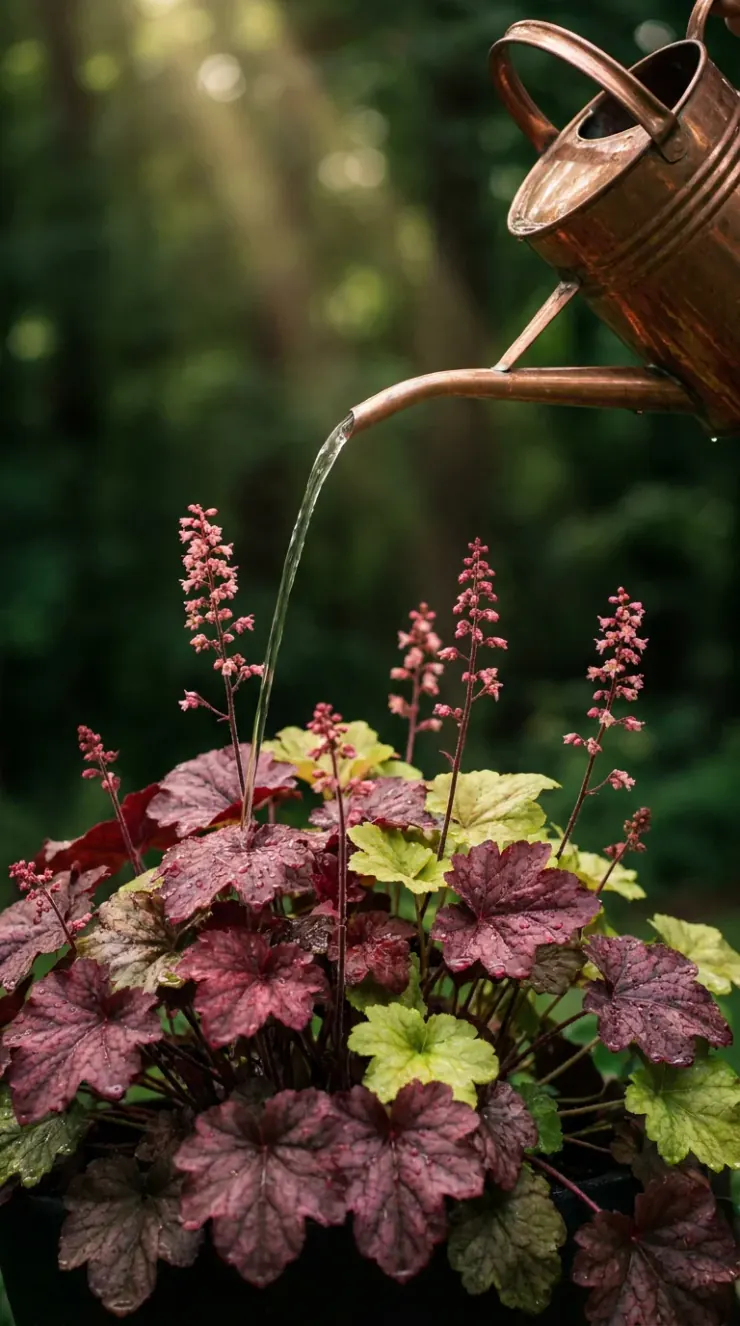
Let us look at some fantastic perennials that keep the show going all season:
- Coral Bells: Also known as Heuchera, these plants are grown for their amazing leaf colors. You can find them in shades of lime green, plum, caramel, and deep burgundy. They also send up thin, delicate flower spikes in the summer that look like tiny, floating bells.
- Foamflower: This native woodland plant is a close cousin to coral bells. It has deeply patterned leaves and produces frothy white or pink flowers in the spring. In mild winter areas, the pretty foliage stays green and beautiful all year long.
- Hellebore: Often called the Lenten Rose, this is one of the very first plants to bloom in the late winter or early spring. Their cup-shaped flowers can last for months, slowly changing color as the weeks go by. Their tough, leathery leaves stay green and healthy through the summer heat.
- Lungwort: This plant has unique leaves covered in silver spots that look like a starry night sky. In early spring, it produces pretty flowers that change from pink to blue on the same stem. It loves damp soil and grows very well in cool, shady spots.
- Primrose: These cheerful plants are a classic sign of spring, offering bright flowers in almost every color of the rainbow. They prefer cooler climates and damp, rich soil. They will happily grow in areas with very little direct sunlight.
To help you plan your garden layout, here is a simple comparison of these shade-loving perennials:
| Plant Name | Typical Bloom Time | Leaf Colors | Soil Preference |
|---|---|---|---|
| Coral Bells | Summer | Burgundy, Lime, Gold, Plum | Well-drained, rich soil |
| Foamflower | Spring to Summer | Green with dark veins | Moist, organic soil |
| Hellebore | Late Winter to Spring | Dark evergreen | Rich, well-drained soil |
| Lungwort | Early Spring | Green with silver spots | Moist, even boggy soil |
| Primrose | Spring | Bright green | Damp, cool soil |
By mixing these plants together, you can create a tapestry of different textures and colors. The silver leaves of lungwort will reflect the light, making dark corners look brighter. The bold leaves of coral bells will contrast beautifully with the delicate fronds of nearby ferns.
How to Select and Grow Plants for Deep Shade Garden Spaces
Deep shade is found under thick evergreen trees, below low backyard decks, or alongside the north side of tall walls. These areas get almost no direct sunlight at all. It can be a tough place for many plants to grow because the soil is often dry and full of tree roots.
However, you can create a lush, green sanctuary by choosing the right plants for deep shade garden beds. These tough plants have adapted to live on the forest floor where very little light reaches them. They are excellent at saving energy and water.
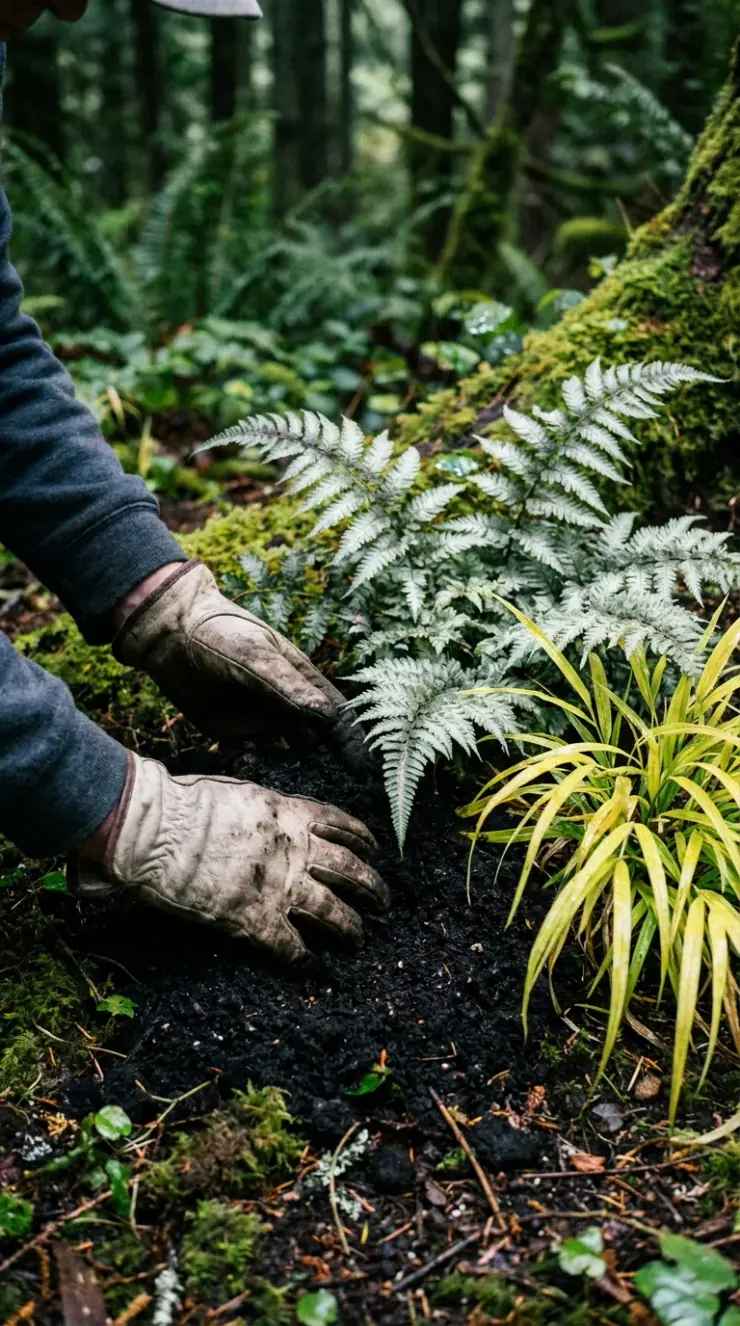
Here is a step-by-step guide to planting and growing a beautiful garden in deep shade:
- Clean the Area Gently: Remove any weeds, rocks, or dead wood from the planting spot. Be very careful not to dig too deeply if you are working under a large tree, as you do not want to damage the tree’s roots.
- Add Organic Matter: Tree roots will compete with your new plants for water and food. Spread a two-inch layer of rich compost or aged manure over the soil. Gently mix it into the top few inches of dirt to give your new plants a healthy start.
- Arrange Your Plants: Place your plants on top of the soil while they are still in their nursery pots. Put the tallest plants in the back, medium plants in the middle, and low groundcovers along the edges. Step back and look at the arrangement to make sure you like how it looks.
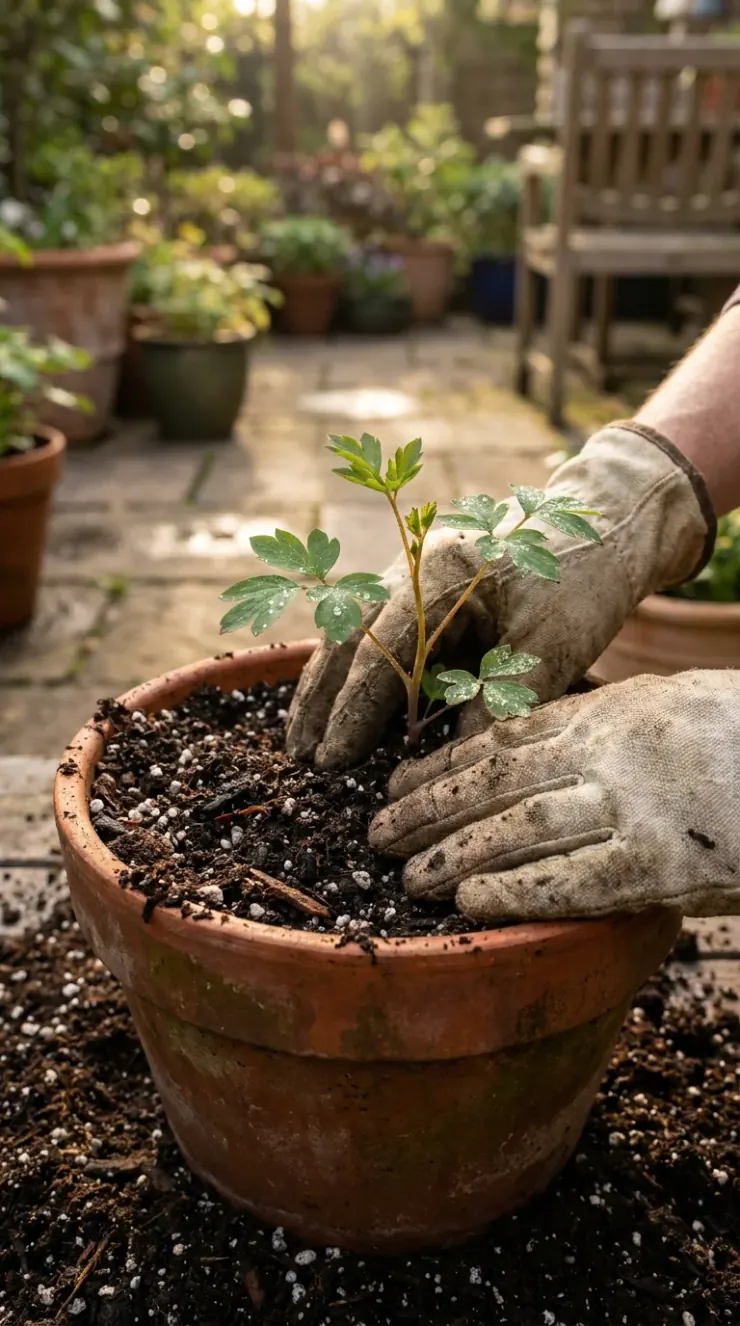
- Plant with Care: Dig a hole for each plant that is twice as wide as the nursery pot but just as deep. Gently remove the plant from its pot and loosen the roots with your fingers. Place the plant in the hole, fill in the dirt, and press down gently to remove air pockets.
- Water Deeply and Mulch: Water the entire area thoroughly so the soil settles around the roots. Spread a two-inch layer of organic mulch, like shredded leaves or bark, over the garden bed. Keep the mulch a few inches away from the stems of your plants to prevent rot.
Let us look at the best plants to use for this step-by-step deep shade project:
- Ferns: Ferns are the ultimate texture plants for dark spaces. Their delicate, lacy fronds add a soft, wild look to the garden. Many types, like the Japanese Painted Fern, have gorgeous silver and purple colors on their stems.
- Hostas: Often called the queens of the shade garden, hostas are incredibly tough and reliable. They come in hundreds of sizes, from tiny miniatures to giant clumps as big as a dining table. Their leaves can be blue, gold, green, or striped with white.
- Japanese Forest Grass: This is one of the few grasses that loves to grow in the shade. It forms beautiful, cascading mounds of golden leaves that look like a flowing waterfall. It moves gracefully in the wind and brightens up dark corners.
- Deadnettle: This fast-spreading groundcover has lovely heart-shaped leaves that are often bright silver. It produces pretty pink, white, or purple flowers in the spring. It is very tough and can grow in dry shade where other plants struggle.
- Mahonia: Also known as Oregon grape, this evergreen shrub has tough, shiny leaves that look like holly. It produces bright yellow flowers in the spring followed by dusty blue berries. It is highly resistant to dry soil once it is established in your yard.
Watering is the most important part of caring for a deep shade garden. Because large trees act like giant umbrellas, rain often does not reach the ground beneath them. Check the soil with your finger once a week, and water deeply if the top two inches feel dry.
Brighten Your Borders with Beautiful Shade Loving Annuals
If you want instant color that lasts all season long, annuals are your best friends. Annual plants grow, flower, set seed, and die all in one single year. Because they have a short life, they spend all their energy producing non-stop blooms.
Using shade loving annuals is a quick and easy way to fill empty spots in your garden beds. They are also perfect for planting in patio pots, window boxes, and hanging baskets. You can mix and match different colors every single spring to keep your garden looking fresh.
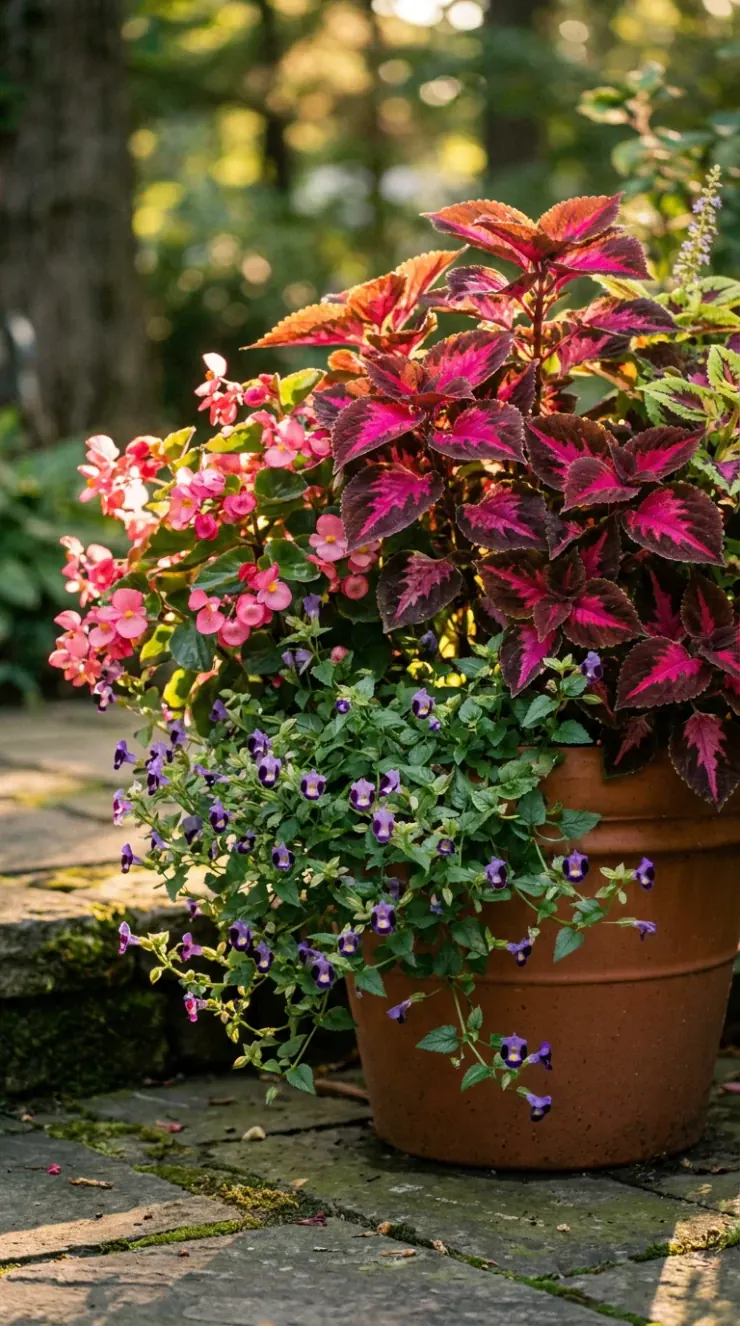
Here are some of the most popular annuals for bringing bright color to shady spots:
- Begonias: These are incredibly tough plants that bloom from early summer right up until the first frost. They have fleshy leaves and flowers in shades of red, pink, orange, and white. They do not mind dry soil and are very easy to care for.
- Caladiums: While they do not have large flowers, caladiums are grown for their massive, heart-shaped leaves. The leaves look like colorful paintings with bright pink, red, and white patterns. They love warm, humid weather and grow beautifully in pots.
- Coleus: This is another plant grown for its spectacular foliage. Coleus leaves come in a wild mix of lime green, hot pink, deep burgundy, and bright orange. You can easily pinch off the small flower spikes to keep the plant bushy and full of colorful leaves.
- Impatiens: These classic shade flowers are loved by gardeners everywhere because they bloom constantly without needing much help. They form neat, rounded mounds of color in shades of purple, red, pink, and white. They love moist soil and look great when planted in large groups.
- Wishbone Flower: Also known as Torenia, this lovely plant has unique flowers that look like tiny snapdragons. Inside each flower is a small, wishbone-shaped structure. They have a beautiful trailing habit, making them perfect for spilling over the edges of hanging baskets.
One common mistake gardeners make with annuals is planting them too early in the spring. Many of these plants come from warm, tropical areas and do not like cold soil. Wait until the danger of frost has passed and the night temperatures are warm before planting them outside.
Another tip is to feed your annuals regularly. Because they bloom so much, they need plenty of food to keep going. Giving them a diluted liquid fertilizer every two weeks will help them produce flowers all summer long.
Strategic Garden Layout & Spacing Canvas
Designing a shade garden is like painting a picture with different textures and shapes. In a shady space, you cannot rely only on bright flowers to create interest. Instead, you must use different leaf shapes, heights, and patterns to make the garden look dynamic.
Using permaculture principles, which mimic the natural layers of a forest, is a wonderful way to design. By planting in layers, you can grow more plants in a small space and keep the soil healthy. This layout also helps protect your plants from pests and dry soil naturally.
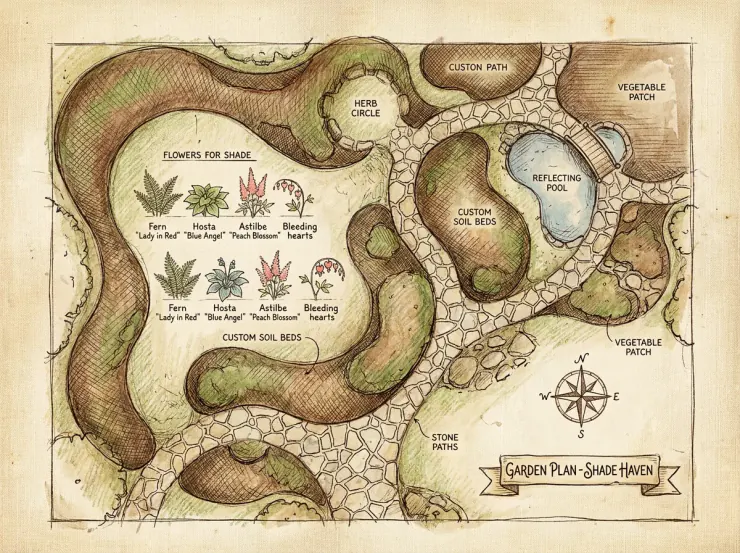
Companion planting tip: Plant your shade flowers near light-filtering companion shrubs to create a layered canopy that protects delicate leaves from sunburn!
To create a beautiful, layered layout, try grouping your plants into three main zones:
- The Canopy Layer: This is the tallest layer in your shade garden. Use small trees like dogwood or tall shrubs like hydrangea to create structure and soft, dappled light.
- The Middle Layer: This layer is filled with medium-sized perennials and annuals. Place hostas, astilbes, bleeding hearts, and coleus here to create a dense wall of color and texture.
- The Groundcover Layer: This is the lowest layer that covers the soil. Use low-growing plants like deadnettle, foamflower, and ferns to create a green carpet that keeps the soil cool.
When planting, try to group your plants in odd numbers, like threes or fives. This looks much more natural than planting in straight rows or pairs. Leave enough space between each plant so they can grow to their full size without crowding each other.
Nutrient Optimization & Organic Feeding Guide
Shade gardens need high-quality soil to thrive, especially when they are growing near large trees. Tree roots are very good at stealing water and nutrients from the soil. To help your shade flowers grow strong, you need to feed the soil so the soil can feed your plants.
The best way to do this is by supporting the soil food web. This is the community of tiny microbes, earthworms, and fungi that live in the dirt. When you add organic matter to the soil, these tiny creatures break it down into natural plant food.
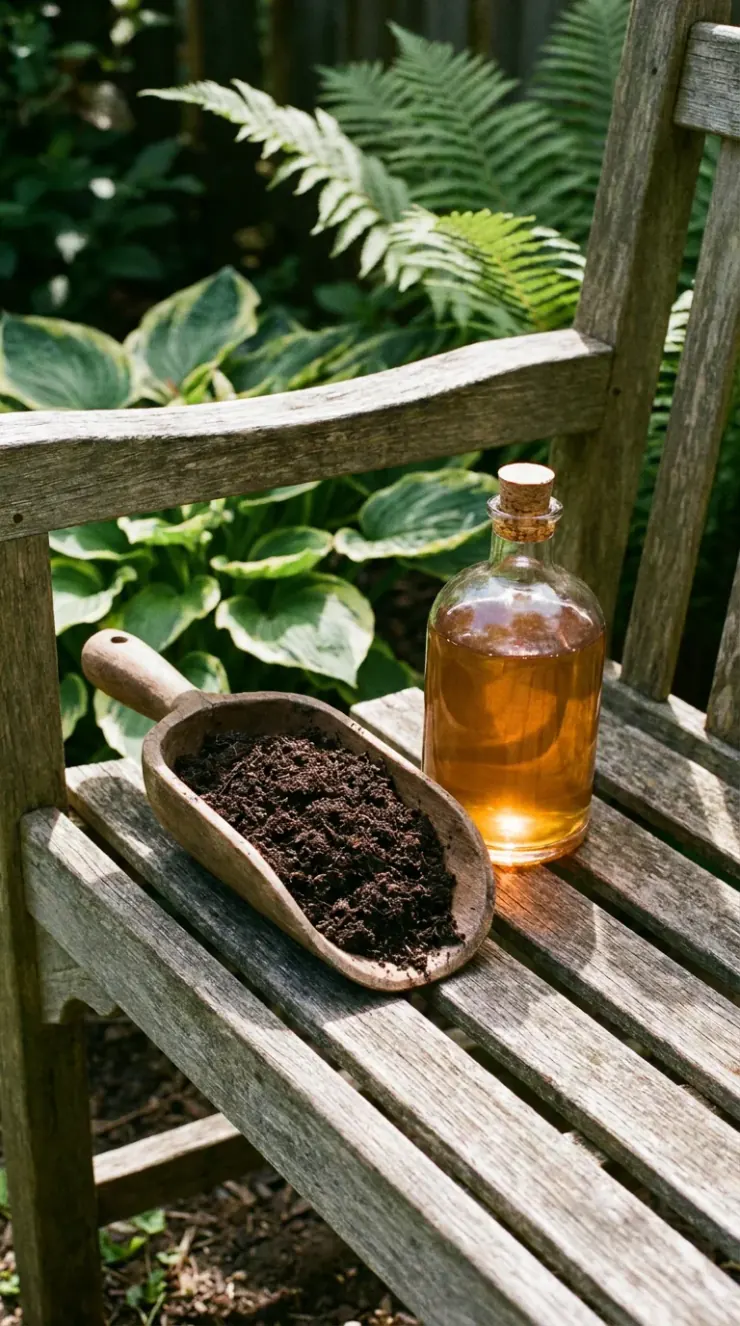
Here are the best organic fertilizers and amendments to use in your shade garden:
- Homemade Compost: Compost is the absolute best food for your garden. It is full of rich nutrients and helpful microbes that improve the soil structure. Spread a one-inch layer of compost over your garden beds every spring and autumn.
- Worm Castings: Often called “black gold,” worm castings are the waste products of earthworms. They are packed with gentle, easy-to-use nutrients that will not burn delicate plant roots. Add a handful of worm castings to the planting hole of every new flower.
- Seaweed Fertilizer: Liquid seaweed is a wonderful natural tonic for stressed plants. It is full of trace minerals that help plants build strong roots and resist diseases. Spray it on the leaves of your plants once a month during the growing season.
- Leaf Mold: Leaf mold is simply pile of leaves that have broken down over a year or two into a dark, crumbly soil conditioner. It is excellent at holding onto moisture, which is incredibly helpful in dry shade gardens.
Avoid using harsh chemical fertilizers in your shade garden. These fast-acting fertilizers can damage the helpful microbes in the soil and cause your plants to grow too quickly. Fast, weak growth is very attractive to pests like aphids and slugs.
Instead, stick to slow-release organic options that feed your plants gently over time. This helps your flowers build strong stems and deep roots that can handle dry spells. Healthy soil is the secret to a beautiful, low-maintenance garden.
Ultimate Harvesting & Seasonal Blooms Rewards
One of the greatest joys of growing a shade garden is being able to bring the beauty indoors. Many shade flowers make wonderful, long-lasting cut flowers for vases. You can also collect seeds from your plants to grow more flowers next year for free.
As the seasons change, your shade garden will offer different rewards. In the spring, you can enjoy the fresh, bright green of new fern fronds and the sweet blooms of primroses. In the summer, the lush leaves of hostas and the bright colors of annuals will create a cool, peaceful escape from the heat.
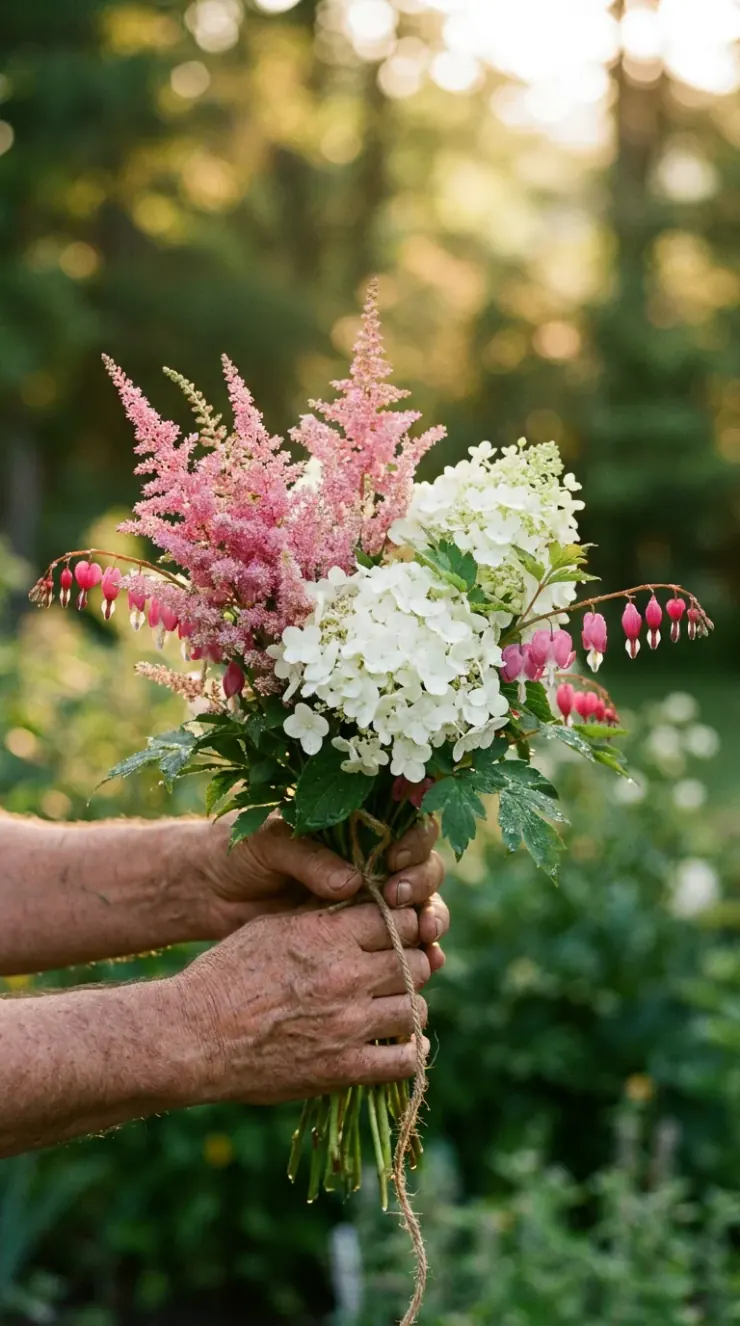
Here are some tips for harvesting flowers and seeds from your shade garden:
- Cutting Hydrangeas: Cut hydrangea flowers in the morning when they are full of moisture. Choose blooms that have fully opened and feel slightly papery. Place the stems in warm water immediately to help them stay fresh for a week or more.
- Harvesting Astilbe: Cut astilbe plumes when they are about half open. If you wait until they are fully open, they may shed their colorful tiny petals on your table. They add a lovely, airy texture to indoor flower arrangements.
- Collecting Foxglove Seeds: In late summer, the flowers of the foxglove will fade and turn into small, brown seed pods. Wait until the pods dry and crack open, then gently shake them into a paper bag. You will have thousands of tiny seeds ready to sow in the autumn.
- Drying Bleeding Heart: You can press the romantic flowers of bleeding heart between the pages of a heavy book. After a few weeks, they will be flat and dry, perfect for making handmade cards or framed art.
Remember to leave some flowers in the garden for the local wildlife. Many pollinators, like bumblebees and hummingbirds, rely on shade flowers for food. Watching a hummingbird visit your hosta flowers on a warm summer evening is a truly magical experience.
Take time to sit and enjoy the beautiful sanctuary you have created. A shade garden is a peaceful, quiet place that offers cool relief on hot summer days. With a little care and the right plants, your shady corners will become the most beautiful parts of your yard.
Frequently Asked Questions
Q: Can flowers grow in complete shade with no sun at all?
A: Generally, all plants need at least a little bit of light to grow and make food. However, many tough plants like ferns, hostas, and ivy can survive in very low light. They might not produce many flowers, but they will still grow beautiful, lush green leaves.
Q: How often should I water my shade garden?
A: It often depends on whether your garden is under large trees or next to a wall. Gardens under trees tend to dry out very fast because the tree roots drink all the water. It is usually best to check the soil with your finger once a week and water deeply if it feels dry.
Q: Why are the leaves on my shade plants turning yellow?
A: Yellow leaves can be a sign of either too much water or too much sun. If the soil is wet and soggy, the roots might be drowning. If the plant is getting hot afternoon sun, the leaves might be getting sunburned, so you may need to move it to a darker spot.
Q: Are hostas easy for beginners to grow?
A: Many gardeners find that hostas are some of the easiest plants to grow in the entire yard. They are very tough, do not mind the cold winter weather, and return year after year. Just be sure to protect them from hungry slugs and snails in the spring.
Q: Can I grow shade flowers in pots on my porch?
A: Yes, shade flowers do wonderfully in containers and pots. You can mix colorful annuals like begonias and coleus with leafy perennials like coral bells. Just make sure your pots have drainage holes so the roots do not sit in soggy soil.
Q: Do shade plants need fertilizer?
A: In most cases, shade plants prefer gentle, organic food rather than harsh chemicals. Adding a layer of rich compost to the soil every spring is usually all they need. If you want extra blooms, you can use a diluted liquid seaweed fertilizer during the summer.