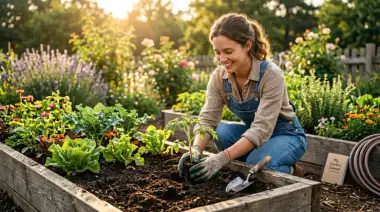

Are you tired of watching your houseplants wither away, or feeling like you have a “black thumb” that ruins any green thing you touch? Starting a garden can feel super scary, but I promise you that anyone can learn to grow beautiful plants with just a few simple tips. In this guide, we will break down everything you need to know about gardening for beginners so you can feel confident and excited about your new green space.
Quick Answer: If you want to start gardening for beginners, the best approach is to start small with easy-to-grow potted herbs, pay close attention to your local planting zone, and focus on healthy soil. By avoiding overwatering and choosing hardy plants, you will set yourself up for a beautiful and stress-free garden harvest.
Finding the Best plants for beginners to Build Your Confidence
When you walk into a local plant nursery, it is very easy to feel overwhelmed.
There are rows and rows of bright flowers, leafy green shrubs, and tiny vegetable starts.
Many new gardeners make the mistake of buying whatever looks prettiest at that exact moment.
But to set yourself up for success, you want to choose the best plants for beginners.
These are hardy, tough plants that can handle a little bit of neglect while you learn the ropes.
Before you buy anything, you need to understand your local planting zone.
A planting zone is a geographic area defined by its average annual minimum winter temperature.
This zone tells you which plants are most likely to survive the winter in your specific climate.
Many times, big box stores sell plants that are not actually suited for your region.
Always check the back of seed packets or plant labels for the recommended zones before you buy.
If you want to grow your own food, herbs are a fantastic place to start.
Mint is one of the easiest herbs because it grows incredibly fast and is very hard to kill.
In fact, many gardeners find that mint grows so well they have to keep it in a pot so it does not take over the whole yard!
Basil, rosemary, cilantro, and thyme are also wonderful, forgiving options for your windowsill.
For vegetables, cherry tomatoes and grape tomatoes are excellent choices for new gardeners.
They produce lots of sweet fruit all summer long and do great in pots.
Radishes are another secret weapon for beginners because they grow from seed to harvest in just three to four weeks.
Leafy greens like lettuce and kale are also very easy because they do not need deep soil to thrive.
As you plan your first garden, try to focus on just three or four of these easy plants.
Starting small helps you learn how your plants behave without getting too tired or stressed.
You will get to watch them grow daily, which is one of the most rewarding feelings in the world.
Soon, you will have the confidence to try trickier plants in your garden.

How to Maximize Your Space with a Small Garden
You do not need a giant backyard to enjoy the wonderful world of growing plants.
In fact, starting with a small garden is often the best way for beginners to learn without getting overwhelmed.
Small gardens are much easier to water, weed, and keep free of hungry pests.
Whether you have a tiny balcony, a sunny deck, or just a small patio, you can grow a beautiful garden.
Container gardening is the ultimate secret weapon for small spaces.
When you grow plants in pots, you have total control over the soil quality and drainage.
This is a huge benefit if the soil in your backyard is sandy, rocky, or hard like clay.
Pots also allow you to move your plants around during the day to catch the best sunlight.
When planning your small-space garden, keep these pot sizes and plant ideas in mind:
- Shallow Pots (6 inches deep): These are perfect for loose-leaf lettuce, spinach, and kale.
- Medium Pots (8 to 10 inches deep): Great for herbs like basil, chives, mint, and thyme.
- Small Pots (4 inches deep): Ideal for fast-growing radishes or small flower starts.
- Large Pots (12+ inches deep): Necessary for cherry tomatoes, bell peppers, and bush zucchini.
Vertical gardening is another amazing way to make the most of a small space.
You can use trellises, hanging baskets, and over-the-fence planters to grow upwards instead of outwards.
This keeps your plants off the ground, which can actually help prevent many common fungal diseases.
It also leaves you plenty of floor space for a cozy chair where you can sit and enjoy your green oasis.
Remember that plants in pots dry out much faster than plants in the ground.
During the hot summer months, you may need to check your containers daily to make sure they are happy.
If the soil feels dry an inch below the surface, it is time to give your plants a nice, deep drink.
With a little love, your small-space garden will be bursting with life in no time.
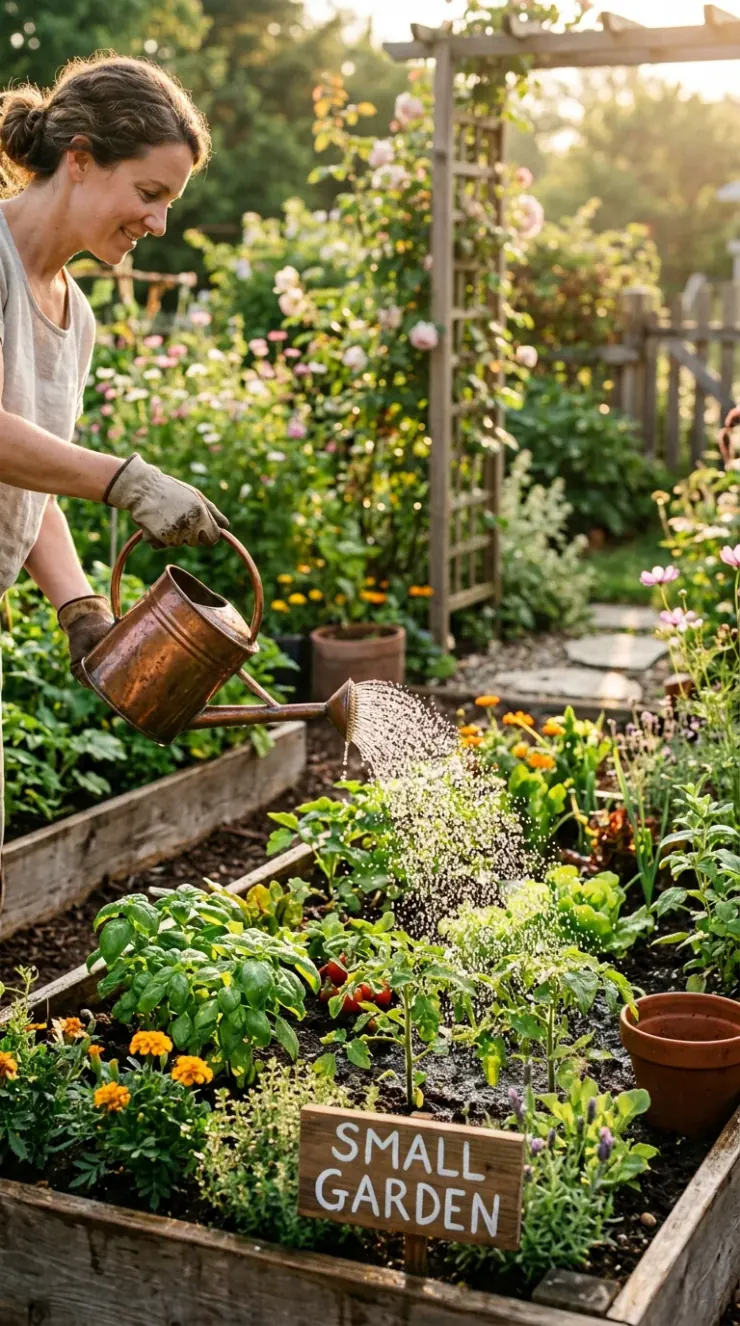
Crucial Gardening mistakes to avoid for a Thriving Yard
Even the most experienced gardeners make mistakes from time to time.
In fact, losing a few plants is just a normal part of the learning process!
However, knowing the most common gardening mistakes to avoid can save you a lot of time, money, and heartbreak.
Let’s look at a simple, step-by-step guide to keeping your plants safe from these common slip-ups.
Step 1: Stop overwatering your plants.
Many new gardeners think that more water always equals more love.
But overwatering is actually the number one killer of indoor and outdoor plants.
When soil is constantly soggy, plant roots cannot breathe and will begin to rot.
Always use the finger test: push your index finger into the soil up to the first knuckle.
If the soil feels wet and cool, hold off on watering for another day or two.
Step 2: Do not skip the drainage holes.
If you are planting in pots, make sure they have holes at the bottom so extra water can escape.
Without drainage holes, water pools at the bottom of the pot and drowns the roots.
If you find a beautiful pot without holes, use it as a decorative outer cover.
Keep your plant in a cheap plastic pot with holes inside the pretty one.
Step 3: Give your plants a regular haircut.
Trimming your plants, also known as pruning, might feel scary at first.
You might worry that cutting off branches will hurt your green friends.
But pruning actually tells the plant to grow back stronger, bushier, and healthier.
Regularly pinch off dead leaves, yellowing stems, and faded flowers to keep the plant’s energy focused on new growth.
Step 4: Avoid using harsh chemical pesticides right away.
When you see bugs in your garden, do not panic and reach for strong chemicals.
These sprays can kill the good bugs, like ladybugs and bees, along with the bad ones.
Instead, try using organic options like neem oil, which is a natural oil from the seeds of the neem tree.
You can also wash pests off your plants with a gentle spray of water from your garden hose.
Step 5: Don’t plant in the wrong spot.
Always read the plant tag to see how much sunlight your new purchase needs.
Placing a shade-loving fern in full, hot sunlight will quickly scorch its delicate leaves.
Likewise, putting a sun-loving tomato plant in a dark corner will make it weak and spindly.
Take a day to watch how the sun moves across your yard before you decide where to plant.
Creative Backyard gardening ideas to Transform Your Space
If you are lucky enough to have a backyard, you have a blank canvas waiting to be filled with life.
You do not need to spend a fortune to create a beautiful, functional garden area.
With a few creative backyard gardening ideas, you can turn your yard into a peaceful retreat for your family.
The key is to design a space that works with nature, not against it.
One of the best ways to upgrade your backyard is by building simple raised garden beds.
Raised beds are wooden or metal frames filled with high-quality soil that sit on top of the ground.
They keep weeds from taking over and make it much easier on your back because you do not have to bend down as far.
They also warm up faster in the spring, which means you can start planting your seeds earlier in the season.
Another wonderful idea is to create a dedicated space for local pollinators like bees, butterflies, and hummingbirds.
You can do this by planting a mix of colorful annuals and perennials that bloom at different times of the year.
Flowers like marigolds, lavender, sunflowers, and coneflowers are like a giant neon sign inviting helpful bugs to your yard.
These pollinators will visit your vegetable plants too, which helps you get a much bigger harvest of tomatoes and peppers!
You can also use recycled materials to add charm and character to your backyard.
Old wooden pallets can be turned into vertical herb planters against a fence.
Cracked teacups, old boots, or plastic buckets can be drilled with drainage holes and turned into whimsical pots.
Let your imagination run wild and create a space that reflects your unique personality.
Lastly, do not forget to add a small seating area right next to your garden.
A simple wooden bench or a couple of comfortable chairs will encourage you to spend more time outside.
Gardening is not just about the hard work of planting and weeding.
It is also about sitting quietly, listening to the birds, and enjoying the beautiful, living world you are helping to create.
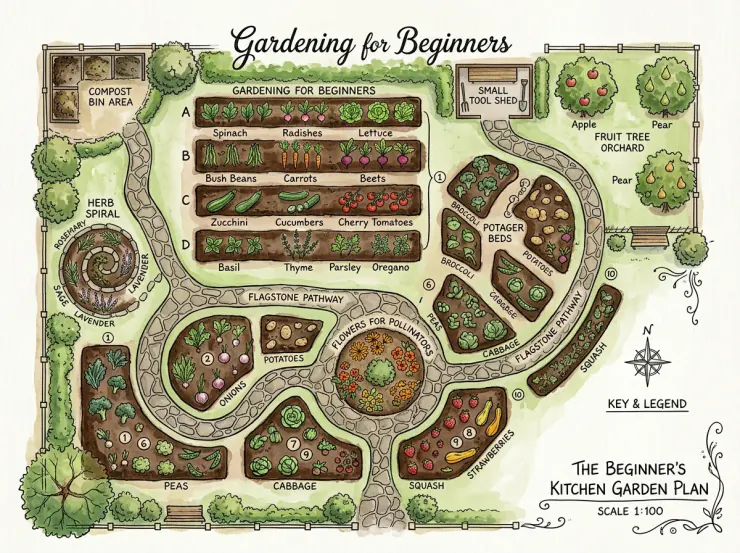
Strategic Garden Layout & Spacing Canvas
To get the most out of your garden, it helps to plan where everything will go before you start digging.
Using smart layout ideas can help your plants grow better and keep pests away naturally.
One popular idea from permaculture, which is a way of gardening that copies natural ecosystems, is the keyhole garden.
Keyhole gardens are circular beds with a small path leading to a central compost basket.
This layout makes it easy to water and feed your plants all at once while saving valuable space.
By mapping out your garden, you can make sure taller plants do not block the sun from reaching smaller ones.
You can also group plants together that have similar water and sunlight needs.
This makes caring for your garden much simpler and helps you avoid wasting water on plants that do not need it.
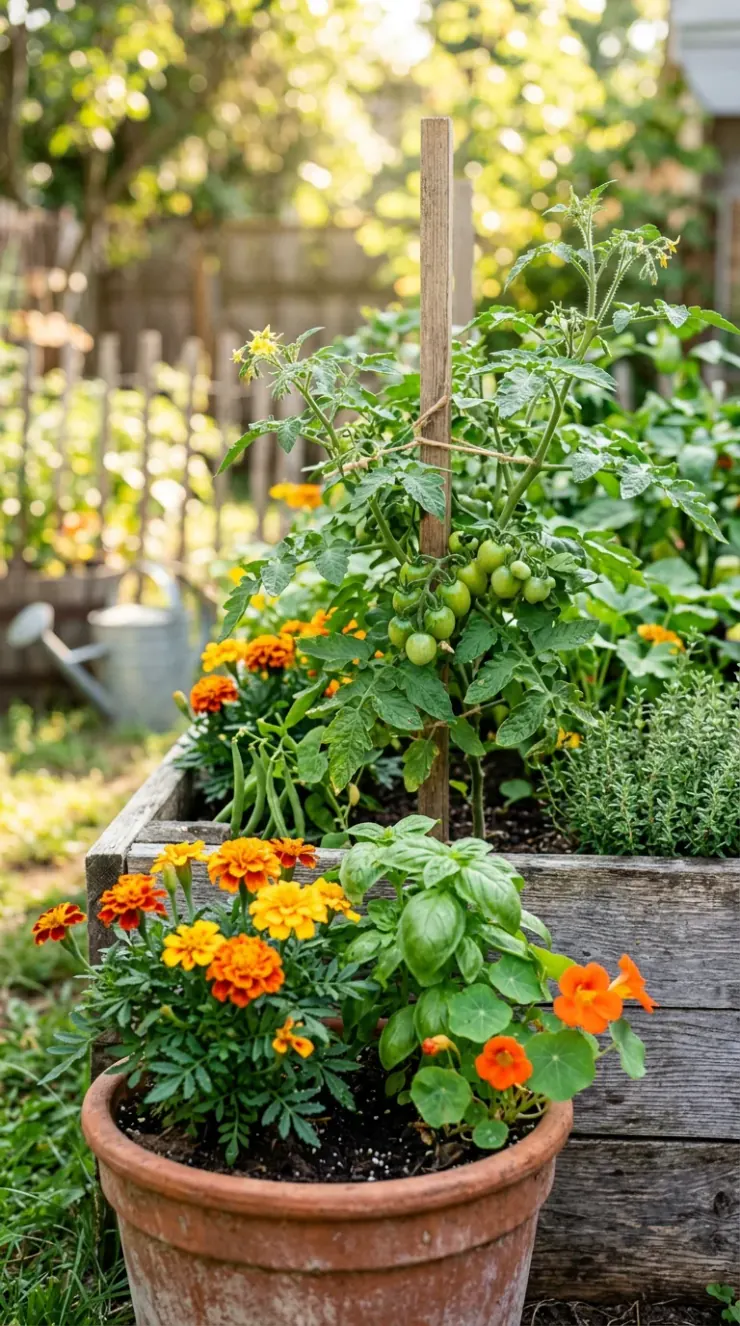
Companion planting tip: Plant your tomatoes near aromatic basil and golden marigolds to deter pests naturally and enhance yields!
Nutrient Optimization & Organic Feeding Guide
Just like humans, plants need healthy food to grow strong and resist diseases.
In a natural forest, leaves fall and rot on the ground, creating rich, dark soil packed with nutrients.
In our home gardens, we need to help nature out by feeding the soil food web.
The soil food web is the community of tiny bugs, fungi, and bacteria that live in the dirt and break down organic matter.
When you feed these tiny creatures, they create the perfect environment for your plants’ roots to thrive.
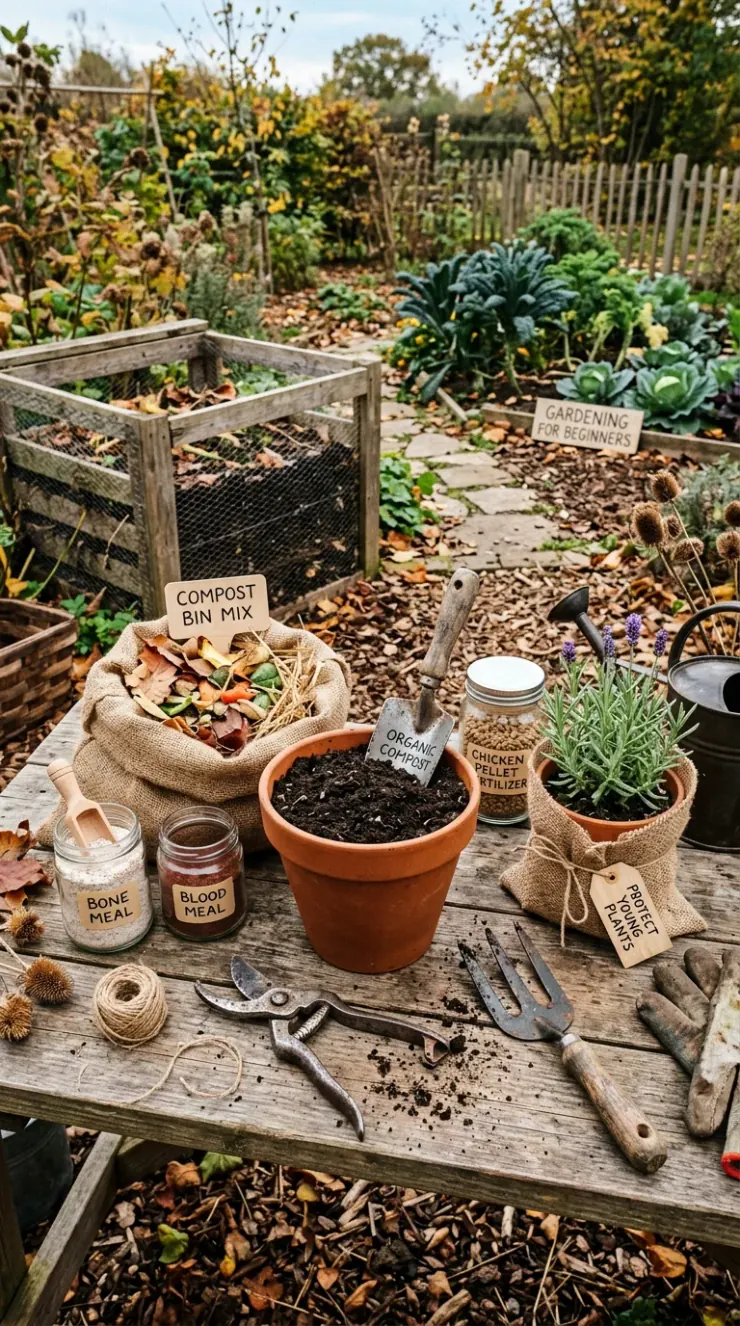
The absolute best way to feed your soil is by using organic compost.
Compost is simply decayed organic material, like kitchen scraps, dry leaves, and grass clippings.
Instead of throwing your vegetable peels and coffee grounds in the trash, you can pile them up in a corner of your yard.
Over time, they will turn into “black gold,” a rich, crumbly soil conditioner that your plants will absolutely love.
You can mix a few inches of compost into your garden beds every spring and fall.
If you do not have space for a compost pile, you can use kitchen waste in simple ways around your yard.
For example, many gardeners find that mixing used coffee grounds into the soil adds a gentle boost of nitrogen.
You can also wash and crush empty eggshells to sprinkle around the base of your tomato plants.
Eggshells slowly release calcium into the soil, which helps prevent a common problem called blossom end rot.
Blossom end rot is when the bottom of your tomatoes turn black and mushy because they lack calcium.
Another fantastic organic fertilizer is worm castings, which is a fancy word for worm poop!
Worm castings are incredibly gentle and will never burn your plants’ delicate roots like chemical fertilizers can.
You can buy bags of worm castings at your local garden center and mix them into your potting soil.
You can also use liquid seaweed fertilizer, which is packed with tiny trace minerals that help plants handle summer heat.
Always remember that feeding your soil is much better than feeding the plant directly with chemical sprays.
Chemical fertilizers can give plants a sudden, unnatural growth spurt that actually makes them weaker and more attractive to pests.
By focusing on natural, organic soil health, you are building a strong foundation.
Your plants will grow stronger root systems, have brighter green leaves, and produce much tastier fruits and vegetables.
Ultimate Harvesting & Seasonal Blooms Rewards
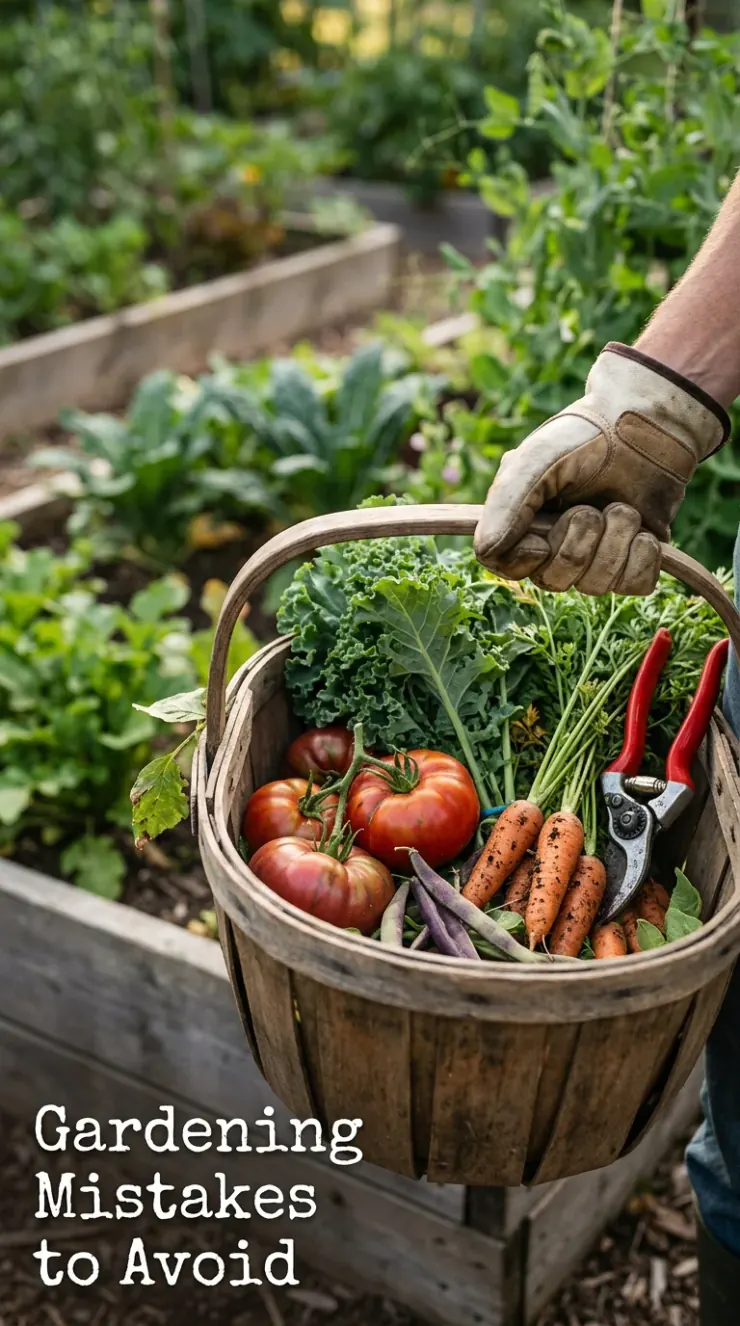
There is nothing quite like the feeling of walking out to your garden and harvesting your own fresh food.
Whether it is a single sprig of sweet basil or a giant basket of ripe red tomatoes, it is pure magic.
But knowing exactly when and how to harvest your crops is key to getting the best possible flavor.
It also encourages your plants to keep producing more food for you throughout the season.
For leafy greens like lettuce, spinach, and kale, you do not have to pull up the whole plant to enjoy a salad.
Instead, use the “cut-and-come-again” method by gently snipping off the outer leaves with clean scissors.
Leave the tiny, young leaves in the center of the plant alone so they can keep growing.
This simple trick allows you to get multiple harvests from a single plant over many weeks!
When it comes to herbs, regular harvesting is actually the best way to keep them healthy.
Always pinch off the stems of herbs like basil and mint just above a set of two leaves.
This tells the plant to branch out at that spot, making the plant bushier and preventing it from getting too tall and woody.
If you see flower buds starting to form on your basil, pinch them off immediately.
Once an herb flowers, its leaves can start to taste bitter and lose their wonderful aroma.
For summer vegetables like tomatoes and peppers, let them ripen on the vine as long as possible for the best flavor.
A ripe tomato should feel heavy for its size and yield slightly to a gentle squeeze.
If frost is coming and you still have green tomatoes on the vine, do not worry!
You can pluck them and place them in a paper bag with a banana on your kitchen counter, where they will slowly ripen.
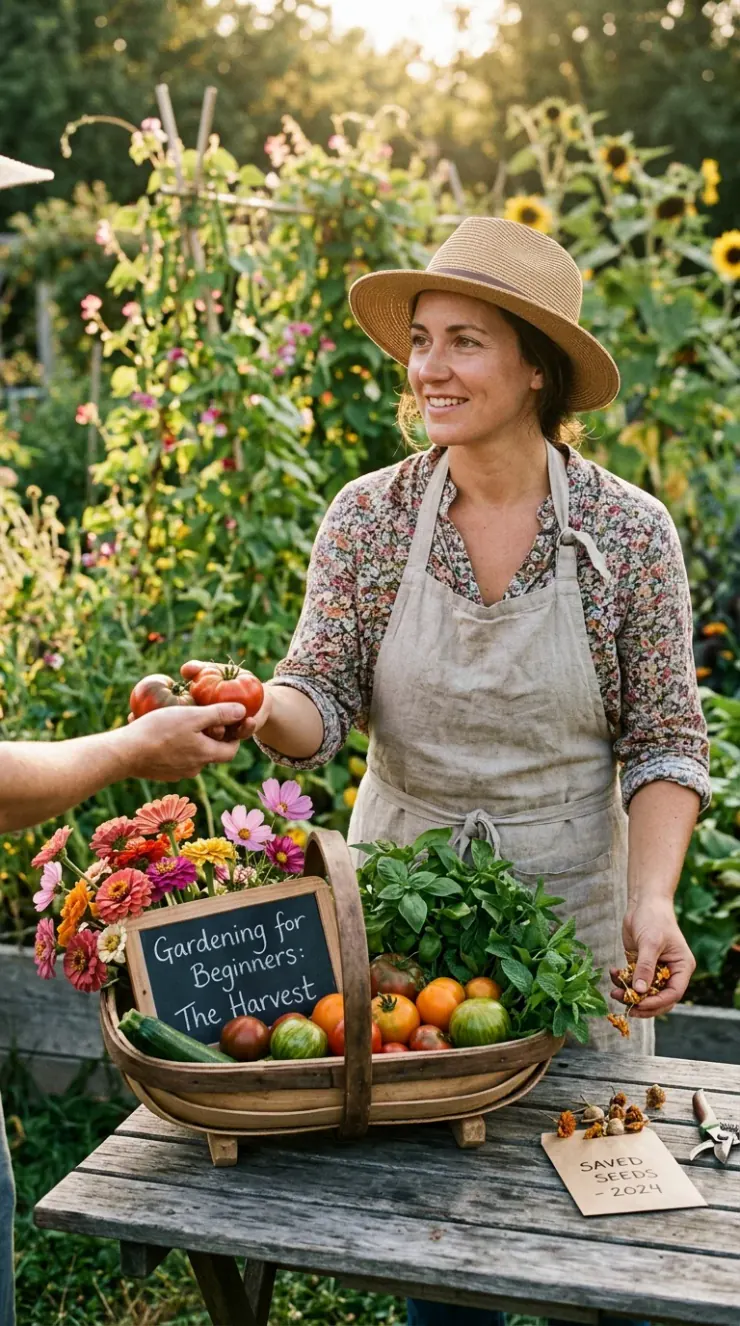
As the gardening season comes to a close, you can also try saving seeds for next year.
Let a few of your favorite flowers, like marigolds or sunflowers, dry out completely on the stem.
Once the flower heads are brown and dry, gently shake the seeds out and store them in a paper envelope.
Keep them in a cool, dark, dry place until spring comes around again.
This is a beautiful way to connect with the natural cycle of life and save some money on seeds.
Take time to celebrate your success, even if some of your plants did not make it.
Every mistake you made this year is just a valuable lesson that will make you a better gardener next year.
Enjoy the fresh air, the dirt on your hands, and the beautiful backyard ecosystem you are building day by day.
Frequently Asked Questions
Q: How much sun do my plants need?
A: It generally depends on the specific plant, but most vegetables and herbs need about six to eight hours of direct sunlight daily. Shade-loving plants, like ferns and lettuce, often prefer gentle morning sun and afternoon shade. Always check the plant tag to find the perfect spot in your yard.
Q: Can I grow vegetables indoors?
A: Many gardeners find they can successfully grow small greens and herbs indoors on a sunny windowsill. However, larger vegetables like tomatoes and peppers usually need more light than a window can provide. If you want to grow them inside, you might want to look into a simple LED grow light.
Q: Why are my plant’s leaves turning yellow?
A: Yellow leaves are a very common sign of overwatering, which drowns the roots and prevents them from taking up food. It can also mean your plant needs a bit of organic fertilizer or is not getting enough sunlight. Try letting the soil dry out completely before you water again to see if it helps.
Q: How often should I water my garden?
A: There is no single rule for watering because it depends on your weather, soil type, and pot sizes. In most cases, it is best to water deeply once or twice a week rather than giving them a tiny splash every day. Deep watering encourages your plants to grow strong, deep roots.
Q: What is the easiest herb to grow for beginners?
A: Mint is widely considered the easiest herb to grow because it is incredibly hardy and tolerates many different conditions. Basil and chives are also very friendly options for new gardeners. Just remember to grow your mint in a pot so it does not spread too far!
Q: Do I need expensive tools to start a garden?
A: You definitely do not need to spend a lot of money on fancy gear to get started. A simple trowel, a pair of sharp pruning shears, and a sturdy watering can are all you really need. You can easily find these tools at local yard sales or thrift stores.