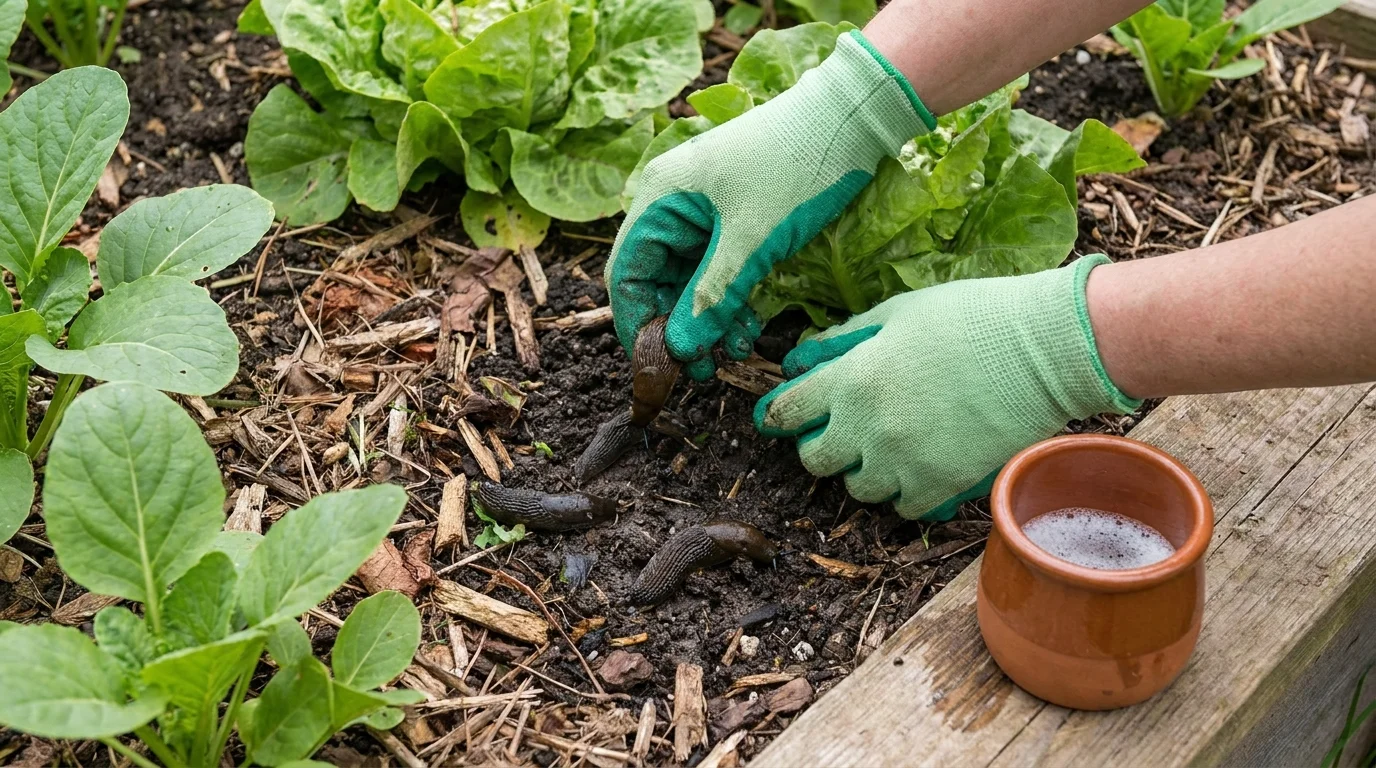
Slugs are the sneakiest pests in the garden. They work at night, hide in the shadows, and by the time you notice, a row of young lettuce is reduced to stems and shredded lace. Yet unlike aphids or fungus gnats, slugs are surprisingly easy to outsmart once you understand how they live. They are soft, slow, moisture-dependent animals with no exoskeleton to protect them - which means physical barriers, timing, and habitat changes can stop them without a single drop of poison.
This guide covers the ten most effective natural slug control methods, how to combine them into a garden-wide defense, and how to protect everything from hostas to vegetable seedlings. No chemicals, no toxic pellets - just methods that are safe for pets, children, pollinators, and the soil itself.
Quick Answer: To get rid of slugs naturally, combine four proven tactics: remove hiding spots (boards, dense weeds, damp mulch), water in the morning instead of evening, protect vulnerable plants with copper tape or sharp barriers, and trap slugs nightly with beer or yeast traps. Hand-pick slugs after sunset for the fastest results, then maintain prevention so new slugs cannot take over.
What Are Slugs - and Why Are They Eating Your Garden?
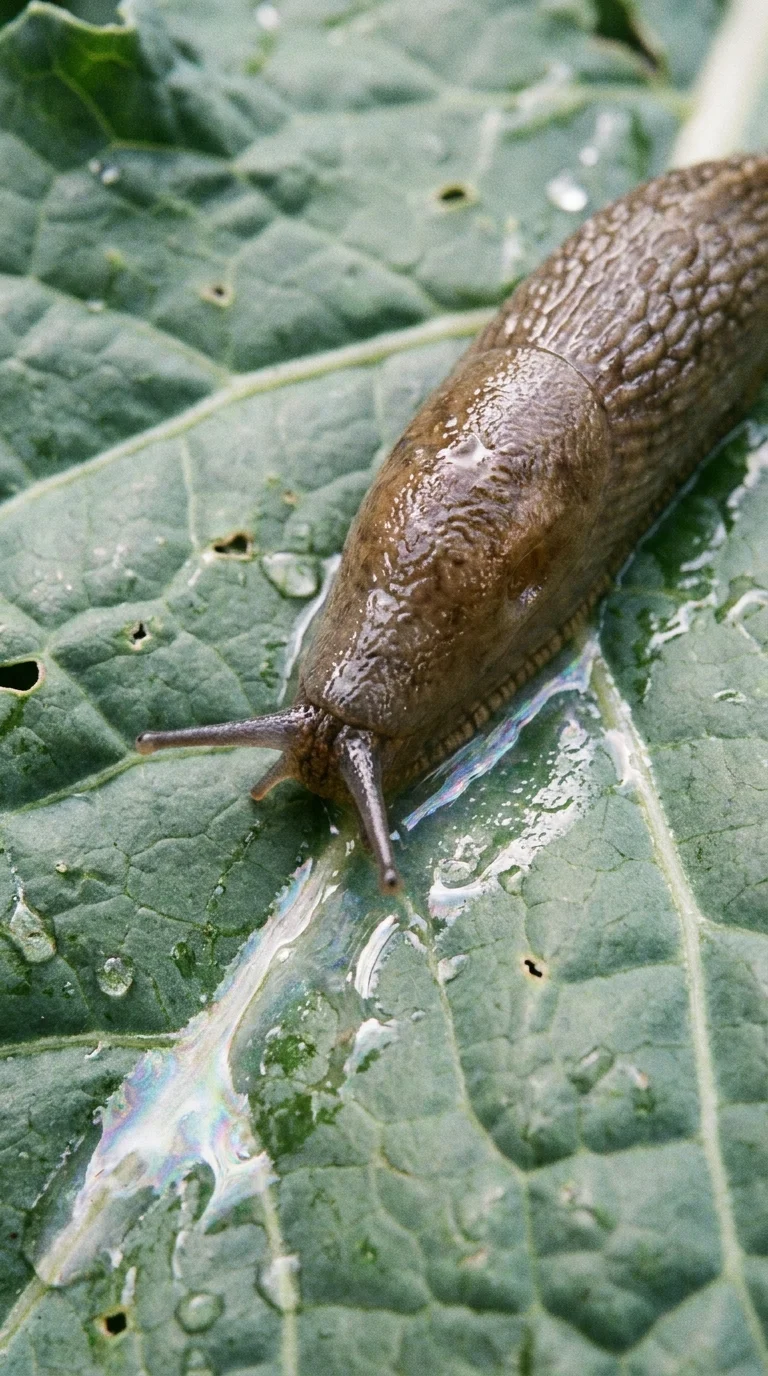
A slug is essentially a snail without its shell. It belongs to the gastropod family, and it moves on a single muscular foot that glides on a layer of mucus. That mucus trail you see in the morning is the calling card of a night of feeding.
Understanding the slug’s biology tells you exactly where to focus your defenses:
- They are 90 percent water. A slug dries out and dies in minutes in sun and wind, so it only feeds at night, in fog, or after rain. This is why slug damage appears overnight after a wet day.
- They breed relentlessly. A single slug is a hermaphrodite - it has both male and female organs - so any two slugs can produce hundreds of eggs. Each slug can lay 20 to 100 eggs several times per season, which is why populations explode so fast.
- They live in the soil and under cover. Eggs are laid in clusters of translucent pearls under soil, mulch, boards, pots, and weeds. Remove the cover and you remove the nursery.
- They are attracted to tender new growth. Seedlings, lettuce, basil, strawberries, and hostas are slug magnets because their leaves are thin and full of water.
There are thousands of slug species, but the damage in most gardens comes from a few large garden slugs. Some species even live in compost bins year-round, feeding on rotting matter - which is fine until they wander out to the salad bed. This is why your compost pile needs care too, which we cover in our ultimate guide to making compost.
Signs You Have a Slug Problem
Before you set a single trap, confirm that slugs - not caterpillars, earwigs, or cutworms - are the culprits in your garden. Real slug damage has a recognizable signature:
- Irregular holes chewed through the middle of leaves, not just the edges.
- Shiny dried slime trails on leaves, paths, and pots in the morning.
- Seedlings that vanish overnight, leaving only a stub of stem.
- Strawberries and tomatoes with hollowed-out cavities near soil level.
- Damage concentrated near the ground, especially on the underside of leaves.
- Large ragged holes on hostas and leafy ornamentals after cool, wet nights.
If you see these signs, go out at night with a flashlight. Within fifteen minutes you will almost certainly find the culprits at work. Slugs are active any time the temperature is above about 50°F (10°C) and the soil is damp - in mild climates that means nearly year-round. If you are unsure whether another pest is involved, our guide on garden pest control for beginners helps you identify all the usual suspects.
Method 1: Remove Their Hiding Places - The Foundation of Everything
Every slug in your garden lives somewhere during the day. Slugs are entirely defenseless against sun and drying wind, so they are constantly seeking damp, dark shelter. If you remove that shelter, the slugs themselves move out or die of dehydration.
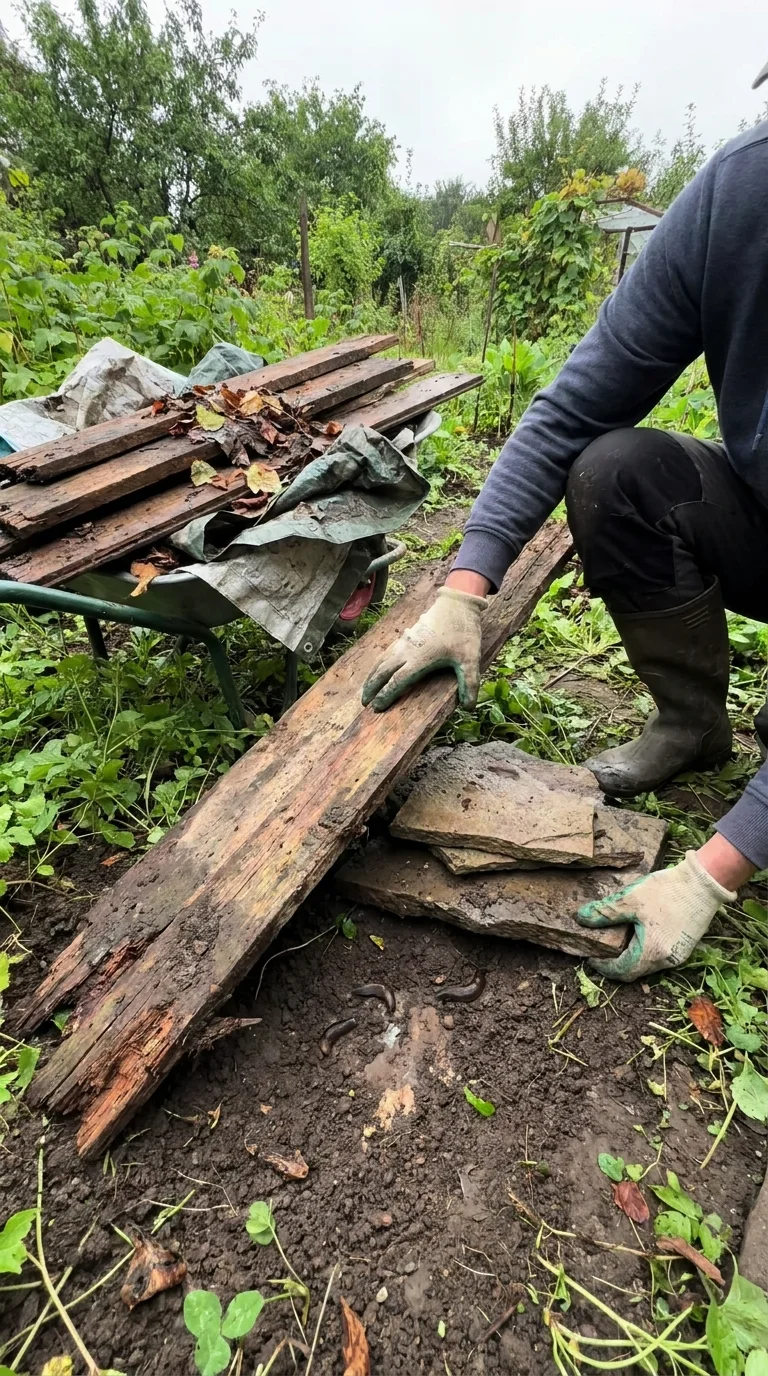
Walk your garden and eliminate every slug hotel you can find:
- Turn over boards, bricks, broken pots, and flat stones left lying on the soil. Each one is a guaranteed condo complex underneath.
- Cut back dense ground cover and weeds at the base of beds, especially ivy, grass tufts, and low-growing perennials where slugs wait out the day.
- Mow the lawn regularly, because long grass at bed edges is a slug superhighway.
- Remove fallen fruit and dead leaves that rot and create the damp feeding ground slugs love.
- Store pots, trays, and damp tarps off the ground or in a shed so slugs cannot live underneath them.
- Raise seed trays and pots onto benches or tables so slugs cannot crawl up from the soil surface.
This single step reduces the slug population in your garden dramatically over a few weeks, because slugs have no natural defenses against drying out. Combine it with watering changes from Method 2 and you flip the entire environment against them.
Method 2: Water in the Morning, Not the Evening
The single most important habit change for slug control is simple: water early in the day. When you water in the evening, the soil surface stays moist all night long - exactly when slugs are most active. You are literally inviting them to a buffet.
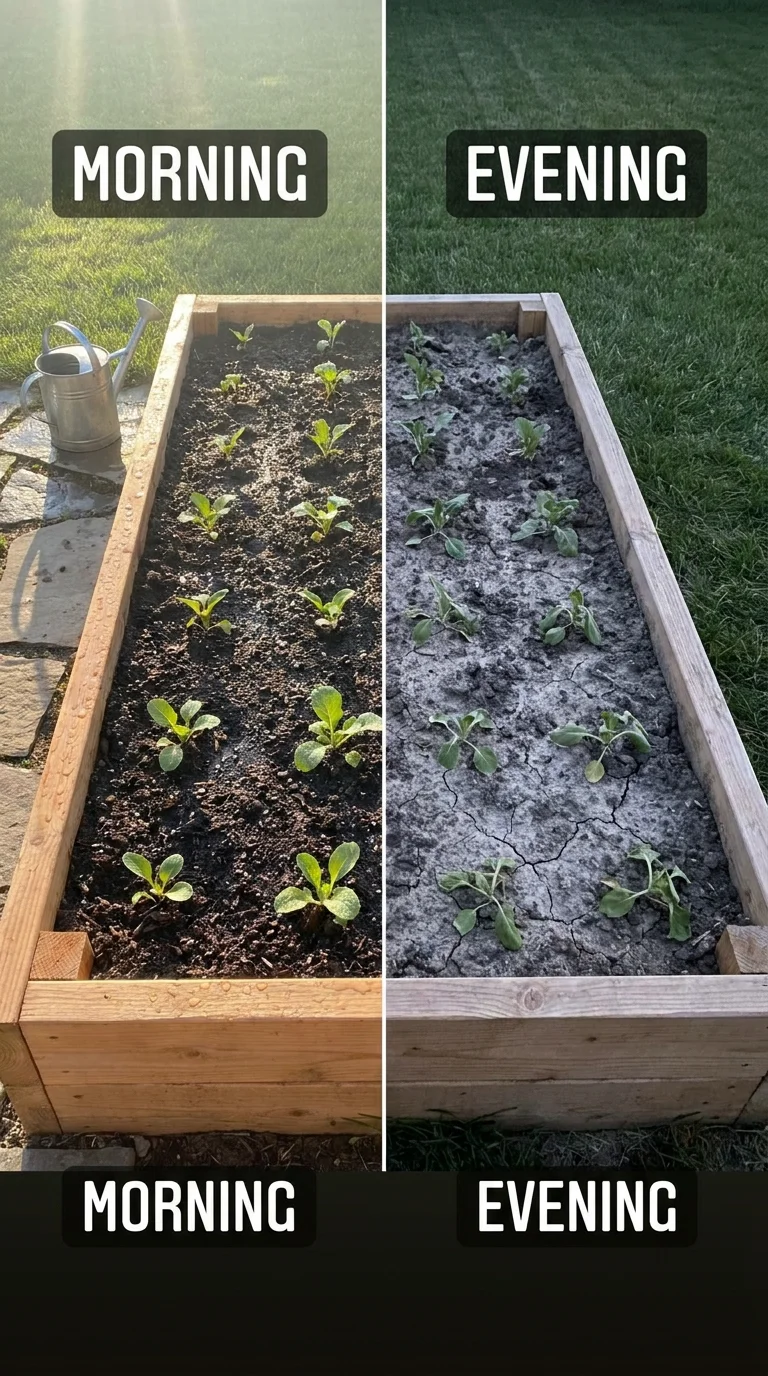
When you water in the morning, the surface soil dries through the afternoon, and by nightfall the ground is far less inviting. Slugs still feed, but the population collapses because damp slugs on dry ground dehydrate quickly.
You can go further:
- Use drip irrigation or soaker hoses instead of sprinklers. Sprinklers soak everything, creating moist zones everywhere; drip lines put water only at the root zone, keeping the rest of the bed dry.
- Water deeply but less often. Frequent shallow watering keeps the top inch permanently wet. Deep, infrequent watering grows deeper roots your plants benefit from and dries the surface in between.
- Improve drainage. Slugs love boggy soil. Add compost and coarse material to heavy clay, and consider raised beds, which we explain in our raised bed gardening guide.
This method alone can reduce slug damage by half in a single season. It is also simply better gardening for your plants and the soil.
Method 3: Create Physical Barriers - Abrasive and Copper Defenses
Slugs have soft, unprotected bodies, so any surface that is sharp, dry, or electrifying stops them cold. Barriers are the cheapest and most reliable way to protect small beds, containers, and individual plants.
Copper Tape and Copper Rings
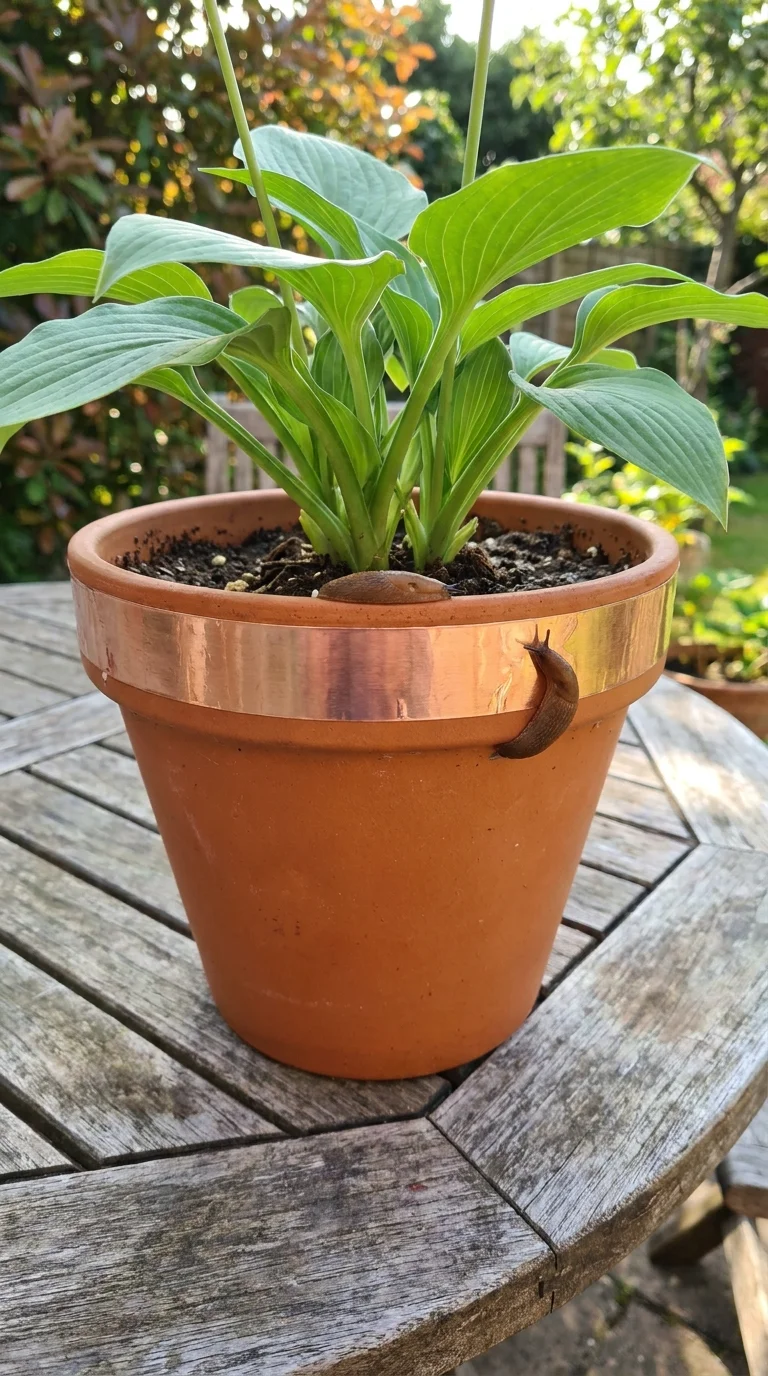
Copper reacts with slug mucus to create a tiny electric charge that slugs find unbearable. Copper rings around container plants or copper tape along raised bed edges are one of the most effective slug deterrents in existence. The tape must be clean and at least two inches wide to work reliably - narrow strips are less effective. Slugs will not cross a clean, bright copper surface, and unlike most products it keeps working all season.
Charcoal, Eggshells, and Grit
Rough, dry materials scratch the slug’s mucus membrane, which dehydrates and damages them. Build a coarse band 2–3 inches wide around vulnerable plants:
- Crushed eggshells - rinse, dry, and crush them into sharp flakes.
- Wood ash - dry powder that sticks to slug bodies and dries them out, but re-apply after rain and avoid around acid-loving plants.
- Sharp grit, sand, or horticultural gravel - the classic abrasive barrier.
- Diatomaceous earth - microscopic fossilized algae with razor edges that cut slugs; it works only while dry, so replace it after rain. Remember to wear a dust mask when applying.
Barriers are amazing for small areas but need maintenance: rain, wind, and new growth defeat them over time. Reapply after every heavy rain, thin them as plants grow, and check weekly.
Method 4: Beer Traps and Yeast Traps - The Classic That Works
If you read one slug fact, make it this: slugs will drown themselves for a smell of fermenting yeast. Beer traps genuinely work, and they are one of the fastest ways to reduce the population in an infested garden.
How to Set a Perfect Beer Trap
- Take any shallow container - old yogurt pots, tuna cans, or the classic saucer - that is at least 2 inches deep with steep sides.
- Sink it into the soil so the rim is exactly level with the ground. This is critical: slugs rarely climb into containers with raised rims.
- Fill it with one inch of cheap beer. The cheaper the better - the yeast content matters, not the flavor.
- Empty and refill every two to three days, or after rain.
- Space traps about one trap per 10 square feet in high-damage areas.
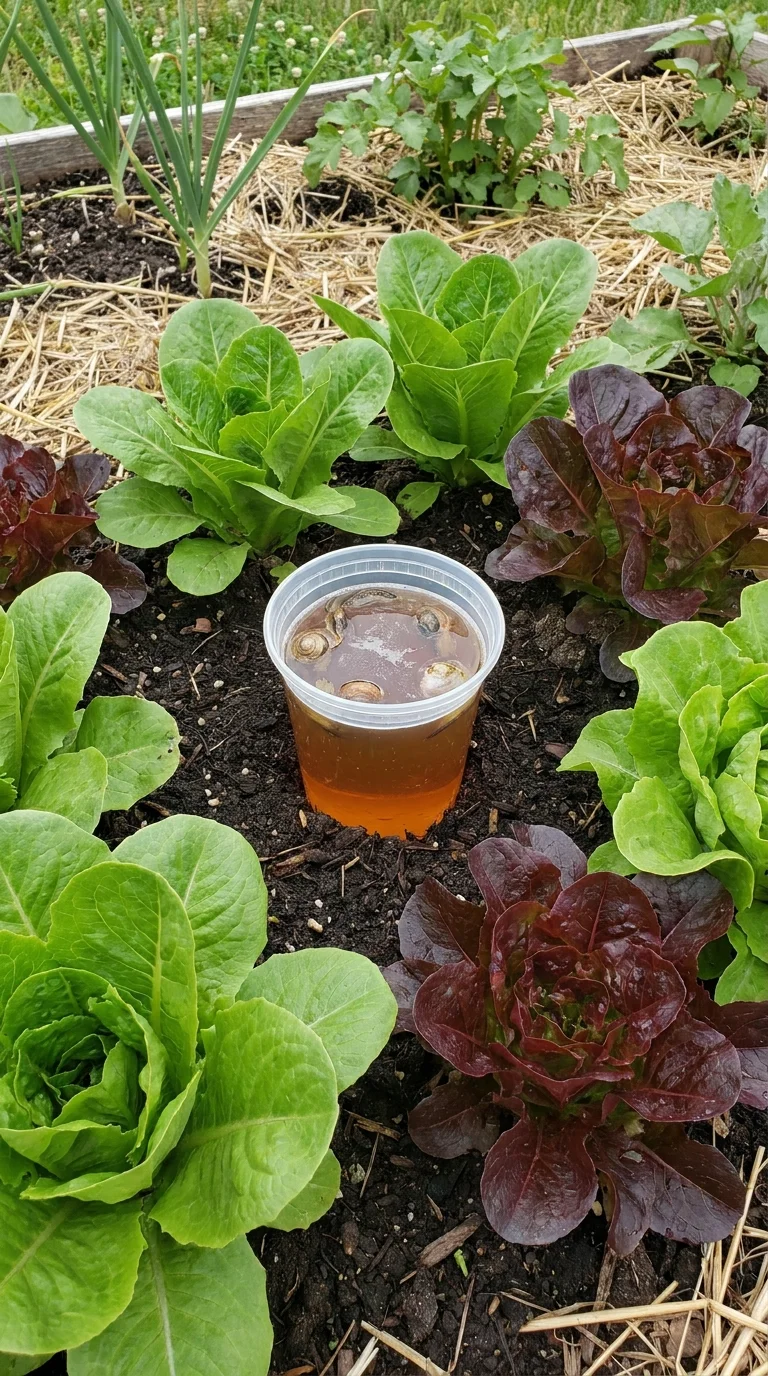
Slugs enter, drink, and cannot climb out. One trap can catch dozens in a single night during peak activity. In warm climates, they fill fast - check daily.
If you do not want to use beer, make a yeast trap: dissolve one tablespoon of sugar and half a teaspoon of dry baker’s yeast in a cup of warm water, and let it ferment for an hour before using. Slugs find it just as irresistible, and it costs pennies.
Beer traps are a population control tool, not a complete solution - they will not protect every plant on their own. Use them alongside barriers and habitat changes, and move them as the season progresses to keep up with the newest damage hotspots.
Method 5: Hand-Pick at Night - Brutal but Effective
It sounds basic, but hand-picking is recommended by every serious organic gardening organization, and for good reason: one dedicated evening removes more slugs than any trap. It is the fastest knockdown method that exists.
The Night Patrol Routine
- Go out one to two hours after sunset - slugs are most active right after dark on damp nights.
- Bring a headlamp or flashlight and a bucket with a few inches of soapy water.
- Check under leaves, along bed edges, around stems, and on the soil surface near damaged plants.
- Pick up every slug you find and drop it in the soapy water - they die quickly and humanely.
- Do this for three consecutive nights, then weekly. A 15-minute patrol is plenty.
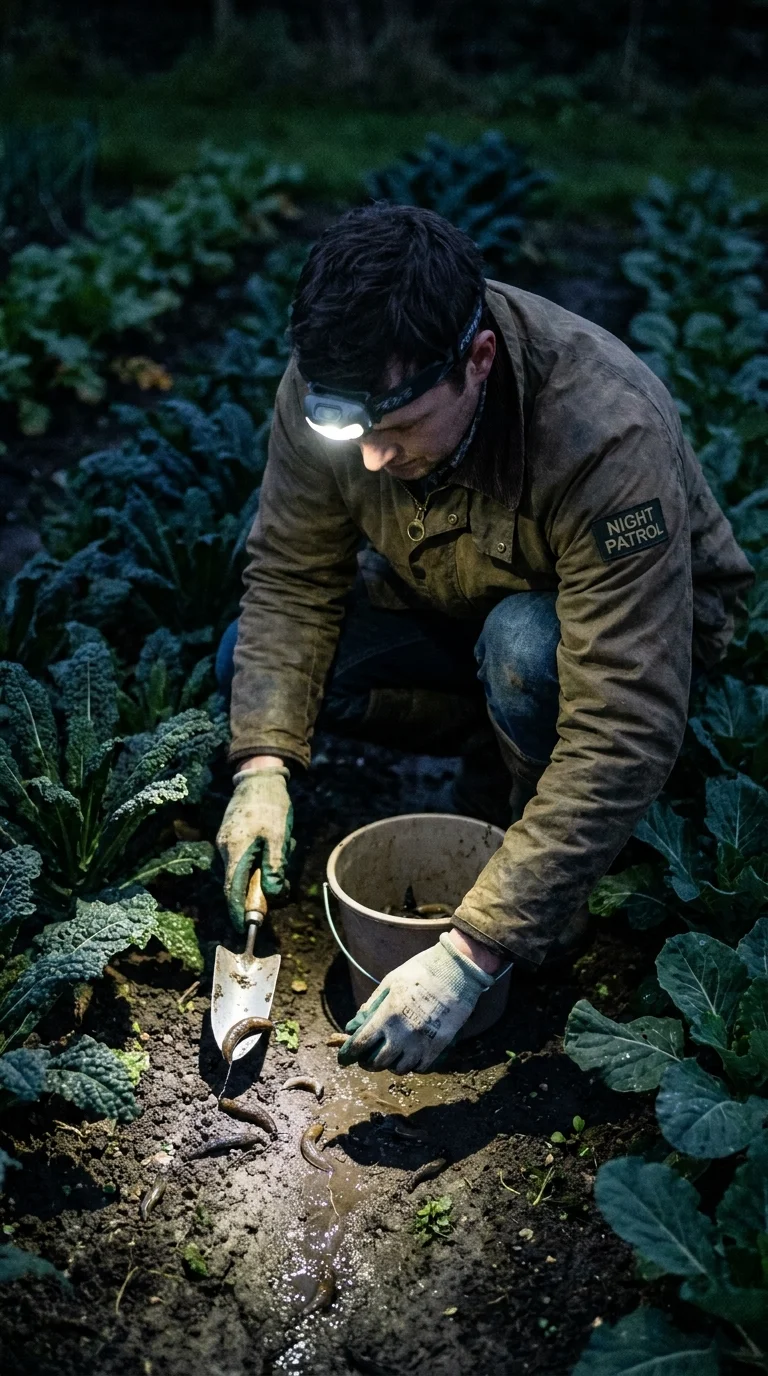
During wet spells, go out a second time right after rain. The most productive hunting ground is the base of your most damaged plants and anything growing near a wall or fence where the day-warming surface keeps slugs active late.
Hand-picking is a habit, not a one-off - new slugs move in constantly. But combined with habitat removal, it brings the population to near zero within a month of regular patrols.
Method 6: Encourage Natural Predators
Nature has its own slug-killing squad, and your garden already contains most of them. Everything you do to make your garden wildlife-friendly automatically reduces slugs - often permanently.
The Slug Predator Roster
- Hedgehogs consume an enormous number of slugs every night. Offer a simple hedgehog house and a shallow water dish, leave quiet corners of the garden, and never use slug pellets - which poison them.
- Birds - thrushes, blackbirds, starlings, ducks, and chickens all feast on slugs and their eggs. A dust bath area and undisturbed hedges attract them.
- Ground beetles are slug specialists that hunt at night and live in mulch and under stones. Give them cover: leaf piles, logs, and permanent mulch.
- Frogs and toads patrol damp corners and eat slugs by the dozen. A small wildlife pond, even a buried tub, invites them.
- Fireflies and their larvae prey on slugs and snails and flourish where you avoid chemical sprays.
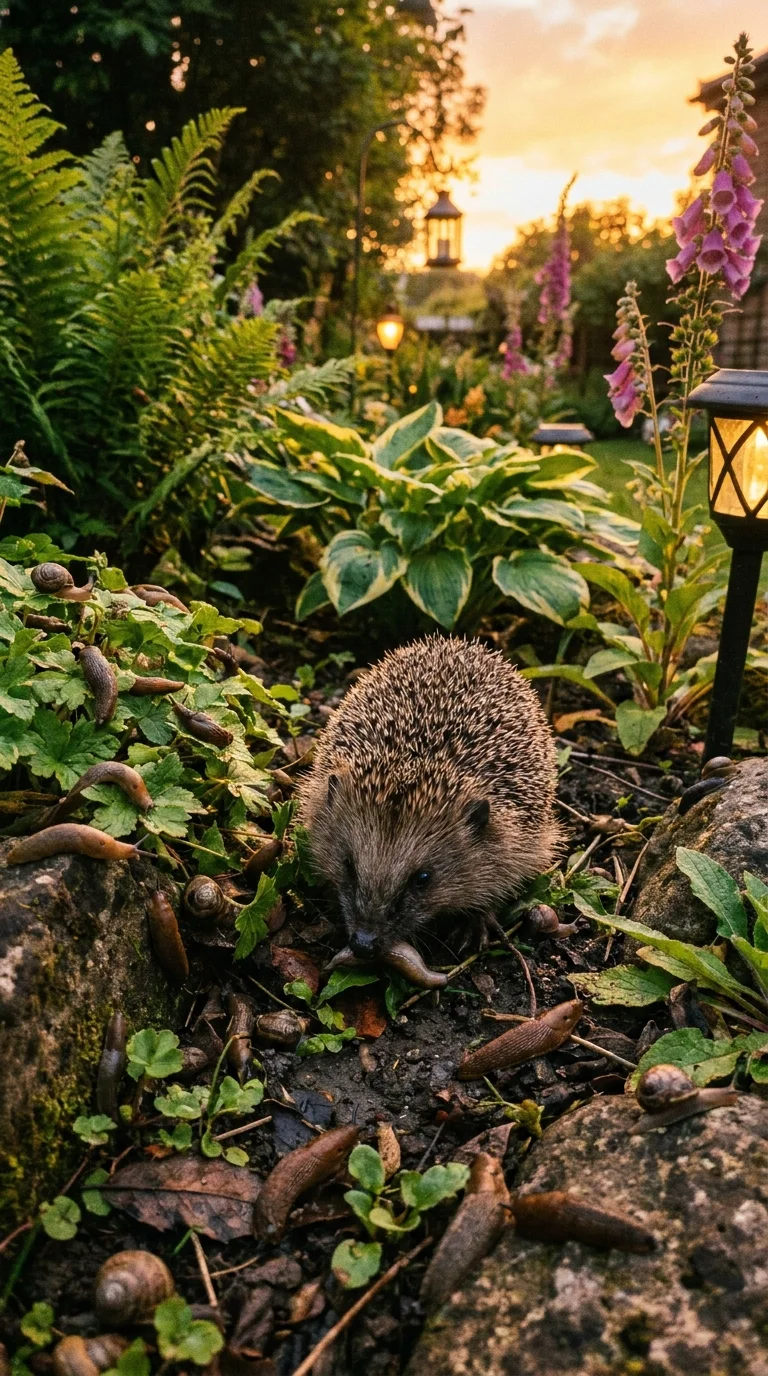
The single best wildlife-habitat move is to stop using synthetic pesticides entirely - they kill the predators and leave you permanently dependent on chemicals. Our natural aphid control guide covers the same principle for another common pest.
Ducks are the ultimate slug control for anyone with space: two to three ducks clear a large yard of slugs in a season, but they also eat your vegetables, so confine them to runways and edges.
Method 7: Plant Slug-Resistant Crops and Companions
In a slug war, choose your allies carefully. Some plants are so unappetizing that slugs walk right past them, and a few actively repel them with strong scents or textures.
Crops Slugs Rarely Touch
- Alliums - onions, garlic, leeks, chives. Their sulfur compounds repel slugs and snails.
- Strong herbs - rosemary, sage, lavender, thyme, oregano, and mint. Slugs avoid the aromatic oils.
- Leafy greys and fuzzies - sage, lamb’s ear, and any hairy or fuzzy-leafed plant.
- Bitter and tough greens - endive, chicory, and mature kale leaves are far less attractive than lettuce.
- Tubers and roots - carrots, beets, and potatoes suffer little above-ground damage once established.
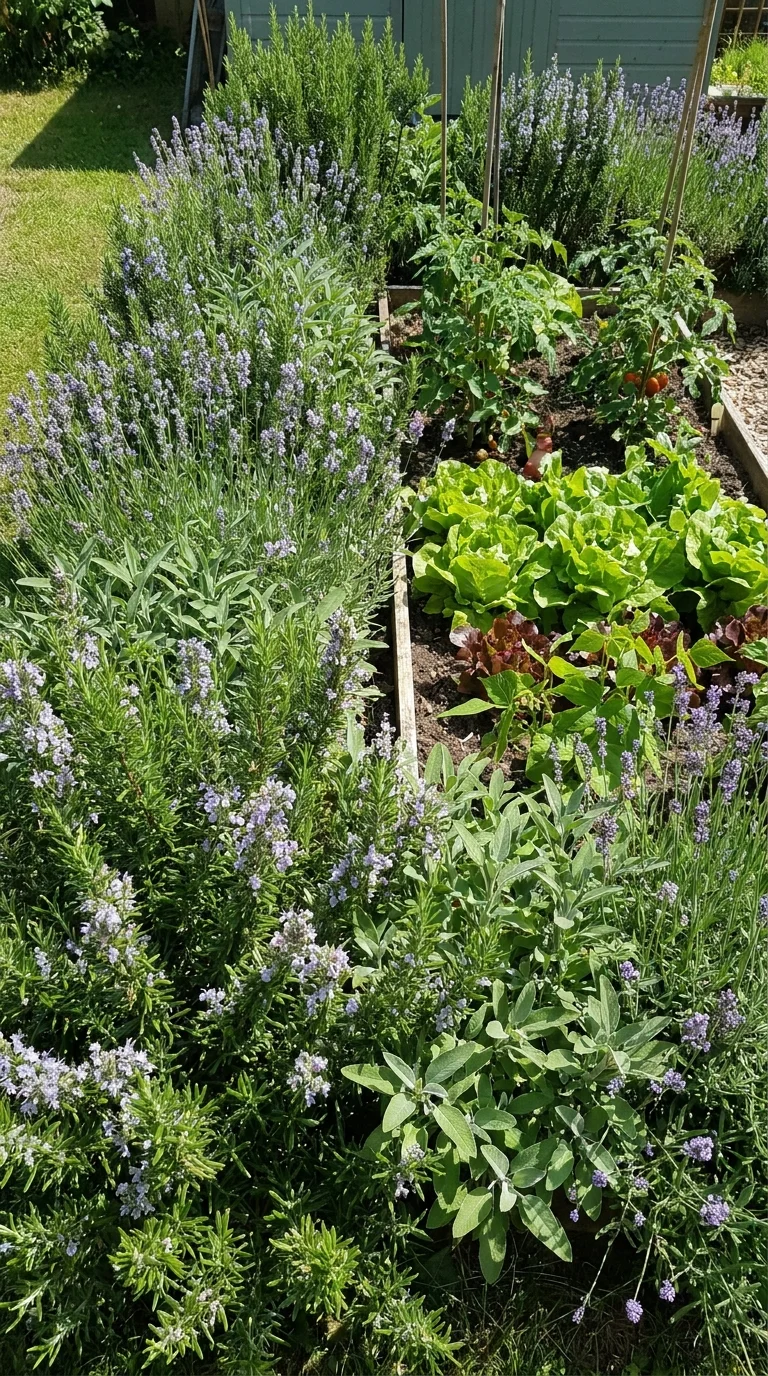
This is one of the secrets behind our companion planting guide: plant structure works as pest control. Interplant onions, chives, and garlic among your lettuce and brassicas, and edge beds with lavender or rosemary. Slugs will navigate around the barrier plants instead of through them.
If you must grow the plants slugs adore - lettuce, basil, strawberries, hostas - grow them where you can protect them with barriers and traps, or grow them interplanted with strong-scented companions.
Method 8: Use Nematodes - Biological Slug Control
For gardeners who want a “set-and-forget” natural treatment, microscopic parasitic nematodes are the closest thing to a slug-specific biological weapon. The right species - Phasmarhabditis hermaphrodita - seeks out slugs in the soil, enters through the breathing pore at the back of the slug, and releases bacteria that kill it within days.
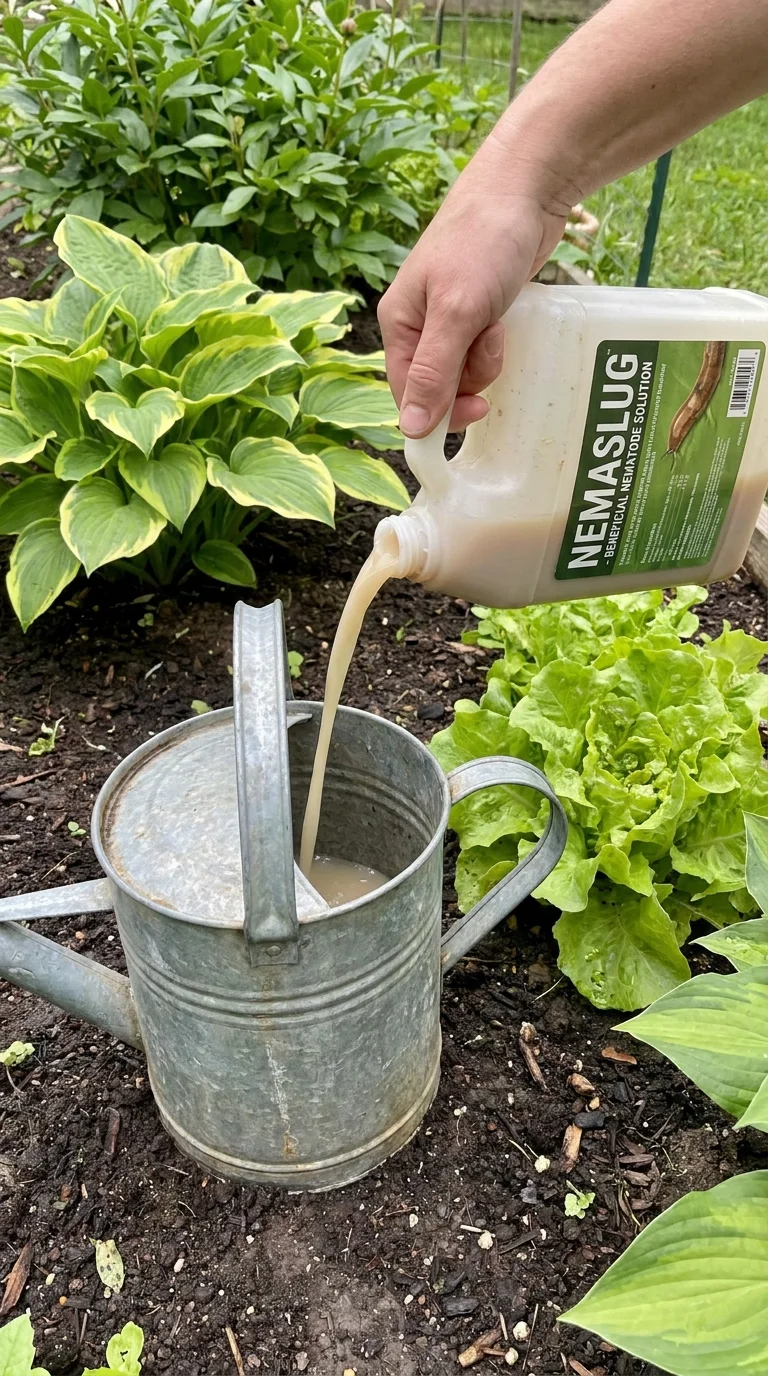
Nematodes work best under these conditions:
- Apply in warm, damp soil between about 50–68°F (10–20°C). They die in frost and below 50°F.
- Water them in immediately after applying - they travel through water.
- Keep the soil damp for two weeks after application while the nematodes establish.
- Apply in spring and again in late summer to cover both slug generations.
- One application protects for six weeks, making two to three applications per season a realistic slug-control plan.
Nematodes are completely safe for humans, pets, birds, bees, and earthworms - they only target slugs. They are the most expensive natural option, but for a problem garden they are also the most thorough, killing slugs where traps and barriers cannot reach - underground, around the roots.
Method 9: Long-Term Habitat Management for a Slug-Free Garden
Everything so far is reactive. The final piece is designing slugs out of the garden altogether. Gardens with chronic slug problems usually share a few features - and each one is fixable:
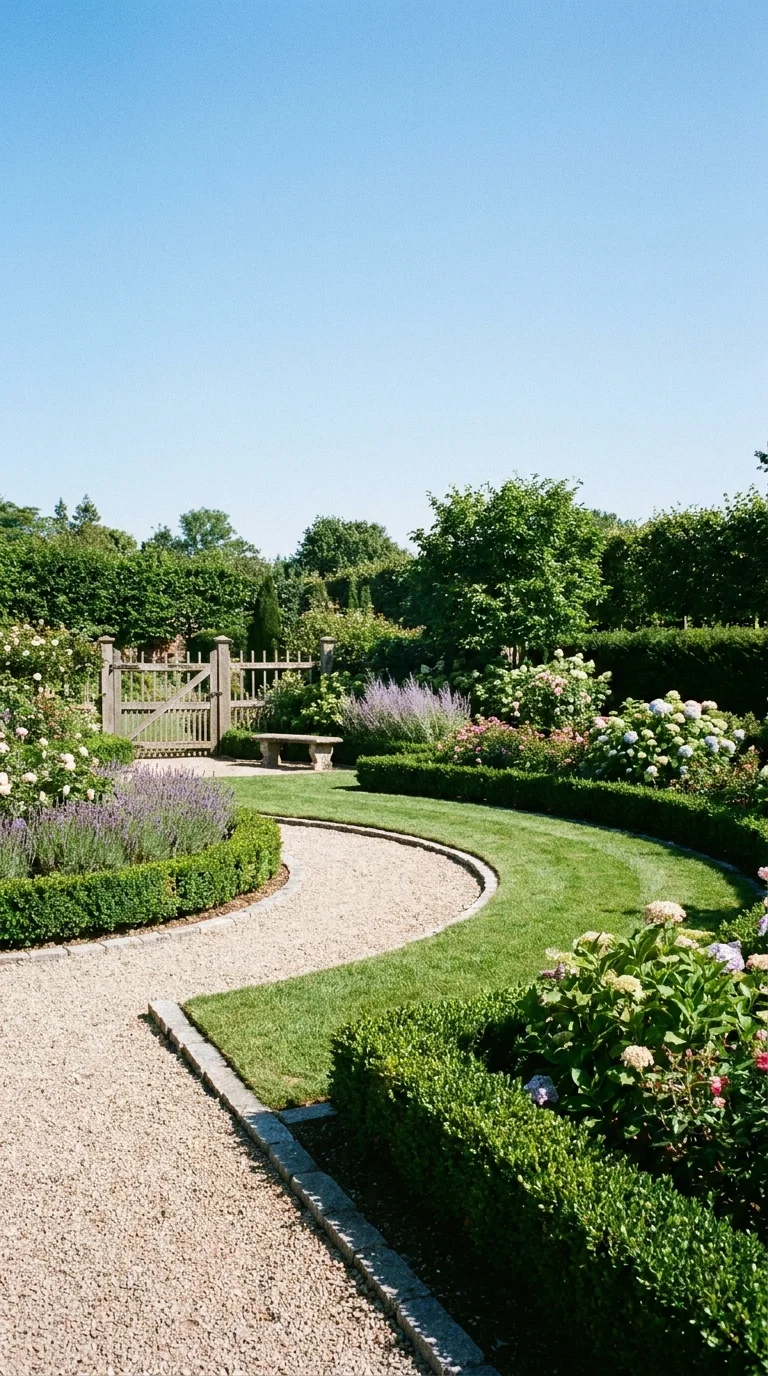
- Tidy the perimeter. Slugs travel in from unmown grass, ivy walls, and damp corners along fences. Keep a bare, dry strip or a barrier of coarse gravel around beds.
- Manage mulch. Mulch is excellent for soil health but is also slug housing. Use thin layers of coarse material (wood chips, bark) rather than thick wet layers, keep mulch away from plant stems, and rake it periodically to dry it out.
- Check new plants. Slugs and eggs hitchhike on nursery pots. Shake out root balls and inspect under leaves before planting - the same quarantine rule we explain in our repotting guide.
- Clear the garden at season’s end. Dead plant debris left over winter shelters eggs and adults. Compost or remove spent plants before frost.
- Position vulnerable crops in the sunniest, breeziest spot you have. Slugs prefer shade and still air. Wind no one talks about, this simple site choice drops damage immediately.
- Look after your lawn edge. Mow the grass short right against beds and keep a foot-wide clean margin.
These habits cost nothing and compound over time: the longer your garden stays slug-unfriendly, the fewer slugs survive to breed. One good season of discipline can give you a nearly slug-free garden for years.
Method 10: Know the Seasonal Calendar - When Slugs Strike
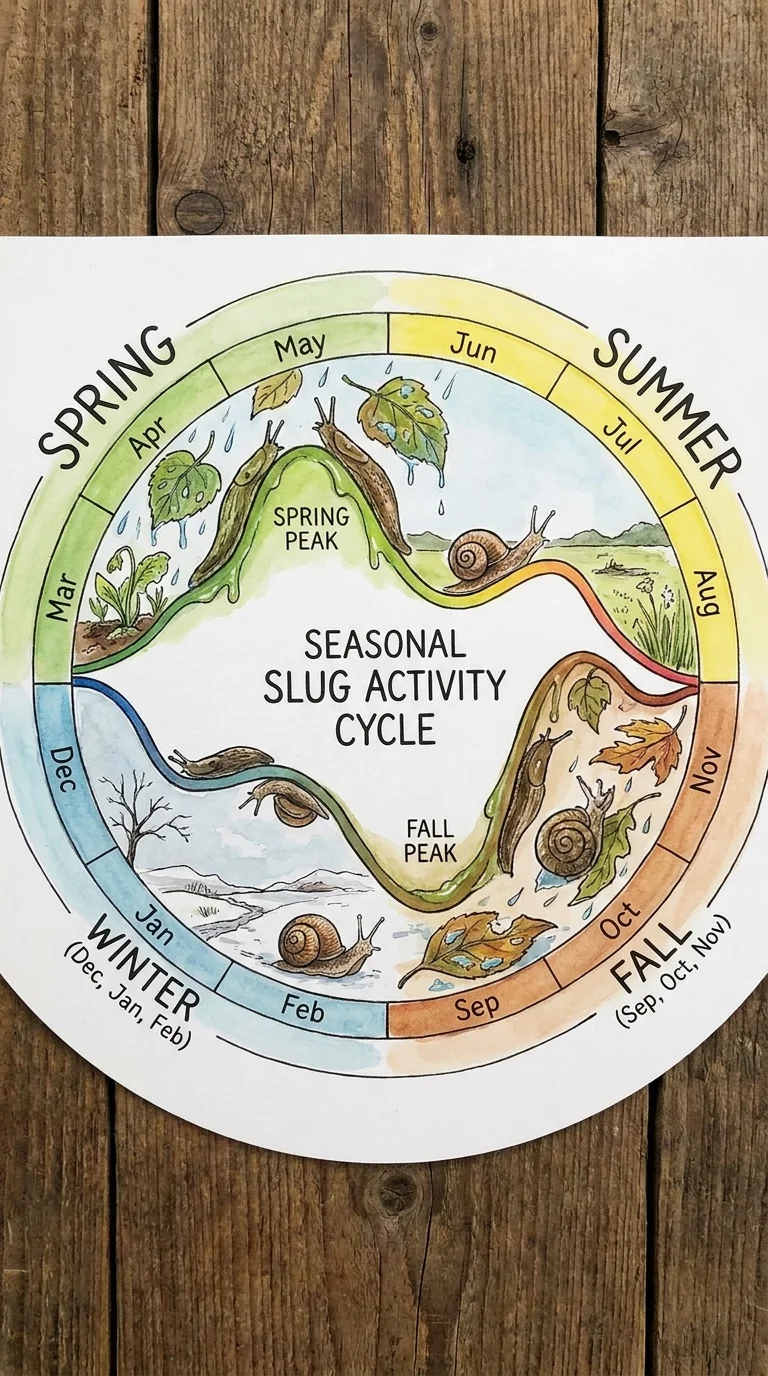
Slug pressure is not constant; it surges on a predictable rhythm, and knowing it lets you fight at the right moments with maximum effect.
| Season | Slug activity | Best action |
|---|---|---|
| Late winter | Eggs in soil begin hatching | Start barriers early, inspect new plants |
| Spring | Massive damage to seedlings | Beer traps + night patrols + nematodes |
| Summer | Slugs retreat in hot dry weather | Repair barriers, maintain dry margins |
| Early fall | Second breeding peak | Repeat trap program before they lay eggs |
| Winter | Adults hibernate in soil and debris | Clear debris, turn soil to expose eggs |
Slugs are most dangerous in spring and early fall because those are the damp, mild windows when young plants are also at their most vulnerable. Plan your treatment around these two peaks and you protect your garden with far less effort than fighting all year.
One more timing trick: delay planting transplants slightly, or start them large and robust. Slugs kill small seedlings in one night but ignore well-grown plants with thick stems. Grow seedlings on benches until they are big and sturdy - matching the approach in our guide to starting seeds indoors - then transplant them into a protected bed.
Compare the Natural Methods Side by Side
Use this table to pick your personal toolkit:
| Method | Cost | Effort | Speed | Best for |
|---|---|---|---|---|
| Habitat removal | Free | Low | 2–4 weeks | Every garden, foundation step |
| Morning watering | Free | Low | 2–4 weeks | Every garden |
| Copper barriers | Medium | Low | Instant | Containers, beds, pots |
| Grit/eggshell/DE | Low | Medium | 1–2 weeks | Seedlings, small beds |
| Beer traps | Low | Medium | Days | Reducing population fast |
| Hand-picking | Free | High | Days | Infested beds, immediate control |
| Predators | Low | Low | Months | Permanent long-term control |
| Slug-resistant plants | Low | Low | Seasonal | Designing the garden |
| Nematodes | High | Low | 1–2 weeks | Whole-garden treatment |
| Seasonal planning | Free | Low | Ongoing | Keeping the system working |
The sweet spot for most home gardens is: habitat removal + morning watering as the base, copper or grit barriers on everything precious, and beer traps or night patrols during the two seasonal peaks.
What Does Not Work - and What Makes Things Worse
Natural control is well researched, and a few popular “cures” are misleading. Save yourself the wasted effort:
- Salt. It kills slugs but destroys your soil, kills plants, and poisons the ground for months. Never use salt in the garden.
- Orange and grapefruit halved as traps. Snails love them, but slugs largely ignore them; you mostly breed fruit flies and mold.
- Eggshells alone. They deter lightly but break down within weeks - use them in combination, not alone.
- Diatomaceous earth after rain. It stops working the moment it is wet. Reapply or use barriers instead.
- Chemical slug pellets. Metaldehyde and methiocarb kill hedgehogs, birds, and dogs who eat poisoned slugs. There is no home-garden scenario where they are the right answer.
- Ignoring the lawn and edges. If you clear the beds but leave long grass, ivy, and stacked pots against the fence, slugs simply commute back in every night.
Your 4-Week Natural Slug Eradication Plan
If slugs are currently destroying your garden, follow this exact sequence:
Week 1 - Environment flip. Clear all boards, pots, weeds, and debris. Switch to morning watering. Apply copper tape around containers and grit barriers around the most valuable beds. Set four beer traps in damage hotspots.
Week 2 - Population crash. Patrol nightly with a flashlight for three nights hand-picking. Empty traps every two days. Apply diatomaceous earth around seedlings on dry evenings. Reapply barriers after rain.
Week 3 - Biological backup. Apply nematodes if your soil is warm (spring or fall). Continue weekly night patrols. Replace beer with yeast traps if you want to save money. Re-check barrier integrity every weekend.
Week 4 - Maintenance mode. Reduce to weekly patrols. Keep traps in the two peak zones. Rebuild dried-out grit barriers. Track damage hotspots - areas that stay wet get more bait. Maintain morning watering forever.
Follow this plan and you will see damage fall roughly 80 percent within a month, and approach zero by the end of the season as the breeding cycle collapses.
Frequently Asked Questions About Slugs
Can slugs harm humans or pets?
No - garden slugs are harmless to humans and most pets. They can carry a rare parasite (the rat lungworm) in some regions, so wash vegetables thoroughly after harvesting and do not eat raw slugs. Dogs occasionally eat slugs and may pick up the parasite in the same tropical and subtropical regions, so it is wise to prevent dogs from snacking on them.
Do coffee grounds actually repel slugs?
Partially, and briefly. Fresh coffee grounds are a mild deterrent because caffeine is toxic to slugs, and the gritty texture irritates them. But the effect fades as they dry and decompose, and used grounds from your coffee maker are far weaker than fresh ones. See them as a minor bonus, not a solution - the barriers and traps in this guide do the real work.
Why do I only see slug damage after rain?
Because slugs cannot move on dry surfaces. They dehydrate rapidly, so moisture is both their transport and their protection. After rain, the entire garden becomes a slug highway, and their activity peaks on damp nights. Check for damage immediately after wet weather and boost your patrolling on those nights.
How many slugs is a “normal” garden population?
Healthy gardens host tens of thousands of slugs per acre, and even a small backyard can hold hundreds or thousands. You do not need to eliminate every slug - you need to protect your plants. The goal is reducing damage to invisible levels, which the combination of methods in this plan achieves without a single toxic chemical.
Will slugs eat my seedlings if I grow them indoors first?
Yes, the moment you transplant. Outdoor-raised skepticism aside, slugs climb into beds and devour fresh transplants on their first night. Harden off and transplant in the morning, protect young plants with collars or grit rings for the first two weeks, and keep traps going nearby. Our seed starting guide explains the hardening-off step that makes transplants tougher.