Do you ever walk out to your backyard only to find your prized tomato leaves chewed to pieces by hungry pests? It can be heartbreaking to watch your hard work disappear overnight, but you do not have to resort to harsh chemicals to save your harvest. In this complete guide to garden pest control for beginners, we will explore safe, simple, and highly effective ways to use natural pest control for gardens to keep your backyard thriving.
Quick Answer: The most effective garden pest control for beginners combines preventative natural methods with targeted organic remedies:
- Build healthy soil using organic compost and worm castings to naturally boost plant immune systems.
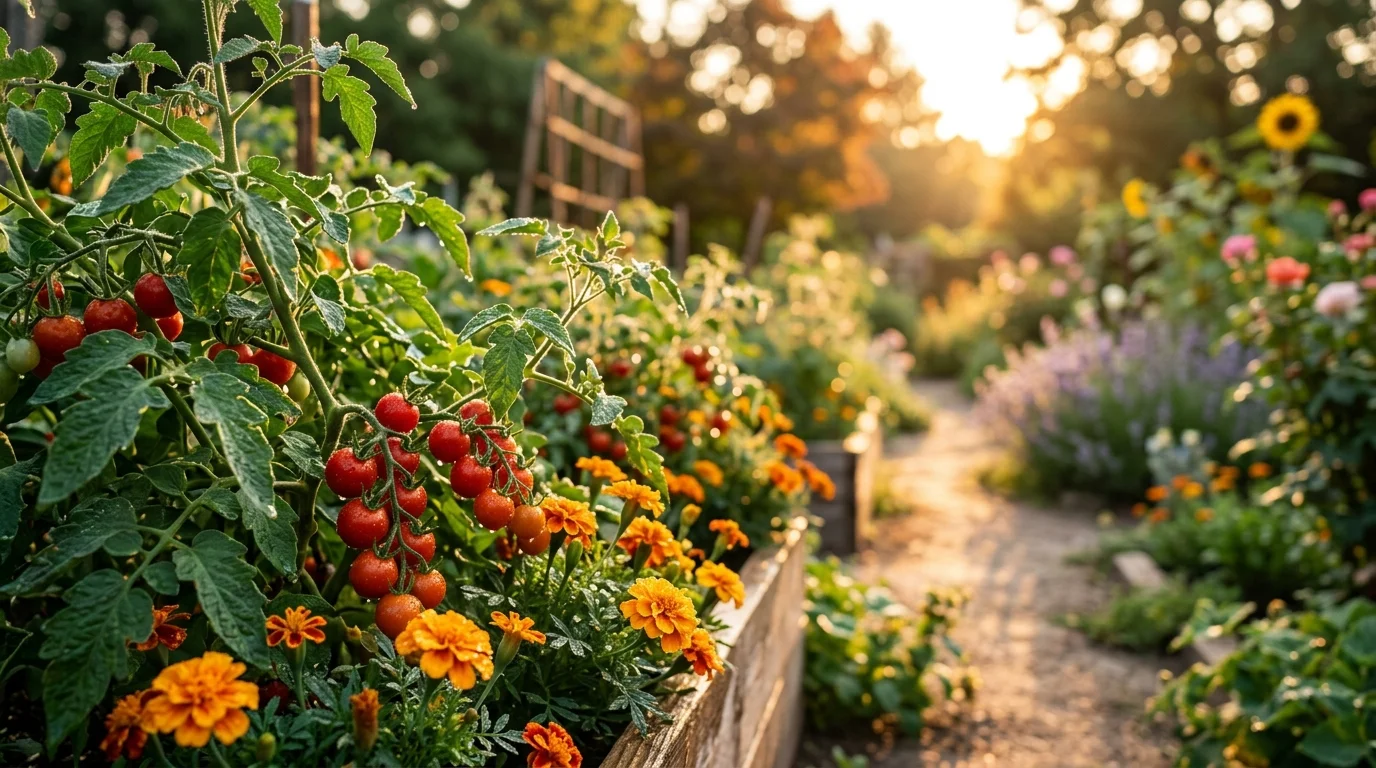
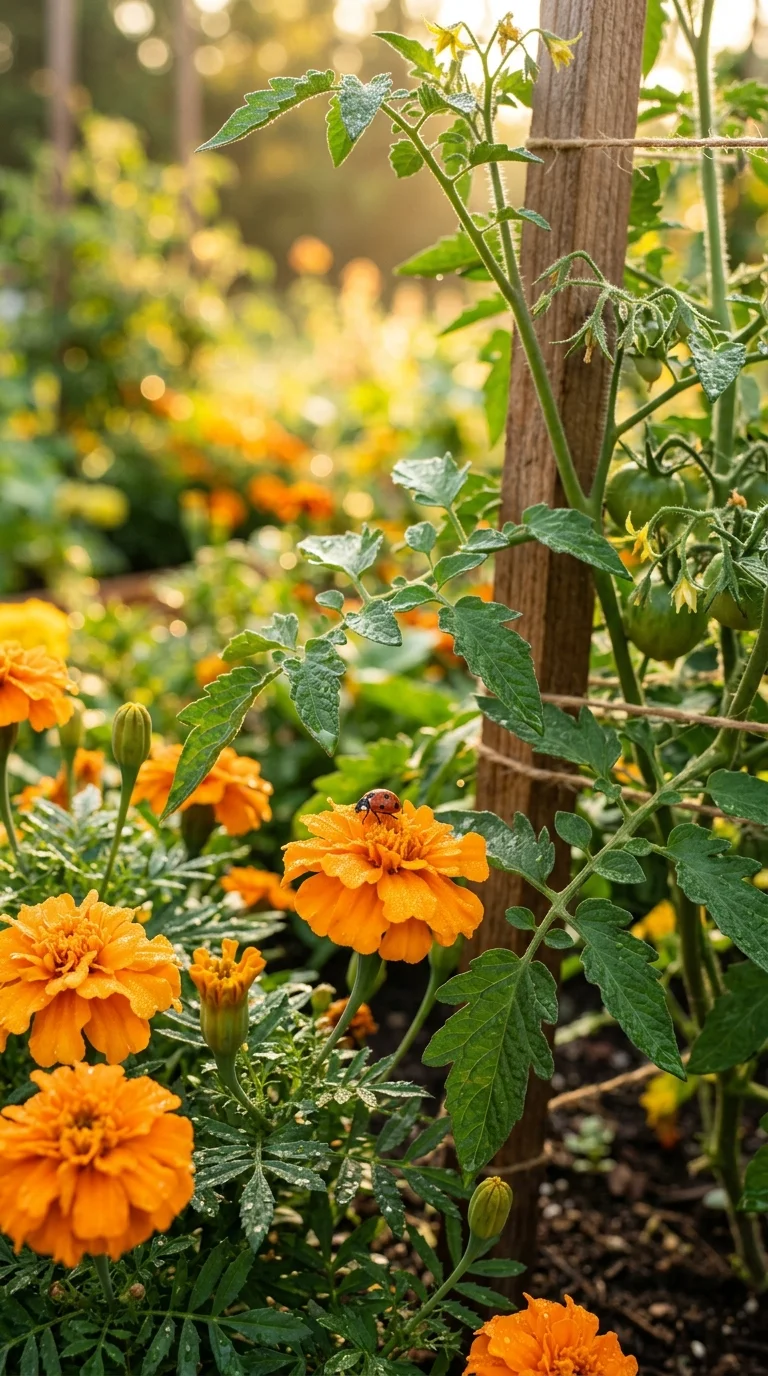
- Encourage beneficial insects (ladybugs, lacewings, predatory wasps) by planting flowering herbs, marigolds, and alyssum.
- Hand-pick or vacuum large pests like tomato hornworms and beetles early in the morning.
- Apply safe, organic pest control products-such as Spinosad, Neem Oil, B.T. (Bacillus thuringiensis), or Diatomaceous Earth-only when active pest damage occurs.
By focusing on the health of your entire garden ecosystem, you can naturally prevent major pest outbreaks without putting harsh chemical residues on your fresh food.
Why Choose Natural & Organic Garden Pest Control?
When you first start your gardening journey, it is easy to think of every insect as an enemy. But as you spend more time in the dirt, you will see that nature has a beautiful system of checks and balances. Choosing natural garden pest control is all about working with this balance rather than fighting against it.
Many gardeners find that switching to organic garden pest control brings a wonderful sense of peace. You do not have to worry about your pets running through the garden beds or what chemicals your children might breathe in when playing in the yard.
The secret to effective home garden pest control is viewing your garden as a whole ecosystem. An ecosystem is simply a community of living organisms working together. When your garden is balanced, you will have plenty of good bugs that keep bad bug populations under control.
In most cases, a sudden pest outbreak is simply a signal that something in your garden is out of balance. It often comes down to soil health and plant diversity:
- Monoculture Risk: If you only grow a single crop in one spot, pests find it easily and multiply rapidly.
- Polyculture Defense: When you mix vegetables with flowers and aromatic herbs, you confuse harmful insects and create a welcoming home for beneficial bugs.
For example, a single ladybug can devour thousands of aphids during its lifetime. If you spray a harsh synthetic chemical to kill aphids, you also wipe out the beneficial ladybugs. Without predatory insects around, the next generation of pests returns even stronger-a trap known as the pest resurgence cycle.
By using natural pest control for gardens, you break this destructive cycle and allow nature to do the heavy lifting for you. Building a fully balanced garden ecosystem takes patience, but you will notice positive changes in your backyard almost immediately.
Essential Garden Pest Control for Beginners: Top 7 Organic Remedies
If you are new to growing your own food, dealing with bugs can feel overwhelming. Fortunately, pest control for beginners does not require expensive chemicals or complex equipment.
My favorite tool for pest control for garden plants is simply a garden chair. Every morning, take a cup of coffee or tea, sit in your garden, and look closely at the foliage. Checking under leaves and inspecting tender new stems allows you to catch pest problems early when simple remedies work best.
When you do need to purchase a product for homemade pest control for garden beds, always look for the OMRI label (Organic Materials Review Institute) to ensure it is safe for organic growing.
Here are the 7 safest and most effective remedies for gardening pest control:
1. Spinosad
Made from a naturally occurring soil bacterium, Spinosad is highly effective against chewing insects like caterpillars, beetles, thrips, and leafminers. It works when insects consume the treated leaf.
2. Bacillus thuringiensis (B.T.)
B.T. is a target-specific soil bacterium that only harms caterpillars and leaf-eating larvae. It is completely safe for humans, birds, and beneficial pollinators like honeybees. Use it when cabbage worms begin chewing on your brassicas.
3. Diatomaceous Earth (DE)
Diatomaceous Earth is a soft powder made from fossilized water plants called diatoms. While soft to human hands, it acts like microscopic shards of glass to crawling insects, absorbing their protective outer wax coating and causing them to dehydrate safely.
4. Neem Oil
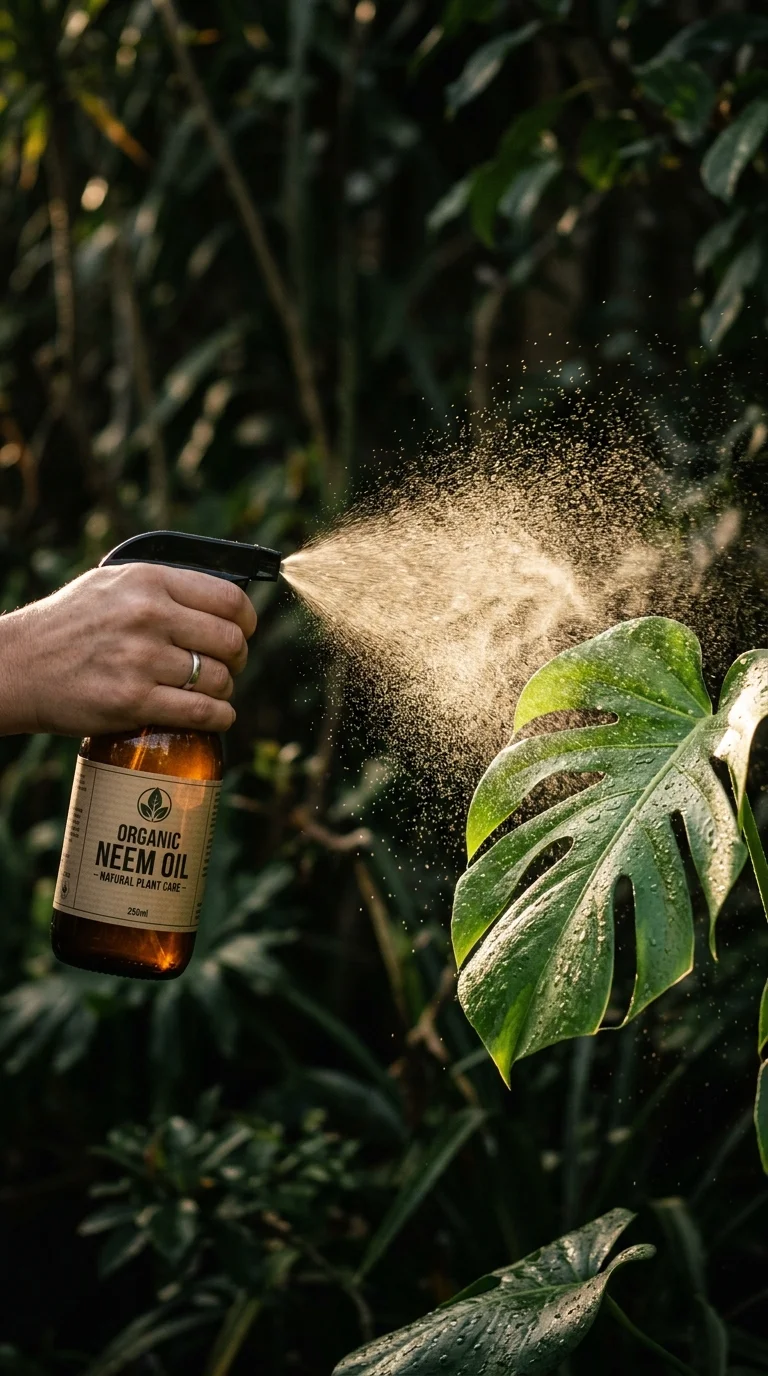
Pressed from the seeds of the neem tree, neem oil acts as an organic repellent, smothering agent, and growth disruptor. It stops soft-bodied pests from feeding and laying eggs without leaving synthetic chemical residues.
5. Organic Insecticidal Soap & Pure Castile Soap Spray
Formulated fatty acid soaps melt the outer cell membranes of soft-bodied insects like aphids, whiteflies, and spider mites. You can also mix 1 to 2 tablespoons of pure liquid castile soap per gallon of water for a simple homemade pest control for garden plants.
6. Pyrethrin
Derived from chrysanthemum flowers, pyrethrin offers fast contact knockdown for severe bug infestations. Because it affects insects indiscriminately, save pyrethrin as a last resort and apply it late in the evening.
7. Garlic & Chili Pepper Spray
Natural aromatic sprays made by blending garlic, cayenne pepper, and water act as an excellent natural pest deterrent for garden crops, masking the scent of tender vegetables.
How to Get Rid of Garden Pests: 9-Step Action Plan
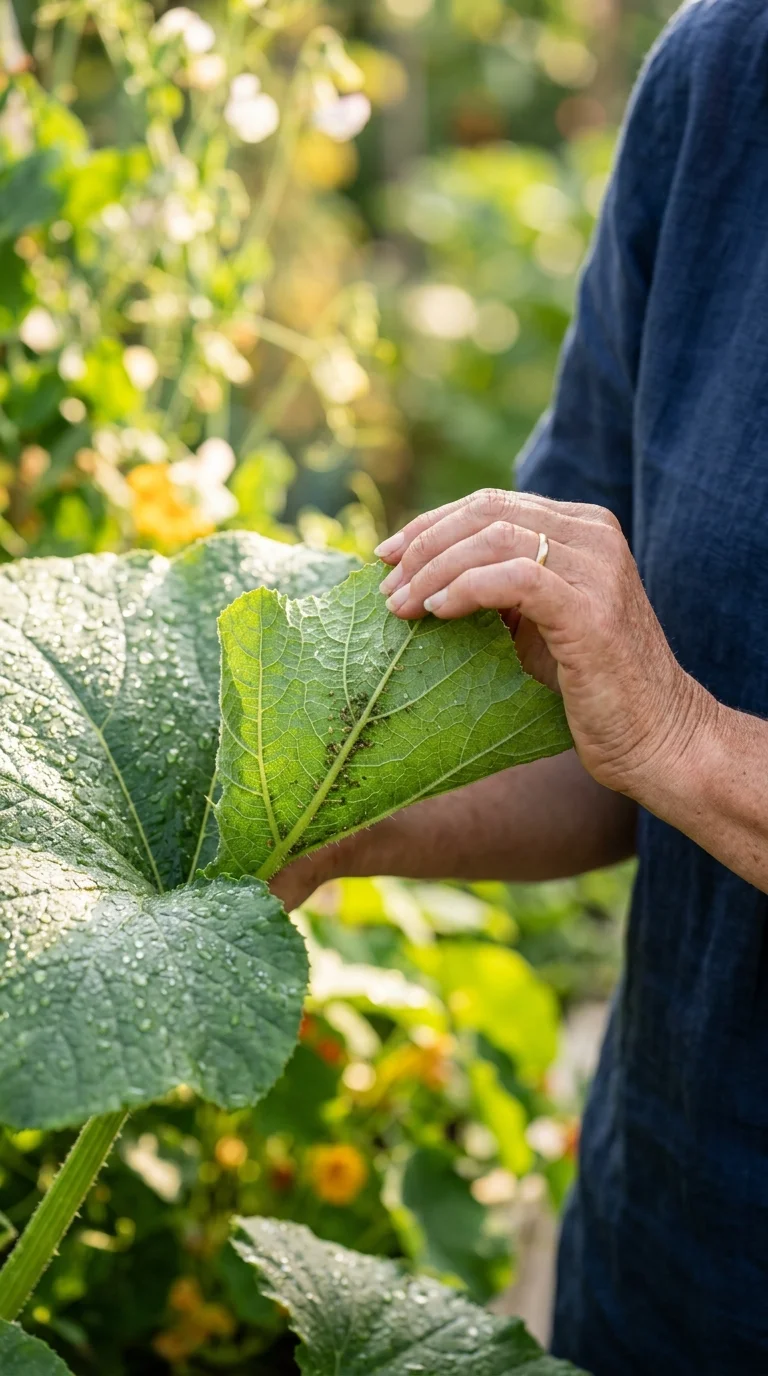
When active bug damage appears on your crops, follow this practical 9-step plan to get rid of garden pests safely:
- Identify the Insect: Take a close photo of the bug and use a plant app or local extension guide to confirm whether it is a harmful pest or a beneficial insect.
- Assess the Threshold: A few chewed leaves are normal and will not hurt your overall yield. Give natural predators a day or two to handle small bug numbers first.
- Hand-Pick Large Bugs: Pluck large pests like tomato hornworms, squash bugs, and Japanese beetles by hand and drop them into a bucket of warm, soapy water.
- Use a Cordless Hand Vacuum: For clusters of squash bug eggs or flea beetles, gently vacuum them off leaves, then empty the canister into soapy water.
- Apply Diatomaceous Earth: Dust a light layer of DE over damp foliage to stop crawling pests. Putting DE into an old pantyhose leg makes dusting quick and even.
- Mix Organic Concentrates Correctly: Always purchase concentrate products to save money. Mix with clean rainwater or distilled water, as hard well water can reduce product effectiveness.
- Time Your Sprays Correctly: Never spray during hot, bright mid-day sun. Apply organic treatments in the late afternoon or early evening when bees have returned to hives and temperatures drop.
- Check the Weather Forecast: Organic treatments do not contain chemical bonding agents. Ensure you have 24 to 48 hours of dry weather so rain does not wash away the spray.
- Monitor and Reapply: Because organic sprays break down naturally in sunlight and rain, monitor your plants every 3 to 4 days and reapply as needed until pest numbers drop.
Safe Pest Control for Vegetable Gardens
When growing food for your dinner table, safety is the top priority. Implementing safe pest control for vegetable gardens ensures your produce remains clean, nutrient-dense, and pesticide-free.
One of the most effective strategies for organic pest control for vegetable gardens is companion planting-placing complementary plants together for natural protection:
- Aromatic Masking: Plant strong-smelling herbs like basil, rosemary, and mint near tomatoes and peppers. Their intense essential oils mask crop scents, making it harder for pests to locate food.
- Trap Cropping: Plant bright orange nasturtiums near your cabbage and kale. Nasturtiums act as a magnet for caterpillars and aphids, luring pests away from your prized vegetables.
- Pollinator & Predator Attraction: Sow sweet alyssum and marigolds throughout your garden beds. Alyssum blossoms attract tiny beneficial parasitic wasps that naturally hunt aphids and thrips.
Common Mistakes to Avoid in Vegetable Gardening Pest Control
- Broadcasting Sprays: Avoid spraying your whole garden. Treat only the specific leaves showing active pest damage to protect beneficial insects.
- Using Antibacterial Dish Detergent: Synthetic household dish soaps can strip protective natural waxes off leaves and harm soil biology. Always use pure, organic castile soap.
- Skipping Post-Harvest Washing: Even organic produce should be rinsed in cool water to remove dust, natural spray residues, and wild bird droppings.
Garden Layout & Permaculture Design for Pest Prevention
The physical layout of your garden beds directly influences how pests travel across your yard. Incorporating smart permaculture designs reduces pest pressure naturally while maximizing crop yield.
In nature, plants never grow in isolated single-file lines. Instead, they thrive in dense, layered, multi-species arrangements. One of the best layouts for home garden pest control is the Keyhole Garden Bed.
A keyhole garden features a circular or rectangular bed with a small access path leading to a central composting basket. As you water, nutrients from the compost slowly feed surrounding plant roots.
Keyhole Garden Layout Diagram:
+-------------------------------------------------+
|               Lush Growing Area                 |
|   +-----------------------------------------+   |
|   |         Gravel Keyhole Access Path      |   |
|   |         (Dead End Composting Access)    | [ ] Composting Basket
|   +-----------------------------------------+   |
|               Lush Growing Area                 |
+-------------------------------------------------+
Dimensions: 8ft Wide x 6ft Long
Path Width: 2ft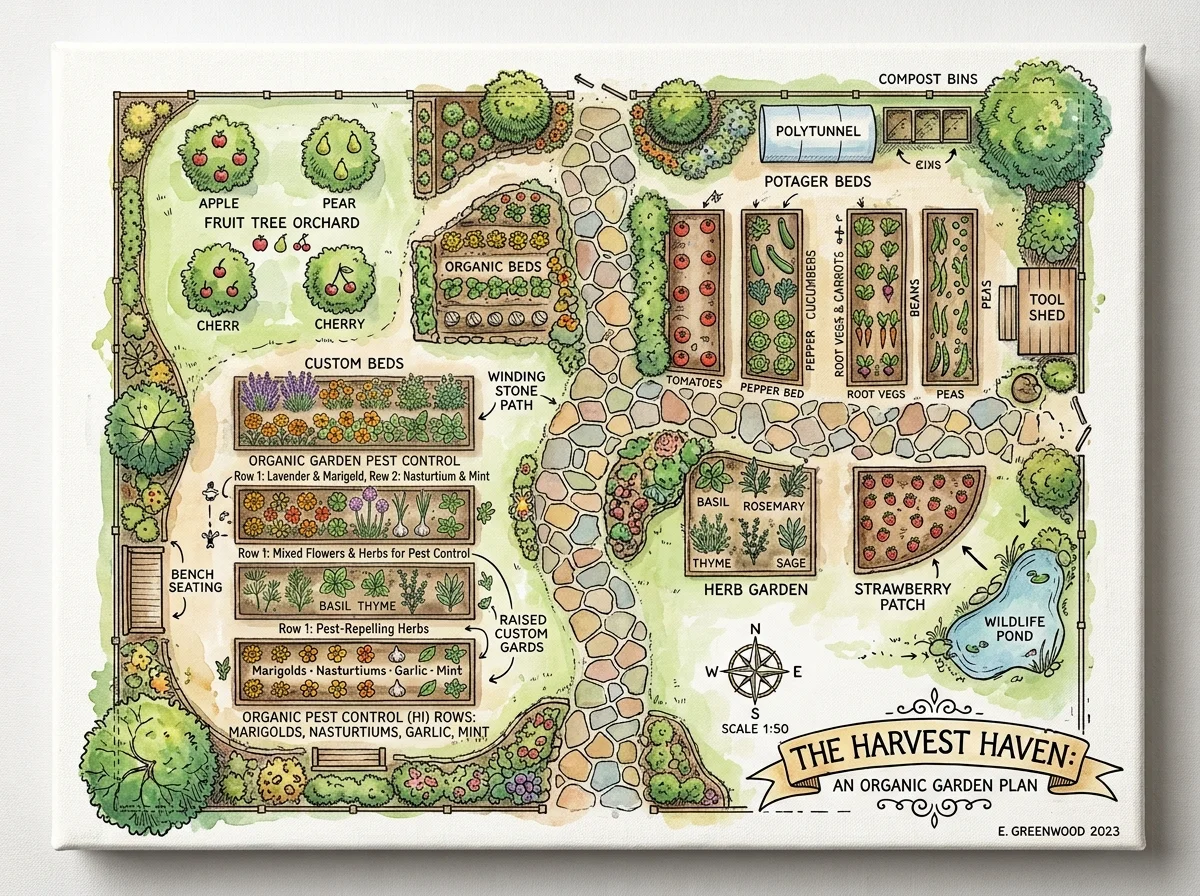
Companion planting tip: Plant tomatoes alongside aromatic basil and French marigolds to deter pests naturally and improve fruit flavor!
Dense, varied planting in a keyhole bed creates a living mulch that shades the soil, conserves moisture, and prevents weeds. More importantly, it creates a visual and olfactory maze that confuses flying insects trying to spot their favorite host crops.
Building Healthy Soil for Natural Pest Deterrence
To grow plants that naturally resist insects, focus your energy on nourishing the soil food web. Healthy plants growing in living soil produce strong cell walls and natural secondary compounds that deter feeding pests.
When you rely on synthetic fertilizers, plants receive a sudden surge of watery nitrogen. This causes weak, rapid growth that actually attracts sap-sucking pests like aphids and spider mites.
In contrast, organic garden pest control starts at the roots with these nutrient-rich soil amendments:
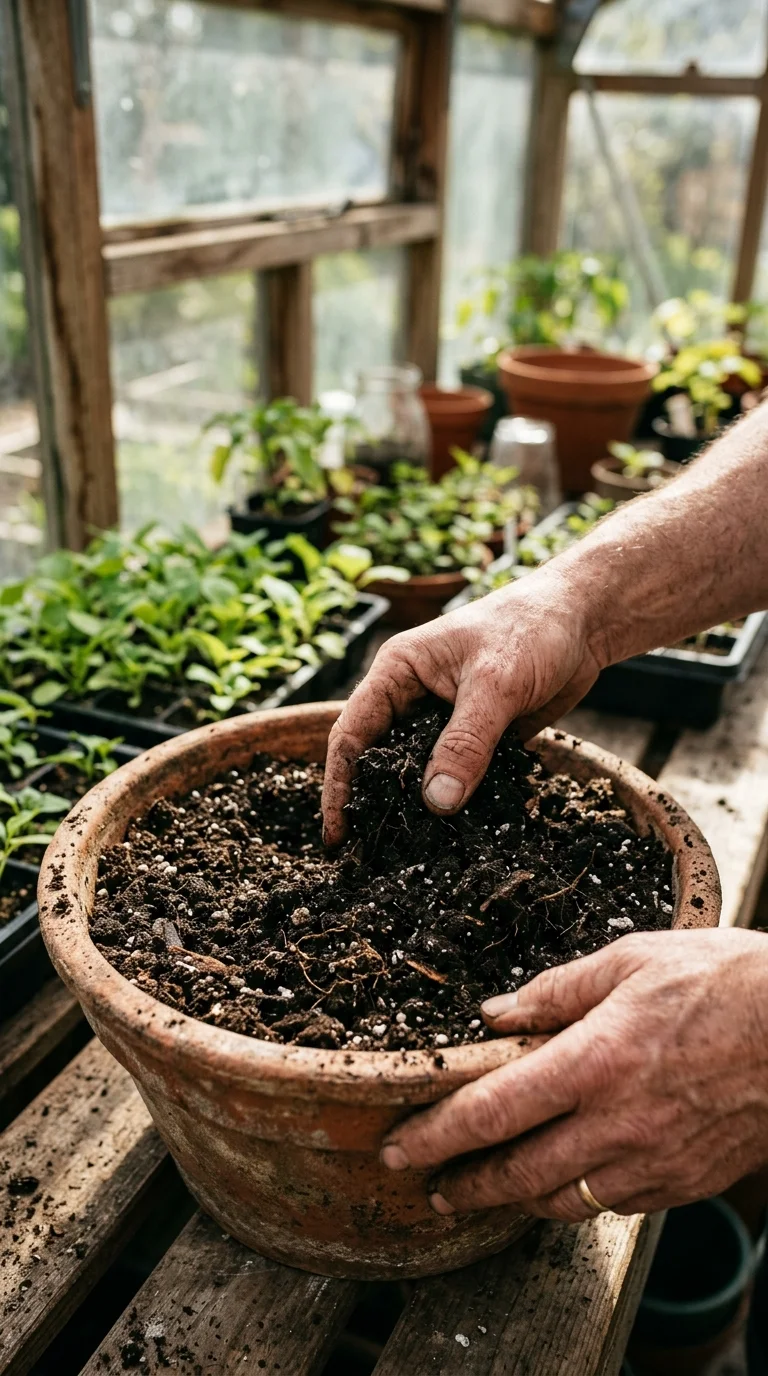
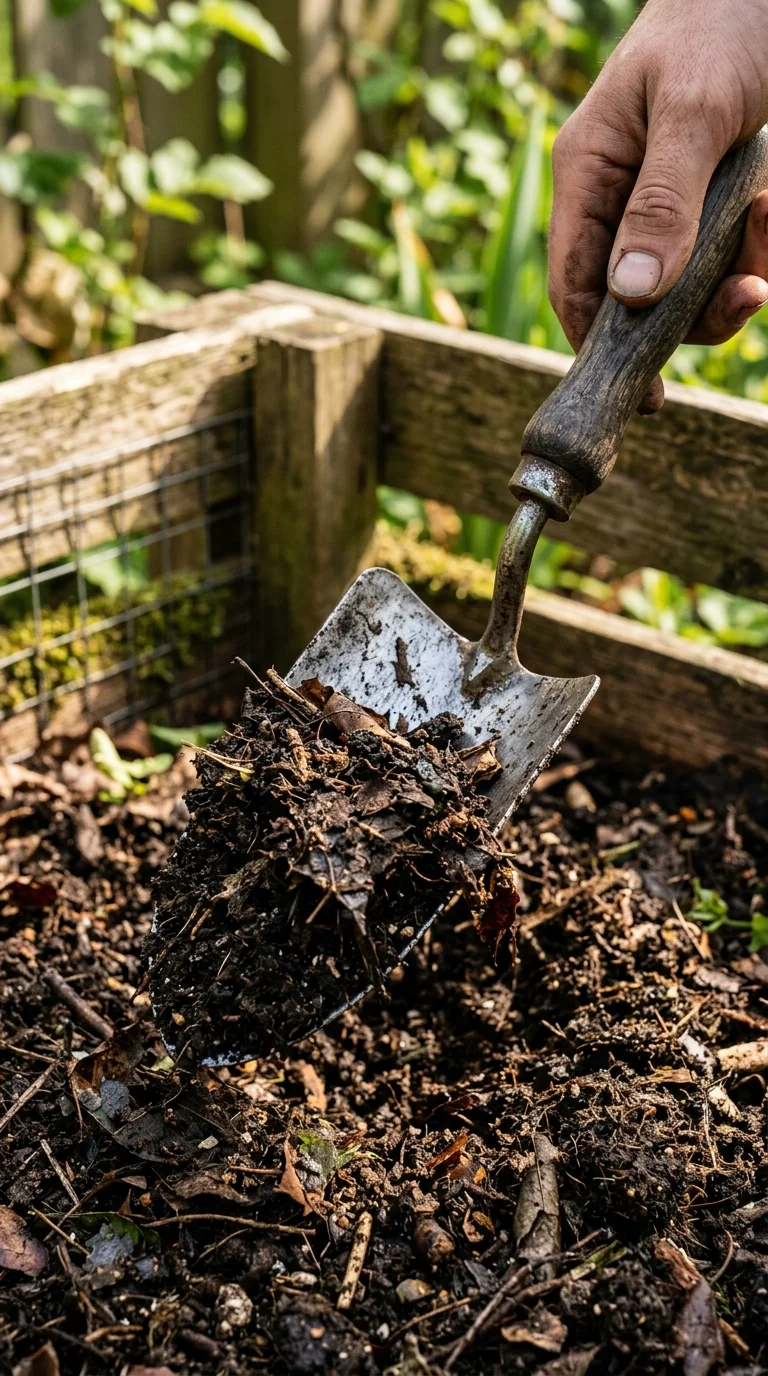
- Rich Homemade Compost: Packed with beneficial soil microbes that build rich soil structure and suppress root diseases. Apply a 2-inch layer each spring and autumn.
- Earthworm Castings: Worm castings supply gentle, slow-release plant nutrients and humic acids that stimulate root development and plant immunity.
- Liquid Kelp & Seaweed Extract: Rich in over 60 micro-nutrients and natural growth hormones, kelp helps garden crops build resilience against heat, drought, and insect stress.
- Organic Mulch: Spreading straw, shredded leaves, or wood chips over soil beds keeps root zones cool, conserves water, and shelters beneficial ground beetles.
For detailed instructions on preparing nutrient-dense beds, explore our complete guide on how to prepare soil for planting.
Seasonal Harvest & Ongoing Pest Management
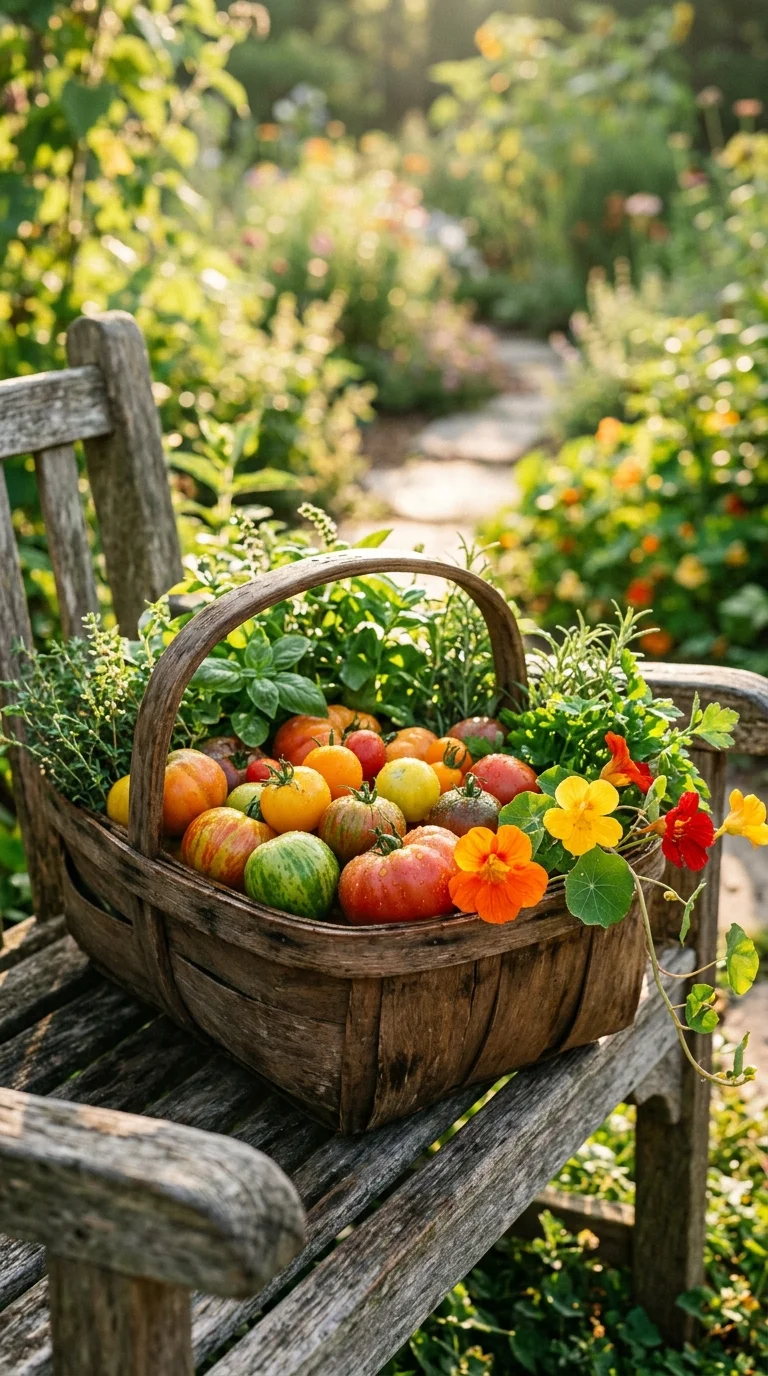
Harvesting fresh, clean vegetables from an organic backyard garden is one of the most rewarding experiences in home gardening. To enjoy peak flavor and nutrition while keeping crops healthy, follow these seasonal harvest tips:
- Harvest in the Cool Morning: Gather leafy greens, herbs, and root crops early in the day when plant cells are fully hydrated.
- Pick Warm-Season Crops at Peak Maturity: Pick tomatoes and peppers when fully colored but firm, allowing them to finish ripening indoors.
- Save Seeds from Resilient Plants: Save seeds from your healthiest, most pest-resistant plants. Over successive seasons, these seeds adapt to your specific backyard microclimate.
By maintaining organic practices, you cultivate a sanctuary for songbirds, native bees, butterflies, and beneficial garden toads. For additional foundational tips, check out our comprehensive guide on gardening tips for beginners.
Frequently Asked Questions
Q: What is the best natural garden pest control method for beginners?
A: The best starting point for beginners is physical prevention and observation: sit in your garden daily to catch bugs early, encourage beneficial insects like ladybugs with companion flowers, and use gentle organic remedies like Insecticidal Soap or Neem Oil only when necessary.
Q: Is organic garden pest control safe around backyard pets?
A: Yes! Organic remedies like Diatomaceous Earth, B.T., and Neem Oil are far safer for dogs, cats, and backyard chickens than synthetic chemical pesticides. However, keep pets out of the garden while applying sprays until leaves dry completely.
Q: How do I get rid of pests in my vegetable garden naturally?
A: Identify the pest first. Hand-pick larger insects into soapy water, apply Diatomaceous Earth for crawling bugs, spray target-specific organic treatments like B.T. or Spinosad in the late evening, and plant trap crops like nasturtiums to draw bugs away from your main harvest.
Q: Can I make homemade pest control for garden plants using dish soap?
A: Avoid synthetic household dish soaps, as they contain harsh detergents that strip protective leaf waxes. Instead, make safe homemade sprays using 1 to 2 tablespoons of pure organic castile soap per gallon of water.
Q: Will natural pest control sprays harm honeybees and butterflies?
A: Certain organic sprays (such as Pyrethrin and Spinosad) can affect pollinators on direct contact while wet. To protect bees and butterflies, always apply organic sprays during late evening when pollinators are inactive.
Q: Why do organic pest control sprays need to be applied more frequently?
A: Organic treatments break down naturally in sun and moisture without leaving toxic environmental residues. Because they lack synthetic chemical glues, reapplication after rain or overhead watering is required for continued protection.