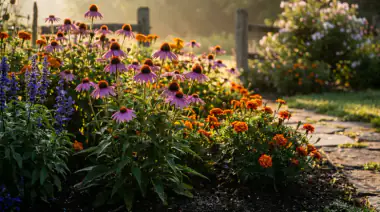
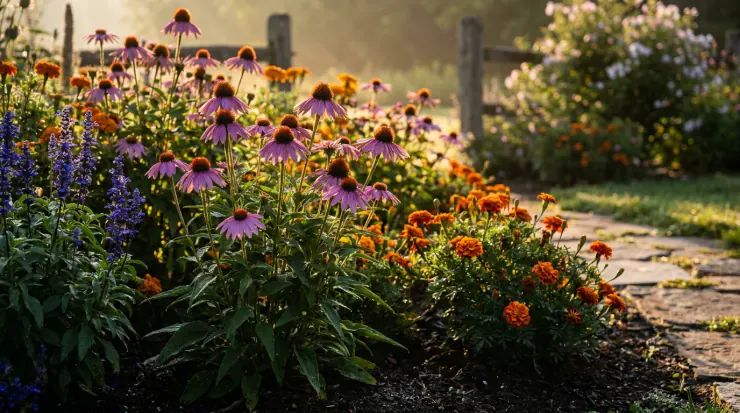
Do you have a spot in your yard that gets baked by the hot sun all day long? Many gardeners struggle to keep plants alive in these bright, scorching areas where the soil dries out quickly. In this guide, I will show you the best flowers for full sun so you can turn that hot spot into a colorful paradise.
Quick Answer: To fill your brightest garden spots, choose tough plants like coneflowers, lantana, marigolds, and petunias. These stellar flowers for full sun thrive on sunshine and will reward you with bright colors all season long with just a little basic care.
Beautiful Full Sun Perennials Drought Tolerant Choices for Your Beds
Perennials are the true backbone of any beautiful home garden. These are the plants that come back year after year from their own roots. When you choose full sun perennials drought tolerant varieties, you get a double benefit. They can handle the brightest, hottest sunlight while getting by on very little water once they are established.
In most cases, drought tolerance means a plant has adapted to survive dry spells. They might have deep roots, thick leaves, or special coatings that keep moisture inside. For a beginner, planting these tough survivors is a great way to build confidence. You will spend less time dragging the garden hose around and more time enjoying the view.
Let us look at some of the best perennials that love the baking sun.
Coneflowers (Echinacea)
Many gardeners find that coneflowers are the absolute kings of the sunny garden. These native plants have sturdy, daisy-like petals that surround a raised, spiky center cone. They come in classic purple, but you can also find them in bright red, orange, yellow, and white.
Coneflowers grow deep roots that help them find water deep in the ground during dry spells. Bees and butterflies love to visit the bright blooms all summer long. In the autumn, the seed heads turn brown and provide a wonderful natural feast for local songbirds.
Dianthus (Pinks)
If you love old-fashioned cottage charm, dianthus is a wonderful choice for your garden borders. These plants are often called “pinks” because their petals look like they were cut with pinking shears. They produce small, abundant flowers that often carry a sweet, spicy scent similar to cloves.
Dianthus leaves are usually blue-green and form neat, low-growing mounds. They do not like soggy soil, so make sure you plant them in a spot where water drains away quickly. They look beautiful tucked along walkways or spilling over the edges of raised beds.
Salvia (Sage)
Salvia is a tough-as-nails perennial that produces tall, beautiful spikes of flowers. Most salvias bloom in shades of deep blue, purple, pink, or bright red. The leaves have a rich, herbal scent that deer and rabbits generally dislike, which is a huge plus for many backyard growers.
These plants are highly resistant to heat and dry weather once their roots settle into the soil. They provide excellent vertical structure in your garden layout. When you plant them in groups, they create a beautiful sea of color that moves gently in the warm summer breeze.
Sedum (Stonecrop)
Sedum is a succulent plant, which means it stores water in its thick, fleshy leaves. This clever design makes it incredibly tough during long, dry summer weeks. Sedum varieties come in many shapes, from low-growing groundcovers to upright clumps like the classic ‘Autumn Joy’.
In late summer, sedums produce flat clusters of star-shaped flowers that change color as the season progresses. They often start out pale green, turn to soft pink, and eventually fade to a rich rust-red in the fall. They are incredibly easy to grow and require almost no extra attention once planted.
Dwarf Mugo Pine
While not a flowering plant, dwarf conifers like the mugo pine deserve a spot in your sunny beds. They provide beautiful, deep green needles and a steady shape that lasts all year long. This evergreen structure helps highlight the bright colors of your flowering perennials.
Mugo pines are very slow growers and can handle dry, sandy soils with ease. They act as a wonderful anchor in your garden design. Placing one near the center or back of your flower bed gives the eye a nice place to rest.
The Best Annuals for Full Sun in Hanging Baskets and Pots
Annuals are plants that complete their entire life cycle in just one single growing season. They grow from seed, produce a massive show of flowers, set new seeds, and then finish their journey when winter arrives. Because they only have one season to shine, they put an incredible amount of energy into blooming.
When looking for the best annuals for full sun, you want varieties that can handle high light levels without burning. These plants are perfect for window boxes, hanging baskets, and decorative patio pots. They allow you to change your garden’s color scheme every single spring.
To design a beautiful container, many gardeners use the classic “thriller, filler, spiller” recipe.
- Thrillers are tall, eye-catching plants placed in the center or back.
- Fillers are mounding plants that fill in the middle space.
- Spillers are trailing plants that drape beautifully over the edges of the pot.
Let us explore some of the best annuals to use in your sunny container designs.
Calibrachoa (Superbells)
Calibrachoa looks like a miniature petunia, but it is actually a completely different plant. These heavy bloomers produce hundreds of small, bell-shaped flowers on trailing stems. They come in almost every color of the rainbow, including striped and multi-colored varieties.
Many gardeners find that calibrachoa is the ultimate “spiller” for hanging baskets. They are self-cleaning, which means you do not have to pinch off dead flowers to keep them blooming. Just give them plenty of sun, regular fertilizer, and water when the top inch of soil feels dry.
Dahlias
Dahlias are famous for their incredibly detailed, geometric flower shapes. They grow from tuberous roots and can range from tiny pom-poms to massive blooms the size of a dinner plate. While many people grow them in large garden beds, smaller varieties do wonderfully in pots.
Use a medium-sized dahlia as a stunning “thriller” in the center of a container. Their bold green foliage and bright blooms create an instant focal point. Be sure to use a sturdy pot, as these plants can get top-heavy when they are loaded with big flowers.
Geraniums (Pelargoniums)
Geraniums are a true classic for front porches and sunny windowsills. They have thick, scalloped leaves that often have a lovely, earthy scent. Their flowers grow in large, round clusters on sturdy stems, shining in shades of red, pink, salmon, and white.
These plants actually prefer to dry out slightly between waterings, making them very forgiving if you forget to water them occasionally. They work beautifully as “fillers” in mixed pots. You can also find trailing ivy geraniums that make wonderful “spillers” for window boxes.
Lantana
Lantana is an absolute champion when it comes to handling intense, direct sunlight. The flower heads are made up of clusters of tiny, trumpet-shaped blooms. Often, a single flower cluster will feature multiple colors like orange, yellow, and bright pink all at once.
The leaves have a strong, citrus-like scent when crushed, which helps keep plant-eating pests away. Lantana is highly attractive to butterflies and hummingbirds. It can grow as a mounding filler or a trailing spiller, depending on the specific variety you choose.
Marigolds
Marigolds are a staple of the traditional cottage garden. They produce cheerful, carnation-like flowers in warm shades of yellow, gold, orange, and deep bronze. They are incredibly easy to grow from seed, making them a perfect project for young gardeners.
Many people plant marigolds in containers near their vegetable gardens. Their strong, distinct scent is thought to help deter common garden pests naturally. They love the sun and will bloom happily from late spring all the way until the first hard frost of autumn.
Petunias
Petunias are perhaps the most popular choice for sunny hanging baskets across the country. Modern hybrids, like the famous Supertunia series, are incredibly vigorous growers. They can easily cascade several feet down the side of a container, creating a massive waterfall of color.
These plants are hungry and thirsty, so they will need regular watering and weekly liquid feeding. However, the payoff is a non-stop display of beautiful, trumpet-shaped flowers. They pair wonderfully with upright grasses or dark, leafy foliage plants.
Sweet Potato Vine
While this plant does not produce showy flowers, its foliage is absolutely spectacular. Sweet potato vine grows rapidly, sending out long, trailing stems covered in heart-shaped or deeply lobed leaves. It comes in striking colors like lime green, deep purple, and variegated bronze.
This is the ultimate “spiller” plant for any large container in full sun. The bright lime-green varieties create a stunning contrast when paired with dark purple petunias or red geraniums. It thrives in the heat and will easily trail all the way to the ground by late summer.
Verbena
Verbena is a low-growing, spreading plant that produces dense clusters of small, star-like flowers. It comes in beautiful shades of purple, blue, red, pink, and white. It is highly resistant to heat and can tolerate dry soil much better than many other annual flowers.
Use verbena to fill in the gaps around the edges of your pots. It will weave its way between other plants and spill gently over the rim. It is a favorite stop for passing bees and adds a soft, natural texture to your arrangements.
Zinnias
Zinnia flowers are like little bursts of pure joy in the garden. They have stiff, sturdy stems and bright, daisy-like flower heads in almost every color except blue. Dwarf varieties, like the ‘Profusion’ series, grow into neat, compact mounds that are perfect for pots.
Zinnias are incredibly tough and do not mind high heat or humidity. They love to be bathed in direct sunlight all day long. Keep them watered at the base of the plant to keep their leaves dry, clean, and healthy.
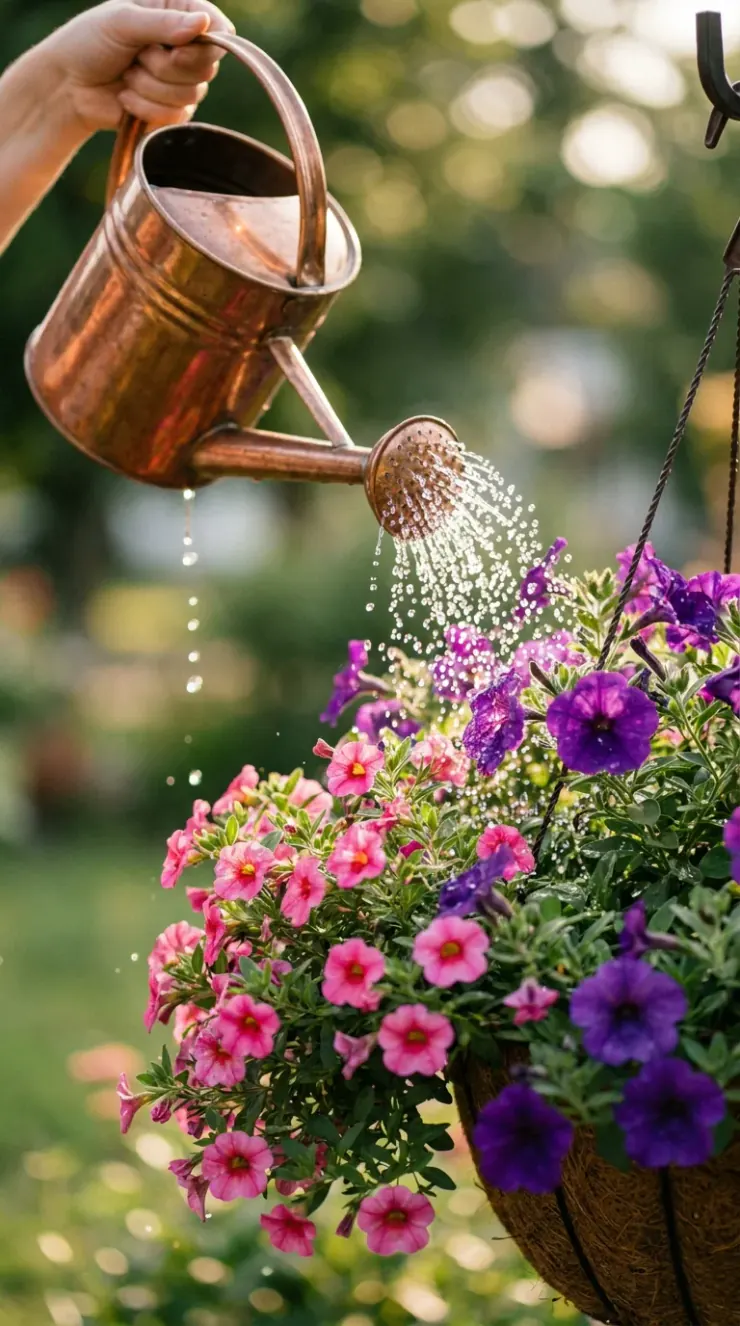
How to Grow Heat Tolerant Flowers for Full Sun Successfully
There is a big difference between a plant that merely survives the heat and one that truly thrives in it. When you plant heat tolerant flowers for full sun, you are choosing varieties that can handle high temperatures without wilting, dropping their buds, or stopping their flower production.
To help these sun-lovers do their best, you need to use the right planting and care techniques. Even the toughest plants need a little help to get their roots established in hot weather. Here is a simple, step-by-step guide to planting and caring for your heat-tolerant flowers.
Step 1: Select the Perfect Container
The pot you choose plays a massive role in how well your plants handle the heat. Small clay pots look beautiful, but they are highly porous and dry out incredibly fast in the summer sun.
- Choose larger containers that can hold a good volume of soil.
- More soil means the pot can hold onto moisture much longer.
- Light-colored pots are generally better because they reflect sunlight and keep plant roots cooler than dark black or metal pots.
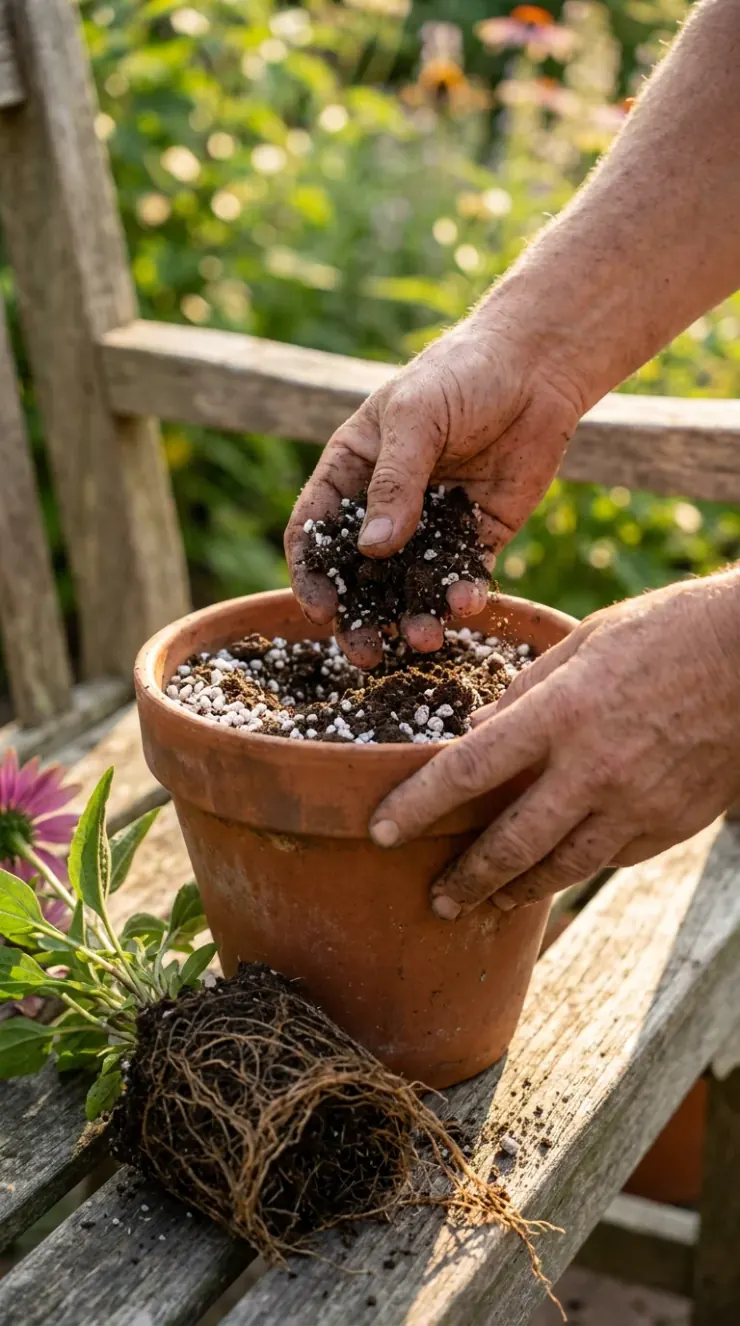
Step 2: Prepare a Rich Soil Mix
Never use heavy garden soil from your yard inside a container. It packs down too tightly, suffocating plant roots and preventing water from draining properly.
- Fill your pots with a high-quality, lightweight potting mix.
- Look for mixes that contain peat moss, coco coir, and perlite.
- These ingredients work together to hold onto just the right amount of moisture while letting excess water drain out of the bottom holes.
Step 3: Plant at the Right Depth
When you are ready to plant, gently remove each flower from its plastic nursery pot.
- If the roots are tightly bound in a circle, use your fingers to gently wiggle them loose.
- Dig a small hole in your potting mix and set the plant inside.
- Make sure the top of the plant’s root ball is level with the surrounding soil.
- Press the soil down gently around the base of the stem to remove any large air pockets.
Step 4: Add a Protective Layer of Mulch
Mulch is like a cozy blanket for your garden soil.
- Spread a one-inch layer of shredded bark, wood chips, or clean straw over the top of the soil in your pots or garden beds.
- Keep the mulch a tiny bit away from the actual stems of your plants to prevent rot.
- This simple layer helps block out the hot sun, keeps the soil cool, and slows down water evaporation by a massive amount.
Step 5: Water Deeply and Consistently
Watering correctly is the most important part of summer garden care.
- It is usually best to water your plants early in the morning before the sun gets high and hot.
- This gives the plants plenty of moisture to drink before the heat of the day sets in.
- Water deeply until you see it running out of the drainage holes at the bottom of the pot.
- This encourages the roots to grow deep down into the container rather than staying near the dry top surface.
Step 6: Monitor and Protect During Heatwaves
Even the toughest heat-tolerant plants can get stressed when temperatures climb into the high nineties for days on end.
- Keep a close eye on your plants for signs of heat stress, such as wilting that does not improve after watering, crispy leaf edges, or dropped flower buds.
- If your pots are portable, you might want to move them into a spot that gets some afternoon shade during extreme heatwaves.
- You can also use a temporary piece of shade cloth to protect delicate young plants from the harshest midday rays.
| Plant Name | Plant Type | Key Feature | Best Container Role |
|---|---|---|---|
| Coneflower | Perennial | Extremely drought tolerant; attracts birds | Thriller / Accent |
| Dianthus | Perennial | Spicy clove scent; beautiful gray-green foliage | Filler / Border |
| Salvia | Perennial | Spiky flower forms; deer and rabbit resistant | Thriller / Structure |
| Sedum | Perennial | Succulent leaves; stores water easily | Spiller / Filler |
| Calibrachoa | Annual | Hundreds of mini-petunia flowers; self-cleaning | Spiller |
| Dahlia | Annual | Massive, geometric blooms; bold foliage | Thriller |
| Geranium | Annual | Classic round flower heads; drought tolerant | Filler |
| Lantana | Annual | Multi-colored bloom clusters; loves high heat | Spiller / Filler |
| Marigold | Annual | Bright warm colors; pest-deterring scent | Filler |
| Petunia | Annual | Vigorous growth; massive cascading blooms | Spiller |
| Sweet Potato Vine | Annual | Fast-growing, colorful foliage; dramatic trailing | Spiller |
| Verbena | Annual | Spreading, low-profile growth; highly heat resistant | Spiller / Filler |
| Zinnia | Annual | Bright, cheerful colors; loves direct sun | Filler |
Choosing Flowers That Bloom All Summer Full Sun Secrets Revealed
Every gardener dreams of a backyard filled with non-stop color from May until October. However, many people find that their gardens go through a mid-summer slump. This happens when early summer flowers fade, leaving behind nothing but green leaves and empty stems.
To avoid this, you need to choose flowers that bloom all summer full sun varieties. These plants are genetically programmed to keep producing new flower buds continuously throughout the warm months. But even these heavy bloomers need a little strategic help from you to keep the show going.
Here are the secrets to maintaining a continuous, summer-long flower explosion in your yard.
The Magic of Deadheading
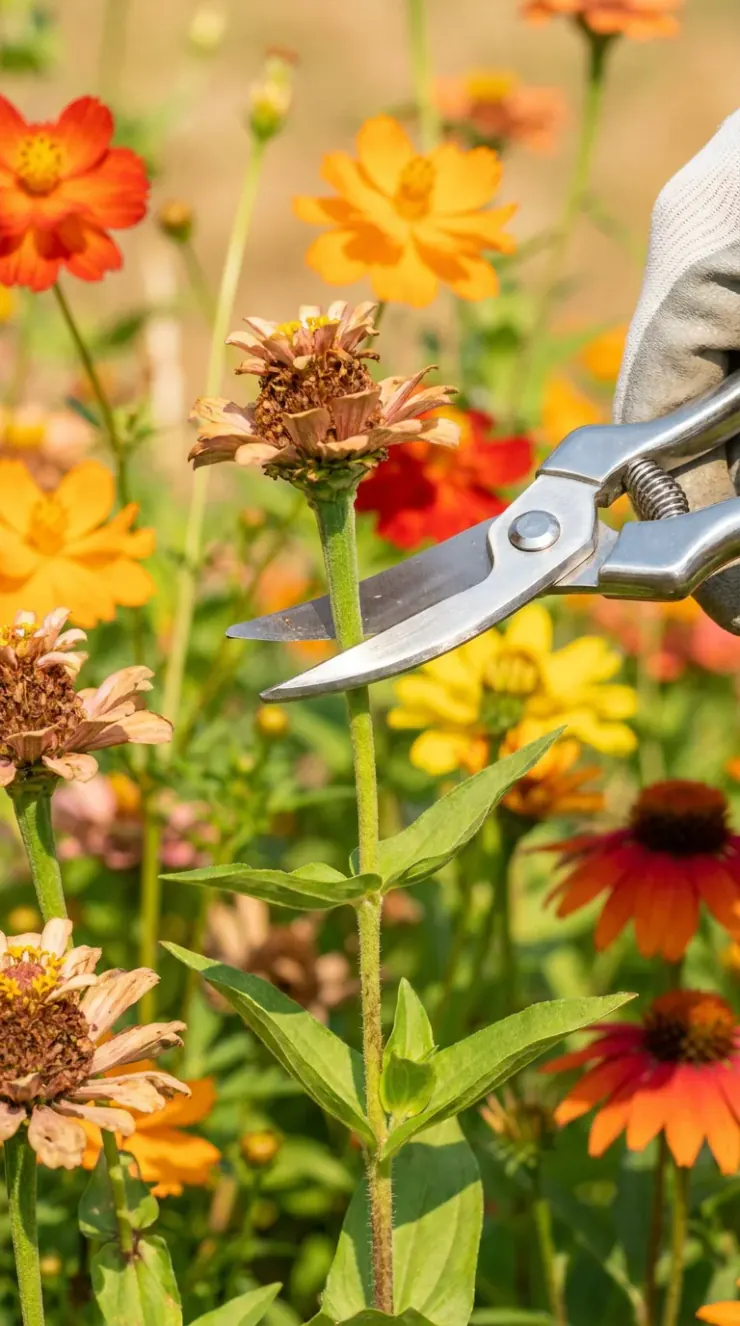
Deadheading is a simple gardening term that means cutting or pinching off faded, dying flowers. When a flower fades, the plant naturally starts directing its energy into making seeds so it can reproduce.
- By removing the old flower before it can make seeds, you trick the plant.
- It will direct its energy back into growing new flower buds instead.
- For plants like marigolds, zinnias, geraniums, and dahlias, regular deadheading is the absolute key to continuous blooming.
- Use a clean pair of snips to cut the faded flower stem back to the next set of healthy leaves.
Pinching Back for Bushier Growth
When young annuals are growing quickly in the spring, they often want to send up one single, tall stem. If you let them do this, you will end up with a tall, floppy plant with only a few flowers at the very top.
- To prevent this, practice “pinching back” your young plants.
- Use your fingernails to pinch off the very tip of the main growing stem.
- This encourages the plant to grow two new side branches from the leaf joints below.
- More branches mean a bushier plant, and a bushier plant means many more flower buds later in the season.
Choosing “Self-Cleaning” Varieties
If you do not have the time to spend every weekend deadheading your flowers, look for self-cleaning varieties. These are modern plant hybrids that have been bred to drop their old, faded flowers naturally.
- Plants like calibrachoa, sweet alyssum, and certain petunias are excellent examples of self-cleaning plants.
- Once the flower is finished, it simply shrivels up and falls off on its own.
- The plant immediately starts growing a new bud in its place without any help from you.
- This makes them incredibly low-maintenance choices for busy home gardeners.
Avoid Common Summer Gardening Mistakes
Even experienced gardeners can make simple mistakes that stall flower production.
- Overwatering in heavy soil: If your plants sit in soggy, wet soil, their roots cannot breathe. This leads to root rot, yellow leaves, and a complete stop in blooming. Always let the soil dry out slightly before watering again.
- Using the wrong fertilizer: Avoid fertilizers that are incredibly high in nitrogen. Nitrogen encourages plants to grow lots of lush, green leaves, but it can actually prevent them from forming flower buds. Look for fertilizers with a higher middle number (phosphorus), which promotes healthy root growth and abundant blooms.
- Crowding too many plants: It is tempting to pack tons of flowers into one single pot for an instant full look. However, as the plants grow, they will compete for water, nutrients, and sunlight. Give your plants room to breathe so they can reach their full blooming potential.
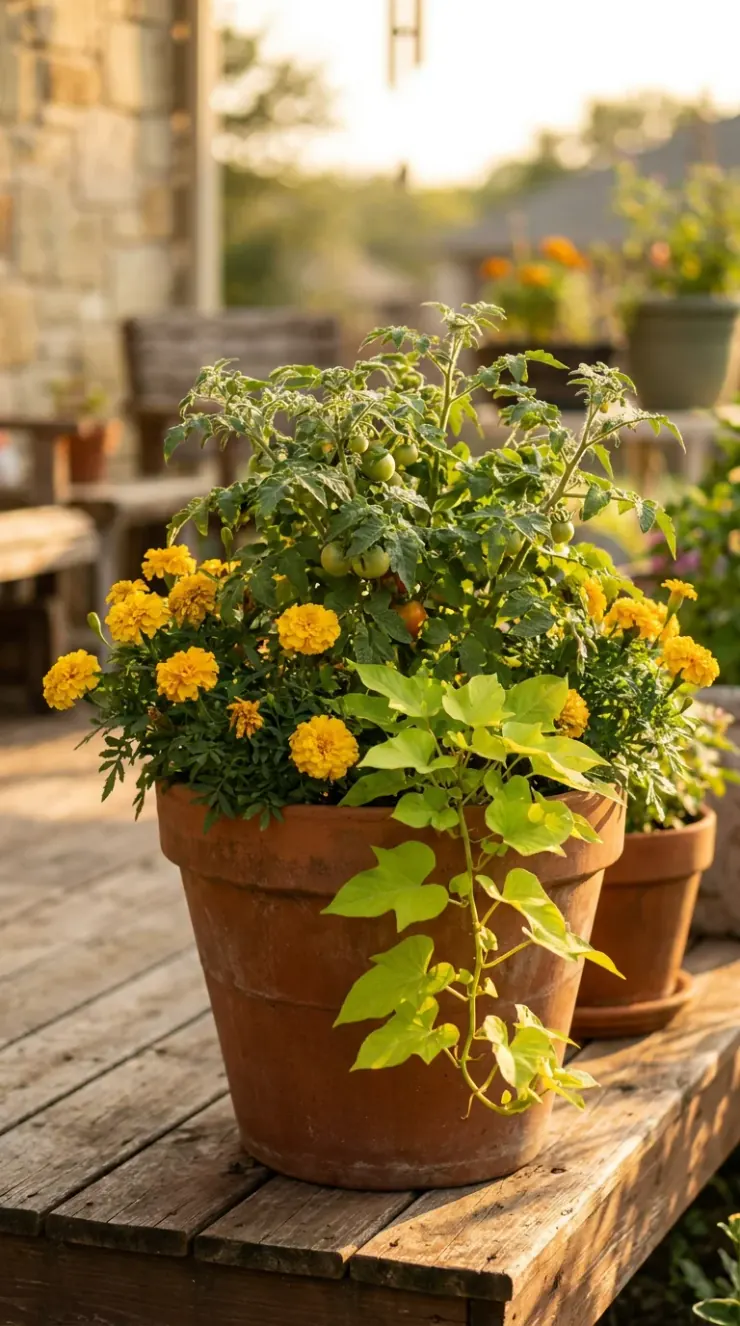
Strategic Garden Layout & Spacing Canvas
Designing a sunny garden bed is like painting a beautiful picture with living colors. To create a space that is both beautiful and healthy, it helps to look at permaculture principles. Permaculture is a design style that mimics the patterns found in nature.
In nature, plants rarely grow in neat, isolated rows with bare dirt between them. Instead, they grow in dense, supportive communities where different plants help each other thrive. You can use these ideas in your own backyard by mapping out your beds strategically.
Using a keyhole layout or curved garden paths allows you to easily reach all your plants without stepping on the soil. Stepping on the soil packs it down, which makes it hard for air, water, and roots to move freely. By keeping your beds narrow enough to reach across, you keep the soil loose, fluffy, and healthy.
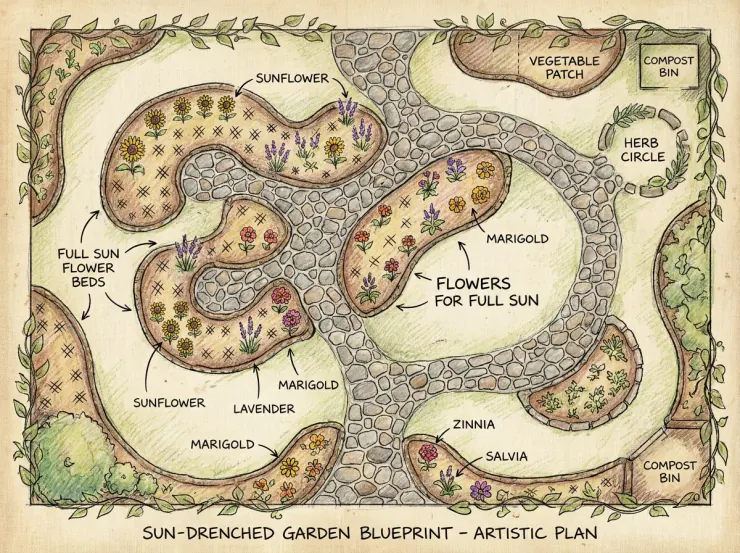
Companion planting tip: Plant your tomatoes near aromatic basil and golden marigolds to deter pests naturally and enhance yields!
Nutrient Optimization & Organic Feeding Guide
To keep your sun-loving flowers blooming beautifully all summer long, you need to feed them well. Heavy blooming takes a massive amount of energy, and plants can quickly use up all the nutrients in their soil. However, instead of relying on harsh synthetic chemicals, many gardeners find that organic feeding is much better for long-term success.
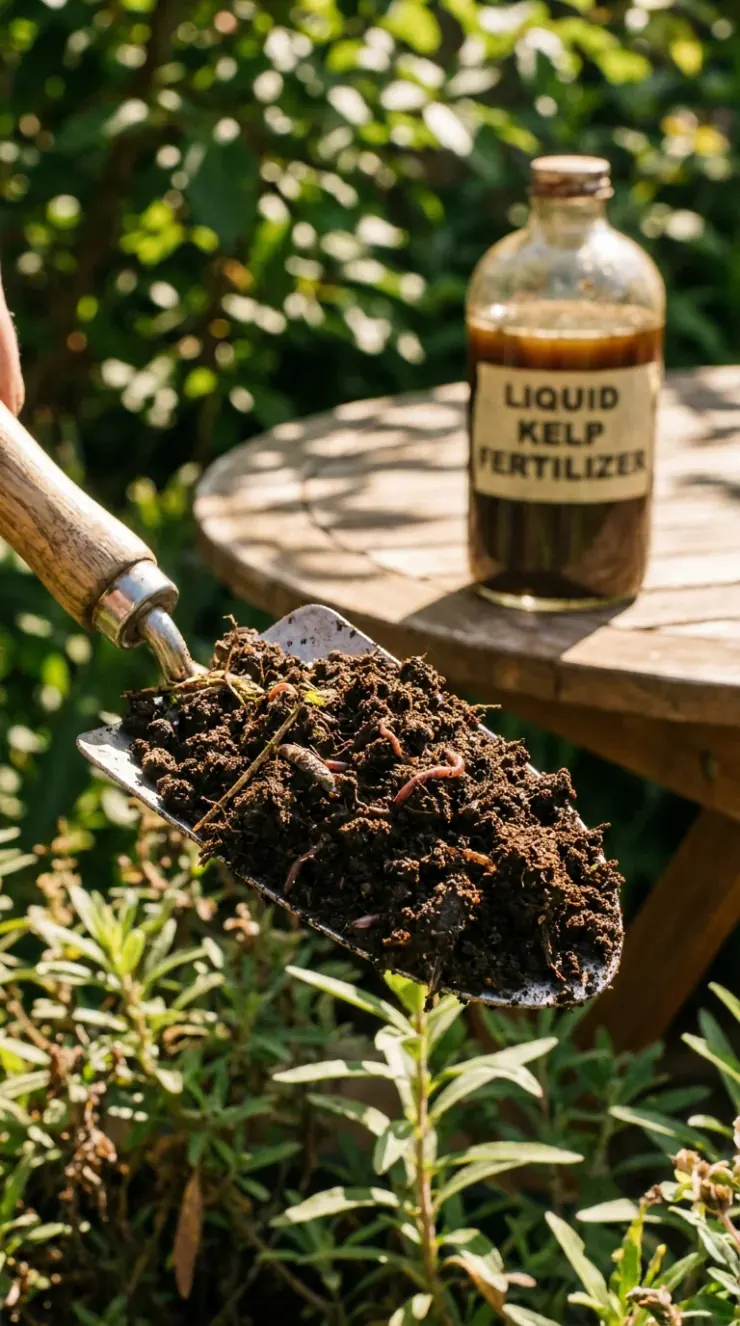
Organic feeding focuses on building a healthy soil food web. The soil food web is a complex community of tiny microbes, beneficial fungi, earthworms, and insects that live in the dirt. These tiny helpers break down organic matter and turn it into natural food that your plant roots can easily absorb.
When you feed your soil, your soil feeds your plants. This leads to stronger root systems, better disease resistance, and a much more beautiful display of flowers. Here are the best organic ingredients to use in your sunny garden.
The Power of Organic Compost
Compost is often called “black gold” by experienced gardeners, and for good reason. It is made of decomposed leaves, grass clippings, and kitchen scraps.
- Compost is packed with beneficial microbes and a wide range of essential nutrients.
- Adding a two-inch layer of compost to your garden beds every spring improves soil structure.
- It helps sandy soils hold onto moisture much better, which is a lifesaver for full-sun plants.
- In heavy clay soils, compost helps break up the tight dirt so water can drain away easily.
Slow-Release Worm Castings
Worm castings are simply the waste left behind by earthworms as they digest organic matter.
- They are incredibly rich in gentle, natural nutrients that will not burn delicate plant roots.
- Worm castings act like a natural, slow-release fertilizer.
- They slowly release food to your plants every single time it rains or you water.
- Mix a handful of worm castings into the soil of each planting hole when setting out your annuals and perennials.
Seaweed and Kelp Fertilizers
Liquid seaweed or kelp fertilizer is a wonderful treat for plants during the stressful heat of mid-summer.
- Seaweed is packed with trace minerals, plant hormones, and vitamins that help plants handle environmental stress.
- It works like a natural multivitamin, making your flowers more resistant to extreme heat and dry spells.
- You can mix liquid seaweed with water and spray it directly onto the leaves of your plants.
- The leaves can absorb the nutrients quickly, giving the plant an almost instant boost in health and color.
Creating an Organic Feeding Schedule
To get the absolute best results, it helps to establish a simple, regular feeding routine for your garden.
- In the Spring: Mix plenty of rich compost and worm castings into your garden beds and potting mixes before planting. This builds a strong foundation of nutrients for the coming season.
- In the Summer: Feed your hungry annuals every two weeks with a diluted, organic liquid fertilizer. Perennials generally need less food; a single application of compost in the spring is often enough to keep them happy all year.
- In the Autumn: Leave fallen leaves on your garden beds to act as a natural mulch. As they break down over the winter, they will feed the soil microbes and prepare your beds for next spring.
Ultimate Harvesting & Seasonal Blooms Rewards
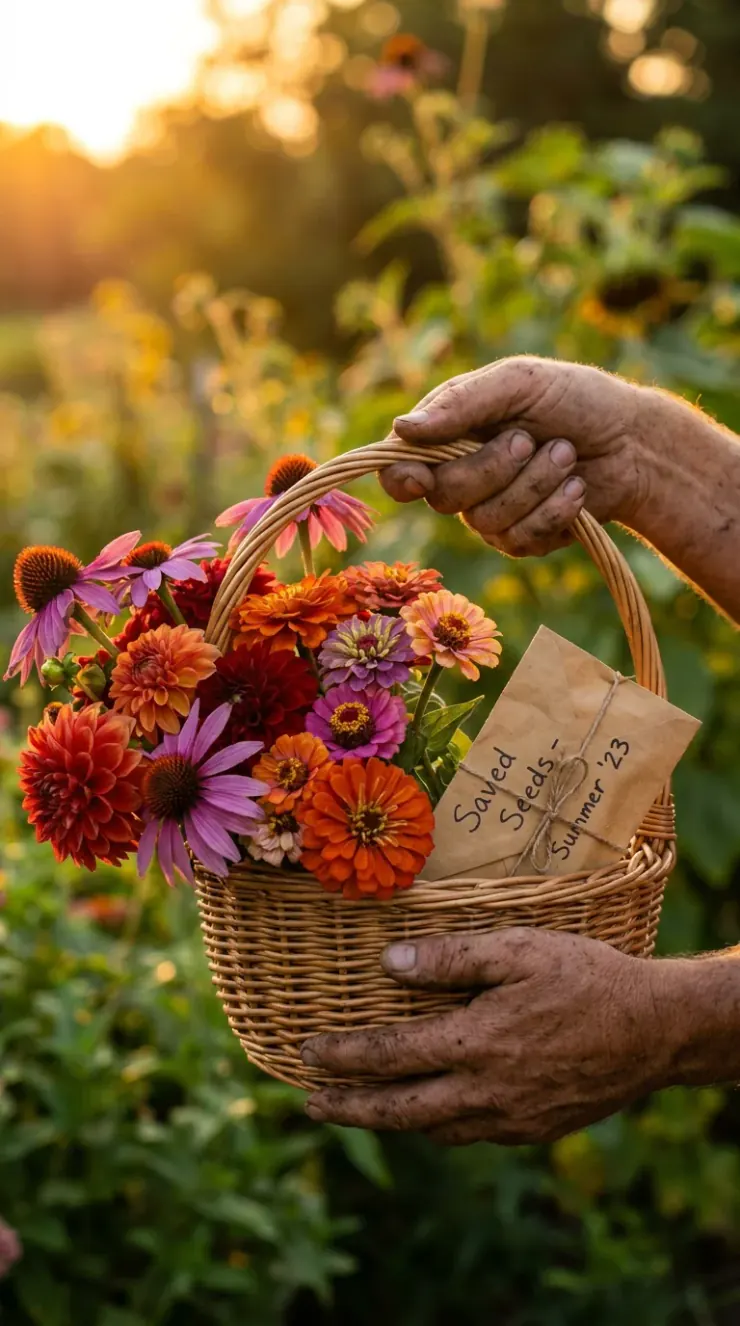
One of the greatest joys of growing a sunny flower garden is being able to harvest the beautiful rewards of your hard work. Bringing fresh, home-grown flowers inside to fill your home with color and scent is incredibly satisfying. Plus, harvesting your flowers actually encourages the plants to grow even more blooms.
To get the most out of your cut flowers, it helps to follow a few simple harvesting rules.
- Always cut your flowers early in the morning when the stems are fully hydrated from the cool night air.
- Use a clean, sharp pair of scissors or garden snips to make a clean cut at a 45-degree angle.
- This angled cut prevents the stem from sitting flat against the bottom of your vase, allowing it to drink water easily.
- Remove any leaves that would sit below the water level in your vase, as wet leaves will quickly rot and create smelly, dirty water.
The Joy of Saving Seeds
As the summer starts to wind down in late September, you can start saving seeds from your favorite annual flowers. This is a wonderful, budget-friendly way to grow another beautiful garden next spring for absolutely free.
- Let a few of your best-looking marigold or zinnia flowers go to seed on the plant.
- Wait until the flower head turns completely brown and dry.
- Gently pluck the seed head off the plant and crumble it over a clean paper plate.
- Separate the dry seeds from the papery chaff (the leftover flower parts).
- Store your clean, dry seeds in a paper envelope in a cool, dark, and dry place until next spring.
Preparing Your Garden for the Winter Months
When the first frost of autumn arrives, your annual flowers will naturally finish their life cycle. This is a great time to transition your garden into its winter rest period.
- Pull out dead annual plants and add them to your compost pile, as long as they are free of pests and diseases.
- Cut back faded perennial stems, but consider leaving some seed heads behind.
- Plants like coneflowers provide vital food for hungry birds during the cold winter months.
- Spread a fresh, thick layer of mulch over your perennial beds to protect their roots from freezing winter temperatures.
By taking care of your soil and choosing the right plants, you can create a beautiful, buzzing backyard ecosystem. Your sunny garden will become a safe haven for local bees, butterflies, and birds, while providing you with endless color and joy.
Frequently Asked Questions
Q: How many hours of direct sunlight do flowers for full sun actually need?
A: In most cases, plants labeled for full sun need at least six hours of direct, unfiltered sunlight every single day. Many of these tough plants will do even better if they get eight to ten hours of sun, especially in northern climates.
Q: Why are the leaves on my sun-loving potted plants turning yellow?
A: Yellow leaves can often be a sign of overwatering. Even though these plants love the sun, their roots will rot if they sit in soggy, wet soil. Always make sure your pots have good drainage holes and let the top inch of soil dry out before watering again.
Q: Do I need to fertilize my drought-tolerant perennials?
A: Generally, drought-tolerant perennials do not need a lot of extra fertilizer. Adding a nice layer of organic compost to the soil around them in the spring is usually more than enough to keep them healthy and blooming.
Q: Can I grow sweet potato vine indoors during the cold winter months?
A: Many gardeners find they can bring sweet potato vine indoors before the first frost. You can take cuttings, let them grow roots in water, and keep them in a bright, sunny window as a lovely houseplant until spring.
Q: What is the best way to keep pests off my outdoor marigolds?
A: Marigolds are actually very good at deterring many pests on their own due to their strong scent. If you do notice pests like spider mites, a gentle spray of water from your garden hose is often enough to wash them away safely.
Q: Do coneflowers need to be cut back in the fall?
A: You can cut them back if you prefer a very neat look, but many gardeners choose to leave them standing. The dry seed heads look beautiful in the winter snow and provide important food for local birds like goldfinches.