![Perennial Flowers: Plant Once, Bloom for Years [Easy Guide] — featured image](/images/perennial-flowers-380.webp)
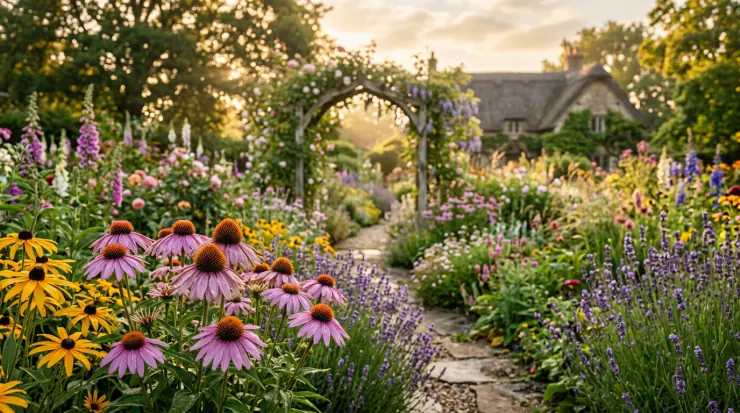
Do you dream of a gorgeous backyard filled with color year after year, but feel tired of planting new blooms every spring? Many home gardeners struggle with the constant chore and cost of replanting annuals that only last for a single season. In this complete guide, I will show you how to design a beautiful, low-maintenance garden using hardy perennial flowers that return to delight you spring after spring.
Quick Answer: Perennial flowers are plants that live for more than two years, returning each spring from their existing root systems. To build a thriving garden, you should plant a smart mix of sun-loving and shade-tolerant perennials during their ideal planting windows in spring or autumn.
Discover the Best Perennial Flowers for Full Sun
When you step out into your backyard on a bright summer day, you might notice areas that get baked by the sun all day long. These open, bright spaces are perfect for sun-loving plants. In the gardening world, “full sun” generally means an area that gets at least six hours of direct, unfiltered sunlight daily.
If you have a spot like this, you are in luck. Many of the most colorful, hardy, and exciting plants thrive in these bright conditions. Let us look at some of the top choices you can plant to create a sunny paradise.
Coneflowers (Echinacea)
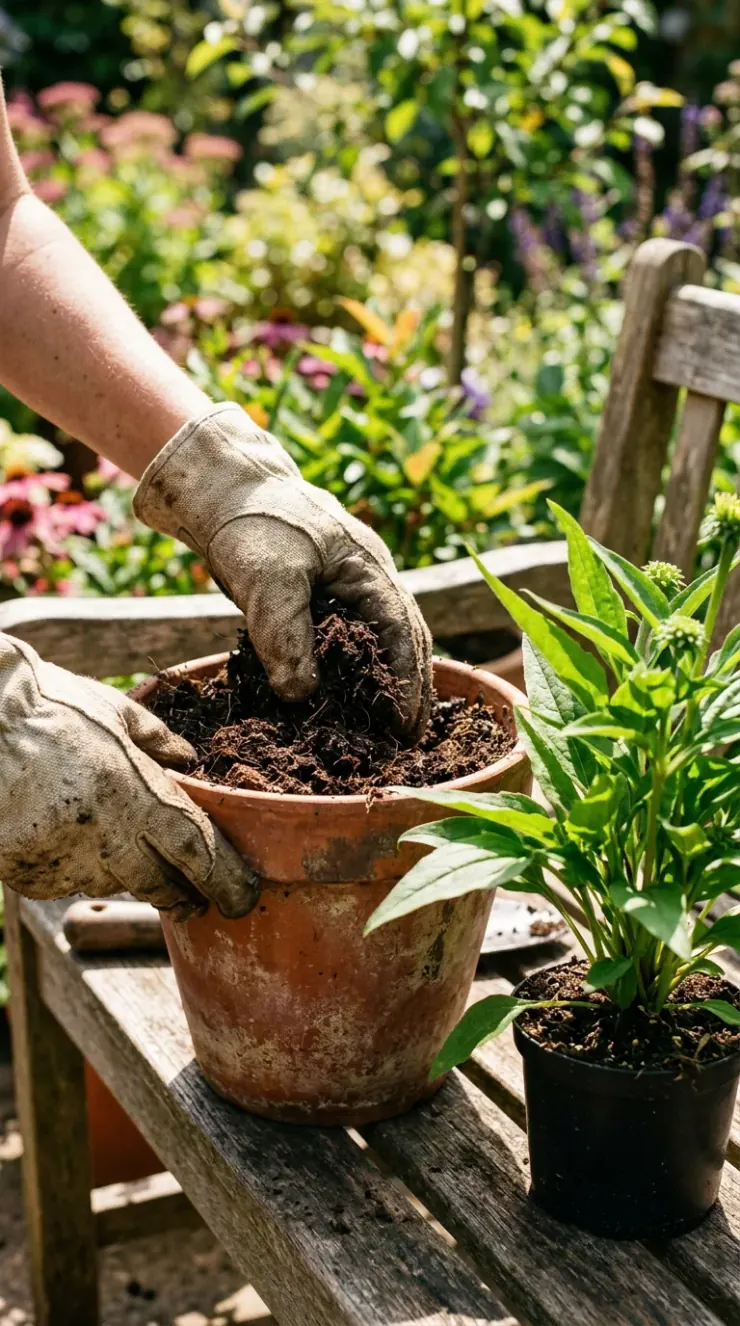
Coneflowers are a true staple of the sunny garden. They look like happy daisies with raised, cone-shaped centers. You can find them in classic purple, but plant breeders have also created varieties in bright orange, yellow, and warm red.
These plants are incredibly tough. Once their roots get settled in your soil, they can handle dry spells with ease. Many gardeners find that coneflowers are excellent for attracting friendly bees and colorful butterflies to the yard.
Black-Eyed Susan (Rudbeckia)
With their bright golden petals and dark, button-like centers, Black-Eyed Susans bring instant cheer to any garden bed. They are famous for their rugged nature. They are not picky about soil, and they can handle heat and drought without drooping.
These flowers often bloom from mid-summer right up until the first frost of winter. They also make wonderful cut flowers for your kitchen table.
Lavender
Lavender is famous for its sweet, calming scent and beautiful silvery-green foliage. It produces spikes of purple or blue flowers that sway gently in the summer breeze.
To keep lavender happy, you must give it excellent drainage. It loves sandy or gravelly soil and does not like to have “wet feet,” which means roots that sit in soggy mud. Once established, it is highly drought-tolerant and naturally repels pests like mosquitoes.
Yarrow (Achillea)
Yarrow is an incredibly hardy plant with feathery, fern-like leaves. It produces flat-topped clusters of tiny flowers in shades of yellow, red, pink, or white.
This plant is a favorite for pollinators. It spreads quickly, making it a great choice if you have a large open space to fill. It is also highly resistant to pests and can grow in poor, dry soils where other plants might struggle.
Russian Sage
This plant looks like a soft, blue cloud in the garden. It has woody stems with tiny, grayish-green leaves and long sprays of lavender-blue flowers.
Russian Sage can grow up to four feet tall, but it has a lovely, relaxed habit of draping over nearby plants. It releases a pleasant, herbal scent when you brush past it. It thrives in hot, dry conditions and loves the brightest spot in your yard.
Stonecrop (Sedum)
Sedum is a succulent, which means it has thick, fleshy leaves that store water. The variety known as “Autumn Joy” is a favorite for late-season color. It starts with green, broccoli-like buds in summer.
By autumn, these buds open into beautiful rosy-pink flower heads that slowly turn a deep rust-red. It is a fantastic plant for adding texture and structure to your garden during the chilly autumn months.
Peonies
Peonies are the royalty of the spring garden. They produce massive, fragrant blooms that look like fluffy clouds of pink, white, or red.
While their blooming season is relatively short, the plants themselves are incredibly long-lived. In fact, a healthy peony plant can live for a hundred years or more. They prefer rich, well-drained soil and a spot where they can soak up the morning sun.
Liatris (Blazing Star)
Liatris is a unique plant that grows tall, fuzzy spikes of purple or white flowers. Unlike most flower spikes that open from the bottom up, Liatris flowers open from the top down.
This plant is highly attractive to butterflies and hummingbirds. It adds a wonderful vertical shape to your garden beds, breaking up the rounded shapes of other flowers.
Bearded Iris
The bearded iris is famous for its elegant, ruffled petals that look like hand-painted art. They come in almost every color of the rainbow, from deep purple to sunny yellow.
These plants grow from thick, underground stems called rhizomes. They need well-drained soil and like to have the tops of their rhizomes exposed to the sun and air to prevent rotting.
Salvias (Sage)
Salvias are close relatives of the kitchen herb you use for cooking. They grow spikes of deep purple, blue, or pink flowers that bloom for weeks.
They are highly resistant to deer and rabbits, who dislike the strong scent of the leaves. Salvias are perfect for planting along borders or pathways where you can enjoy their long-lasting color.
Create a Constant Show with Long Blooming Perennial Flowers
One common worry for new gardeners is that perennials only bloom for a short time. While some plants do have a quick show, there are many varieties that keep producing flowers for months. By choosing these long-lasting champions, you can enjoy a garden that looks colorful from late spring all the way to autumn.
To get the most out of these plants, it helps to understand a simple gardening chore called “deadheading.” This technical term simply means snipping off old, faded flowers before they can make seeds. When you remove the dying blooms, you trick the plant into thinking its job is not done yet. The plant will then channel its energy into growing brand-new buds instead of making seeds.
Let us look at some of the absolute best varieties for continuous, long-season color.
| Perennial Flower | Typical Bloom Window | Flower Colors | Key Benefit |
|---|---|---|---|
| Cranesbill Geranium | Late Spring to Early Autumn | Blue, Purple, Pink | Excellent ground cover, repels deer |
| Catmint (Nepeta) | Late Spring to Autumn | Lavender-Blue, White | Very hardy, attracts friendly bees |
| Coreopsis (Tickseed) | Late Spring to Late Summer | Yellow, Red, Orange | Highly drought-tolerant, cheerful |
| Shasta Daisy | Late Spring to Autumn | White with Yellow Center | Classic look, great for cutting |
| Garden Phlox | Mid-Summer to Autumn | Pink, Red, Purple, White | Sweet fragrance, tall back-border |
| Bee Balm (Monarda) | Early Summer to Early Autumn | Red, Pink, Purple | Attracts hummingbirds, fragrant leaves |
Cranesbill Geraniums
These are not the annual geraniums you see in window boxes. Hardy cranesbill geraniums are tough, low-growing plants that spread gently to form a beautiful green carpet.
The variety called “Rozanne” is famous for blooming almost non-stop from May until the first hard freeze. They are excellent for planting at the front of your garden beds to hide bare soil.
Catmint (Nepeta)
Catmint is a relative of catnip, but it is much more ornamental. It produces mounds of soft, gray-green leaves topped with countless spikes of lavender-blue flowers.
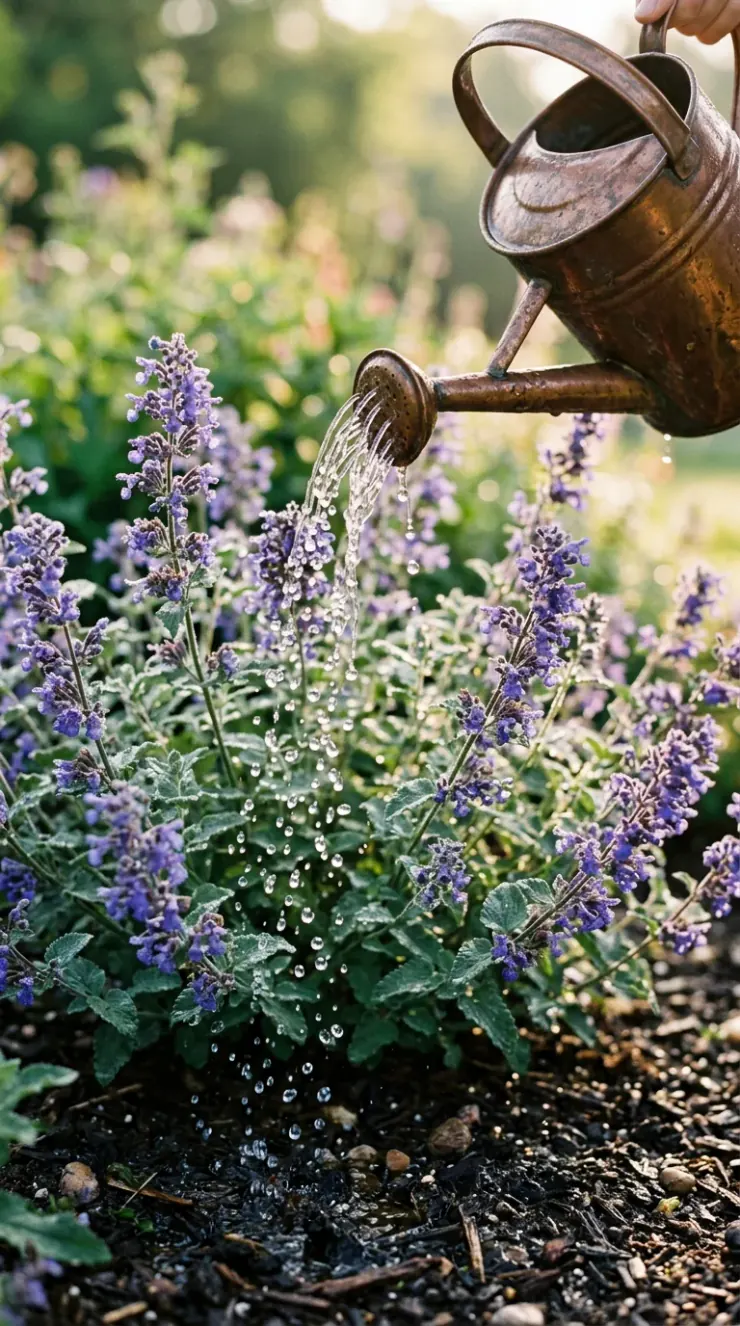
If the plant starts to look a bit tired and floppy in mid-summer, you can simply shear it back by half with garden scissors. Within a couple of weeks, it will reward you with a fresh flush of neat leaves and brand-new flowers.
Coreopsis (Tickseed)
Coreopsis is a sun-loving plant that produces masses of bright, daisy-like flowers. Most varieties are bright yellow, but you can also find them in warm shades of red and bronze.
They are incredibly easy to grow and do not mind dry, poor soil. They will keep pushing out new flowers all summer long, especially if you give them a quick trim after the first wave of blooms fades.
Shasta Daisies
Shasta daisies offer a classic, cheerful look with their clean white petals and bright yellow centers. They grow in neat clumps and make wonderful companions for almost any other plant in your garden.
They are highly resistant to pests and will bloom continuously if you snip off the old flower heads down to the next leaf joint.
Garden Phlox
If you want to add sweet fragrance to your summer garden, garden phlox is a wonderful choice. These plants grow tall stems topped with large, rounded clusters of colorful flowers.
They are perfect for the middle or back of your garden borders. To keep them blooming happily, try to water them at the base of the plant rather than spraying the leaves, which helps prevent a common dusty-looking leaf spot called powdery mildew.
Bee Balm
Bee Balm produces unique, spiky flowers that look like tiny, colorful fireworks. The leaves have a wonderful spicy-sweet scent when crushed, which is sometimes used to flavor teas.
As the name suggests, bees, butterflies, and hummingbirds absolutely adore this plant. It prefers moist soil and will bloom for a very long time if you keep it watered during hot summer spells.
Learn Exactly When to Plant Perennial Flowers
Timing is everything when it is time to put your new plants into the ground. If you plant at the right time, your flowers will have the best chance to grow deep, strong roots. This gives them the strength they need to handle hot summers and cold winters.
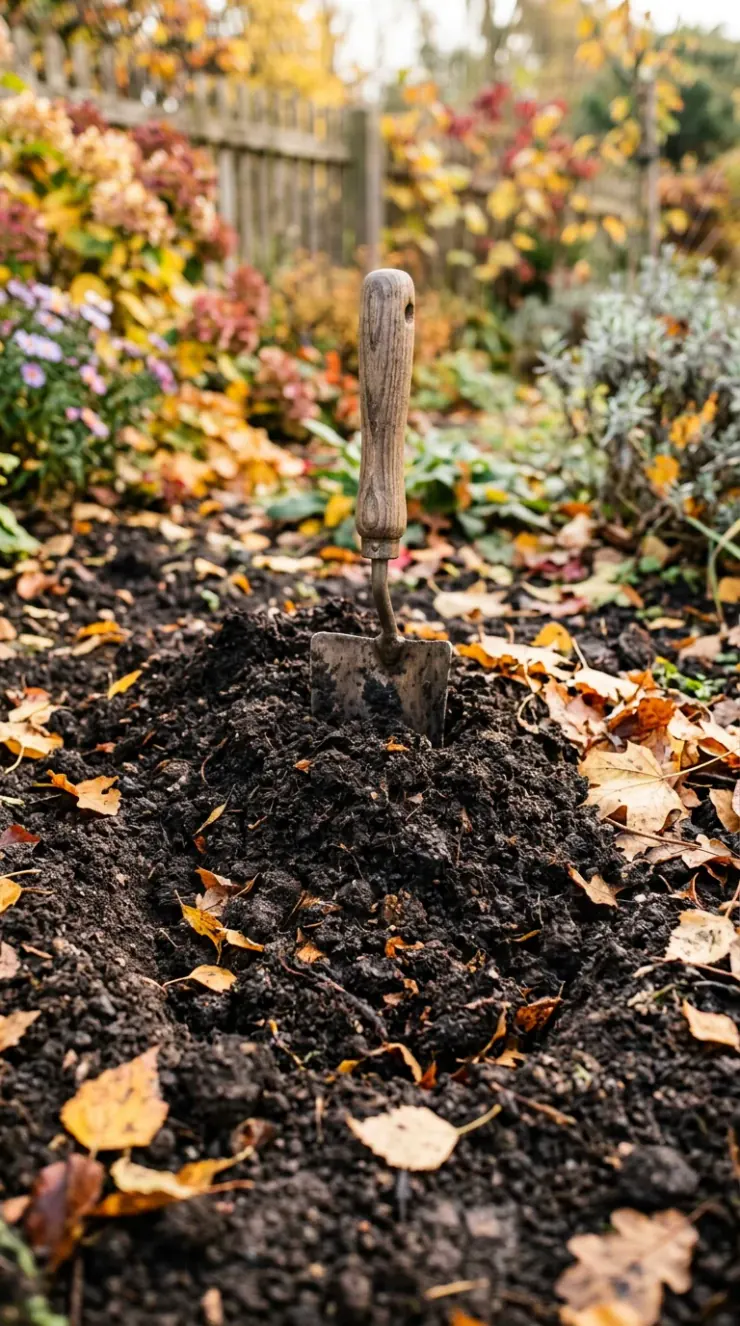
The Great Debate: Spring vs. Autumn Planting
In most cases, the two best times of year to plant are early spring and early autumn. Both of these seasons offer cool air temperatures and gentle rain, which are perfect conditions for young roots to settle in.
- Spring Planting: Planting in spring gives your flowers a full growing season to get established before winter arrives. This is especially good for tender perennials that might struggle with severe winter cold in their first year.
- Autumn Planting: Planting in autumn is actually a favorite trick of many experienced gardeners. The soil is still warm from the summer sun, which encourages fast root growth. Additionally, the plant does not have to worry about supporting hot summer leaves, so it can focus all its energy underground.
A Step-by-Step Guide to Planting Your Perennials
Follow these simple steps to give your new plants the absolute best start in their new home.
- Water the pot first: Before you do anything else, give your new plant a good drink of water right in its plastic pot. This makes it much easier to slide the plant out without damaging the roots.
- Dig a wide hole: Dig a hole that is twice as wide as the plastic pot, but exactly the same depth. This gives the roots plenty of loose, soft soil to grow into.
- Improve your soil: Mix a few handfuls of rich organic compost into the soil you dug out of the hole. This adds natural nutrients and helps the soil hold the perfect amount of moisture.
- Gently loosen the roots: Slide the plant out of its pot. If the roots are wrapped tightly around the soil ball, gently tickle them with your fingers to loosen them up. This tells the roots it is time to spread out into the surrounding garden soil.
- Check the depth: Place the plant in the hole. Make sure the “crown”-the exact point where the green stems meet the roots-is level with the surrounding garden soil. Planting too deep can cause the stems to rot, while planting too shallow can dry out the roots.
- Fill and firm: Fill the soil back into the hole around the roots. Use your hands to gently press the soil down to remove any large air pockets.
- Water deeply: Give the newly planted flower a long, slow drink of water. This helps settle the soil around the roots.
- Add a blanket of mulch: Spread a two-inch layer of shredded wood mulch or dry leaves around the base of the plant. Keep the mulch a couple of inches away from the green stems to prevent moisture buildup. Mulch helps keep the soil cool, holds in moisture, and stops weeds from stealing your plant’s water.
Brighten the Dark Corners with Perennial Flowers for Shade
Many gardeners feel discouraged if they have a yard shaded by large trees or nearby buildings. However, shade gardening is a wonderful opportunity to create a cool, lush oasis. Many shade-loving plants have stunning foliage and delicate flowers that would actually scorch and burn if they were planted in the hot sun.
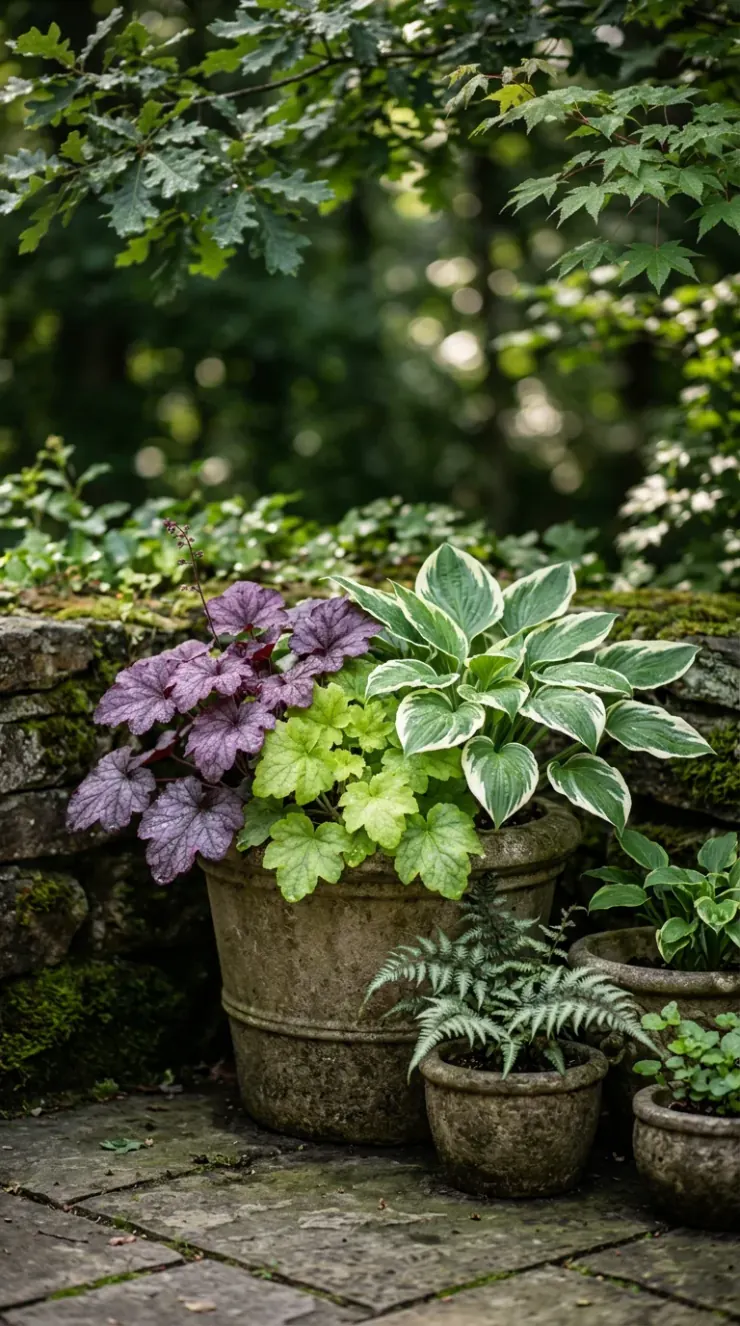
When planning your shade garden, it helps to understand the different types of shade you might have:
- Dappled Shade: This is the gentle, moving light you see under trees with small leaves. Most shade plants absolutely love this light.
- Partial Shade: This means the area gets direct sun for about three to six hours, usually in the cool morning or late afternoon.
- Deep Shade: This is an area that gets very little or no direct sunlight, such as the north side of a tall house.
Let us look at some beautiful, reliable plants that will bring color and life to your shady spots.
Hostas
Hostas are the undisputed kings of the shade garden. While they do produce sweet, lily-like flowers on tall stems, they are grown mainly for their spectacular leaves.
You can find hostas with tiny leaves or massive leaves the size of dinner plates. They come in gorgeous shades of blue-green, bright chartreuse, and variegated patterns with white or yellow stripes. As a general rule, hostas with lighter yellow or white leaves need a bit of morning sun to keep their color, while dark green and blue hostas prefer deep, cool shade.
Astilbe
Astilbe brings a wonderful touch of soft texture to dark spots. They have glossy, fern-like leaves and tall, feathery plumes of flowers that look like colorful feather dusters.
They come in shades of soft pink, deep red, violet, and bright white. Astilbes love moisture, so they are perfect for damp shady areas or spots near a backyard pond.
Coral Bells (Heuchera)
Coral bells are grown for their stunning, colorful foliage that lasts almost all year. Their leaves come in an incredible range of colors, including caramel, deep plum, lime green, and bright peach.
In late spring, they send up delicate, wiry stems topped with tiny, bell-shaped flowers that hummingbirds love. They are very easy to grow and look beautiful planted along the edges of shady pathways.
Foxglove (Digitalis)
Foxglove is a dramatic, tall plant that produces majestic spikes of bell-shaped flowers. The inside of each bell is decorated with beautiful, dark spots.
These plants thrive in dappled shade and add wonderful height to the back of your garden beds. Be aware that all parts of the foxglove plant are highly toxic, so it is best to avoid planting them if you have curious pets or young children playing in the yard.
Bleeding Heart (Dicentra)
This old-fashioned favorite is one of the most charming plants you can grow. In early spring, it produces arching stems hung with rows of perfect, heart-shaped flowers that dangle like pink and white lockets.
They prefer cool, moist shade. In the heat of mid-summer, the plant will often go dormant, meaning it will naturally die back to the ground to rest until the following spring.
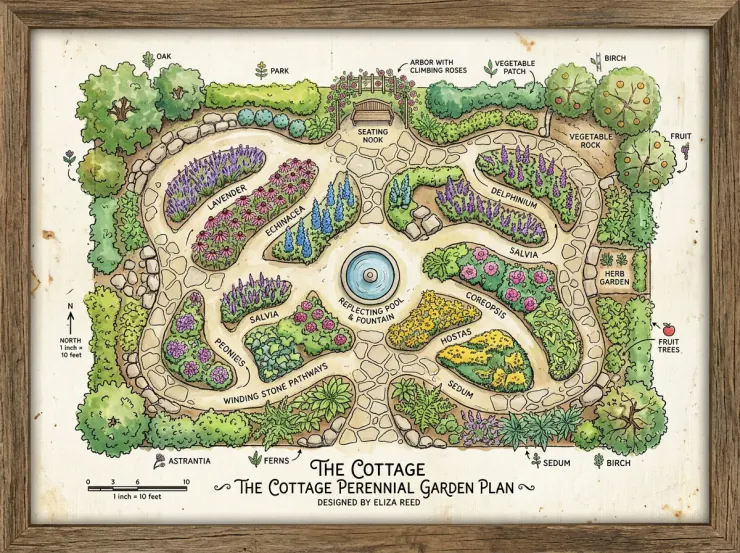
Strategic Garden Layout & Spacing Canvas
Designing a perennial garden is like painting a living picture. To create a beautiful, healthy garden, you must think about how your plants will grow over time. Plants need plenty of room for air to flow between their leaves, which helps prevent diseases.
In permaculture-a way of gardening that copies natural ecosystems-we often use layouts like “keyhole gardens” or curved pathways. This allows you to reach all your plants easily without stepping on the soil, which packs the dirt down and hurts plant roots.
Companion planting tip: Plant your tomatoes near aromatic basil and golden marigolds to deter pests naturally and enhance yields!
When arranging your perennial flowers, always place the tallest plants at the back of your garden bed (or in the center if your bed can be viewed from all sides). Place medium-sized plants in the middle, and keep the shortest, ground-covering plants at the very front. This simple layout ensures that every plant gets its share of light and can be easily seen and enjoyed.
Nutrient Optimization & Organic Feeding Guide
To keep your perennial flowers blooming beautifully year after year, you must take good care of the soil. Think of your soil as a busy underground city filled with tiny, helpful organisms like earthworms, beneficial fungi, and friendly bacteria. This is called the soil food web. When you feed this underground city, they will feed your plants in return.
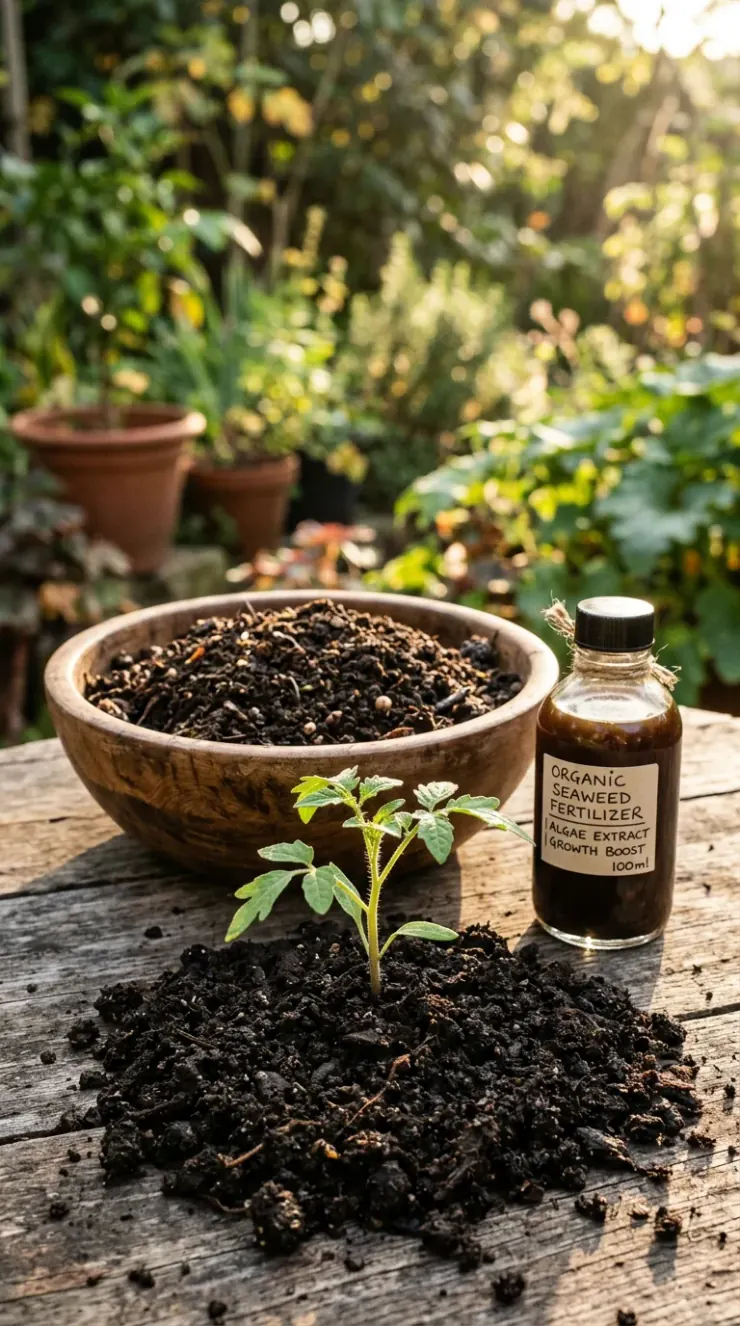
The Power of Organic Compost
The single best thing you can give your garden is rich, organic compost. Compost is simply decomposed leaves, grass clippings, and kitchen scraps.
It is packed with natural nutrients that release slowly over time. Every spring, spread a one-inch layer of compost over your garden beds. Rain and earthworms will naturally carry these rich nutrients down to your plant roots.
Slow-Release Worm Castings
Worm castings are a fancy name for worm poop, and they are pure gold for your garden. They are incredibly rich in gentle nutrients that will never burn your plants’ sensitive roots.
Adding a handful of worm castings to the planting hole when you put in a new perennial gives it a wonderful, healthy start.
Seaweed Fertilizer
Liquid seaweed fertilizer is made from harvested kelp and is packed with trace minerals and natural growth hormones. It acts like a multivitamin for your plants.
You can mix it with water in a watering can and pour it over your plants’ leaves and roots once a month during the spring and summer. Many gardeners find that seaweed fertilizer helps plants handle stress from hot weather and dry spells much better.
Why Avoid Chemical Fertilizers?
While chemical fertilizers can give your plants a quick boost of growth, they can harm the helpful organisms in your soil over time. They are like fast food for plants-they offer a quick burst of energy but do not build long-term health.
By sticking to organic materials like compost, worm castings, and seaweed, you build rich, living soil that will support your perennial flowers for decades.
Ultimate Harvesting & Seasonal Blooms Rewards
One of the greatest joys of growing perennial flowers is bringing their beauty inside your home. Cutting fresh blossoms for bouquets is not only fun, but it actually encourages many plants to grow even more flowers.
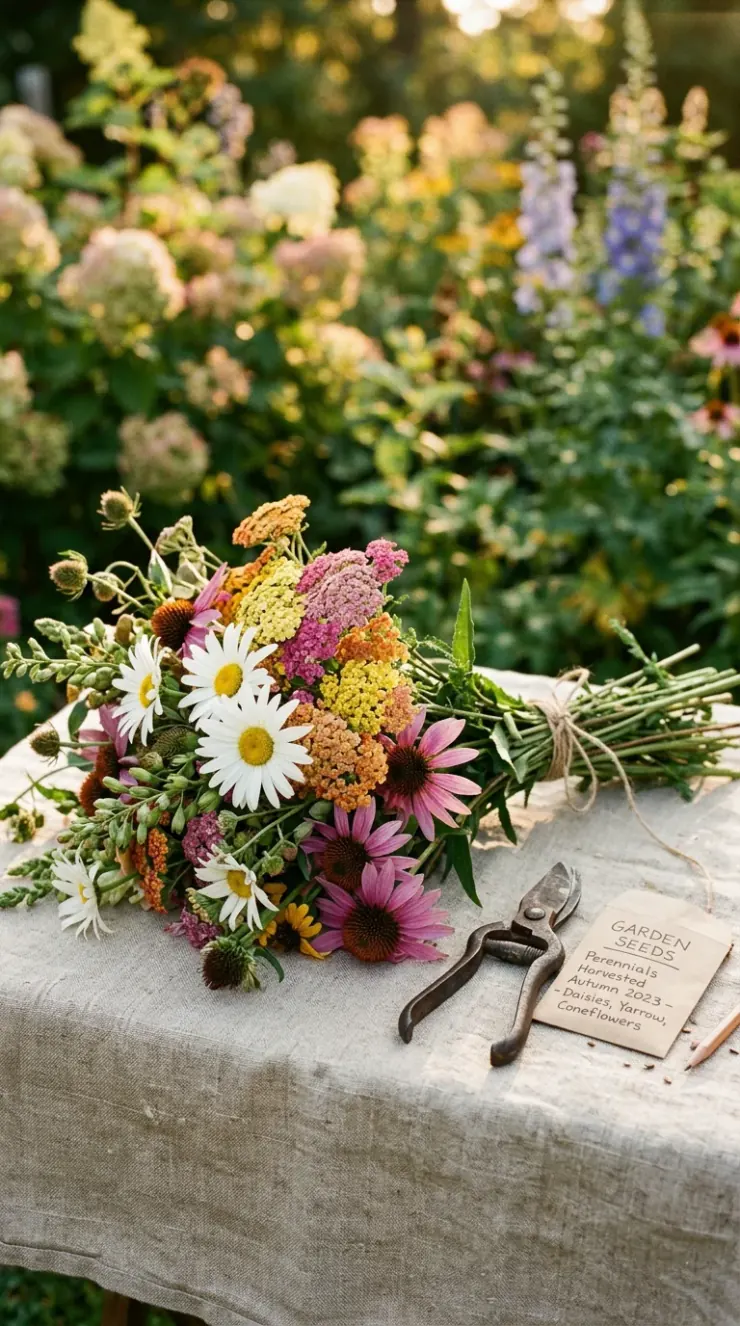
Tips for Harvesting Beautiful Bouquets
To make your fresh-cut flowers last as long as possible in a vase, follow these simple tips:
- Harvest early in the day: Cut your flowers in the cool morning hours when they are fully hydrated. Flowers cut in the heat of the afternoon will wilt much faster.
- Use clean tools: Use sharp, clean garden scissors or pruners to make a clean cut. Dull tools can crush the stems, making it hard for the flowers to drink water.
- Cut at an angle: Make your cut at a 45-degree angle. This keeps the stem from sitting flat against the bottom of your vase, which would block water intake.
- Remove lower leaves: Strip off any leaves that would sit below the water line in your vase. Leaves left in the water will quickly rot and create smelly, bacteria-filled water that shortens the life of your flowers.
- Change the water often: Empty the vase and give your flowers fresh, cool water every single day.
Seed-Saving Strategies
At the end of the summer, you might want to leave some of your faded flowers on the plants. Many perennials, like coneflowers and Black-Eyed Susans, produce seed heads that are highly attractive to hungry wild birds during the cold winter months.
You can also collect these seeds yourself. Simply wait for the flower heads to turn brown and dry on the plant. Gently shake the seed heads over a paper bag to catch the falling seeds. Store them in a cool, dry envelope, and you will have free seeds to plant or share with your neighbors next spring!
Frequently Asked Questions
Q: Do perennial flowers come back every year?
A: Yes, in most cases, perennial flowers will return year after year. They grow from root systems that stay alive underground through the winter. However, some varieties may only live for a few years, while others can thrive for decades.
Q: How often should I water my newly planted perennials?
A: Newly planted perennials generally need deep watering twice a week during their first growing season. Once their root systems are fully established, many varieties can get by on natural rainfall alone, depending on your local climate.
Q: What is the difference between annual and perennial flowers?
A: Annual flowers complete their entire life cycle in a single season, meaning they grow, bloom, set seed, and die all in one year. Perennial flowers live for multiple years, returning each spring from their existing roots.
Q: Why are my shade perennials not blooming very much?
A: It often depends on the amount of light they are getting. Even shade-loving plants usually need a little bit of filtered light or morning sun to produce flowers. If your plants are in very deep shade, they may grow beautiful leaves but very few blossoms.
Q: Should I cut my perennials down to the ground in the autumn?
A: Many gardeners find it helpful to cut back dead stems in late autumn to keep the garden looking neat. However, leaving some dry stems and seed heads can provide valuable winter food and shelter for local birds and beneficial insects.
Q: Can I grow perennial flowers in pots and containers?
A: Yes, you can absolutely grow many perennials in containers. Just make sure your pots have good drainage holes and are large enough to let the roots grow. In cold winter areas, potted perennials may need extra protection from freezing winds.