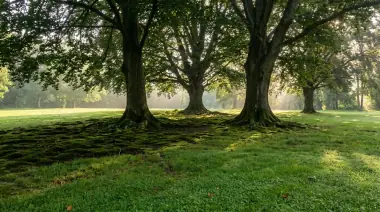
Moss taking over your lawn always comes back because most treatments skip the second half: moss in lawn removal is a two-part job, and killing moss in grass is only the easy first part.
Moss is not a lawn disease. It is a symptom of grass losing the competition. This guide covers how to get rid of moss in your lawn for good - kill it, fix the causes, reseed correctly - plus our lawn care for beginners guide.
Quick Answer: Kill moss with an iron-based killer with ferrous sulfate or iron HEDTA, or rake out small patches by hand. Rake dead moss out after 7 to 14 days. Then fix the cause: add light, aerate, improve drainage, lime only if tests show pH below 6.0, fertilize, mow at 3 to 3.5 inches, and reseed with shade-tolerant seed in fall.
At a Glance
| Fact | Detail |
|---|---|
| Core idea | Moss is a symptom, not a disease - grass is failing, moss fills in |
| Top causes | Shade, compaction, drainage, low fertility, low pH, low mowing |
| Fastest kill | Iron products blacken moss in hours to days |
| Manual removal | Thatch rake or scarifier, then bag all debris |
| Soil targets | pH 6.0-7.0; lime only if a soil test says it is low |
| Mowing height | 3-3.5 inches for cool-season grass; never cut more than one-third at once |
| Reseeding | Fine fescue shade blend; fall soil 50-65°F; moist 14-21 days |
Why Moss Grows Where Grass Fails
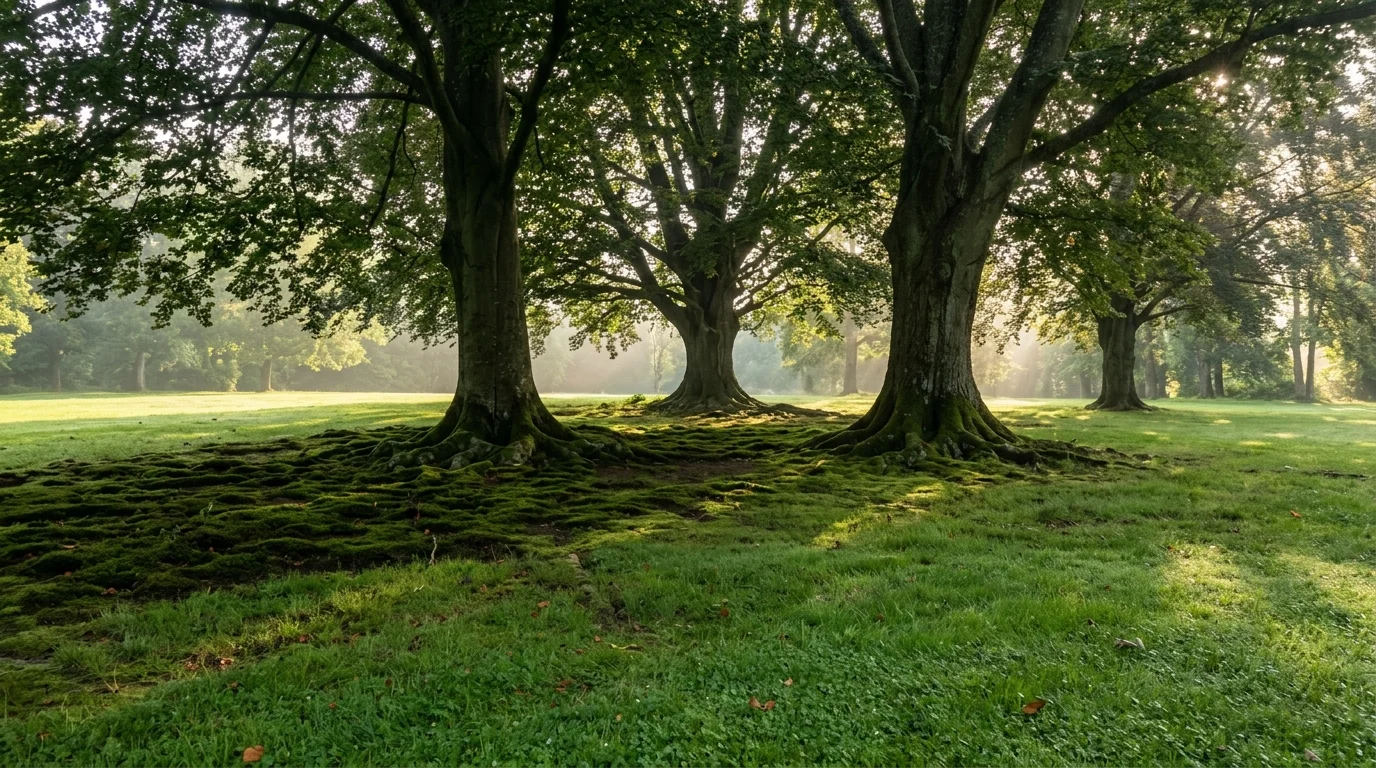
Mosses have no true roots. They drink straight through their leaves, so they love what turfgrass hates: constant surface moisture, still air, and poor soil. A dense lawn crowds moss out; a thin lawn invites it in [1] (Source: Oregon State University Extension).
- Shade. Most grasses need 4 to 6 hours of direct sun. Under dense trees or north walls, grass thins and moss spreads.
- Compacted soil. Traffic and clay squeeze out air so roots cannot penetrate; moss needs no root depth. If a screwdriver will not push 3 inches into moist soil, it is compacted.
- Poor drainage. Soggy outlets, low grades, and clay keep surfaces wet for days; grass roots suffocate while moss thrives.
- Low fertility. Lawns unfed for a year grow thin and pale with bare soil between plants. See how to fertilize your lawn for rates that keep turf dense.
- Low pH. Grass wants pH 6.0 to 7.0; below 6.0 nutrients lock up and grass weakens. Moss tolerates acidity, so moss plus weak grass often means acidic soil.
- Scalped mowing. Cutting at 1.5 to 2 inches stresses crowns and opens soil; moss colonizes within weeks. Mowing at 3 to 3.5 inches shades spores out.
Step 1: Diagnose Your Moss Problem
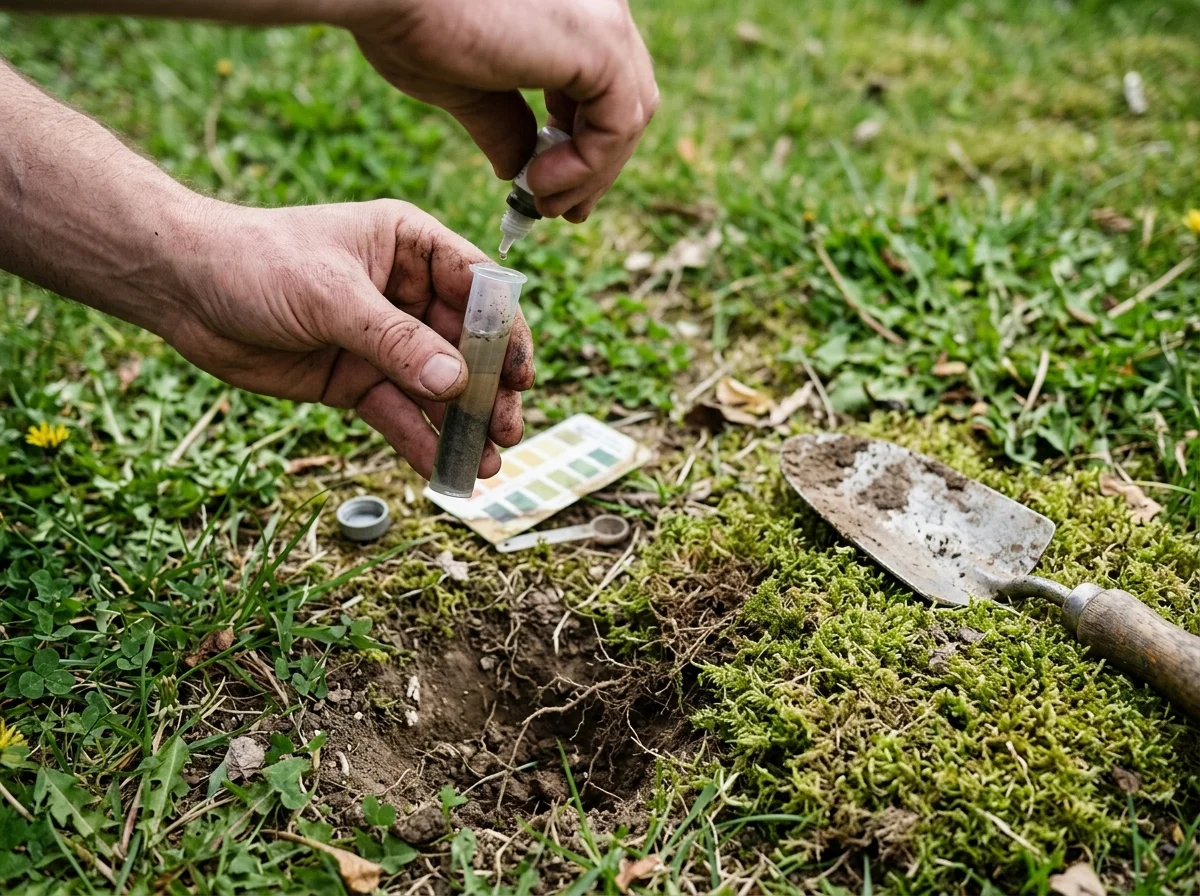
- Soil test. Order a lab test through your state extension service: sample 6 to 8 spots at 3 to 4 inches deep, mix, and send a cup. Retest every 2 to 3 years. Our testing soil pH guide covers sampling.
- Shade audit. Check sun hourly across one sunny day. Under 4 hours of direct sun, even good seed struggles - note which trees could add morning light.
- Drainage check. After heavy rain, note standing water. Puddles lasting 24 to 48 hours mean grade or compaction trouble; check downspouts and low spots.
- Compaction and thatch. Push a screwdriver into moist soil: 3 to 4 inches is good, 1 inch means compaction. Thatch over one-half inch holds surface moisture and favors moss.
- Mowing and feeding history. Cutting under 3 inches, no fertilizer for a year, and no overseeding in three years is the classic moss-takeover profile.
Moss Cause-and-Fix Diagnostic Table
| What you see | Likely cause | Fix in priority order |
|---|---|---|
| Moss under trees | Shade under 4 hours sun | Prune, sow fine fescue, or build a shade bed |
| Moss in paths, play zones | Compaction | Aerate, top-dress, redirect traffic |
| Water stands 24+ hours | Poor drainage | Extend downspouts, regrade, add French drain |
| Pale grass, moss between plants | Low fertility | Test soil, feed 1 lb N per 1,000 sq ft |
| pH 5.2-5.9, weak grass | Low pH | Lime per test, target 6.0-7.0 |
| Moss where mowed short | Scalping | Mow 3-3.5 in, cut under one-third |
Most lawns stack two or three causes. Fix at least the worst two or moss returns within a season [2] (Source: Penn State Extension).
Step 2: Remove Existing Moss
Clear existing moss so seed gets clean, bare soil. Three proven lawn moss control options:
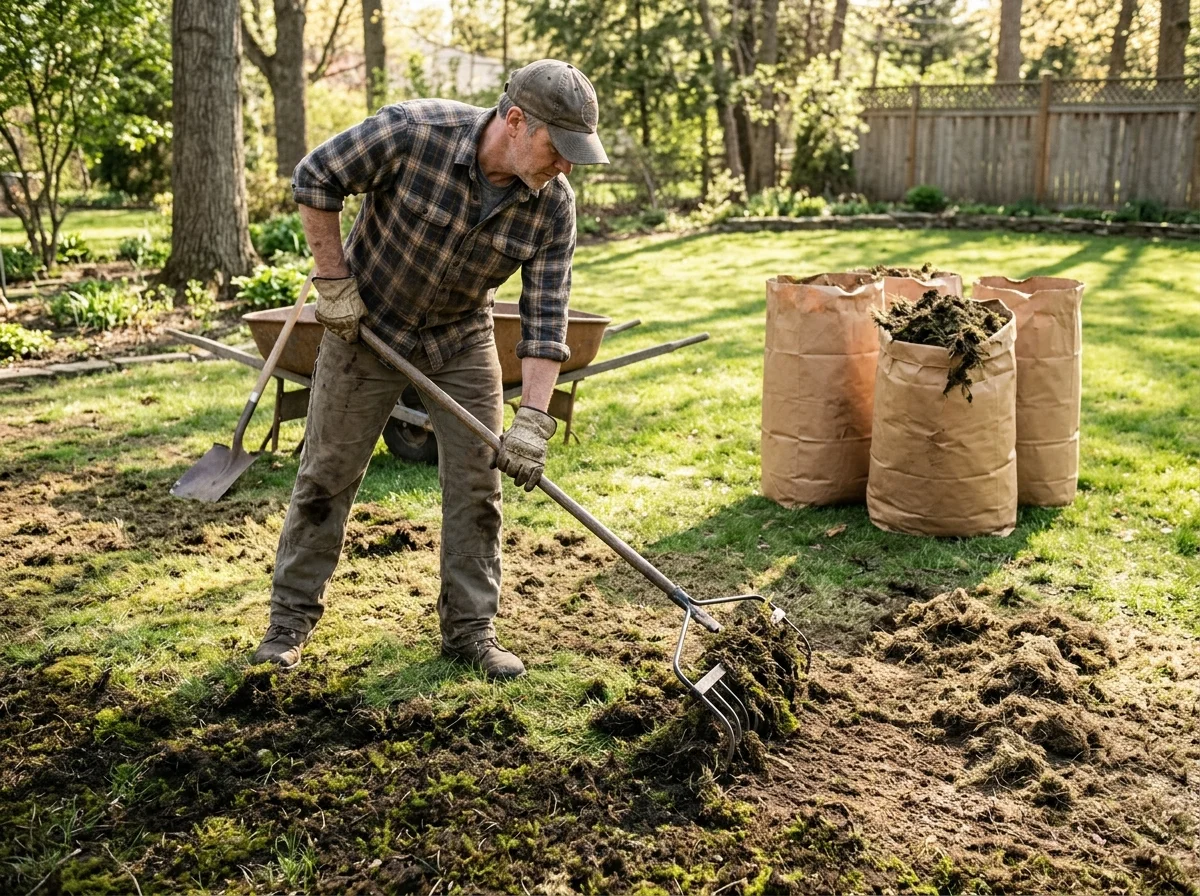
Rake or scarify it out. For patches under 100 square feet, mow at 2.5 inches, rake in two directions with a thatch rake or scarifier, and bag everything - fragments on damp soil reestablish. A 200-square-foot patch can fill three to four bags.
Iron-based moss killers. For larger areas, ferrous sulfate kills on contact: moss blackens within hours and dies in 7 to 14 days, and many formulas feed grass too. Iron HEDTA (Fiesta-type) is gentler and collapses moss in 1 to 3 days. Apply calm and dry at 50 to 75°F with no rain for 24 hours, follow label rates exactly, and keep spray off concrete - iron stains orange. Keep kids and pets off until dry, then rake out dead moss in 7 to 14 days [3] (Source: NC State Extension).
Potassium soaps. Fatty-acid soaps desiccate thin, young moss on contact in edges and beds; coverage must be thorough.
| Method | Best for | Speed | Trade-offs |
|---|---|---|---|
| Thatch rake / scarifier | Patches under 100 sq ft | Immediate | Free but heavy labor |
| Ferrous sulfate products | Large moss areas | Blackens in hours, rake in 7-14 days | Kills moss, feeds grass; stains concrete |
| Iron HEDTA (Fiesta-type) | Spot treatment | Dies in 1-3 days | Gentler on grass; costs more |
Never leave dead moss in place - it blocks seed-to-soil contact and shelters new spores.
Why Home Remedies Mostly Fail
Dish soap, baking soda, and vinegar brown moss tops for days, then it greens back up. Soap never reaches the mat base and can injure grass; baking soda cannot shift root-zone pH the way pounds of tested lime do; vinegar burns grass too, leaving bare damp soil moss recolonizes first.
Step 3: Fix the Real Causes
Apply the fixes matching your diagnosis.
Bring in more light. Prune low limbs to 6 to 8 feet and thin 10 to 20 percent of interior branches instead of topping. Still under 4 hours? Build a shade bed.
Core aerate compaction. In early fall, core-aerate moist soil 2 to 3 inches deep, about 9 plugs per square foot. Leave plugs to crumble, brush in compost, and repeat yearly on clay; healthy lawns need it every 2 to 3 years. Skip spike aerators.
Fix drainage and grade. Extend downspouts 6 to 10 feet out, regrade saucers to a 1 to 2 percent slope, and use a French drain for chronic sogginess. Top-dress low spots with one-quarter inch of sand-compost mix.
Top-dress with compost. After aerating, spread one-quarter inch of screened compost - one cubic yard covers 1,000 square feet.
Lime only if the test says so. Below pH 6.0, apply pelletized lime at the lab rate (often 50 to 75 pounds per 1,000 square feet for loam), water in, and retest in 6 to 12 months toward 6.0 to 7.0. Never lime on schedule [4] (Source: University of California IPM).
Feed and mow for dense turf. Feed about 1 pound of nitrogen per 1,000 square feet per application, 2 to 4 pounds yearly, heaviest in fall per our fall lawn care schedule. Mow 3 to 3.5 inches, cut under one-third, and leave clippings. (Warm-season heights differ - see Bermuda grass.)
Step 4: Reseed Bare Patches Correctly
Bare shade soil grows moss again unless grass claims it. Skip sun blends with Kentucky bluegrass; choose fine fescues - creeping red, chewings, hard, or sheep - often with shade-tolerant tall fescue and a little ryegrass.
| Seed type | New lawn per 1,000 sq ft | Overseed per 1,000 sq ft | Notes |
|---|---|---|---|
| Fine fescue blend | 4-6 lbs | 2-3 lbs | Best dry-shade pick |
| Turf-type tall fescue | 6-8 lbs | 3-4 lbs | Tough in moderate shade |
| Kentucky bluegrass | 2-3 lbs | 1-1.5 lbs | Needs 6+ hrs sun; skip here |
| Perennial ryegrass | 5-9 lbs | 3-5 lbs | Quick cover at 10-20% |
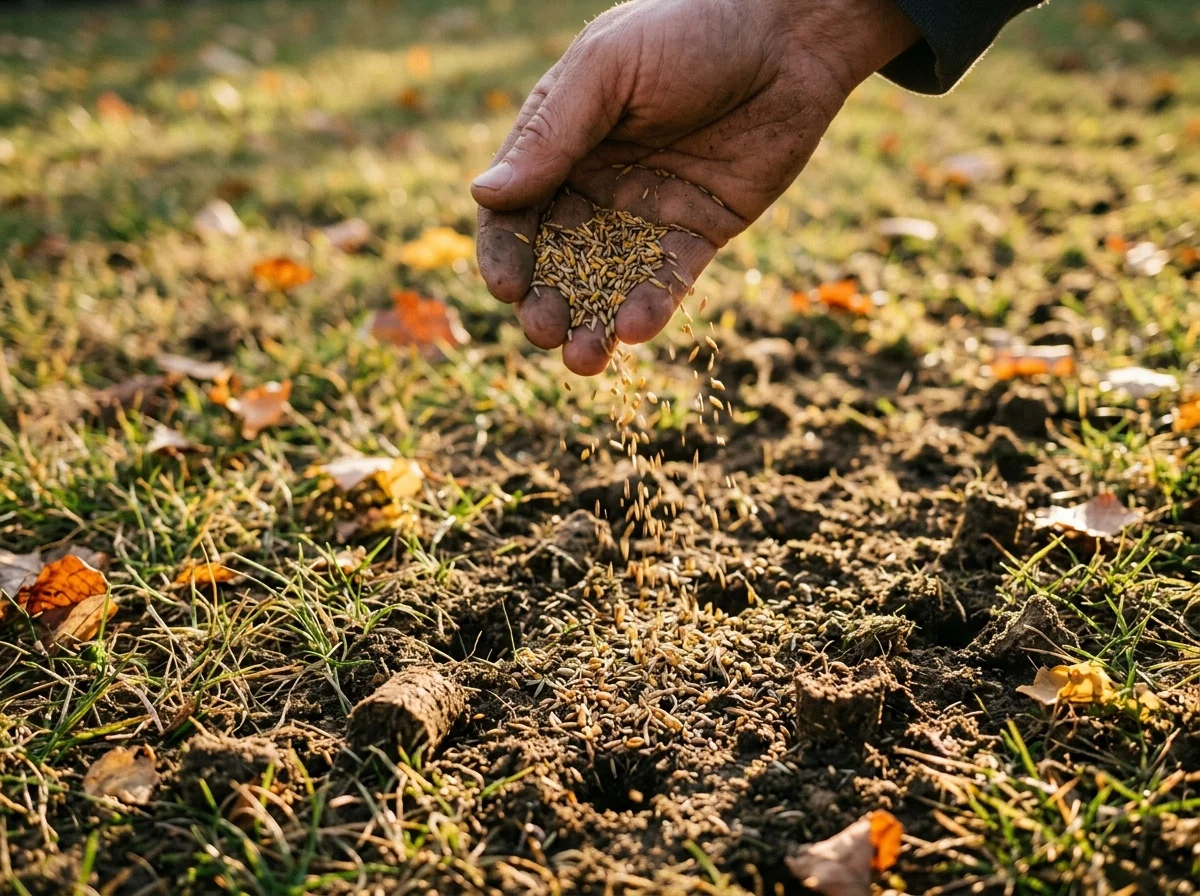
Loosen the top quarter inch, sow at the bag rate, press in, and dust with one-eighth to one-quarter inch of compost. Water lightly daily - 7 to 10 days for ryegrass, 10 to 21 for fescues - then water deeply but less often. First mow at 3.5 to 4 inches; no weed killer for 8 weeks. For decent-light, low-fertility spots, try our clover lawn guide.
When to Do the Work
Early fall is best. In September and October moss absorbs iron well, aerators pull clean plugs, lime has winter to react, and seed germinates with less weed pressure. Order: kill, rake, aerate, lime and feed per test, seed, top-dress.
Spring is second best. Treat in March and April and overseed by mid-spring, but keep seedings small - summer heat and pre-emergents block spring seed. Skip summer treatments above 80°F and frozen winter soil.
The Acceptance Option: Shade and Moss Gardens
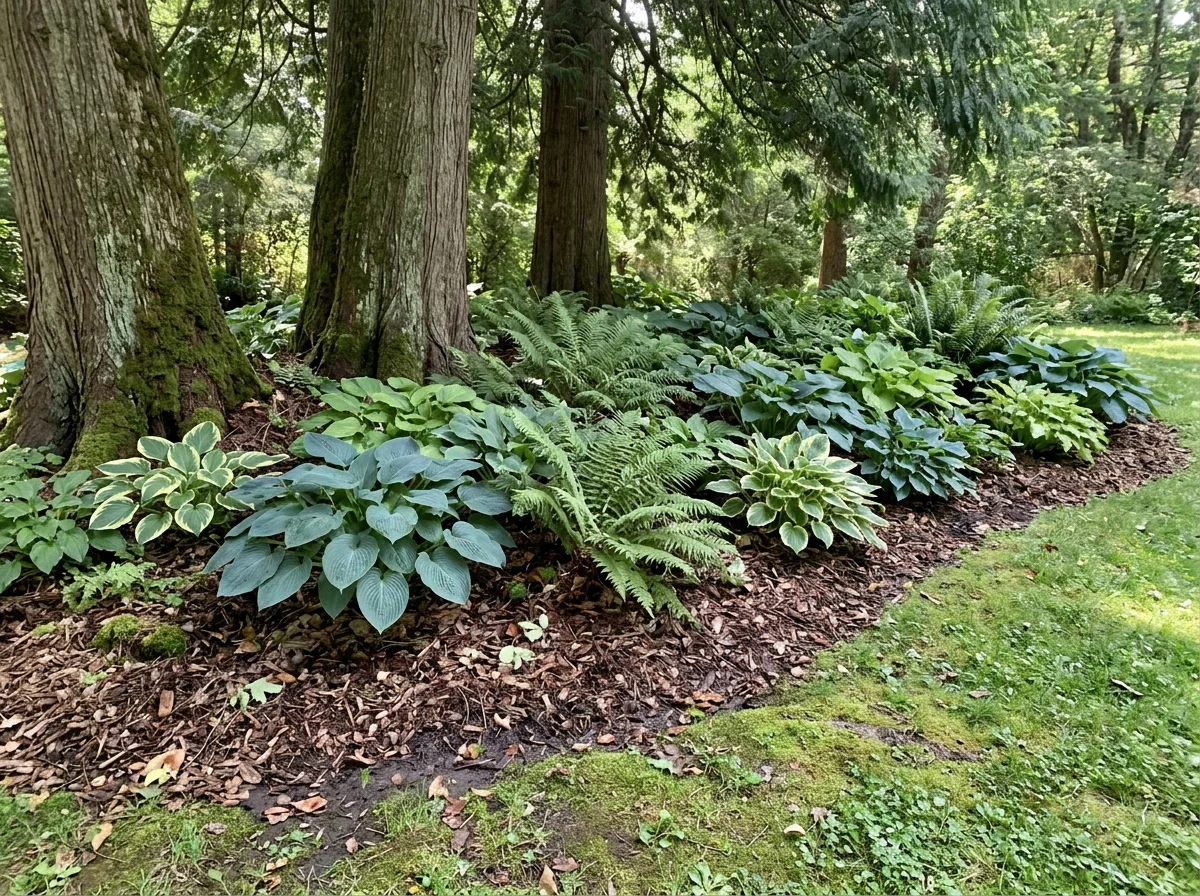
Under 3 to 4 hours of direct sun with moss returning three years running, convert the area. A mulch bed with hostas, ferns, and astilbe needs no mowing and ends the battle. Or embrace moss itself: moss gardens with stone paths need no fertilizer or mowing and look good year-round - keep traffic on stepping stones.
Common Mistakes
- Killing moss without fixing conditions. The fix: pair every kill with two habitat fixes or repeat yearly.
- Liming without a soil test. The fix: test first, lime only below pH 6.0, and retest in 6-12 months.
- Seeding sun grass in deep shade. The fix: sow fine fescue, or convert sub-4-hour sun areas to beds.
- Leaving dead moss in place. The fix: rake out blackened mats so seed touches soil.
- Scalping the lawn. The fix: hold 3-3.5 inches and cut under one-third at once.
- Over-applying iron. The fix: follow label rates; keep spray off concrete.
Troubleshooting
- Moss blackens then greens up: coverage was incomplete; reapply per label and rake hard.
- Grass blackens after treatment: temporary iron staining; water deeply, color returns in 2-3 weeks.
- Bare patches will not fill: poor seed-to-soil contact or dried seed; re-rake, reseed, water daily 14-21 days.
- Seedlings die in shade: light is under 4 hours; try fine fescue once more, then convert to a bed.
- Lawn soggy days after rain: grade issue; extend downspouts 6-10 feet and regrade to 1-2% slope.
Frequently Asked Questions
Q: What kills moss in lawns permanently?
A: Iron-based moss killers with ferrous sulfate or iron HEDTA kill existing moss within hours to days, turning it black so you can rake it out. Nothing kills it permanently unless you also fix shade, compaction, drainage, low fertility, and low pH.
Q: Does lime get rid of moss in lawns?
A: No, lime alone does not kill moss. Lime only helps if a soil test shows pH below 6.0. Lawns grow best at pH 6.0 to 7.0, and raising a low pH helps grass compete, but liming without testing wastes money and will not stop moss.
Q: Will moss killer hurt my grass?
A: Iron-based moss killers are safe for lawns when you follow the label rate, but they can temporarily blacken grass and stain concrete, patios, and fences orange. Keep pets and kids off until watered in and dry, then rake out dead moss in 7 to 14 days.
Q: Can I just rake out moss and reseed?
A: Yes, for small patches you can rake or scarify moss out without chemicals, then reseed. Rake aggressively with a thatch rake, remove all debris, loosen the top quarter inch of soil, sow shade-tolerant seed, and keep it moist for 14 to 21 days.
Q: Why does moss keep coming back every year?
A: Moss returns because the underlying conditions never changed. Deep shade under 4 hours of sun, compacted or soggy soil, mowing under 3 inches, thin fertility, and pH below 6.0 all favor moss over grass. Fix at least the worst two causes or it will return.
Q: What grass seed is best for shady areas with moss?
A: Use a shade-tolerant blend with fine fescues such as creeping red, chewings, or hard fescue, often mixed with shade-tolerant tall fescue. Sow fine fescue at 4 to 6 pounds per 1,000 square feet and keep seed evenly moist until established.
Q: When is the best time to treat moss in lawns?
A: Early fall, from September through October, is best. Moss is actively growing, rains return, soil temperatures of 50 to 65 degrees favor grass seed, and you can kill moss, aerate, lime if needed, and reseed in one sequence. Spring is second best.
Q: Should I just leave the moss and skip the grass?
A: In deep shade where grass gets under 3 to 4 hours of sun, yes. A moss garden or shade bed with hostas, ferns, and mulch needs no mowing, fertilizer, or watering and looks good year-round. Stop fighting the site and plant what belongs there.
Related Articles
- Lawn Care for Beginners
- How to Fertilize Your Lawn
- Fall Lawn Care Schedule
- How to Grow a Clover Lawn
- Bermuda Grass Guide
- How to Test Soil pH
