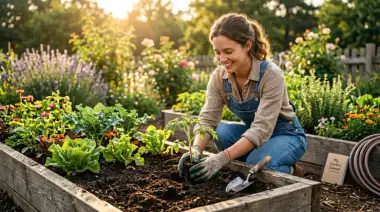

Container gardening has transformed the way modern gardeners grow plants. Whether you live in a high-rise apartment with a small sunlit balcony, a suburban home with a paved patio, or a rural house with poor, rocky native soil, container gardening empowers you to cultivate fresh organic vegetables, aromatic culinary herbs, and vibrant flowering annuals right at your doorstep.
Growing plants in pots offers immense control over soil quality, drainage, sun exposure, and pest management. However, container plants exist inside an isolated ecosystem. They cannot stretch their roots into subterranean water reserves or draw nutrients from deep native subsoil. They depend entirely on you for their hydration, feeding, and root environment.
In this ultimate guide, we will cover the 10 foundational rules of container gardening for beginners, how to choose the ideal potting materials, companion planting strategies for small spaces, and how to troubleshoot common container garden pitfalls.
Quick Answer: Successful container gardening requires selecting pots with bottom drainage holes, using lightweight potting mix (never heavy garden soil), placing containers in 6+ hours of daily sunlight, and watering deeply whenever the top 1 to 2 inches of soil feel dry. Feed container crops every 2 to 3 weeks with a balanced organic liquid fertilizer to replace leached nutrients.
Why Container Gardening Is Perfect for Beginners
Before diving into the 10 tips, consider the unique advantages of growing in containers:
- Zero Weeding Required: Sterile commercial potting mix contains no weed seeds, eliminating hours of tedious weeding.
- Total Soil Control: You can customize the exact soil pH and nutrient balance for every plant category (e.g. acid soil for blueberries, sandy mix for succulents).
- Mobility: If a sudden frost threatens your crop or an intense heatwave scorches your patio, containers can be moved into shade or indoors instantly.
- Minimal Space Requirement: You don’t need a sprawling backyard; a 4x4 balcony or doorstep is enough to grow a productive kitchen garden.
10 Essential Container Gardening Rules for Success
Rule 1: Always Choose Containers with Functional Drainage Holes
The single biggest mistake new container gardeners make is planting in decorative pots without bottom drainage holes.
When excess water cannot escape, it collects at the bottom of the container, creating anaerobic, waterlogged conditions that drown root tissue and cause fatal root rot within days.
- Check Your Pots: Ensure containers feature at least one 1/2-inch drainage hole (or multiple 1/4-inch holes).
- Drill Extra Holes: If using plastic or fabric pots without holes, use an electric drill to add 4 to 6 drainage holes around the bottom rim.
- Avoid “Drainage Rocks” Myth: Placing gravel or broken pot shards in the bottom of pots without holes does not create drainage. It actually raises the perched water table closer to plant roots, accelerating rot!
Rule 2: Use Quality Potting Mix - Never Native Garden Soil
Never scoop up dirt from your yard to fill garden pots! Native topsoil contains heavy clay, sand, weed seeds, disease spores, and pests. When confined inside a container, ground soil compacts into a hard, cement-like block that suffocates root systems and prevents water penetration.
Always use a premium Soilless Potting Mix composed of:
- Sphagnum Peat Moss or Coconut Coir: Retains moisture and provides lightweight structure.
- Perlite or Vermiculite: White volcanic rock granules that create root aeration pathways and promote rapid drainage.
- Compost or Aged Bark: Provides organic matter and beneficial micro-organisms.
Rule 3: Select the Right Pot Material for Your Climate
Every planter material behaves differently under heat, cold, and moisture exposure:
┌────────────────────────────────────────────────────────────────────────┐
│                        CONTAINER MATERIAL COMPARISON                   │
├───────────────────┬──────────────────────┬─────────────────────────────┤
│ Material Type     │ Moisture Retention   │ Best Used For               │
├───────────────────┼──────────────────────┼─────────────────────────────┤
│ Terracotta / Clay │ Low (Dries quickly)  │ Succulents, Herbs, Lavender │
│ Plastic / Resin   │ High (Holds water)   │ Tomatoes, Ferns, Peppers    │
│ Fabric Smart Pots │ High (Air-prunes)    │ Potatoes, Squash, Root Crops│
│ Wood (Cedar/Red)  │ Moderate             │ Raised Patio Planter Boxes  │
└───────────────────┴──────────────────────┴─────────────────────────────┘- Terracotta (Unglazed Clay): Breathable and porous. Soil dries out quickly, making terracotta ideal for succulents, rosemary, and Mediterranean herbs.
- Plastic & Glazed Ceramic: Non-porous containers retain water longer, reducing summer watering frequency for heavy-drinking crops like tomatoes and cucumbers.
- Fabric Grow Bags: Fabric containers allow oxygen to reach root tips, naturally “air-pruning” roots to prevent root circling and root binding.
Rule 4: Match Container Size to Mature Plant Dimensions
Underestimating pot size stunts plant growth and forces you to water three times a day during summer. Always size pots based on the plant’s mature root volume:
- Small Pots (6 to 8 inches / 1–2 gallons): Chives, Basil, Parsley, Thyme, Radishes, Lettuce, Marigolds.
- Medium Pots (10 to 12 inches / 3–4 gallons): Bush Beans, Strawberries, Peppers, Spinach, Dwarf Flowers.
- Large Pots (14 to 24 inches / 5–15 gallons): Indeterminate Tomatoes, Squash, Cucumbers, Eggplants, Blueberries, Fruit Trees.
Rule 5: Maximize Sunlight Exposure
Most fruiting vegetables (tomatoes, peppers, cucumbers) and flowering annuals require at least 6 to 8 hours of direct, unfiltered sunlight daily to perform photosynthesis efficiently.
- South-Facing Exposure: Receives intense, all-day sun-ideal for heat-loving Mediterranean crops.
- East-Facing Exposure: Receives gentle morning sun-ideal for leafy greens, lettuce, and shade-tolerant flowers like fuchsias and impatiens.
- West-Facing Exposure: Receives hot, afternoon sun-requires heavy summer watering monitoring.
Rule 6: Establish a Disciplined Watering Routine
Potted soil volume is small, exposing roots to rapid moisture evaporation. During peak July and August heat, small containers may need daily or twice-daily watering.
- The Gold Standard Test: Insert your index finger 1 to 2 inches into the potting mix. If it feels completely dry, water deeply until water trickles from the bottom drainage holes.
- Water Early in the Morning: Watering between 6:00 AM and 9:00 AM hydrates plants before afternoon heat hits and keeps foliage dry overnight, preventing fungal leaf spots.
Rule 7: Feed Container Crops Consistently (Leaching Prevention)
Because you water container plants frequently, soluble plant nutrients wash out through the bottom drainage holes with every watering pass.
Commercial potting mixes only contain enough built-in nutrients for 3 to 4 weeks. To sustain steady growth:
- Mix a slow-release organic granular fertilizer into the potting soil at planting time.
- Feed plants every 2 to 3 weeks during summer using a balanced liquid fertilizer (such as organic kelp meal, fish emulsion, or a 10-10-10 water-soluble feed).
Rule 8: Elevate Containers Using Pot Feet
Placing heavy pots directly flat against smooth concrete patios or wooden decks blocks drainage holes, trapping standing water under the pot.
Use inexpensive rubber or terracotta Pot Feet (or flat wooden strips) to elevate pots 1/2 inch above the surface. This maintains continuous airflow, protects wooden decks from moisture rot, and ensures unhindered water drainage.
Rule 9: Practice Companion Planting in Large Planters
Maximize space in 10- to 15-gallon containers by combining plants with compatible root depths and light requirements:
- The Classic Trio: Plant a tall indeterminate Tomato plant in the center, surround it with low-growing Basil (which deters pests), and edge the pot with French Marigolds (which repel aphids).
- Salad Bowl Container: Combine Leaf Lettuce, Chives, and Radishes together in a shallow wide trough for continuous harvest.
Rule 10: Prune and Deadhead Regularly to Stimulate Harvests
Container plants have limited root space. Encourage continuous production by managing top growth:
- Pinch Herb Tips: Pinch off the top growing tips of basil, mint, and oregano to encourage bushy side branching rather than tall leggy growth.
- Deadhead Spent Flowers: Remove faded flower heads from petunias, geraniums, and marigolds immediately to stop seed production and force new bloom cycles.
Frequently Asked Questions
Q1: Can I reuse potting soil from last year’s containers?
It is safe to reuse potting soil if the previous plants were completely healthy and disease-free. Rejuvenate old soil by dumping it into a wheelbarrow, removing old root clumps, and mixing in 30% fresh organic compost and slow-release fertilizer. If previous plants suffered from fungal blights, discard the soil to prevent disease carryover.
Q2: Why are the leaves on my potted tomato plant curling and turning brown?
Leaf curl in containers is usually caused by uneven watering. When soil fluctuates wildly between bone-dry and waterlogged, plant leaves curl defensively to conserve moisture. Maintain steady soil dampness and apply a 1-inch layer of straw mulch over the container topsoil.
Container Gardening Success Summary
- ✅ Always choose containers with functional bottom drainage holes.
- ✅ Use lightweight commercial soilless potting mix-never yard dirt.
- ✅ Match pot size to mature root growth (5+ gallons for tomatoes).
- ✅ Provide 6+ hours of direct sunlight daily for fruiting crops.
- ✅ Water deeply whenever top 1 to 2 inches of soil feel dry.
- ✅ Feed container plants every 2 to 3 weeks to replace leached nutrients.