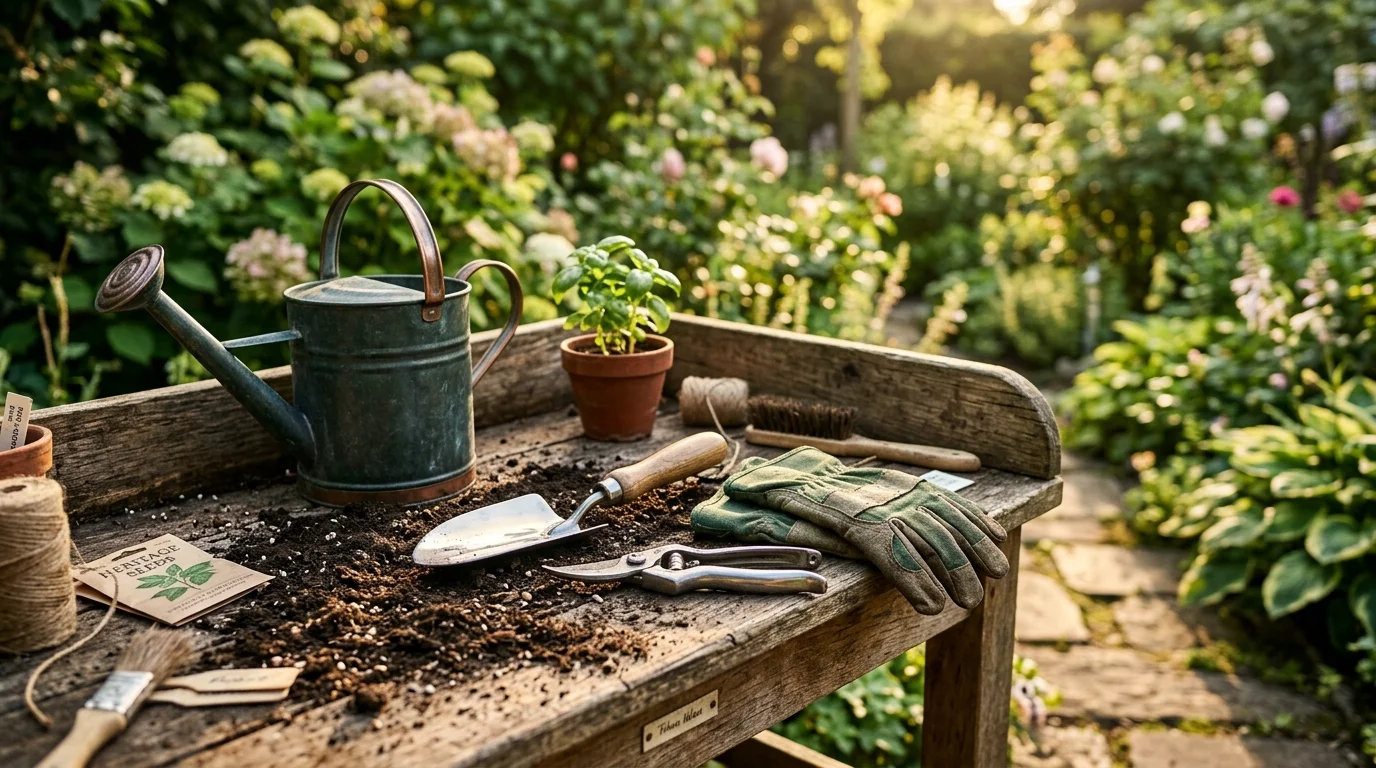
A quality pair of pruning shears (also called hand pruners or secateurs) is widely considered the single most essential hand tool in any gardener’s kit. Whether you are deadheading spent rose blooms, harvesting ripe tomatoes, shaping fruit trees, or clearing dead stems in spring, your pruners get used almost every day in the garden.
However, stepping into a hardware store or searching online reveals dozens of different pruner designs, blade materials, handle styles, and mechanisms. Using the wrong type of pruner-such as using anvil pruners on live stems-can crush tender plant tissue, leaving ragged wounds that invite fungal and bacterial diseases.
In this ultimate buyer’s and user’s guide, we will compare bypass vs. anvil pruning shears, explain blade metallurgy, break down ergonomic handle features, and provide step-by-step instructions for sharpening and maintaining your pruners for a lifetime of clean cuts.
Quick Answer: Use Bypass Pruning Shears (which cut like scissors with two curved blades sliding past each other) for living stems, green wood, flowers, and harvesting. Use Anvil Pruning Shears (where a straight top blade snaps down against a flat metal base) strictly for dead, woody stems and dry branches.
Bypass vs. Anvil Pruning Shears: The Core Difference
Understanding how these two primary mechanisms operate is essential for protecting plant health:
┌────────────────────────────────────────────────────────────────────────┐
│                        PRUNER MECHANISM COMPARISON                     │
├───────────────────┬──────────────────────┬─────────────────────────────┤
│ Feature           │ Bypass Pruners       │ Anvil Pruners               │
├───────────────────┼──────────────────────┼─────────────────────────────┤
│ Cutting Action    │ Scissor-like pass    │ Blade crushes against base  │
│ Best Used For     │ Live wood & green    │ Dead, dry, woody branches   │
│                   │ stems, flowers       │                             │
│ Plant Tissue Impact│ Clean, smooth cut    │ Crushes and splinters stem  │
│ Cutting Effort    │ Moderate             │ High mechanical leverage    │
│ Max Branch Diameter│ 3/4 inch (20 mm)     │ 1 inch (25 mm)              │
└───────────────────┴──────────────────────┴─────────────────────────────┘
1. Bypass Pruning Shears (Essential for Every Gardener)
Bypass pruners feature two curved blades that slide past each other like a pair of heavy-duty scissors. The sharp top blade bypasses the lower unsharpened counter-blade hook.
- Why They Are Superior for Live Plants: Because the blade passes cleanly through plant tissue, it leaves a razor-sharp, smooth cut that heals rapidly. It does not crush or tear delicate stem vascular bundles (xylem and phloem).
- When to Use: Pruning live rose canes, trimming perennials, harvesting vegetables, cutting herbs, and shaping soft green shrubs.
2. Anvil Pruning Shears (For Heavy-Duty Deadwood)
Anvil pruners feature a straight single-edged cutting blade that closes directly onto a flat, soft metal anvil block (usually made of brass or aluminum).
- Why They Are Great for Dead Wood: The crushing mechanism delivers immense mechanical force, snapping brittle dead wood easily without requiring high hand strength.
- Why You Must Avoid Them on Live Stems: Using an anvil pruner on live stems crushes the bark and vascular tissue, creating a ragged wound that rots easily and encourages fungal infection.
Key Features to Look For When Buying Pruning Shears
1. Blade Steel Quality (High-Carbon vs. Stainless Steel)
- High-Carbon Steel (e.g. Japanese SK5 Steel): Holds an ultra-sharp edge significantly longer than stainless steel. However, carbon steel requires regular oiling to prevent rust.
- Titanium-Coated / Stainless Steel: Highly resistant to rust and sap buildup, but requires more frequent sharpening to maintain a keen edge.
2. Handle Ergonomic Design & Grips
Look for forged aluminum or reinforced composite handles wrapped in non-slip rubber or vinyl grips. If you suffer from arthritis or carpal tunnel syndrome, consider Ratchet Pruners or Rotary Handle Pruners, which reduce required hand squeeze pressure by up to 50%.
3. Replaceable Parts Availability
Cheap $10 pruners feature riveted parts that cannot be disassembled or replaced; when they go dull or break a spring, they end up in the landfill. Premium professional pruners (such as Felco or Okatsune) feature fully replaceable blades, springs, and adjustment thumb locks, lasting decades with proper care.
Step-by-Step Pruner Maintenance: Cleaning, Sharpening, & Oiling
Maintaining sharp, clean blades ensures effortless cutting and prevents transmitting diseases between plants.
Step 1: Disinfect After Every Use
Plant sap carries viral and fungal pathogens (such as bacterial canker and blight). Wipe your pruner blades clean after each pruning session using a cloth soaked in 70% Isopropyl Rubbing Alcohol or a 10% bleach solution.
Step 2: Remove Plant Sap and Rust
Scrub sticky sap residue or light surface rust using fine #0000 steel wool or a wire brush dipped in WD-40 or mineral spirits.
Step 3: Sharpen the Beveled Edge
- Examine the sharp top blade: notice that only one side is beveled (angled), while the back side is flat.
- Hold a diamond sharpening file or whetstone at a 20-degree angle matching the original factory bevel.
- Stroke the sharpener along the angled edge from the base to the tip in smooth, single-direction movements (5 to 10 passes). Never grind back and forth!
- Turn the blade over and stroke the flat back side once lightly to remove any burrs.
Step 4: Lubricate and Store
Apply 2 to 3 drops of 3-in-1 machine oil or mineral oil to the pivot bolt, spring, and blades. Store your pruners in a dry tool shed or leather holster.
Pruner Maintenance Summary
- ✅ Use Bypass pruners for live green stems; use Anvil pruners for dead branches.
- ✅ Choose high-carbon steel blades for long-lasting edge retention.
- ✅ Disinfect blades with rubbing alcohol between different plants.
- ✅ Sharpen only the beveled side of the blade at a 20-degree angle.
- ✅ Oil pivot points regularly to prevent rust and ensure smooth spring action.