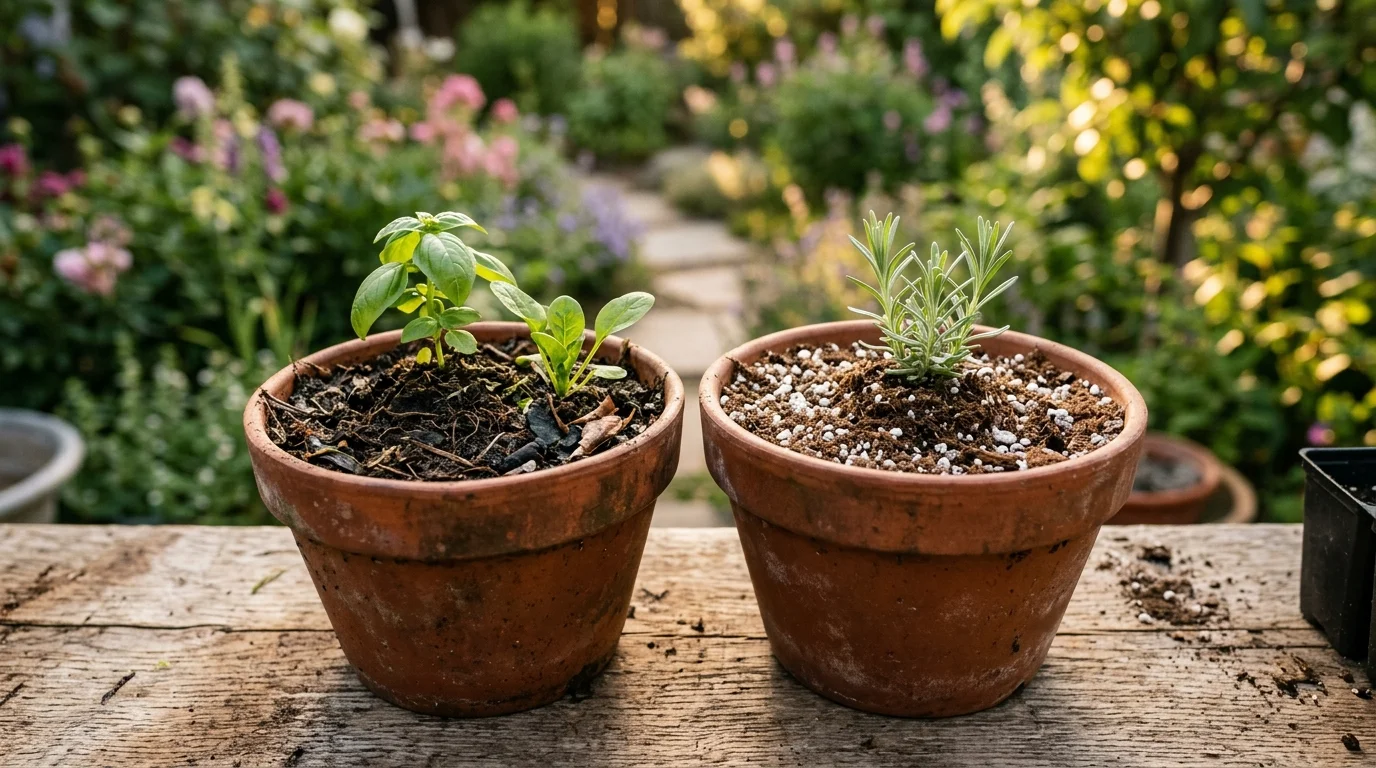
Welcome to our definitive guide! Mastering Potting Mix vs Garden Soil can completely transform your backyard into a lush paradise. In this warm, comprehensive handbook, we will walk you through every critical step needed to succeed.
Quick Answer: To master Potting Mix vs Garden Soil successfully, focus on rich compost-heavy soil, regular deep watering at the roots, and diligent pest inspection twice a week.
Understanding Garden Soil with Professional Care
The first step is understanding Garden Soil inside your garden environment. Getting this right creates a robust foundation for all your plant babies. When you start with excellent preparation, the rest of the journey becomes extremely easy and rewarding.
Many beginners find that focusing on the soil environment makes the biggest difference. If your ground is too hard, roots cannot expand or breathe. Taking some extra time to loosen the ground will yield incredible results.
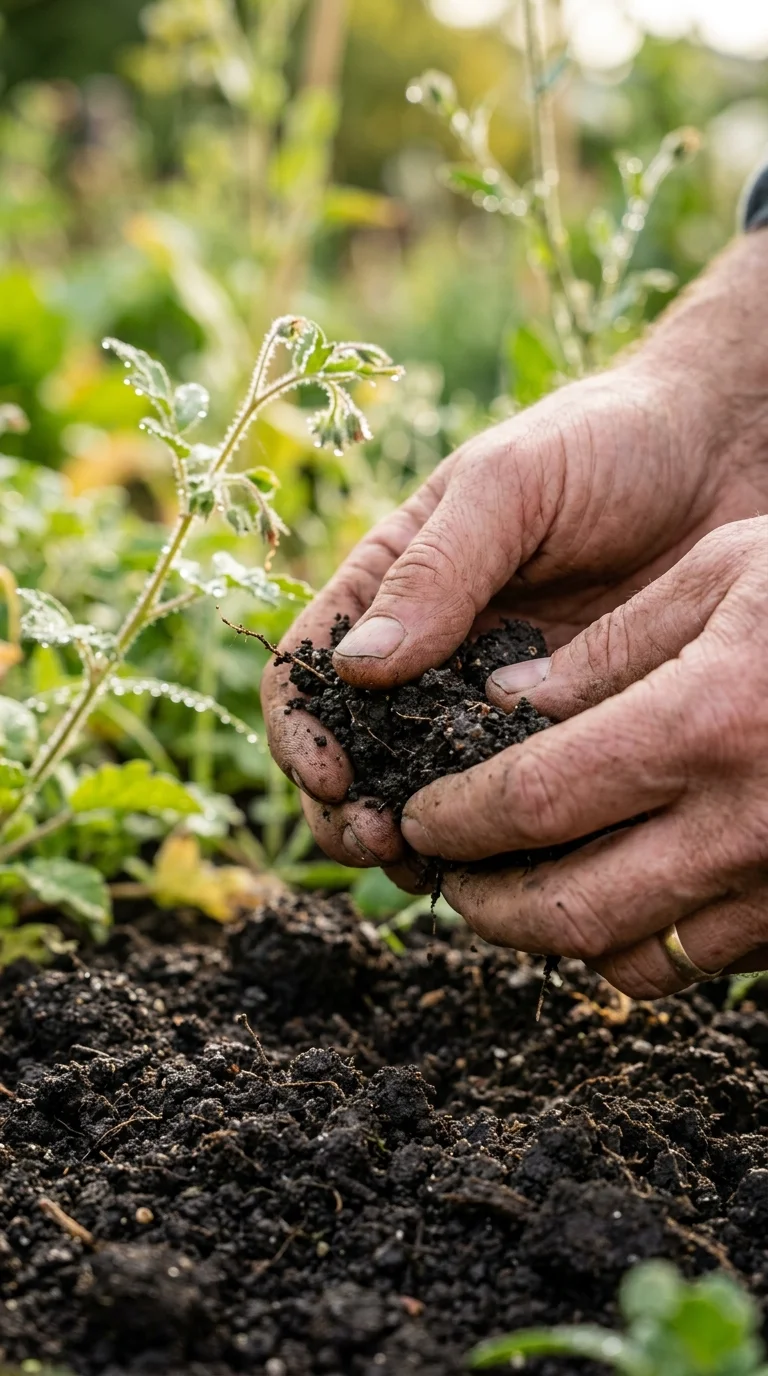
Make sure you check your soil type before adding any organic fertilizers. Heavy clay or loose sand will require slightly different treatments. Mixing in high-quality compost or leaf mold works wonders for aeration and water retention.
Always aim for a nice, crumbly texture that feels light in your hands. This structure holds moisture while letting excess water drain away safely. Your plants will thank you for providing such a healthy home.
Step-by-Step Guide to Potting Mix for Garden Success
Nurturing your green space requires learning the art of Potting Mix. Over-watering is one of the most common mistakes new gardeners make. By feeling the top two inches of soil with your fingers, you can prevent root rot.
Generally, deep watering once or twice a week is much better than light daily sprinkling. This encourages the roots to grow deep into the ground. Deep roots make your plants resilient against dry spells.
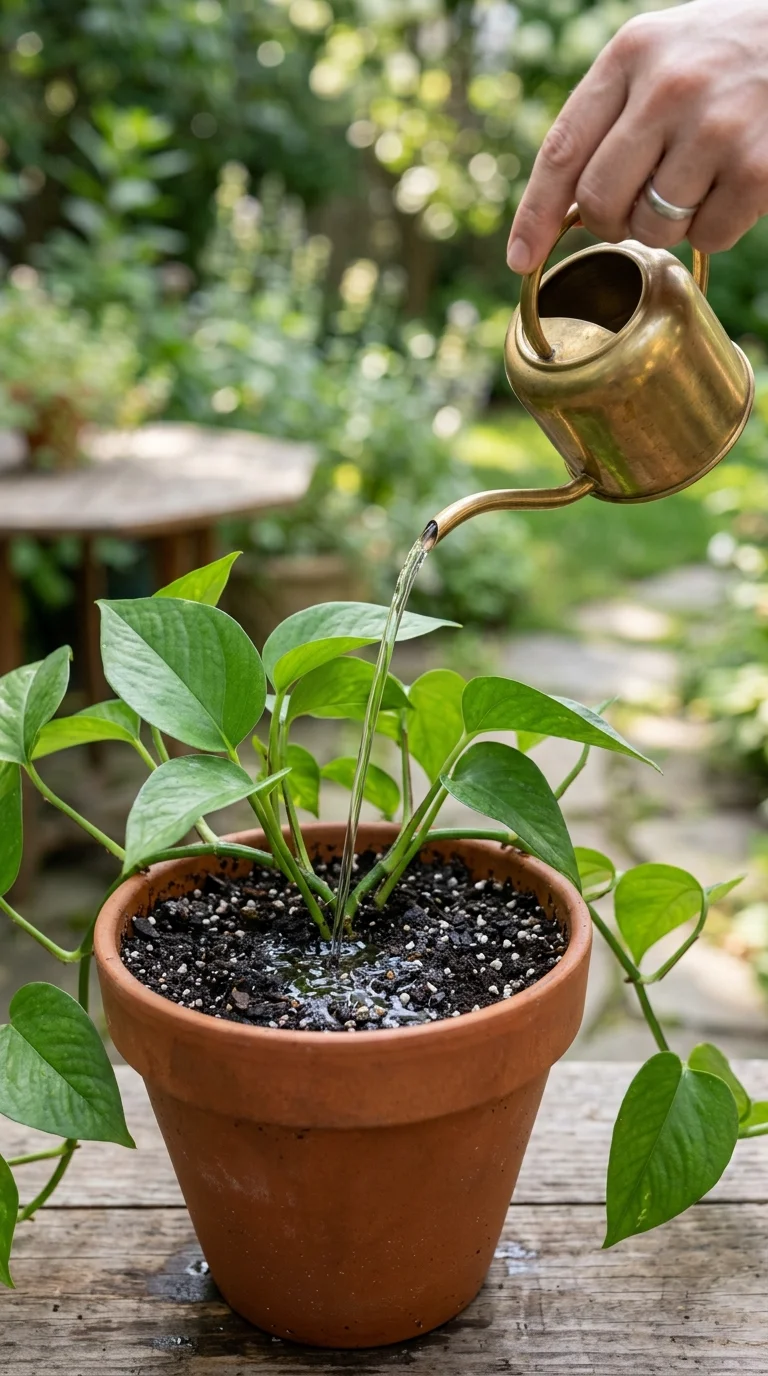
Here are the optimal steps to manage this properly in your yard:
- Check the moisture level daily during warm summer mornings.
- Direct the watering stream toward the base of the plant to keep leaves dry.
- Apply water deeply and slowly so it fully saturates the root zone.
- Add a clean layer of straw or wood mulch to lock in the soil moisture.
Using a simple rain gauge can also help you track natural precipitation. This way, you avoid duplicating effort and wasting precious water resources.
Expert Strategies for Garden Soil in Pots in Your Yard
Now, let’s explore advanced techniques for Garden Soil in Pots to keep everything blooming beautifully. Pruning old or damaged foliage redirects the plant’s natural energy to fresh growth. This results in abundant flowers and high crop yields over time.
Regular maintenance also keeps your garden looking tidy and organized. Removing dead limbs prevents diseases from taking hold. It also improves air circulation throughout the foliage.
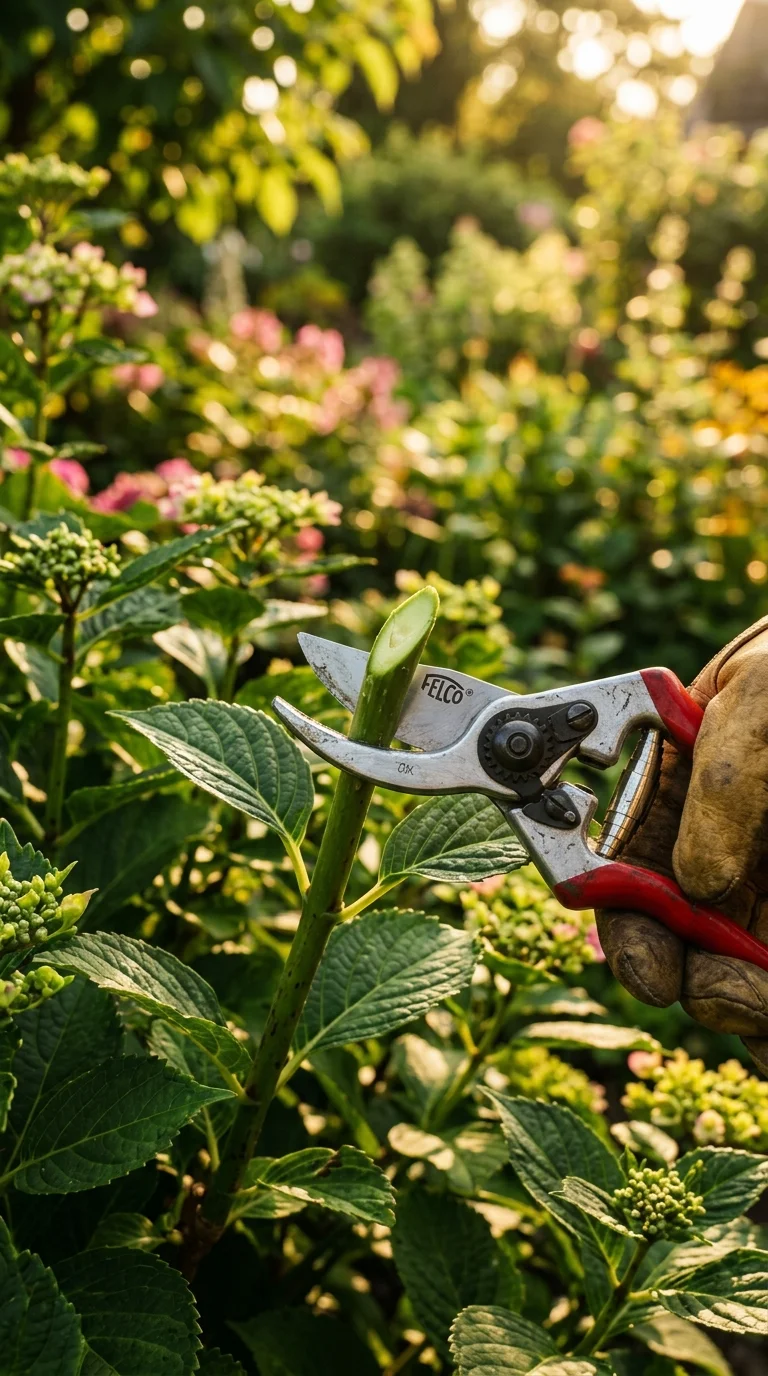
Always use sharp, sterilized shears when trimming your stems to avoid spreading fungal diseases. Making clean, angled cuts just above a leaf node promotes rapid healing.
If you are unsure where to cut, start small. You can always trim more later if needed, but you cannot put a branch back once it is severed.
Common Pitfalls and best potting soil indoor Techniques
Many beginners stumble when they face unexpected challenges, but mastering best potting soil indoor will save your harvest. Keep an eye out for yellowing leaves, fine webbing, or tiny bite marks. Spotting these signs early makes organic intervention fast and effective.
In most cases, a simple adjustment to light or water solves the problem. Do not panic if some leaves drop off during seasonal transitions. It is a completely natural part of the lifecycle.
Try spraying a mild neem oil solution or introducing beneficial predatory insects. These methods protect your plants without harming local bees or butterflies.
Healthy ecosystems thrive on biodiversity, so planting companion flowers nearby can naturally deter pests. Enjoy the process of learning what works best for your unique backyard.
Frequently Asked Questions
Q: How often should I monitor Potting Mix vs Garden Soil?
A: We highly recommend checking on your plants at least twice a week. Daily inspections are even better during hot summer waves or heavy rainy seasons.
Q: What is the best type of fertilizer for Potting Mix vs Garden Soil?
A: A balanced organic compost or a slow-release natural seaweed fertilizer works beautifully. Avoid harsh chemical synthetics that could damage beneficial soil microbes.
Q: Why are my leaves turning yellow under Potting Mix vs Garden Soil?
A: Yellowing is typically a sign of over-watering or nitrogen deficiency. Let the soil dry out completely between waterings, and add compost to replenish nutrients.
Q: Can I grow this indoors near a bright window?
A: Yes, as long as the space receives at least six hours of direct sunlight. Supplementing with a simple LED grow light also works perfectly.
Q: How long does it take to see fresh blooms?
A: You should see beautiful new growth within three to four weeks under proper light and moisture conditions.
Q: Is this plant safe for dogs and cats?
A: Yes, this specific gardening variety is non-toxic and entirely pet-friendly for your household.