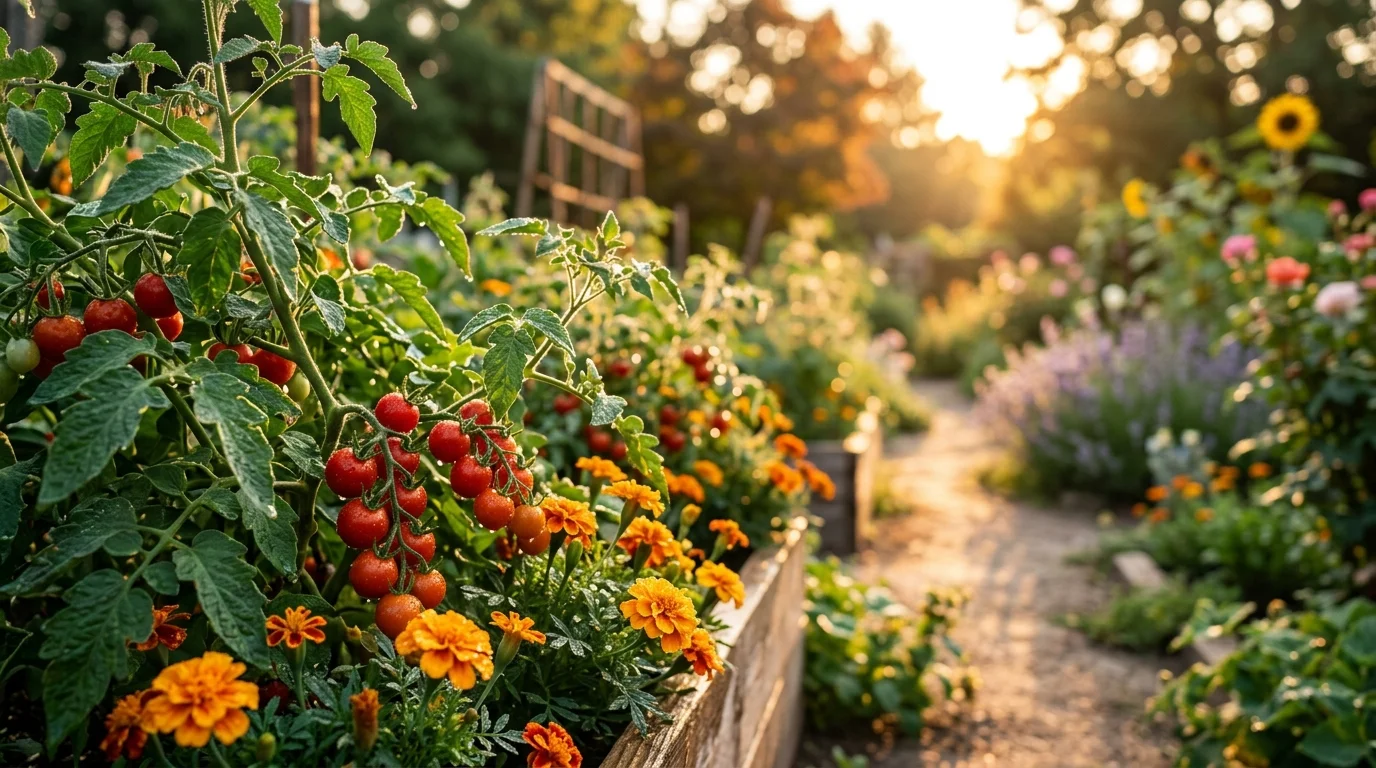
Do you ever walk out to your backyard only to find your prized tomato leaves chewed to pieces by hungry pests? It can be so heartbreaking to watch your hard work disappear overnight, but you do not have to resort to harsh chemicals to save your harvest. In this complete guide, we will explore simple, safe, and highly effective ways to use organic garden pest control to keep your backyard thriving.
Quick Answer: The best approach to organic garden pest control is to build healthy soil, encourage helpful insects, and use safe, natural treatments like Spinosad or neem oil only when needed. By focusing on the health of your entire garden ecosystem, you can naturally prevent major pest outbreaks without using harsh chemical sprays.
Embracing Natural Pest Control for Plants
When you first start your gardening journey, it is easy to think of every insect as an enemy. But as you spend more time in the dirt, you will see that nature has a beautiful balance. Choosing natural pest control for plants is all about working with this balance rather than fighting against it.
I will be the first to admit that I was not always an organic gardener. Years ago, my kids would run out to our backyard patch to grab a quick snack. I would laugh and tell them to wait so we could wash the chemical sprays off first. One day, that simple joke really made me stop and think.
Why was I putting things on our food that we could not safely eat right off the vine? That was the moment I decided to make a change. Now, my family can pluck a warm cherry tomato and pop it right into our mouths without a single worry.
Many gardeners find that switching to natural methods brings a wonderful sense of peace. You do not have to worry about your pets running through the garden beds. You do not have to worry about what you are breathing in when you tend to your crops.
The secret to natural pest control for plants is to look at your garden as a whole ecosystem. An ecosystem is just a fancy word for a community of living things that work together. When your garden is balanced, you will have plenty of good bugs to keep the bad bugs in check.
In most cases, a pest outbreak is simply a sign that something in your garden is out of balance. It often depends on the health of your soil and the diversity of your plants. If you only grow one type of vegetable, pests can find it easily and multiply quickly.
When you mix your vegetables with flowers and herbs, you confuse the bad bugs. You also create a welcoming home for beneficial insects. These are the friendly bugs, like ladybugs, lacewings, and hoverflies, that love to eat pests.
For example, a single ladybug can eat thousands of aphids during its lifetime. Aphids are those tiny, sap-sucking insects that gather on the tender new growth of your plants. If you spray a harsh chemical to kill the aphids, you will also kill the ladybugs.
Without the ladybugs around, the next wave of aphids will multiply even faster. This is what we call the pest resurgence cycle. By choosing natural pest control for plants, you break this cycle and let nature do the heavy lifting for you.
Building a healthy garden ecosystem does take a little bit of patience. Many gardeners find that it takes about three years of organic practices to see the full benefits. During this time, your soil will heal, and the local insect population will balance out.
But do not let that timeline discourage you! You will see positive changes in your backyard almost immediately. Every step you take toward organic methods makes your garden a safer, happier place for your family and the earth.
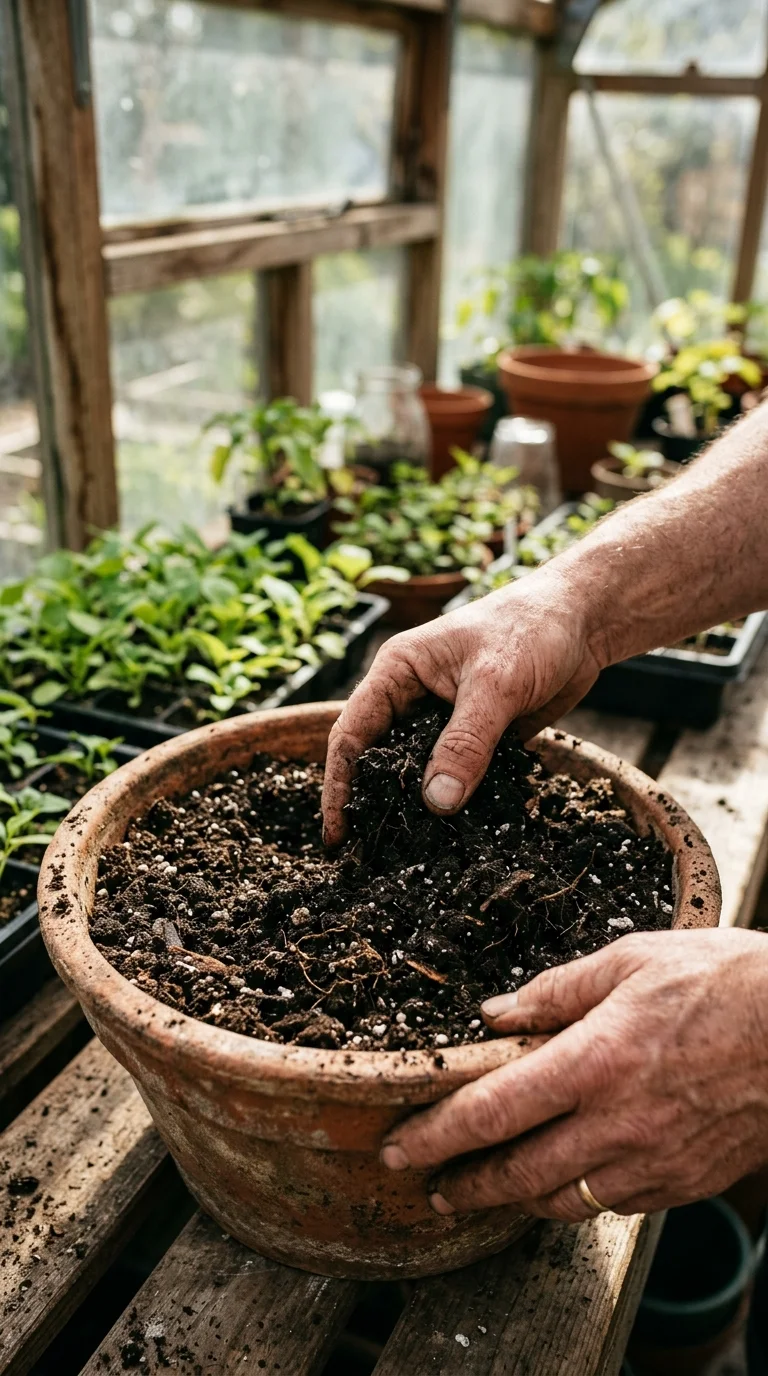
Smart Pest Control for Beginners
If you are new to growing your own food, the world of bugs can feel a bit overwhelming. You might feel like you need a degree in science just to keep your cabbage alive! Fortunately, pest control for beginners is much simpler than you might think.
You do not need a garage full of expensive chemicals to protect your plants. In fact, my absolute favorite tool for pest control is just a simple garden chair.
Every morning, I love to grab a warm cup of coffee and sit quietly in my garden. I am not out there to do chores or pull weeds. I am just there to observe and enjoy the space.
While I sit, I look closely at the leaves of my plants. I peer under the foliage and check the stems. This quiet time is when I catch most of my pest problems before they ever become disasters.
If you spot a few pests early, you can often solve the problem with your bare hands. This is the first and most important rule of pest control for beginners: observe first, and act gently.
When you do need to buy a product, always look for the OMRI label. OMRI stands for the Organic Materials Review Institute. This group tests products to make sure they are truly safe for organic growing.
Let’s look at some of the most common and effective organic products you can use in your garden:
Spinosad This is a natural substance made by a friendly soil bacterium. It is highly effective against chewing pests like caterpillars, beetles, thrips, and leaf miners. It works when the insect actually eats the treated leaf, causing their nervous system to stop working.
Bacillus thuringiensis (B.T.) B.T. is another natural soil bacterium that only targets caterpillars and leaf-eating larvae. It is completely safe for humans, birds, and even honeybees. It is a wonderful choice when cabbage worms start chewing on your broccoli.
Diatomaceous Earth (DE) This is a powdery substance made from the fossilized remains of tiny water plants called diatoms. To our hands, it feels like soft flour. But to crawling insects, it is like walking over tiny shards of glass that dry out their outer shells.
Neem Oil This is a natural oil pressed from the seeds of the neem tree. It acts as a repellent and a growth disruptor. It does not kill bugs instantly, but it stops them from feeding and laying eggs on your plants.
Pyrethrin This is a stronger organic option derived from chrysanthemum flowers. It knocks down pests quickly on contact. Because it is non-discriminatory, meaning it can hurt good bugs too, you should use it very sparingly.
Insecticidal Soap These are specially formulated soaps that melt the protective outer coating of soft-bodied pests like aphids and spider mites. You can buy them pre-made, or make your own with gentle castile soap.
When you use these organic options, you are keeping your garden safe for beneficial creatures. You are also ensuring that the food you harvest is clean and healthy. With these simple tools in your gardening toolkit, you will be ready to handle any bug that comes your way.
How to Get Rid of Garden Bugs
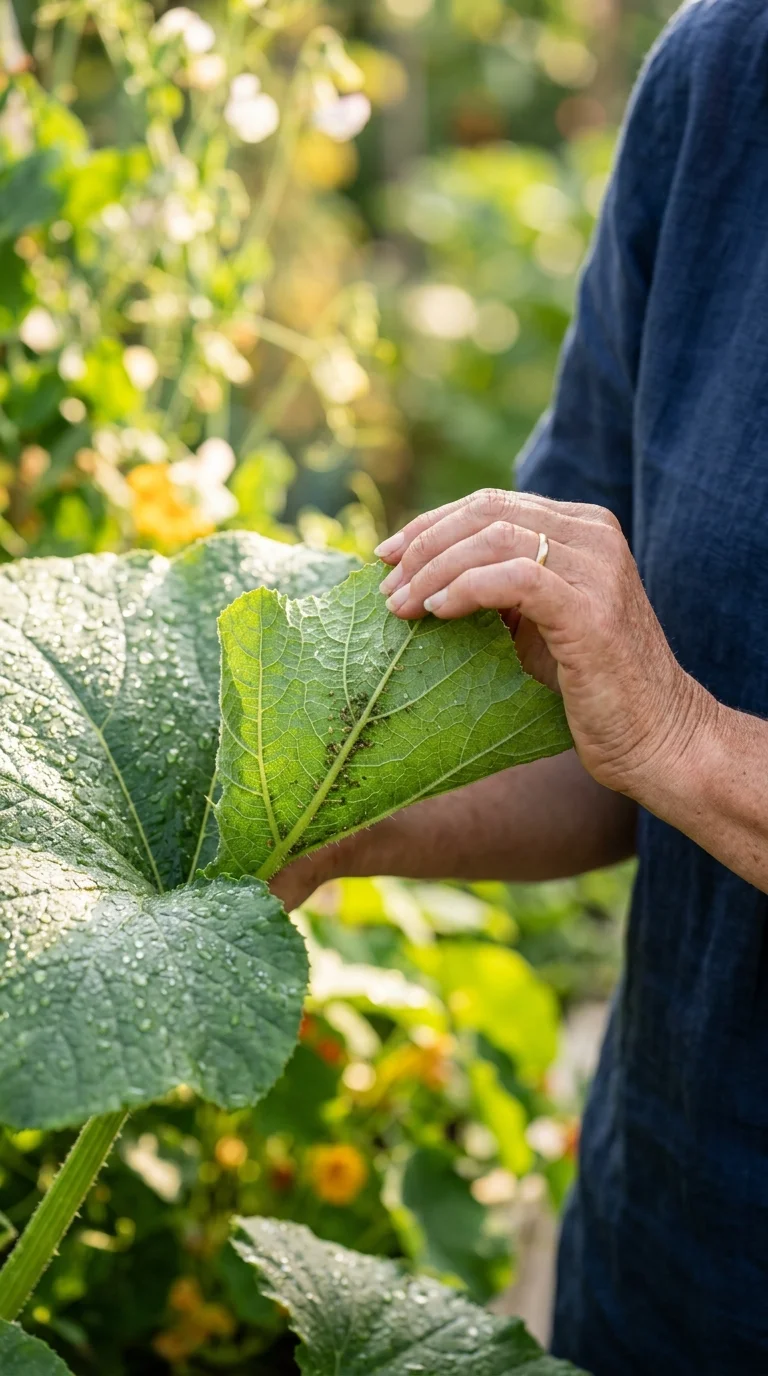
When you notice active damage on your plants, you need a clear plan of action. Knowing how to get rid of garden bugs step-by-step will give you the confidence to protect your backyard harvest.
Here is a simple, practical guide you can follow whenever you spot pests in your garden beds:
Step 1: Identify the Bug Before you do anything, you must know what insect you are dealing with. Take a close look at the bug, or snap a quick photo with your phone. You can use a free gardening app or ask a neighbor to help you identify it.
Step 2: Decide if It Is a Real Problem A few chewed leaves are completely normal and will not hurt your harvest. If you only see one or two pests, you may not need to do anything at all. Give the local birds and predatory insects a day or two to solve the problem for you.
Step 3: Hand-Pick the Pests If the population is growing, grab a jar filled with warm, soapy water. Gently pluck the pests off the leaves and drop them into the jar. This works wonderfully for large pests like tomato hornworms, squash bugs, and Japanese beetles.
Step 4: Try a Hand Vacuum If you do not like touching bugs, you can use a small, cordless hand vacuum. Gently vacuum the pests off the leaves of your plants. Once you are done, empty the vacuum canister directly into your bucket of soapy water.
Step 5: Apply Diatomaceous Earth For crawling pests like flea beetles or slugs, apply a light dusting of Diatomaceous Earth. A great trick is to put some of the powder into an old pair of pantyhose. Tie the end, and gently shake it over your damp plants to coat them evenly.
Step 6: Mix and Apply Your Spray If you must use a spray like Spinosad or B.T., always buy the concentrate version to save money. Mix it with clean water in a one-gallon pump sprayer. A pump sprayer is much easier on your hands than a small trigger spray bottle.
Step 7: Spray at the Right Time Never spray your garden in the middle of a hot, sunny day. The wet spray can act like a magnifying glass and burn your plant leaves. Instead, spray in the late afternoon or early evening when the sun is low and honeybees have gone back to their hives.
Step 8: Check the Weather Always check your local weather forecast before you apply any organic treatment. Because these natural products do not contain synthetic glues, rain will wash them away. Try to find a window of at least 24 to 48 hours of dry weather.
Step 9: Monitor and Reapply Organic treatments break down quickly in the environment, which is why they are so safe! However, this also means you may need to reapply them every few days. Keep a close eye on your plants to see if a second treatment is needed.
By following these steps, you can manage pest issues quickly and safely. You will save your plants without putting harmful chemical residues onto your family’s fresh food.
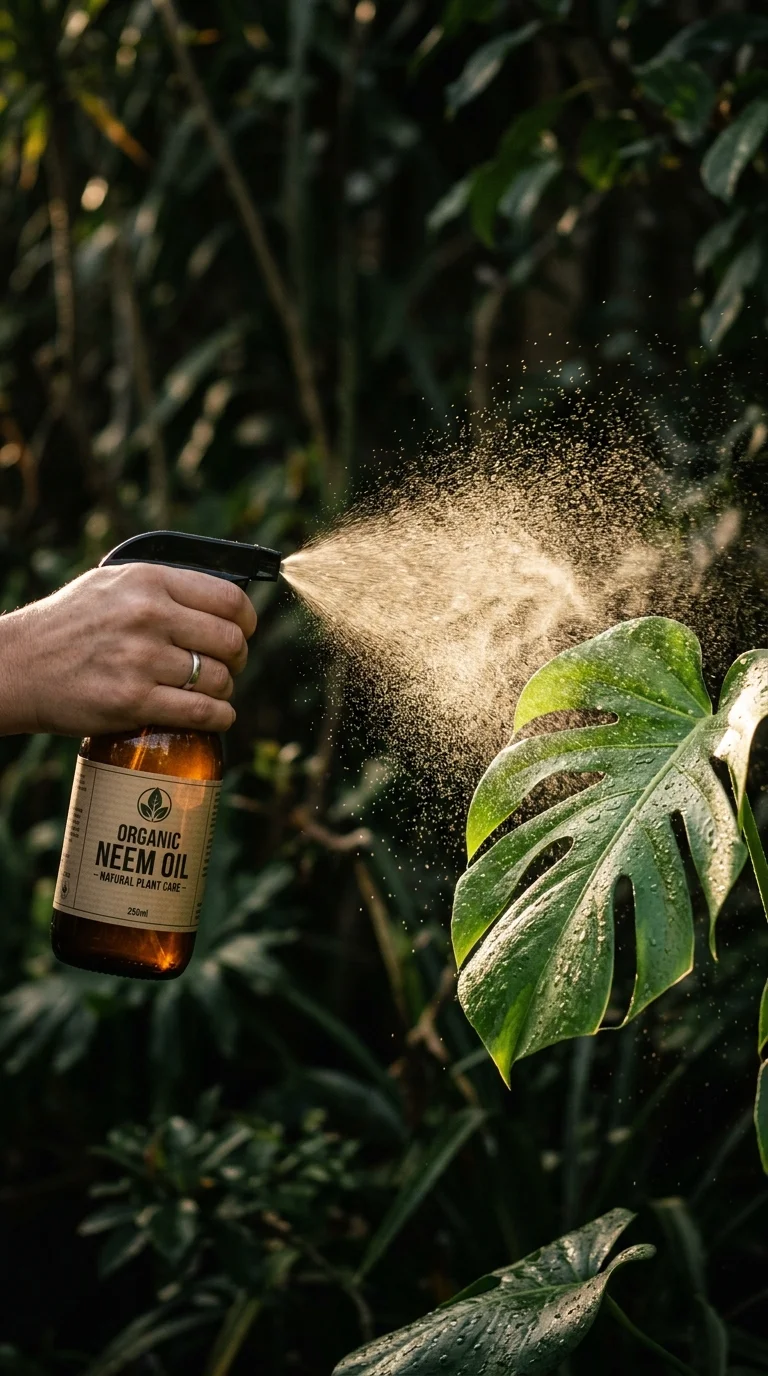
Safe Pest Control for Vegetable Gardens
When you are growing food to put on your family’s dinner table, safety is your top priority. Using safe pest control for vegetable gardens ensures that your fresh produce is truly healthy to eat.
One of the most beautiful ways to protect your vegetables is through companion planting. This is the practice of planting different crops close together for mutual benefit.
For instance, pests often find their favorite vegetables by smell. When you plant highly aromatic herbs like basil, rosemary, and mint near your vegetables, the strong scents mask the smell of your crops.
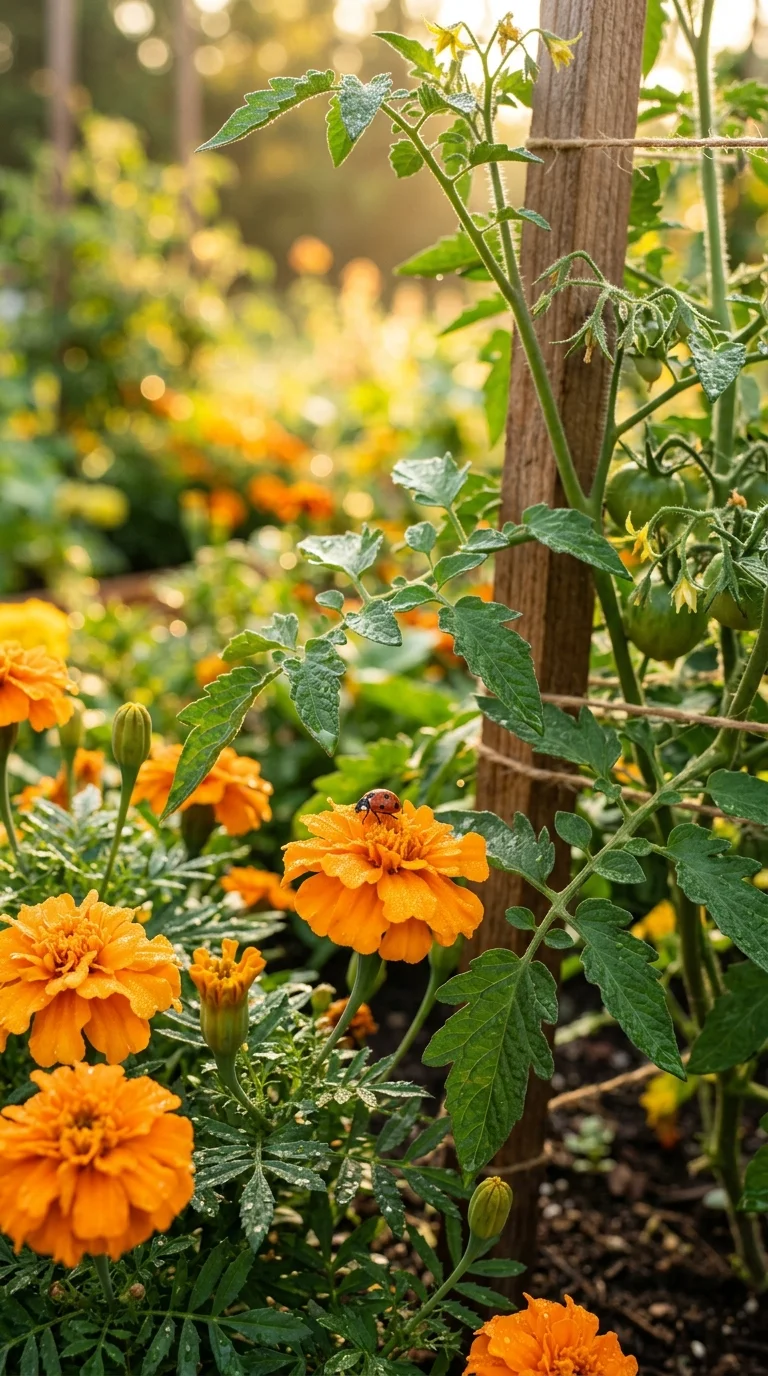
Flowers are also incredible partners in the vegetable garden. I love to plant bright orange marigolds and edible nasturtiums everywhere I can.
Nasturtiums act as a brilliant trap crop. A trap crop is a plant that pests love even more than your vegetables. The bad bugs will flock to the nasturtiums, leaving your precious cabbages and kales completely untouched!
Sweet alyssum is another must-have flower for your vegetable beds. Its tiny, honey-scented blossoms attract very small beneficial wasps. Do not worry, these wasps do not sting humans, but they are highly effective at hunting aphids!
Let’s look at some common mistakes to avoid when using safe pest control for vegetable gardens:
- Broadcasting Sprays: Never spray your entire garden with a pest control product. Only apply treatments directly to the leaves where you see active pest damage. This protects all the helpful insects living nearby.
- Using Hard Water: If you have hard water from a well, it can be very alkaline. This high pH can actually kill the beneficial bacteria in organic sprays like Spinosad or B.T. Use rainwater or distilled water instead.
- Using Harsh Household Soaps: Many online articles suggest using blue dish soap to kill garden bugs. However, these soaps are actually chemical detergents that can strip the protective wax off your plant leaves and harm your soil. Always stick to gentle, organic castile soap.
- Forgetting to Wash: Even though organic treatments are safe, you should still wash your vegetables before eating them. A quick rinse in cool water removes any dust, organic sprays, and wild bird droppings.
Generally, a healthy vegetable garden is a diverse garden. By planting a mix of vegetables, herbs, and flowers, you create a natural shield that keeps pests away. It is a beautiful, self-sustaining system that makes gardening so much easier and more rewarding.
Strategic Garden Layout & Spacing Canvas
The physical layout of your garden plays a huge role in how pests move through your yard. By using smart permaculture designs, you can naturally reduce pest problems while growing more food in less space.
Permaculture is a way of designing gardens that mimics the patterns found in nature. In a natural forest, you never see plants growing in long, single-file rows of a single crop. Instead, plants grow in dense, diverse, and curved patterns.
One of the best permaculture designs for backyard growers is the keyhole garden. This layout features a circular or rectangular bed with a small walkway leading to the center.
The center of the keyhole often holds a small composting basket. As you water the garden, nutrients from the compost slowly seep out into the surrounding soil, feeding your plants directly.
Keyhole Garden Layout Diagram:
+-------------------------------------------------+
|               Lush Growing Area                 |
|   +-----------------------------------------+   |
|   |         Gravel Keyhole Access Path      |   |
|   |         (Dead End Composting Access)    | [ ] Composting Basket
|   +-----------------------------------------+   |
|               Lush Growing Area                 |
+-------------------------------------------------+
Dimensions: 8ft Wide x 6ft Long
Path Width: 2ft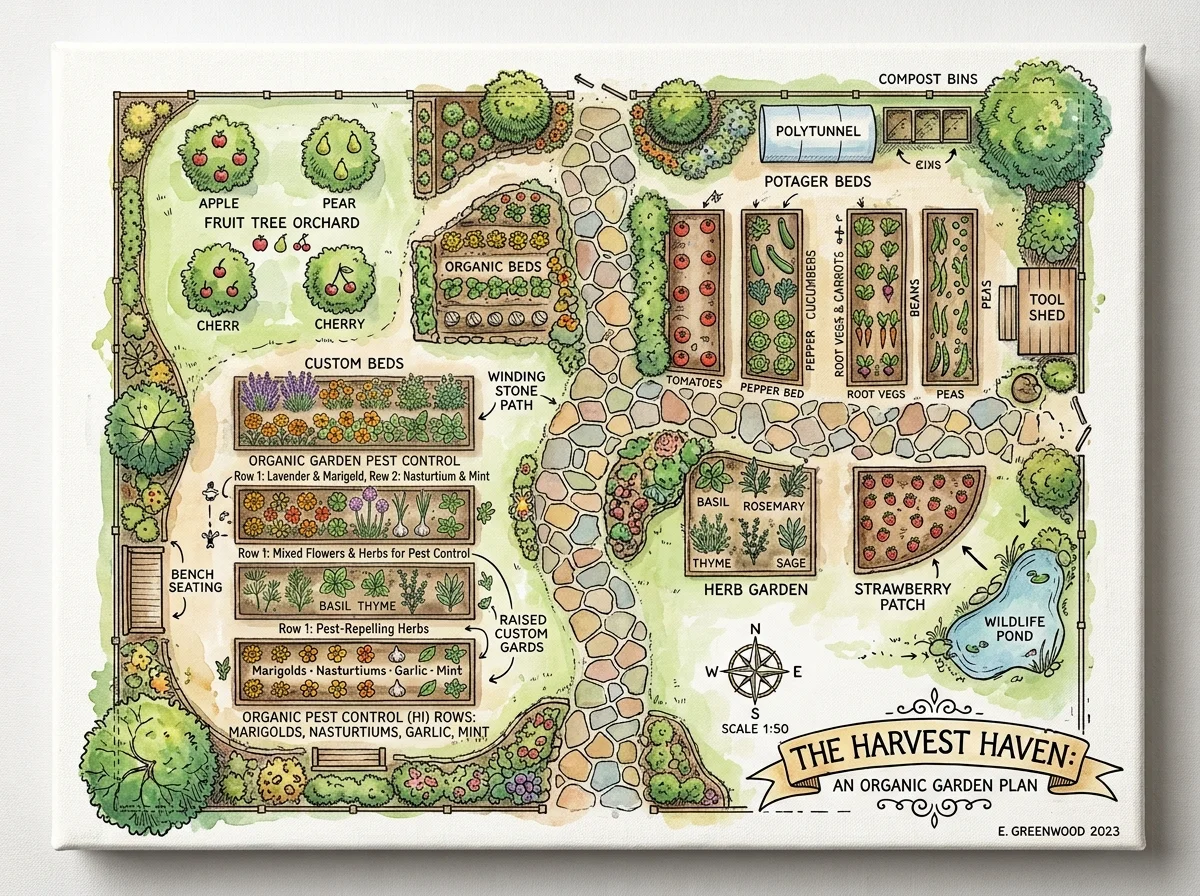
Companion planting tip: Plant your tomatoes near aromatic basil and golden marigolds to deter pests naturally and enhance yields!
When you use a keyhole layout, you eliminate the need for multiple pathways. This means you have more space for growing and less soil compaction from walking.
The dense planting in a keyhole garden also creates a living mulch. The leaves of your plants touch each other, shading the soil to keep it cool and moist. This reduces water evaporation and prevents weed seeds from sprouting.
Furthermore, this dense, mixed planting makes it very difficult for pests to navigate. A pest cannot simply crawl down a long row of its favorite food. Instead, it must search through a jungle of different scents, textures, and predatory insects.
Nutrient Optimization & Organic Feeding Guide
To grow plants that can naturally resist pests, you must focus on feeding your soil. This is the heart of the soil food web, which is the community of organisms living in your dirt.
When you use synthetic chemical fertilizers, you are only feeding the plant directly. This gives the plant a sudden, unnatural rush of growth.
However, this rapid growth is often weak and watery, which actually attracts pests like aphids and mites. Even worse, synthetic fertilizers do nothing to feed the soil, eventually leaving it dry, compacted, and lifeless.
Organic feeding is completely different. Your goal is to feed the soil microbes, fungi, and earthworms. These tiny helpers then break down the organic matter into gentle, slow-release nutrients that your plants can absorb as needed.
Here are the best organic feeds you can use to build robust, pest-resistant plants:
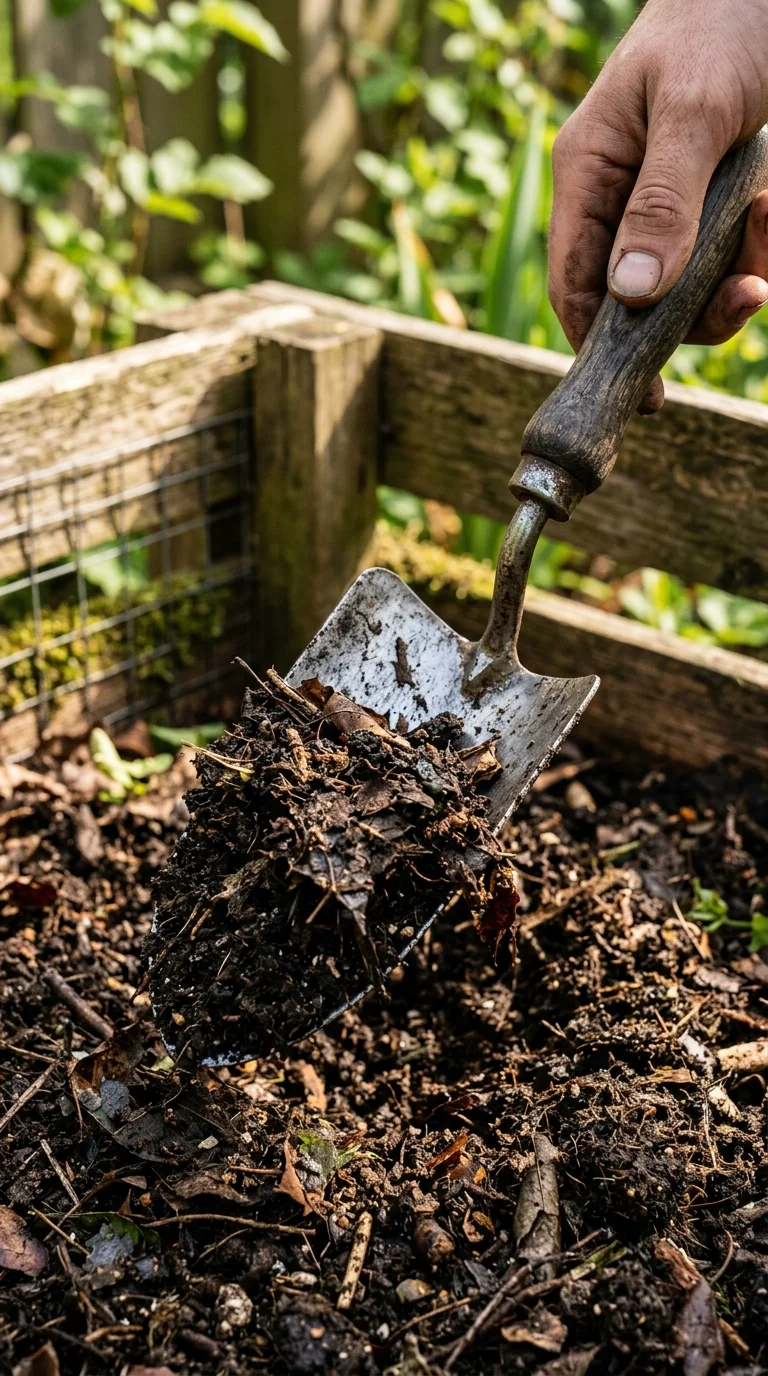
Rich Homemade Compost Compost is the absolute foundation of a healthy garden. It is packed with beneficial microorganisms that build rich, crumbly soil structure. Apply a two-inch layer of compost to your garden beds every spring and autumn.
Slow-Release Worm Castings Worm castings are simply worm poop, and they are pure magic for your plants! They are full of gentle nutrients and beneficial humic acids. Many gardeners find that adding a handful of worm castings to each planting hole gives crops a wonderful, healthy start.
Liquid Seaweed and Kelp Fertilizer Seaweed is like a daily multivitamin for your garden. It is packed with over sixty trace minerals and natural growth hormones. While it does not contain much nitrogen, it helps plants cope with environmental stress like heat, drought, and pest attacks.
Organic Mulch Mulch is any material that you spread over the surface of your soil. Straw, shredded leaves, and wood chips make excellent organic mulches. As they slowly decay, they feed the soil food web and keep your plant roots cool and moist.
By focusing on these organic inputs, you will build incredibly rich, living soil. Healthy plants grown in this soil will have strong cell walls and robust immune systems.
When a pest does try to take a bite, the healthy plant can often produce natural defense chemicals to protect itself. You will find that you rarely need to use any pest control products at all, simply because your plants are too strong to be bothered!
Ultimate Harvesting & Seasonal Blooms Rewards
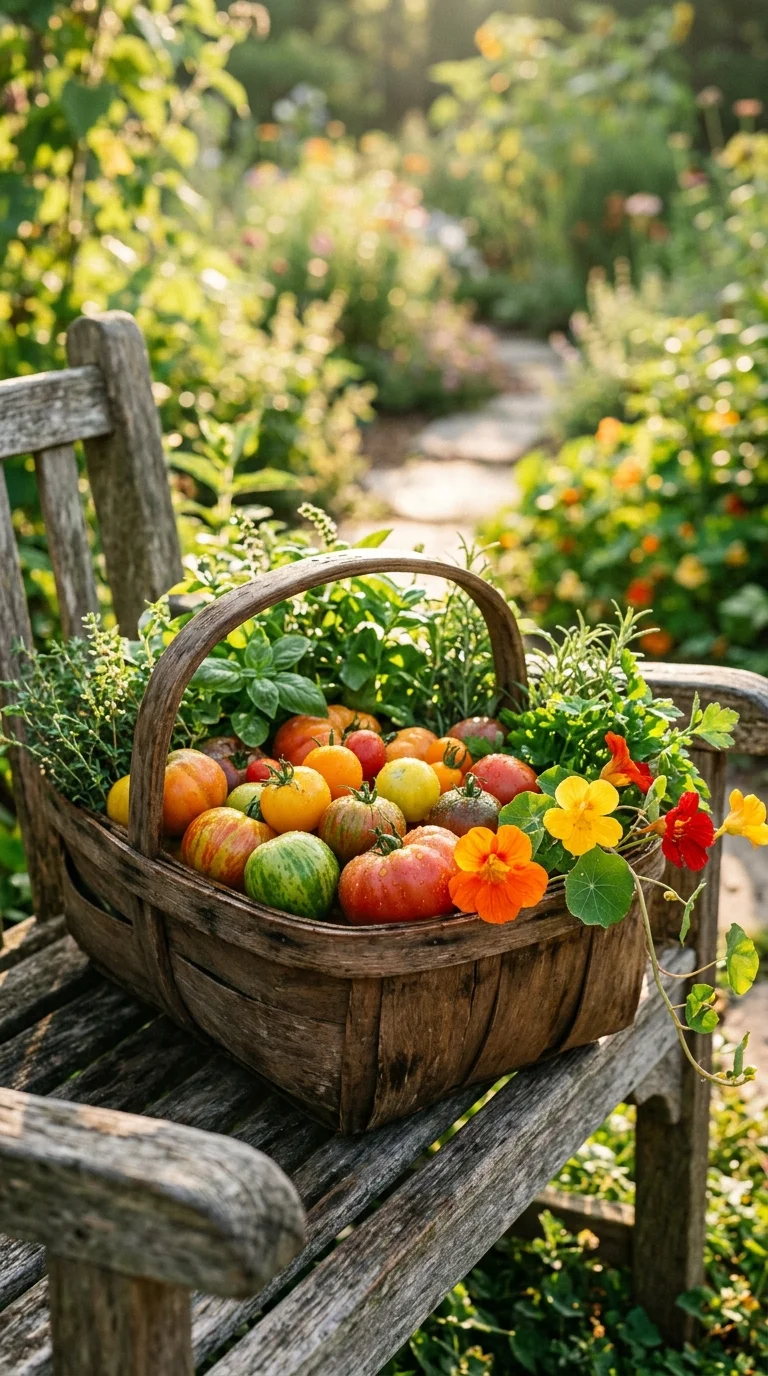
There is no feeling in the world quite like walking out to your backyard and harvesting a basket full of fresh, clean food. When you choose organic methods, this moment is filled with pure joy and zero worry.
To get the absolute best flavor and nutrition from your harvest, timing is key. You should try to harvest most of your crops in the cool of the morning.
This is when your vegetables are fully hydrated after the cool night air. Leafy greens like lettuce, spinach, and kale will be incredibly crisp and sweet.
For warm-season crops like tomatoes, harvest them when they are fully colored but still slightly firm to the touch. Let them sit on your kitchen counter for a day or two to reach peak sweetness.
As your summer garden begins to wind down, you can also start saving your own seeds. This is a beautiful, ancient practice that connects you deeply to the cycle of life.
Choose your healthiest, most pest-resistant plants to save seeds from. Let a few of their fruits fully ripen and dry on the vine.
Collect the seeds, clean them carefully, and store them in paper envelopes in a cool, dark, and dry place. Over the years, these seeds will adapt to your specific backyard soil and climate, making them even easier to grow next season!
Beyond the delicious food, the greatest reward of an organic garden is the beautiful, buzzing sanctuary you create. You will begin to notice so much life returning to your yard.
You will see colorful butterflies fluttering among your flowers. You will hear the gentle hum of native bumblebees pollinating your squash blossoms.
You might even spot a friendly garden toad hiding under a shady leaf, waiting to catch a beetle for lunch. This is the true magic of organic gardening.
You are not just growing food; you are cultivating a healthy, thriving ecosystem right in your own backyard. It is a wonderful gift for your family, your community, and the planet.
I hope this guide gives you the confidence to start your own organic journey today. Remember, gardening is a beautiful, lifelong learning experience. Enjoy every moment of it, and happy growing!
Frequently Asked Questions
Q: Is organic garden pest control safe to use around my backyard pets?
A: Yes, in most cases, organic methods are much safer for dogs, cats, and backyard chickens than synthetic chemicals. Products like Diatomaceous Earth and B.T. are non-toxic to mammals, but you should still keep pets out of the garden while you are actively applying them.
Q: How long does it take to see results with natural pest control?
A: It often depends on the specific method you use, as some treatments like hand-picking or Pyrethrin work instantly. For long-term balance, it generally takes about three years of organic practices for your soil and beneficial insect populations to fully establish.
Q: Can I use regular kitchen dish soap to make an insecticidal spray?
A: It is generally best to avoid harsh dish soaps, especially antibacterial versions, as they can strip the protective wax coating from your plant leaves and harm beneficial soil microbes. Instead, many gardeners find that gentle, organic castile soap is a much safer choice for homemade sprays.
Q: Will organic sprays harm the honeybees and butterflies in my yard?
A: Some organic treatments, like Pyrethrin and Spinosad, can indeed harm beneficial pollinators if they come into direct contact with them. To protect your friendly garden helpers, always apply these sprays in the late evening when bees and butterflies are no longer active.
Q: Why do organic pest control treatments need to be applied more often than chemical ones?
A: Organic treatments are designed to break down quickly in the environment, which is why they do not leave harmful residues on your food. Because they do not contain synthetic glues or long-lasting chemicals, they will wash away with rain or overhead watering and must be reapplied.
Q: Is it normal to still see a few pests in an organic garden?
A: Yes, seeing a small number of pests is actually a sign of a healthy, balanced ecosystem! You need a small population of bad bugs to serve as a food source for the beneficial insects, so a few chewed leaves are perfectly normal and nothing to worry about.