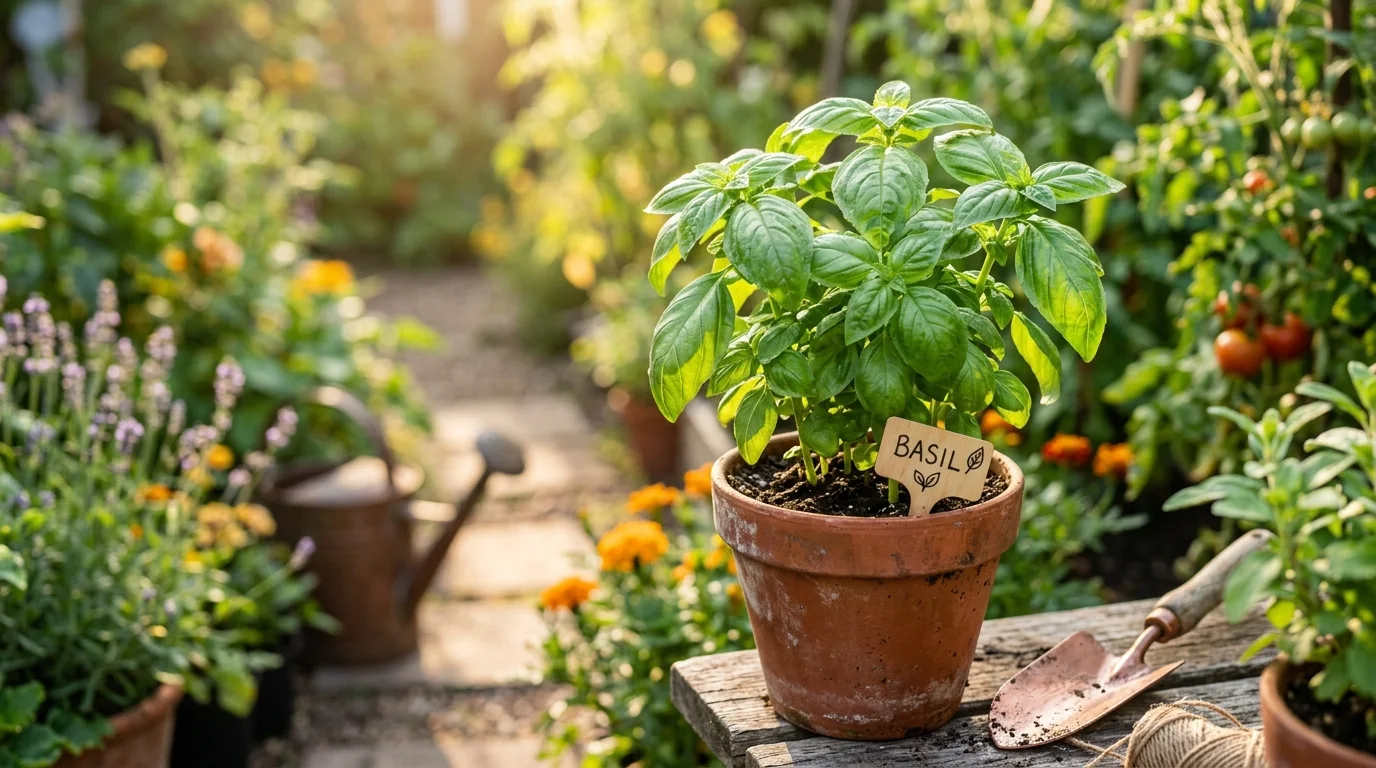
Basil is the undisputed king of summer herbs. Its sweet, peppery fragrance is synonymous with warm sunshine, fresh tomatoes, and homemade pesto. Best of all, it is incredibly easy and rewarding to grow right at home, even if you only have a sunny windowsill.
Quick Answer: To grow basil successfully, place the plant in a spot that gets 6 to 8 hours of direct daily sunlight. Use rich, well-draining potting mix, water at the soil level rather than over the leaves, and pinch off the top leaves regularly to encourage bushy growth.
Why Grow Basil at Home?
Supermarket basil pots are notoriously fragile—they look lush in the shop but often wither and die within a week of arriving home. By learning how to grow your own basil from seed or correctly managing store-bought plants, you will enjoy a continuous, abundant supply of highly aromatic leaves that taste far superior to anything wrapped in plastic.
Choosing the Right Basil Variety
While sweet basil is the most common, there are several delicious varieties to choose from:
- Genovese Basil: The classic Italian heirloom variety with large, cup-shaped leaves. This is the absolute best choice for making traditional pesto and tomato salads.
- Thai Basil: Features narrow leaves, purple stems, and a distinct anise or liquorice flavour. It holds up well to cooking and is perfect for curries and stir-fries.
- Lemon Basil: Offers a bright, citrusy aroma that pairs beautifully with grilled fish, poultry, and summer herbal iced teas.
- Purple Basil: Visually stunning with dark purple leaves and a slightly spicier, clove-like flavour. Great for infusing vinegar or adding colour to salads.
Sowing Basil Seeds Indoors
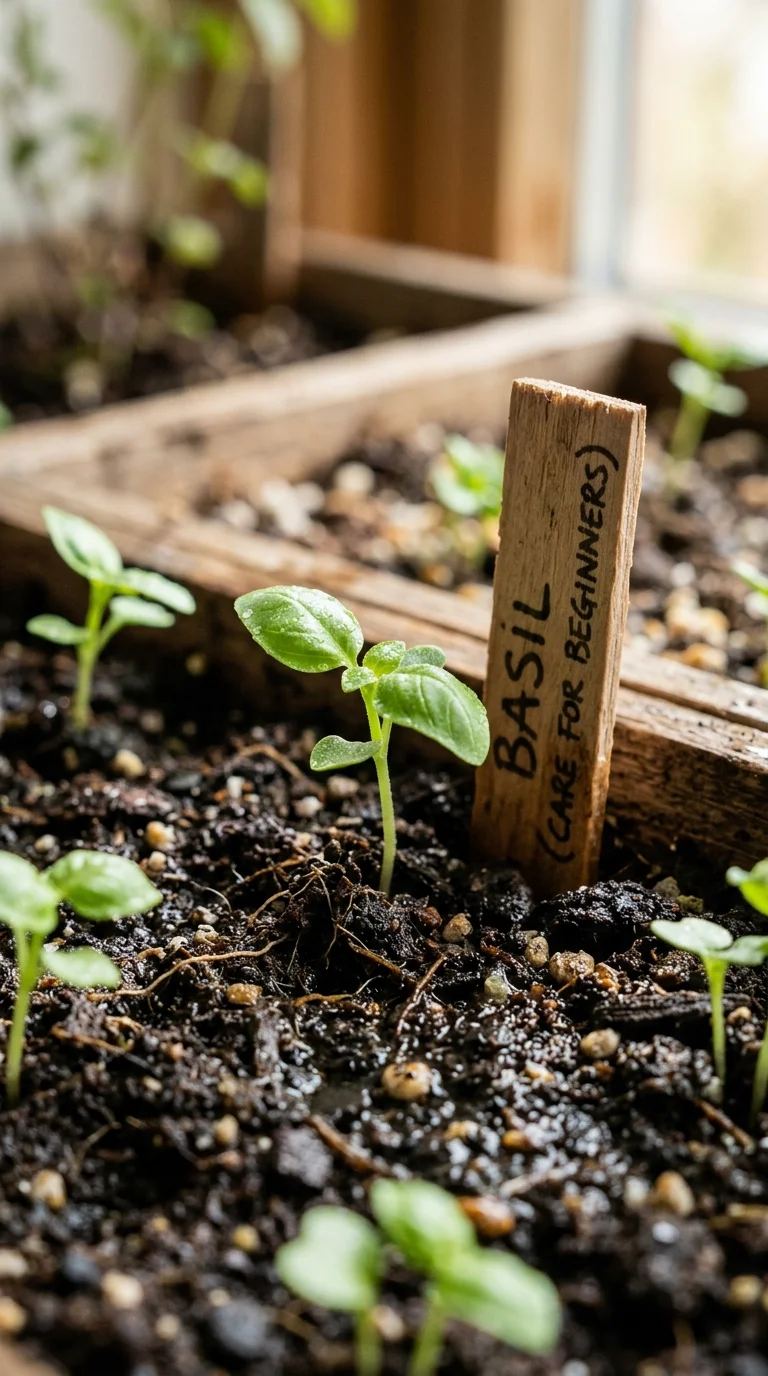
Basil is a warm-weather plant that is highly sensitive to frost. Sowing seeds indoors is the most reliable way to get a head start.
- Get Ready: Fill small pots or seed trays with a lightweight seed-starting mix.
- Sow: Press 2-3 seeds into each pot, about 1/4 inch deep. Cover them lightly with a thin layer of compost.
- Moisten: Mist the soil gently with water so it is damp but not waterlogged.
- Warmth & Light: Keep the pots in a warm room (at least 18°C / 65°F). Covering the tray with a plastic lid helps lock in humidity. Once sprouts appear (usually within 5 to 10 days), remove the cover and place them on your sunniest windowsill.
- Thin: When the seedlings have two sets of true leaves, thin them out by clipping the weaker sprouts, leaving only the single strongest seedling in each pot.
The Supermarket Basil Trick: How to Save a Store-Bought Pot
If you buy a pot of basil from a supermarket, you will notice it contains dozens of tiny seedlings crowded together. If left like this, they will compete for nutrients and light, quickly root-bound, and die.
To save it, gently tip the plant out of its pot. Carefully pull the root mass apart into 3 or 4 smaller clumps. Repot each clump into its own container filled with fresh potting mix. Place them in a sunny spot, and you will suddenly have four healthy, productive basil plants instead of one dying supermarket pot!
Sun, Water, and Soil Requirements
- Sunlight: Basil requires at least 6 to 8 hours of direct sunlight every day. If growing indoors, place it in a south- or west-facing window. If your window lacks light, a simple LED grow light set 6 inches above the plant works beautifully.
- Watering: Basil likes to stay hydrated but hates “wet feet.” Water deeply whenever the top inch of soil feels dry. Crucial Tip: Always water at the base of the plant, directly onto the soil. Wetting the leaves encourages fungal diseases like powdery mildew and downy mildew.
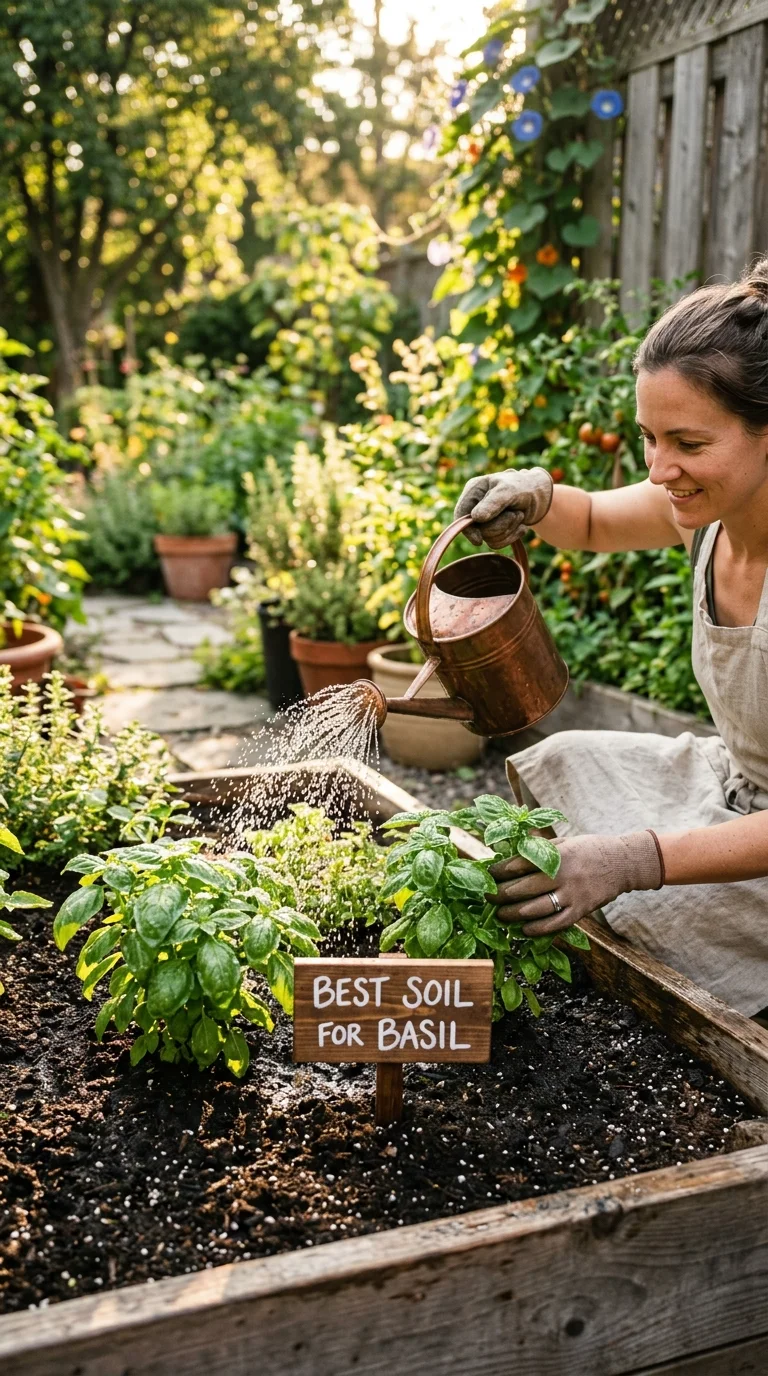
- Soil: Use a high-quality, free-draining potting mix. Add a handful of organic compost to provide a steady supply of nutrients.
The Golden Rule of Basil: Pinch and Prune
If you let your basil plant grow straight up, it will become tall, leggy, and quickly go to seed. To keep it bushy and full of leaves, you must prune it regularly.
Identify a node where two new leaves are emerging from the main stem. Use sharp shears or your fingers to pinch off the main stem just above that node. The plant will redirect its energy to those two side shoots, turning one stem into two. Repeat this process every couple of weeks on all the main branches.
Always pinch off any flower buds immediately. If basil is allowed to flower, the plant stops producing new leaves, and the existing leaves develop a bitter, woody flavour.
Frequently Asked Questions
Q: Why are my basil leaves turning yellow?
A: Yellowing leaves are typically a sign of overwatering or poor drainage. Let the soil dry out slightly between waterings, and ensure the pot has functional drainage holes.
Q: Can I grow basil in the ground outdoors?
A: Yes, but only after all danger of frost has passed and the soil has warmed up. Space outdoor plants about 12 inches apart in a sunny, wind-protected bed.
Q: What is eating holes in my basil leaves?
A: Slugs, snails, and caterpillars love basil. Check your plants at night with a torch to hand-pick pests off, or use organic slug pellets and physical barriers.
Q: How do I harvest basil without killing the plant?
A: Never strip all the leaves off a single stem, and never harvest from the bottom of the plant. Always pinch off the top growth right above a leaf node so the plant can regrow.
Q: Can I freeze fresh basil leaves?
A: Yes, but they will turn black if frozen whole. It is best to blend the leaves with a little olive oil and freeze the puree in ice cube trays for easy winter cooking.